English
  Russian
  Turkish
  Spanish
  French
  German
  Japanese
Tablet manufacturing demands exceptional quality and compliance standards. This requires high precision and careful checks, as even the smallest defect can affect how well a product works, its safety, and the brand reputation.
It’s almost impossible to meet these high standards without a tablet inspection machine. These advanced machines automatically check each tablet, quickly finding any defects. This ensures that only high-quality products are approved for sale. Think of it as the quality gatekeeper of your production line.
This article will explain what these machines are, how they operate, and their important uses and benefits across different industries.
What Is a Tablet Inspection Machine?
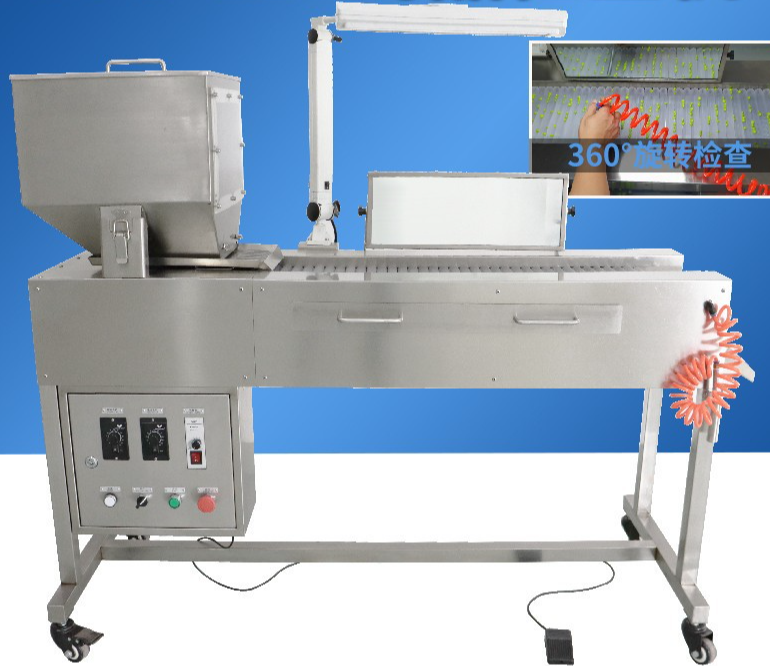
A tablet inspection machine is widely used equipment in various industries. It is designed to inspect and detect any physical defects and inconsistencies in tablets. These machines use advanced software, often powered by AI, to enhance detection accuracy.
Operating at high speeds, this equipment can detect thousands of tablets per minute. This automated process is the most accurate way to guarantee product quality and patient safety. Tablet inspection machines remove all flawed products. This happens before they move further down the production line.
Different Types of Tablet Inspection Machines
Tablet inspection machines primarily fall into two categories. The first is a manual inspection machine, and the other is an automatic inspection machine. We will discuss both types in further detail:
1. Manual Tablet Inspection Machine
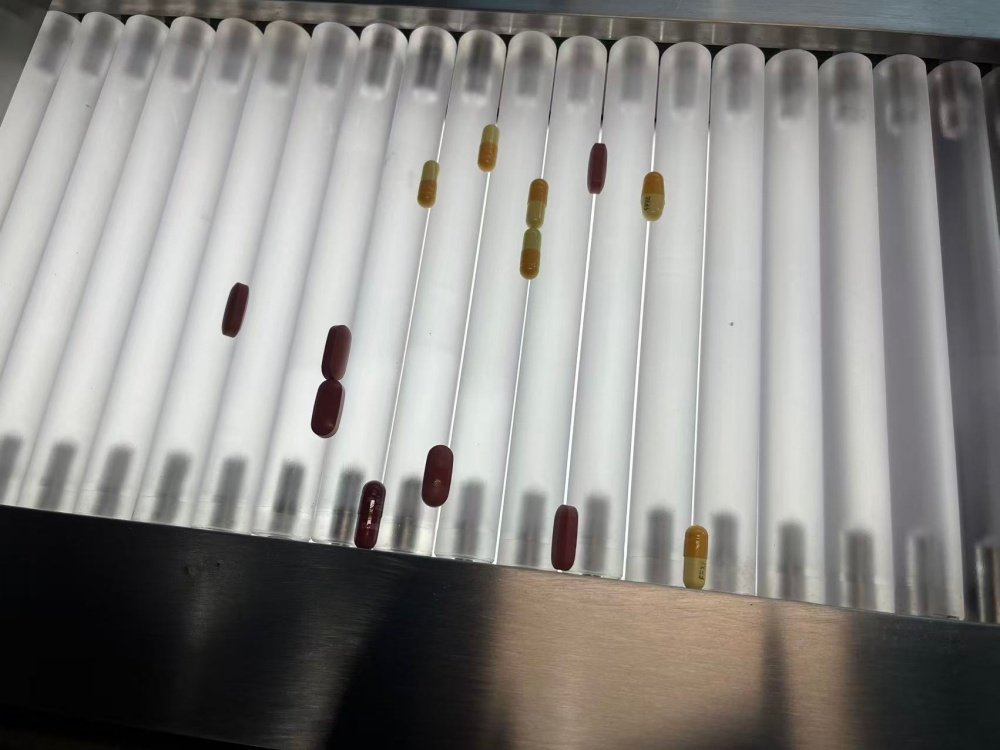
Manual tablet inspection machines heavily rely on human workers. They visually examine pills moving on a conveyor belt. Their goal is to find defects like physical damage or inconsistencies.
However, human inspection comes with challenges. It can be inconsistent due to factors like fatigue, distractions, or subjective judgment. This leads to more errors. As a result, customers could end up with flawed products.
2. Automatic Tablet Inspection Machine
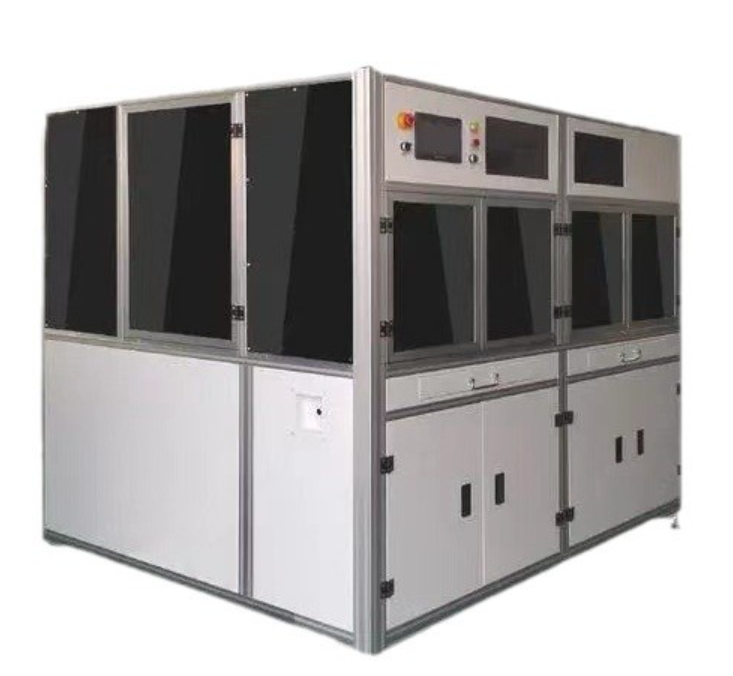
An automatic tablet inspection machine is a modern solution for tablet inspection. It uses advanced digital image processing and 3D modeling techniques to conduct a detailed inspection of tablets. This leads to a more thorough and authentic defect detection, including the most subtle irregularities.
These machines require minimal human intervention. Such a level of automation allows more production in less time with consistent quality control.
Tablet Inspection Machine Working Principle?
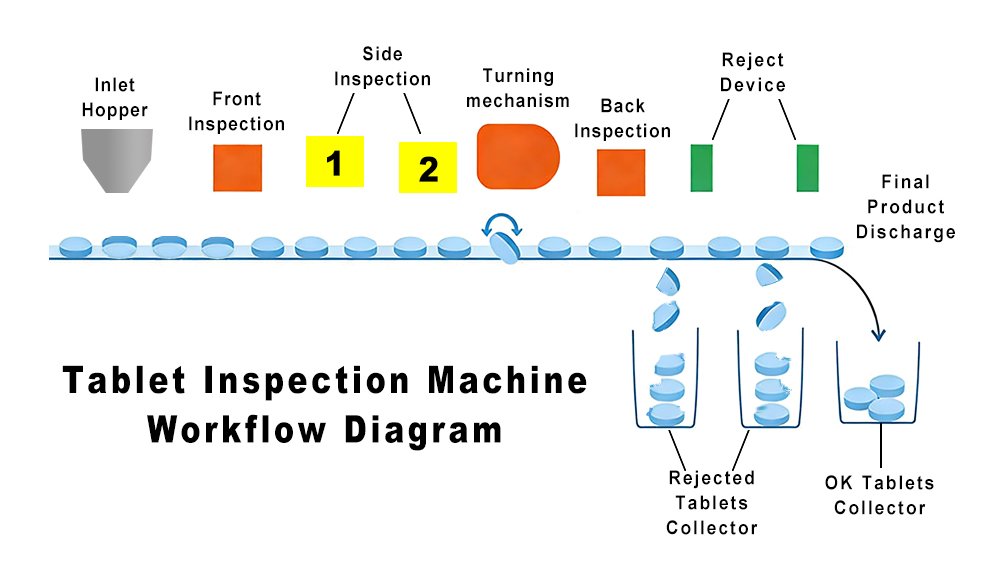
A tablet inspection machine uses a sophisticated blend of technologies to ensure product quality. This includes high-definition cameras, advanced image processing software, and sometimes 3D modeling capabilities. Below is a step-by-step breakdown of how these machines operate:
Video Source: https://www.youtube.com/watch?v=z8UtWCQMTJ0
1. Feeding Mechanism
The tablets are loaded into the machine via a hopper or a conveyor belt. The system ensures each tablet is oriented correctly for accurate inspection. They are guided into a single file and positioned using vibrations and specialized feeders.
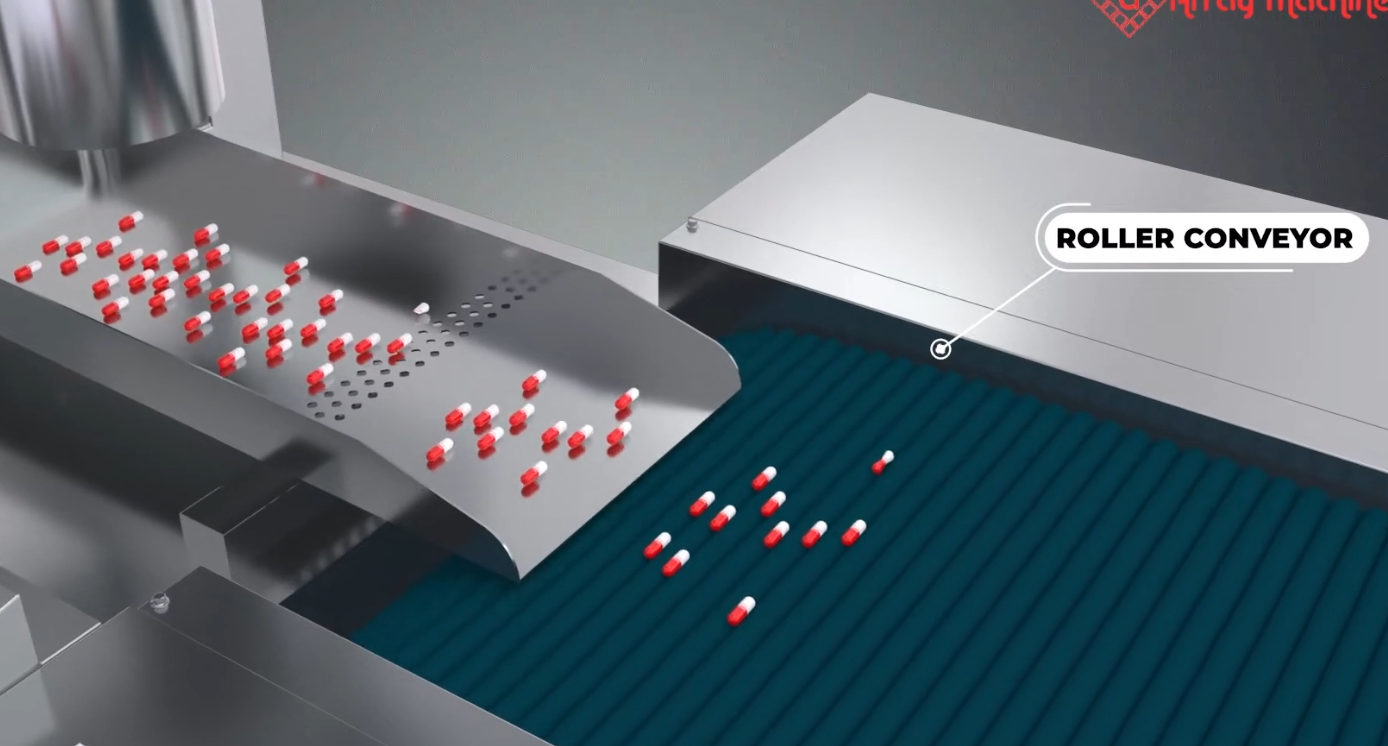
2. Visual Inspection
High-resolution cameras take many pictures of each tablet. They do this as the tablet moves through the inspection area. This process is supported by specialized lighting systems. These systems enhance the visibility of even minute defects, maintaining optimal image clarity.

3. Image Processing
Next, advanced software analyzes the captured images. It compares each tablet against predefined criteria for its ideal shape, color, size, and specific surface defects. More sophisticated machines may integrate 3D scanning to create volumetric models. They can spot subtle flaws like changes in chemical composition or coating thickness.

4. Defect Detection
Based on the image analysis, the machine detects different types of defects. These can range from issues like chips, cracks, and discoloration to inconsistent engravings, foreign particles, or even internal structural flaws.

5. Sorting Mechanism
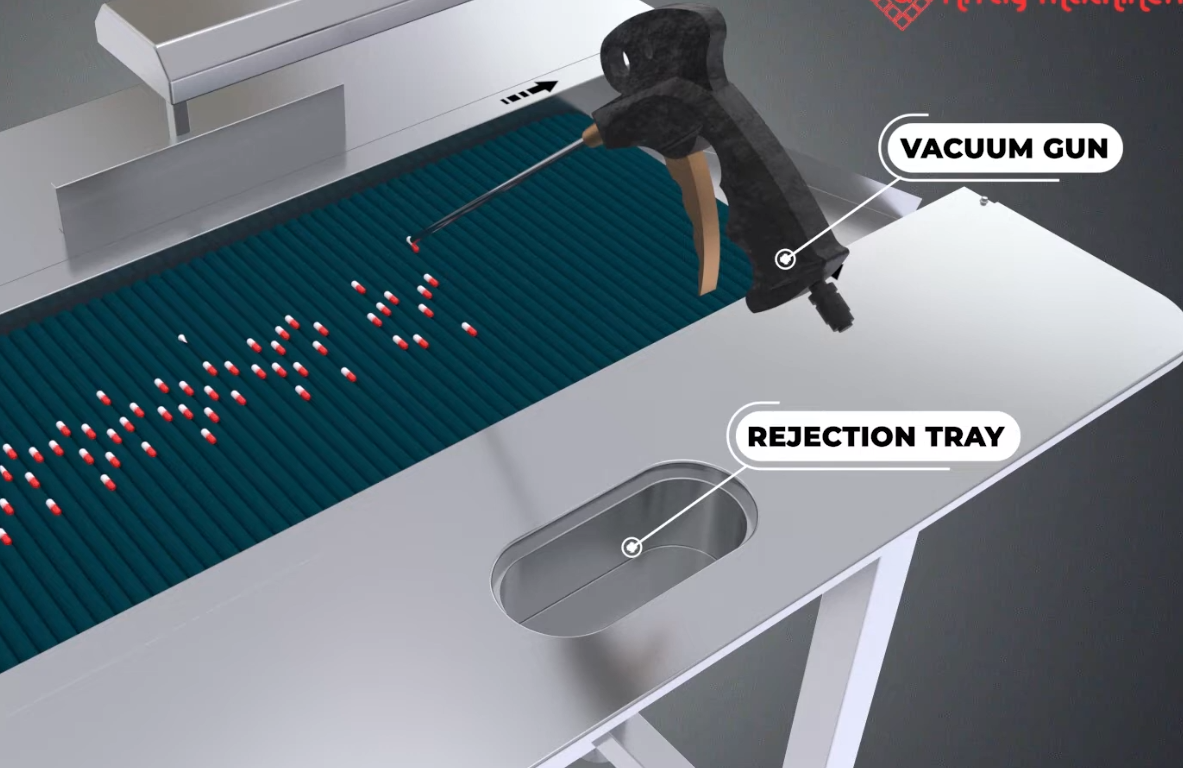
Tablets or drugs identified as faulty are segregated from the perfect batches. This rejection is accomplished through a focused air blast that ejects the improper pieces into a separate reject bin. Or, it could be a mechanical arm that swiftly pushes them off the main conveyor.
Key Components of Tablet Inspection Machine
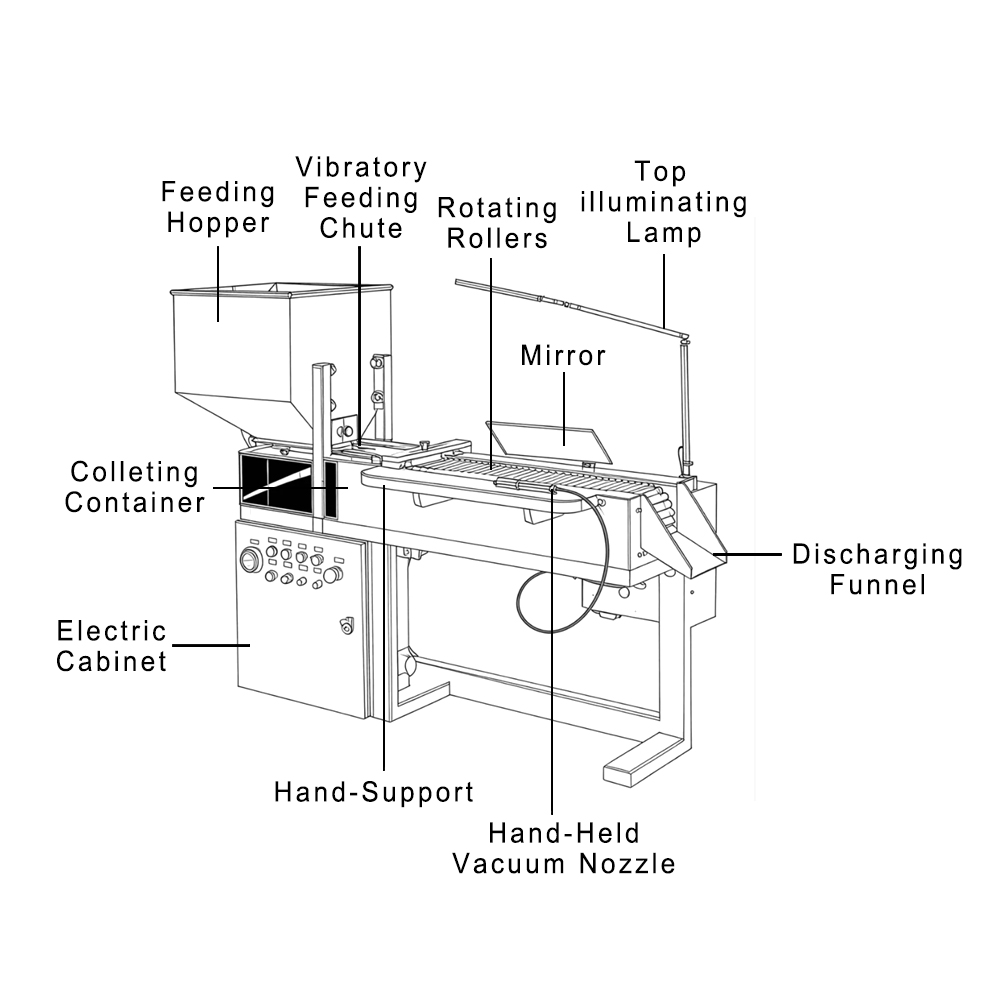
The main parts of a tablet inspection machine work in combination to ensure thorough examination. Here is a quick background on its key components:
- Hopper: This is the initial entry point where tablets are loaded into the machine for the inspection process.
- Magnetic Vibrator: A vibrating plate removes any dust from the tablets before they reach the inspection area. You can adjust its depth to optimize tablet flow.
- Conveyor Belt: It is a food-grade belt made of stainless steel or PVC. This belt precisely moves the tablets through the various inspection stages.
- Motor: Motor powers the conveyor belt, controls its speed, and ensures a consistent flow of tablets.
- Two Inspection Lamps: These are powerful fluorescent lights placed to illuminate the tablets from multiple angles.
- Discharge Chute: After inspection, this chute safely guides the approved tablets to the next stage of the production.
- Rejection tray: This tray collects any tablets found to be faulty or defective
- Control System: This is the central brain of the machine, often featuring a digital panel or touchscreen. It manages and monitors all operations to ensure optimal performance and quality control.
Applications of Tablet Inspection Machine In Different Industries
Tablet inspection machines are renowned for their extensive use in the pharmaceutical industry. However, their usage extends beyond just medicines. Here are some key sectors where these advanced machines play a crucial role in maintaining product quality:
1. Pharmaceutical Industry
Research shows that at least 1 in 10 medicines in low- and middle-income countries are substandard. This highlights serious global health risks and challenges. Pharmaceutical tablets contain active pharmaceutical ingredients (APIs) requiring precise dosages for patient safety.
Tablet inspection machines examine each tablet for defects, size variations, and foreign particles. They make sure that only products meeting stringent industry-required quality standards are released. This automated vigilance is critical for patient trust and regulatory compliance.
2. Nutraceuticals
The nutraceutical industry is the second-largest sector utilizing tablet inspection machines. This USD 458.55 billion market includes products like vitamins, dietary supplements, and functional foods. Tablet inspection machines are crucial here to maintain the quality of these diverse products.
They inspect for defects, consistent appearance, and proper encapsulation. The process guarantees that consumers receive safe and effective vitamins, minerals, and other health-supporting supplements.
3. Cosmetics
Tablet inspection machines are also gaining significant traction in the cosmetic industry. Here, they are used to maintain the visual integrity and quality of different makeup products. This may include compacts, pressed powders, and bath bombs. These machines inspect each item to keep it in par with the brand’s aesthetic standards and regulatory requirements.
4. Food
These machines are also utilized in the food industry for quality control of different food items. This includes products like confectionery (e.g., candies, lozenges), chewing gums, and stock cubes. They make sure these products are free of all defects and meet the required visual standards.
Key Features of Tablet Inspection Machines
Tablet inspection machines offer massive advantages across various industries. Here are some of the numerous benefits that impact everything from manufacturing to consumer safety:
1. Enhanced Product Quality
Tablet inspection machines can detect even the most minor of defects. Think of subtle surface imperfections, tiny chips, or slight discoloration, which are invisible to the human eye. Identification and removal of these flawed products enable you to deliver high-quality, consistent medicines to the market.
2. Reduced Labor Costs
Shifting from manual to automated inspection cuts down on the need for extensive human labor. A single machine can perform the work of multiple humans with far greater speed and consistency. This reduction eventually leads to substantial savings in wages, training, and overhead costs associated with a large workforce.
3. Regulatory Compliance
For industries like pharmaceuticals and nutraceuticals, strict regulatory standards (such as GMP guidelines) are non-negotiable. Tablet inspection machines provide an objective and verifiable method of quality control. You can generate detailed data and reports that show compliance with industry regulations. This means minimal risk of costly recalls, legal issues, and damage to brand reputation.
Invest in Precision: The Future of Tablet Inspection
Tablet inspection machines are not just an advancement, but a necessity in modern manufacturing. They offer a transformative experience for any industry prioritizing product quality and consumer safety. From the strict demands of pharmaceuticals to the aesthetic precision of cosmetics and the integrity of food products, this technology is your all-in-one solution.
Think of them as a shift from reactive quality checks to proactive defect prevention. It ensures strong compliance and boosts market trust.
To utilize the full potential of tablet inspection machines, make a well-researched choice as per your specific needs. Partner with a reputable supplier who offers proven technology, excellent customer support, and solutions that can integrate into your existing production line.
FAQs
Can a tablet inspection machine handle different tablet shapes?
Yes, most modern automatic tablet inspection machines are highly versatile. You can configure them with adjustable feeding mechanisms and advanced software algorithms. It helps them inspect a wide variety of tablet shapes, including round, oval, capsule-shaped, and different sizes.
How does an automatic tablet inspection machine improve on manual inspection?
Automatic tablet inspection machines offer significant improvements over manual methods. They eliminate human factors like fatigue, distraction, and subjective judgment, drastically reducing error rates. The end result is superior product quality, higher throughput, and more reliable data for regulatory compliance.
What types of defects can an automatic tablet inspection machine detect?
Automatic tablet inspection machines are designed to detect a comprehensive range of defects. They can detect physical damage (chips, cracks, laminations), surface imperfections (spots, discoloration, foreign particles), and size and shape deviations. More advanced systems can even identify internal flaws or chemical inconsistencies.
Copyright Notice:
You may not reproduce, modify, publish, display, transmit, or in any way exploit any content on this website, or use such content to construct any kind of database without prior express written approval by Finetech Group. For permission to use the content, please contact: info@pharmamachinecn.com
Disclaimer:
The information contained in this article is for general information purposes only. The Company does not guarantee the accuracy, relevance timeliness or completeness of any information, and the Company assumes no responsibility for errors or omission in the content of this article.