Softgel Encapsulation Machine for Gelatin Capsule Production
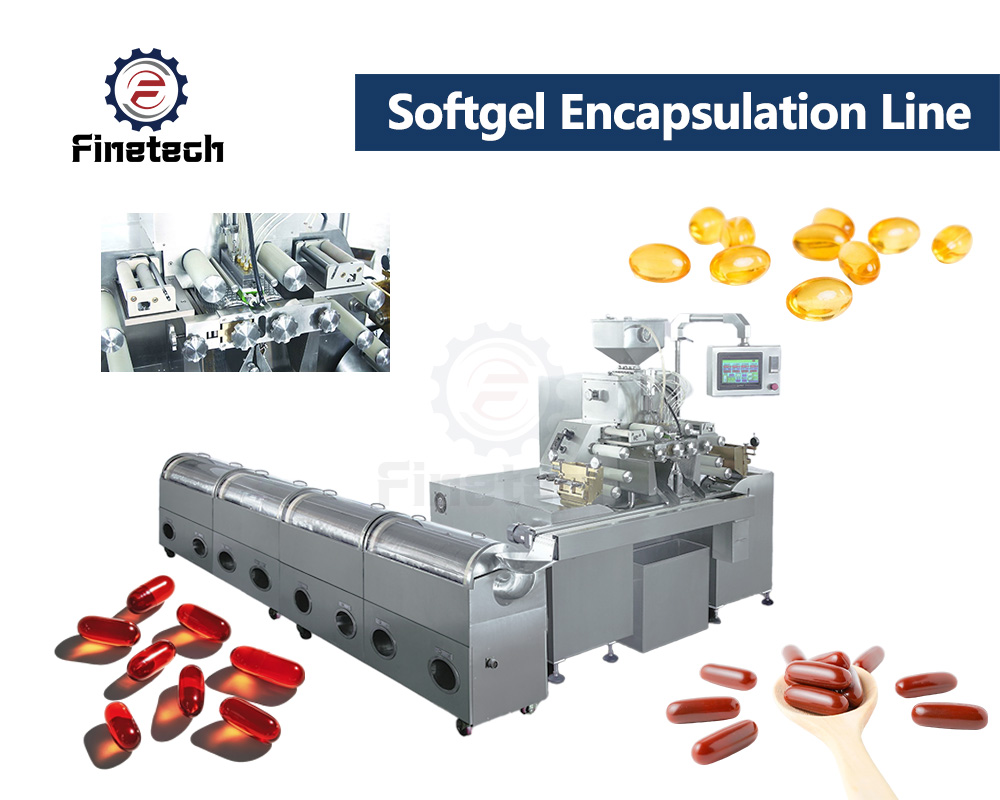
Produce sealed softgel doses from compatible oils, suspensions, and semi-solid formulations. Finetech’s Softgel Encapsulation Machine forms the gelatin shell and dispenses the fill material in a continuous operation. Choose an encapsulator for an existing line or discuss a complete project that connects material preparation, capsule forming, and drying.

What is Softgel Encapsulation Machine
How a Liquid Fill Becomes a Finished Softgel
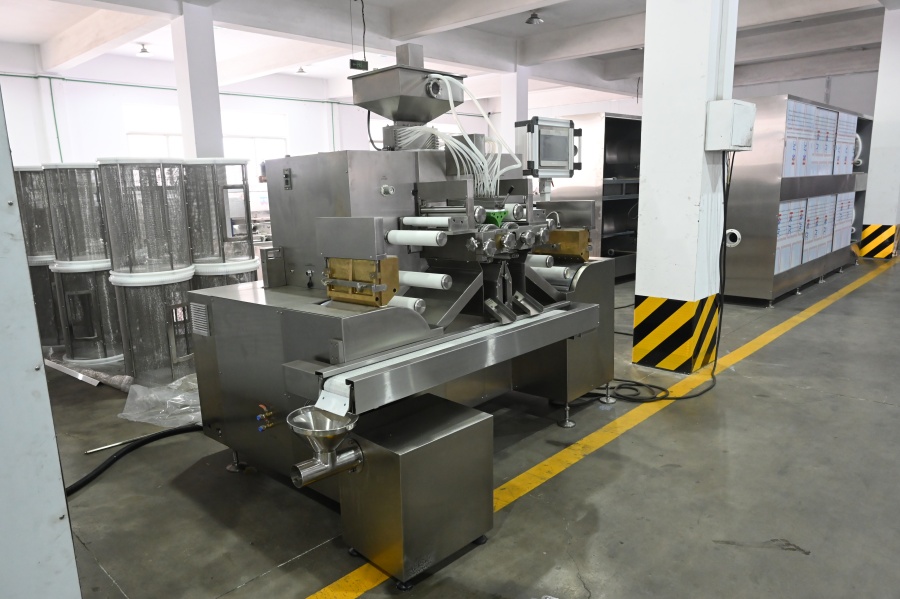
Softgel production starts with two prepared materials: a warm gelatin mixture for the shell and a separate liquid or semi-solid fill. The gelatin spreads onto cooling drums to form two flexible ribbons. A dosing pump delivers the fill material between the gelatin ribbons, where rotating dies form, seal, and cut each capsule.The fresh softgels then pass through initial tumble drying and further controlled drying before inspection and packing.
Match the dosing system and molds to the fill’s flow behavior, dose volume, and capsule shape. Choose capacity around the batch you need to complete, allowing for operator tasks such as material replenishment, quality checks, and cleaning. For a useful quotation, send Finetech these product details and your target output, then specify which preparation tanks or dryers the order should include.
Key Benifits
Package Oils as Individual Oral Doses
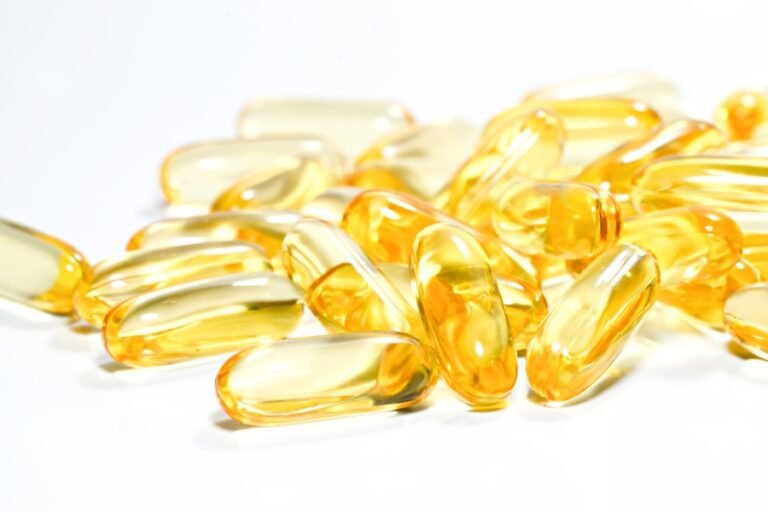
Softgels give manufacturers a practical way to offer oil-based formulations as individual oral doses. The machine encloses a measured fill in each shell, creating a product format that consumers can take without measuring liquid.
Keep Fill Quantity Under Control
Metered filling supports consistent quantities of formulation inside the capsules. Regular fill-weight checks show whether dosing stays within the limits set for the product, allowing operators to identify variation before releasing a batch.
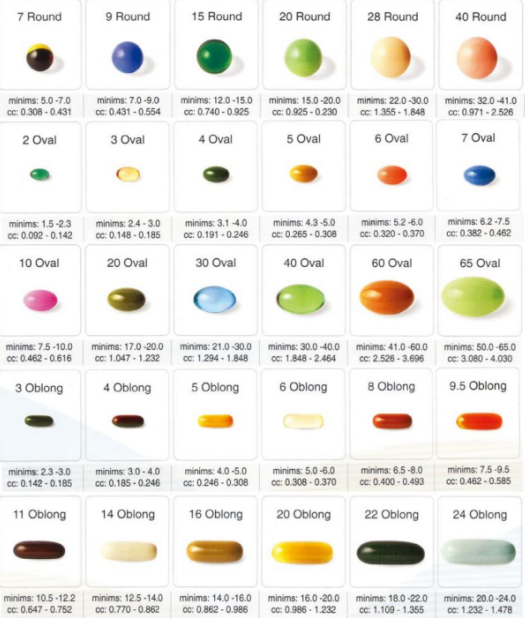
A Choice of Oval, Oblong, or Round Capsules
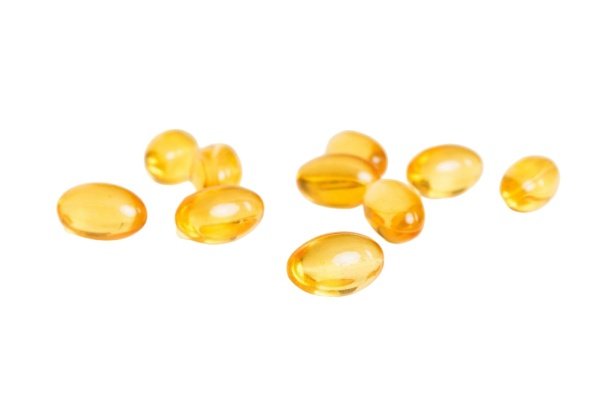
Round, oval, and oblong tooling provides different ways to present a liquid dose. Select the shape alongside capsule dimensions and fill volume, then confirm the proposed design before committing to a mold.
Finetech Coordinates the Stages Around Encapsulation
Installation Guidance and Practical Operator Training
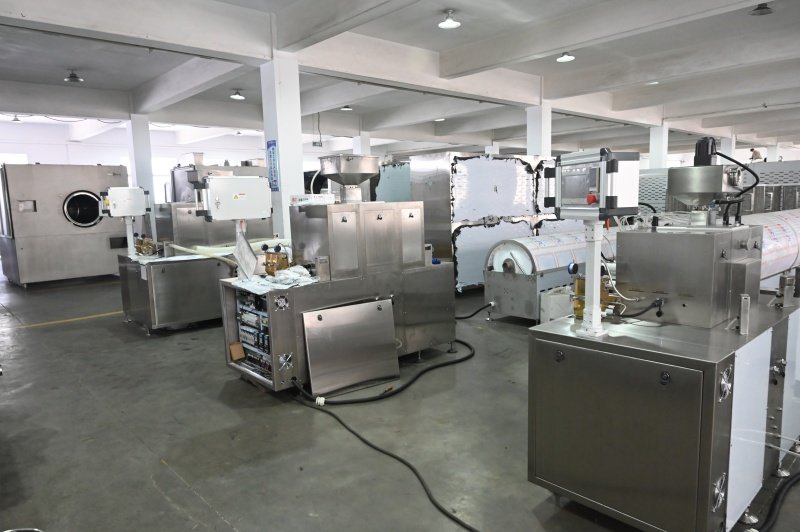
Finetech plans softgel projects from gelatin preparation through encapsulation and drying, supported by factory layout design. Buyers can specify the tanks, dryers, and finishing equipment included in the order. Installation guides and operation manuals support setup, with overseas engineer assistance available as an option. Operation and maintenance training prepares the production team for handover. Agree on instruction for ribbon setup, dosing adjustment, and cleaning when defining the training scope.
Finetech’s Core Strengths:
- Capsule tooling developed from customer drawings
- Factory layout and material-flow planning
- Electrical and mechanical commissioning checks
- Machine-specific replacement and wear-part support
- Qualification records and technical review assistance

Different Types of Semi Automatic Capsule Filling Machines
Explore Fintech’s numerous semi-automatic capsule filling machines in store for your business.

CGN208-D Semi-Auto Capsule Filling Machine With Button Type
Max. Capacity: 25,000-30,000 pieces per hour
Applicable capsules: #00, #0, #1, #2, #3, #4, #5/Different size need different mold
Packing size: 1800x1200x1700 mm

CGN208-D2 Semi-Auto Capsule Filling Machine With Touch Screen Type
Our Softgel encapsulation machine can quantitatively inject oils, mixing suspensions, and pasty masses into the capsule to form all kinds of softgels in various sizes, shapes, and colors.

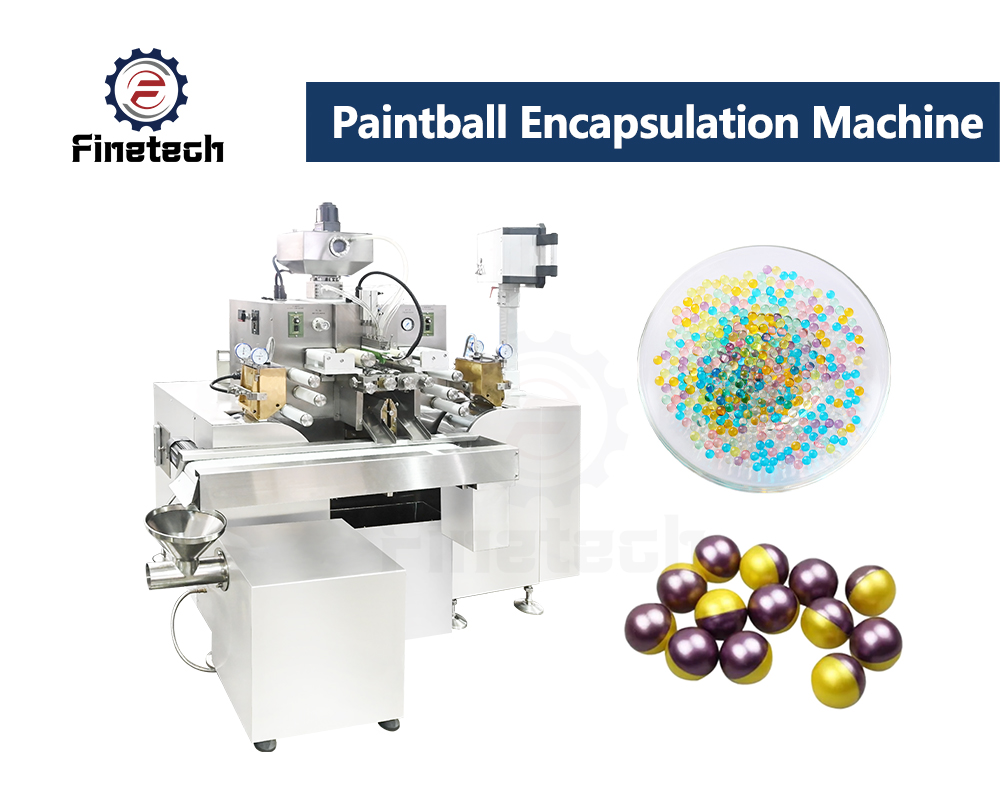
Paintball Encapsulation Machine
A paintball encapsulation machine is a specialized automatic equipment for mass-producing 0.5”/0.68” caliber paintballs.
Not Sure Which Softgel Encapsulation Machine Is Right for You?
Please click the button below to tell me your softgel shape and customization requirements.

Industries We Serve
Machines Specially Designed for Small‑Scale Manufacturers. Explore Our Three Major Application Industries.


Key Features
The gelatin ribbons and fill reach the dies through separate systems. Their controls must keep ribbon formation, dosing, and die movement coordinated throughout the production run.

Ribbon Casting on Cooling Drums
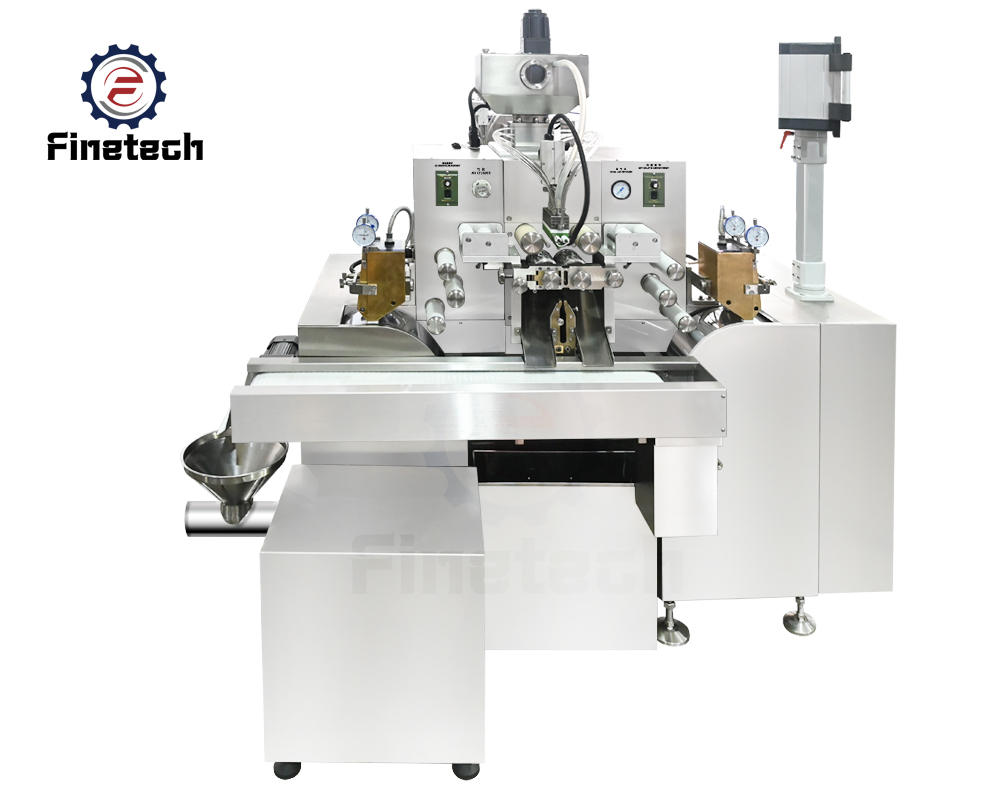
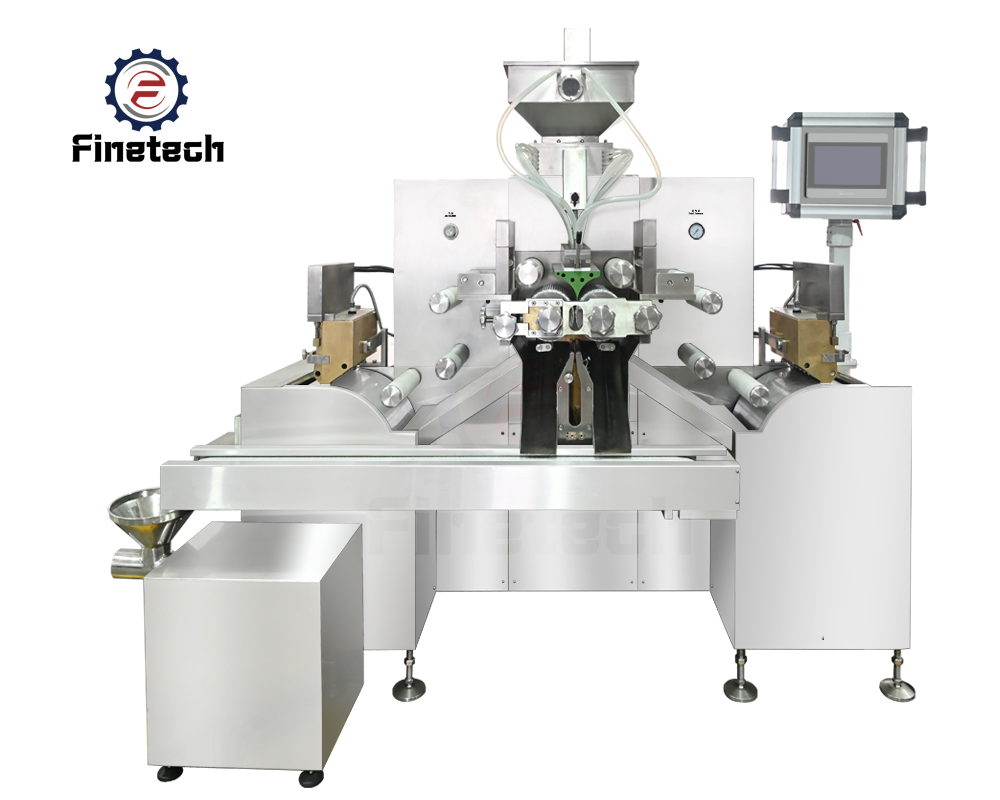
Spreader boxes distribute warm gelatin across two cooled drums to form continuous ribbons. Controlling ribbon thickness matters because both layers must meet evenly at the dies to form the capsule seam.

Dual-Pump Dosing
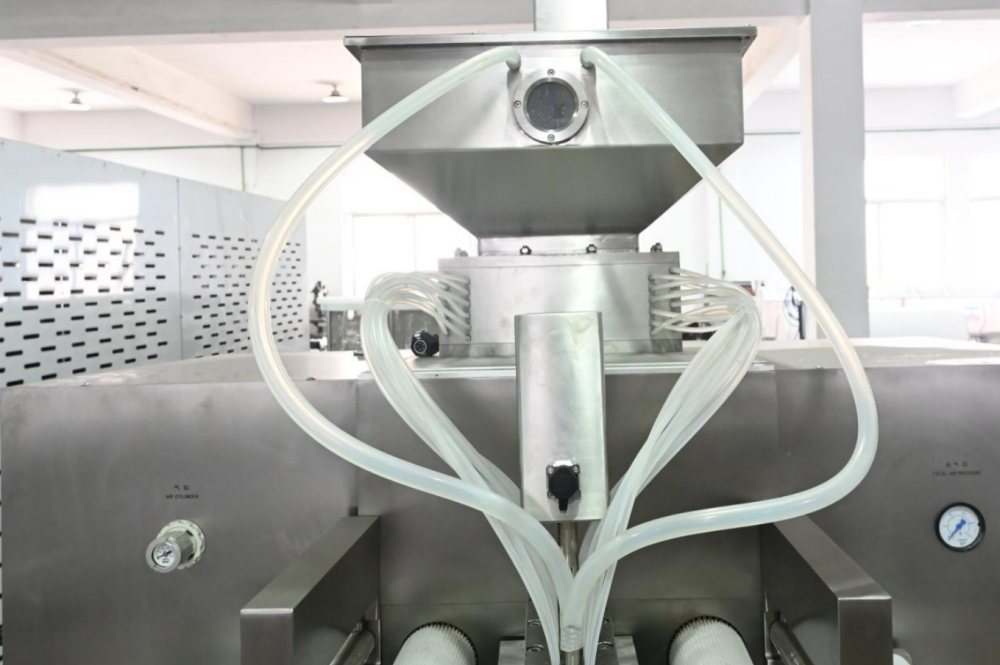
The 300 model uses two pumps to meter the formulation. The fill is injected between the gelatin ribbons during capsule formation, with dosing coordinated to the movement of the rotary dies.

Matched Dies Define the Capsule
Cavities in the paired rotary dies define capsule shape and size. As the dies rotate, they press the ribbons together around the fill and cut each sealed capsule free.

Touchscreen Controls
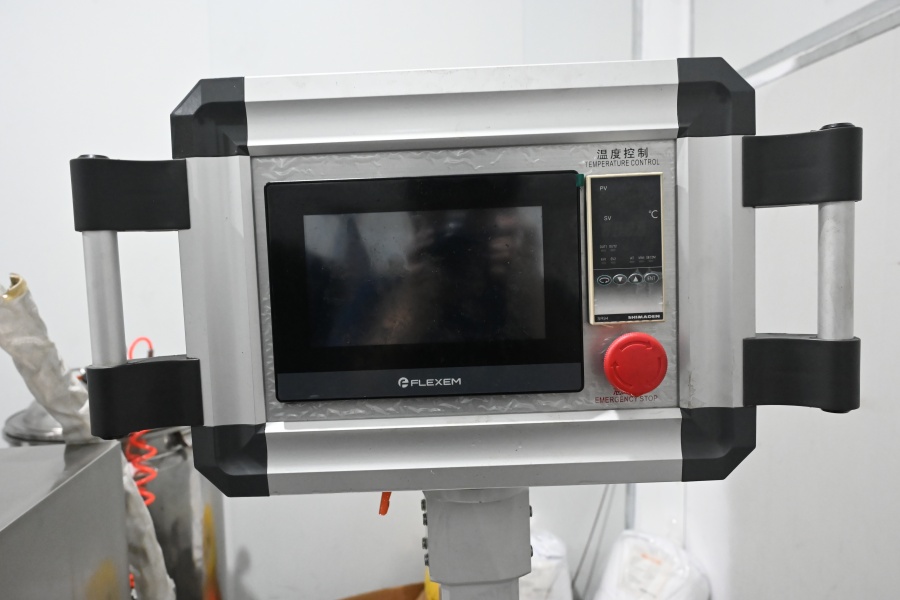
The FT-115 combines touchscreen operation with one-button start and stop. The panel gives operators a central place to issue routine commands when setting up the machine or running a batch.

Adjustable Die Rotation
The 300 model has adjustable die rotation speed. During setup, check fill weight and seam quality at the proposed speed before using that setting to plan routine production.

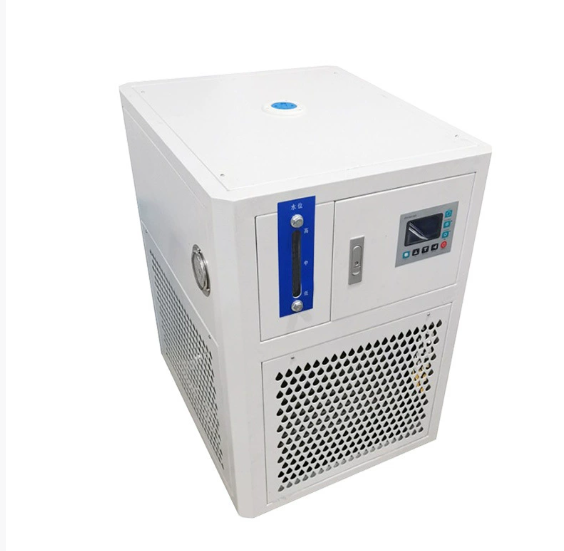
Water Cooling
Water cooling to remove process heat. Confirm water-supply requirements and whether external cooling equipment is included so your plant can prepare the necessary connections before installation.
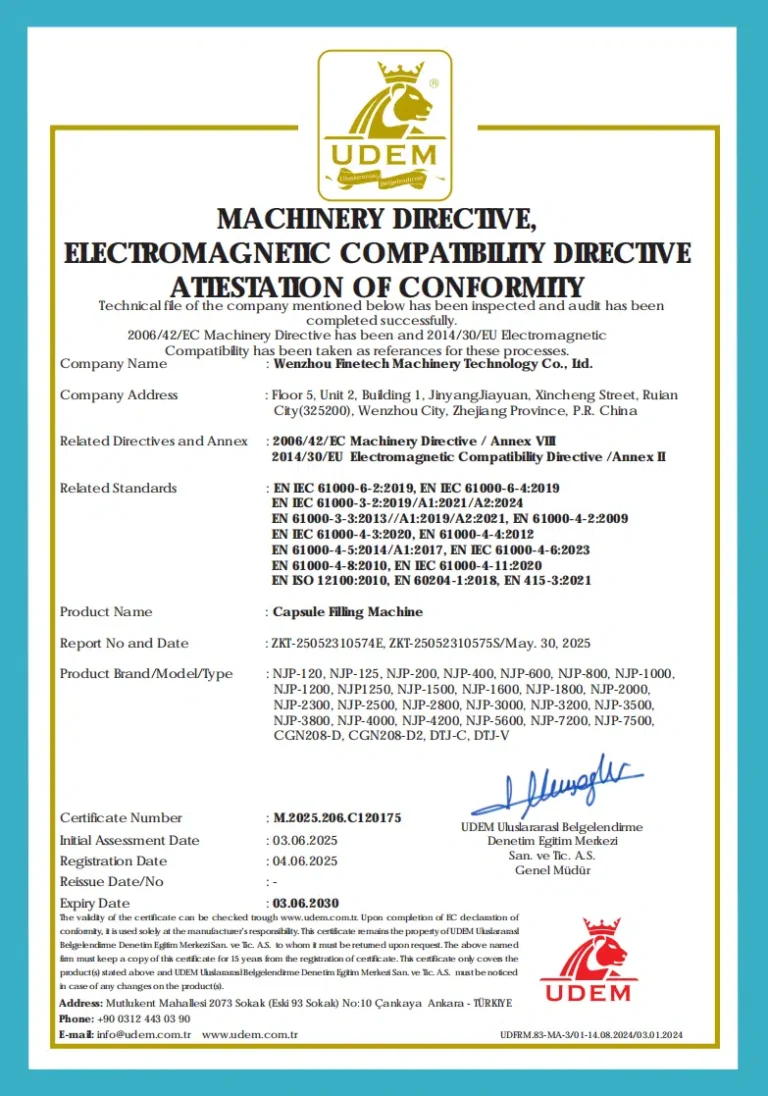
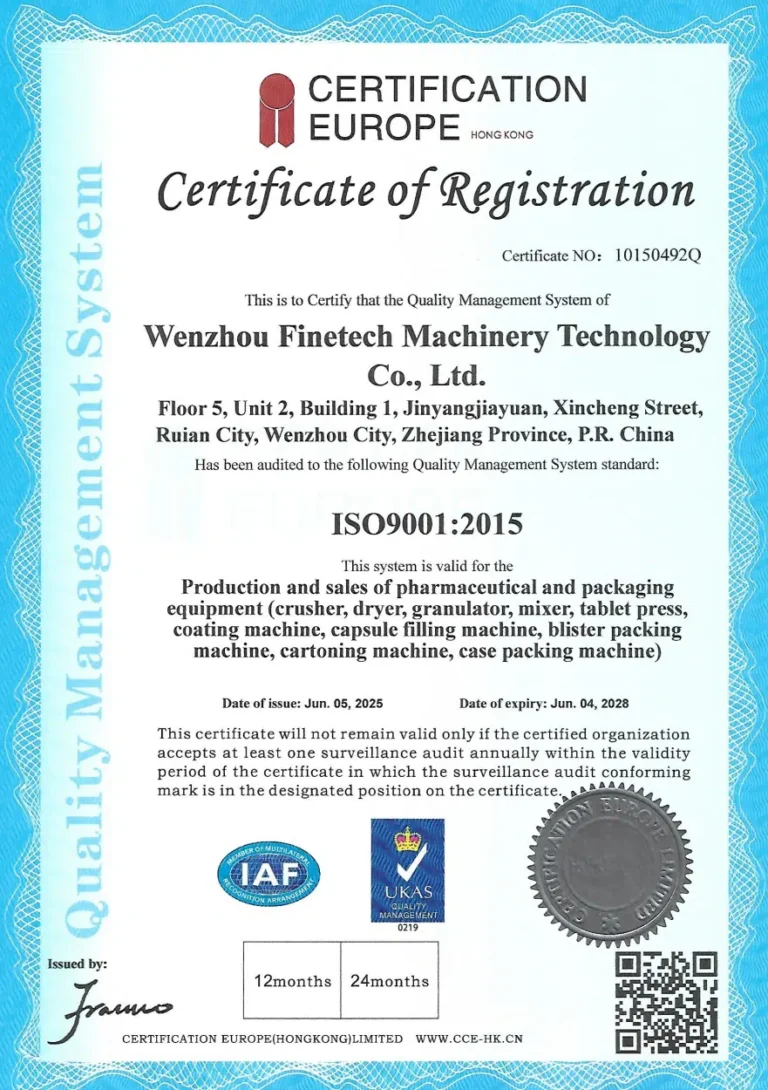
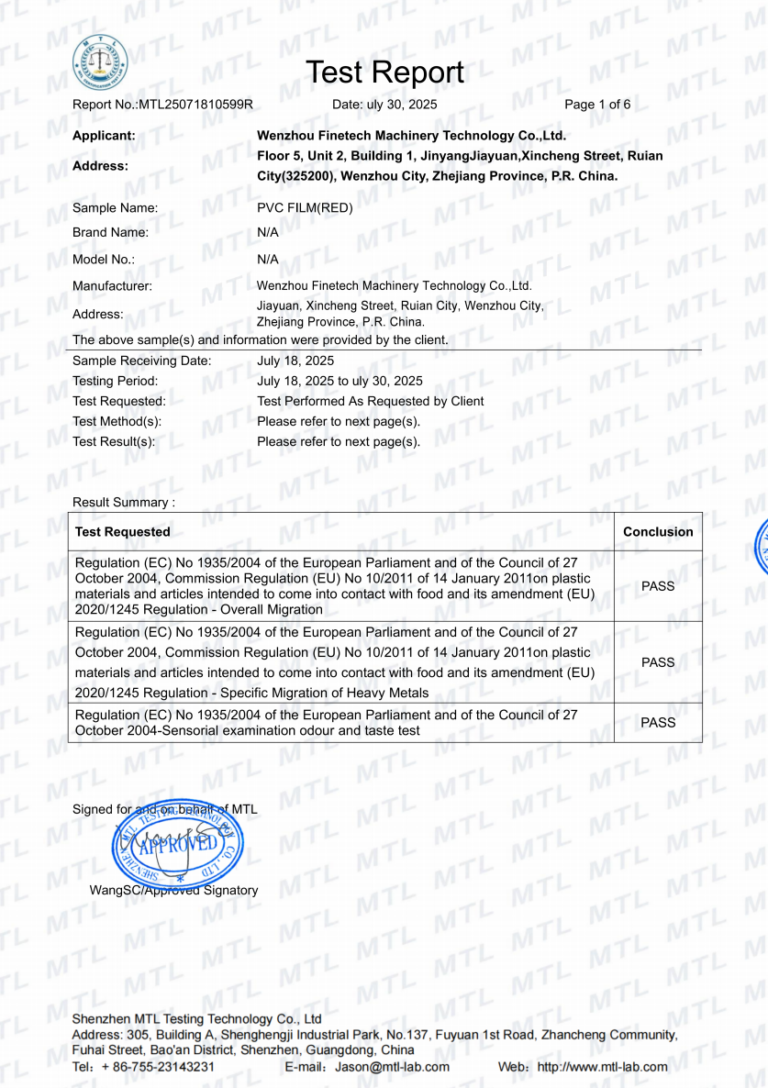
Certification
Our Services
We offer the following services: operations training, on-site installation and commissioning, and one-year maintenance service. For more details, see the link below.
On-site installation and commissioning support for your pharmaceutical machinery.
Operator training to help your team understand the correct operation of the machine.

Online technical assistance for machine operation and troubleshooting.
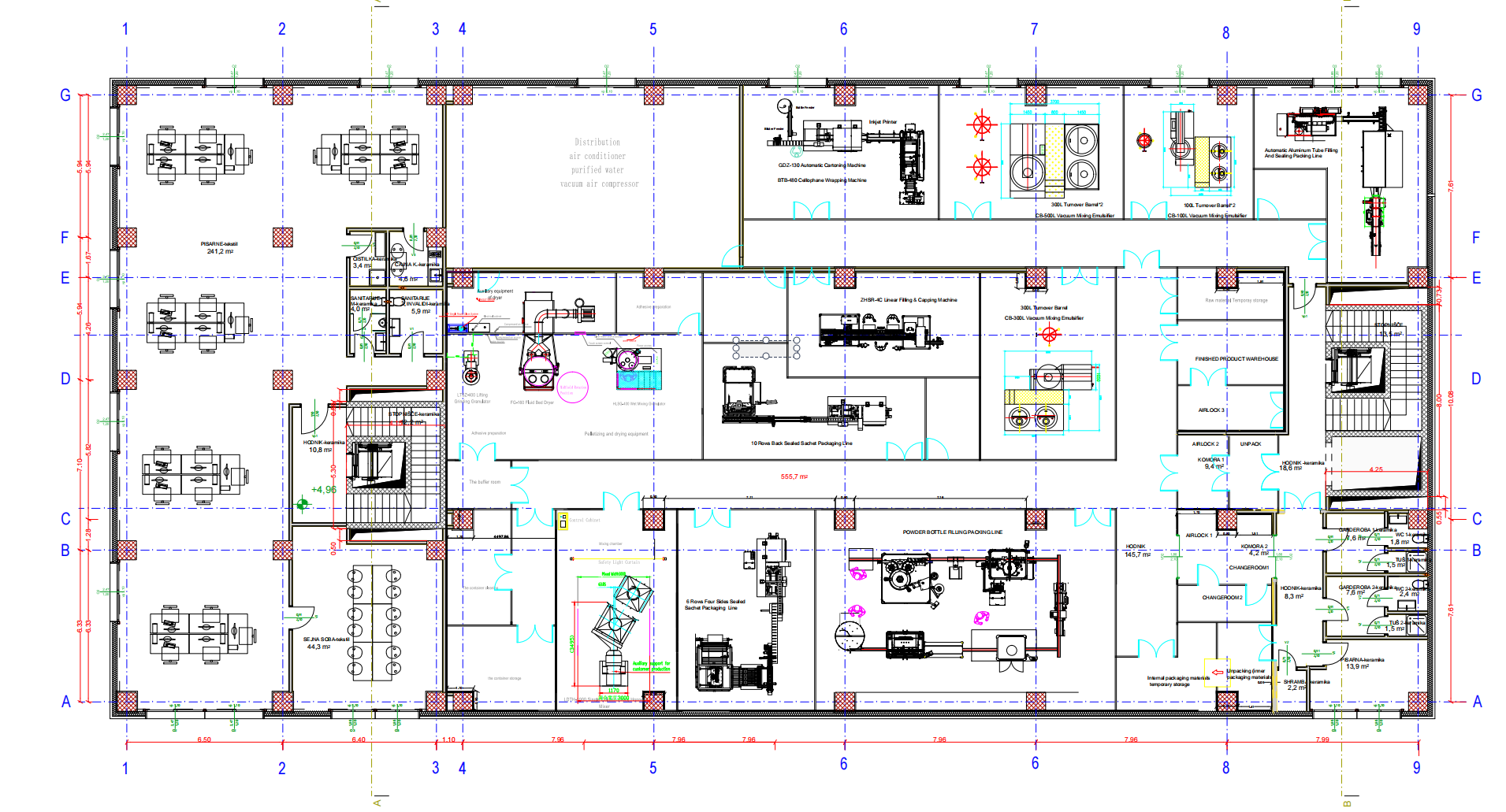
Support for pharmaceutical workshop and production-line planning.
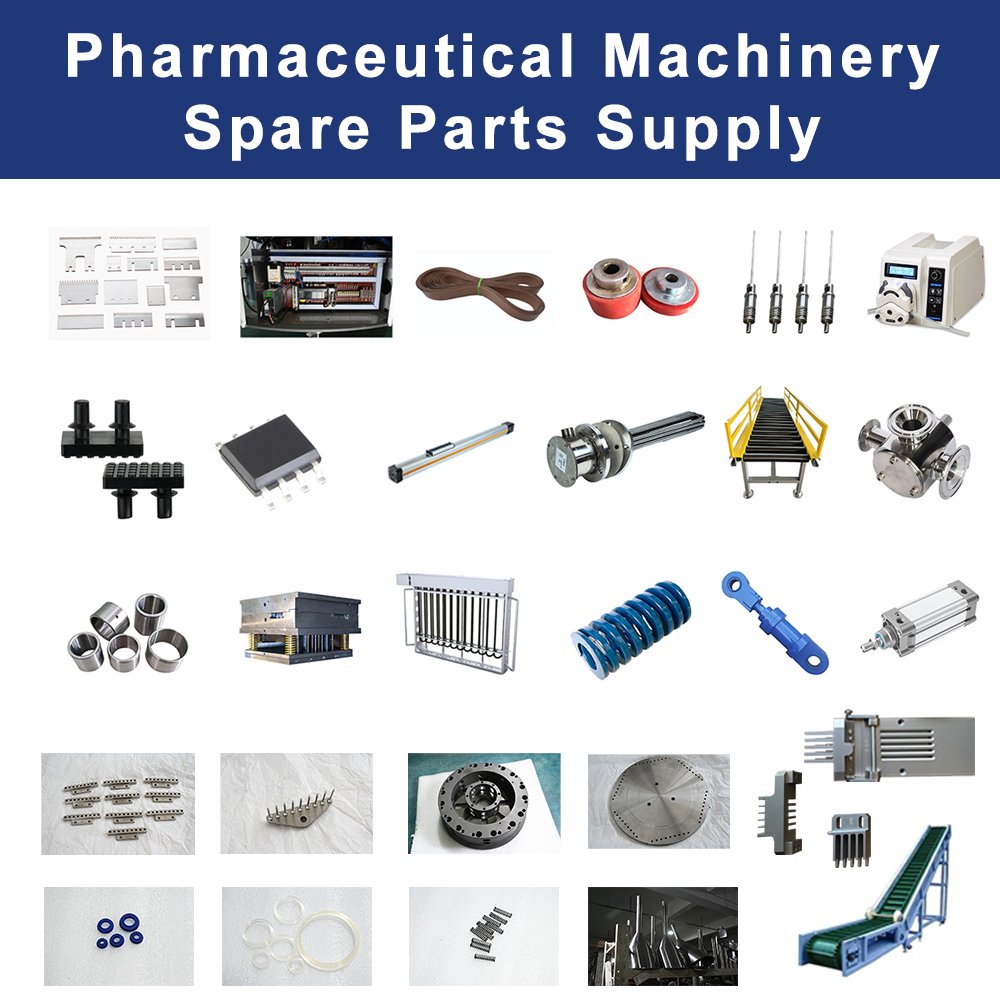
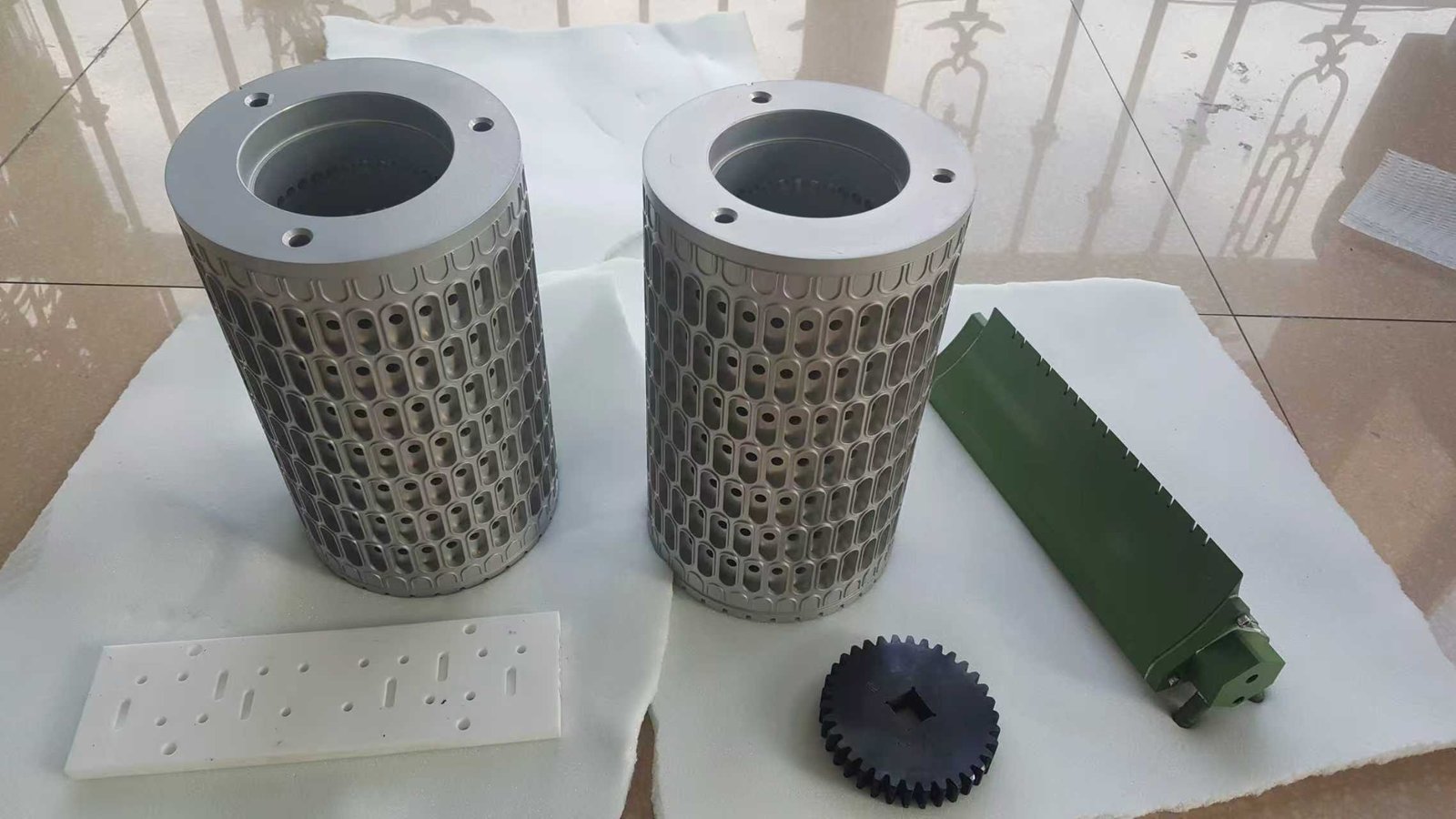
Support change parts: Die Rolls,Injection Wedge, Spreader Box, Casting Drum,Plunger.
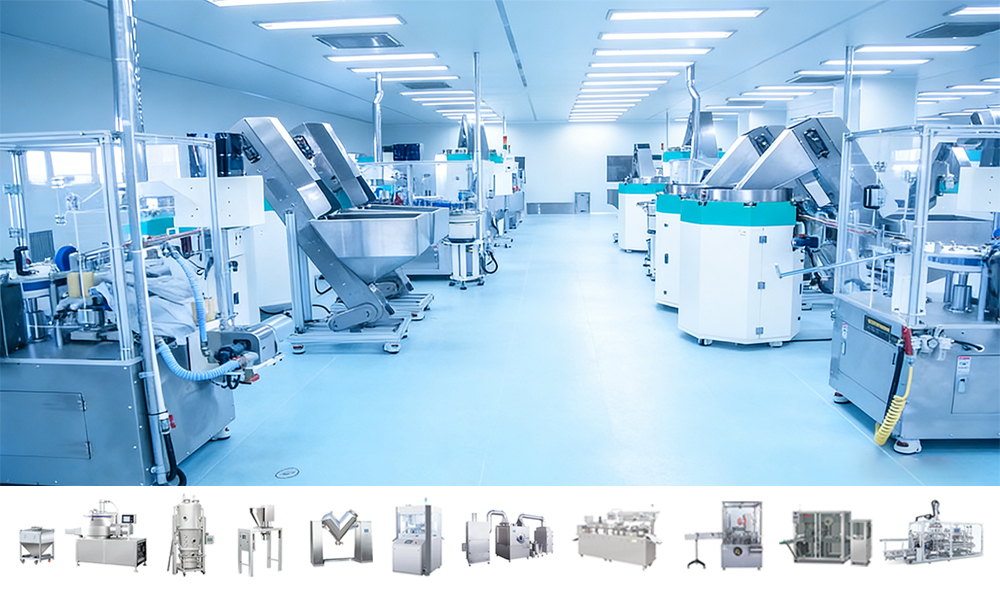
We providing complete turnkey solution. From manufacturing to packaging line.
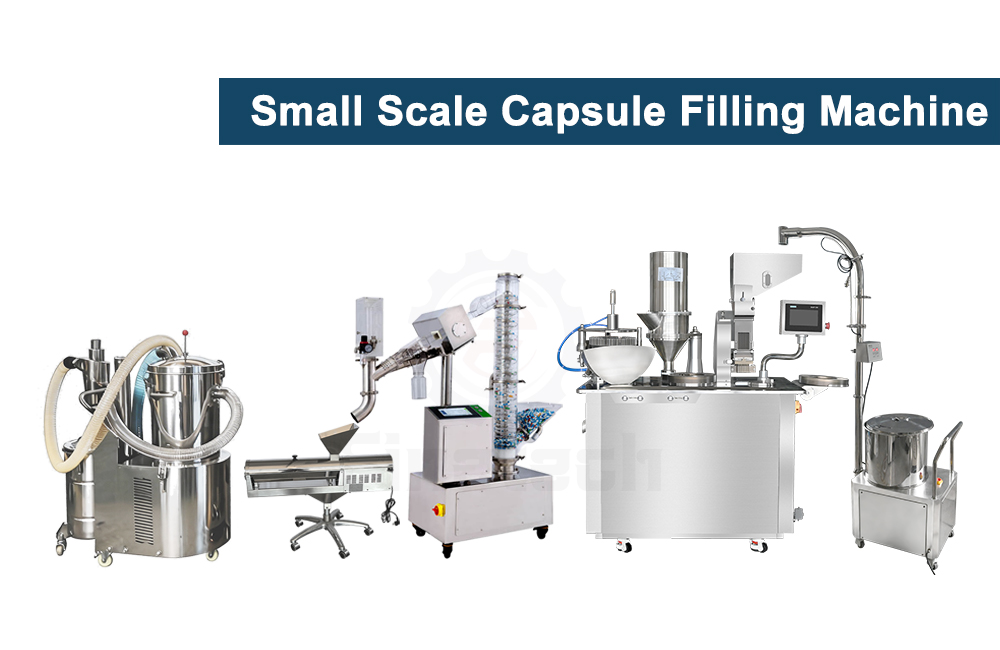
We develop sustainable capsule‑filling solutions for small‑scale manufacturers.
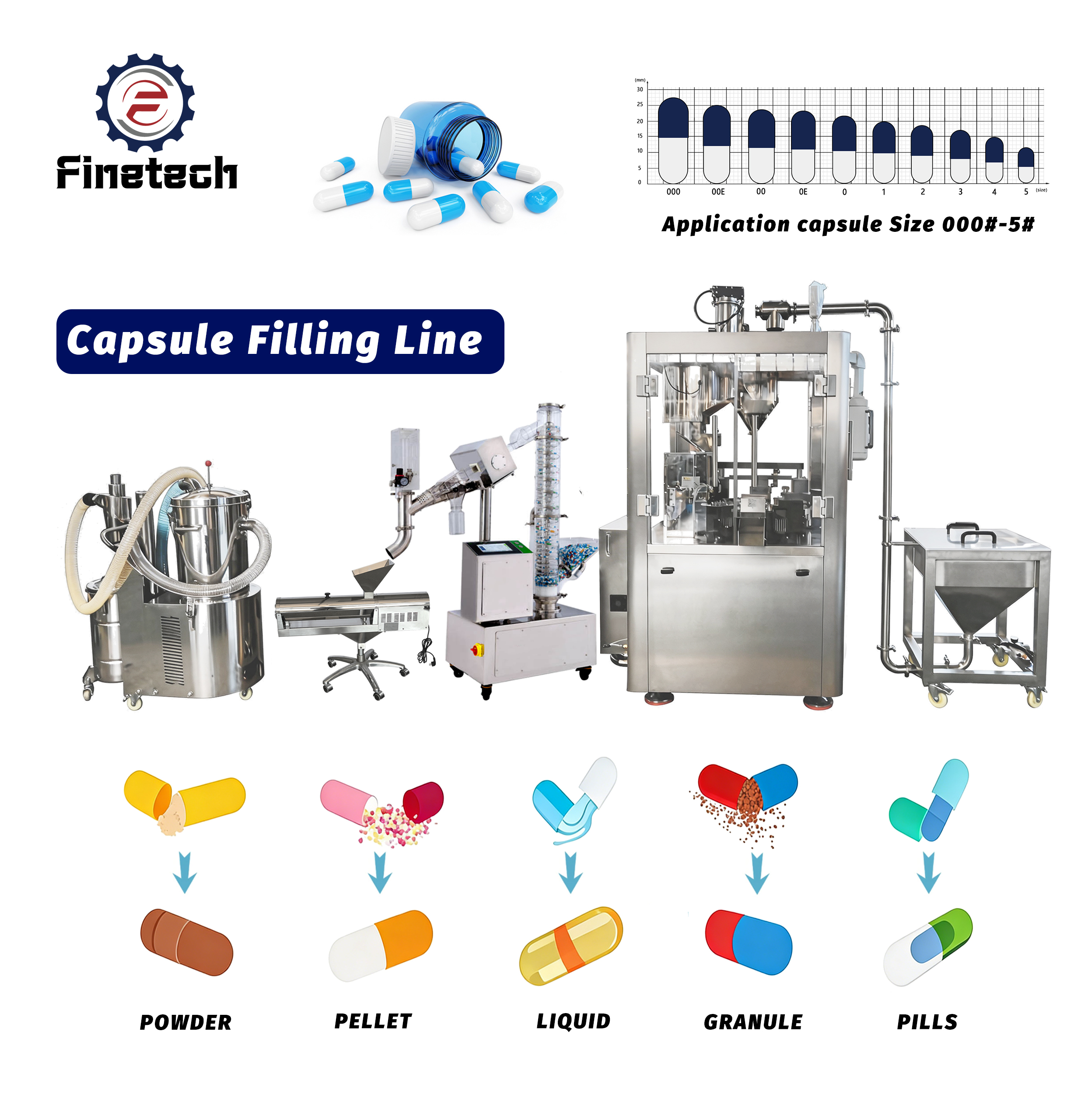
We can customize capsule filling lines to suit your production scale.
We can customize production equipment based on the shape and size of your softgels.
Technical Data
Production Capacity
18,000
Softgels / Hour
Filling Accuracy
98
%
Package Error Rate
<2
%
Shipping Time
20+
Days
Specification
| Model | 115soft gel capsule making machine | 300 soft gel capsule making machine |
|---|---|---|
| Production capacity | 12,800 tablets/ hour | 18,000 tablets/ hour |
| Sealable capsule filling | Solution,suspension, microemulsion | Solution,suspension, microemulsion |
| Applicable capsule | 00-4# gelatin,plant capsule | 00-4# gelatin,plant capsule |
| Environmental requirements | Room temperature around 20C,humidity 40% -55% | Room temperature around 20C,humidity 40% -55% |
| voltage | Three-phase 380V/220V 50Hz | Three-phase 380V/220V 50Hz |
| Total power | 4KW | 9KW |
| Compressed air | 0.6Mpa | 0.6Mpa |
| Total weight | 650KG | 2300KG |
| Dimensions | 600*850*1650MM(ength xwidth x height) | 3800*900*1900MM(ength xwidth x height) |
Interested in Softgel Encapsulation Machine?
Talk to our experts to discover the right solution for your needs.

Related Technologies


FAQs
Vegan softgels require a machine and process proven with the chosen plant-based shell material. A change from gelatin affects ribbon formation, sealing, and drying. Request processing evidence for your proposed shell formulation before accepting vegan compatibility.
A water-rich fill may soften or dissolve a gelatin shell. Assess the complete formulation, including its solvents and acidity, and test the finished capsules during storage. Successful pumping alone does not demonstrate compatibility with the shell.
The FT-115’s manufacturer-rated capacity is 12,800 softgel capsules per hour. Actual output varies with capsule size, fill behavior, sealing quality, and stoppages. Use a sustained product trial to establish output, counting acceptable capsules after drying.
Fresh softgels need further controlled drying after the initial tumble stage. Packing should begin after the product meets its established moisture and shell-quality criteria. A set number of drying hours cannot replace those checks.
Clean the parts that carry the formulation and any shell-handling components affected by the product change. Different sizes or shapes also require the corresponding capsule tooling. Ask for a cleaning and tooling-change demonstration before estimating downtime between batches.
The installation area should provide the electrical supply, cooling, and compressed-air services required for the selected line. Temperature and humidity should also be controlled because both can affect capsule formation and drying. Leave enough space for preparation vessels, drying equipment, die removal, and routine access to the pump and other service points.
During the factory acceptance test, verify fill weight, seal quality, safety functions, and sustained output against the agreed specifications. For a complete softgel line, the test should also cover the drying stage. Define in advance which records must be supplied with the equipment, such as the FAT report, operating manuals, material certificates, and any required qualification documents.