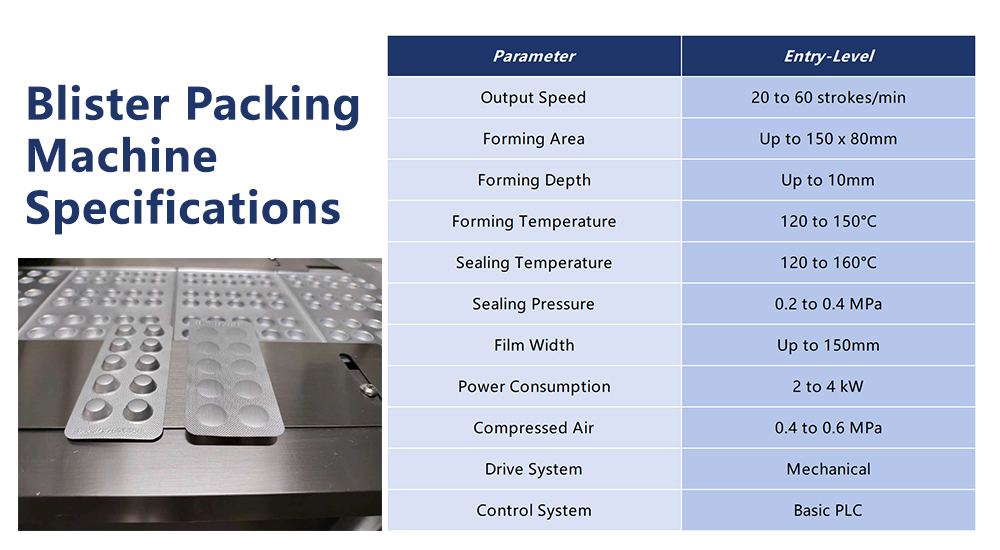
Blister Packing Machine Specifications Overview
If you’re reading a blister packaging machine spec sheet without understanding what the numbers mean, you’ll most likely end up with the wrong machine. To make sure you don’t make
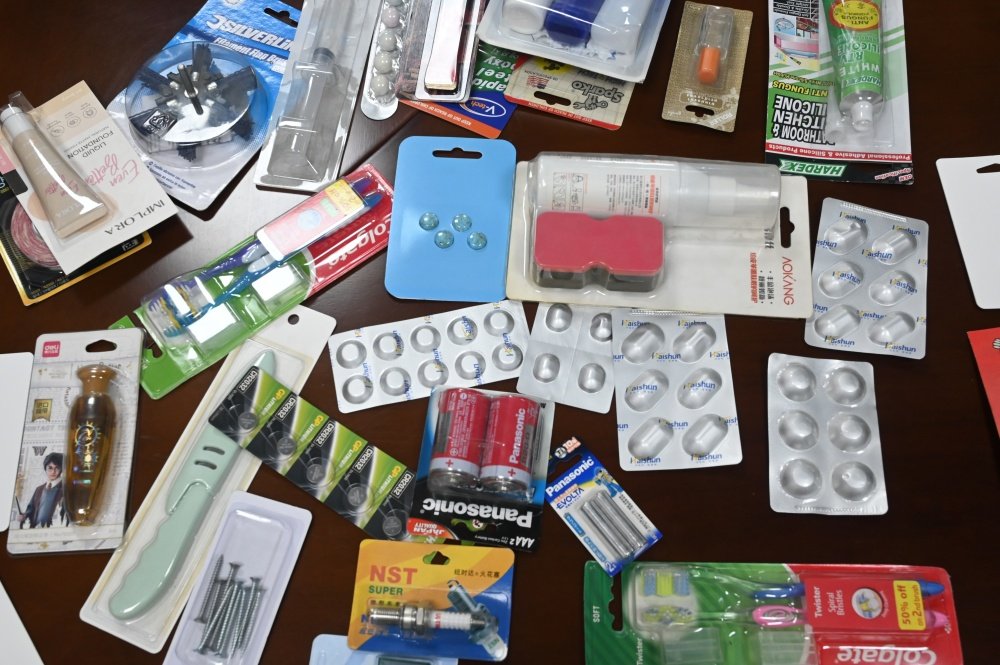
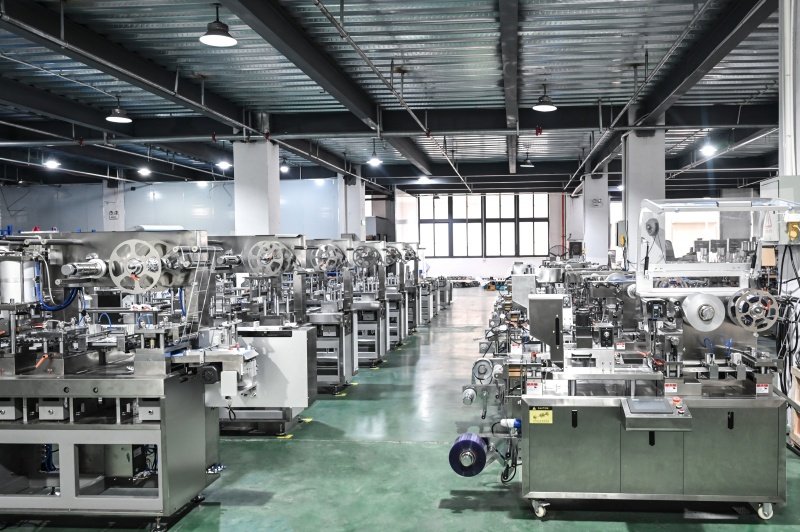
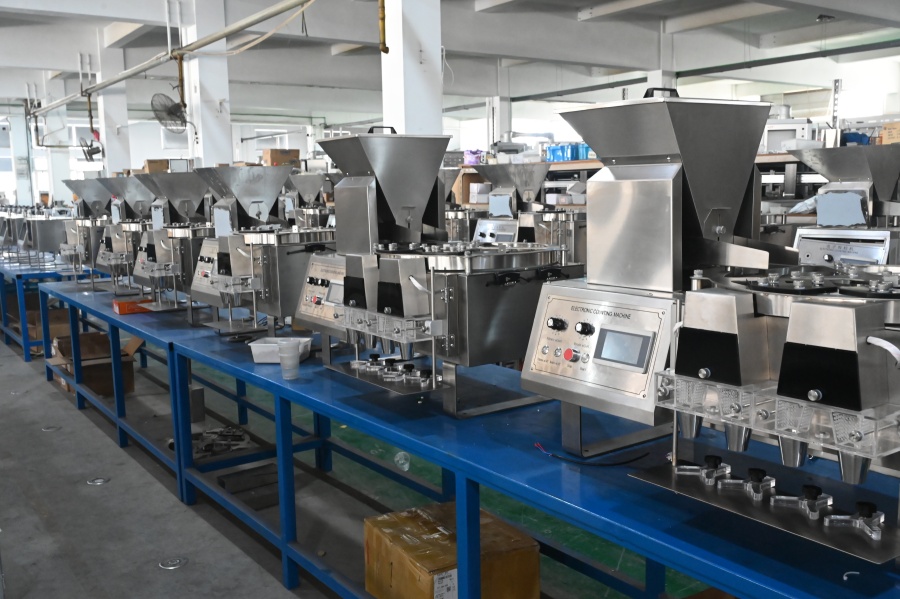
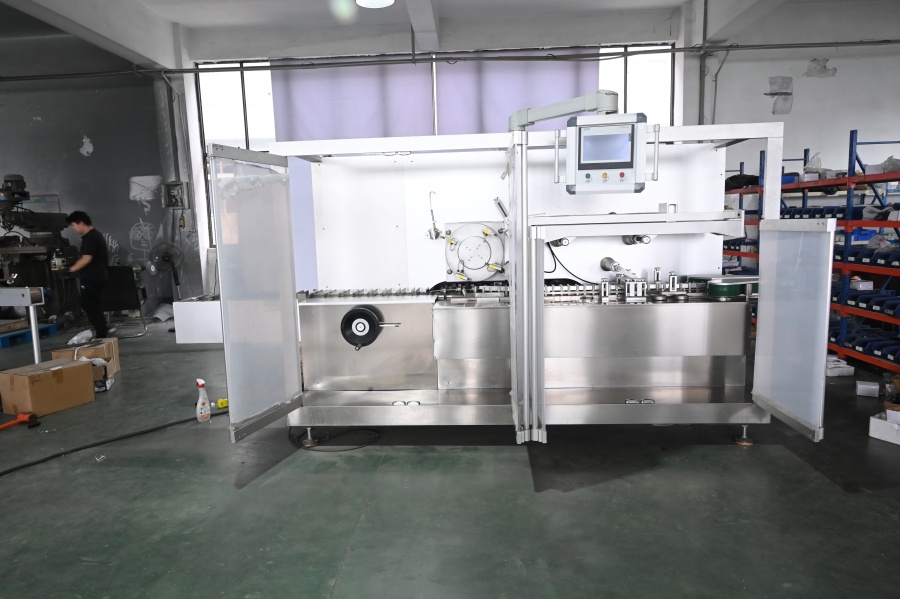
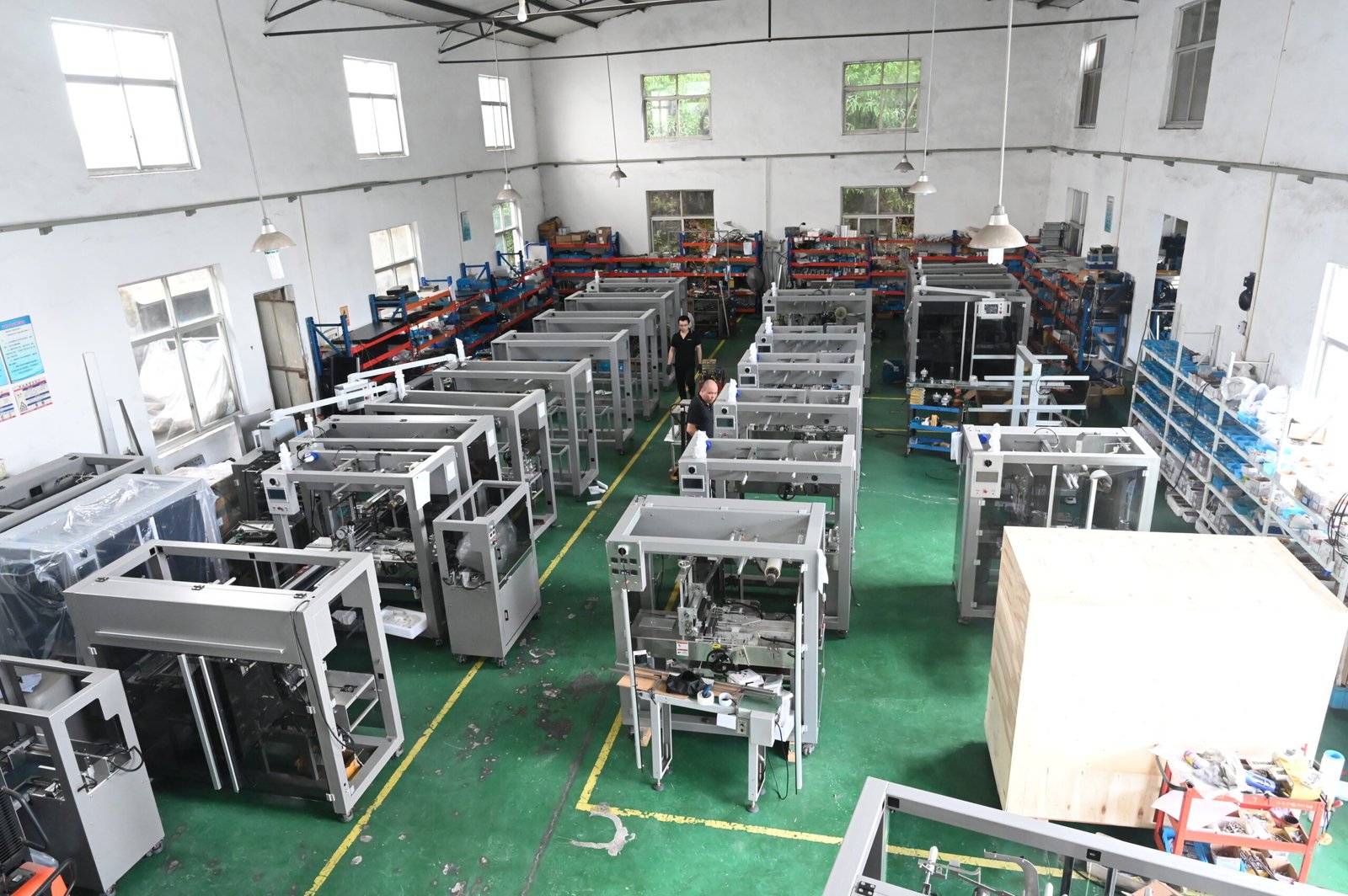
Finetech supplies blister card packing machines for retail, personal-care, hardware, stationery, and consumer-product packaging. We match the forming area, cavity depth, card size, seal method, tooling, and output to the item being packed. Available configurations support compact products and larger display cards. Our team assists with samples, trials, commissioning, and future format changes.

A blister card packing machine forms a clear plastic cavity around a product and seals that cavity to a printed card or approved backing. The machine can heat, form, load, register, seal, and cut the pack in a coordinated process. The result protects the item while keeping it visible and ready for retail display.
A clear formed cavity lets shoppers inspect the product without opening the package. The card provides space for branding and instructions.
The sealed blister holds the item in place and reduces handling. Suitable materials protect against scuffs, loss, and casual tampering.
Coordinated forming, card placement, sealing, and cutting reduce separate manual steps. Stable registration supports a more consistent retail appearance.
A toothbrush, battery, tool, or cosmetic item creates a different packaging challenge. Finetech reviews product dimensions, weight, sharp edges, hanging requirements, card stock, forming film, and target output. Tooling and sealing conditions are then developed around the actual pack rather than a generic cavity.

Options include intermittent flat-bed machines, continuous rotary systems, deep-draw configurations, and specialized equipment for liquids, pastes, spices, or dry products. You can choose a machine size for narrow cards, larger display packs, or multi-cavity layouts. The best format depends on product geometry, forming depth, backing material, seal area, presentation goals, and production volume.

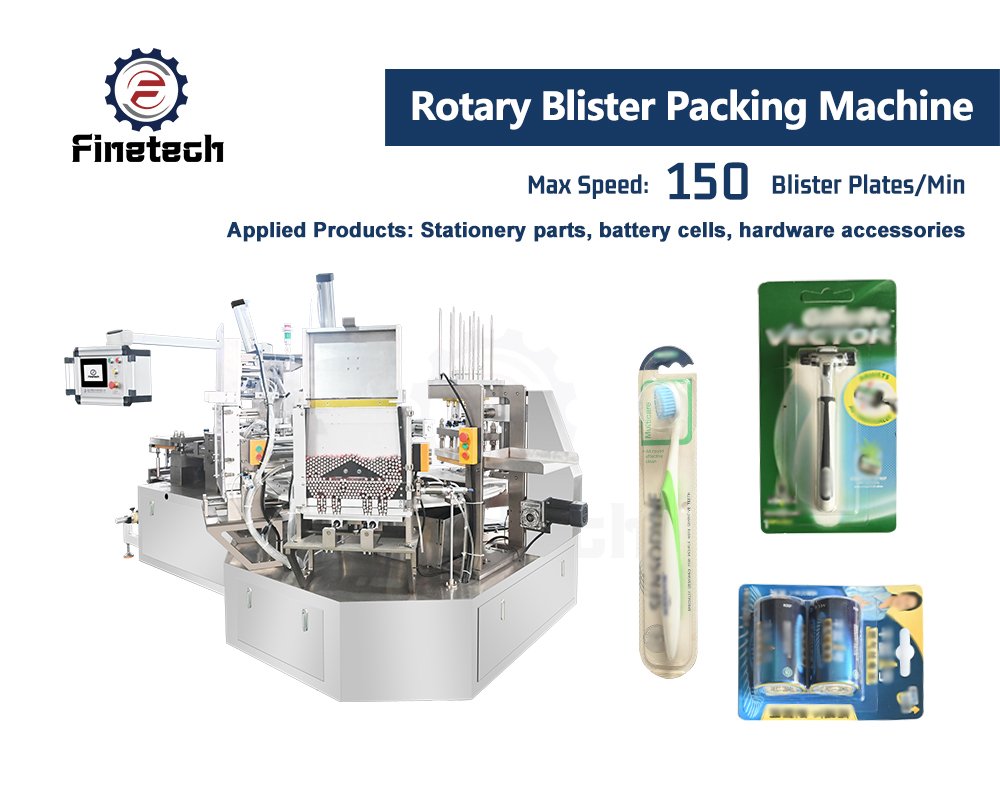
This is a high-efficiency blister packaging machine designed for toothbrush packaging, suitable for the oral care and personal care industries. It uses servo drive and smart controls to quickly package single or multiple toothbrushes in blister packs. The machine works with PVC or aluminum foil blisters and heat-seals them onto rigid card backing.

Blister Card Capacity: 90 plates per minute
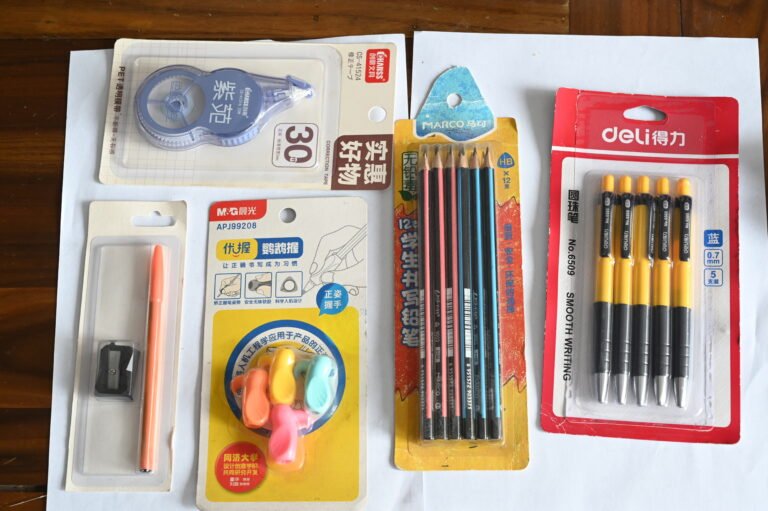
Application: toothbrushes, razors, chopsticks, eating and cooking utensils, lighters, toilet tabs, ointments, writing instruments, hardware accessories.
.png)
Blister Card Capacity: 120 plates per minute
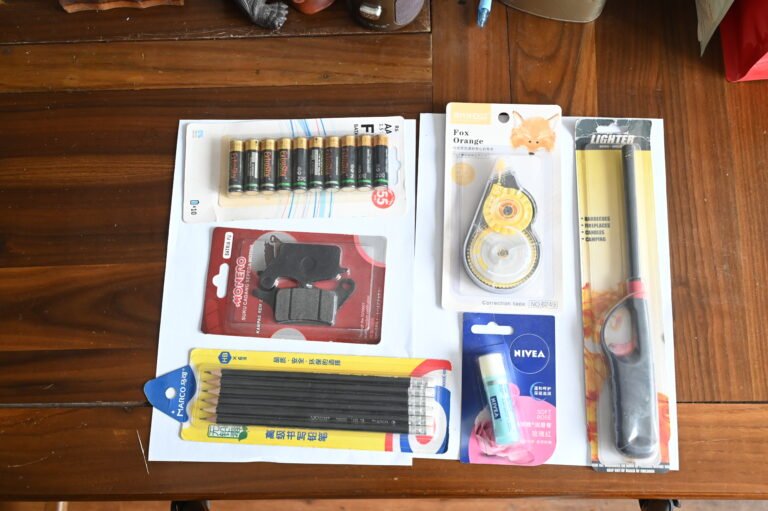
Application: Metal fittings (batteries, electronics, glue); Office supplies (pencil sharpeners, erasers, correction fluid, glue sticks); Automotive accessories (brake pads, sparking plugs); Personal care (razors, toothbrushes, cosmetics); Medicinal (oils, balms); toys.

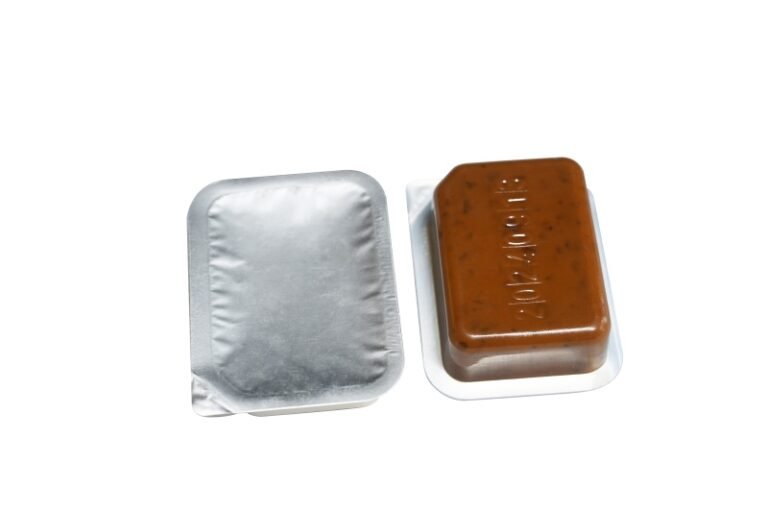
designed for honey, oil, sauce, cream, oral liquid, cosmetic serum, and other small-dose liquid/paste products.

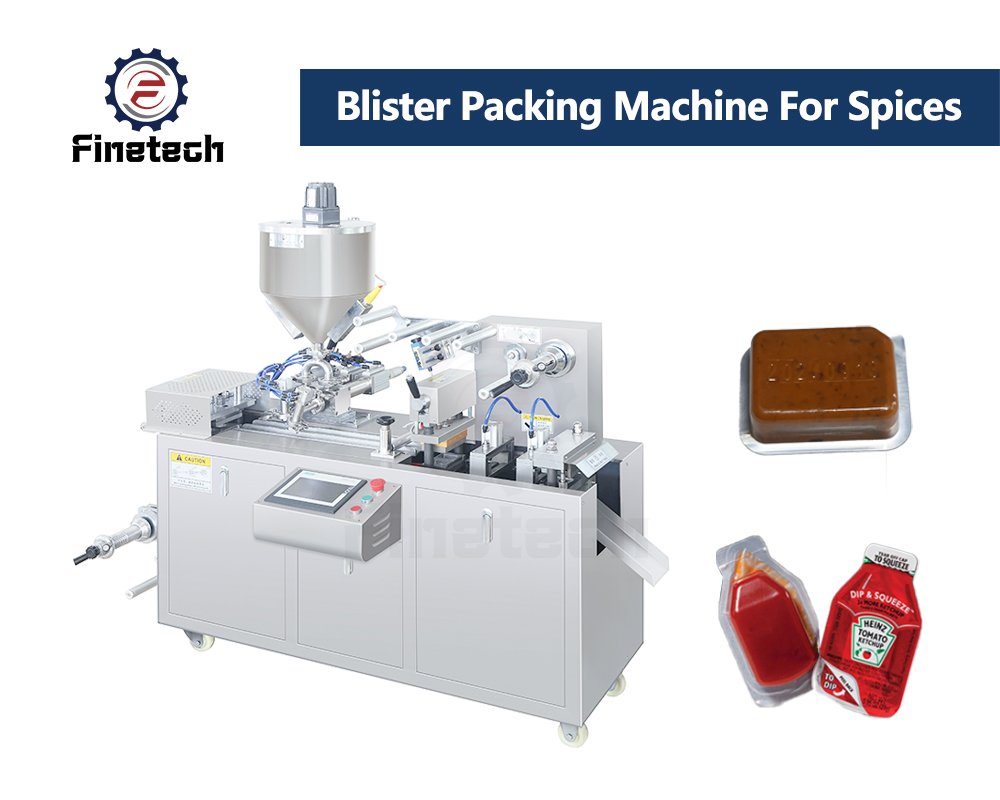
designed for packaging powdered spices, masala, curry powder, chili powder, turmeric powder, and other dry granular/seasoning products.

Applied For: walnuts, cashews, raisins, dried cranberries, and mixed dry fruits.

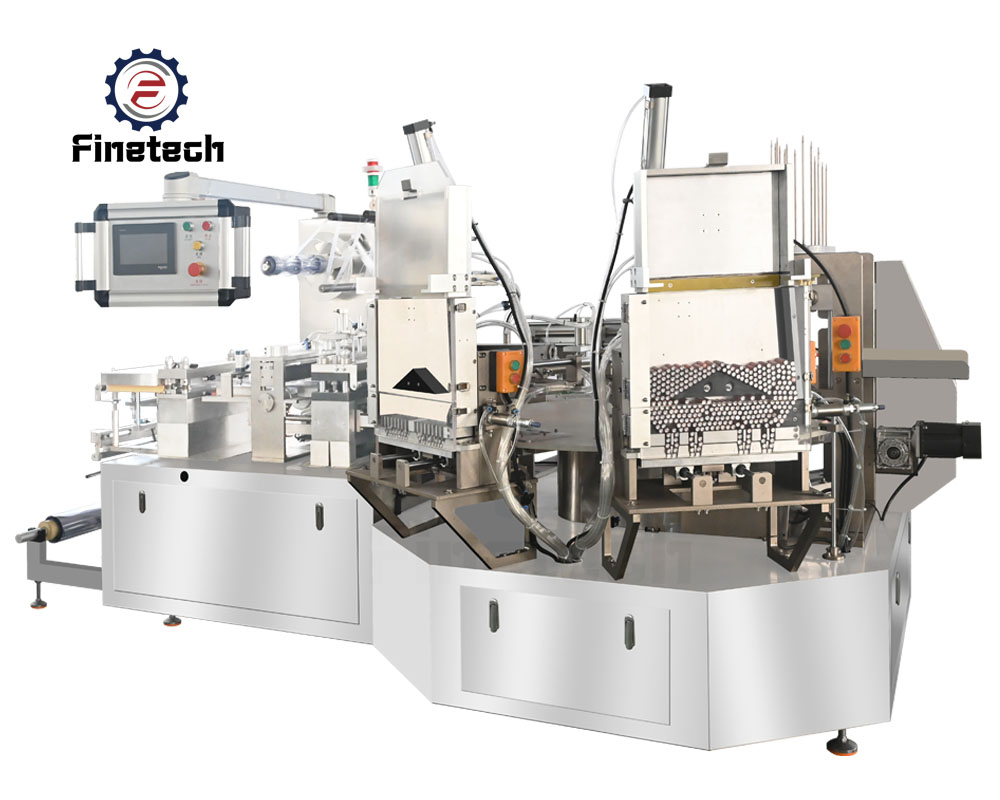
Continuous rotary blister packaging equipment with multi-station rotary workflow, high packaging efficiency, easy mold changeover.

Food-grade blister machine for single-dose spice powder, oil, granules, with hermetic sealing to lock aroma.

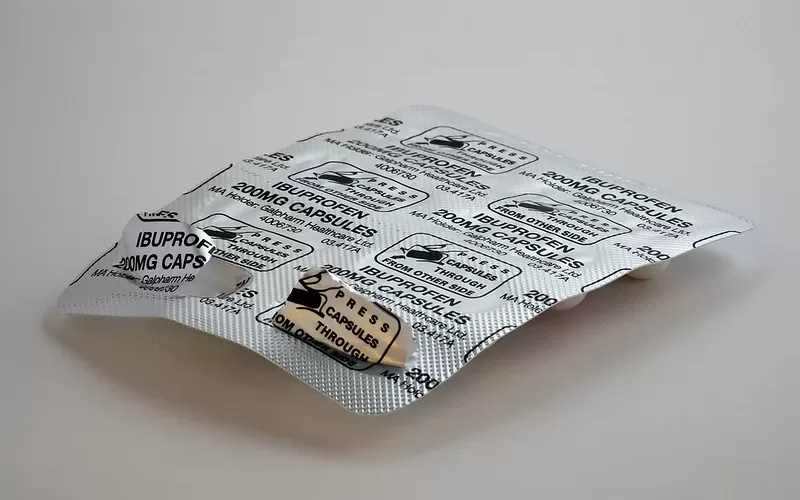
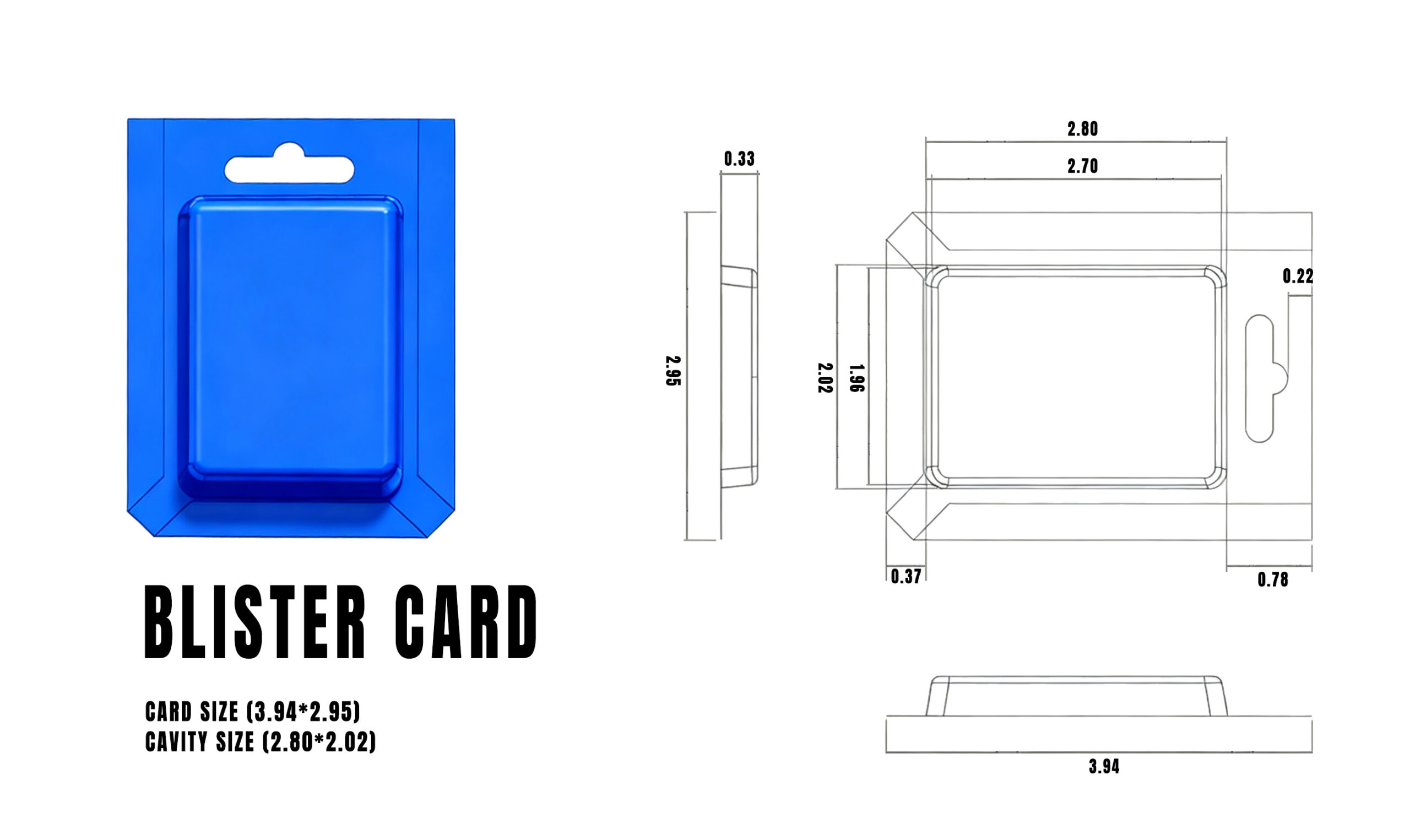
Blister cards are widely used in daily life and remain a popular form of product packaging.


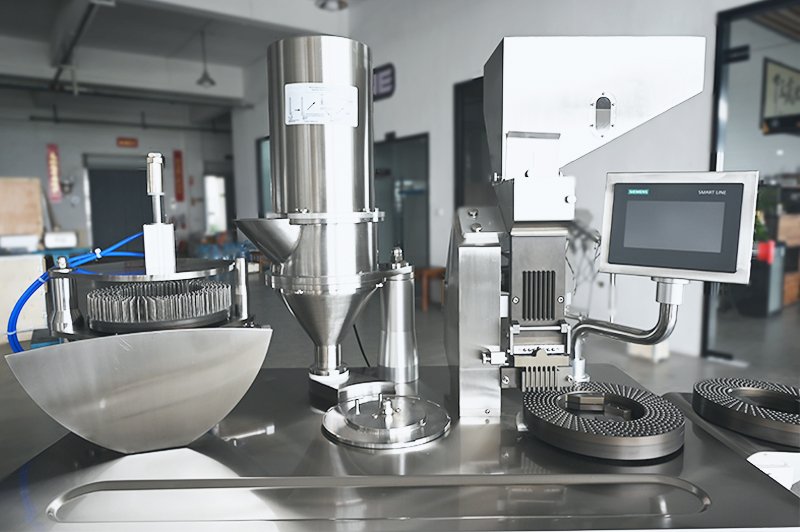
Finetech continually improves its semi-automatic capsule filling machines. Each upgrade supports easier operation, stable performance, and greater production capacity.

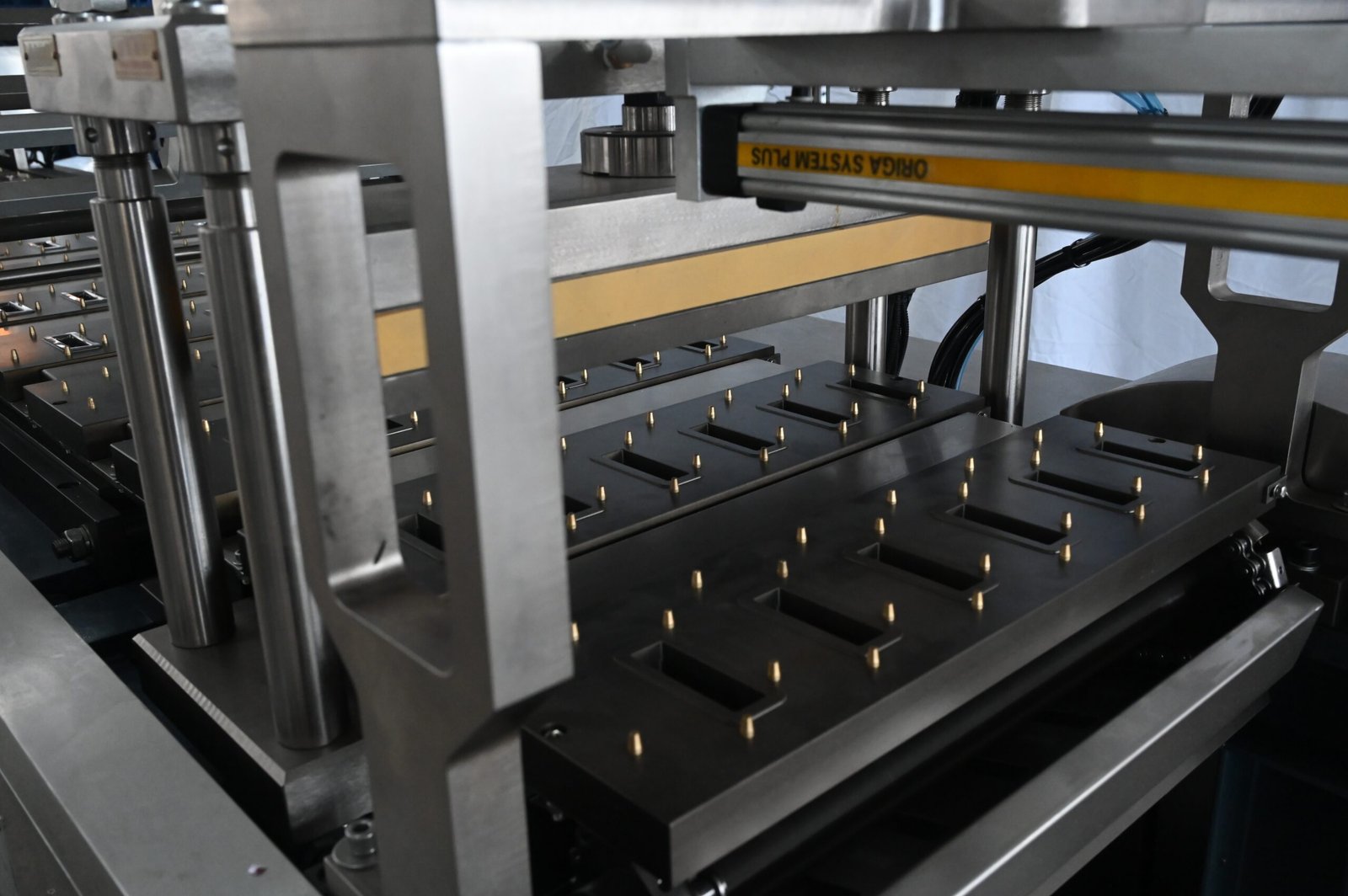
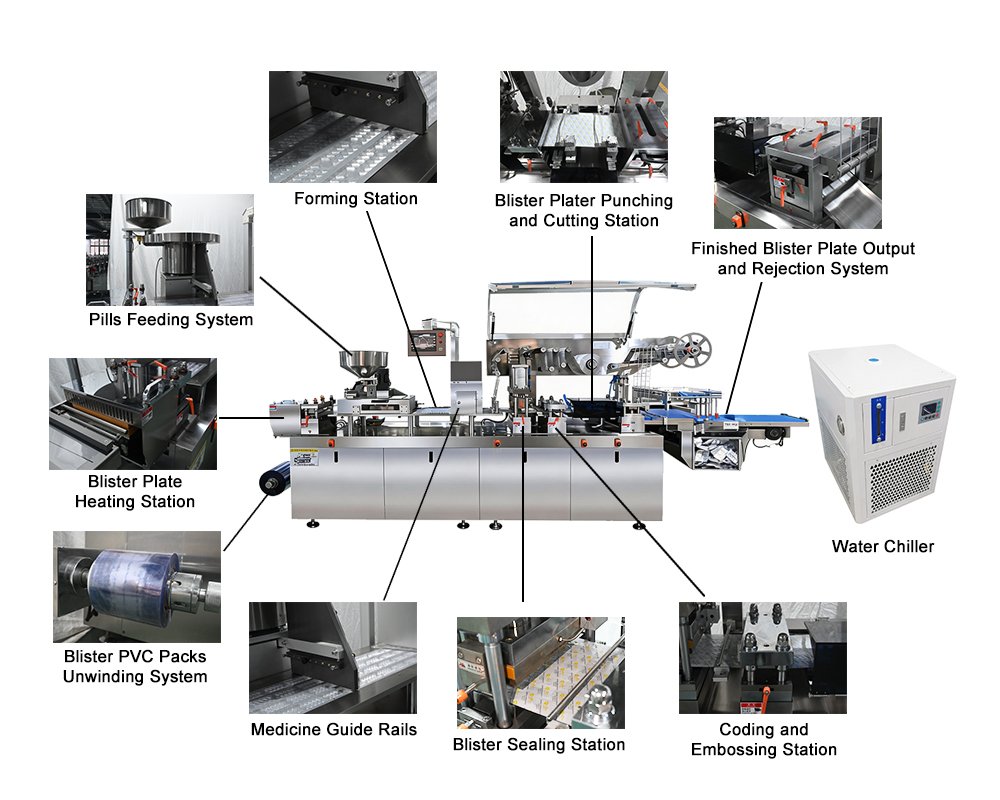
Heating softens the forming film before matched tooling shapes the cavity. Stable heat and forming pressure support clear, repeatable blister geometry.

Selected configurations form deeper pockets for bulky products. Tool design should provide clearance without thinning corners or stressing the film.

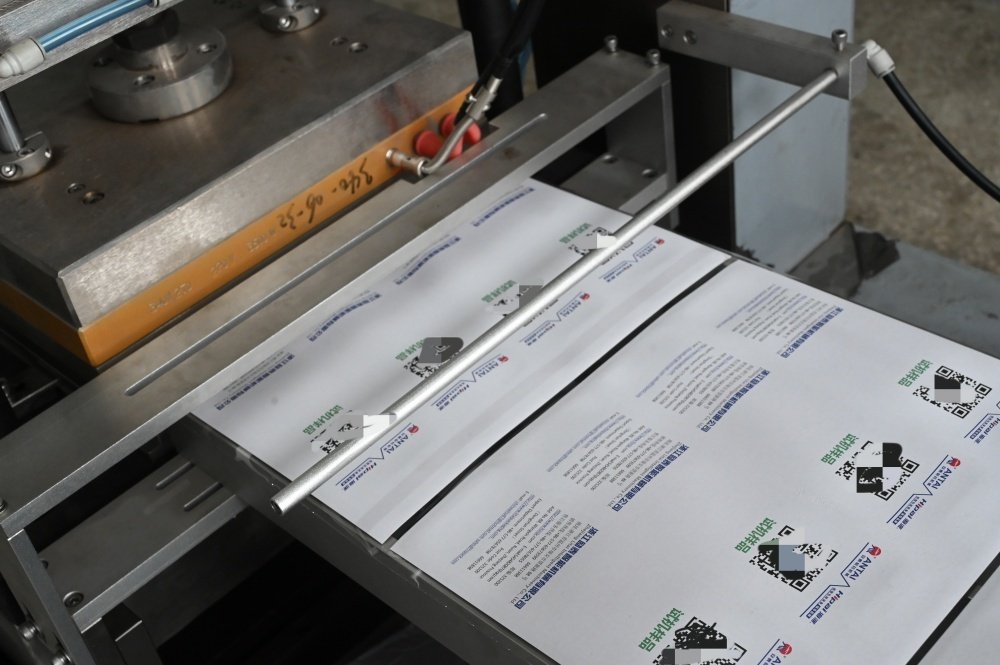
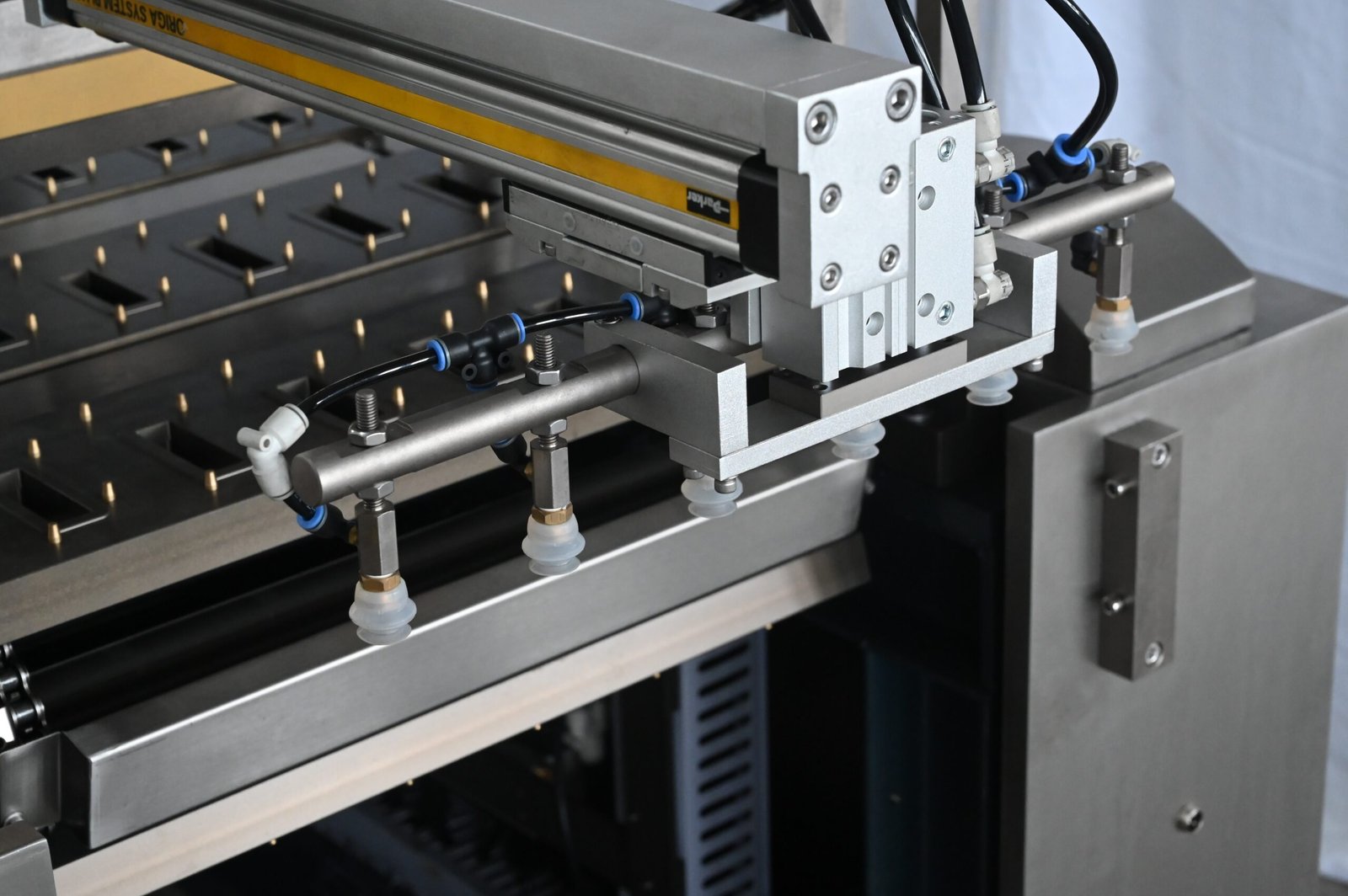
The card-handling system places each backing in the sealing position. Reliable feeding limits doubles, missed cards, and registration errors.

Controlled temperature, pressure, and dwell time bond the blister to the approved card coating. Correct settings support clean edges and dependable adhesion.

Sensors and indexing controls keep graphics aligned with the formed cavity and cut profile. This protects branding and improves shelf presentation.

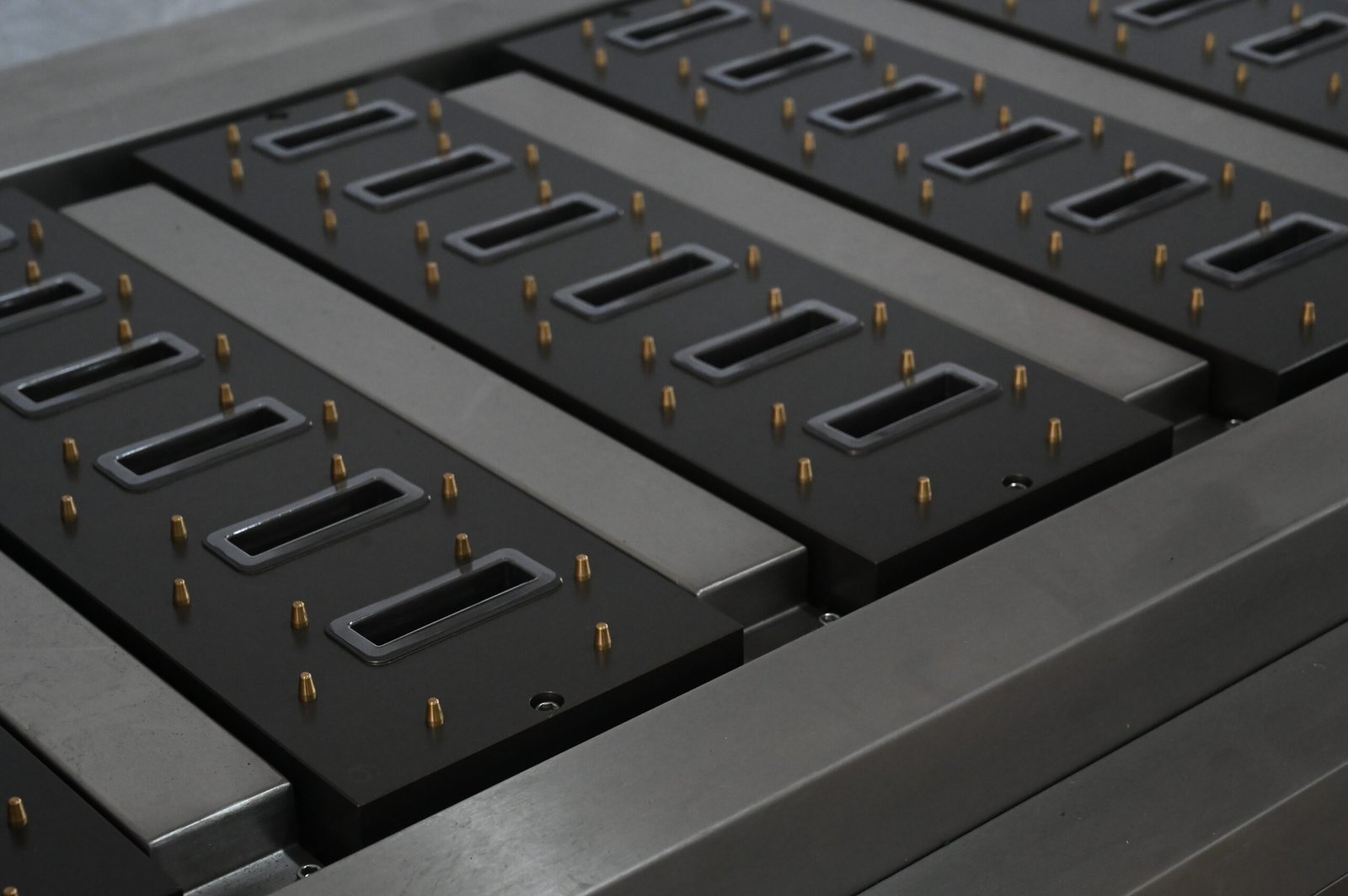
Forming molds, seal plates, and cutting dies are developed around the product and final card. Planned change parts support additional formats.

The machine can be configured for suitable forming films and coated backing cards. Material trials confirm forming behavior and seal compatibility.

Operators can monitor speed, temperatures, indexing, alarms, and routine settings from one interface. Stored recipes simplify repeat production.

Cutting tools separate finished packs with controlled edges and hanging features where required. The discharge arrangement prepares cards for inspection or packing.
We offer the following services: operations training, on-site installation and commissioning, and one-year maintenance service. For more details, please refer to the link below.
On-site installation and commissioning support for your pharmaceutical machinery.
Operator training to help your team understand the correct operation of the machine.
Online technical assistance for machine operation and troubleshooting.
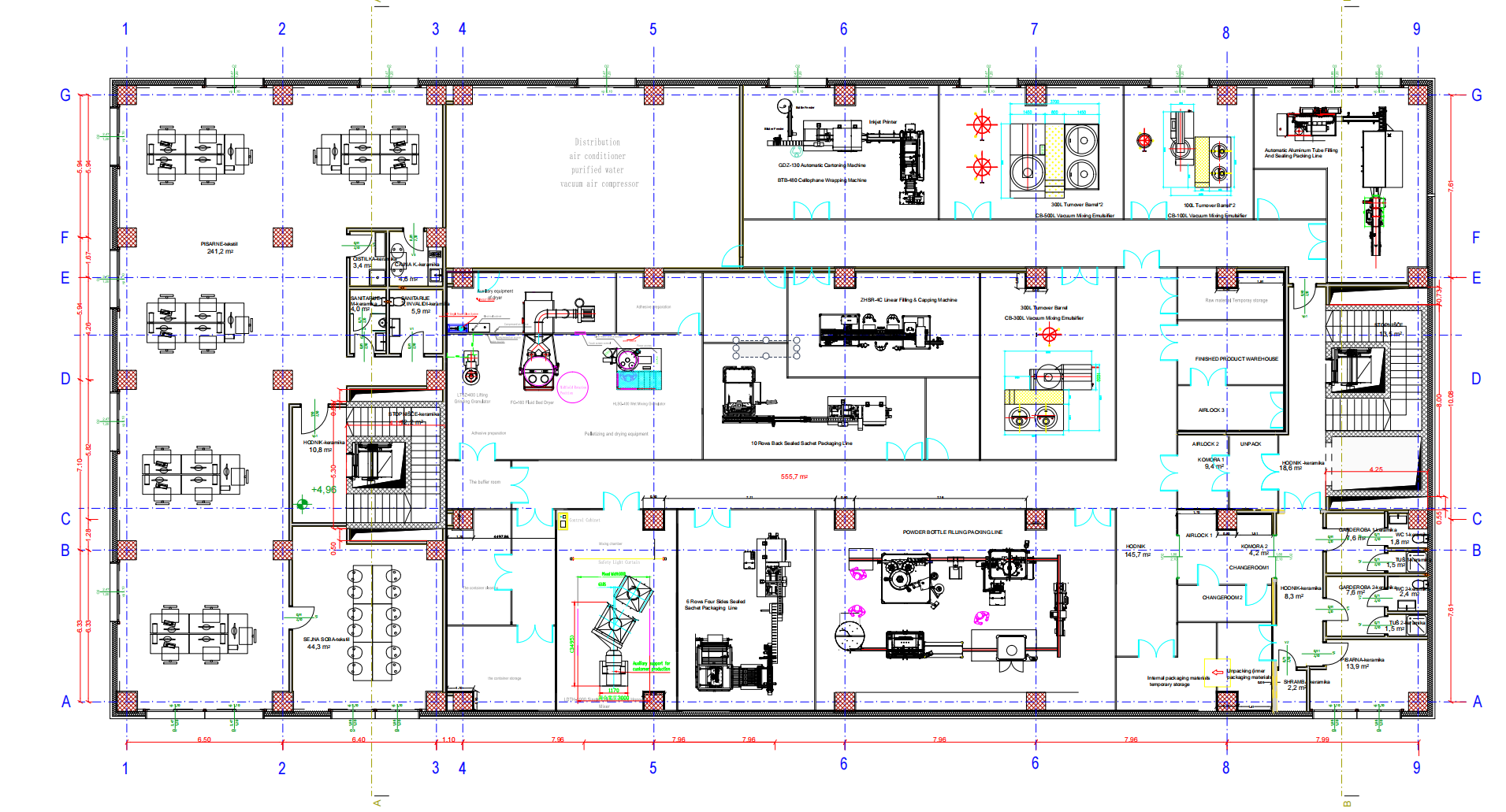
Support for pharmaceutical workshop and production-line planning.
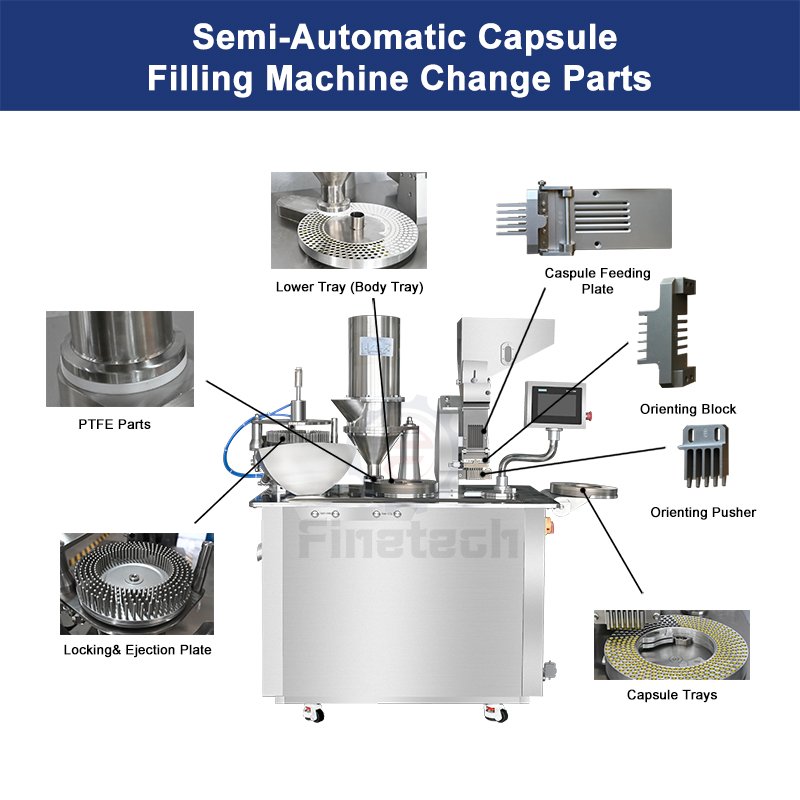
Support change parts: Capsule Feeding Plate, Orienting Block, Orienting Pusher, Upper Tray (Cap Tray), Lower Tray (Body Tray), Regulating Rods.
We providing complete turnkey solution. From manufacturing to packaging line.
We can customize blister card packaging for your products.
We customize the production of blister card packaging machines based on different blister card shapes.
We supply common replacement parts for blister machines, including molds, feeders, guide rails, blister packaging films, and more.
Cutting Frequency Range
cycles/minute
Maximum Forming Area
mm
Maximum Forming Depth
with configured tooling
Main Motor Power
kW
| Model | FT-350F Blister Card Pen Pencil Packing Machine | FT-350FS Blister Card Pen Pencil Packing Machine | FT-570D Blister card Toothbrush Packing Machine | |
|---|---|---|---|---|
| Cutting Frequency | 10-25 times/min | 15 times/min | 25times/min | |
| Adjustable Travel Range | 35-160mm | 30 - 210mm | 40-160mm | |
| Max. Forming Area | 340 * 160mm | 330*210mm | 480×200mm | |
| Max. Forming Depth | 38mm(Special machine 50mm) | 40mm(Special machine 65mm) | 40mm | |
| Forming And Heating Power (Upper and Down) | 1.8KW(*2) | 2kW*2 | / | |
| Sealing and Heating Power | 3.5KW | 3.5KW | 3.5kw | |
| Total Power | 380V 50HZ(480V 50HZ)10KW | 380V 50HZ(200V、60Hz)11.8kW | 380V, 50Hz,3 phase 4 wire | |
| Main Motor Power | 1.5KW | 1.5KW | 1.5kw | |
| Air Pump Volume Flow | ≧0.6m3/min | ≧1m3/min | ≧0.6m3/min | |
| Packing Materials | Roll | S400(Diameter)*350(Width)* 0.2-0.5mm(Thickness) | ≤0.2 - 0.5*350mm | (0.15-0.5)*480mm |
| Paperboard | ≤350*200*0.5mm (L*W*H) | ≤350*220*0.5mm(L*W*H) | 480*160*40mm(Blister) 570*200mm(Blister card) | |
| Overall Dimensions | (3650*2500*1850)mm(L*W*H) | (3800*200*1850mm)mm(L*W*H) | 5000*1100*1850mm | |
| Weight | 1800Kg | 1800Kg | 2500Kg |
Talk to our experts to discover the right solution for your needs.

Here you will find the latest information on blister packaging machines, including case studies, SOPs, troubleshooting guides, and more.

If you’re reading a blister packaging machine spec sheet without understanding what the numbers mean, you’ll most likely end up with the wrong machine. To make sure you don’t make

A blister packaging line that is not maintained is a production problem waiting to happen.
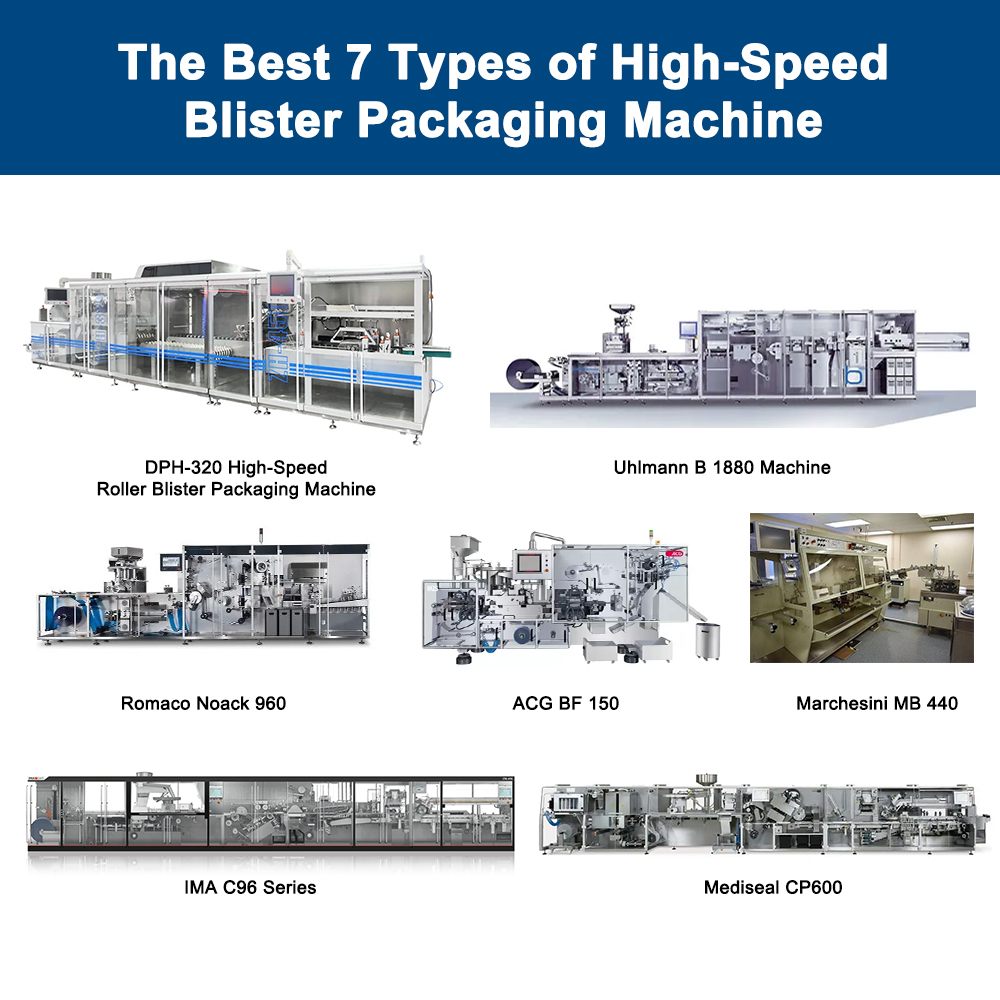
When production targets run into the hundreds of thousands of packs per shift, standard blister
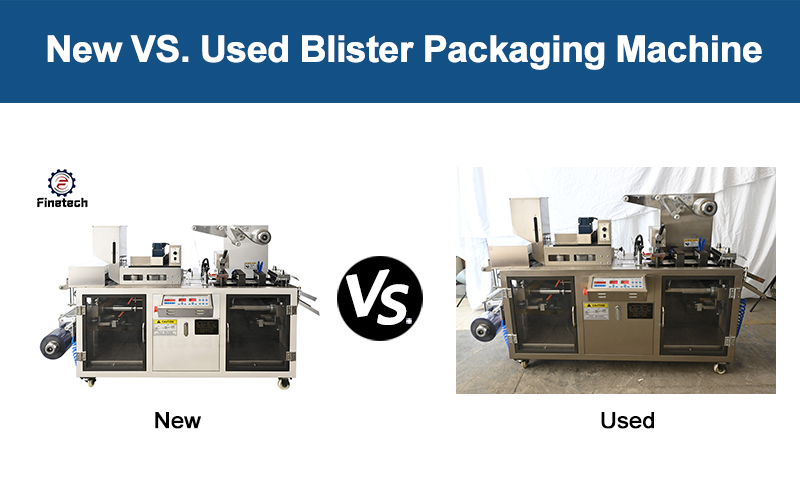
A blister packaging machine is a major investment, and the new vs refurbished blister packaging


Provide product samples, dimensions, weight, a card drawing, hanging requirements, preferred materials, and target production output.
Yes, when the cavity and handling system are designed around the shape. Samples are important for tooling and loading trials.
Common choices include thermoformable plastic films selected for clarity, stiffness, forming depth, and seal compatibility with the backing card.
Usually yes. The card needs a heat-seal coating compatible with the blister film and the selected sealing conditions.
Yes. The cutting die can form an approved Euro slot or other hanging profile within the final card design.
Film choice, heating profile, mold geometry, draw ratio, and forming pressure must work together. Product trials confirm the result.
Some products support automatic feeders or robotic loading. Complex shapes may still require assisted or manual placement.
Possible causes include incompatible materials, poor coating, incorrect heat or pressure, contamination, and insufficient dwell time.
Sensors, guides, and indexed feeding align the card with the cavity and cutting station throughout the machine cycle.
Yes, within the machine’s forming and travel limits. Each format may need dedicated tooling and adjusted guides.
Confirm electrical supply, compressed air, ventilation, floor space, material storage, and any required cooling or extraction.
Finetech can review drawings, coordinate new tooling, support trials, and guide operators through approved format changes.
WhatsApp us