 English
  Russian
  Turkish
  Spanish
  French
  German
  Japanese
Aluminium Foil Sealing Machine For Bottles
An aluminum foil sealing machine is an industrial device used to apply airtight, tamper-evident seals to bottles and containers using heat induction technology.
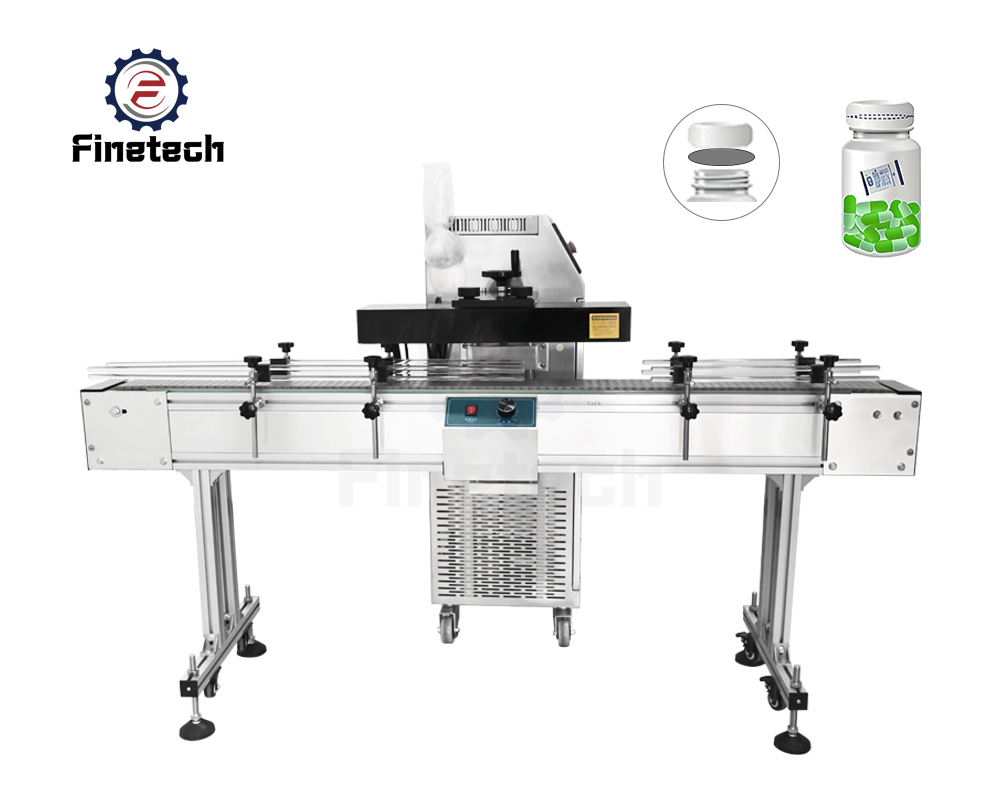
View Finetech Aluminium Foil Sealing Machines
We offer two common models of aluminum foil sealing machines: water-cooled and air-cooled, suitable for all bottle types.

Sealing diameter: φ20~φ180mm
Sealing height: 20 ~ 400mm
Application bottle material: HDPE, LDPE, PET, PP, PVC.
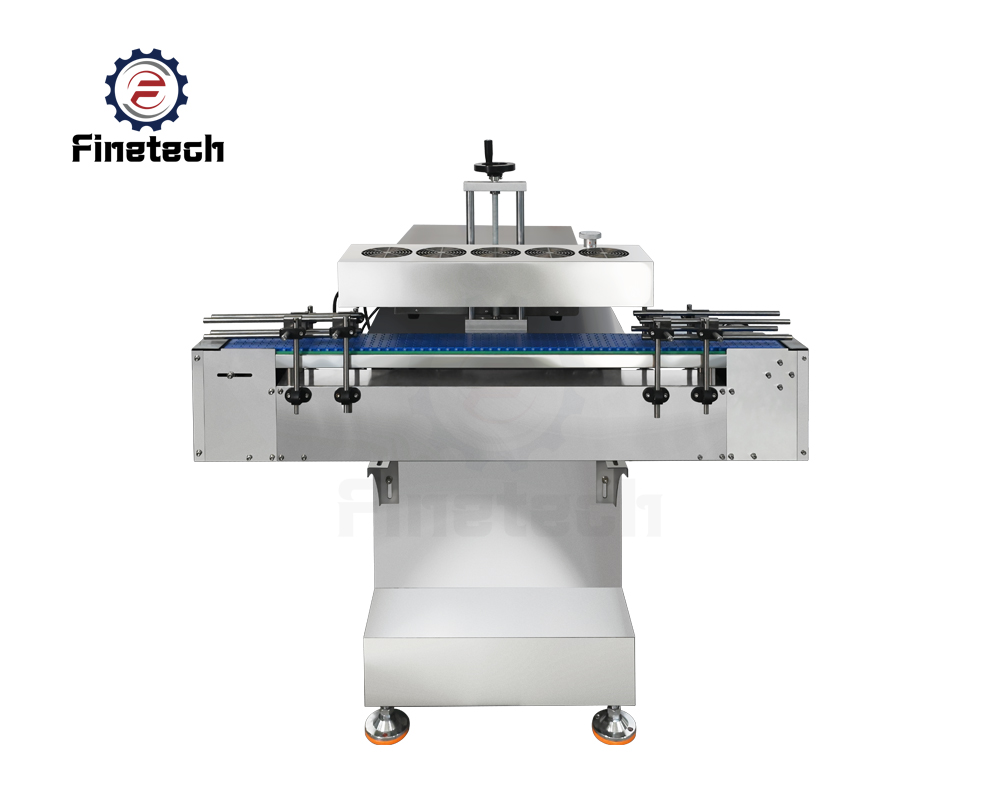
Sealing diameter: 30-150mm
Sealing height: 0-800mm
Application bottle material: HDPE, LDPE, PET, PP, PVC.
Key Features of Aluminium Foil Sealing Machine
Our tablet counting and filling machines deliver precise counting and filling performance. Every unit is manufactured in full compliance with GMP standards. Below are the key reasons to choose Finetech.
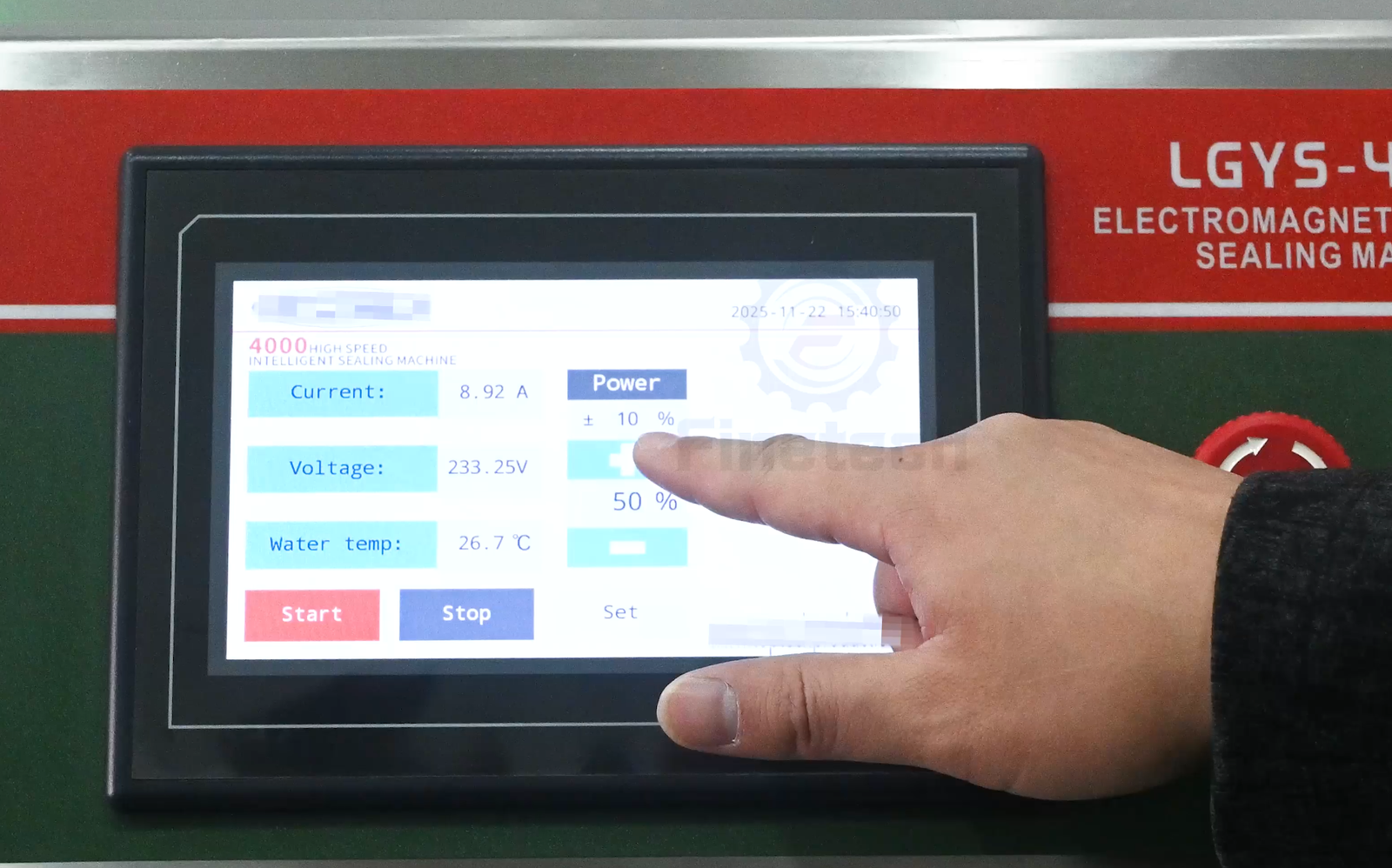
Easy Adjustment
Flexible settings for different bottle diameters and foil sizes.
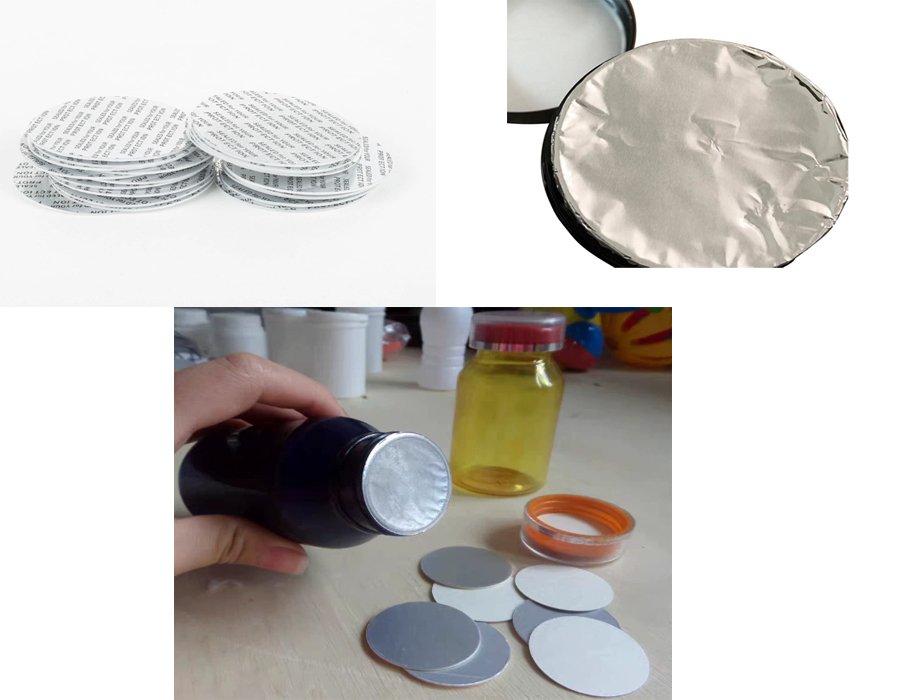
Strong Compatibility
Works with plastic, glass and metal bottles for food, pharma, cosmetics and chemicals.
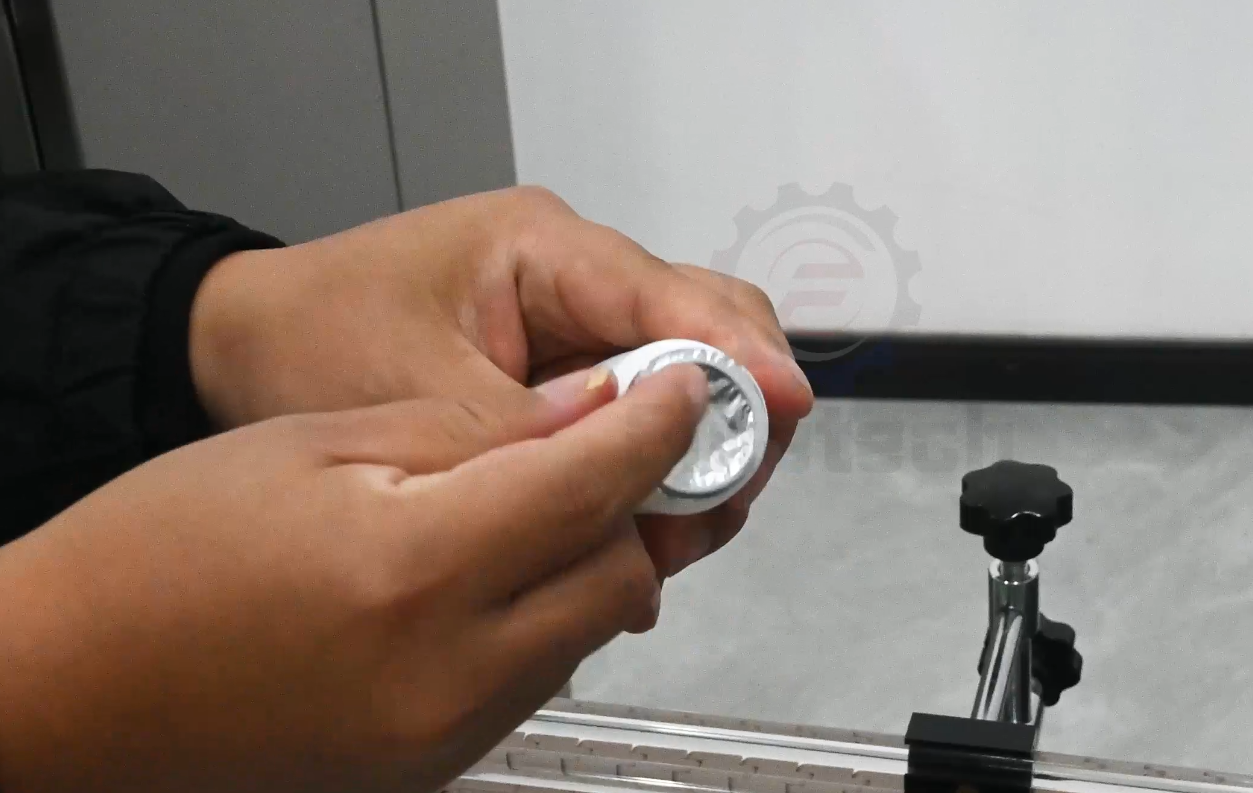
Excellent Sealing Effect
Forms airtight, leak-proof seals to prevent leakage, moisture, and contamination.
Aluminium foil sealing machine Specifications
| | Air Chilled | Water Chilled |
|---|---|---|
| Power | 2300w | 4000w |
| Sealing Diameter | 30-150mm | 20-150mm |
| Induction Sealing Head adjustment | Height: 0-800mm | Height: 0-1000mm |
| Back and forward: 0-260mm | Back and forward:20-400mm | |
| Sealing Speed | 80-300 BPM | 5-25 meters per min |
| Voltage | AC220V±10%, 50Hz | AC220V±10%,50Hz |
| Cooling type | Air Chilled | Water Chilled |
| Weight | 45kg. (gross weight:71 kg) | 60kg. (gross weight:78 kg) |
| Machine Size (L x W x H) | 70*90*150cm(PKG: 72*63*155CM) | 68*97*145cm(PKG: 74*51*122CM) |
| Conveyor weight | 60kg(gross weight 112kg) | 60kg(gross weight 112kg) |
| Conveyor Size | 188*57*90cm, (PKG SIZE: 196*63*98CM) | 188*57*90cm, (PKG SIZE: 196*63*98CM) |
| Conveyor weight capacity | 50kg | 50kg |
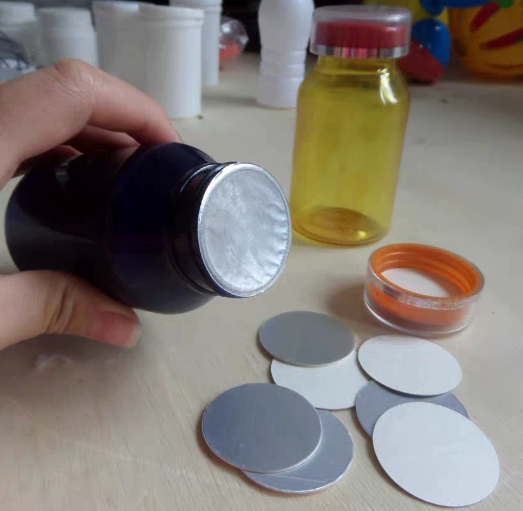
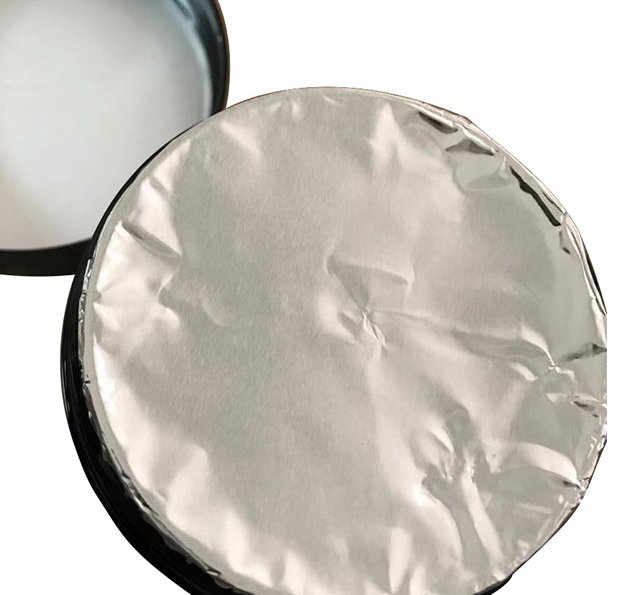
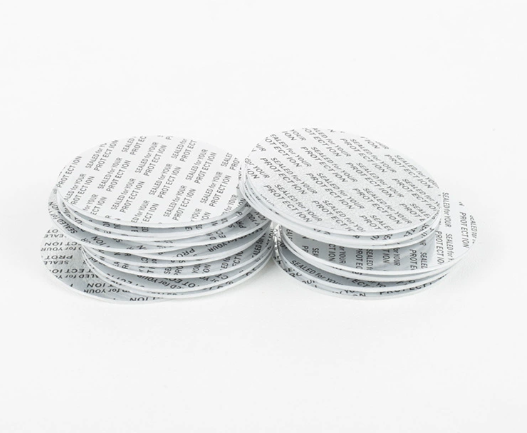
Application of Bottle Aluminum Foil Types
Our aluminum foil sealing machine is suitable for common bottle types on the market.
More details about Machine
Aluminium Foil Sealing Machine Key Parts
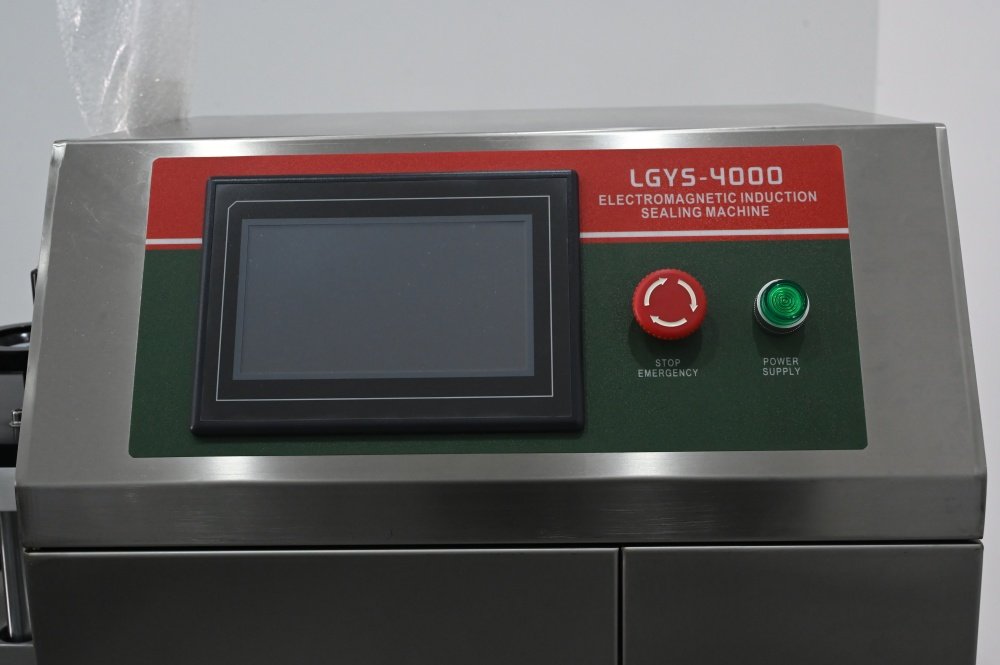
Brain of the operation. Allows user to set and monitor all parameters.
Control Panel (HMI - Human-Machine Interface)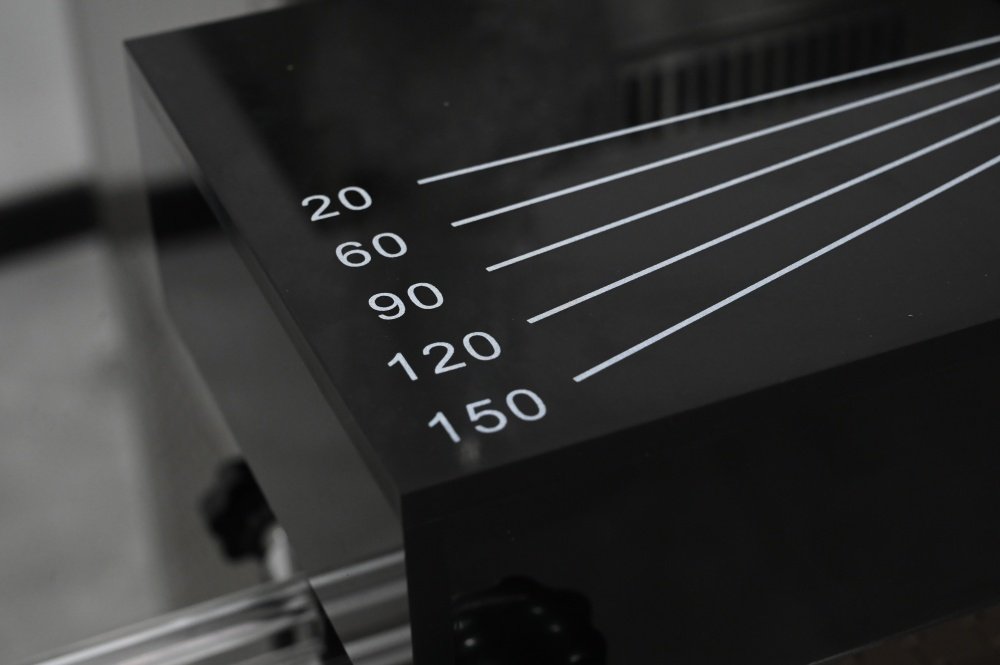
Ensures the bottle is perfectly aligned under the sealing head.
Bottle Positioning System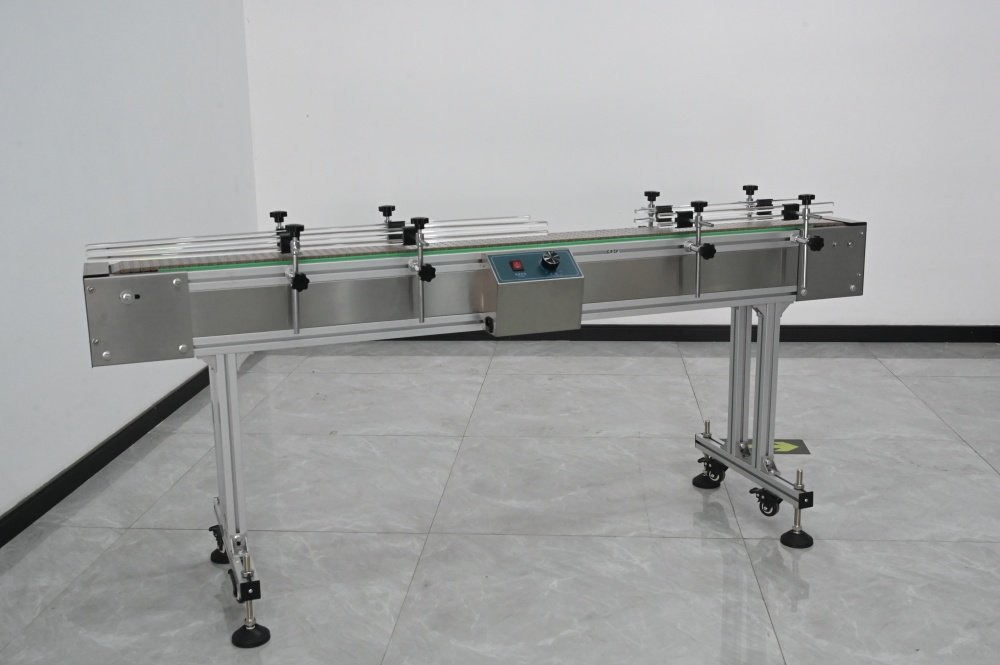
Transports bottles consistently through the sealing station.
Conveyor SystemAluminium Foil Sealing Machine Working Principle
An aluminum foil sealing machine uses electromagnetic induction to instantly heat the aluminum layer in a bottle cap’s foil liner, melting its polymer coating to create an airtight, tamper-evident seal on the container’s rim.
Aluminium Foil Sealing Machine FAQS
No. The heating is highly selective. Only the conductive aluminum foil layer gets hot, and only for milliseconds. The container (plastic/glass) and product remain at or near ambient temperature.
Induction sealing is a non-contact method using electromagnetic fields. Traditional heat sealing uses direct contact with a hot platen or hot air. Induction is faster, more consistent, and doesn’t heat the container.
Primarily plastic (HDPE, LDPE, PET, PP) and glass containers. The container must be non-metallic to allow the magnetic field to pass through. The cap must be plastic or aluminum (requiring a special magnetic foil liner).
Generally, no. A full metal container or lid will shield the electromagnetic field, preventing the foil from heating. Exception: Special magnetic foil liners can be used with aluminum caps (common in liquor/wine), as the field induces heat in the foil’s magnetic layer through the cap.
Liquids, powders, granules, and solids across industries: food, beverage, pharmaceutical, chemical, cosmetic, and automotive. It is not suitable for products in pressurized aerosol cans.
Yes, but the sealing surface (the bottle’s mouth) must be flat and even. The induction coil can be custom-shaped (oval, rectangular) to match the cap’s footprint. Very uneven rims may require foam-backed foils.
No. Liners vary by material layers (pulp, wax, aluminum, polymer), barrier properties, and sealant type. The liner must be chosen to match your container material, cap type, and product characteristics (e.g., acidity, oil content).
It’s a specialty liner where the entire foil disk comes off cleanly in one piece when the cap is unscrewed, leaving no residue on the bottle rim. Common in pharmaceutical and medical applications for sterile access.
Common reasons:
Incorrect Power/Time: Insufficient heat or dwell time.
Contaminated Rim: Product residue, dust, or moisture on the bottle’s sealing surface.
Mismatched Foil: The polymer sealant layer is incompatible with your container material.
Insufficient Pressure: The cap wasn’t torqued properly during sealing.
Warped Rim or Cap: Uneven sealing surface.
Air-cooled units use internal fans and are suitable for lower to medium production speeds. Water-cooled units use a closed-loop coolant system to dissipate heat from the sealing coil and generator, allowing for continuous, high-speed operation without overheating.
Conduct a peel test (the foil should tear, leaving a bonded layer on the rim) or a burst/dome test (applying air pressure to see if the seal holds). Visual inspection should show a smooth, wrinkle-free foil bond.
This indicates excessive heat. Reduce the power setting or seal time. It can also occur if the foil is misaligned or if there’s no bottle present during activation (“air firing”).
Yes, but it requires changeover. You typically need to:Adjust the conveyor guides.
Change the induction coil to match the new cap size/shape.
Recalibrate the power and time settings.
Adjust the sealing head height.
The field is strong but very localized to the immediate area around the sealing coil. Modern machines are shielded to meet international EMF safety standards (like ICNIRP guidelines). Operators should avoid placing hands or metallic objects near the active coil.
Change the induction coil to match the new cap size/shape.
Recalibrate the power and time settings.
Adjust the sealing head height.
The heart of the machine. Converts standard AC power into high-frequency AC (typically 1-8 kHz).
Induction Sealing Generator (Power Supply)