 English
  Russian
  Turkish
  Spanish
  French
  German
  Japanese
Standard Operating Procedure of Tube Filling Machine

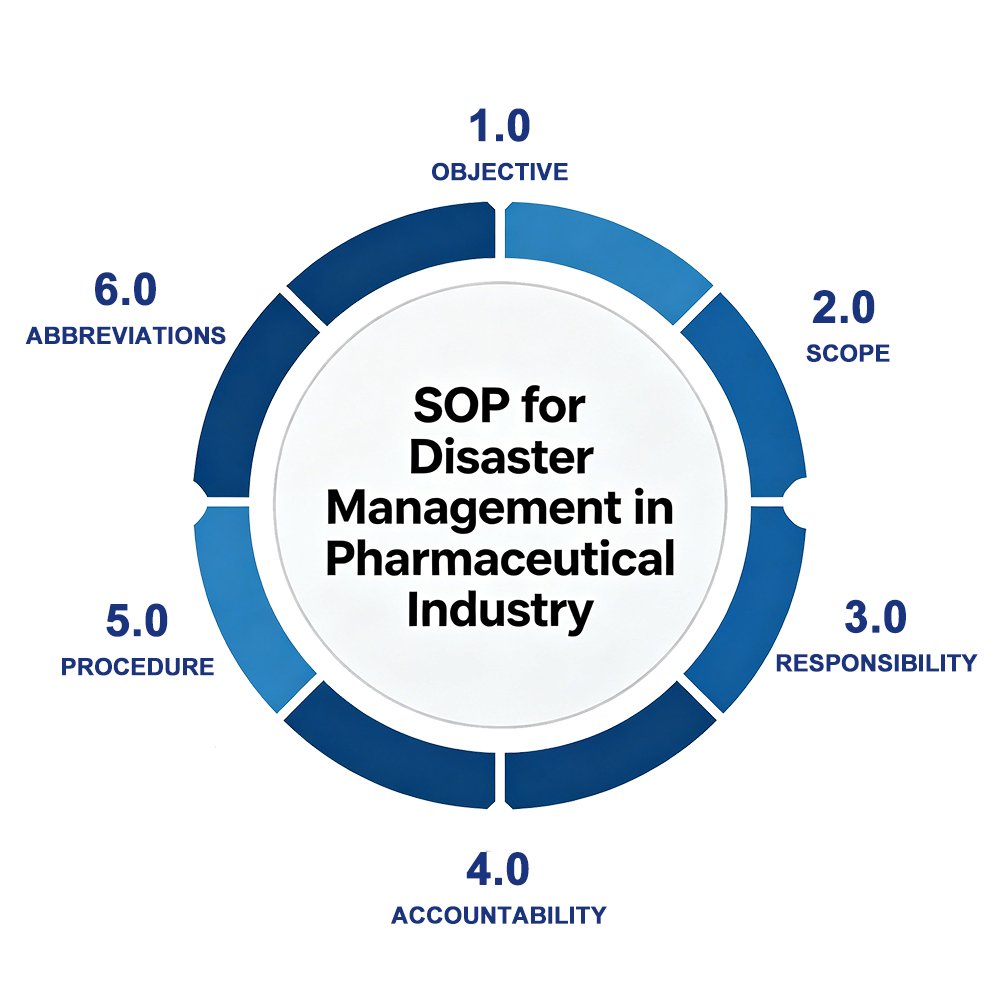
1.0 OBJECTIVE:
This SOP tells you how to run the Tube Filling Machine the right way. We want consistent fills, no contamination, and tubes that look good when they come off the line. The machine handles creams, gels, toothpaste, adhesives – pretty much anything that needs to go into a collapsible tube. We follow cGMP here, so stick to what’s written.
2.0 SCOPE:
This procedure covers the Tube Filling Machine sitting in our production area. It’s used for filling semi-solid and viscous products into metal tubes, plastic tubes, and laminate tubes of various sizes. We’re covering everything from setup to shutdown – assembly, operation, quality checks during the run, and what to do when you’re finished with a batch.
3.0 RESPONSIBILITY:
Operators and Production Chemists are the ones running this equipment day in and day out. They follow these steps and document what happens in the logs. If something looks off, they flag it.
4.0 ACCOUNTABILITY:
The Production Manager has final accountability here. Training, compliance, making sure the right people are doing the right things – that’s on them.
5.0 PROCEDURE:
5.1 Walk into the area and take a good look around. Is it clean? Check for the “CLEANED” label on the machine. If there’s residue from the last batch or random debris lying around, that’s a problem. Sort it out before moving forward.
5.2 Open up the Equipment Usage Log and fill in your details. Today’s date, the time, product name, batch number, and who you are.
5.3 Peel off that “CLEANED” label and stick on an “UNDER PROCESS” label. Write the current batch information on it.
5.4 Track down IPQA and get your Line Clearance Certificate. Nothing starts until that’s in hand.
5.5 Precautions:
5.5.1 All the guards need to be shut before you flip to automatic mode. Front doors, back panels, hopper covers – every single one. The machine won’t know if something’s wrong, so you need to verify.
5.5.2 Safety switches and interlocks exist for a reason. Don’t bypass them. Ever.
5.5.3 Want to change something on the machine? Get Engineering to sign off first. No unauthorized tweaks, additions, or jury-rigging.
5.5.4 Moving parts will take your fingers off. If the machine is running, you’re not touching anything. No cleaning, no adjusting, no oiling. Kill the power first.
5.5.5 Installing something? Taking something apart? Doing maintenance? Main switch goes to OFF. Period.
5.5.6 The emergency stops, the door sensors, the overload trips – leave them all active. Don’t disable safety equipment.
5.5.7 Got dust on the control panel? Use a dry cloth. Soft one. Water and electrical components don’t mix, and neither do solvents.
5.5.8 That hopper lid needs to stay on during fills. Contamination from above is a real thing. Also check your gaskets aren’t cracked or worn out.
5.5.9 Every week, go through this safety checklist and log it:
5.5.9.1 Can you shut off power from the main switch? Try it.
5.5.9.2 Smack the emergency stop button. Does everything halt immediately?
5.5.9.3 Crack open a guard door mid-cycle. Machine should freeze up.
5.5.9.4 Is the low-level sensor in the hopper doing its job? Running the pump empty burns it out fast.
5.6 Assembling:
5.6.1 Hopper and Product Feed System:
5.6.1.1 Before you mount the hopper, inspect it. Clean? Dry? No leftover gunk from last time? Good.
5.6.1.2 Lift it into position on the frame. Clamp it down tight so it doesn’t shift during operation.
5.6.1.3 Some products need heat to flow right. If that’s yours, connect the jacketed hopper to the temperature control unit and set your target temp.
5.6.1.4 Eyeball every gasket and O-ring. One bad seal and you’ve got product oozing where it shouldn’t.
5.6.1.5 Hook up the feed line from hopper to dosing pump. Bleed out any air trapped in the line.
5.6.2 Dosing and Filling Assembly:
5.6.2.1 Match your dosing cylinder to the fill volume you need. Wrong size means fighting the machine all day.
5.6.2.2 Install the filling nozzle that fits your tube diameter. Too big won’t go in, too small makes a mess.
5.6.2.3 Adjust nozzle depth so it reaches near the bottom of the tube. You want bottom-up filling to push air out, not trap it in.
5.6.2.4 Tighten all fittings but don’t overtorque. Cross-threading a nozzle is an expensive mistake.
5.6.2.5 Check the nozzle alignment visually. It should be dead center over the tube position.
5.6.3 Tube Handling System:
5.6.3.1 Swap in the tube cups that match your tube diameter. They’re usually labeled by size.
5.6.3.2 Seat each cup firmly in the turret or conveyor pockets. Loose cups equal jammed tubes.
5.6.3.3 The orientation station flips tubes so the open end points up. Run a few through by hand to make sure it’s working.
5.6.3.4 Spin the turret manually one full rotation. Feel for any binding or rough spots.
5.6.3.5 Load the tube magazine and watch a few feed through. They should drop into the cups cleanly without hanging up.
5.6.4 Sealing Station Setup:
5.6.4.1 Metal tubes get crimped. Plastic and laminate get heat-sealed. Install the right tooling for what you’re running.
5.6.4.2 For crimping, set the jaw pressure per the tube spec sheet. Too light and it leaks; too heavy and you crack the tube.
5.6.4.3 For heat sealing, dial in the temperature. Laminate tubes usually need 380°C to 420°C. Check the manufacturer’s data.
5.6.4.4 Set the dwell time – how long the sealer holds. Thicker tubes need more time.
5.6.4.5 Mount the batch coder so it hits the right spot on the crimp or seal. Test fire it on a scrap tube.
5.6.4.6 Load the correct coding die or ink ribbon with your batch number, mfg date, and expiry.
5.7 Operation:
5.7.1 Flip the main breaker on. Wait for the control panel to finish its startup routine.
5.7.2 Jog the machine through one complete cycle manually. Watch every station. Anything look wrong? Fix it now, not after you’ve run 500 tubes.
5.7.3 Pour product into the hopper slowly. Dumping it in fast whips air into the mix, and air bubbles mean inconsistent fills.
5.7.4 Key in your fill weight on the control panel. The batch record tells you the target. Acceptable tolerance is usually ±2%.
5.7.5 Set up these parameters on the HMI screen:
5.7.5.1 Fill Volume: Adjust the piston stroke until you’re hitting target weight. Run a few test tubes and weigh them.
5.7.5.2 Machine Speed: Thick products run slower. Thin products can go faster. Typical range is 25 to 60 tubes a minute.
5.7.5.3 Seal Temperature: For laminates only. Start at the recommended setting and tweak if seals aren’t holding.
5.7.5.4 Seal Time: How long the jaws clamp. Adjust based on tube material thickness.
5.7.5.5 Crimp Pressure: For metal tubes. Dial it up or down until you get clean folds with no cracks.
5.7.5.6 Counter: Reset to zero. Punch in your batch target quantity.
5.7.6 Make sure the tube magazine is full. Check that tubes aren’t stuck together or deformed.
5.7.7 Press START. The machine takes over from here:
5.7.7.1 Picks up a tube from the magazine.
5.7.7.2 Drops it into a cup and orients it open-end-up.
5.7.7.3 Indexes to the fill station and lowers the nozzle in.
5.7.7.4 Dispenses product while the nozzle retracts upward.
5.7.7.5 Moves to the sealing station for crimping or heat sealing.
5.7.7.6 Prints the batch code on the sealed end.
5.7.7.7 Ejects the finished tube onto the outfeed conveyor.
5.7.8 Grab samples immediately and check fill weights. Inspect the seals. Read the codes. If anything’s off, stop and adjust before you waste product.
5.7.9 Keep an eye on the machine throughout the run. Document critical readings on your batch sheet at the intervals they specify.
5.8 In-Process Quality Checks:
5.8.1 Pull tubes for weight checks at startup, midpoint, and end of batch. Plus whatever frequency the batch record calls for.
5.8.2 Squeeze filled tubes hard. Watch the seal area. Any product leaking through means rejected tubes and a machine adjustment.
5.8.3 Read every batch code on your samples. Must be legible, complete, and in the right location.
5.8.4 Look for cosmetic problems – dents in the tube body, scratched printing, crooked crimps, deformed shoulders.
5.8.5 Log everything. Time, results, your initials. No documentation means it didn’t happen.
5.9 Once you hit your batch quantity, stop the machine. Scoop out remaining product from the hopper and handle it according to your yield reconciliation procedure.
5.10 Stick a “TO BE CLEANED” label on the machine. Include product name and batch number so the cleaning crew knows what they’re dealing with.
5.11 Clean the equipment per the Tube Filling Machine Cleaning SOP. Different products may require different cleaning agents.
5.12 RECORDS:
Equipment Usage Log, Batch Production Record, In-Process Inspection Log, Cleaning Record.
6.0 ABBREVIATIONS:
6.1 SOP: Standard Operating Procedure.
6.2 IPQA: In Process Quality Assurance.
6.3 BMR: Batch Manufacturing Record.
6.4 cGMP: Current Good Manufacturing Practice.
6.5 HMI: Human Machine Interface.


1 thought on “SOP for Tube Filling Machine”
Good job, looking forward to more content like this.