English
  Russian
  Turkish
  Spanish
  French
  German
  Japanese
The pharmaceutical industry produces almost 1.3 trillion tablets every year. This massive volume of drugs demands absolute, non-negotiable quality and consistency. However, the reality is that an average of four drug recalls occurs daily in the US alone.

While many factors contribute to these quality failures, sticking and picking in tablet compression are among the most common defects that can derail an entire production run. These issues are not just a production headache but also a critical quality risk that threatens patient safety and results in costly regulatory action.
So how are you going to protect the quality and consistency of your products? Keep reading this article to understand the root causes and simple solutions to make tablet defects a problem of the past.
Key Takeaways: Sticking and Picking in Pharmaceutical Tablet Compression
- Identify the Defects: Sticking happens when tablets cling to punch faces and picking occurs when tablet surfaces are partially removed. Knowing the difference is key for prevention.
- Refine Formulation: Optimize binders, glidants, and lubricants to improve flow, reduce adhesion, and maintain tablet integrity.
- Maintain Equipment: Polished punches, protective coatings, and routine checks prevent surface imperfections that cause defects.
- Optimize Process and Environment: Adjust compression speed, dwell time, and ejection force while keeping humidity and temperature stable for smooth tablet release.
- Monitor Production: Regular inspection and early intervention catch defects before they affect quality or output.
What is Sticking and Picking?
Sticking is one of the most common tablet manufacturing defects. It happens when the granular material of a tablet formulation adheres to the surface of the punch tip or die walls during compression. This results in a dull, uneven, and rough tablet with poor visual quality.

Picking is a more specific form of sticking and a particular quality fault. It refers to the tablet material adhering to the fine details of the punch face, such as the letters or numbers that are embossed or debossed onto the tablet. This defect removes the material from the damaged area, leaving behind a chipped tablet with damaged engraving.

Both sticking and picking cause defective final products which can be a significant quality risk for manufacturers. They often come with costly production downtime, batch rejection, and potential failure to meet strict regulatory standards.
Causes of Sticking and Picking in Pharmaceutical Tablet Compression
Tablet manufacturing is a highly complex and controlled process. Achieving consistency in different types of pills and tablets makes the process susceptible to sticking and picking.
The issues responsible for these failures can be traced back to three main categories: formulation related issues, unfavorable processing conditions, and defects related to tools and equipment.
1. Formulation Related Issues
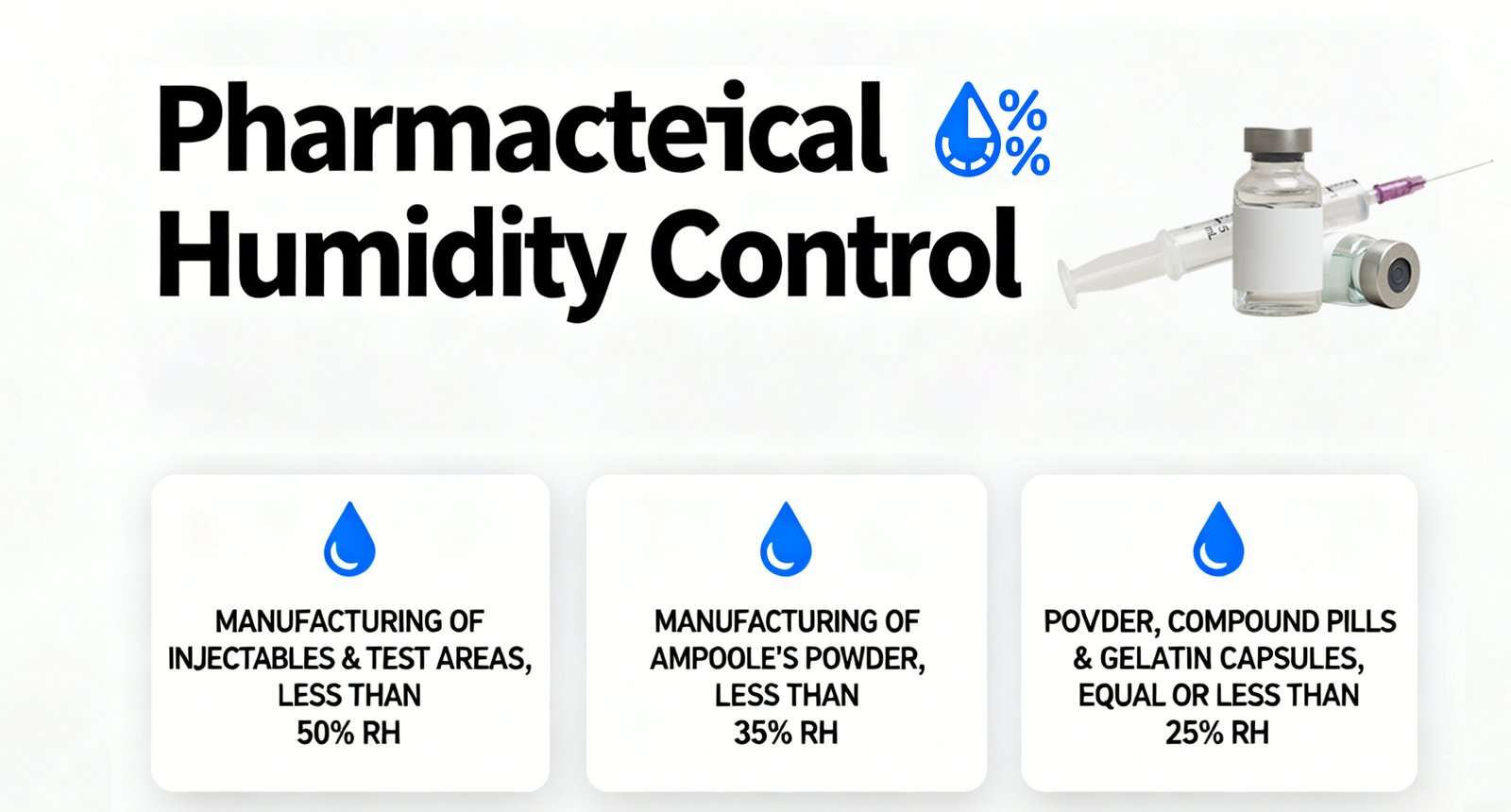
Formulation issues are problems inherent to the mixture of ingredients (the formulation) itself. These issues arise during the mixing and granulation stages and become apparent during the compression stage. Here is how:
1. High Moisture Content
High moisture content in the product and the environment is a primary cause of these defects. Tablets manufactured by wet granulation are more vulnerable. If granules are not properly dried during the drying process high moisture level is retained and softens the material. During compression, this wet, sticky powder readily adheres to the punch faces and die walls, causing sticking and picking.
2. Hygroscopic Ingredients
Certain active pharmaceutical ingredients ( APIs), such as Vancomycin Hydrochloride and Dexamethasone Sodium Phosphate, are extremely hygroscopic. If not handled under humidity-controlled conditions, they can quickly absorb environmental moisture. This moisture makes the powder blend sticky and plastic, which can cause significant sticking and picking defects during tablet compression.
3. Insufficient Lubricant
Lubricants are excipients added to the formulation specifically to prevent sticking and picking. They form a thin barrier between the powder blend and the metal tooling surfaces. Insufficient amounts or poorly blended lubricant in the formula fail to create this necessary protective layer. This makes the material stick to the punches and dies during compression.
2. Processing Conditions

Processing conditions faults are issues that arise during the actual manufacturing stages of the tablet. These problems happen during the granulation, drying, or compression steps. Let’s take a look at them:
1. Low Compression Force
Compression force is the high pressure applied by the punches to turn loose powder into a hard and cohesive tablet. A low compression force results in poor inter-particle bonding and low tablet hardness. This inadequate compaction leaves the material surface weak and porous, and makes it highly prone to sticking.
2. Short Dwell Time
Dwell time is the brief period during which the tablet press maintains maximum compression force on the powder. When this time is too short, the air inside the punch cavity does not have enough time to escape before the pressure is released.
The rapid pressure release fractures the surface of the tablet and damages the embossing, score line, or logo details. They remain stuck to the punch tip, leaving behind a bunch of picked tablets.
3. High Temperature
Just like excessive moisture, high temperature also contributes to sticking. APIs with a low melting point, such as Ibuprofen, can soften or partially melt due to the frictional heat generated during speedy compression. This creates a tacky, viscous film on the punch faces or severe punch sticking issues.
3. Tools and Equipment Issues
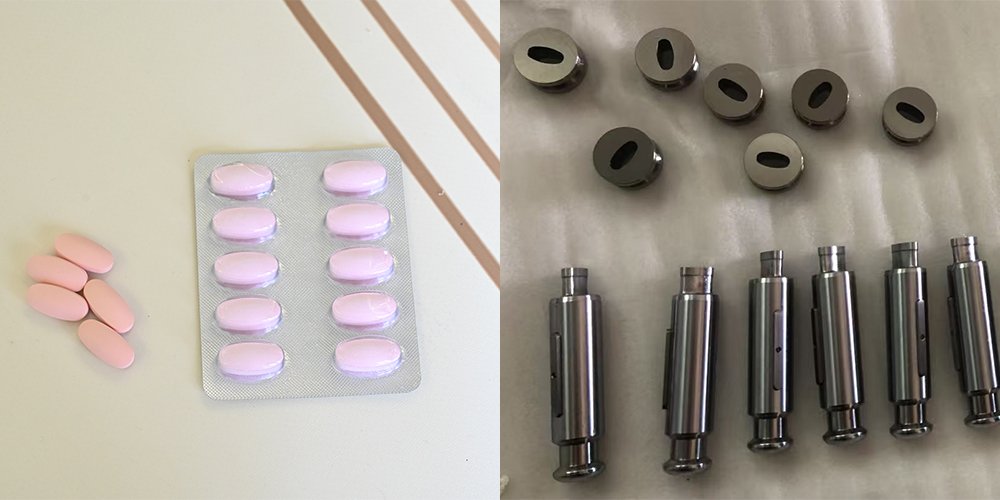
These faults are directly related to the rotary tablet press machine itself, specifically the compression tooling (punches and dies) and the materials used. Problems involve the physical condition of the punch faces, such as scratches or wear, or defects in the design of the punch tip engraving.
1. Punch Surface Issues
Punches decide the final size and shape of the tablet during the compression cycle. Sticking occurs when the punch faces are rough, scratched, or pitted, as these imperfections create pockets where the adhesive material can collect and build up. On the other hand, if the face is too smooth, it can generate strong electrostatic forces or create a vacuum effect or cause more sticking.
2. Poor Punch Maintenance
The punch tip typically has a chrome polishing layer, which acts as a barrier to prevent product sticking. This protective layer, however, can be damaged due to poor cleaning practices or abrasive formulations. Once the steel is exposed, the product can easily adhere during the tablet compression process.
The embossing or debossing on the punch tip can also make the design vulnerable. Any damage or sharp corners on these small letters or logos can tear off the material when the punch pulls away.
3. Steel Quality
The internal cleanliness of the steel is extremely important in minimizing sticking. Dirty or cheap steels contain a high number of nonmetallic inclusions, which leave microscopic voids and imperfections on the punch surface. These flaws provide anchor points for the material to build up and increase both picking and sticking defects.
Effects of Sticking and Picking in Pharmaceutical Tablet Compression
Sticking and picking are quality control failures that extend beyond the manufacturing floor. These defects not only impact the aesthetic quality of the final product but also cause financial damage and serious regulatory risks for the pharmaceutical company.
1. Aesthetic Defects
These issues immediately destroy the visual quality and finish of the tablet. Sticking makes the tablet appear rough, dull, or marred by built-up material. On the other hand, picking causes visible damage like small pits, chips, or the destruction of the embossed logo or score line.
2. Production Downtime
Sticking and picking require an immediate stop of the tablet press. Operators must physically clean the tooling or completely remove, repolish, and reset the punches. This process leads to heavy, unplanned production downtime, which reduces output and increases overall labor and manufacturing costs.
3. Regulatory Non-Compliance
Quality control problems directly compromise a drug’s required quality. The resulting tablet damage and material loss compromise the tablet’s dose uniformity, which means the patient may receive an incorrect amount of API. This is a severe violation of Good Manufacturing Practices (GMP).
Additionally, these defects show that the manufacturing process is not monitored or controlled consistently. As a result, it can be difficult for you to achieve the required process validation and qualify key parameters such as Design Qualification (DQ), Installation Qualification (IQ), and Performance Qualification (PQ).
Solutions To Prevent Picking and Sticking
A strong focus on proactive measures, adjustments in formulation, and diligent maintenance can help you overcome sticking and picking in pharmaceutical tablet compression. Here is how:
1. Moisture and Humidity Control
The best way to minimize sticking and picking is through strict moisture and humidity control. Ideal relative humidity (RH) levels for the compression suite should be maintained below 60% to prevent moisture uptake by hygroscopic materials. In wet granulation, always make sure that the material is properly dried before proceeding to the tablet press.
2. Add Lubricants
Proper lubrication is essential for reducing adhesion and friction. Always add lubricants such as magnesium stearate at the last stage of the final blending process to ensure they properly coat the granules. Also, do not add any other excipients after the lubricant has been blended, as this could disrupt the protective film and cause sticking.
3. Optimize Punch Design
Picking often occurs in the fine details of the tablet, such as the logo or score line. You can optimize punch design by using tapered or ramped engravings. This means the walls of the embossed or debossed characters are angled slightly rather than being completely vertical. This alignment maintains a smooth, non-aggressive withdrawal of the punch from the tablet.
4. Steel Selection
Choosing the right steel improves the longevity and performance of the tablet compression machine. For sticky products, use punch steel with a high concentration of chromium in the alloy, typically between 16% and 18%.
For example, steels like M340 or 440C are highly beneficial because the high chrome content forms a thin, protective oxide layer. These materials improve product-release characteristics and reduce the tendency of the sticky material to adhere to the punch surface.
No More Sticking and Picking With The Right Production Partner
Tablet compression is one of the most critical processes in pharmaceutical production. Even a small formulation mishap, a minor processing error, or a tooling defect can compromise quality and waste an entire batch.
However, the good news is that sticking and picking in pharmaceutical tablet compression is completely avoidable. Adopting a proactive approach, including diligent maintenance and strategic process tuning, can save you from costly downtime and regulatory fines.
And you know what is even better? Partnering with the right pharmaceutical production expert to avoid these issues in the first place. Choose Finetech! Our wide range of tablet press machines ensures your quality and performance goals are always met on time.
Contact us today or visit our website to see our compression solutions in action!
Recommend Readings:
How Are Medicine Tablets Made? A Simple Guide to the Manufacturing Process.
Explore The Different Types of Pills: The Complete Guide.
Copyright Notice:
You may not reproduce, modify, publish, display, transmit, or in any way exploit any content on this website, or use such content to construct any kind of database without prior express written approval by Finetech Group. For permission to use the content, please contact: info@pharmamachinecn.com
Disclaimer:
The information contained in this article is for general information purposes only. The Company does not guarantee the accuracy, relevance timeliness or completeness of any information, and the Company assumes no responsibility for errors or omission in the content of this article.