...

医薬品製造および包装の総合ソリューションを提供する専門サプライヤー

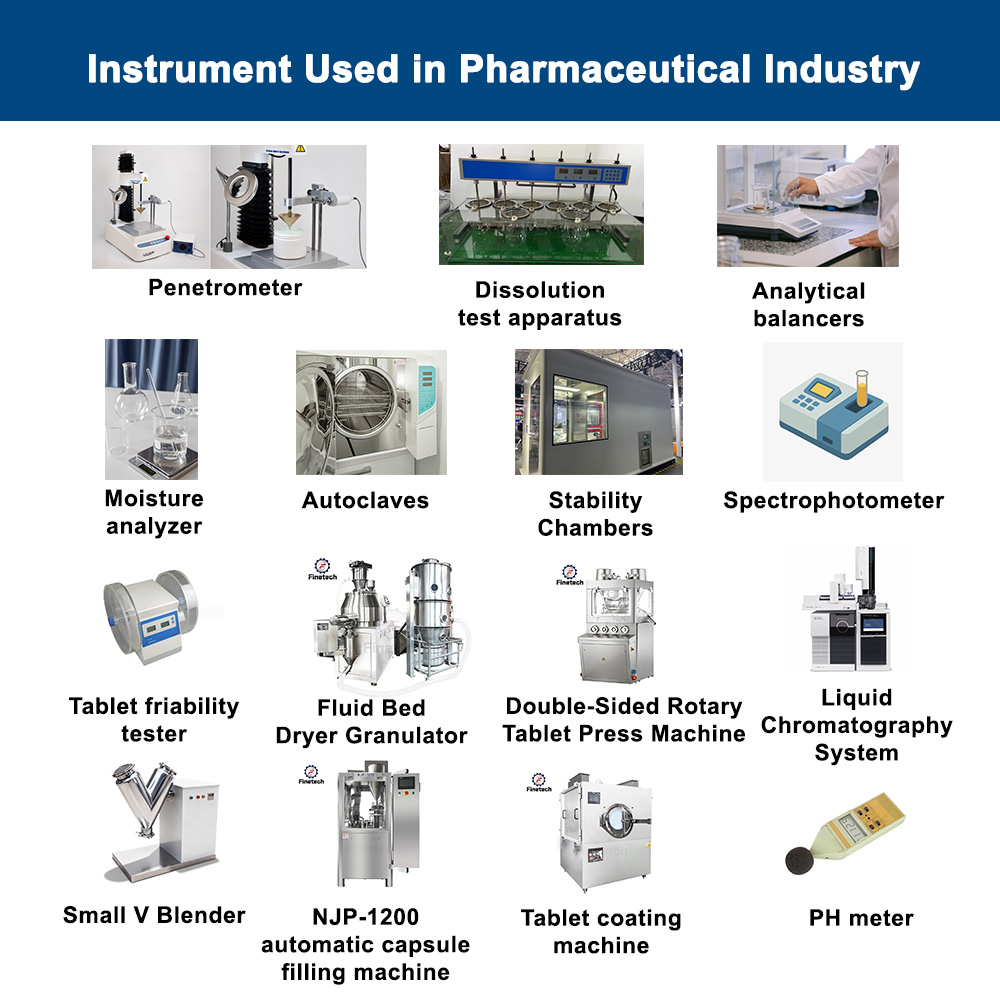
製薬業界で使用される機器

目次

The global pharmaceutical equipment market is valued at approximately USD 25.39 billion in 2025. These specialized tools are the technological foundation that enables manufacturers to create, analyze, and test complex medicines.

製薬業界で使用される機器
Instrument Used in the Pharmaceutical Industry

They ensure patient safety and maintain compliance with strict global regulatory standards.  Whether it is research and development, large-scale manufacturing, or final quality control, a set of particular machinery and protocols is essential. These tools help achieve the best results without compromising on efficiency.

​Here is your detailed list of the essential pharmaceutical instruments. We’ll see exactly how these systems guarantee product consistency and safety throughout the entire production cycle.

What are Pharmaceutical Instruments?

Pharmaceutical Instruments
Pharmaceutical Instruments.

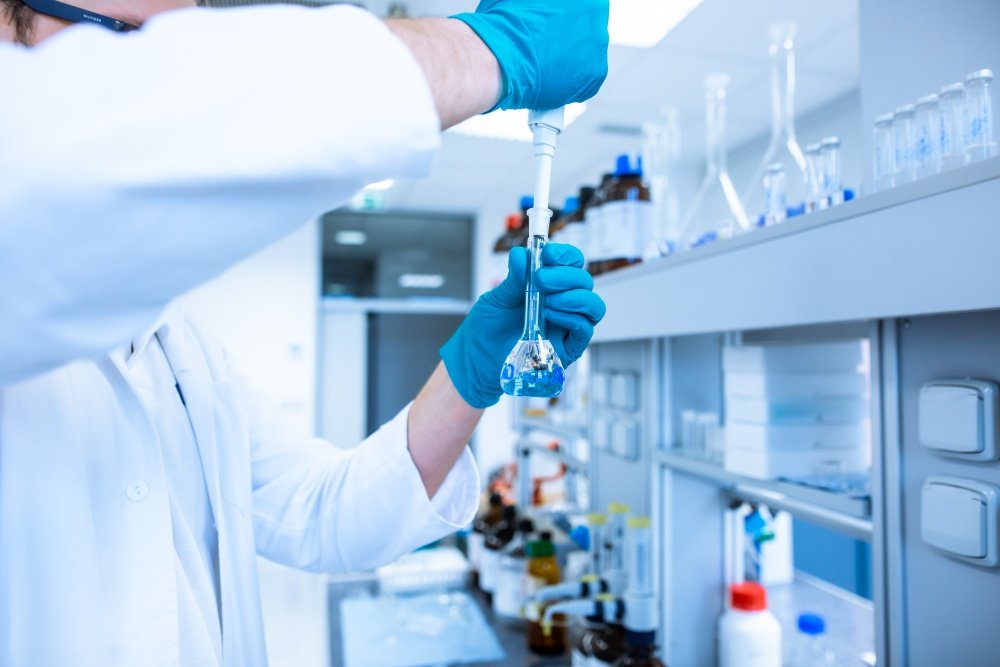
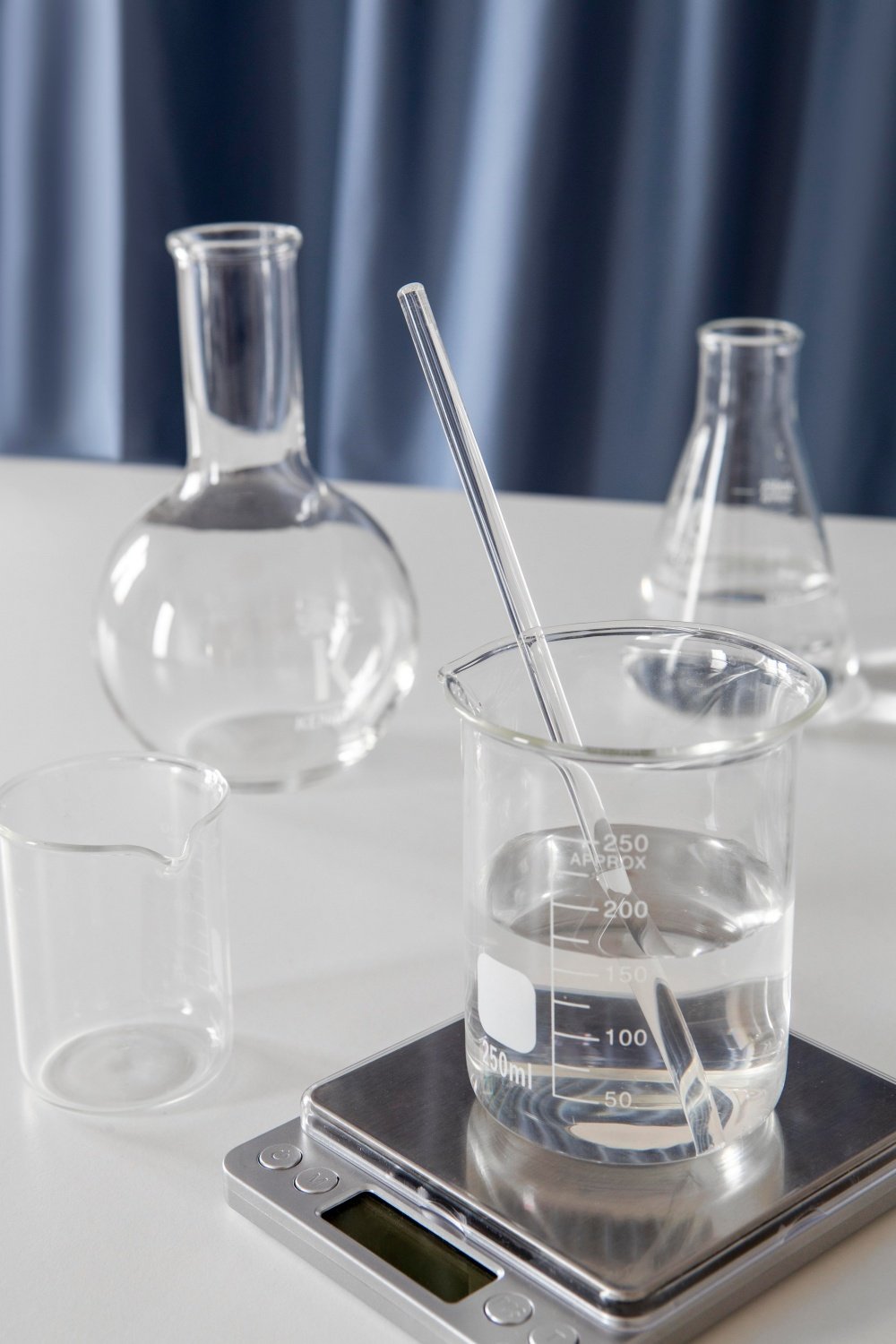
Pharmaceutical instruments are specialized machinery and equipment used in the drug manufacturing industry. They are used to create, analyze, and test medicines and various compounds, ensuring their safety, consistency, and quality.

​The main purpose of these instruments is to support the entire lifecycle of a drug throughout the research and development, manufacturing, and quality control processes. Instruments can range from simple lab tools like PH meters and scales to complex automated systems such as tablet presses and chromatography machines.

Key Categories of Pharmaceutical Instruments

Pharmaceutical instruments are broadly divided into different categories. These categories are based on their primary function and the stage of the drug lifecycle they support. The four main groups of instruments we will discuss in detail are manufacturing and processing, analytical, quality control, and laboratory and support instruments.

Manufacturing and Processing Instruments

Manufacturing and processing machinery is used for the large-scale production of various dosage forms, such as tablets, capsules, and liquids. Below are the key instruments used in the pharmaceutical manufacturing process.

a) Mixers and Blenders

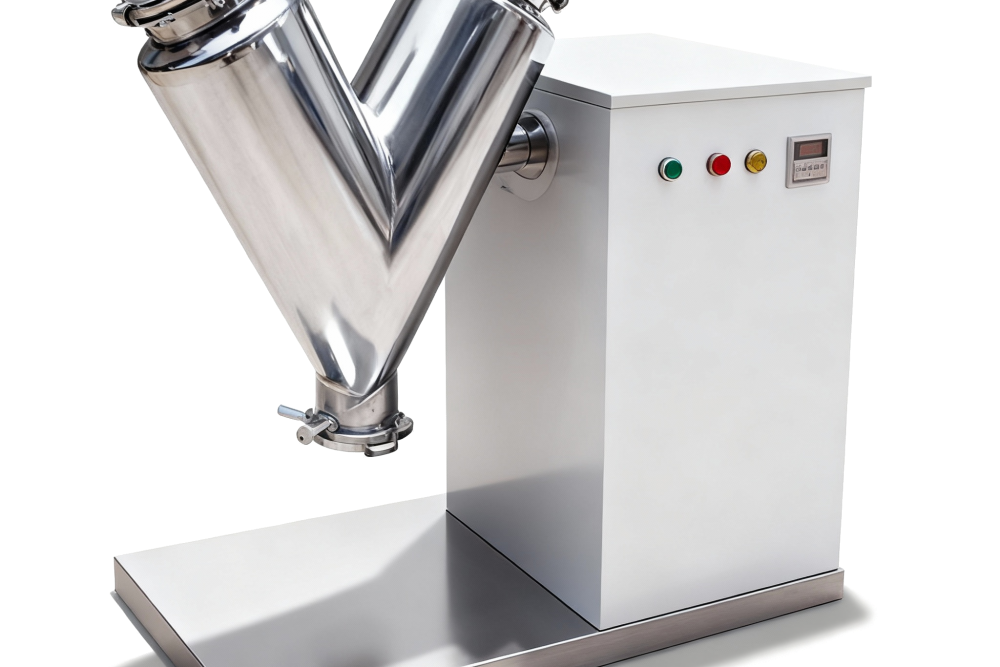
小型Vブレンダー
小型Vブレンダー

Pharmaceutical mixers and blenders are primary machines in the drug manufacturing process. They are used to combine active pharmaceutical ingredients (APIs) and excipients to create a uniform and homogeneous mixture. These devices basically use a mechanical mixing mechanism to ensure ingredients are thoroughly blended throughout the batch.

​There are different types of blenders and mixers available, such as V-blenders, ribbon blenders, high-shear mixers, and fluid-bed processors. Each of them is suited for specific formulation needs and ingredients.

b) Granulators

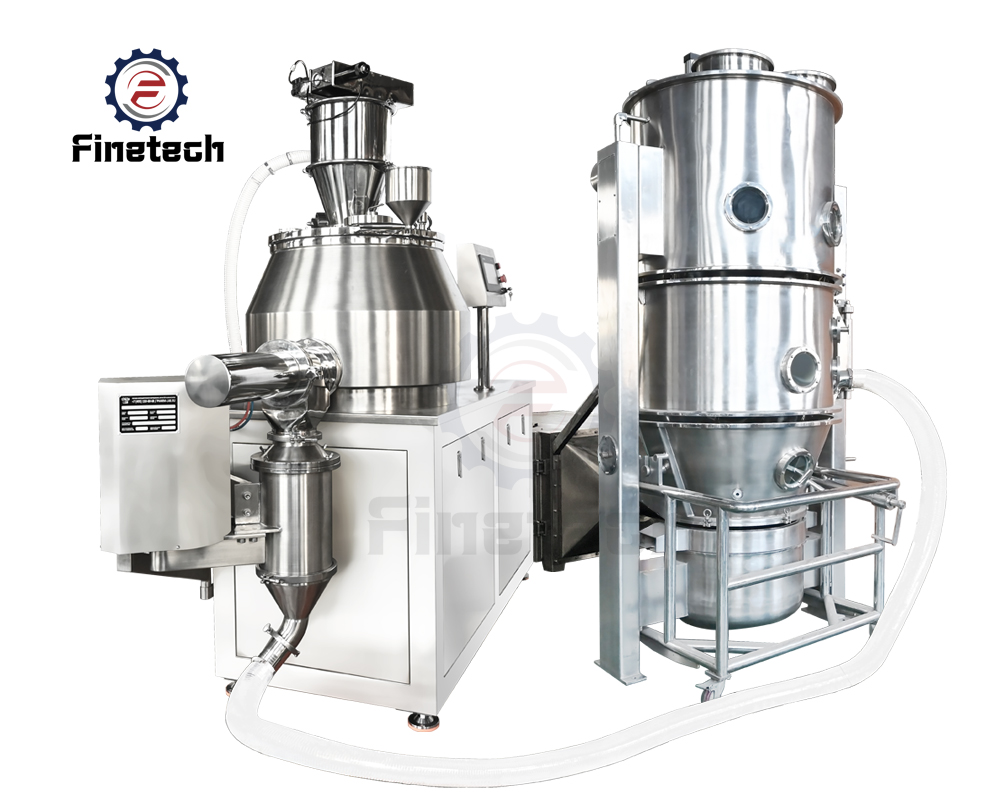
流動床乾燥造粒機
流動床乾燥造粒機

Once the APIs and excipients are mixed and blended, they are further mixed into fine granules. This enhances their flowability and compressibility for tablet manufacturing. There are different types of granulator machines, including high-shear mixers, the versatile fluid bed granulator, and the roller compactor machine.

c) Tablet Presses

ZP17ロータリータブレットプレス機
ZP17ロータリータブレットプレス機

A tablet press machine compresses powdered materials into uniform, solid tablets. It works by forcing a mixture of powders into a cavity formed by a die and two punches. This powder is then pressed into a hard, compact tablet by the force exerted by the punches.

​An ejection system removes the finished tablet from the die and moves it to the packaging or downstream processing area. Tablet presses are essential for high-volume solid dosage production.

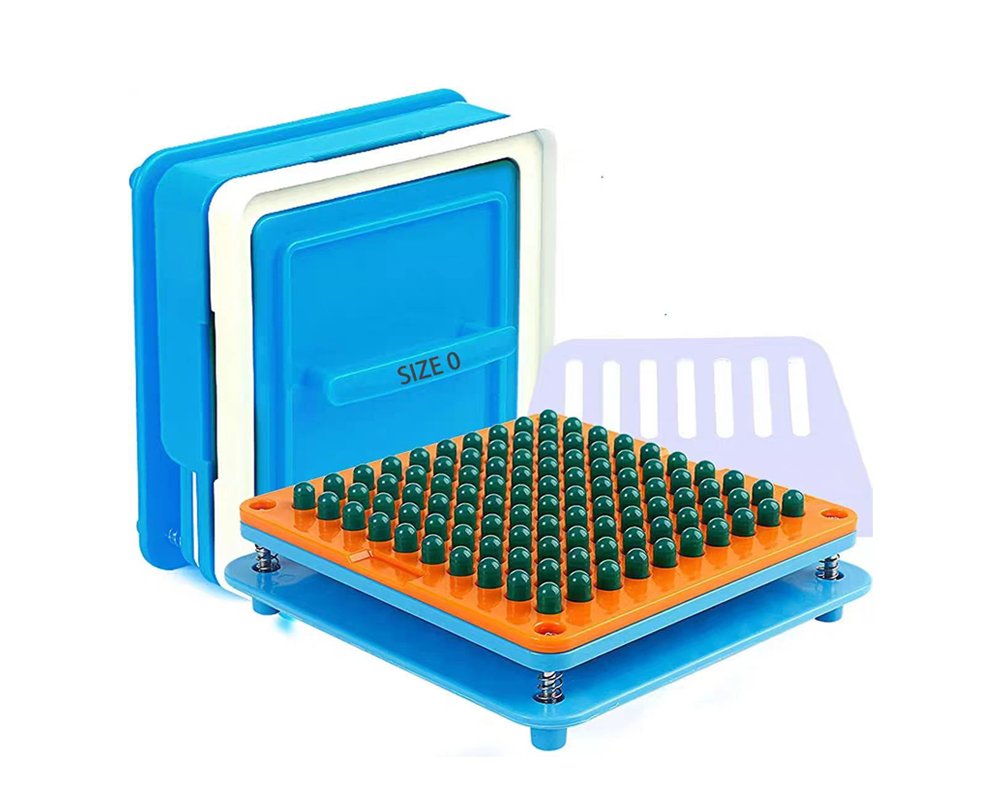
d) Capsule Filling Machines

100穴手動カプセル充填機
100穴手動カプセル充填機

Capsule filling machines are designed to accurately fill empty capsule shells with powders, granules, or liquid 医薬品有効成分(API). These machines range from manual and semi-automatic to high-speed, fully automatic systems.

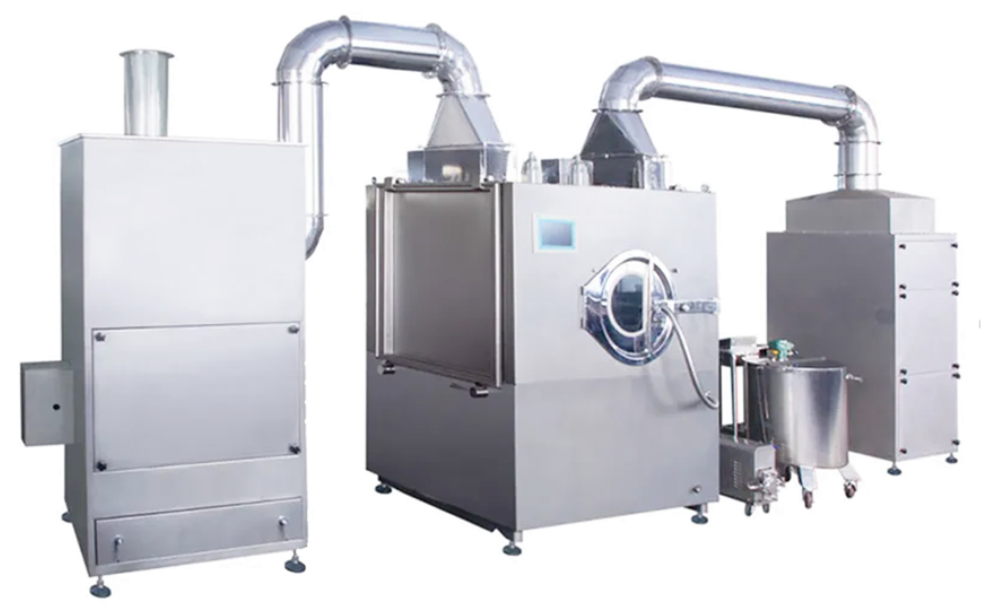
e) Coating Machines

錠剤コーティング機
錠剤コーティング機

A tablet coating machine applies a thin layer of coating to tablets to improve their taste, appearance, and aesthetics. It uses a rotating pan where tablets tumble gently while a coating solution is sprayed onto them.

The coating is made of different materials such as polymers, plasticizers, gums, and flavorants. These coatings can quickly dry and form a protective film on oversensitive APIs.  

Analytical Instruments

Analytical instruments are sophisticated tools designed for detailed examination and measurement. These are primarily used in laboratories for testing and analysis to verify the chemical composition, structure, and physical properties of different materials during drug manufacturing. Let’s take a look at some prominent analytical instruments:

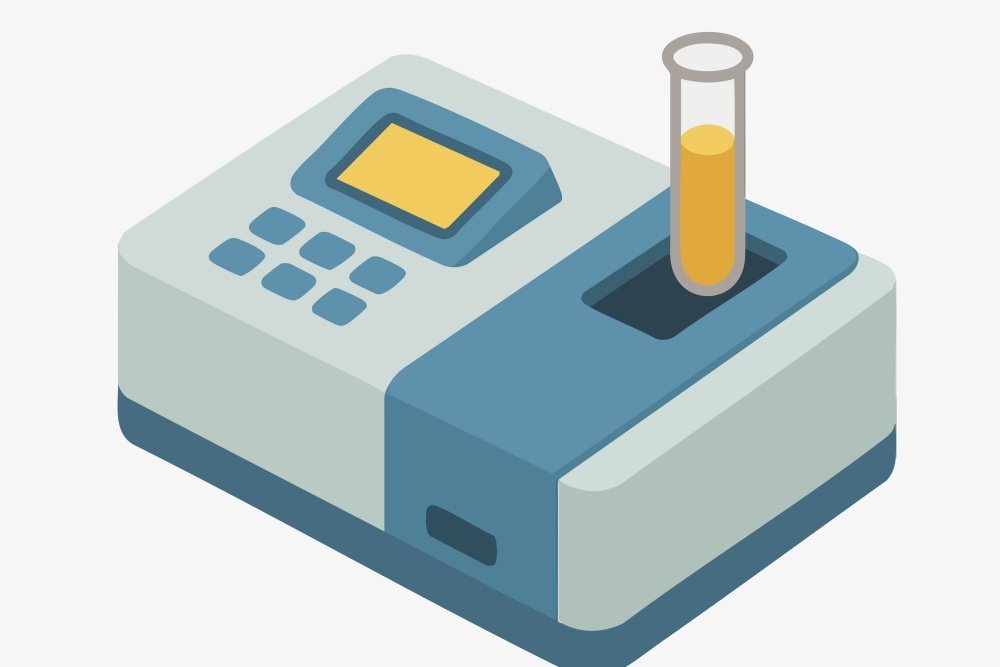
a) Spectrophotometer

Spectrophotometer
Spectrophotometer.

A spectrophotometer works by passing a light beam through a sample to measure the amount of light absorbed or transmitted. It is essential for the quantitative assessment of drugs. This instrument determines the accurate concentration of the APIs or their related substances within a solution.

​It helps you decide whether the compound meets the required concentration specification for purity and potency. The entire process often uses specific chemical agents, such as ferric chloride for Paracetamol analysis or ninhydrin to assist in the analysis of peptides.

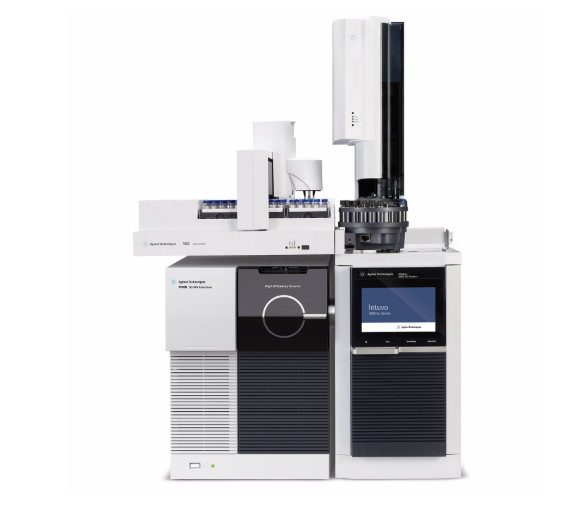
b) Chromatography System

Liquid Chromatography System
Liquid Chromatography System.

Chromatography, especially high-performance liquid chromatography (HPLC), is a separation technology used in drug manufacturing. It uses the principle of differential partitioning to break down a complex sample mixture into its individual chemical components.

​The separation of components lets you isolate, identify, and accurately measure each substance individually. You can cross-check for the presence of any contamination degradation products in the APIs. In drug manufacturing, chromatography systems are extremely important for quality control and meeting GMP (good manufacturing practice) standards.

c) Penetrometer

Penetrometer
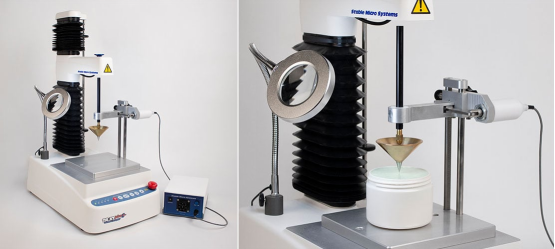
Penetrometer. Image ソース: Stable Micro Systems 

In the pharmaceutical industry, a penetrometer is an instrument used to measure the consistency and penetrability of semi-solid products, such as creams, ointments, and gels. It is done by inserting a probe (cone or needle) into a test sample with a consistent force.

​The meter shows the distance measured by the probe in a numeric value. This data defines a product’s ability to be applied, absorbed, or used to cover wounds.

d) Dissolution Test Apparatus

溶出試験装置
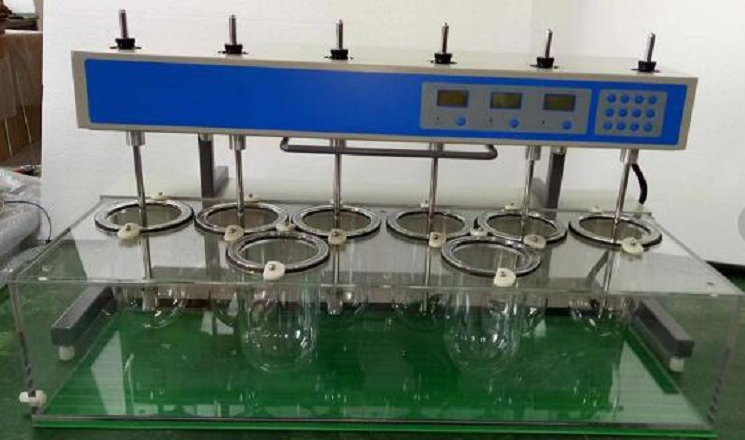
Dissolution test apparatus.

A dissolution test apparatus calculates the rate and extent at which a drug dissolves from its solid dosage form into a solution. The apparatus uses a liquid medium to mimic the fluids in the body’s gastrointestinal tract.

​A tablet or other solid form is placed in the medium. An agitation system, like a paddle or basket, stirs the liquid. The QC analyst will take observations over time by withdrawing small samples of the liquid medium at set intervals. The measurement shows the concentration of the dissolved drug or how well the body can absorb it.

Quality Control Instruments

その 米国FDA, along with international bodies, enforces some of the highest standards for the safety, quality, and potency of drugs. Quality control instruments are equipment that perform standardized tests to maintain the quality, purity, and safety of every batch before it reaches the customer.

a) Tablet Friability Tester

Tablet friability tester
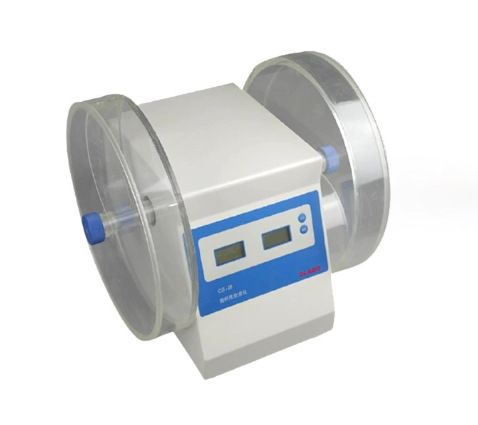
Tablet friability tester.

A tablet friability test measures the mechanical strength of tablets by assessing their tendency to chip, abrade, or break during handling and transit. It works by tumbling a sample of tablets in a rotating drum for a specific time period. Once the rotating cycle is complete, the instrument calculates the percentage of weight loss due to breakage.

b) PH Meters

PH meter
PH meter.

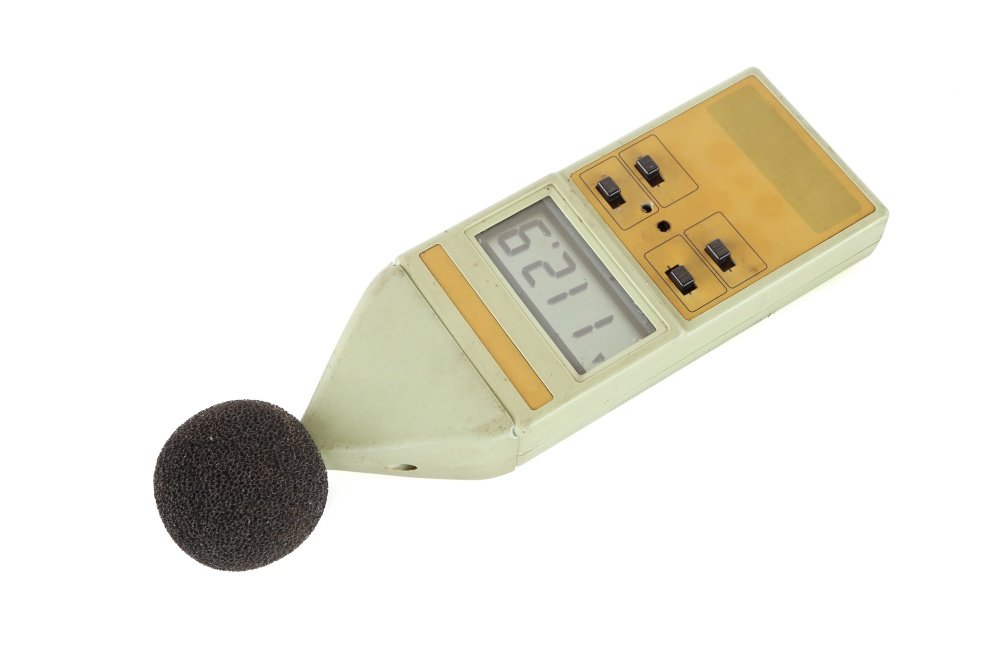
PH control is a critical factor during the manufacturing of semi-solid and liquid pharmaceutical products. A PH meter is a quality control instrument that measures the acidity or basicity of an aqueous solution. It guarantees that the final product remains safe and non-irritating to the patient.

c) Moisture Tester

Moisture analyzer
Moisture analyzer.

Moisture levels of APIs or excipients can deeply impact the stability and shelf-life of a drug. A moisture tester or moisture analyzer is a device that accurately measures the water content in a pharmaceutical sample. The device operates on the principle of loss on drying (LOD).

​An internal halogen or infrared heating element heats the sample to evaporate the moisture. The device continuously weighs the sample as it dries. It then calculates the percentage of moisture by comparing the initial weight to the final dry weight.

Laboratory and Support Instruments

Laboratory and support tools are used for the general operation, preparation, and maintenance of sterility within pharmaceutical facilities. They maintain a controlled and contamination-free environment for both research and quality control activities.

a) Autoclaves

Autoclaves
Autoclaves.

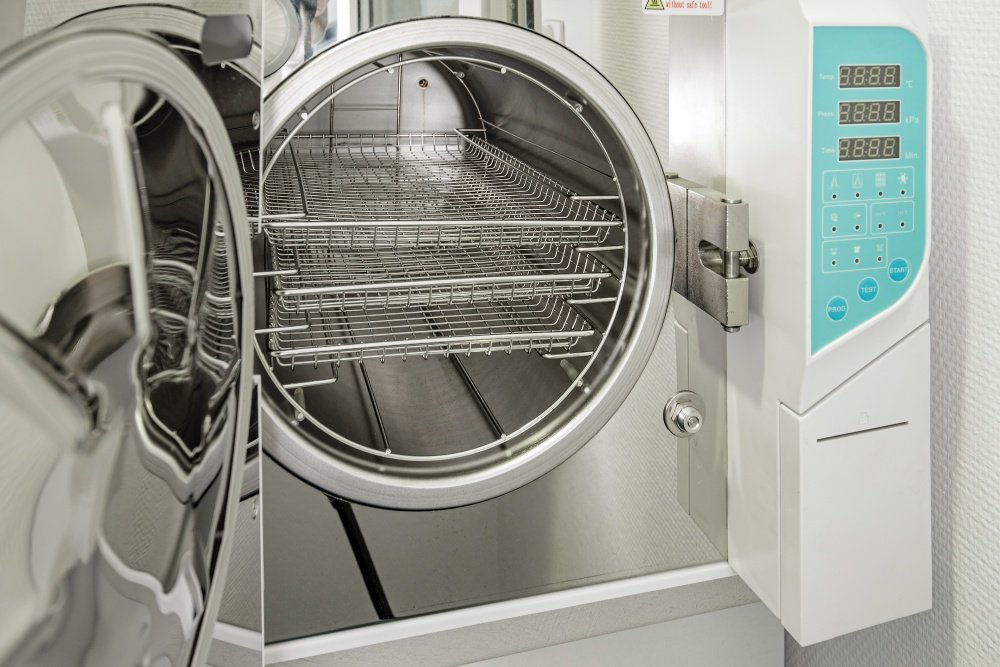
An autoclave is a strong, pressurized vessel that uses high-pressure steam to sterilize equipment, solutions, and other materials. Its thick walls enable the maintenance of this high pressure, which supports very high temperatures and kills microorganisms like bacteria, viruses, and spores.

Due to extreme temperatures, it is advisable not to sterilize flammable or corrosive materials in the autoclaves.  

b) Stability Chambers

Stability Chambers
Stability Chambers.

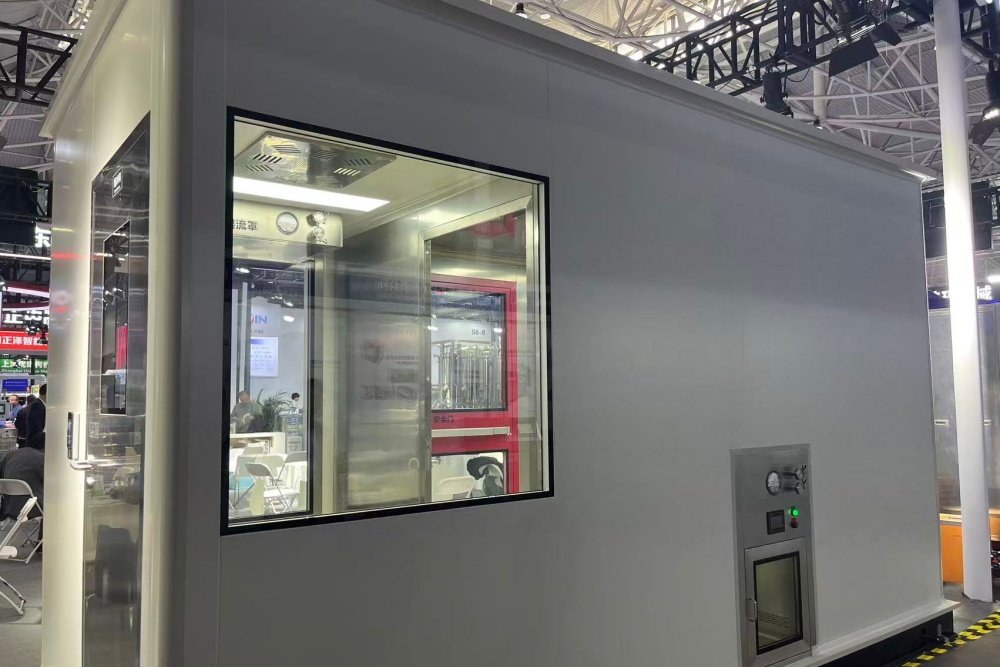
A stability chamber is a specialized, controlled environment used to test a drug’s quality, safety, and shelf life over time. It achieves this by exposing the drug product to precisely controlled conditions, such as varying temperature, humidity, and light levels. Data collected from these tests determines the proper storage conditions and the final expiration date for the medication.

c) Analytical Balances

Analytical balancers
Analytical balancers.

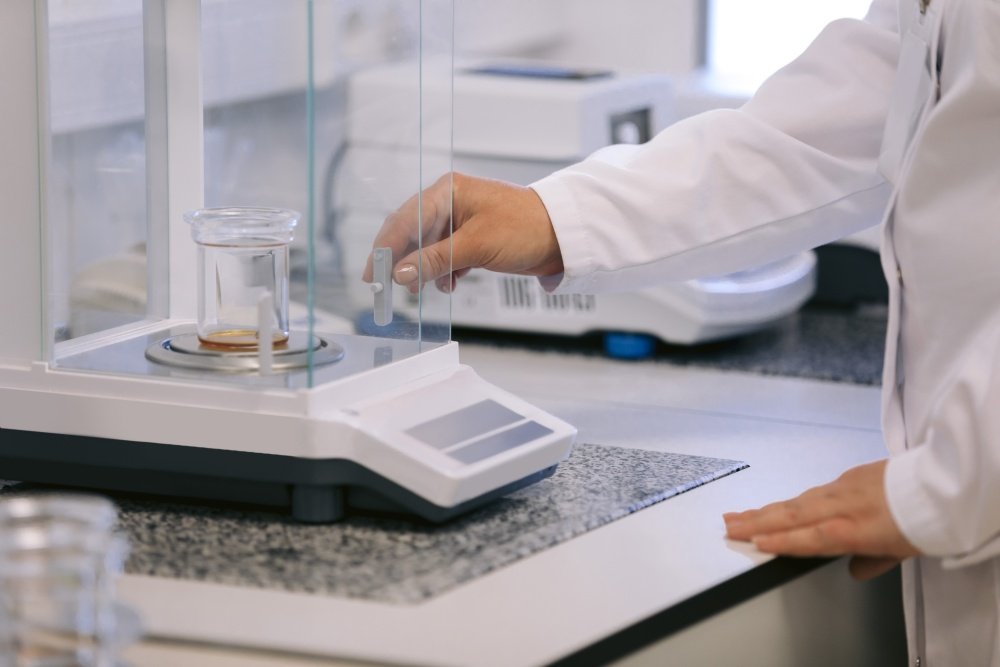
Analytical balances are used to quantify minute quantities of APIs and excipients with exceptional accuracy. This accuracy is essential for the formulation of new drugs, quality control tests, and for preparing solutions needed for stability testing. The exact mass of a compound directly affects the validity and reliability of the analytical results.

よくある質問

1. What instruments are essential for microbiological testing?

Common microbiology lab instruments include autoclaves, laminar airflow hoods, incubators, colony counters, and microscopes for sterility and microbial limit testing.

2. What validation is needed for new instruments in a pharmaceutical facility?

Validation follows the IQ (Installation Qualification), OQ (Operational Qualification), and PQ (Performance Qualification) framework to confirm reliable and repeatable instrument performance.

3. How should a facility manage its pharmaceutical instrument inventory?

Facilities should maintain a master instrument list that tracks model numbers, serial numbers, calibration status, qualification dates, and preventive maintenance schedules.

Invest in the Next Generation of Pharmaceutical Instruments

More than just tools, pharmaceutical instruments are the backbone of our entire healthcare system. From manufacturing to support operations, every instrument is a critical checkpoint. These checkpoints demand absolute perfection and reliability to protect public health and uphold global quality standards.

​If you are a pharmaceutical leader, choose nothing but the best. ファインテック could be your trusted supplier in building or expanding your facility. With eco-friendly production and extensive experience, we meet all your needs, from customization to production planning.

​Get in touch with our technical team and schedule a consultation today!

著作権について 

ファインテック・グループの書面による事前の明示的な承認がない限り、本ウェブサイト上のコンテンツを複製、変更、公開、表示、送信、その他の方法で利用したり、そのようなコンテンツを使用して何らかのデータベースを構築したりすることはできません。コンテンツの使用許可については、こちらまでお問い合わせください: info@pharmamachinecn.com

免責事項:

本記事に含まれる情報は、一般的な情報提供のみを目的としています。当社は、いかなる情報についても、その正確性、妥当性、適時性、完全性を保証するものではなく、また、本記事の内容の誤謬または脱漏について一切の責任を負いません。.

コメントする

今すぐ投稿を共有:
Hey there, I’m Tony Taoの写真

こんにちは、トニー・タオです

私はファインテックのCEOで、製薬機器業界で10年以上の経験があります。私の専門知識を活かし、中国から製薬加工機器を輸入したいとお考えの方々を少しでもサポートできればと思っています。

関連している 記事

カプセル充填機図面

カプセル充填機図面

カプセル充填機の図面は、カプセルを理解し、操作し、維持し、製造するための青写真として機能する詳細な技術的なイラストです。

上部へスクロール