 Japanese
  English
  Russian
  Turkish
  Spanish
  French
  German
最終工程用産業用ケースパッカー
フィネテックは、医薬品、化粧品、食品、飲料、および消費財業界向けにケースパッカーを提供しています。 当社は、積載方法、梱包パターン、ケースサイズ、製品の向き、シール方式、および生産能力を、生産ラインの最終工程の要件に合わせて最適化します。ロボット式および従来式の構成をご用意しています。サポート内容には、梱包パターンの検討、レイアウト計画、試運転、据付・調整、およびオペレーター研修が含まれます。.

ケースパッカーとは何ですか?
ケースパッカーは、完成品をまとめて、所定のパターンに従って段ボール製の輸送用ケースに詰め込む機械です。このシステムでは、ケースの組み立て、製品の整列、ロボットやプッシャーを用いた詰め込み、フラップの閉じ作業などが行われます。その後、テープまたはホットメルト接着剤を用いてケースを密封します。完成したケースは、印字工程、パレタイジング工程、または倉庫での取り扱い工程へと搬送されます。.
主なメリット
手作業による梱包需要の減少
自動仕分けと自動投入により、繰り返しの持ち上げや配置作業が軽減されます。これにより、作業員は商品の補充、確認、およびラインの監督に集中することができます。.
一貫した事例のパターン
製品を体系的にグループ化することで、再現性のある列、層、または配置を実現します。安定した配置パターンは、ケースの活用効率を高め、下流工程でのパレタイジングを円滑にします。.
ライン末端での流量の増加
ケースの組み立て、充填、密封を一体化することで、各工程間の手渡し作業を削減します。これにより、より安定した出荷準備が可能になります。.
当社を選ぶ理由
出荷用ケースを中核としたライン末端の梱包
ケースパッカーは、製品と段ボールケースの両方を確実に処理できなければなりません。ファインテックでは、製品の寸法、重量、搬入時の向き、必要数量、積層パターン、ケースの品質、シール方法、ライン速度などを精査します。その後、承認された梱包仕様に基づき、コレーター、グリッパーまたはプッシャー、ケース搬送装置、検査装置、および制御システムを構成します。.
フィネテックの主な強み:
- 製品や事例に基づくパックパターンの開発
- カスタマイズされた供給、整列、および積載の仕組み
- 製品の保護用に選定されたロボット用グリッパー
- 配管レイアウト、試運転、および研修の支援
- 引き渡し後の技術サポートおよび部品供給
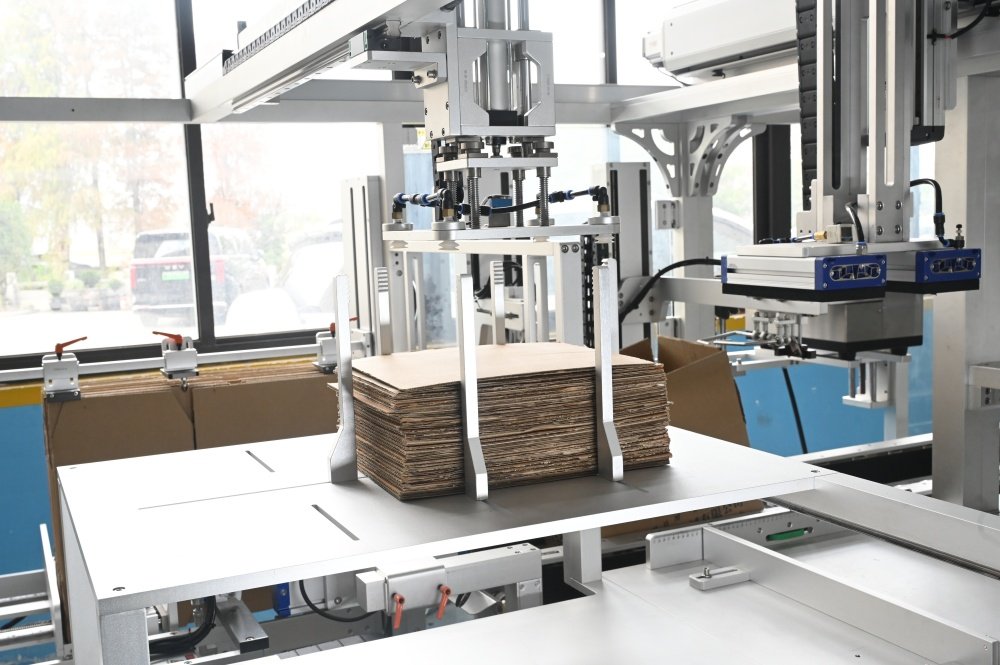
各種ケースパッカー
ケースパッカーには、ロボット式ピック・アンド・プレースシステム、サイドロード式機械、ドロップパッカー、ラップアラウンド方式、および従来のプッシャー方式などがあります。ロボット式ユニットは柔軟な配置パターンと穏やかなハンドリングを実現する一方、専用機構は安定した大量梱包に適しています。 選定にあたっては、製品の剛性、投入時の向き、ケースの形状、必要な積層数、段取り替えの頻度、速度、およびライン末端の空きスペースなどを考慮する必要があります。セルレイアウトを確定する前に、将来の製品やパレットの配置についても検討しておくべきです。.
.png)
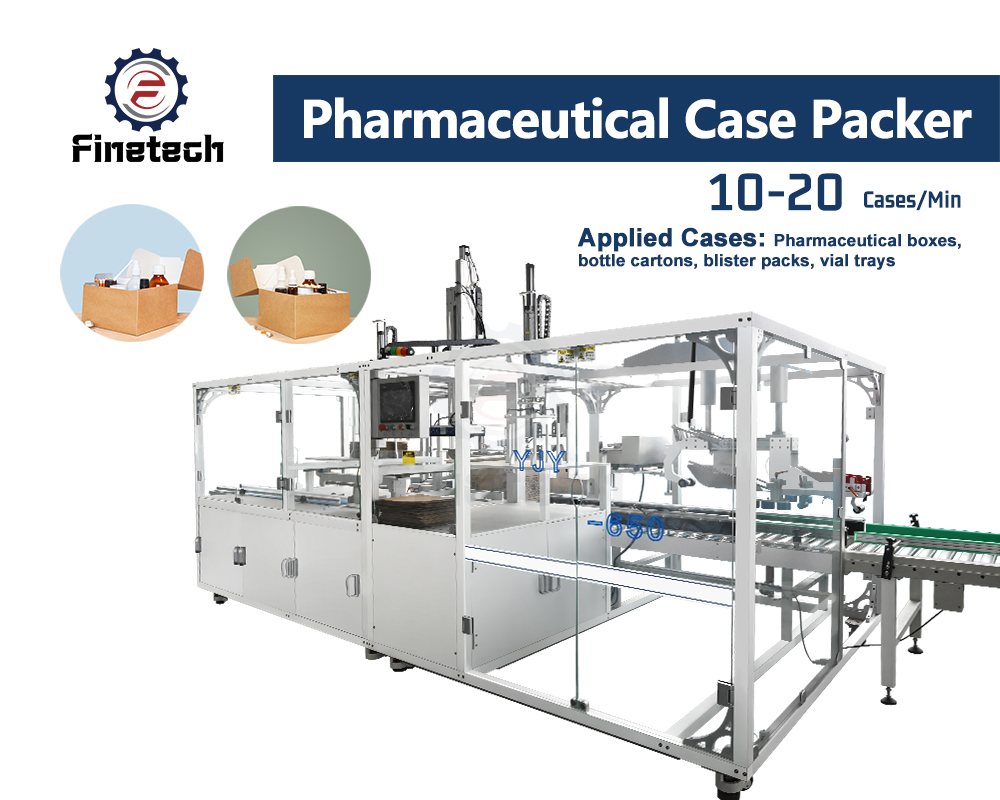
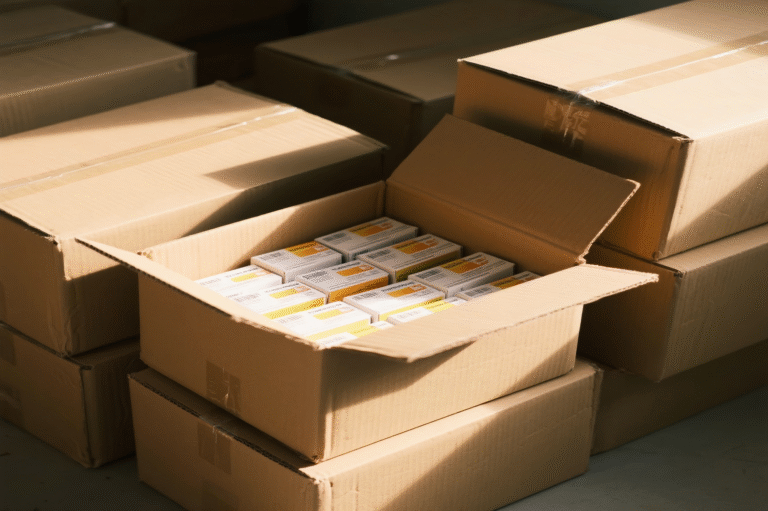
ケース詰めへの応用
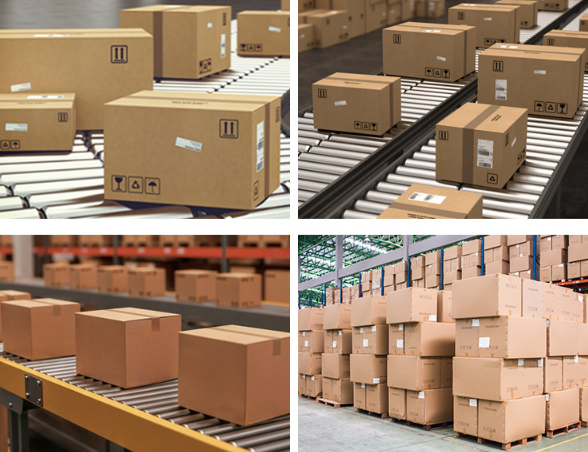
段ボール箱は、製品の三次包装として広く使用されています。以下に、Finetechのケースパッカーが導入されている業界をご紹介します。.
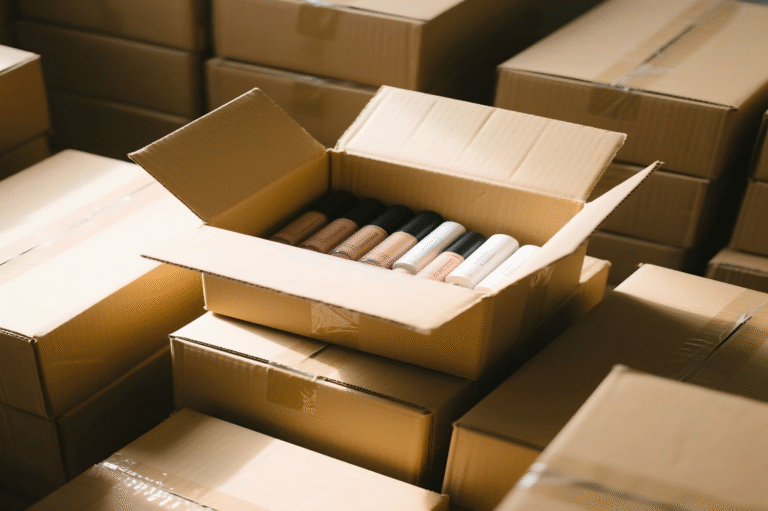

主な特徴
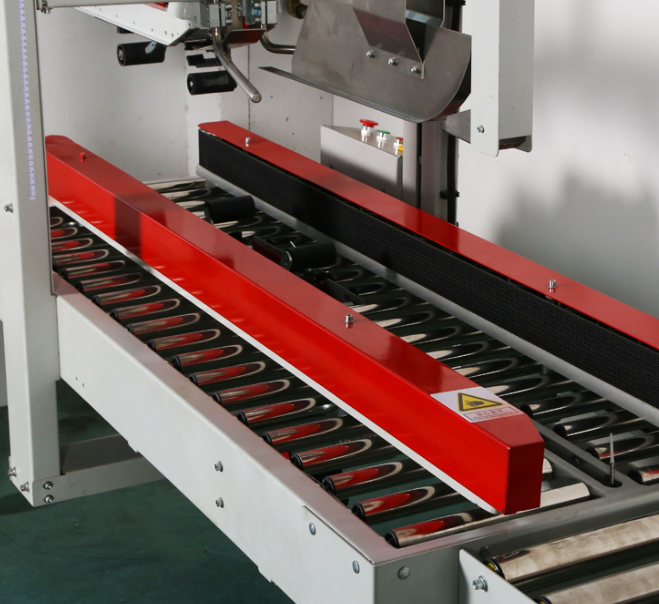
体系化された製品の供給
コンベヤとレーンガイドが、製品を所定の間隔で搬送します。安定した供給条件により、ケースへの充填前に確実なグループ分けが可能になります。.
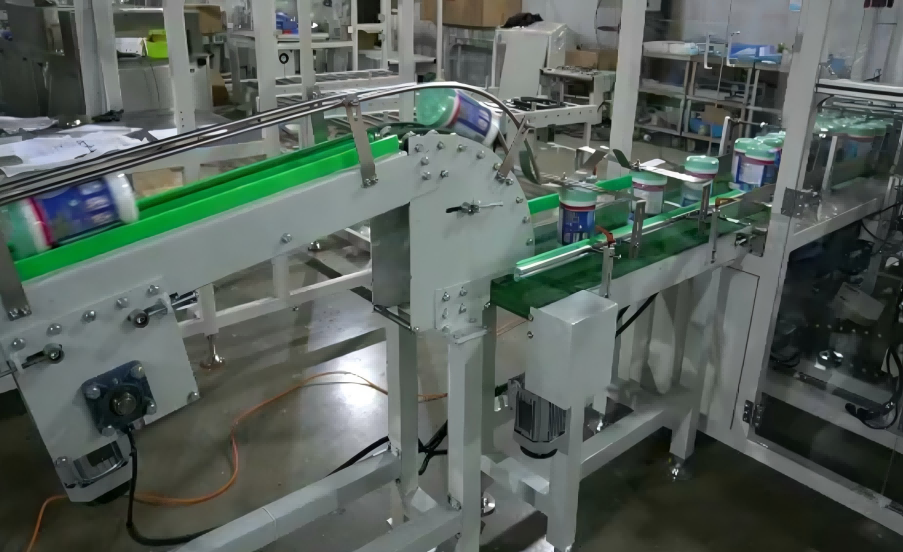
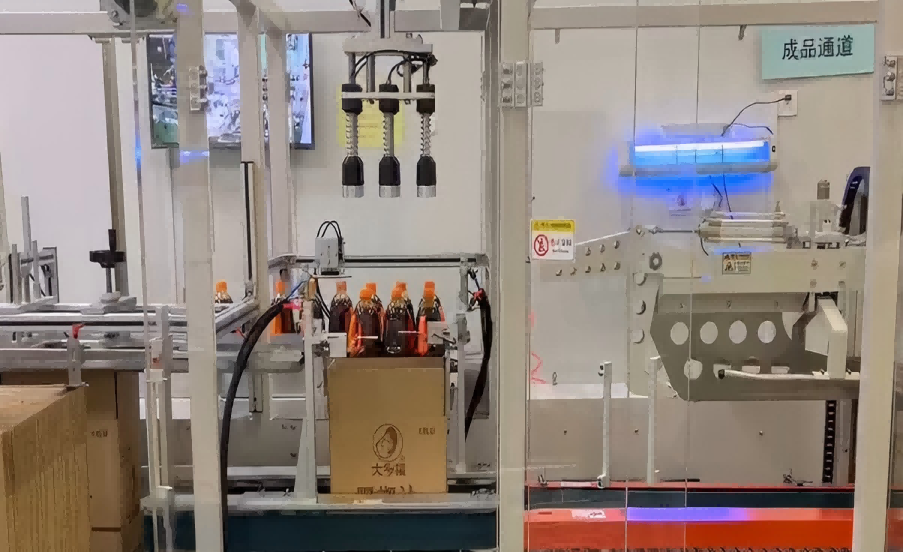
商品の自動仕分け
この機械は、承認されたケースの配置パターンに従って、列や層を形成します。センサーが製品の有無や堆積状況を監視します。.
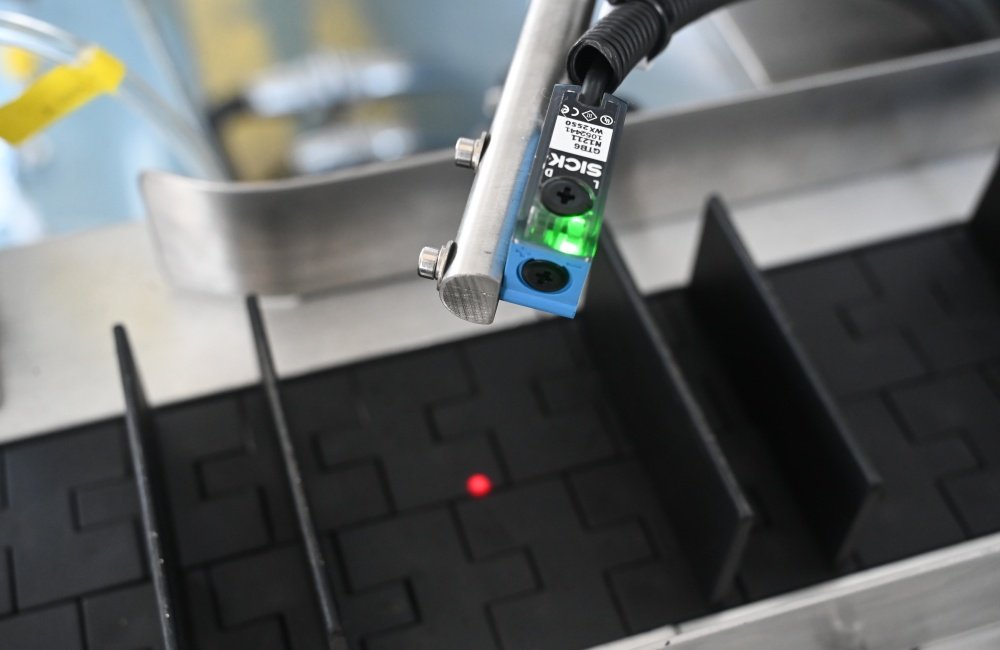
ビジョン誘導による位置決め
導入済みのビジョンシステムは、ロボットによるピックアップの前に、製品の位置と向きを特定します。これにより、搬入時の位置が一定でない場合でも、柔軟なハンドリングが可能になります。.
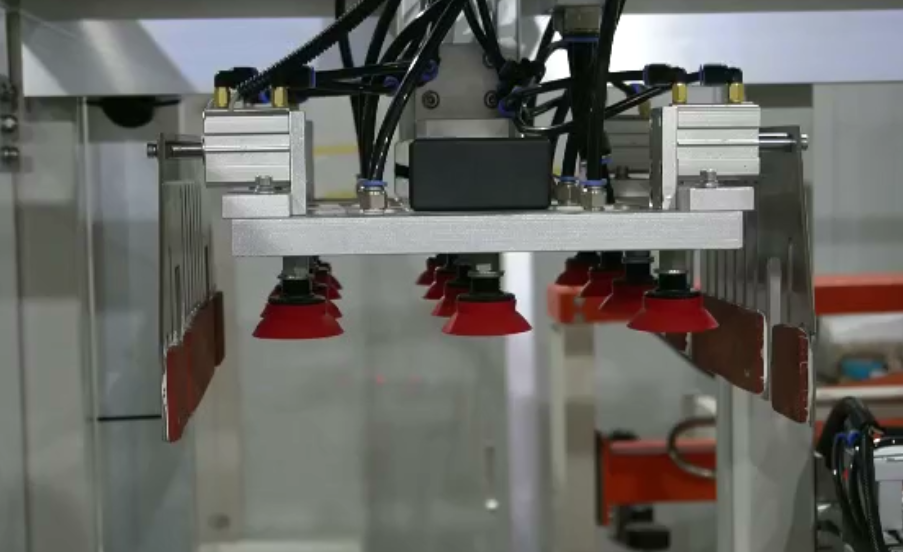
製品に合わせたグリッパー
積載作業中は、真空カップ、クランプ、または特注のエンドエフェクタが製品を把持します。設計にあたっては、重量、表面形状、剛性、および損傷のリスクが考慮されています。.
レシピに基づくパックパターン
登録されたレシピにより、製品数、積層配置、動作、およびケースの形式が制御されます。オペレーターは、段取り替えの際に検証済みのパターンを呼び出すことができます。.
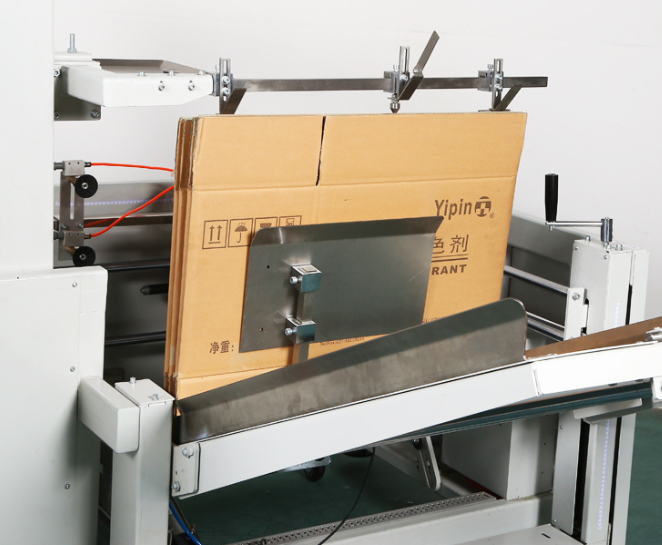
一体型ケース組み立て
設定済みのシステムは、平らな段ボール原紙を開き、積載前に底面を成形します。センサーがケースの準備完了を確認します。.
テープまたは接着剤によるシール
上部のフラップを折り込み、テープまたはホットメルト接着剤で封じます。この方法は、ケースや流通のニーズに合わせて選定されます。.

点検および不具合への対応
センサーは、製品の数、ケースの位置、および指定された封緘状態を確認することができます。不具合が発生すると、アラームの発報、停止、または不良品の排除が行われます。.
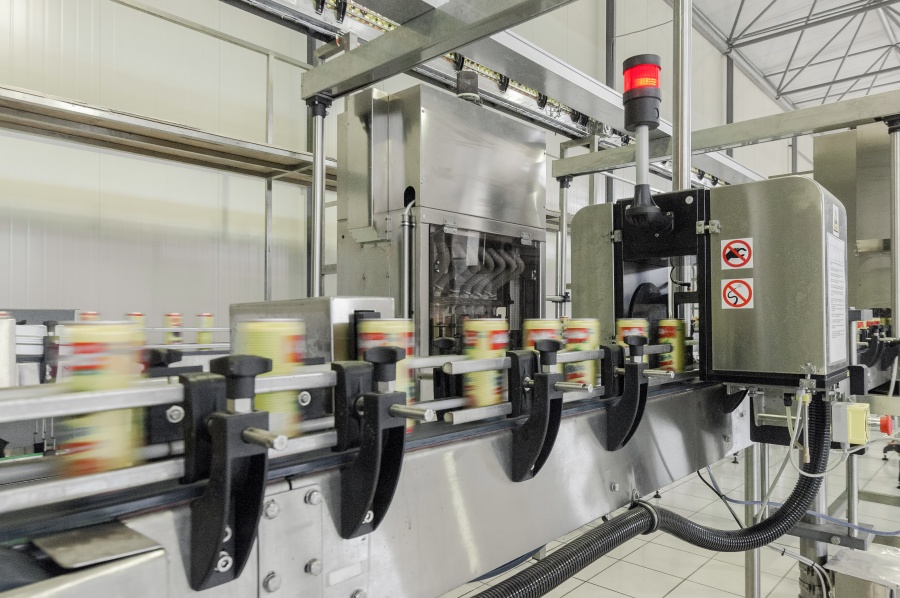
保護されたエンド・オブ・ライン・アクセス
インターロック式安全装置により、ロボットや機械の動作を保護します。計画的なアクセスにより、清掃、詰まりの解消、グリッパーの交換、およびメンテナンスが容易になります。.
認証
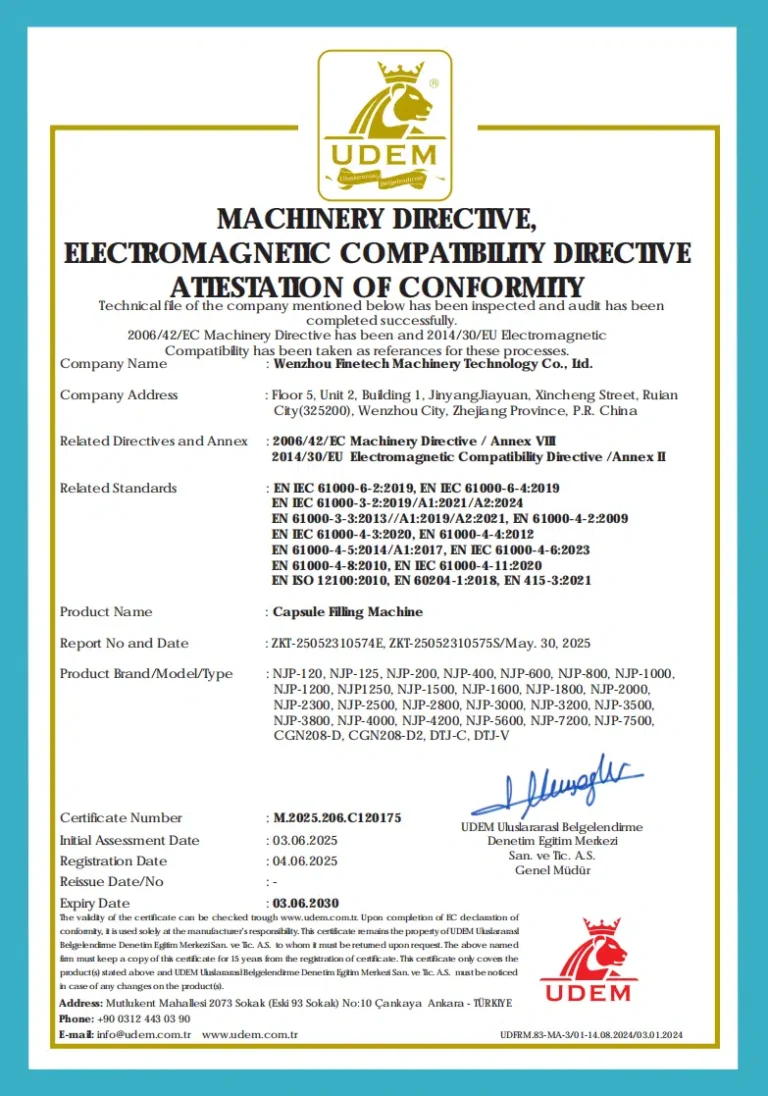
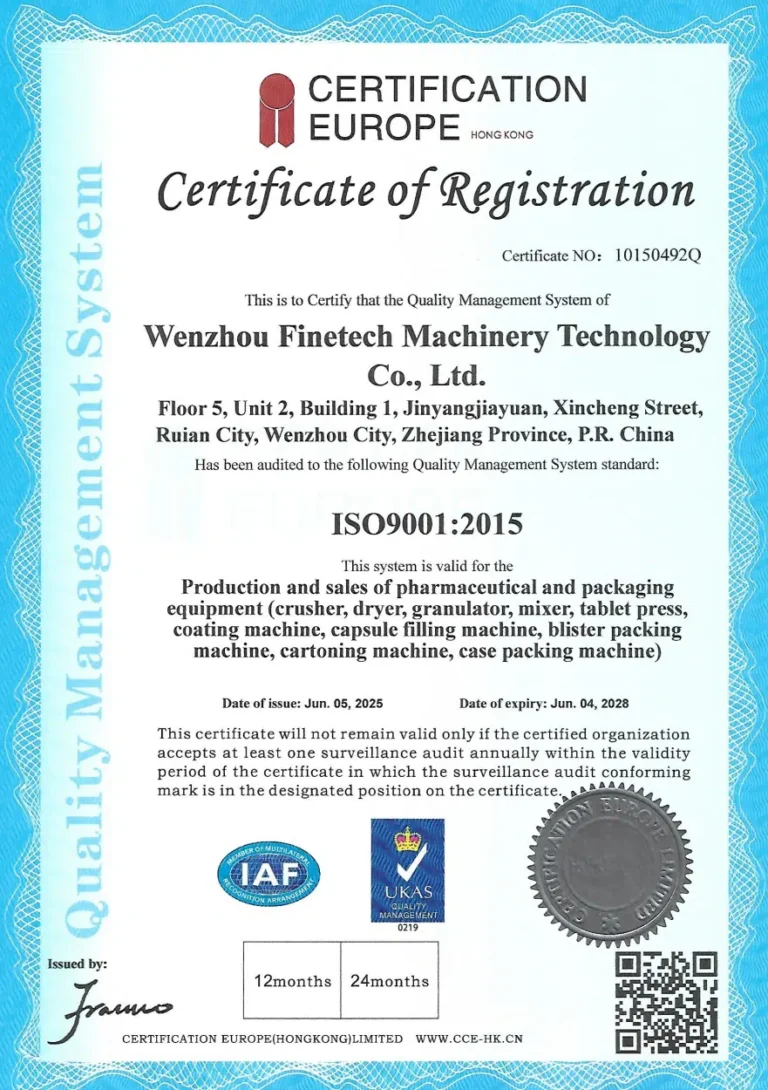
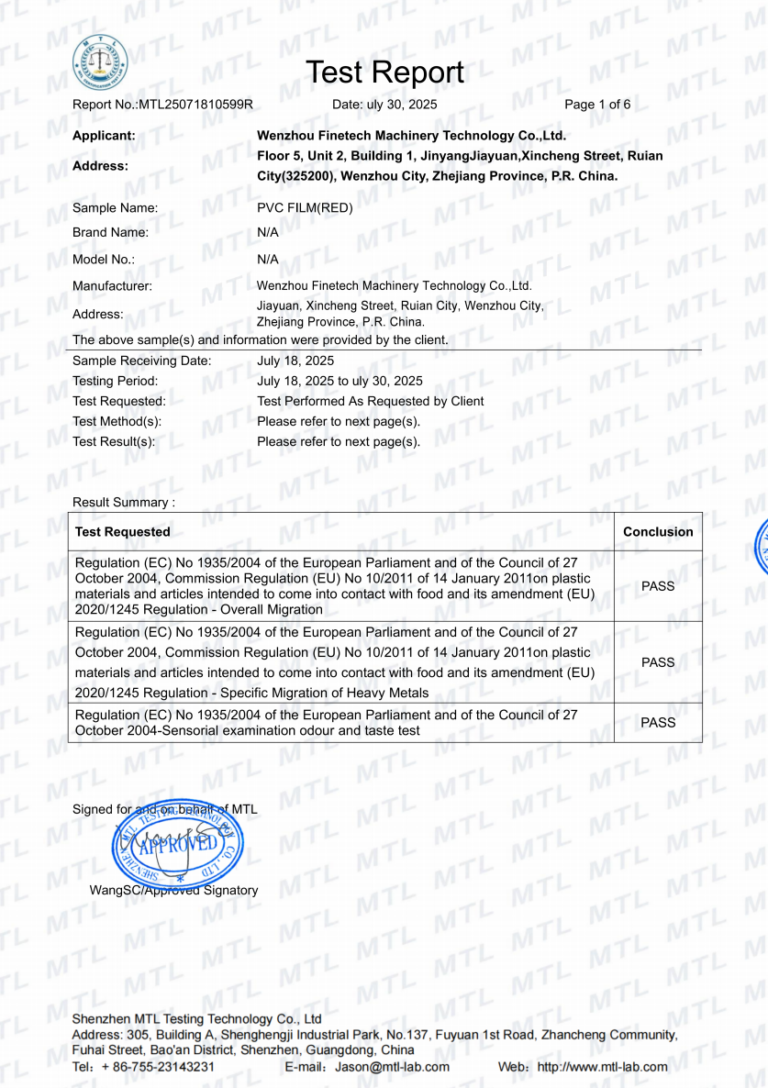
当社のサービス
カートニングマシンのソリューション一覧をご覧ください。.
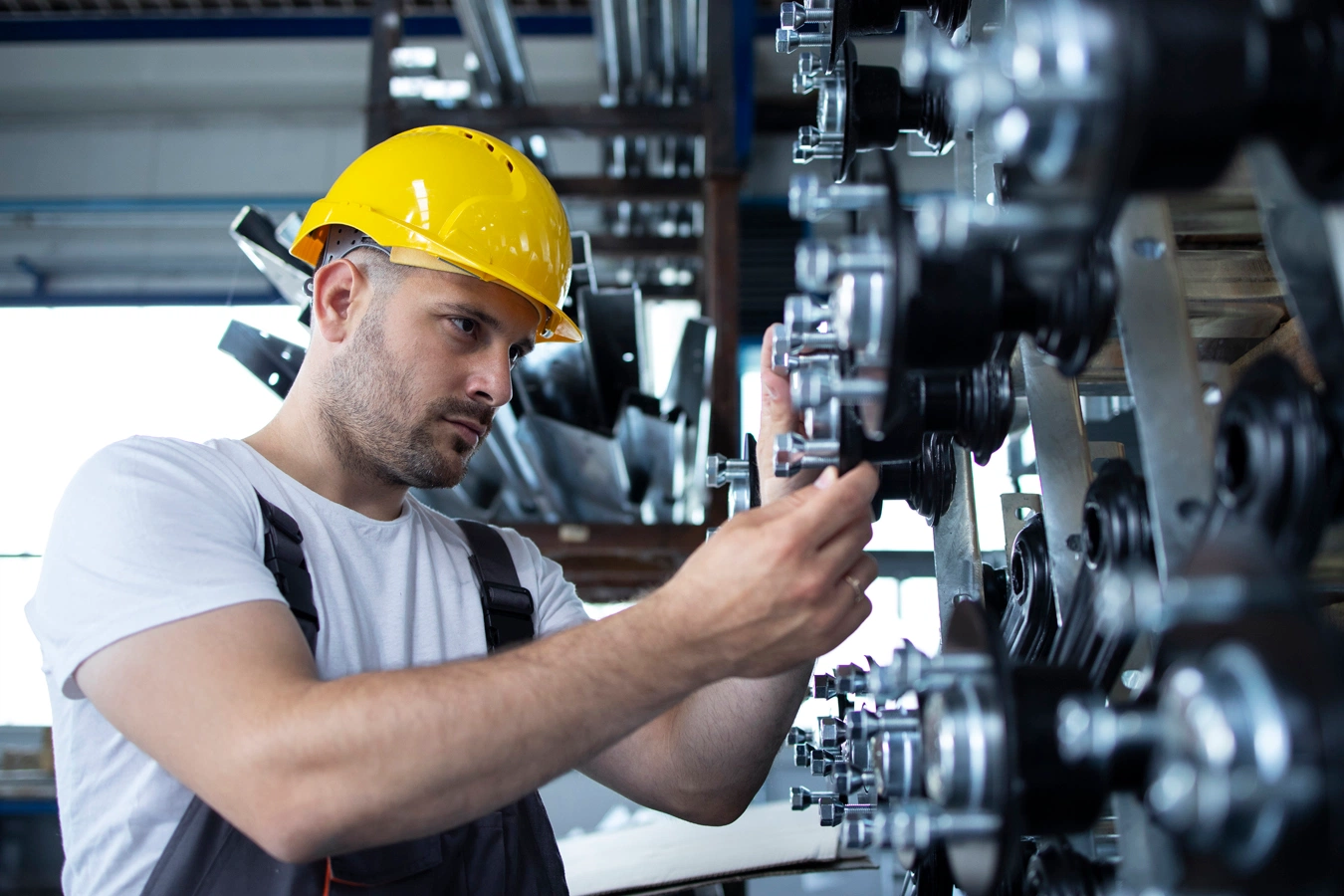
お客様の製薬機械に対する、現場での据付および試運転のサポート。.

チームが機械の正しい操作方法を理解できるよう支援するためのオペレーター研修。.

機械の操作およびトラブルシューティングに関するオンライン技術サポート。.
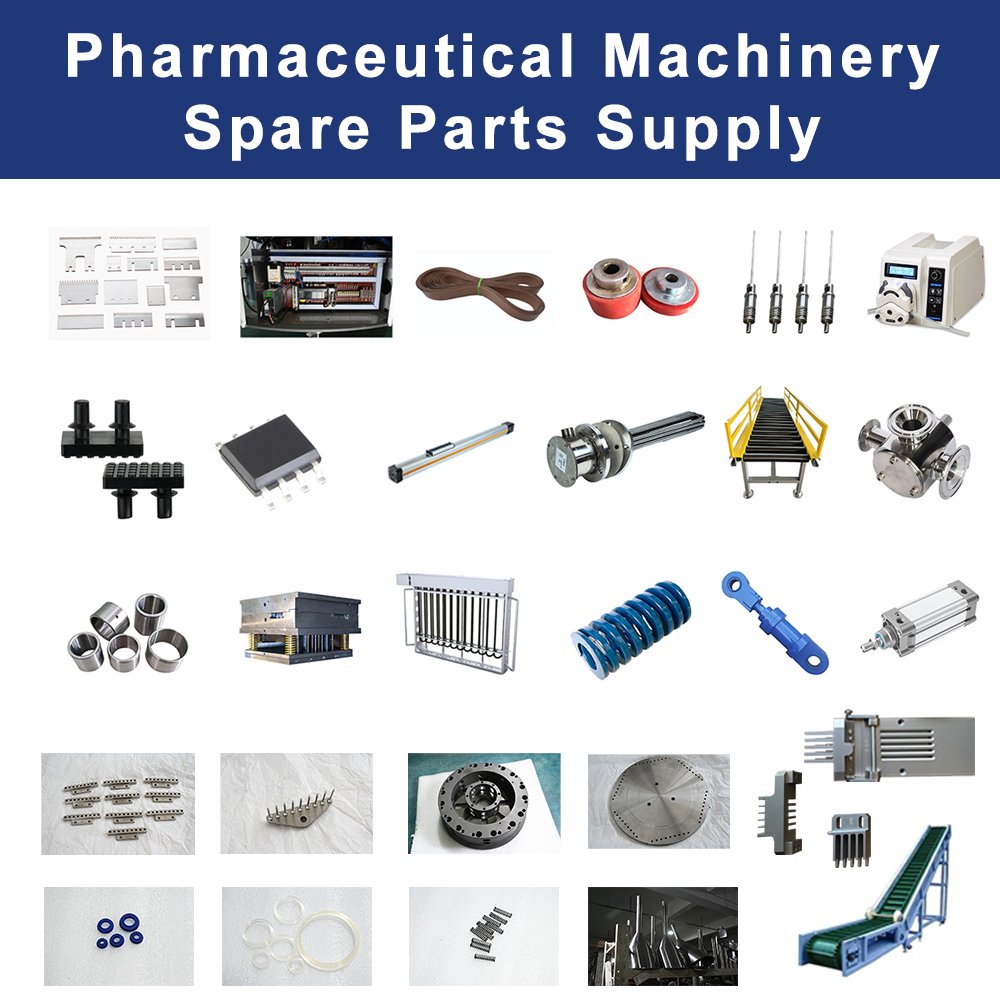
2年間のご使用後、機械を稼働させ続けるための交換部品をご提供いたします。.
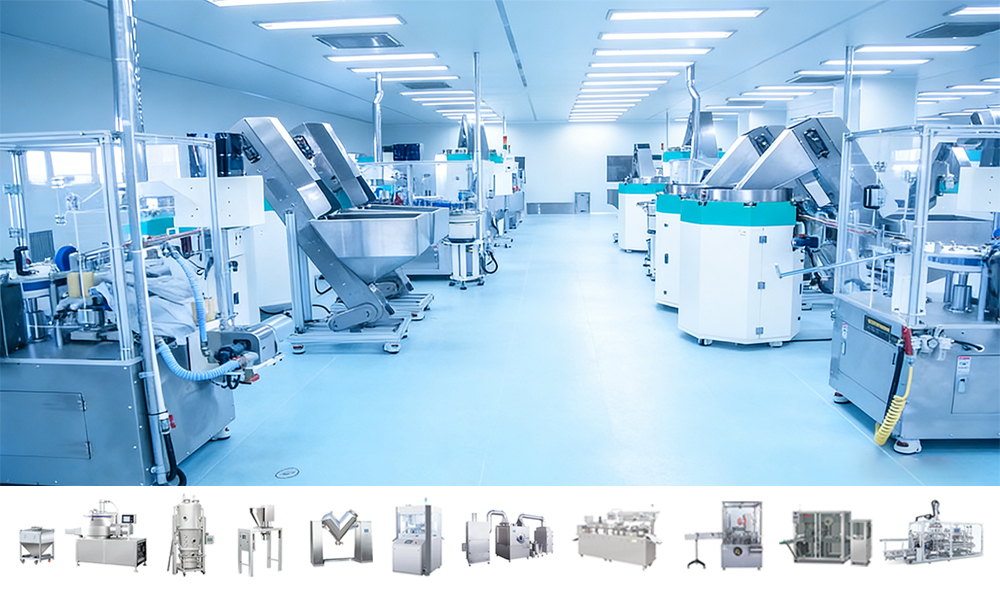
当社は、製造から包装ラインに至るまで、包括的なターンキーソリューションを提供しています。.
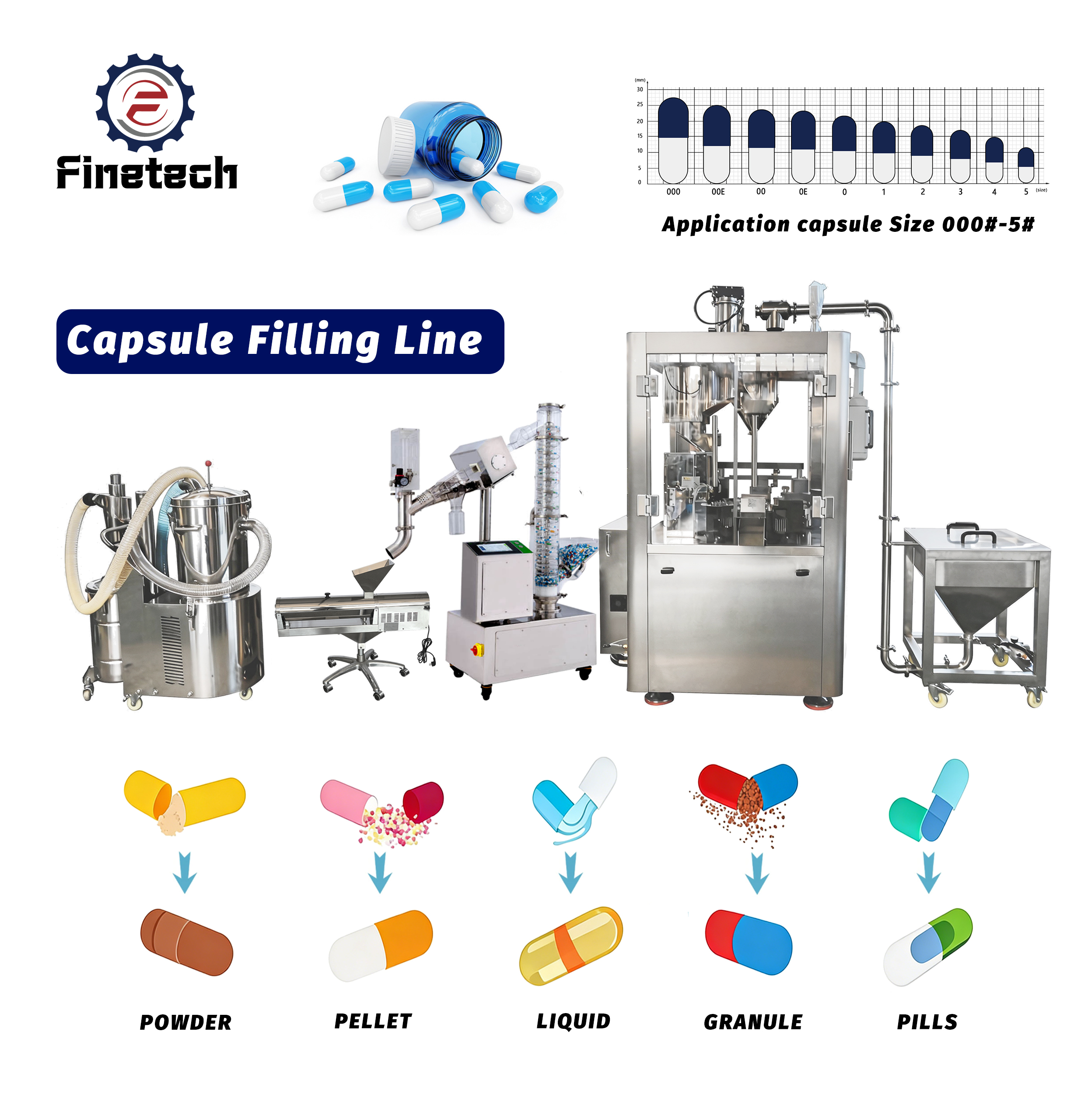
お客様の生産規模に合わせて、カプセル充填ラインをカスタマイズいたします。.

お客様の製品の種類に合わせて、カートニングマシンをカスタマイズいたします。.
技術データ
生産能力は最大
200
1時間あたりの件数
ロボットアームのピッキング速度
10
回転数/分
標準ケースサイズ
300 x 250 x 200
んん
設置出力
7.5
kW
仕様
| モデル | FTZCP-600 自動ケース梱包機 |
|---|---|
| 生産能力 | ≤200箱/時間 |
| 機械アームの把持生産能力 | 10回/分 |
| シーリングタイプ | 粘着テープまたはホットメルト接着剤 |
| カートンサイズ | 300×250×200mm |
| 電源 | AC380/50Hz 7.5kW |
| 空気供給 | 圧力:0.6MPa 空気消費量:≤1m3/h |
| 全体寸法 | 5000*2000*2900mm |
| 重さ | 2500(kg) |
| 主な素材 | アルミニウム合金、304ステンレス鋼 |

よくある質問
まずは、製品サンプル、ケース図面、梱包数、積層パターン、必要生産量、シール方法、およびラインレイアウトから始めましょう。.
はい、設計範囲内であれば可能です。ケースガイド、工程書、グリッパー、および積載位置については、調整や部品の交換が必要になる場合があります。.
適切なグリッパーと供給装置が備わっていれば、ロボットは段ボール箱、ボトル、パウチ、トレイ、その他の包装容器を扱うことができます。.
このパターンは、製品およびケースの寸法、個数、配置方向、重量分布、およびパレタイジングの要件に基づいて策定されます。.
はい。設定済みのラインでは、空のケースを開封し、底面を密封し、製品を充填し、上面を閉じ、完成したケースを排出することができます。.
テープは開封や取り扱いが簡単です。ホットメルト接着剤を使えば、きれいに密封できます。ケースの設計や物流の事情に応じて、適切なものを選びましょう。.
制御された動作、クッション性のある接触面、適切なグリッパー、そして緩やかな加速度により、把持および設置時の衝撃を軽減します。.
はい。完成したケースは、コンベアを介して、コーディング、計量、パレタイジング、あるいは倉庫システムへと搬送することができます。.
製品の配置間隔の不適切、ケースの不安定さ、ガイドの不備、不適切な段ボール、およびタイミングのずれなどが、よくある原因です。.
所要時間は、ケースの寸法、グリッパーの交換、ガイドの調整、レシピの設定、および必要な検証手順によって異なります。.
電源、圧縮空気、コンベヤーの接続部、設置スペース、防護スペース、および接着剤やテープの要件を確認してください。.
サポート内容には、レイアウトの確認、設置、試運転、オペレーター研修、トラブルシューティング、予備部品の提供、および新フォーマットの評価などが含まれます。.