Skip to content
  English
  Russian
  Turkish
  Spanish
  French
  German
  Japanese
China’s robotic arm industry has grown fast, powered by companies that build their own core technology and aren’t afraid to move aggressively. Many of these suppliers now compete directly with long-established global brands on quality and reliability. The common thread is a focus on tight control, fast execution, and robots that can handle demanding factory floors without drama.
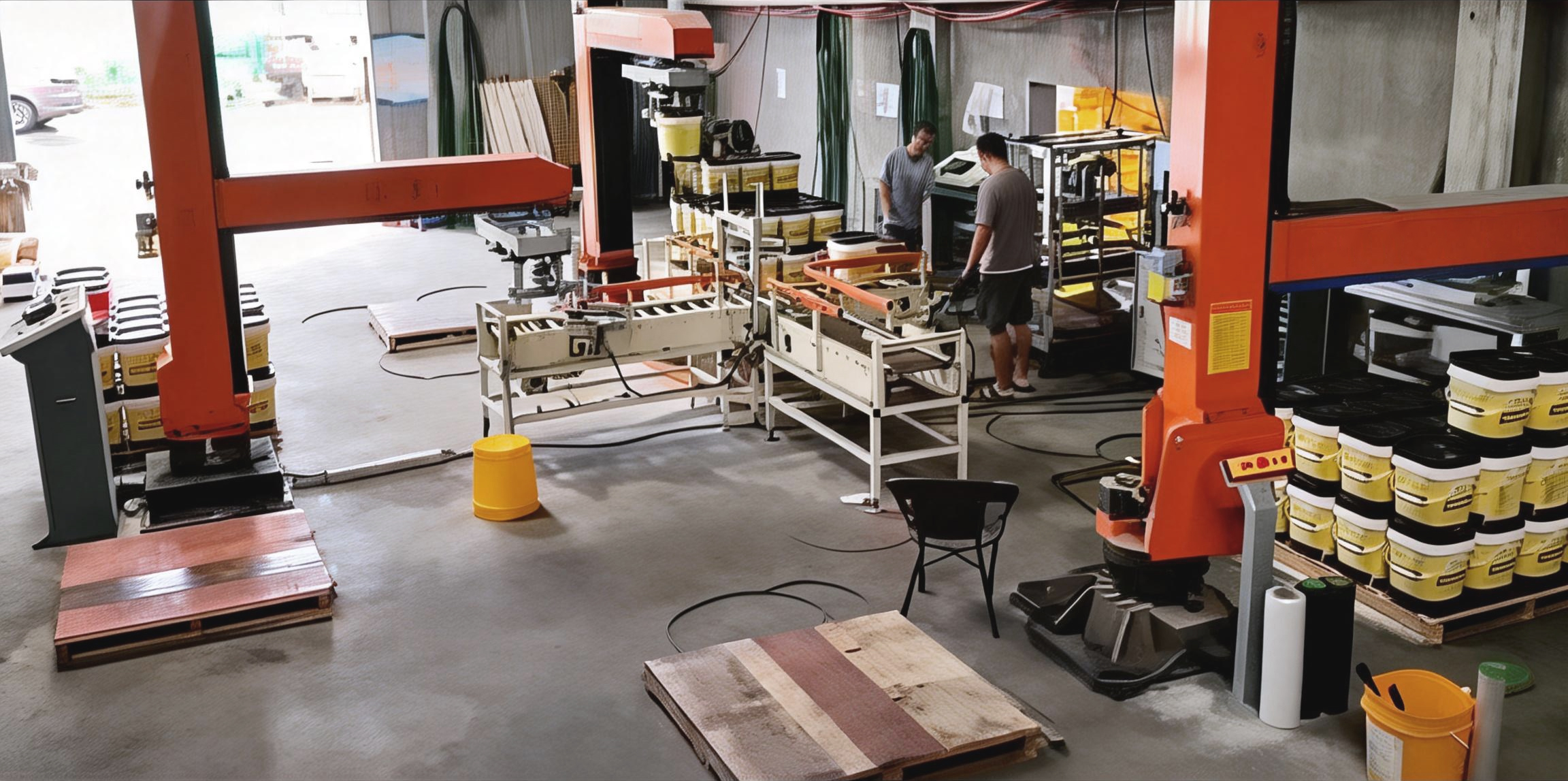
A robotic arm is a machine that can move and rotate like a human arm, just way more consistently. You’ll see them welding cars, moving heavy parts, painting, or doing the same task all day without slowing down. They’re built for jobs where doing things the exact same way every single time really matters.
| Company | Founded | Country |
| ESTUN Automation | 1993 | China |
| Inovance Technology | 2003 | China |
| SIASUN Robot & Automation | 2000 | China |
| EFORT Intelligent Equipment | 2007 | China |
| Guangzhou CNC Equipment (GSK) | 1991 | China |
| Shanghai STEP Electric Corporation | 1995 | China |
| Guangdong Topstar Technology | 2007 | China |
| Han’s Laser Technology Industry Group | 1996 | China |
| Zhejiang Qianjiang Robot (QJAR) | 2013 | China |
| JAKA Robotics | 2014 | China |
ESTUN Automation
Year Founded: 1993
Main Products:
- Six-axis industrial robots.
- SCARA robots.
- Collaborative robots.
- Servo drives and motors.
- Numerical control systems.
- Motion control systems.
- Welding robots.
- Picking and placing robots.
- Spray painting robots.
- Material handling robots.
ESTUN Automation hangs its hat in Nanjing, Jiangsu Province, China, and they’ve been in the game for a long time. Bob Wu started the company way back in 1993. It feels like ancient history in the tech world. But here is the weird part. They didn’t even start making actual industrial robots until 2011. They spent almost twenty years just getting ready. Now, they own about 12 percent of the market in China, so the wait was worth it.
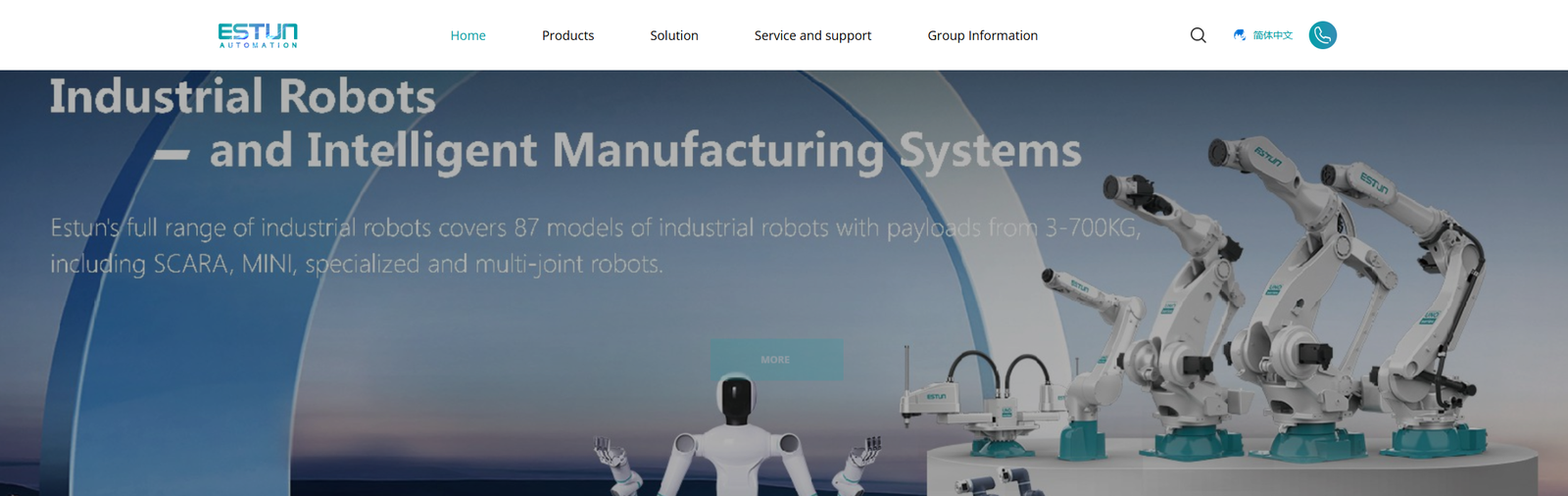
What makes them different is that they don’t like buying parts from other people. They make their own core tech. Things like servo systems and motion controls are built right in-house. It gives them total control over how well the robot works. You aren’t stuck waiting for a supplier to fix a part when you make the part yourself.
The company is massive. They have about 3,800 employees. A huge chunk of them, more than 1,100 people, just do research. That is a lot of brainpower focused on one thing. They pour more than 10 percent of their money back into coming up with new ideas. They aren’t just sitting on their hands.
You see their robots in some serious places. They build machines for BYD to make electric cars and for CATL to make batteries. These are big, demanding jobs. If a robot breaks on those lines, it costs a fortune. The fact that these giants trust ESTUN says a lot.
ESTUN isn’t just a Chinese thing anymore, either. They export about 30 percent of what they build. They even opened a spot in Europe recently. They want to beat the big Western brands on their own turf. It’s a bold move. But they seem ready to fight for it.
Inovance Technology
Year Founded: 2003
Main Products:
- Six-axis articulated robots.
- SCARA robots.
- Industrial robot controllers.
- Servo drives and servo motors.
- Programmable logic controllers.
- Human-machine interfaces.
- Motion control systems.
- AC drives and frequency inverters.
- CNC systems.
- Vision systems and high-precision lead screws.
Inovance Technology is based in Shenzhen, China. Their headquarters doesn’t look like a factory. It looks like an art museum designed by German architects. It has two towers connected by a big courtyard. It sends a message. They care about the details. People call them “Little Huawei” because the boss came from there. He runs the ship with that same intense energy.
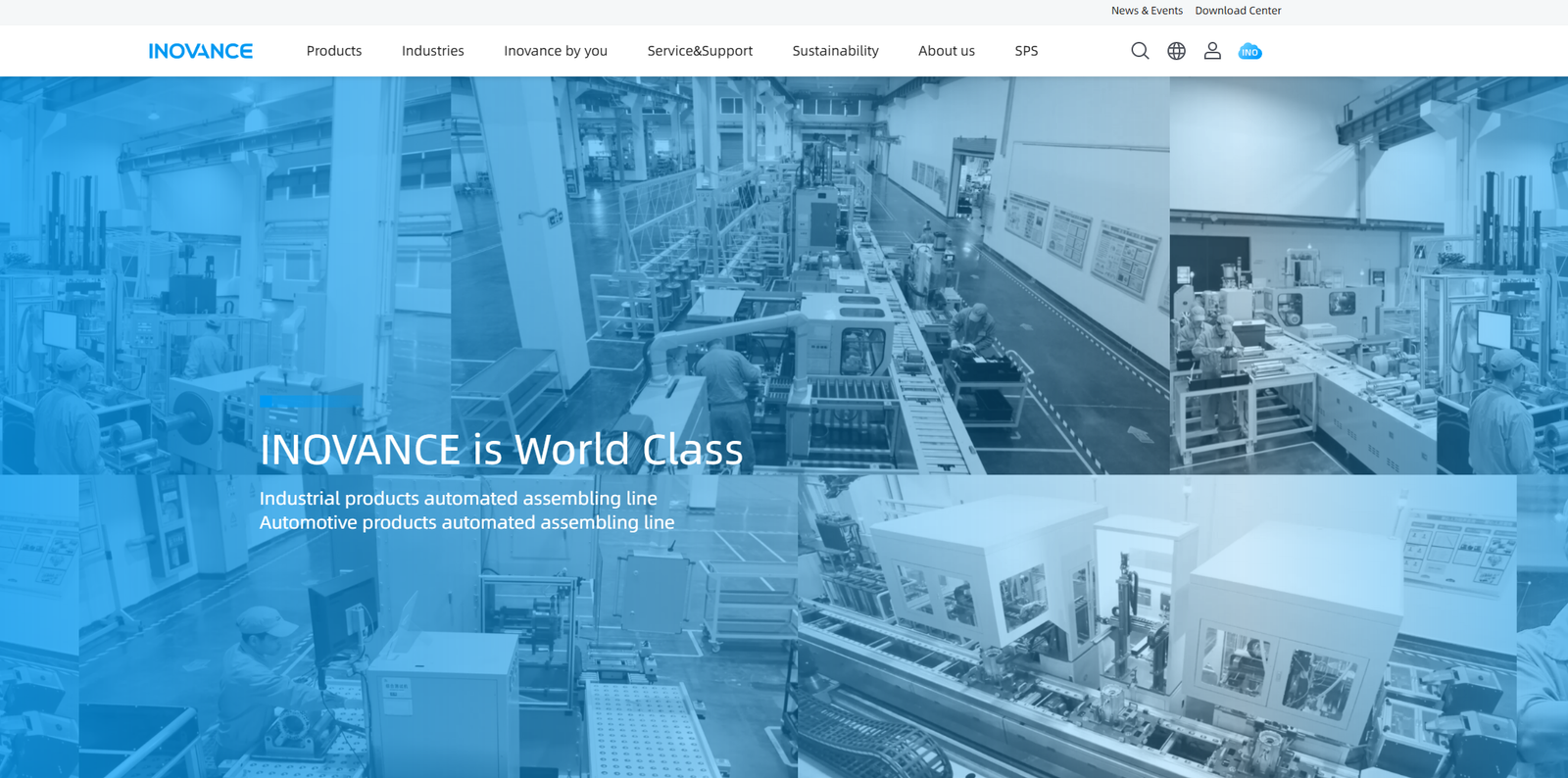
They made a smart choice early on. They didn’t want to fight over who had the cheapest price. That is a losing game. Instead, they went for the high-end market to take on foreign companies. It worked. Now they are the biggest automation company in China. It is pretty rare for a local brand to beat the international giants just on quality.
Going public in 2010 gave them a ton of cash to grow. They used to just make frequency changers. That wasn’t enough. They expanded into motion controls and then full robots. Now they sell the whole package. Factories don’t have to glue together parts from five different sellers. It saves everyone a headache.
Their reach is huge now. They have offices in France, Italy, and even India. They built a network that covers the Americas too. This keeps them safe. If one country’s economy takes a dive, they have others to fall back on. They aren’t putting all their eggs in one basket.
SIASUN Robot & Automation
Year Founded: 2000
Main Products:
- Six-axis industrial robots.
- SCARA robots.
- Collaborative robots.
- Mobile robots for material handling and logistics.
- Clean room robots.
- Welding robots.
- Palletizing robots.
- Automation system integration solutions.
- 3D visual inspection systems with AI algorithms.
- Motion control systems with advanced servo technology.
SIASUN Robot & Automation operates out of Shenyang, Liaoning Province, China. They have some powerful friends. The founder, Qu Daokui, hooked the company up with the China Academy of Sciences on day one. That is a big deal. It gave them access to the smartest researchers in the country. It is easy to invent cool stuff when you have a direct line to the best brains in the lab.
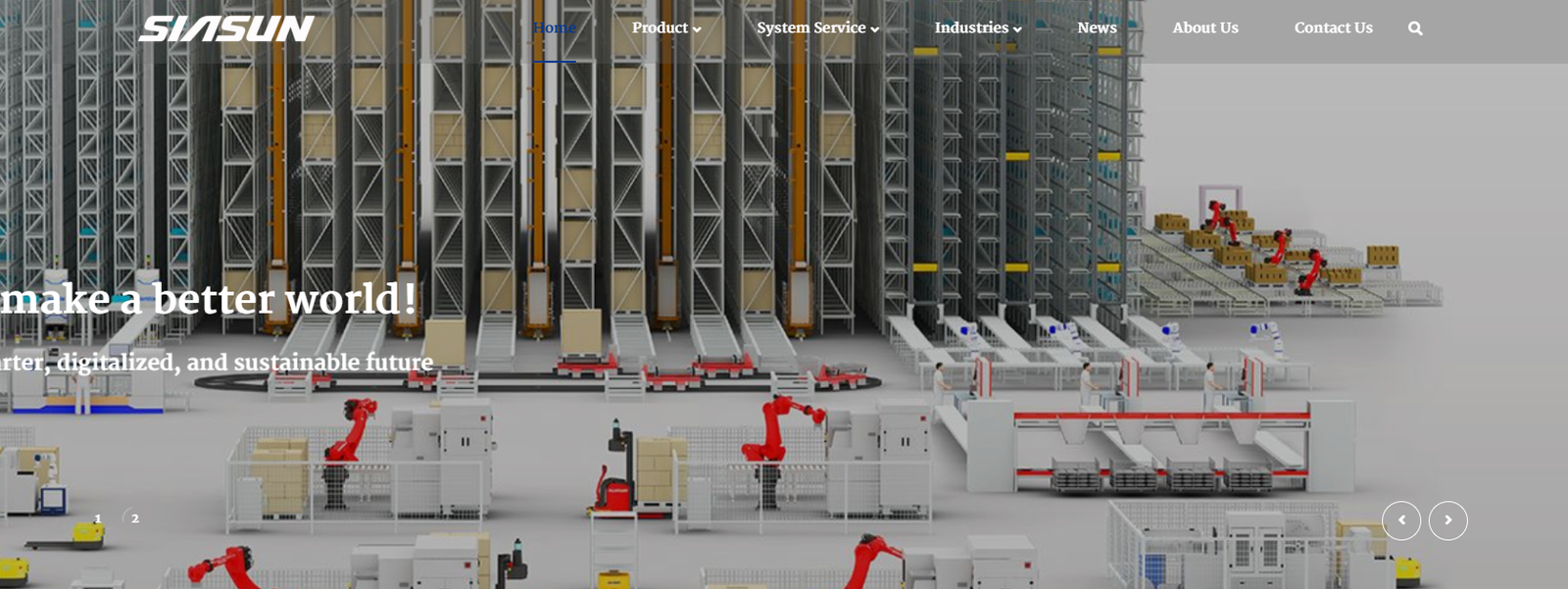
They build some robots that fix very specific, annoying problems. Take their hollow wrist design. It sounds boring, I know. But it saves space in cramped factories. It stops cables from getting tangled and snapping. That is a real problem that costs money to fix. They solved it.
They are doing some wild stuff with artificial intelligence too. They built a system that looks at a weld and tells you if it is good or bad. Humans get tired. They miss things after an eight-hour shift. The robot doesn’t. It keeps the quality high without slowing down the line.
You might be shocked by who buys their gear. Two-thirds of their customers aren’t even Chinese. They sell to foreign companies. They even have robots working in Ford and General Motors factories in the US. That is the big leagues. If you can make it there, you can make it anywhere.
They are moving fast in Europe now. They just sent a hundred mobile robots to France and the UK. The new energy market is booming there, and SIASUN wants a piece of it. They are setting up shop where the money is.
Despite all this success, it isn’t easy. Competition at home is fierce. Everyone wants a piece of the pie. SIASUN stays ahead by making custom robots that do weird jobs others won’t touch. It is harder work, but it pays off.
EFORT Intelligent Equipment
Year Founded: 2007
Main Products:
- Six-axis articulated robots.
- Four-axis SCARA robots.
- Collaborative robots.
- Welding robots.
- Spray painting robots.
- Material handling and pick-and-place robots.
- Palletizing robots.
- Loading and unloading robots for machine tools.
- Laser cutting robots.
- Robot system integration solutions.
EFORT Intelligent Equipment is headquartered in Wuhu, Anhui Province, China. They took a shortcut. Instead of spending twenty years inventing everything from scratch, they went shopping. They bought Italian companies that already knew how to paint and process metal. It was smart. They got instant access to top-tier European tech.
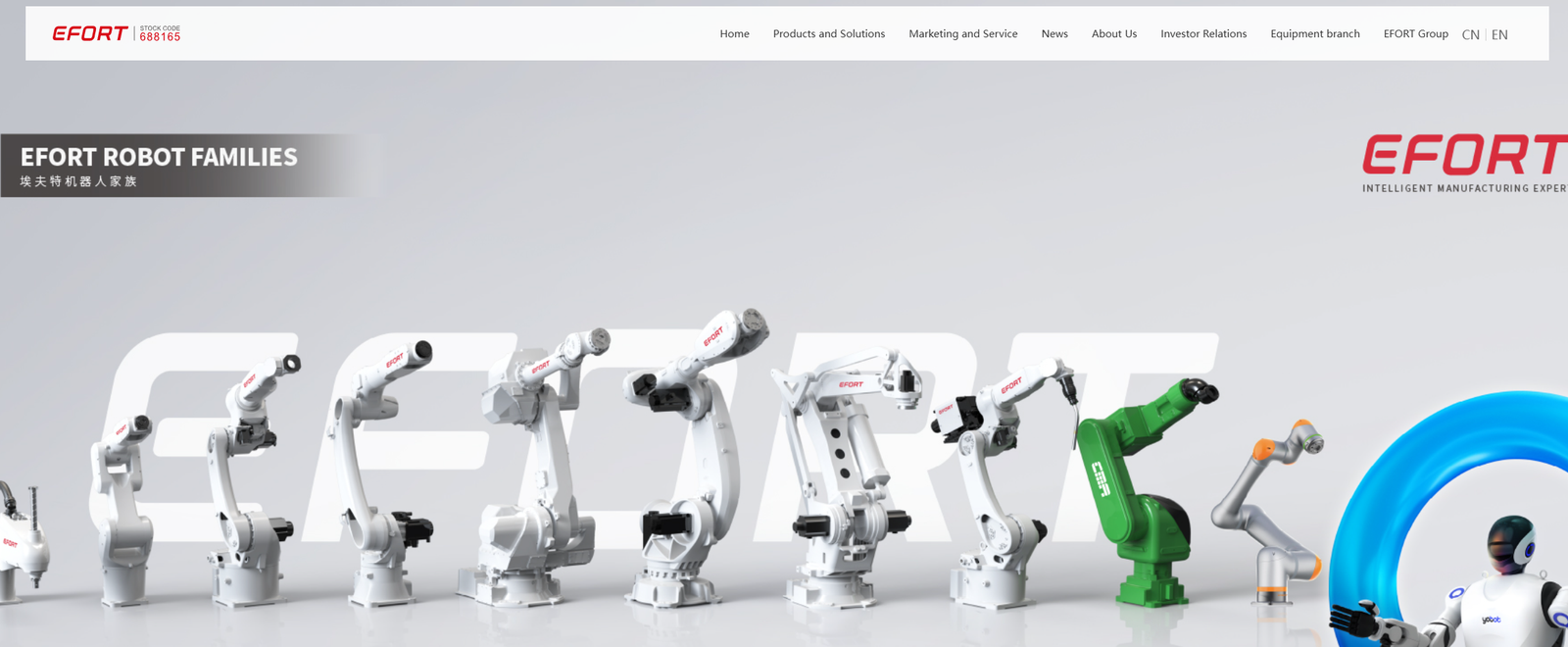
They didn’t just buy the patents and run. They kept the research centers in Italy open. They combined that Italian design flair with Chinese manufacturing speed. It created a hybrid product. You get high quality, but you don’t pay the crazy European prices.
Their robots are built for the heavy stuff. The ER series can lift up to 70 kilograms. It can reach over two meters. You need that kind of muscle for moving car parts or heavy pallets. It makes them a favorite in heavy industry.
The new energy sector is their new playground. They designed robots just for loading lithium-ion battery cells. Electric cars are taking over, and factories need these machines. EFORT saw it coming. They positioned themselves perfectly to catch the wave.
They are obsessed with proving they are tough. They claim their robots can run for 80,000 hours without breaking. That is a massive number. Reliability is everything. If a line stops, it costs thousands of dollars a minute. They want you to know they won’t let you down.
Going public in 2020 changed things. It brought in a lot of money. They are using it to push into international markets. They don’t want to just be a local option. They want to be a world-class player.
EFORT has done a lot of government projects too. They have worked on national science programs. They hold over 400 patents. That isn’t just luck. It shows they are serious about the science behind the machines.
Guangzhou CNC Equipment (GSK)
Year Founded: 1991
Main Products:
- CNC systems and controllers.
- Industrial robots including RH06 models.
- AC servo motors and servo drives.
- CNC machines and machine tools.
- Full-electric injection molding machines
- Automation equipment.
- Feed devices and precision machining equipment.
- Robot programming and simulation software.
Guangzhou CNC Equipment goes by GSK. They are in Guangzhou, Guangdong Province, China. They are absolute giants in the computer control world. They are the third-largest supplier of CNC systems on Earth. They didn’t start with robots. They started with the brains that control metal-cutting machines. Moving into robotic arms was just the next logical step.
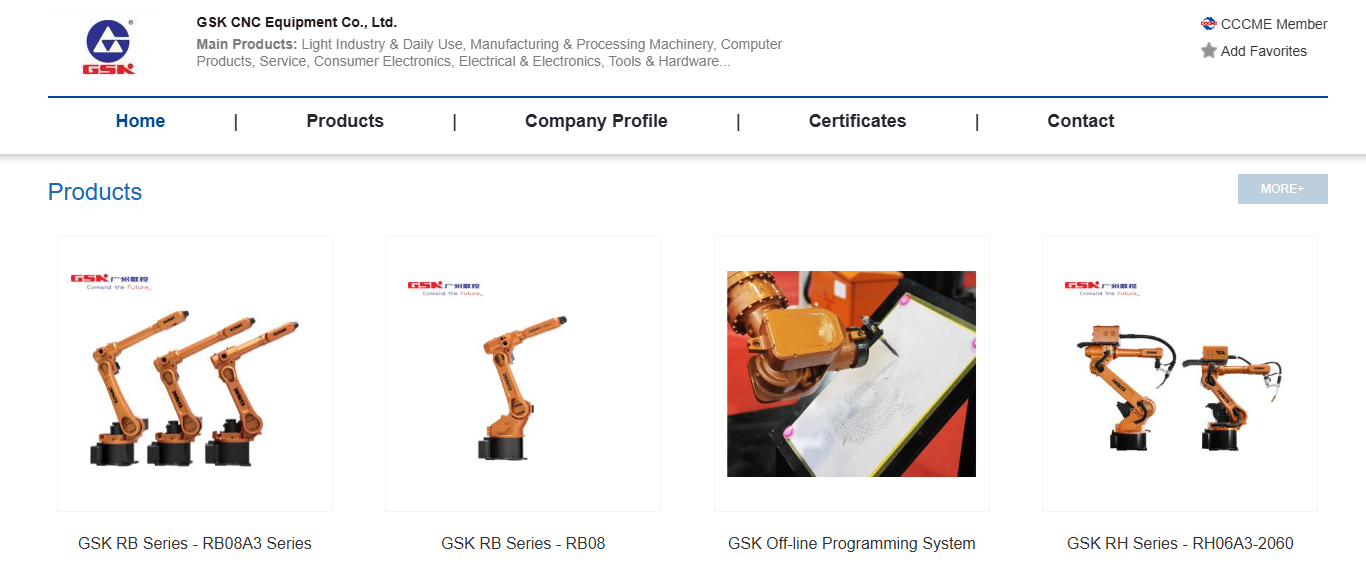
Think about it. If you already control the machine that cuts the metal, why not control the arm that loads it? They design their robots to work perfectly with their CNC machines. It creates one smooth system. It is way easier for factories to manage.
Their RH06 robot is a perfect example. It is built for milling and moving materials. That is exactly what their customers need. You don’t have to worry about whether Part A will talk to Part B. It all comes from the same place. It simplifies the whole setup.
They have a massive army of workers. Over 500 engineers and 1,700 staff members keep the place running. They hold over half the market share for CNC systems in China. That is dominance. When they talk, the industry listens.
Shanghai STEP Electric Corporation
Year Founded: 1995
Main Products:
- Six-axis industrial robots.
- SCARA robots.
- Robotic arms and articulated manipulators.
- Motion control systems and controllers.
- Motion control cards.
- Servo drives and servo motors.
- Frequency variable speed drives.
- Industrial low-voltage and medium-voltage VFDs.
- Electric control systems.
- Automation and intelligent manufacturing solutions.
Shanghai STEP Electric Corporation is based in Shanghai, China. The government backs them heavily. They are a national high-tech enterprise. That opens a lot of doors. Their main strength is motion control. Think of it as the nervous system of a robot. They make their own brains for the machines, so they don’t rely on anyone else.
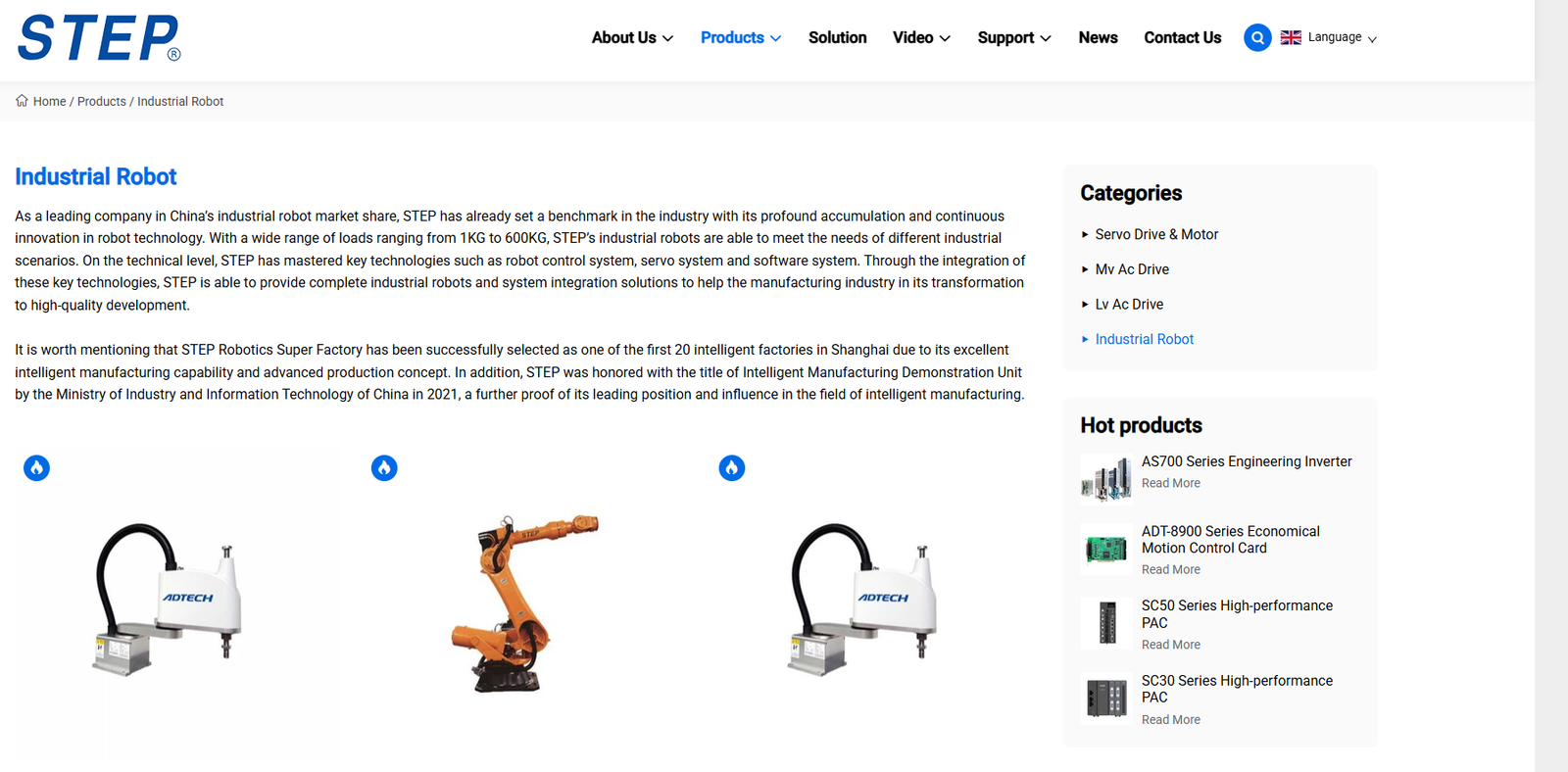
They have mastered about 60 percent of the tech inside their machines. That is a lot of independence. Supply chains are messy these days. Being able to fix your own problems is a huge advantage. They have spent ten years refining this. It isn’t a new experiment.
To keep things organized, they split the business into five divisions. Drives, controls, robots—they all have their own teams. But they work together. This lets them sell a complete solution. You can buy the robot, the drive, and the software all from STEP. It is a one-stop shop.
You find their tech in weird places. Elevators, harbor cranes, rubber processing. It is everywhere. It shows that their control tech is versatile. Whether it is lifting a shipping container or assembling a phone, they have a system for it.
They are expanding their brainpower globally too. STEP has research centers in Germany and Japan. They want to tap into local talent. They also have operations in Malaysia. It proves they are serious about being a global player.
They own over 1,200 patents. That is a staggering number. It shows they are constantly inventing. They aren’t just copying what works. They are trying to find the next big thing.
International expansion is the goal now. They have over 20 subsidiaries. Some are at home, some are abroad. They want to be able to help a customer in Berlin just as easily as one in Beijing. That is the mark of a real international company.
Reliability is key for them. They invest a lot in making sure their machines don’t fail. In the industrial world, time is money. STEP knows that. They build their reputation on being there when you need them.
Guangdong Topstar Technology
Year Founded: 2007
Main Products:
- SCARA robots.
- Six-axis industrial robots.
- Injection molding robots.
- Material handling robots.
- CNC machines and injection molding machines.
- Automation equipment.
- Industrial manipulators with various payload capacities.
- Telescopic robot arms for plastic processing.
- Double-arm and multi-axis robotic systems.
Guangdong Topstar Technology is in Dalingshan Town, Dongguan City, Guangdong Province, China. They started by picking one thing and mastering it. They saw the plastics industry needed better robots. So they built robots just for injection molding. It was a smart niche. It got them loyal customers fast.
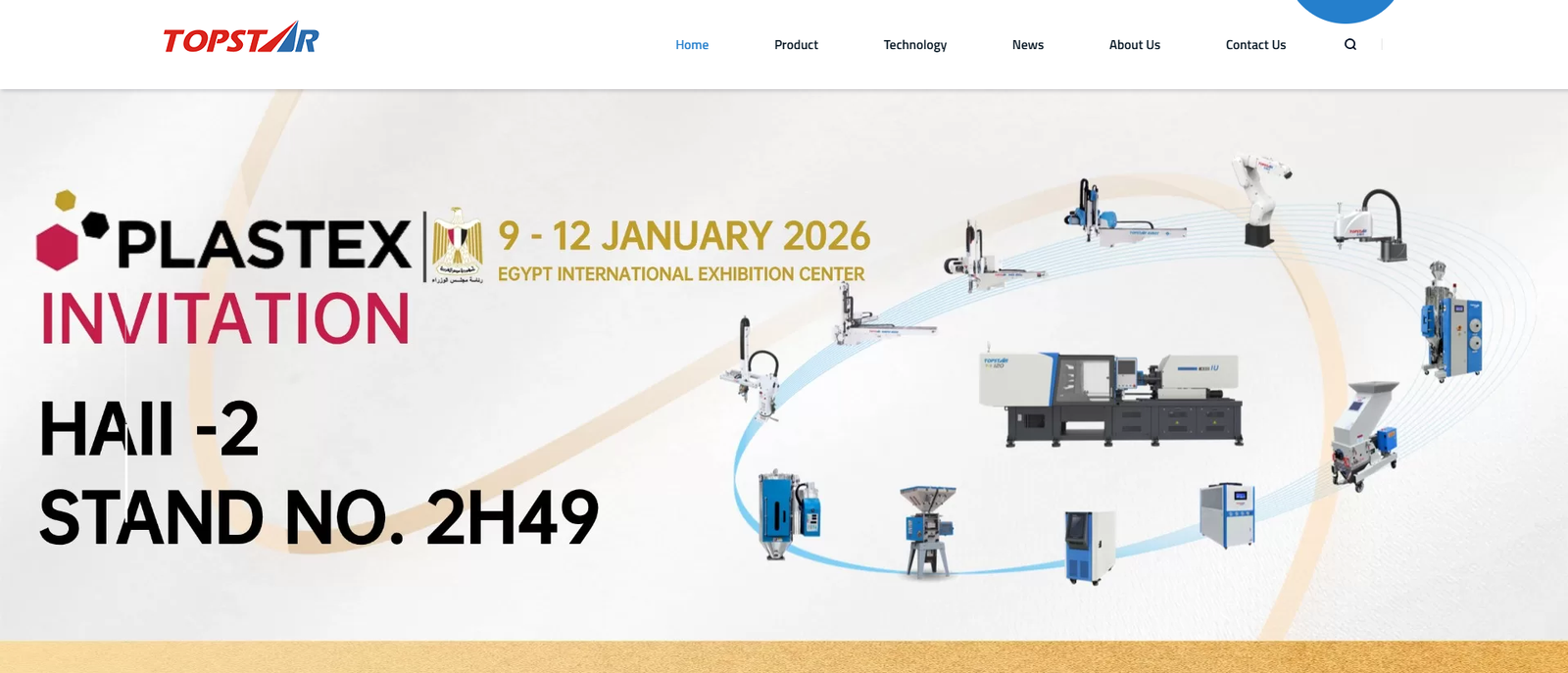
Their TR series robots are made for regular people. You don’t need to be a rocket scientist to use them. They have vision modules that help the robot figure out where it is. It saves hours of setup time. Nobody wants to spend weeks programming a robot. Simple is better.
They have grown way past just plastics now. Topstar sells six-axis robots and all kinds of gear. But they kept their HQ in Dongguan. It is a huge manufacturing hub. They are right next door to the people who buy their stuff. It keeps them grounded.
The company just turned 18. They are celebrating by getting bigger. They are moving to a new headquarters. They are inviting the world to come see it. They want to show international clients they are ready for the big leagues. It is an exciting time for them.
Han’s Laser Technology Industry Group
Year Founded: 1996
Main Products:
- Elfin collaborative robots.
- Elfin-P lightweight six-axis collaborative robots.
- Cartesian robots.
- Automated guided vehicles.
- SCARA robots.
- Motion controllers and servo drives.
- In-house developed motors and servo systems.
- Machine vision systems.
- Laser marking and engraving equipment.
- Laser welding and laser cutting systems.
Han’s Laser Technology Industry Group calls Shenzhen, Guangdong Province, China, home. The story of how they started is kind of funny. The founder, Gao Yunfeng, fixed a machine for a friend. He realized he could build better ones himself. He started with just a little bit of money. Now it is a massive empire.
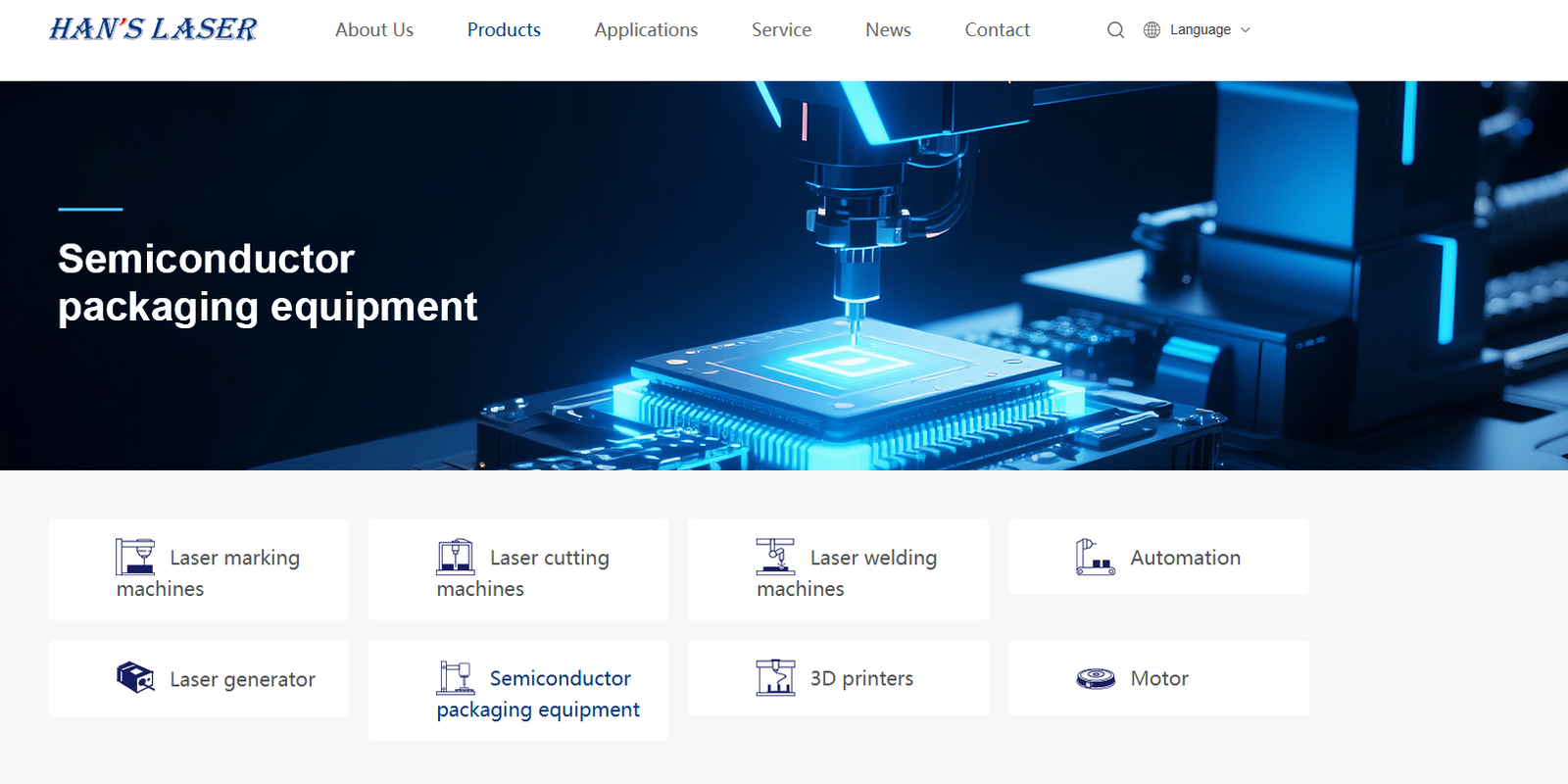
Everyone knows them for lasers. But they pivoted hard into robotics. In 2017, they took their research team and made it its own company. They moved over a hundred researchers. They wanted to make sure they got it right. It wasn’t just a side hustle. They were all in.
Their star product is the Elfin robot. It is a collaborative robot. That means it can work right next to a human without hurting them. You don’t need a cage around it. It is great for welding or painting. It is light, so you can move it around the shop easily.
They take pride in making everything themselves. Han’s builds its own motors and sensors. Most companies buy that stuff. Han’s wants total control. It ensures every part of the robot talks to the others perfectly. No glitches.
They use a unique dual-joint design. It is pretty clever. It makes the arm more flexible. It is easier to fix too. They also made the software simple. You can program it with a tablet. It makes training new workers a breeze.
They are using their laser fame to sell robots. Factories already trust Han’s for cutting machines. So it is easy to sell them a robot too. It is a smart move. They use their existing friends to make new sales.
Zhejiang Qianjiang Robot (QJAR)
Year Founded: 2013
Main Products:
- Six-axis industrial robots with payloads from 3kg to 800kg.
- Four-axis industrial robots.
- SCARA robots.
- Delta robots.
- Explosion-proof robots.
- Specialized application robots.
- Robot welding systems with integrated welding power sources.
- Welding positioners and welding gun cleaning machines.
- Robot walking rails and integrated accessories.
Zhejiang Qianjiang Robot, or QJAR, is in Zhejiang Province, China. They have some serious cash behind them. They are backed by Geely. Yes, the car company. Having a parent with deep pockets is nice. It gave them the freedom to invent their own tech instead of borrowing it.
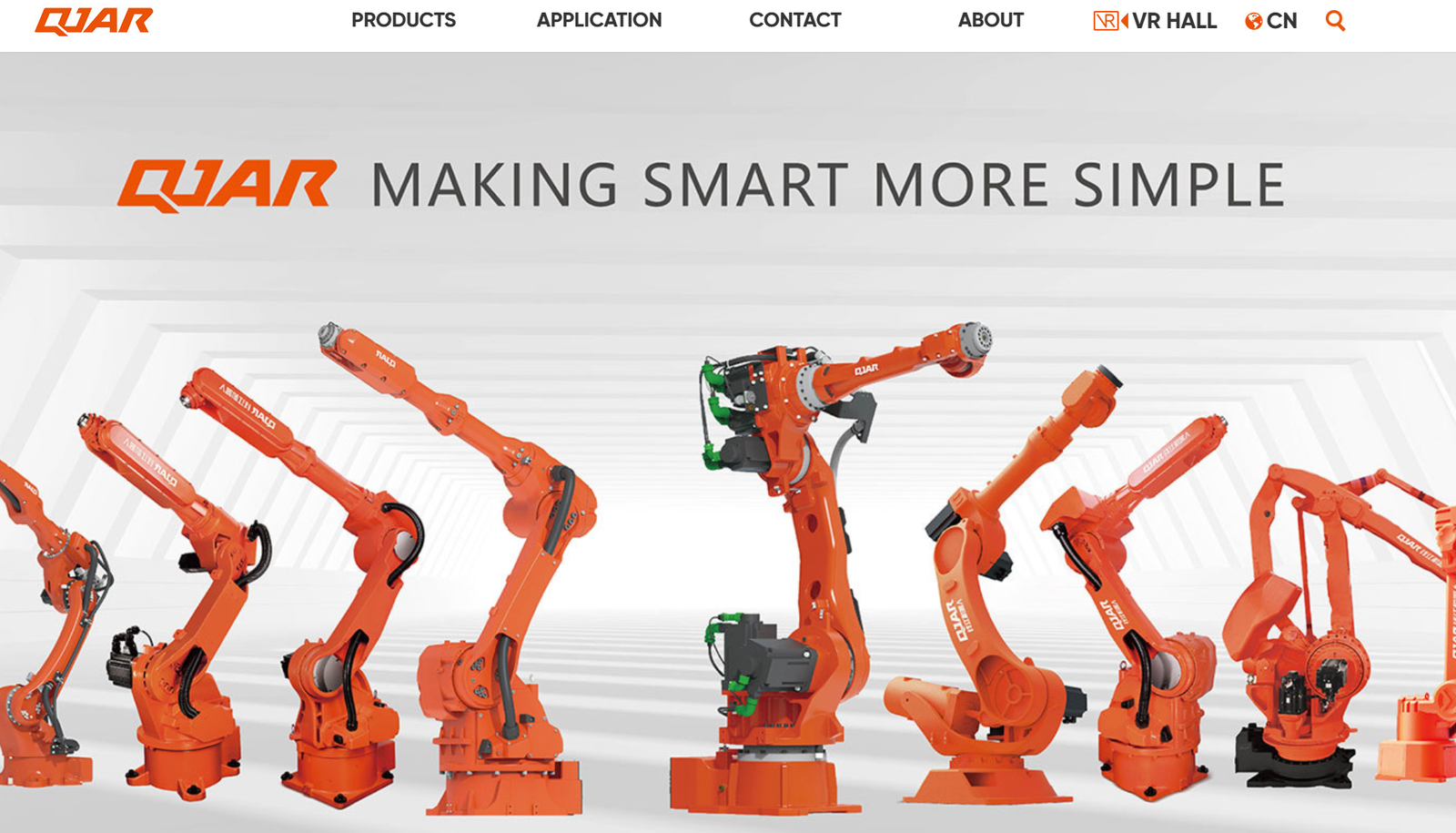
They own the rights to their core tech. The controllers, the speed reducers, the software—it is all theirs. That is a big deal. They don’t have to pay licensing fees to anyone. They can change the product whenever they want.
Their lineup is huge. They make tiny robots that lift 3 kilograms. They make monsters that lift 800 kilograms. They even make robots that won’t blow up in chemical plants. They want to have a robot for every single job.
Welding is their sweet spot. They partner with the best welding brands in the world, like Fronius. This lets customers pick the gear they like best. Then they pair it with a QJAR robot. Welders love that flexibility.
They had a crazy moment of fame. The company was on a TV show called “Big Country Heavy Equipment.” It aired, and people went nuts. They sold over 1,500 robots in 90 minutes. It proved people were ready to buy.
JAKA Robotics
Year Founded: 2014
Main Products:
- JAKA Zu series collaborative robots.
- JAKA Zu S compact and lightweight cobot variants.
- JAKA All-in-one robots designed for industrial factory automation.
- JAKA Pro Series robots for harsh environment applications.
- JAKA CAB controllers and control systems.
- JAKA Lumi embodied intelligence platform.
- Force-torque sensors and integrated vision systems.
- Collaborative robot system integration solutions.
JAKA Robotics is based in Shanghai, China. They are all about collaborative robots. They just moved to a new headquarters in the Minhang District. They are growing fast. They have research centers in Japan and Germany too. They aren’t just thinking locally. They are a young company with a big footprint.
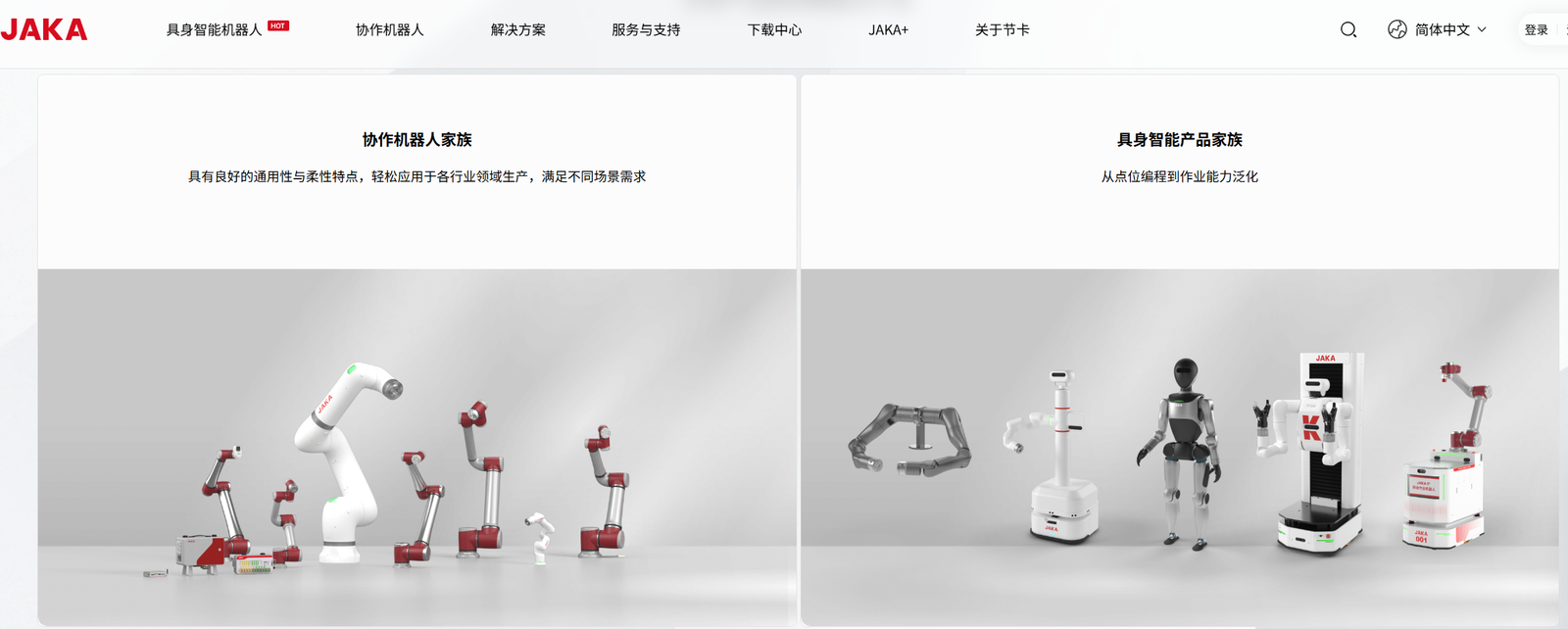
They have a tight bond with Shanghai Jiao Tong University. They set up two research centers with them. This gives them access to serious academic research. They turn that science into real products. It helps them stay ahead on AI and algorithms.
The JAKA Pro Series is a big seller. These robots are tough. They are IP68 rated. That means dust and water won’t kill them. Most robots are delicate. Having one that can take a beating opens up new doors. You can use them in dirty places now.
Vision systems are a focus too. JAKA robots can see objects and colors. They don’t need an external computer to do it. It makes the robot smarter. You don’t have to program every little movement if the robot has eyes.
Investors are throwing money at them. They raised $150 million recently. SoftBank led the round. That is a lot of cash. It validates their tech. It shows the big money thinks JAKA is going to win.
The company is split into three parts. Hardware, integration, and digital factory. They want to help you build a smart factory from scratch. They don’t want to just sell you a robot arm and leave. They want to be a partner.
They are making waves overseas. JAKA was the top Chinese exporter of welding robots in 2024. They show up at all the big trade shows in Italy. They have partners in over 100 countries. They want to be a global brand, not just a Chinese one.
Conclusion
China’s robotics industry isn’t slowing down anytime soon. These companies keep pushing harder, building better machines, and going after bigger markets. The pace feels intense and there’s no sign they plan to ease up.
FAQS
Why source robotic arms from China?
Chinese suppliers offer a compelling combination of advanced technology, competitive pricing, rapid production scalability, and increasingly robust after-sales support. The ecosystem is mature, with strong government backing (Made in China 2025) driving innovation in AI, vision systems, and collaborative robotics.
Are Chinese robotic arms reliable and of good quality?
Leading Chinese brands now compete directly with international giants in terms of precision, repeatability, and uptime. Companies like Siasun and ESTUN supply to global automotive and electronics manufacturers. Quality control has become a top priority, with many factories holding international certifications (ISO, CE, UL).
How do I choose the right Chinese supplier?
Define Your Need: Payload, reach, precision (repeatability), application (welding, pick-and-place, etc.), and required certifications.
Research & Shortlist: Look for suppliers with proven case studies in your industry.
Verify Credentials: Check for international certifications, patents, and factory audit reports.
Request a Demo: Always test with a real-world task sample or simulation.
Evaluate the Ecosystem: Consider their controller, software, and peripheral support (vision, grippers).
How easy is it to integrate a Chinese robotic arm into an existing production line?
Very feasible. Key points:
Open Protocols: Most arms support standard fieldbus and Ethernet protocols (Modbus TCP, EtherNet/IP, PROFINET).
Software: Many use ROS (Robot Operating System)-based or user-friendly graphical programming interfaces.
System Integrators: The supplier can often recommend or partner with local system integrators in your region to handle the full integration.