Skip to content
  English
  Russian
  Turkish
  Spanish
  French
  German
  Japanese
Need a Custom Quote?
Or More information About this product? Contact our sales stuff today!
Key Features
Technical Data
FAQ
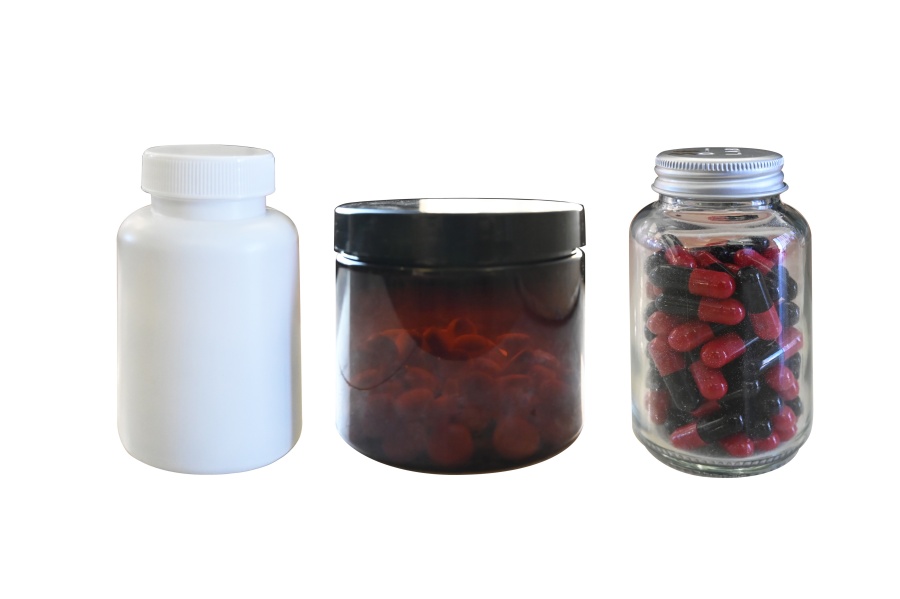
Application Pill Types
Counting Line Machines
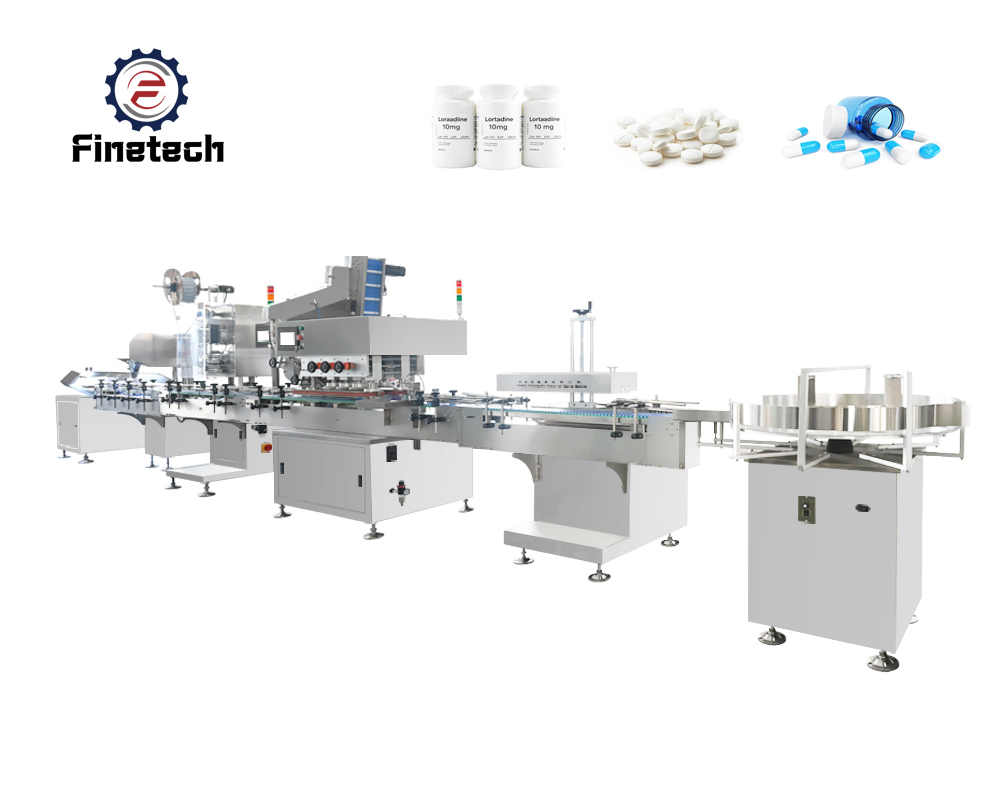
The capsule counting line ensures error-free counting and filling processes. In addition, it can easily meet the high-speed production needs of modern factories.
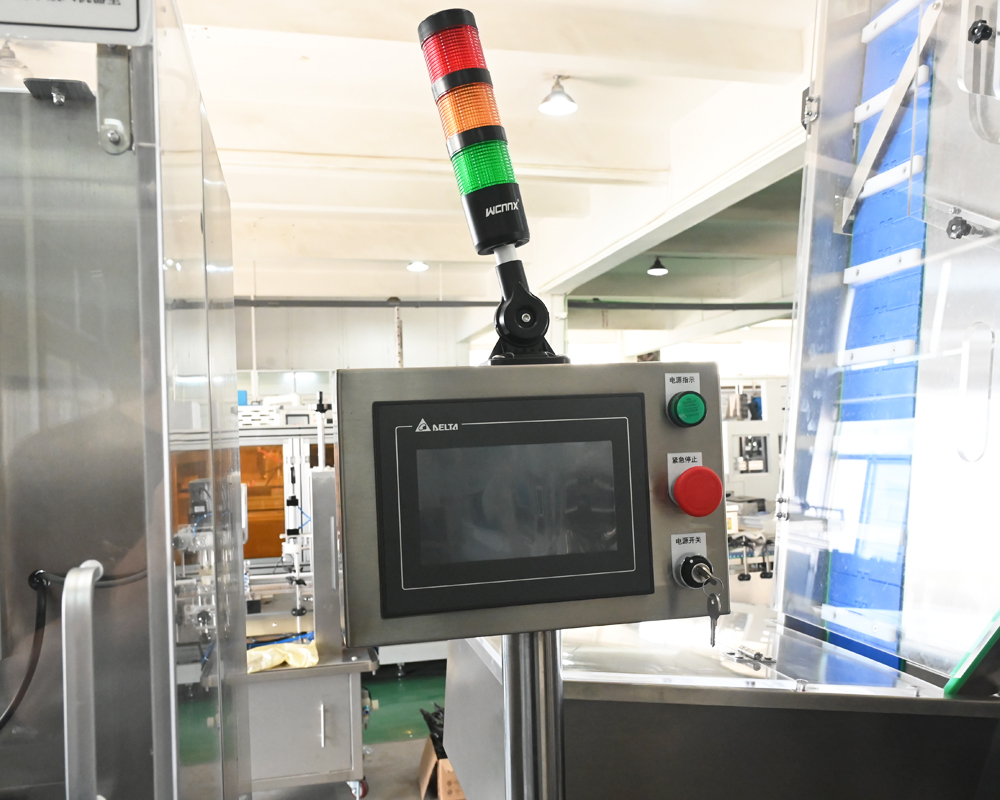
User-friendly operation: Anyone can operate the machine through the touchscreen human machine interface (HMI) and PLC system, with almost no human intervention needed.
Automatic dust removal: The machine is equipped with an integrated dust removal system which collects particulate matter and maintains a clean and hygienic working environment.
High-speed output: It can process up to 100 bottles per minute (based on the model), improving production efficiency.
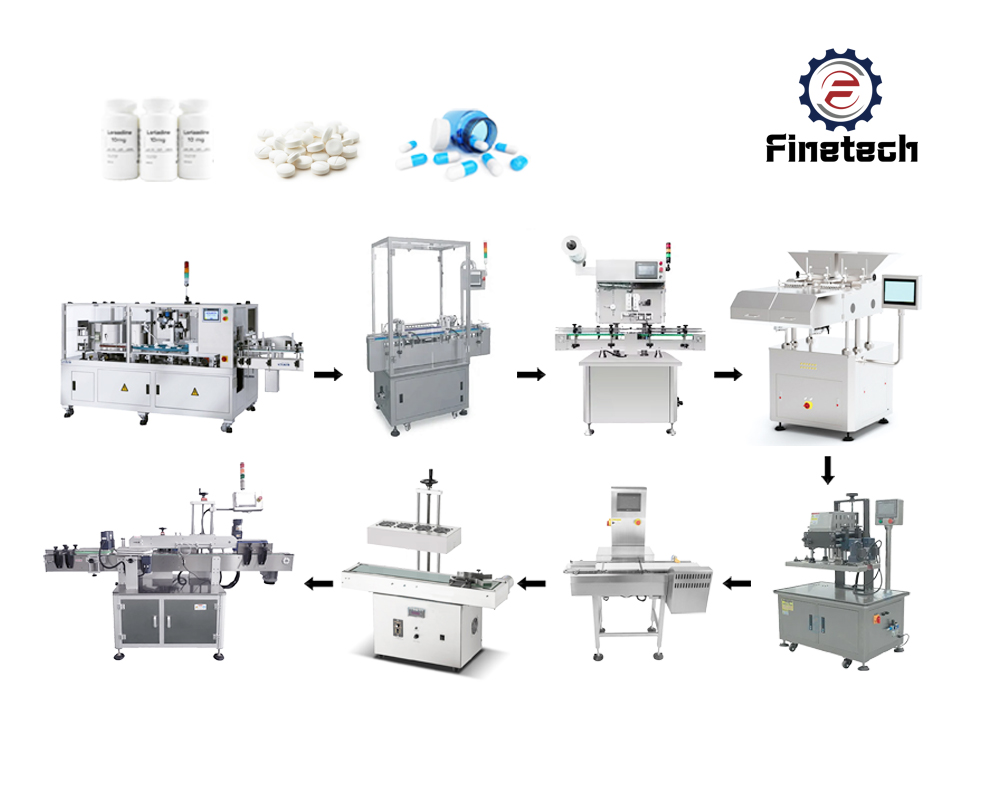
Typical Workflow in a Production Line:
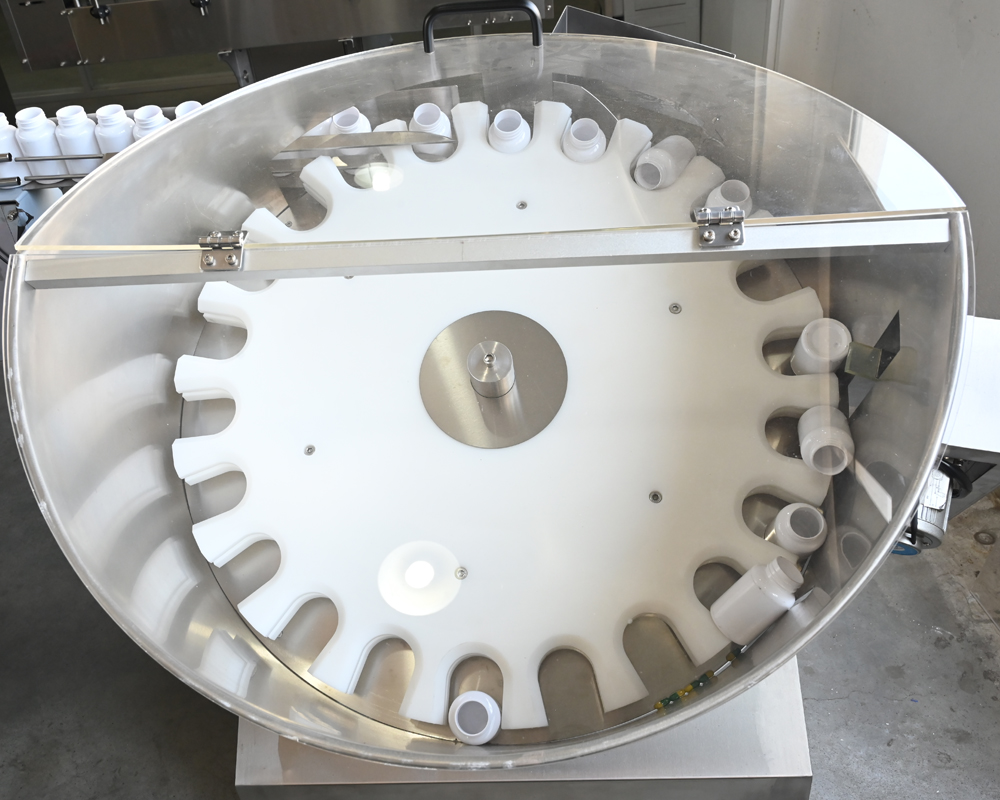
Bottle Unscrambling: Empty bottles are oriented and placed on a conveyor.
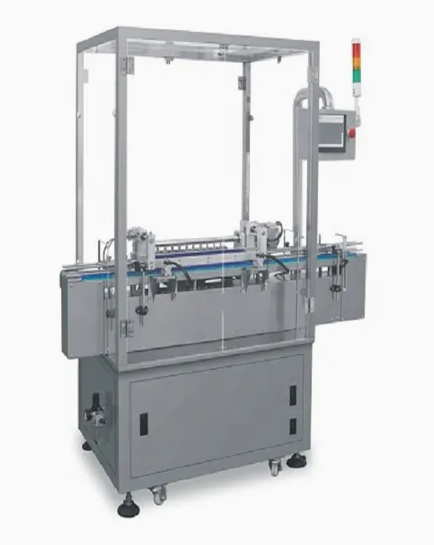
Bottle Cleaning: Air jets remove dust.
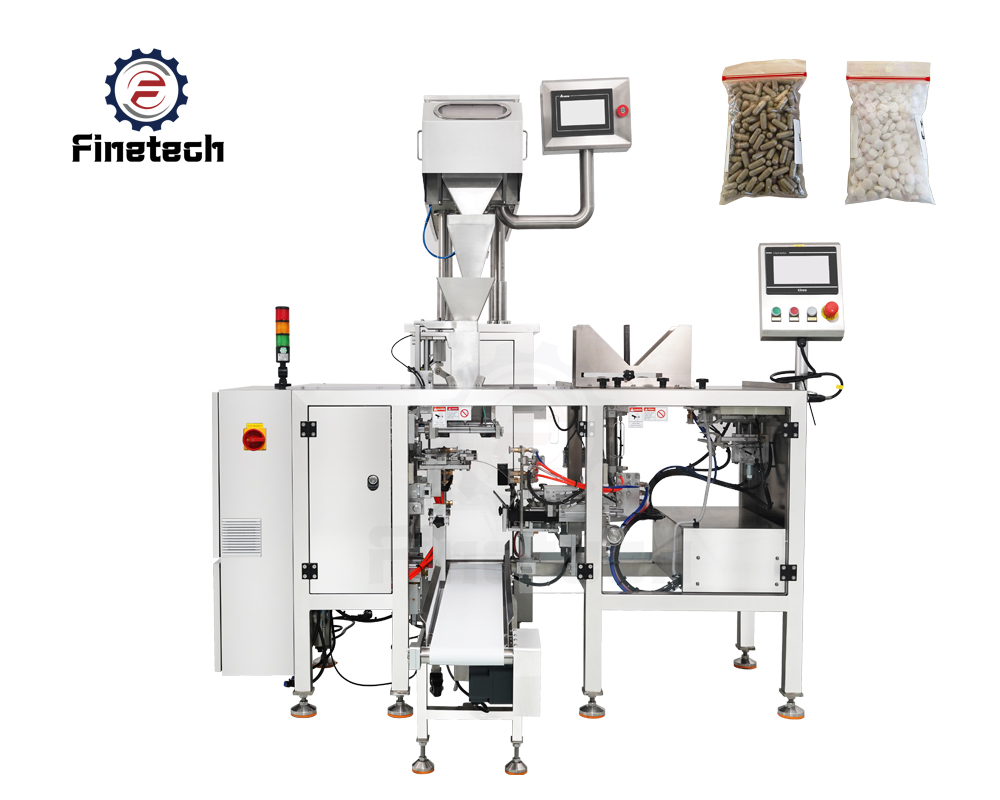
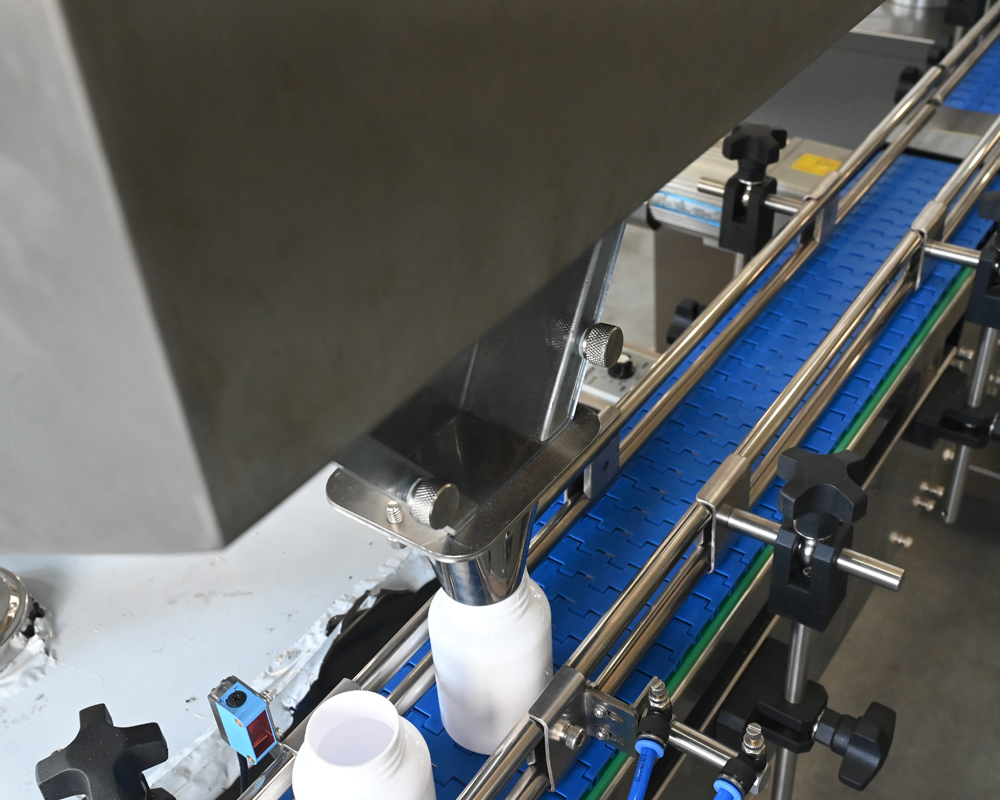
Counting & Filling: Bottles stop under the counting machine, receive the exact count, and move on.
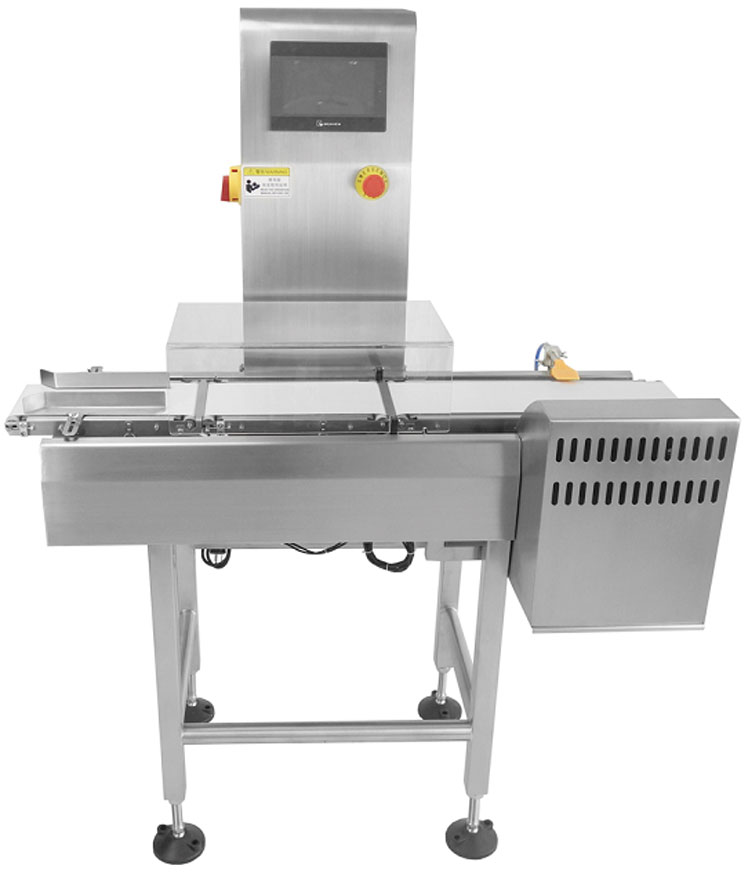
Checkweighing: Each bottle is weighed to verify correct count (catches rare counting errors).
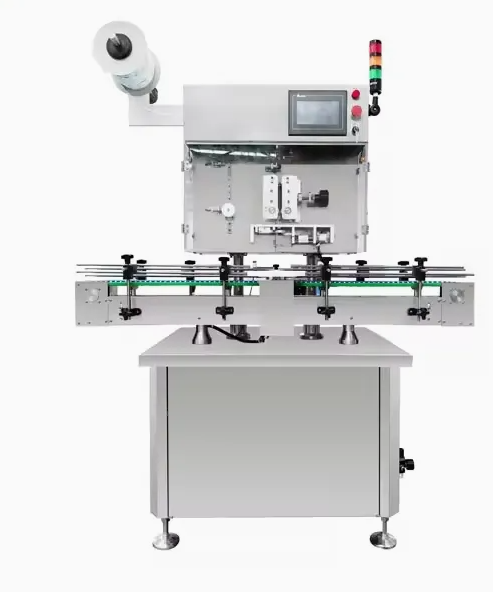
Cottoning/Induct Sealing (if required): Insertion of inert filler and foil seal.
Capping: Screw cap or snap cap is applied.
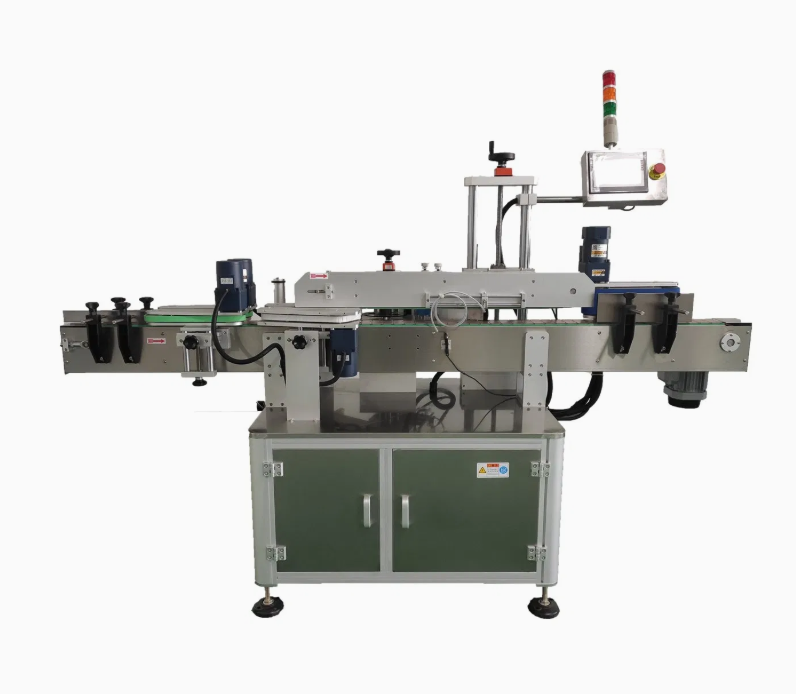
Labeling: Product label is applied.
| Model | tablet counting line |
| MAX.Output | 120 bottles/min |
| Dia of bottle body/Bottle height | 30-100mm/40-200mm |
| Dia of Cap/Cap height | 15-65mm/8-30mm |
| Voltage/Frequency | AC220V/50Hz |
| Power Consumption | 9.65Kw |
| Air Pressure | 0.6Mpa |
| Air Consumption | 0.4m³/h |
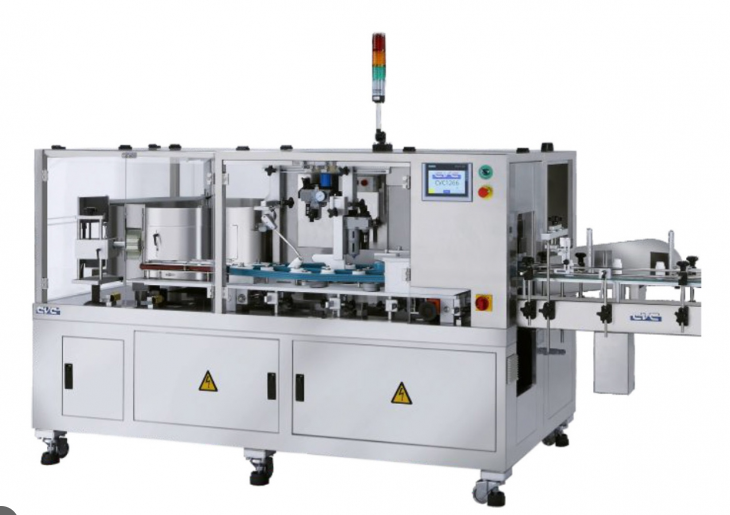
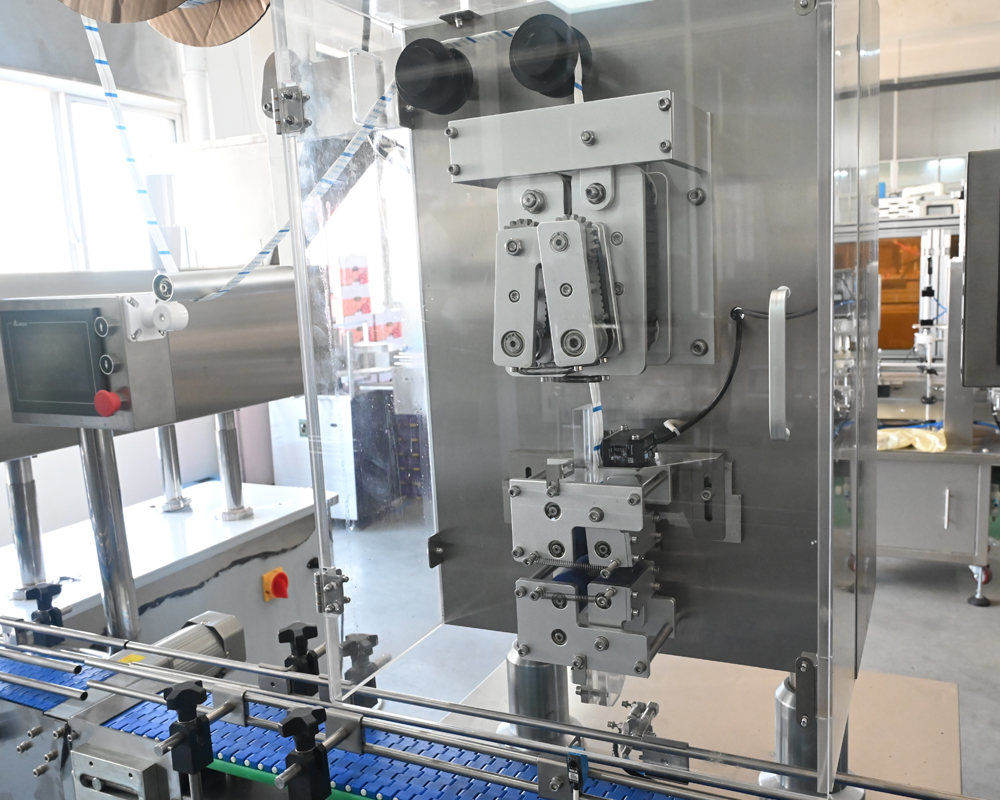
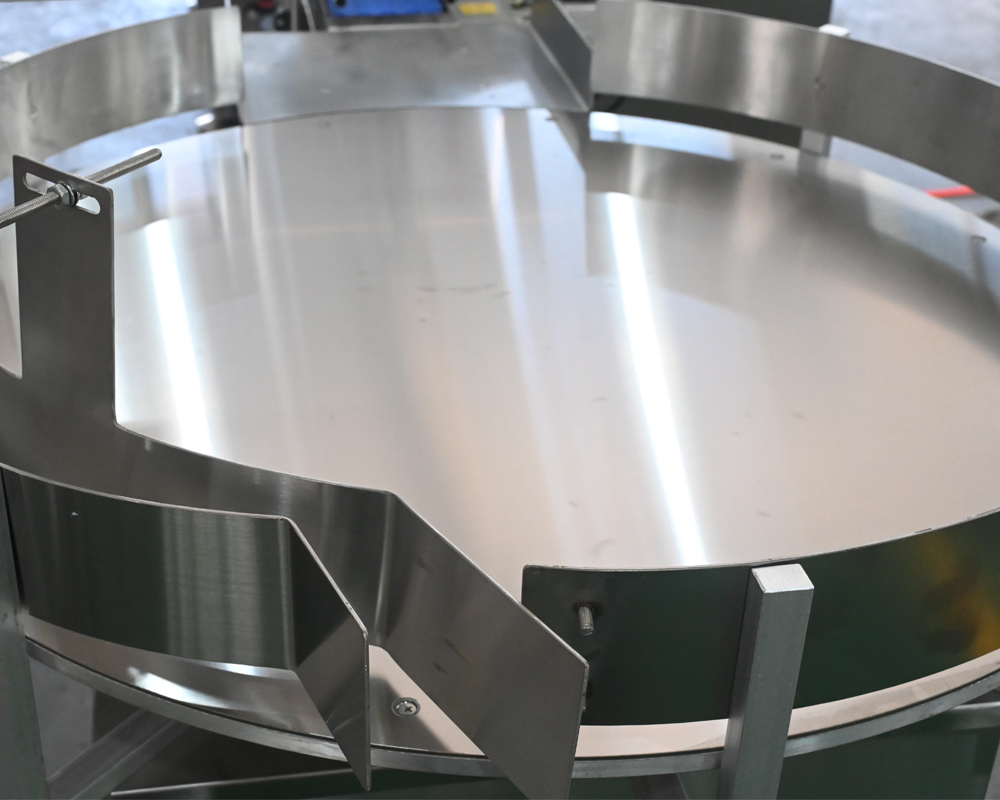
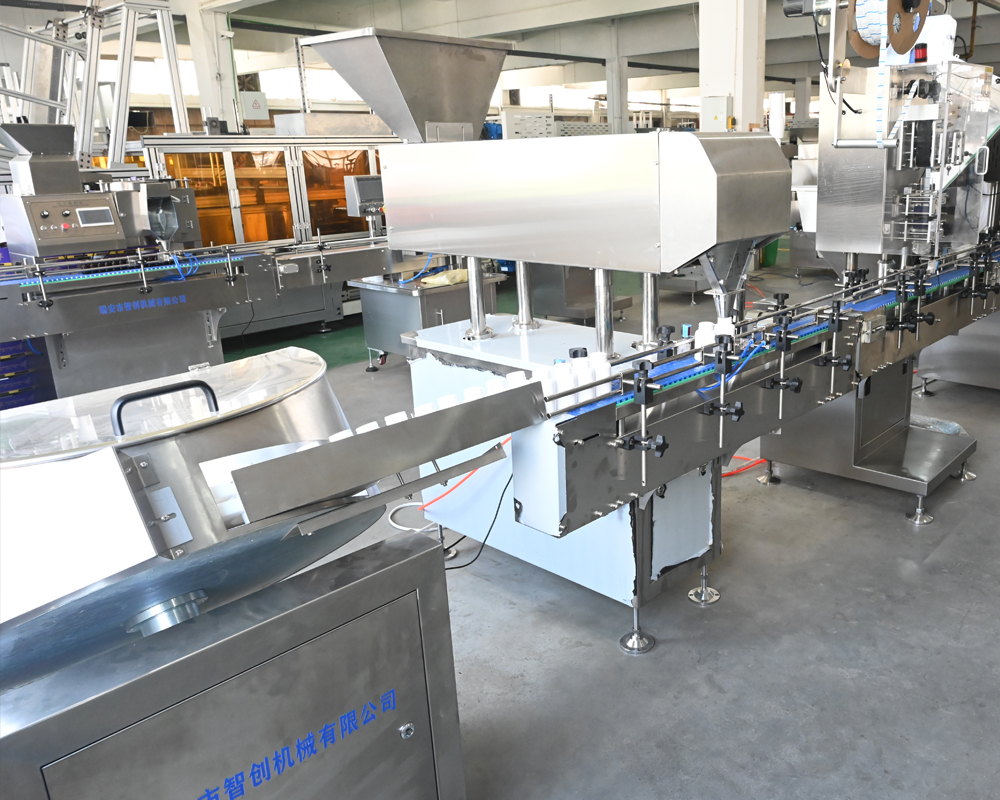
A tablet counting line is an integrated system of machines designed to automatically count, fill, and seal tablets or capsules into bottles. It typically includes a counter (e.g., slat counter, vision counter), a cottoner, a capper, an induction sealer, and a labeler.
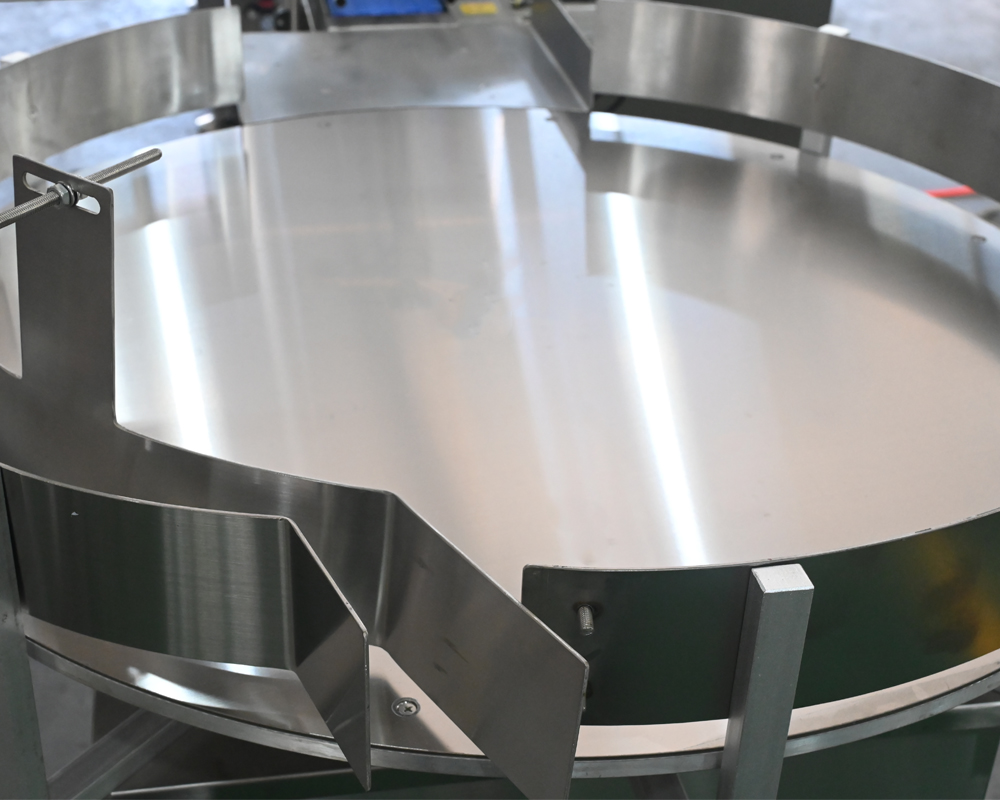
Unscrambler: Orients empty bottles.
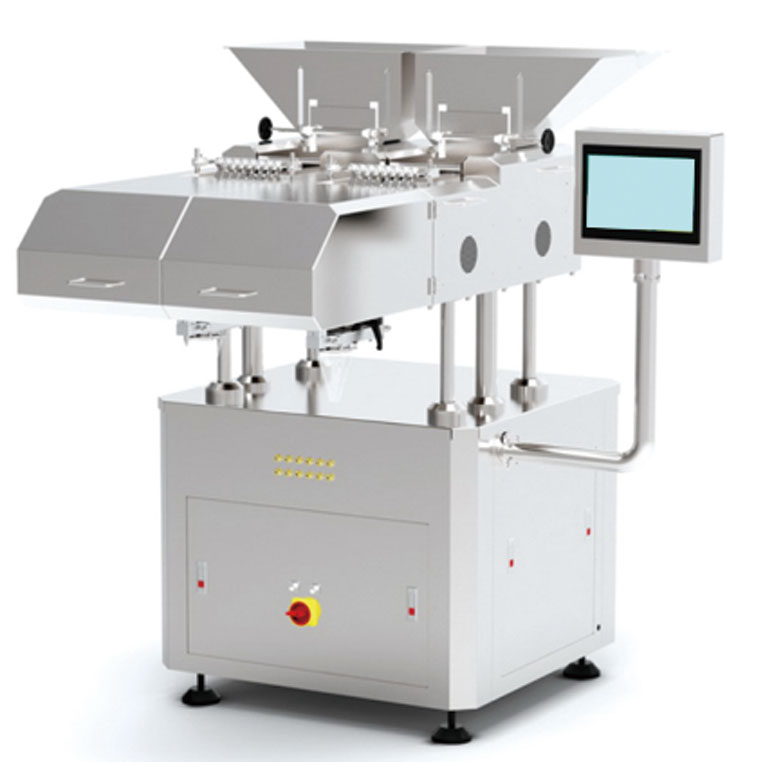
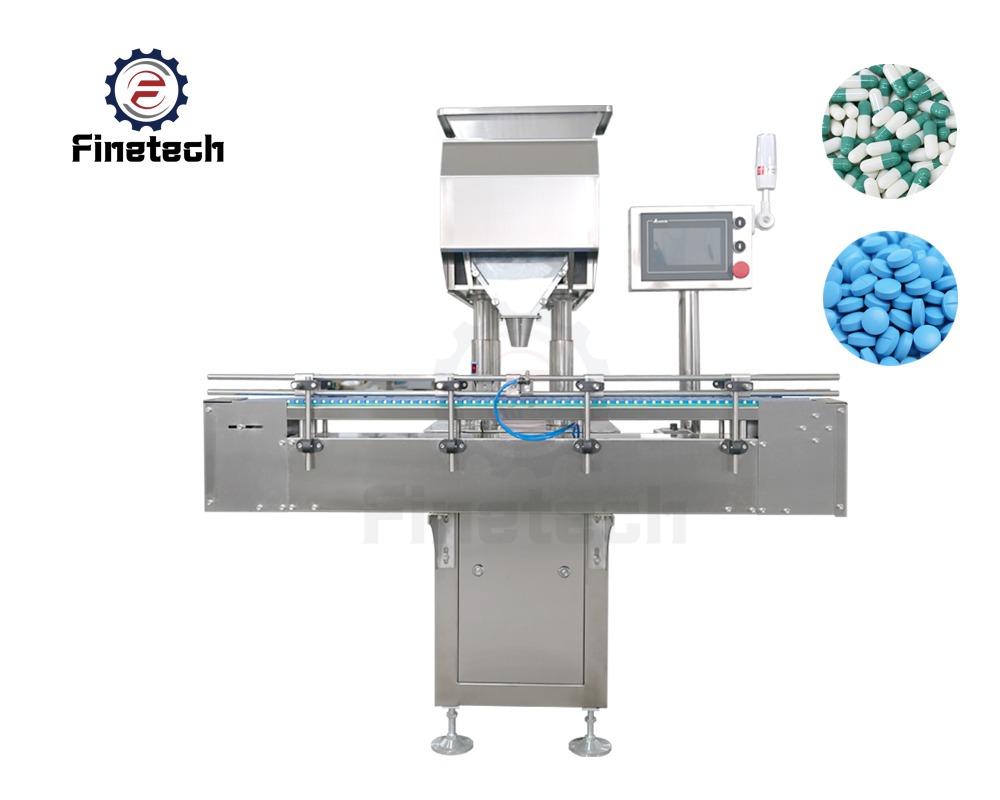
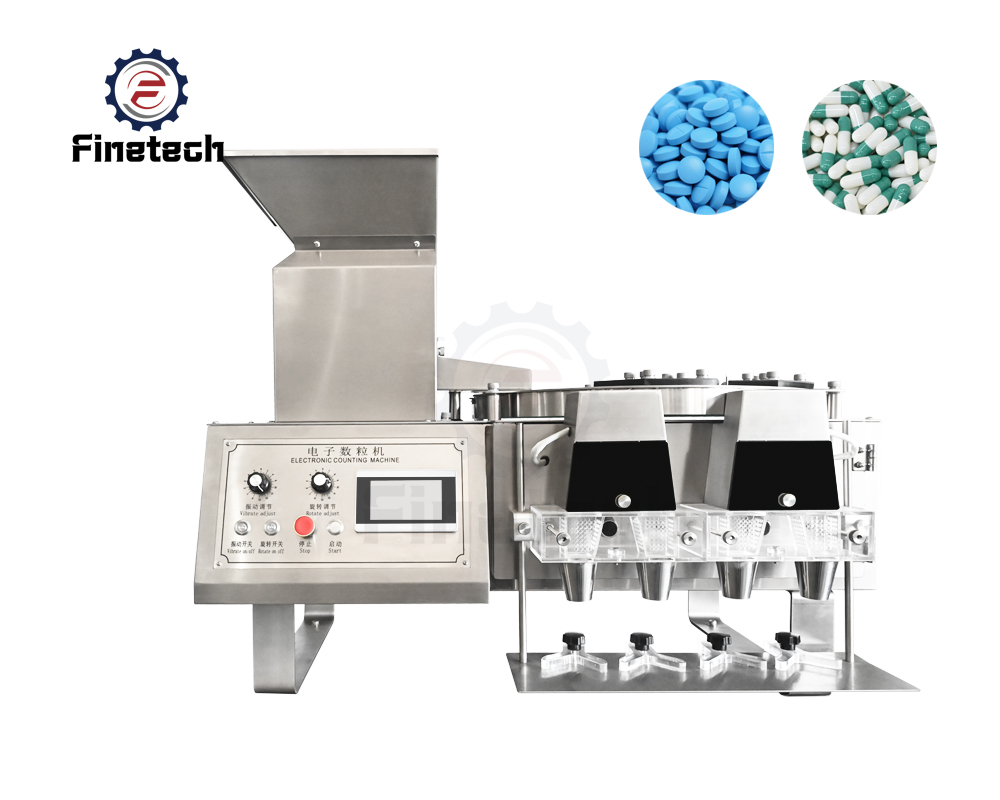
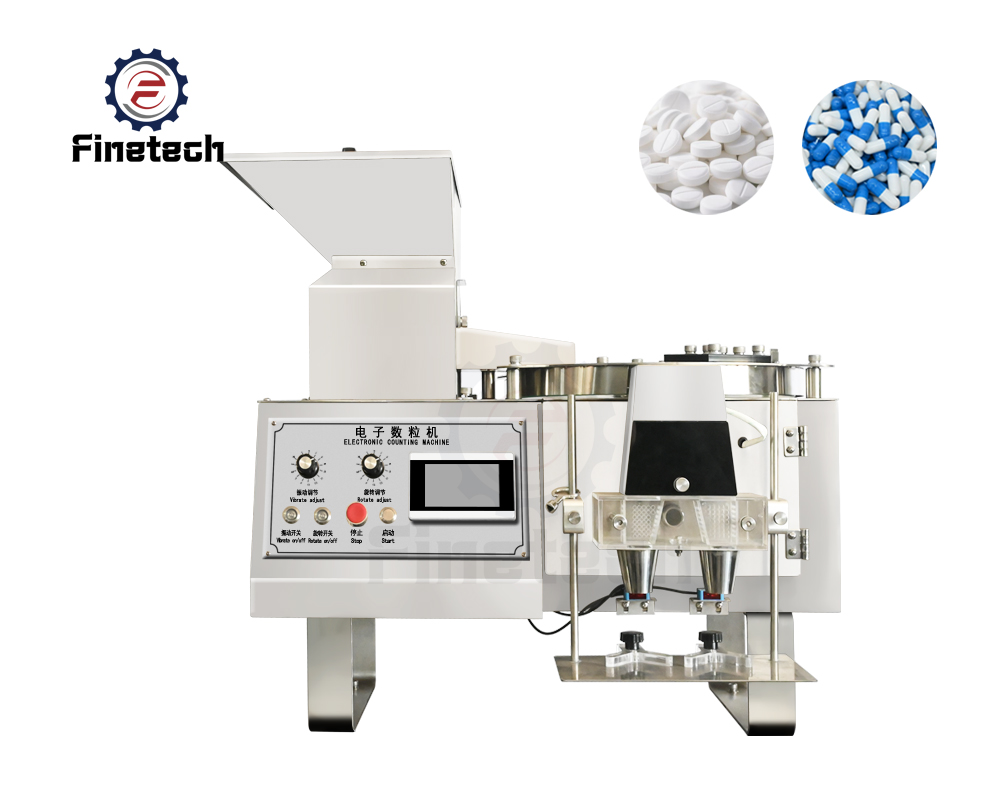
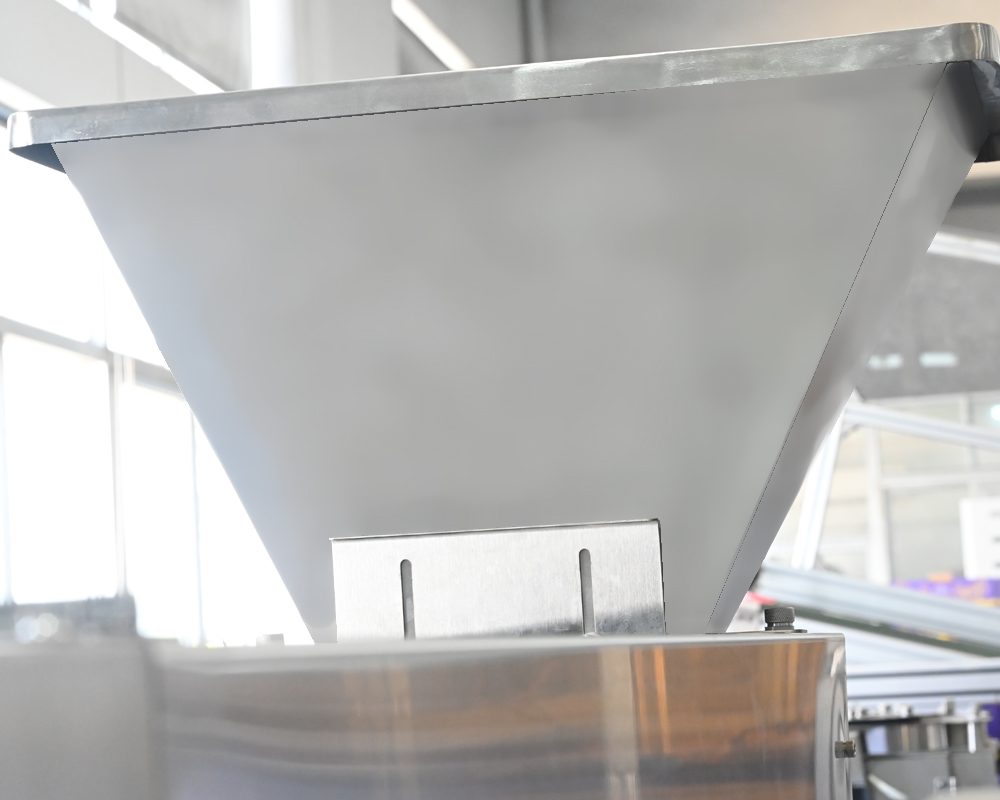
Counting & Filling Machine: Counts and deposits tablets into bottles.
Cottoning Machine: Inserts cotton/desiccant.
Capping Machine: Applies and tightens caps.
Induction Sealer: Creates a hermetic foil seal under the cap.
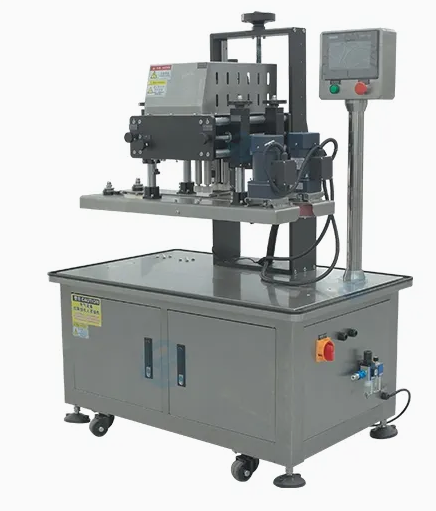
Labeling Machine: Applies product labels.
Conveyor: Links all components.
Slat Counters: Most common, using cavities on rotating slats. Good for high-speed, robust production.
Vision Counters (Camera-based): Use image recognition. Ideal for fragile, odd-shaped, or multi-colored tablets with minimal contact.
Weighing Counters: Use precision scales. Best for very low counts or extremely high-value products.
Speeds vary widely:
Slat Counters: 60 to over 400 bottles per minute (BPM).
Vision Counters: 30 - 150 BPM.
Weighing Counters: Lower speed, high accuracy.
Yes, but with changeover. You will need to change parts like slats (for counters), bottle holders, capping chucks, and labeling heads. Quick-Changeover (QCO) kits are available to reduce downtime.
Counting: Selecting correct slat cavity size or calibrating the vision system.
Bottle Handling: Adjusting guides and star wheels for smooth transfer.
Capping: Setting correct torque and height for the cap.
Labeling: Positioning the label correctly on the bottle.
Use gentle handling systems (vibration control, soft-drop mechanisms), ensure proper slat cavity size, and opt for vision counting for very fragile products. Keep the hopper level optimal to avoid crushing.
Incorrect Counts: Worn slats, poor calibration, high vibration, or product dust.
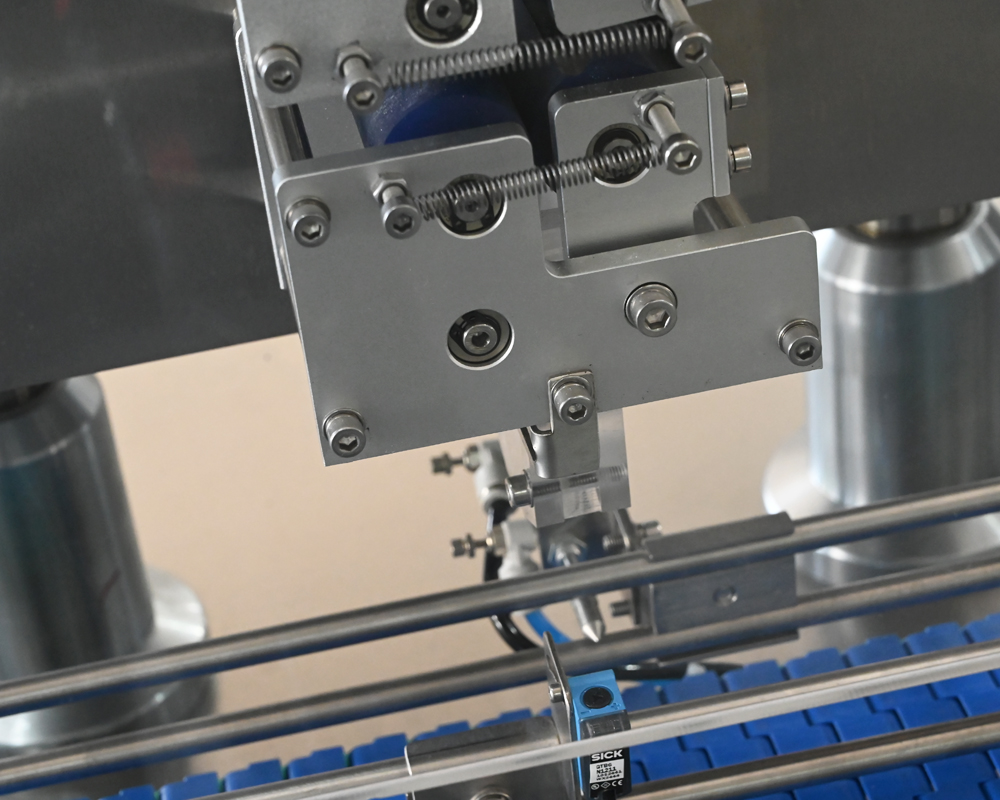
Bottle Jams: Misadjusted guides, incorrect bottle size setting, or foreign objects.
Cap Torque Issues: Worn capping chuck, incorrect height setting, or cap feeder problems.
Poor Label Application: Misaligned sensor, incorrect label placement, or glue/die-cut issues.
Cleaning: Remove all product dust and residue from slats, counters, and conveyors to prevent cross-contamination and ensure accuracy.
Lubrication: Lubricate moving parts as per the manufacturer's schedule (often with food-grade lubricants).
Inspection: Check for worn parts (slats, gaskets, guides) and ensure all safety guards are functional.
Modern lines have checkweighers placed after the counter. They automatically reject bottles that are under or over the specified weight (and therefore count). Regular manual checks (e.g., weigh 10 bottles every 30 minutes) are also a GMP requirement.
Product Range: Size, shape, fragility of your tablets/capsules.
Output Speed Required: Bottles per minute.
Changeover Frequency: How often you switch products/bottles.
Regulatory Needs: cGMP, FDA, WHO-GMP compliance.
Budget: Includes cost of machine, spare parts, and maintenance.
Space Available: Footprint of the entire line.
Semi-Automatic: Often a single counting machine where an operator manually places bottles, starts the cycle, and removes filled bottles. Lower output, lower cost.
Fully Automatic: Integrated line as described above. Runs continuously with minimal operator intervention for higher output.
Yes, but specific handling is needed. Capsules are more prone to denting, and softgels can stick together. Special slat designs (soft release) or vision counters are often recommended.