Skip to content
  English
  Russian
  Turkish
  Spanish
  French
  German
  Japanese
The rotary die process for soft gelatin capsules is the backbone of modern softgel manufacturing. It’s the technique that shapes the capsule shell, fills it with the precise dose, and seals it, all in one operation.

When this process isn’t managed correctly, manufacturers face problems like leaks and shell defects that can slow down production.
For any facility producing softgels, understanding how the rotary die process soft gelatin capsule system works is essential. That’s why, in this guide, we’ll break everything down in a practical way so you can see what happens at each stage.
Let’s get started.
Key Takeaways: Rotary Die Process Soft Gelatin Capsules
- What Softgel Capsules Are: Soft gelatin capsules are flexible, one-piece shells filled with liquid or semi-solid medicine. They protect sensitive ingredients and make medicine easy to swallow.
- How the Rotary Die Process Works: The rotary die process forms, fills, and seals each capsule in one smooth operation. Two gelatin ribbons meet between rotating dies, the fill is injected, and the capsule is sealed instantly for consistency.
- Why This Process Is Used: It delivers fast production, accurate dosing, and strong seals with fewer defects. Moreover, it supports multiple fill types like oils and suspensions.
- Main Quality Risks to Watch: Common issues include leakers, soft spots, uneven shells, and air bubbles. These problems usually come from poor temperature control or improper drying.
What Are Soft Gelatin Capsules?

Soft gelatin capsules, or softgels, are one-piece capsules made from a flexible gelatin shell filled with liquid, oil-based, and semi-solid formulations. They are widely used in the pharmaceutical industry because they protect sensitive ingredients and enable precise dosing.
Their easy-to-swallow shape makes them ideal for vitamins, supplements, and many oral medications. The popularity can be gauged by the growing global demand, with the market size expected to reach $18.4 billion by 2034.
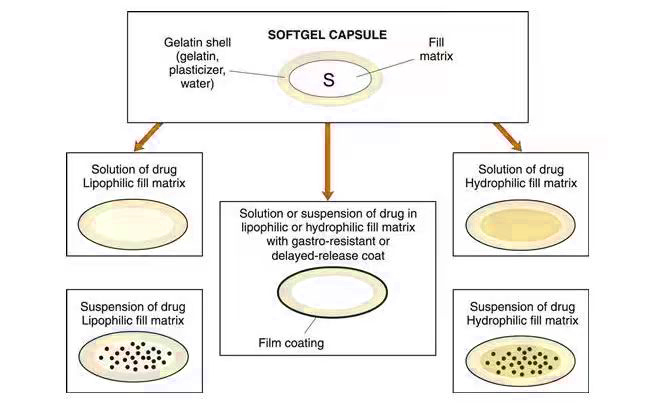
These capsules’ shells are made from gelatin, water, plasticizers, and optional colorants. The shell stays soft and flexible, while the inside holds the active pharmaceutical ingredient (API). This structure is exactly why the rotary die process is so important.
Understanding What the Rotary Die Process Is
The rotary die process is the core method for producing soft gelatin capsules, and it’s what makes softgel manufacturing accurate. It uses a softgel encapsulation machine to make the whole process come together.
In simple terms, it’s a continuous process in which two gelatin ribbons come together between rotating dies, the fill material is injected into the capsule, and the capsule is sealed. This method is unique because it forms the capsule shell, fills it with the exact dose, and seals it instantly.
There is no separate step for shell formation or manual sealing. Everything happens inside the machine through controlled heat, pressure, and precise timing. Such an approach reduces human errors and guarantees each capsule has a uniform shape, weight, and seal strength.
Key Components of a Rotary Die Softgel Machine
To understand how soft gelatin capsules are made, it’s important to know the main parts of the rotary die system. All components play a specific role in shaping the capsule shell. When these parts work together, manufacturers get high-quality softgels with fewer defects.
Below is a simple breakdown of each component and why it matters.
1. Gelatin Melting and Preparation System
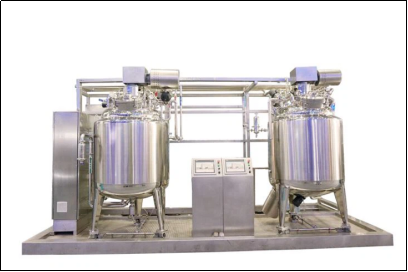
The gelatin melting system is the stage where the capsule shell manufacturing begins.. Here, gelatin, plasticizers, water, and colorants are mixed and heated until a uniform mass forms. This mixture determines the strength and flexibility of the softgel shell.
Temperature control is also very important. If the gelatin overheats, it becomes too thin. Alternatively, if it’s too cool, the mass becomes thick and difficult to spread.
2. Ribbon Formation System
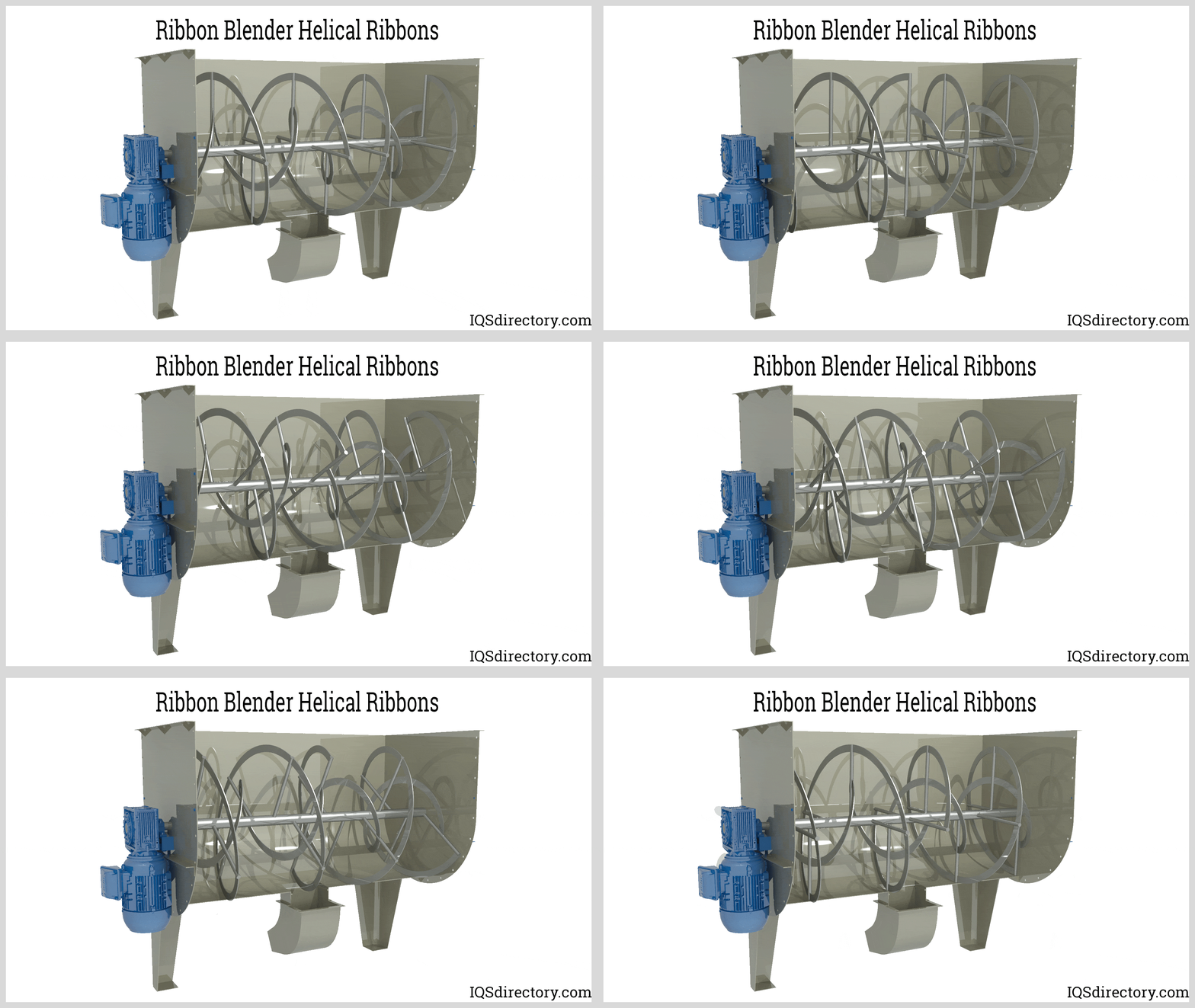
Once the gelatin mass is ready, it is transferred to the ribbon formation system. This system spreads the gelatin into two long, thin ribbons that will eventually form the capsule shell. The ribbons must have the correct thickness.
Heat plays a key role here as well. The ribbons need to stay warm and flexible so they can form around the die cavities without tearing.
3. Rotary Dies
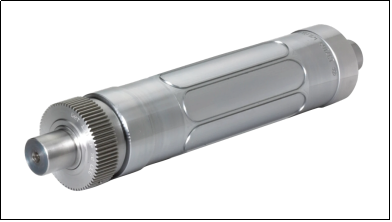
The rotary dies are the heart of the machine. These are two rotating metal cylinders with engraved cavities that shape each capsule. As the gelatin ribbons pass between them, the dies cut, fill, and seal the capsules in one continuous motion.
Remember, the alignment must be perfect. Even a slight misalignment can cause misshaped capsules, partial fills, or weak seals.
4. Cooling Drum
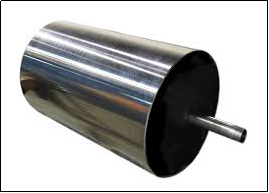
Before the gelatin ribbons reach the dies, they pass over cooling drums. These drums chill the ribbons slightly, making them firm enough to form strong capsule walls.
Proper cooling prevents air bubbles, uneven thickness, and soft spots. Without the cooling drum, the ribbons would remain too warm and sticky, resulting in higher defect rates. Moreover, a stable ribbon temperature ensures cleaner processing and stronger capsules.
Advantages of the Rotary Die Process
The rotary die process is widely used because it delivers speed and reliability in soft gelatin capsule production. It simplifies complex operations while maintaining high-quality standards, which is why most softgel manufacturers rely on it.
Here are the advantages of the rotary die process:
1. Continuous Production
The process runs in a continuous flow, with minimal manual handling. This allows manufacturers to produce thousands of capsules per hour with consistent output. Faster production ultimately helps meet large demand without compromising capsule quality.
2. Accurate Dosing
Each capsule is formed and filled at the same time using precise mechanical control. This guarantees every softgel contains the correct dose and maintains the same size and shape. Consistency in appearance also improves product presentation and patient trust.
3. Strong Seals with Lower Defect Rates
The immediate sealing action created by controlled heat and pressure forms a tight seam. This reduces common issues like leakage and weak capsule edges. Strong seals improve shelf life and lower the number of rejected batches.
4. Suitable for Multiple Fill Types
The rotary die process works efficiently with oils, suspensions, and heat-sensitive formulations. This makes it ideal for producing vitamins, nutraceuticals, and a wide range of pharmaceutical products.
Common Defects and How to Prevent Them
The rotary die process for soft gelatin capsules can develop defects if critical parameters are not controlled properly. By understanding common defects, you can reduce waste, improve consistency, and maintain batch quality.
Some common defects include:
- Leakers: These occur when the capsule seam does not seal properly, allowing the fill material to escape. This usually happens due to incorrect wedge temperature, poor die alignment, or improper ribbon thickness.
- Soft Spots: Soft spots are weak areas on the capsule shell that feel uneven or fragile. They form when the gelatin mass has an inconsistent thickness or excessive moisture remains after drying.
- Thick and Thin Shells: Shell thickness variations occur when gelatin viscosity or ribbon casting temperature is not controlled correctly. Thin shells can break easily, while thick shells affect dissolution.
- Air Bubbles: Air bubbles appear when air is trapped inside the gelatin mass or fill material during processing. These bubbles weaken the shell and affect the capsule’s appearance.
FAQs
1. What scale options exist for rotary die encapsulation equipment?
Models range from laboratory bench top units for formulation screening, through pilot scale machines to commercial high speed lines capable of thousands of capsules per minute. Selection depends on target throughput and regulatory needs.
2. What role does the filling wedge play in the rotary die machine?
The filling wedge guides the fill into the die pockets and often includes temperature control and a cooling circuit to manage product and ribbon temperatures at the point of sealing. Patented wedge designs also reduce foaming and improve seal quality.
3. What filling materials can be processed on rotary die machines?
Liquid oils, suspensions, semi solids, and low viscosity pastes are standard. Highly viscous or particulate heavy formulations may need preconditioning or specialized pumps to ensure accurate dosing.
Turn Precision Into Performance with the Right Machinery
Producing high-quality softgels consistently depends on how well you control every stage of the rotary die process for soft gelatin capsules. However, reliable performance only comes when that knowledge is backed by the right machinery.
And the best place to get them is Finetech.
We offer softgel encapsulation machines that are designed to support accurate dosing and smooth capsule formation. With over 500+ clients, we can help you build a reliable production line.
So, if this is something you’re looking for, request a quick quote today!
Recommend Readings:
What is Softgel Encapsulation Machine?
Copyright Notice:
You may not reproduce, modify, publish, display, transmit, or in any way exploit any content on this website, or use such content to construct any kind of database without prior express written approval by Finetech Group. For permission to use the content, please contact: info@pharmamachinecn.com
Disclaimer:
The information contained in this article is for general information purposes only. The Company does not guarantee the accuracy, relevance timeliness or completeness of any information, and the Company assumes no responsibility for errors or omission in the content of this article.