Skip to content
  English
  Russian
  Turkish
  Spanish
  French
  German
  Japanese
A gummy candy manufacturing equipment is a complete set of machines that makes gummy candies from start to finish. These automated systems turn simple ingredients like sugar, gelatin, and flavoring into the chewy, colorful treats we all love. The production line handles everything from mixing ingredients to packaging the final product.
Modern gummy candy manufacturing equipment can make thousands of pieces per hour. They ensure each gummy has the same taste, texture, and shape. This makes them perfect for candy manufacturers who want consistent, high-quality products.
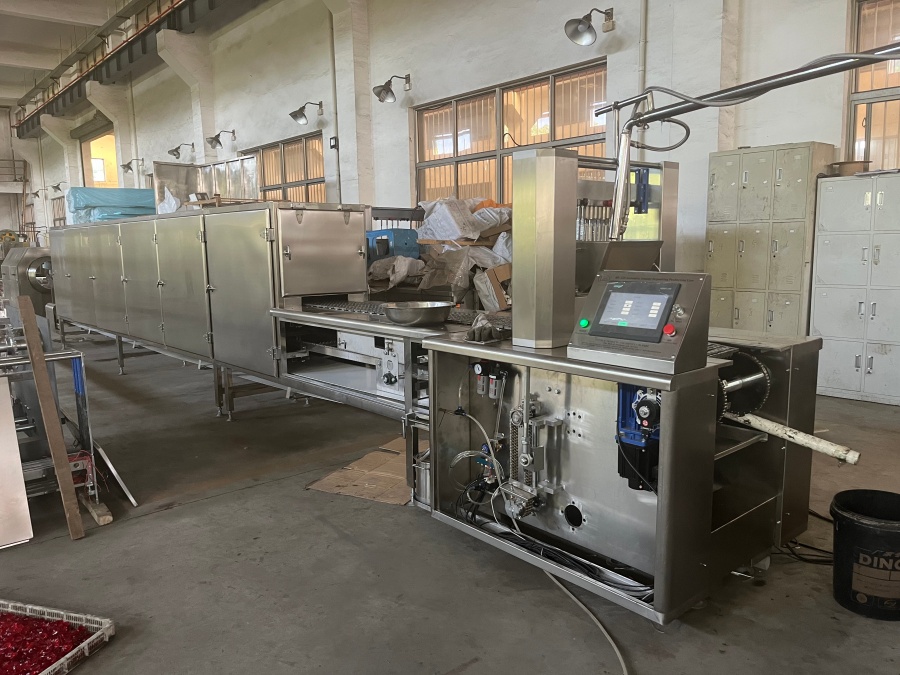
Gummy Candy Manufacturing Equipment Applications
These production lines serve many different needs:
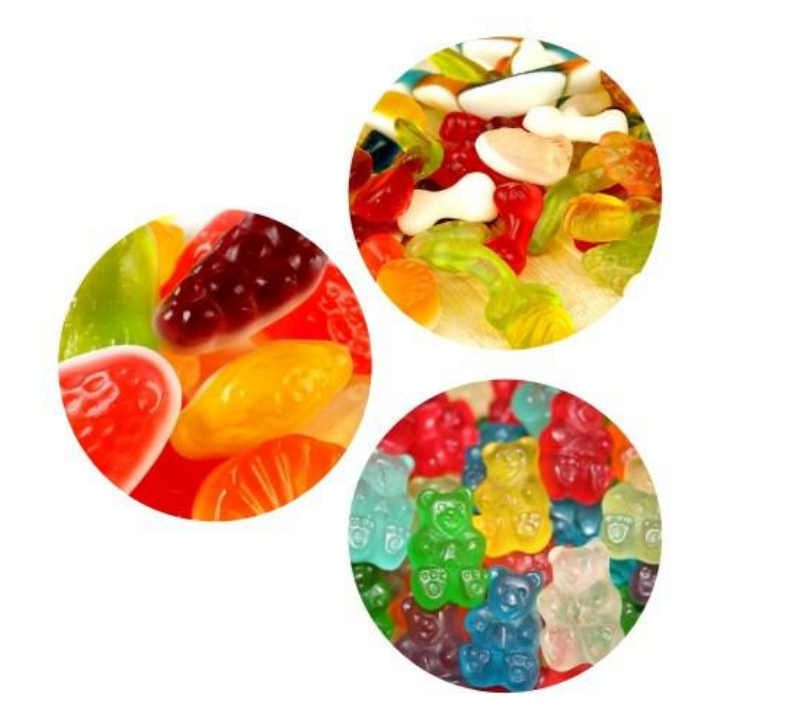
Commercial Manufacturing: Large candy companies use these lines to produce millions of gummies daily for retail stores worldwide.
Small Business Production: Smaller candy makers can use compact versions to start their own gummy candy businesses.
Custom Orders: Many lines can create custom shapes, flavors, and colors for special events or private label products.
Health-focused Products: Some lines specialize in making sugar-free, organic, or vitamin-enriched gummy supplements.
Seasonal Production: Manufacturers use these lines to create holiday-themed gummies with special shapes and colors.
What are the Key Components of a gummy candy manufacturing equipment?
Every gummy candy manufacturing equipment includes several essential parts:
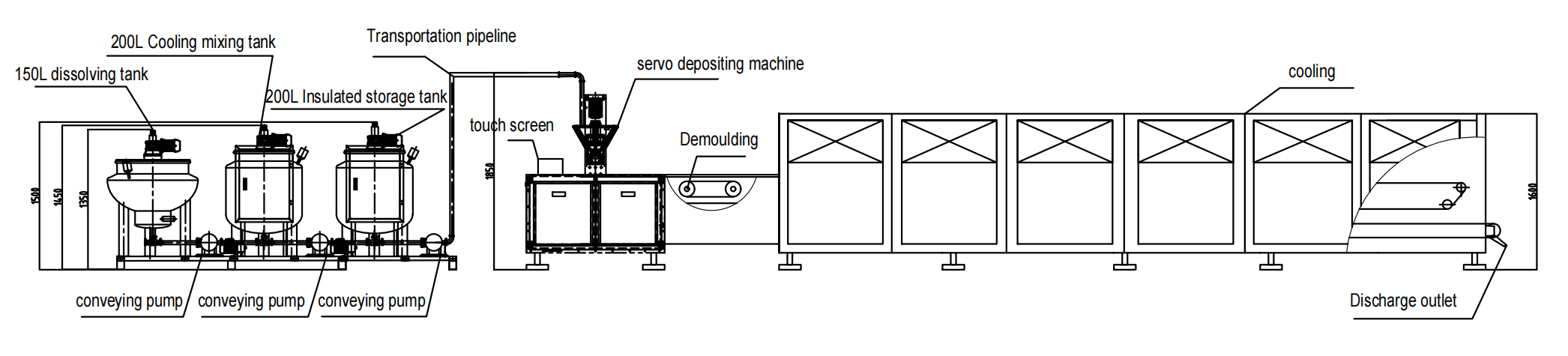
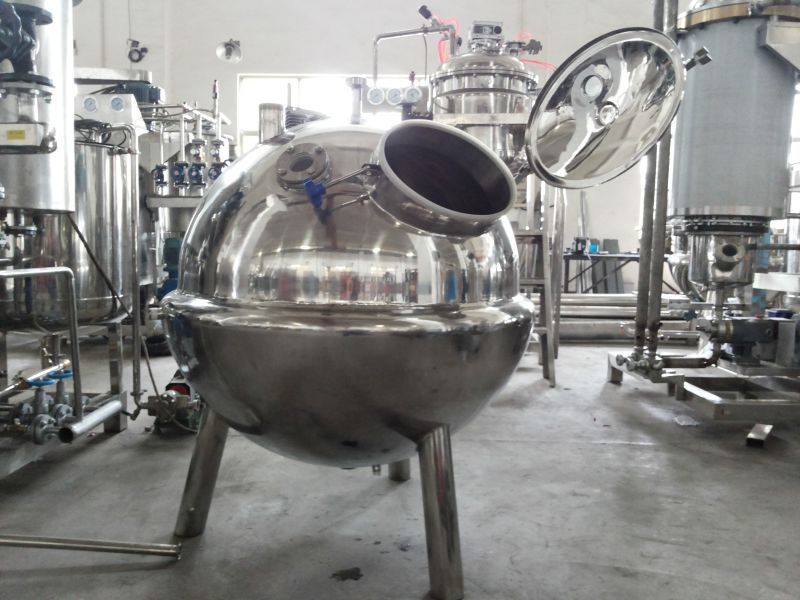
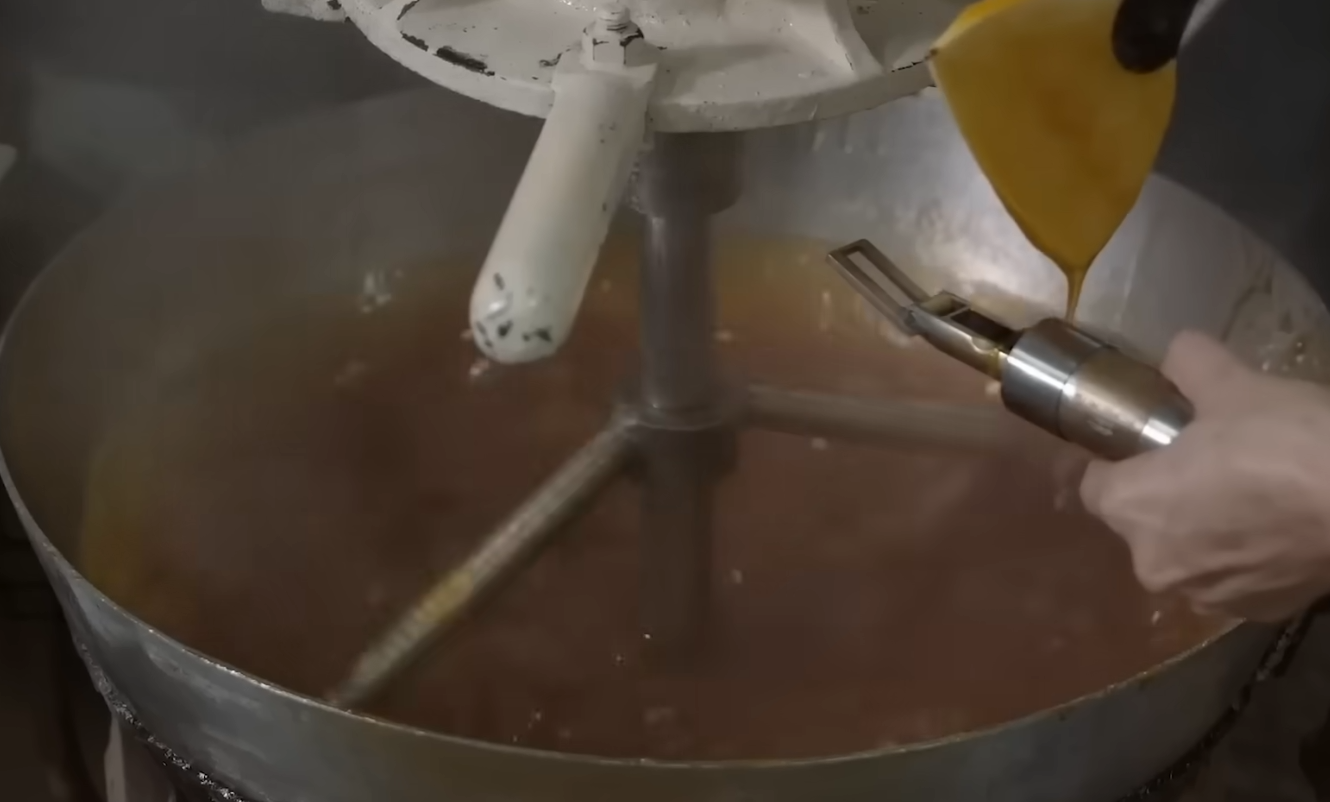
Mixing Tank: This heated vessel melts and combines all ingredients. It maintains precise temperatures to ensure proper mixing.
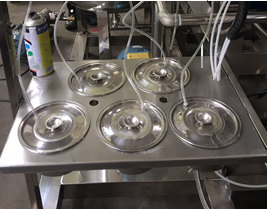
Dosing System: This component measures exact amounts of the gummy mixture for each mold cavity.
Molding Machine: Creates the actual gummy shapes using food-grade silicon or plastic molds.
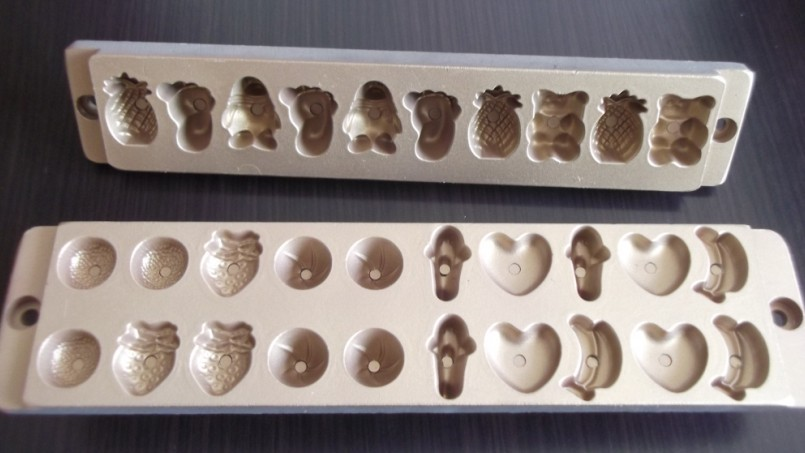
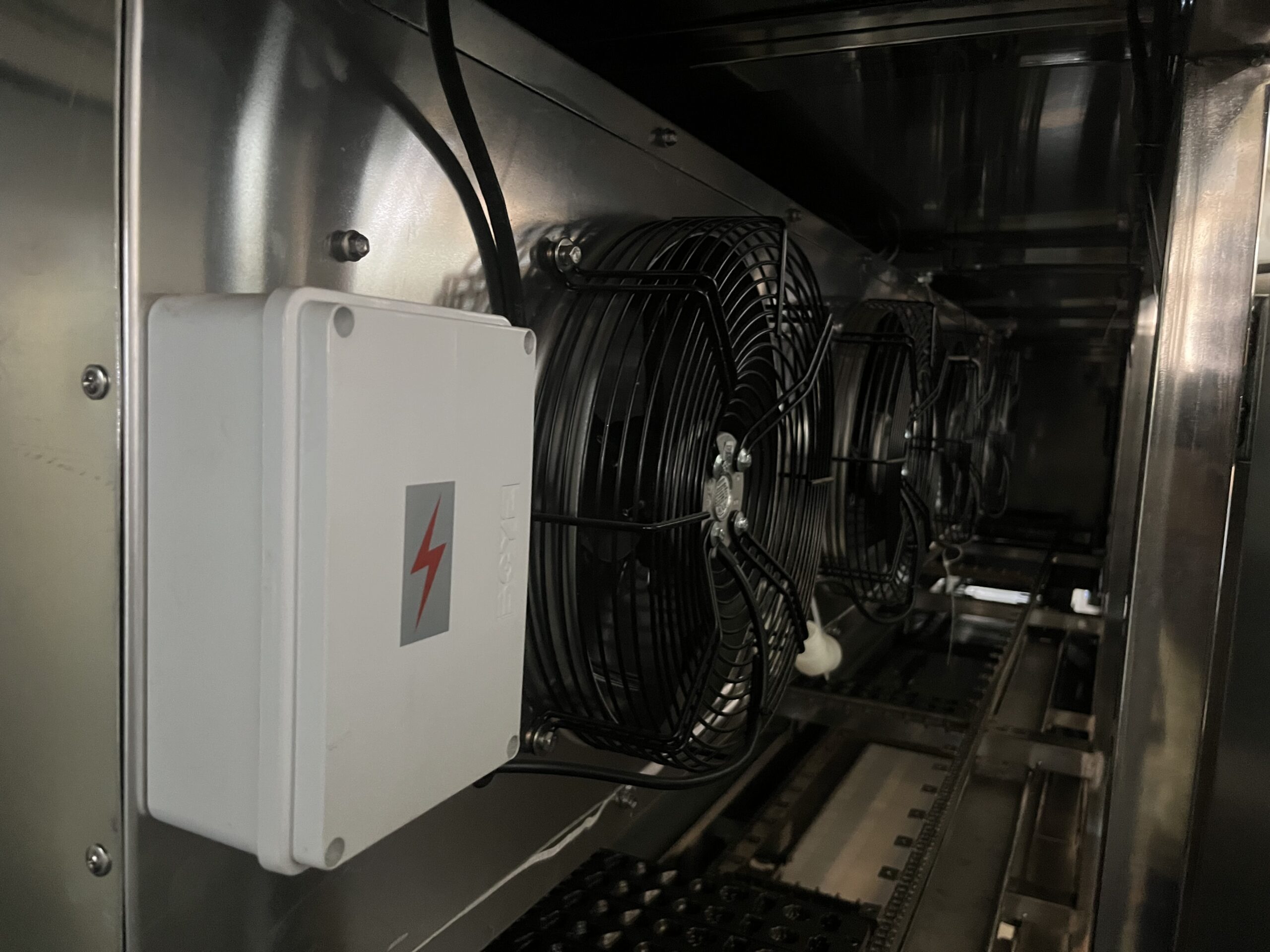
Cooling Tunnel: Rapidly cools the gummies to set their shape and texture.
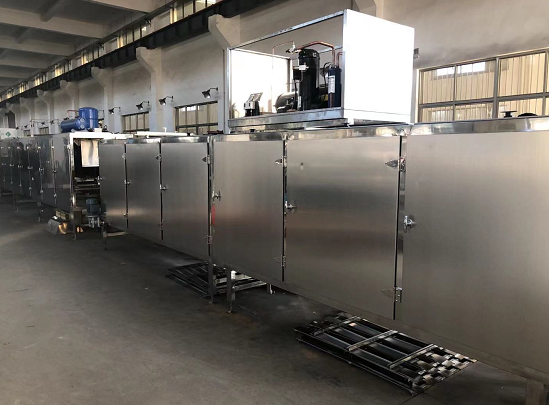
Demolding Station: Automatically removes finished gummies from their molds.
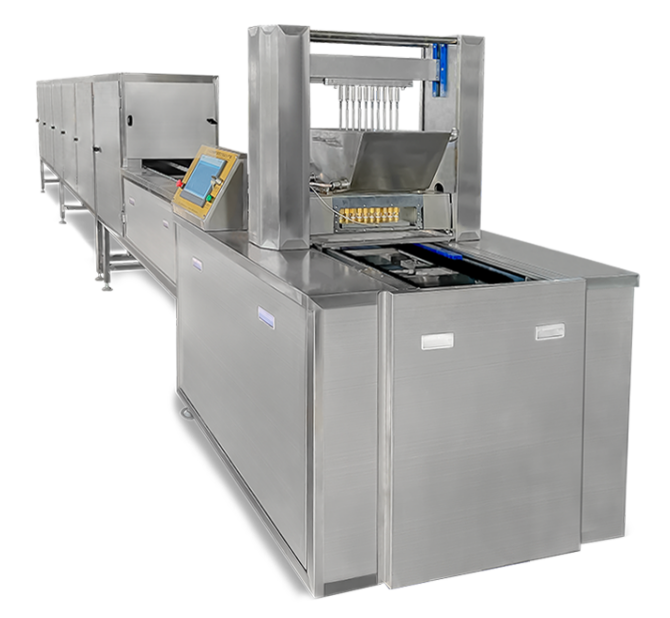
Coating System: Applies sugar coating, sour powder, or oil to prevent sticking.
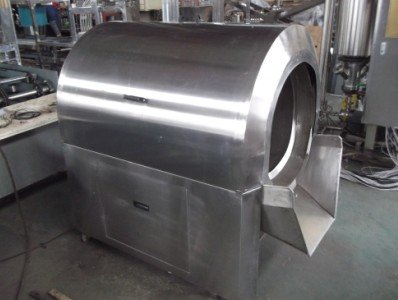
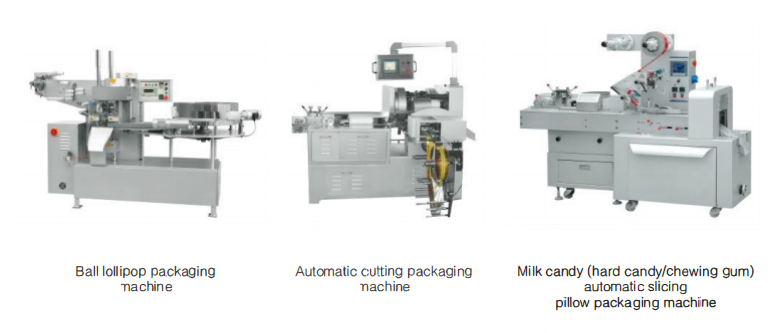
Packaging Equipment: Sorts, counts, and packages gummies into bags or containers.
Quality Control Sensors: Check each gummy for proper size, color, and shape.
What is the Process of Making Gummy Candy?
The gummy-making process follows these simple steps:
Step 1: Ingredient Preparation
Workers measure water, sugar, corn syrup, and gelatin. All ingredients must be exact for consistent results.
Step 2: Mixing and Heating
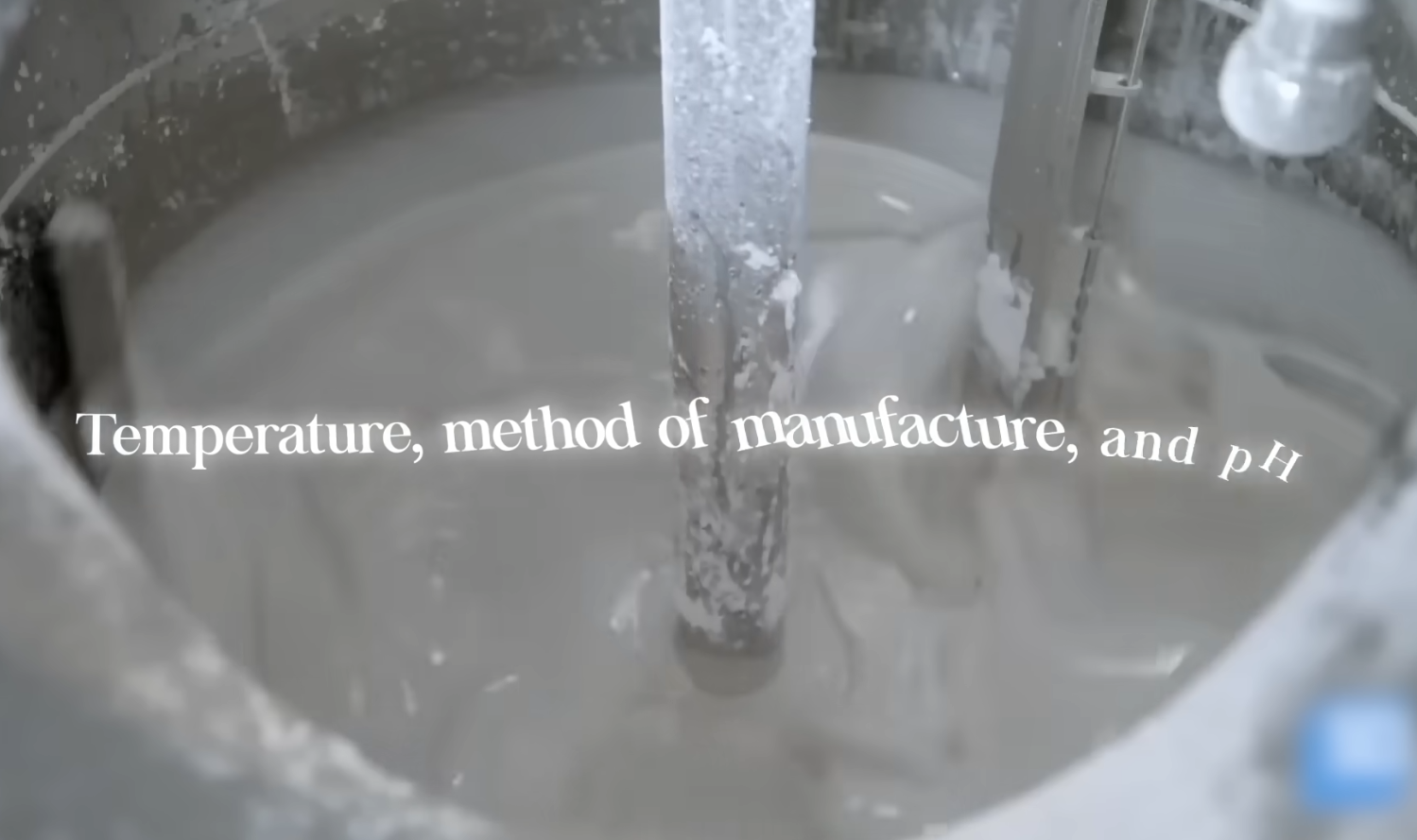
The mixing tank heats ingredients to about 180°F (82°C). This dissolves the gelatin completely and creates a smooth mixture.
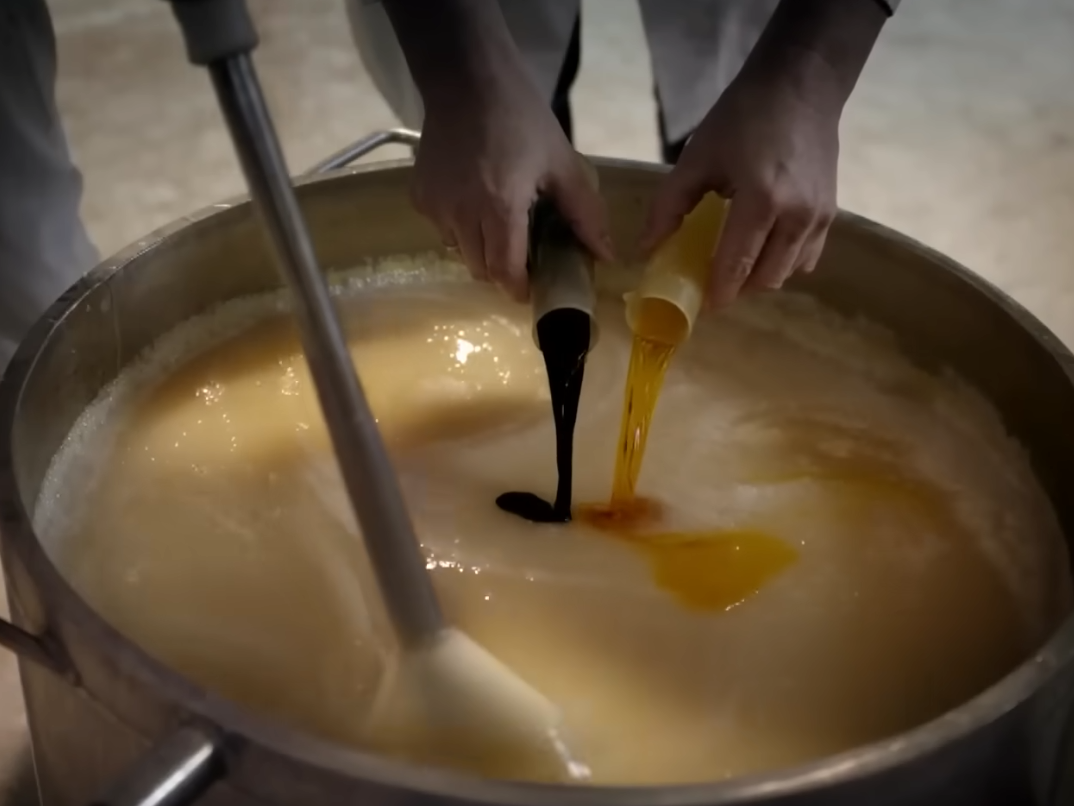
Step 3: Adding Flavors and Colors
Once the base mixture is ready, workers add flavoring, coloring, and citric acid for tartness.
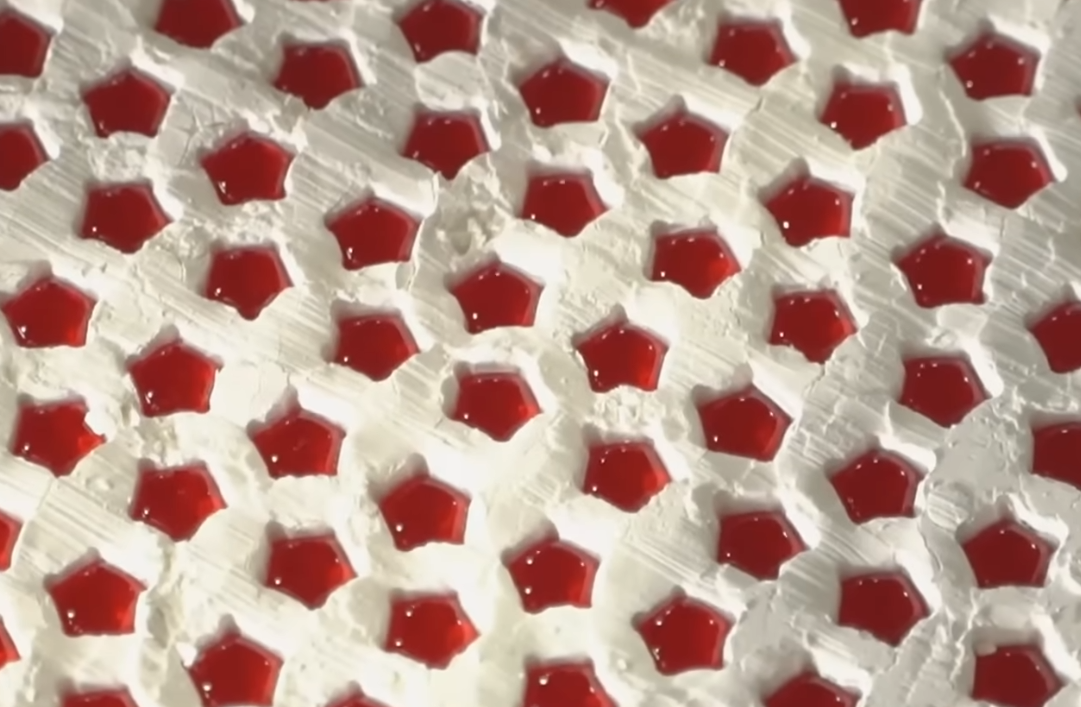
Step 4: Depositing
The hot mixture flows into mold cavities through precise nozzles. Each cavity gets exactly the right amount.
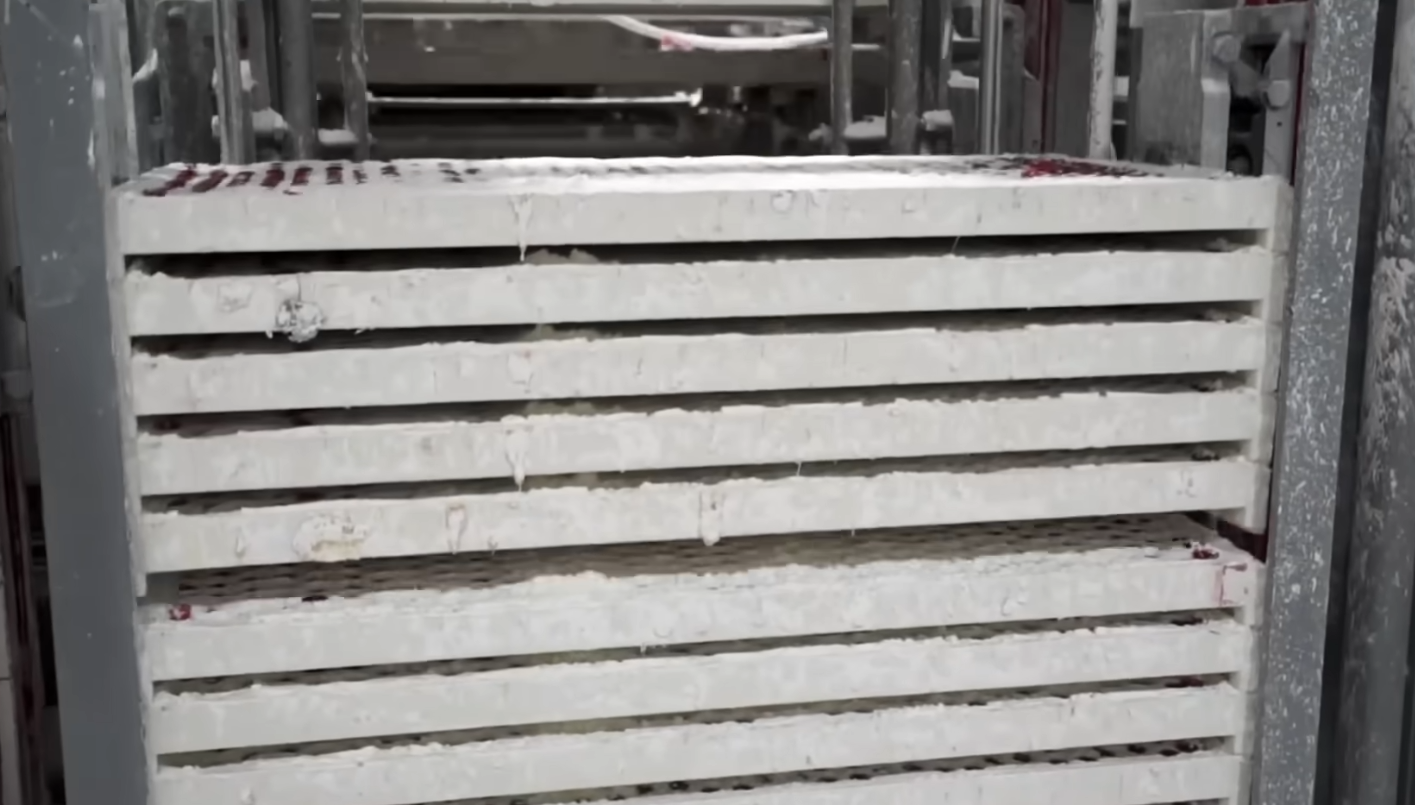
Step 5: Cooling
Molds travel through cooling tunnels for 10-20 minutes. This sets the gummies into their final shape.
Step 6: Demolding
Automated systems flip the molds and shake out the finished gummies.
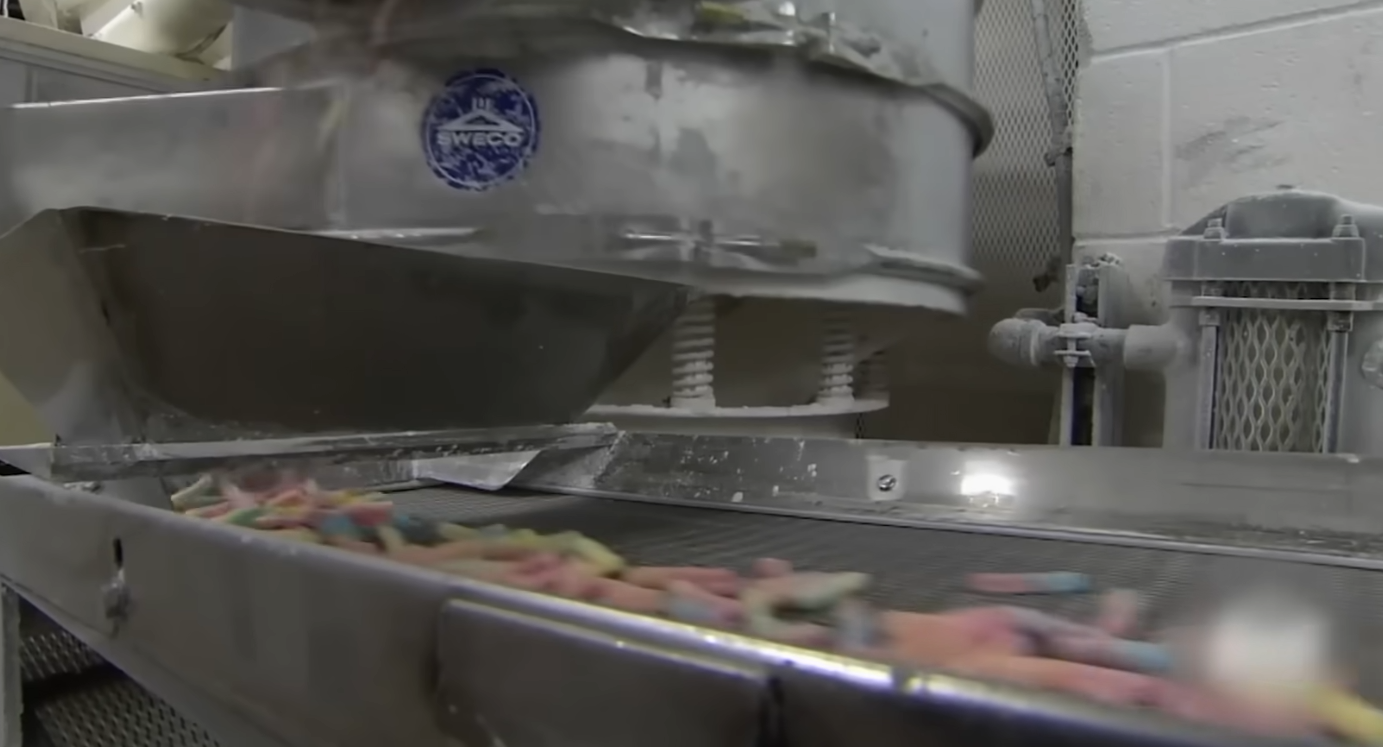
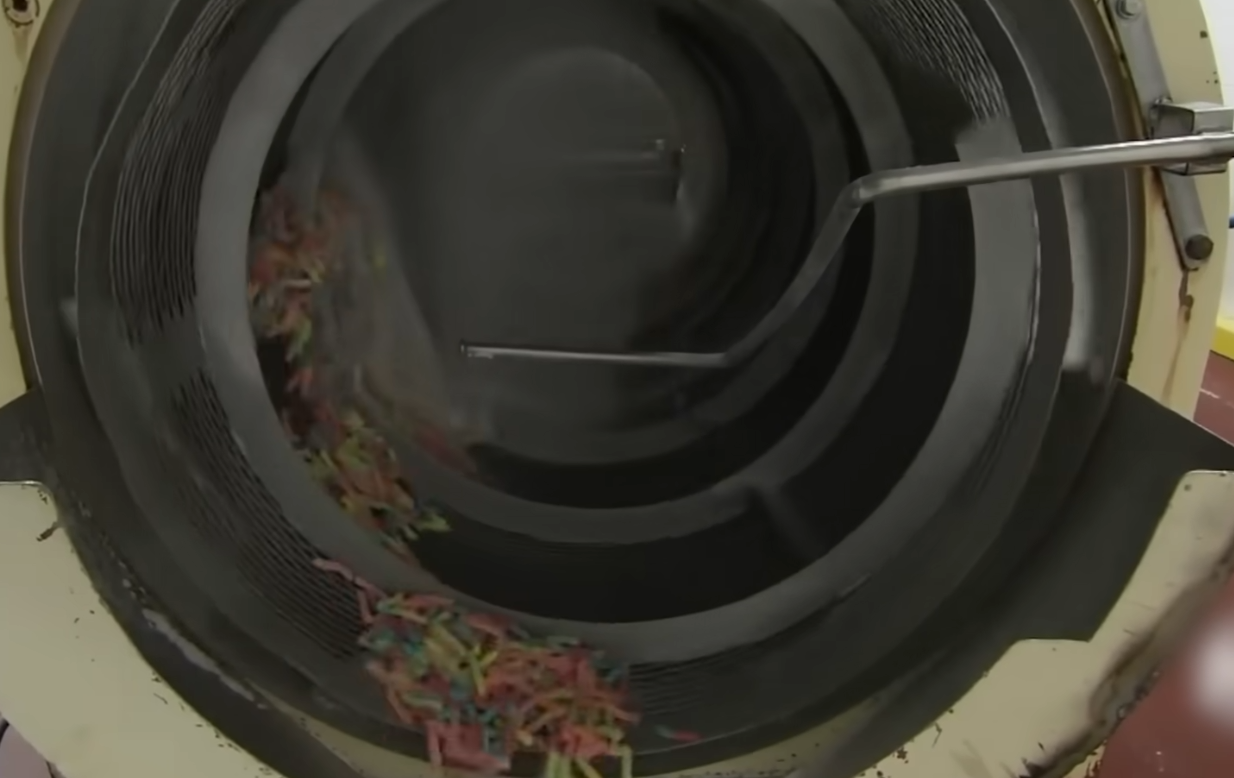
Step 7: Coating
Gummies receive a light coating of oil or sugar to prevent sticking together.
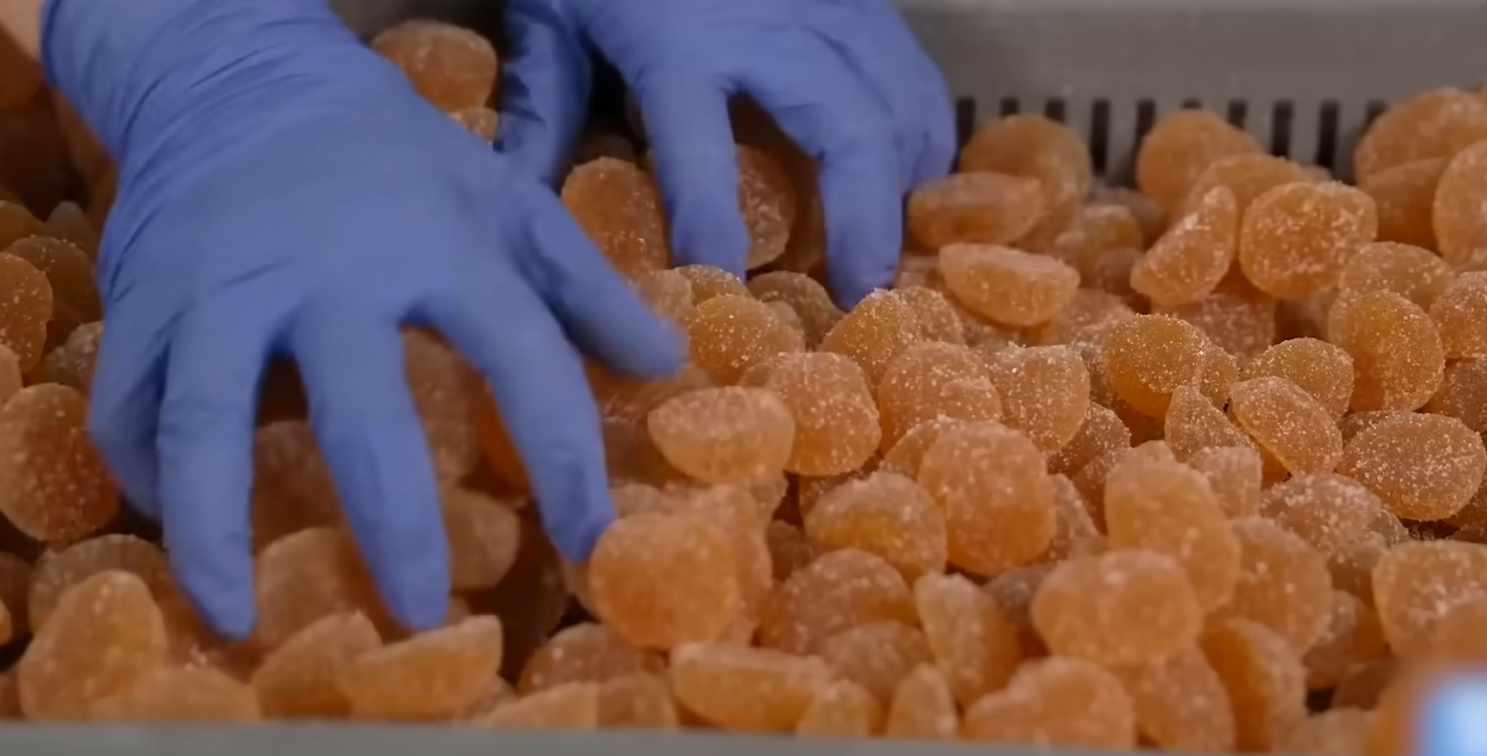
Step 8: Quality Check
Sensors and workers inspect gummies for defects before packaging.
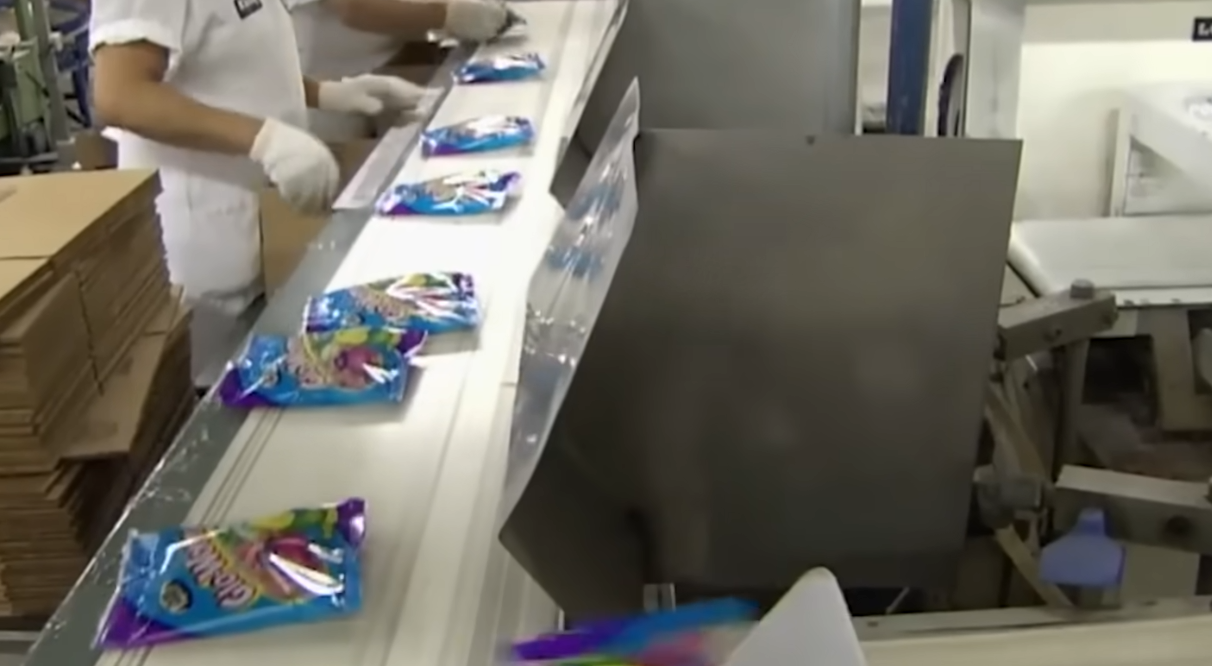
Step 9: Packaging
Counting machines sort gummies into bags or containers, then seal them for distribution.
All Steps Image source:
Factora.
Frequently Asked Questions
What Types of Gummy Candies Can Be Produced with This Line?
Modern production lines can make almost any gummy product. Popular options include gummy bears, worms, rings, and fruit shapes. Many lines also produce gummy vitamins, CBD gummies, and sugar-free varieties. Custom molds allow manufacturers to create unique shapes for special occasions or branding purposes.
What is the Production Capacity of a Standard Gummy Line?
Production capacity varies greatly depending on the line size. Small commercial lines produce 50-200 kg per hour. Medium-sized operations can make 200-500 kg hourly. Large industrial lines produce over 1,000 kg per hour. The exact number depends on gummy size, complexity, and cooling requirements. Or you can check the gummy production line for more details.
Are Molds Reusable?
Yes, quality molds last for thousands of production cycles. Food-grade silicone molds are most common because they’re flexible, easy to clean, and don’t affect taste. Plastic molds cost less but may wear out faster. Proper cleaning and maintenance help molds last longer and maintain product quality.
What are Common Gummy Ingredients?
Basic gummy recipes include gelatin (for chewiness), sugar or corn syrup (for sweetness), water, citric acid (for tartness), artificial or natural flavors, and food coloring. Many modern gummies also contain pectin instead of gelatin for vegetarian options, vitamin additives for supplements, or natural fruit juices for healthier versions.
Final Words
gummy candy manufacturing equipments have revolutionized how we make these popular treats. Instead of hand-making small batches, manufacturers can now produce large quantities quickly and efficiently. These machines use precise temperature control, timing, and molding to create perfect gummies every time.
The technology behind these production lines combines traditional candy-making methods with modern automation. This results in better quality control and faster production speeds.