Skip to content
  English
  Russian
  Turkish
  Spanish
  French
  German
  Japanese
The global demand for dietary supplements has skyrocketed in recent years. But you might ask, what’s that to do with blister packing machines?

Dietary supplements are primarily tablets, capsules, and pills that require packaging. This is where a manual blister packing machine comes in handy. They’re small, easy to use, and perfect for small-batch production.
If you’re starting out, testing a new product, or packaging in small quantities, this compact machine might be just what you need.
Let’s explore more about it and how it works.
What Is a Manual Blister Packing Machine?
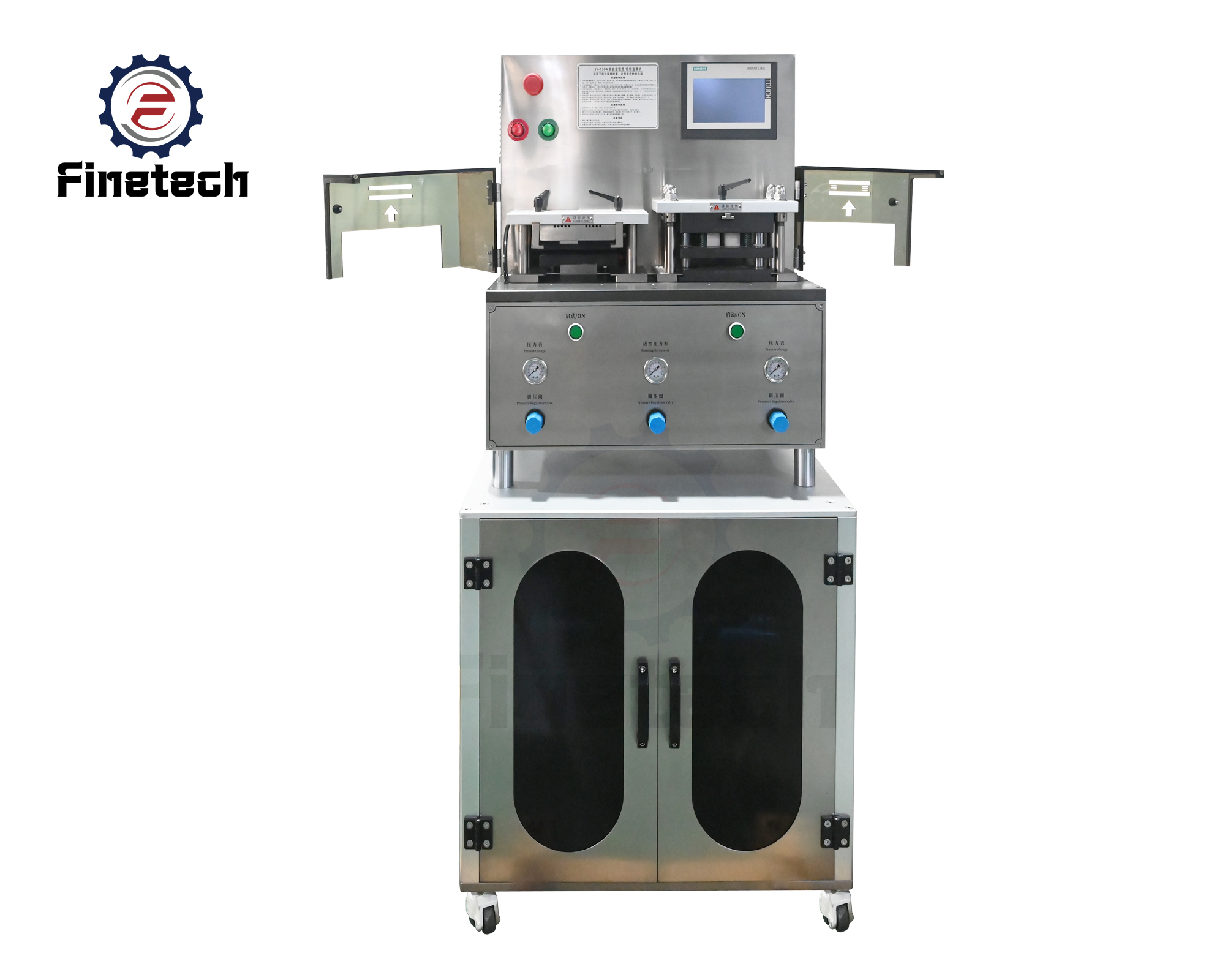
A manual blister packing machine is a compact device used to seal tablets, capsules, or other small products. For packing, it uses pre-formed plastic and aluminum foil cavities, known as blisters.
Heat and pressure seal the packages. However, unlike automatic machines, the entire process of packaging is done manually in this machine.
Perfect for small-scale production, you’ll mostly see them in pharmacies, R&D labs, nutraceutical startups, and herbal medicine units.
What makes it “manual”?
The operator places the blister sheet and product by hand. Then, the sealing arm is pulled down manually to press and seal the pack. There is no automation for feeding, sealing, or ejecting. Despite the design, they are much more affordable and offer reliable sealing.
Key Components of a Manual Blister Packing Machine
Each component in the machine is important for properly forming, filling, and sealing the blister packs. Here’s how the machine is delivered and what each component does:
1. Forming Tray

The forming tray holds the plastic or PVC sheet that will become the blister. It shapes the sheet into small cavities where the tablets or capsules are placed. In most manual machines, this tray is fixed, and the cavities are pre-formed.
2. Heating Element

This next component heats up to the required temperature to activate the sealing process. It warms the aluminum foil or sealing film so it can bond firmly with the plastic base. The control is responsible for controlling the heat here so it doesn’t damage the product or the packaging.
3. Sealing Plate

As the name suggests, the sealing plate applies pressure and heat over the blister and foil layers to seal them together. It’s usually made of a metal plate that comes down when the handle is pressed. And the end product is a tight and uniform seal across all cavities.
4. Manual Lever or Handle
Do you know what’s the most hands-on part of the machine? The manual lever. Operator uses this handle to lower the sealing plate and apply pressure. Since the machine is manual, the sealing force depends on how firmly the handle is pressed.
5. Die Molds

Die molds are the cavity-shaped metal blocks that give form to the blisters. These molds determine the size and shape of the blister pockets. Different products may require changing or customizing the die mold.
6. Control Panel

Some manual machines come with a small control panel that allows for adjusting basic settings, such as sealing time and temperature. It’s typically simple, with knobs or switches rather than digital controls, making it easy to use even for beginners.
Working Principle of Manual Blister Packing Machine
A manual blister packing machine follows a simple, step-by-step process that enables operators to manually form, fill, and seal blister packs. Below is a breakdown of each stage:
1. Material Loading
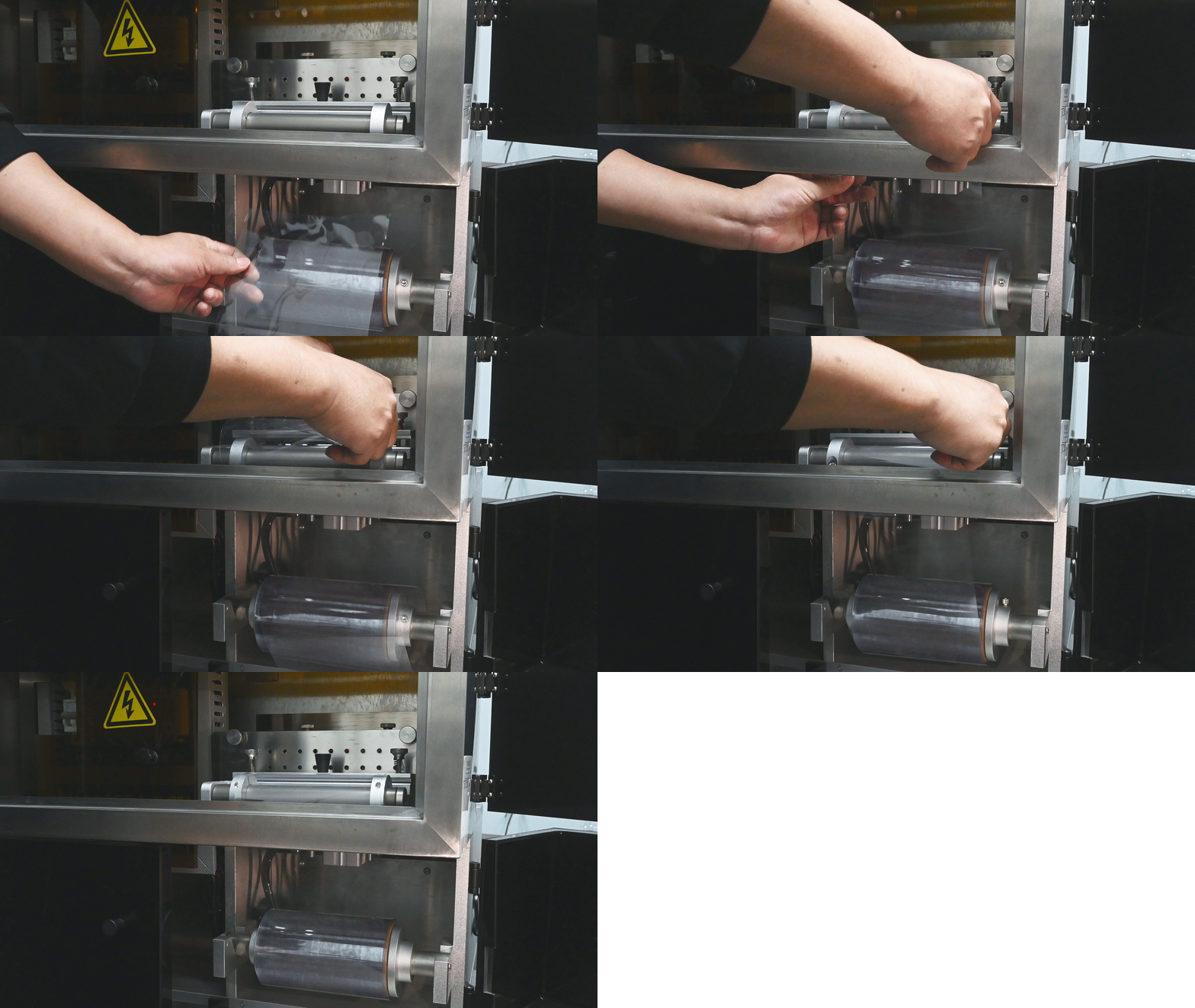
The operator starts by placing the base material (usually a PVC or plastic sheet) onto the forming tray. A sheet of aluminum foil or sealing film is also kept in reach for later use during the sealing stage.
2. Heating
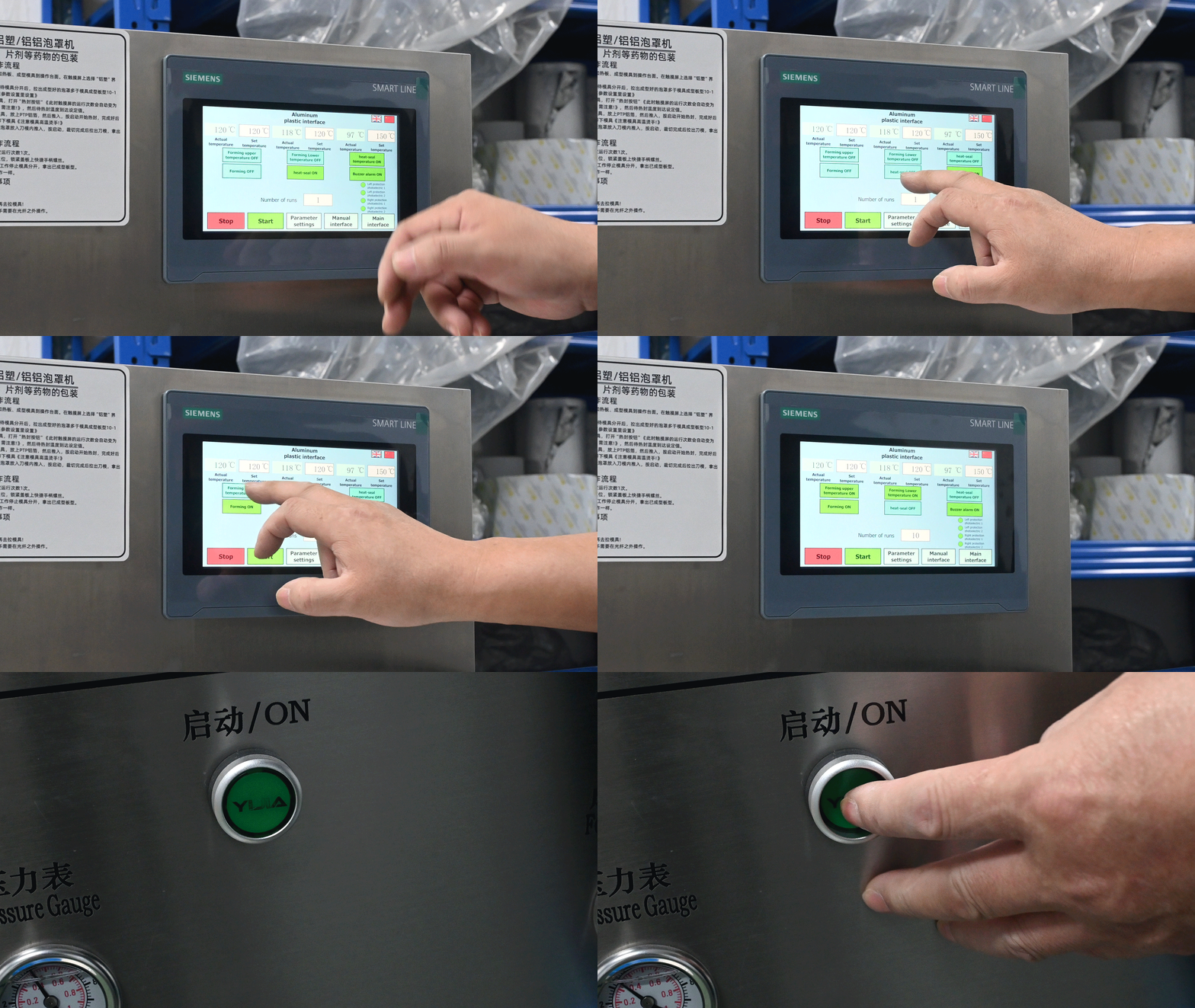
Once the material is in place, the heating element is turned on. The operator waits for the temperature to reach the optimal range first. Then, the heat is used in two stages: first time to soften the plastic base so that it can be shaped, and second time to seal the filled cavities with foil.
3. Forming Cavities
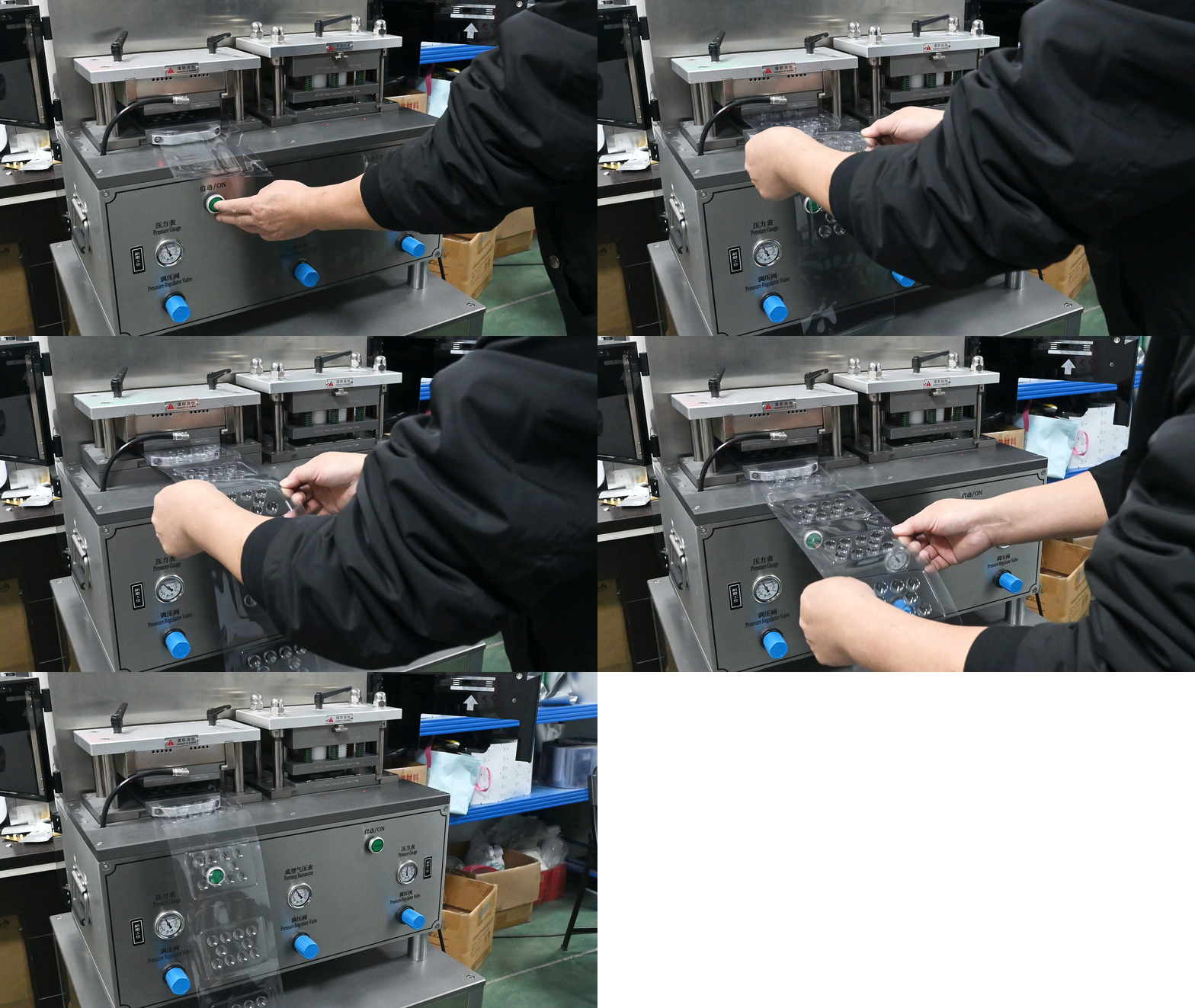
Now, the plastic sheet is pressed against a mold or die using either vacuum or mechanical force. It depends on the design. This forms small cavities in the shape of the product (e.g., tablets, capsules).
4. Product Placement
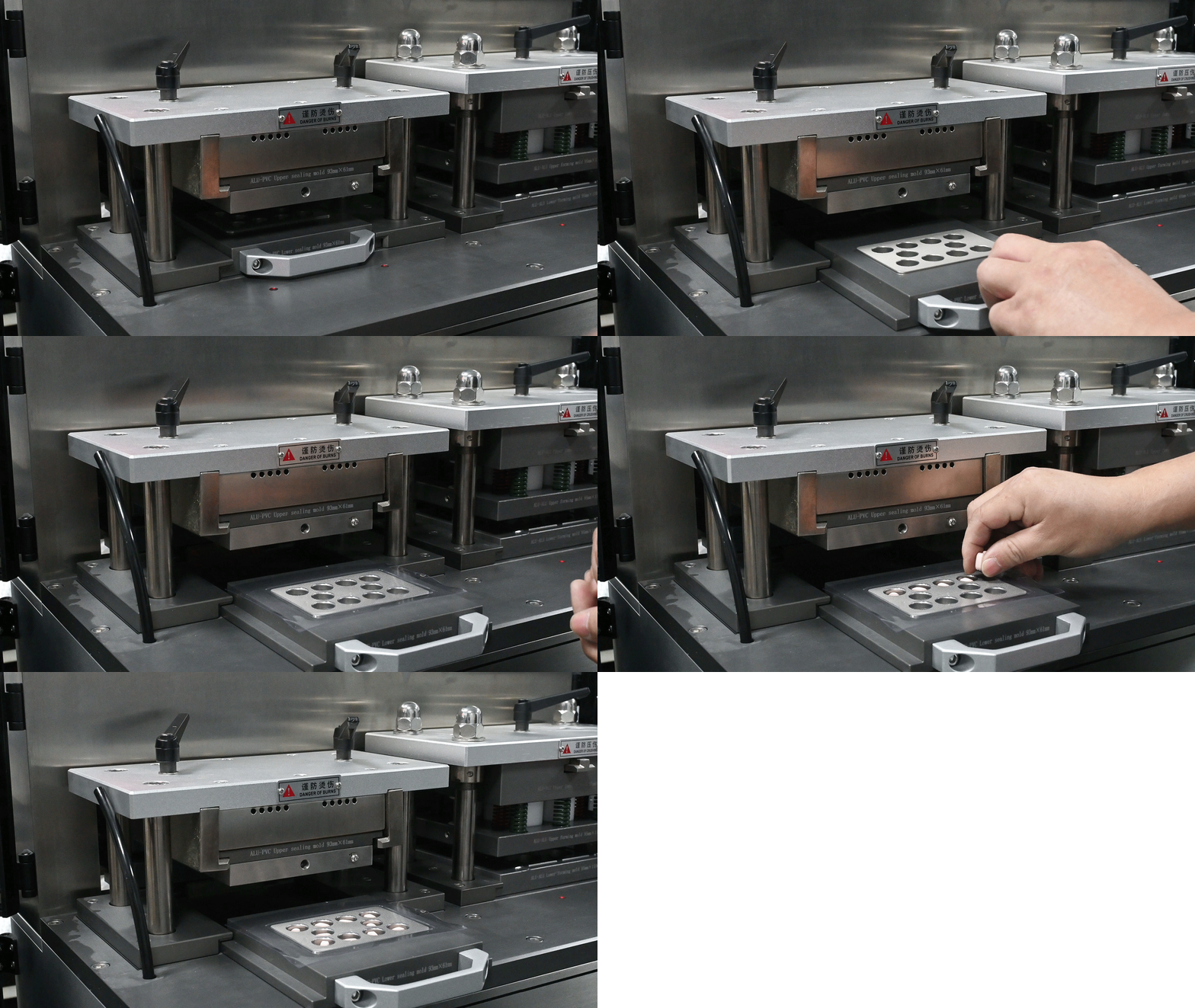
After the cavities are formed, the operator places the products into each cavity manually. This step is a bit lengthy and requires precision and cleanliness. It’s especially sensitive when dealing with pharmaceutical products.
5. Sealing
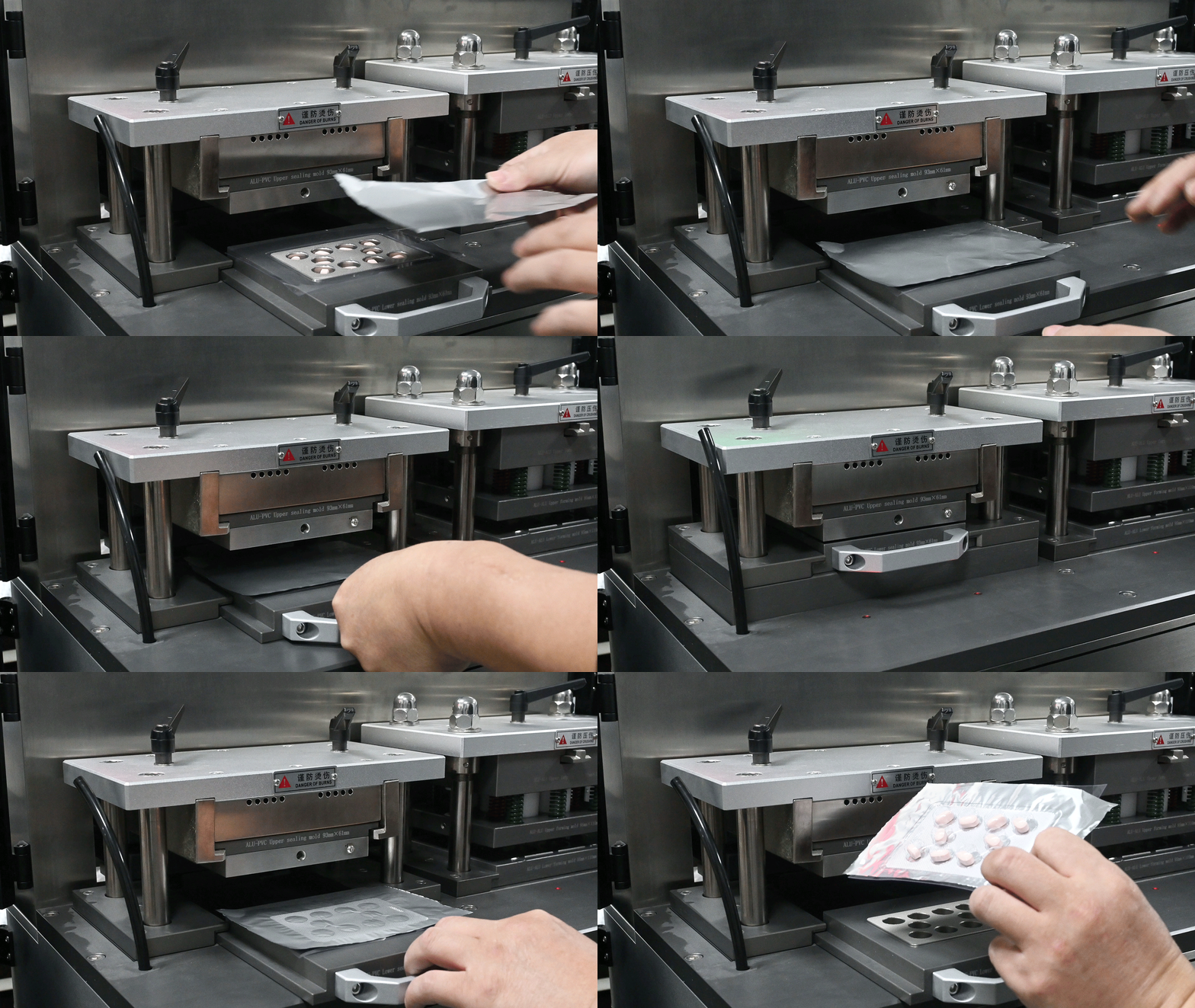
The aluminum foil or sealing film is placed over the filled cavities. The manual lever or handle is then pressed to bring the heated sealing plate down onto the pack. The heat and pressure bond the foil to the plastic, securely sealing the products inside.
6. Cutting/Trimming
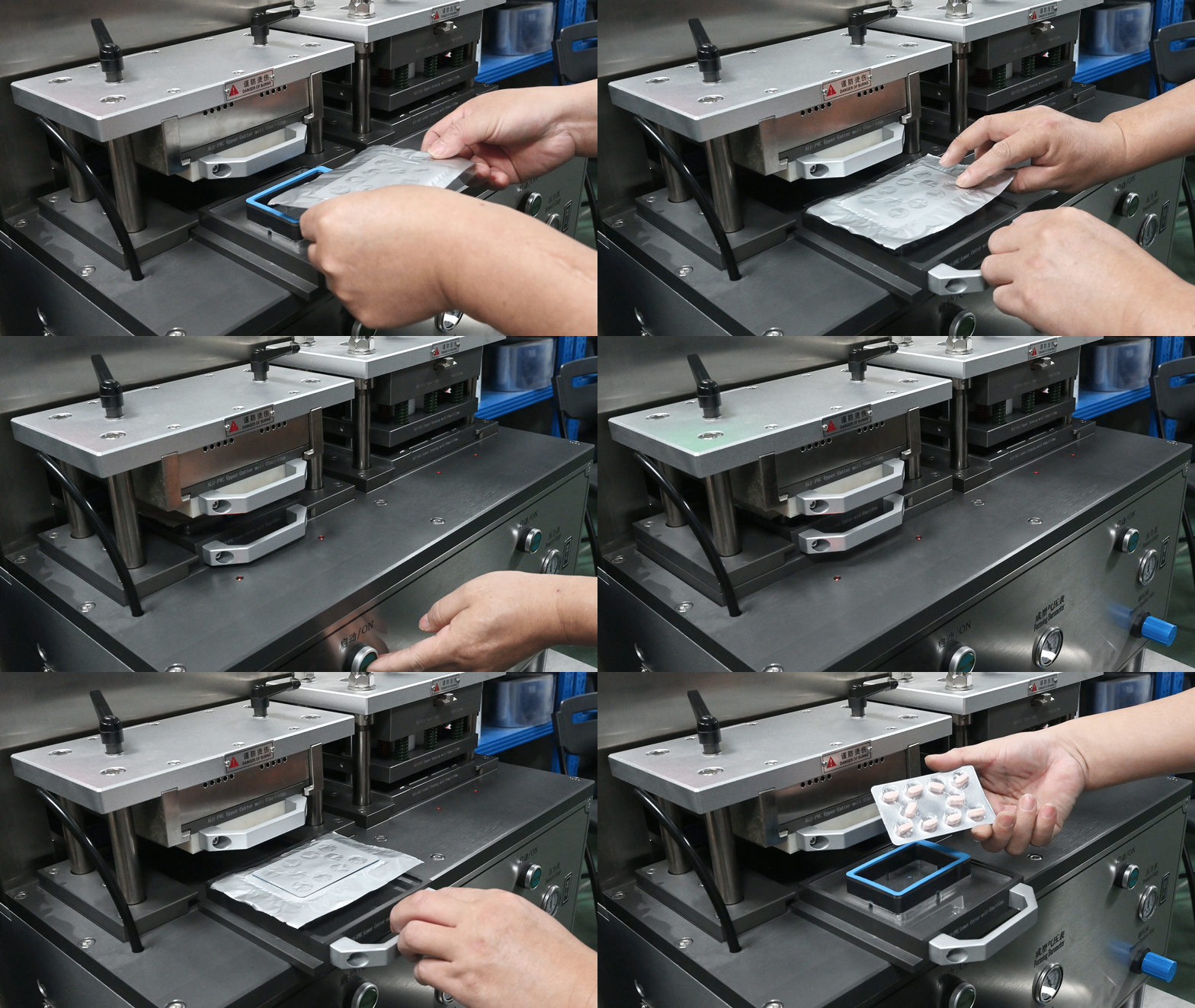
After sealing, the packed sheet is removed and trimmed using a built-in cutter or manually with scissors. This gives the final blister pack its shape and size, ready for use or sale.
Applications of Manual Blister Packing Machines
Manual blister packing machines are incredibly versatile and are used across various industries. It’s also due to its design and ease of operation that makes it ideal for small-scale production, customized packaging, and R&D (Research and Development) purposes.
The most common applications include:
1. Pharmaceutical Tablets and Capsules
One of the most common uses is in the pharmaceutical sector. Manual blister packing machines are perfect for packing tablets, capsules, or soft gels. That’s why you’d see these machines in hospitals, small clinics, and trial labs. For hygienic and tamper-proof packaging, this machine is the perfect solution.
2. Nutritional Supplements
With the growing demand for vitamins and dietary supplements, small and medium-sized supplement brands often rely on manual blister packing machines. It makes them capable of keeping production flexible and cost-effective.
3. Electronics
Small electronic components, such as batteries, memory cards, fuses, or USB drives, are often packed in blister packs for better protection and visibility. Manual machines provide a low-cost way to package these items neatly for retail.
4. Hardware and Tools
Screws, bolts, nails, and small tools are frequently packaged in blister packs. Manual blister machines make it easy to prepare professional-looking packages, especially for hardware stores or toolkits.
5. Cosmetics
Sample-sized cosmetic products, such as eyeshadow pans, single-use creams, or testers, can be easily packed using blister packs. Small cosmetic businesses often use these machines to maintain quality while packaging products in smaller batches.
6. Stationery and Toys
Pens, erasers, stickers, and even small toys are commonly sold in blister packaging. Manual machines are ideal for this sector, as they enable creative, low-volume runs with custom designs.
Advantages of Manual Blister Packing Machines
Here are the key advantages of a manually-operated blister packing machine:
- Low Cost: Much more affordable compared to automatic systems. This makes them ideal for startups, small labs, or businesses with limited packaging budgets.
- Simple to Operate: Manual blister machines require no complex training. With basic instruction, almost anyone can use them, making the operation smooth and hassle-free.
- Compact Size: Their small footprint means they don’t require a lot of space. They can easily fit in a lab, workshop, or a small-scale production facility.
- Quick Changeover: Switching between different products or packaging styles is easy and fast. This flexibility is useful for businesses that handle multiple items or frequently adjust their packaging.
- Ideal for Trial Batches: For R&D, clinical trials, or new product launches, manual blister machines are perfect. Moreover, they enable short-run packaging without requiring large-scale automation.
- Energy Efficient: These machines consume minimal electricity and don’t rely on high-powered motors. The outcome is reduced energy costs over time.
Manual vs Automatic Blister Packing Machines

Let’s discuss the difference between manual and automatic blister packing machines in a simple table below.
| Feature | Manual Blister Packing Machine | Automatic Blister Packing Machine |
| Operation | Operated by hand with basic controls and manual steps | Fully automated with programmed settings and continuous operation |
| Speed | Slower | High-speed output |
| Cost | Low upfront and maintenance cost | High initial investment and maintenance expenses |
| Best For | Small businesses, R&D labs, startups, and trial batches | Large-scale manufacturers with high-volume packaging needs |
| Flexibility | Easy to switch between products and packaging types | Less flexible; better suited for standardized, consistent production |
Summing Up
Manual blister packing machines may be simple in design, but they offer incredible value for small businesses. If you’re a startup or someone testing new products, this machine can be the perfect place to start.
As demand for safe, compact, and attractive packaging continues to grow, having the right packaging tool can give your product a real edge.
Explore your options, start small, and scale up as you grow.
FAQs
1. What is the production capacity of a manual blister packing machine?
A manual blister packing machine typically packs between 200 and 600 blisters per hour. However, it also depends on the operator’s speed and the type of product being packed. Unlike automatic machines, the speed is largely manual.
2. What materials can I use with a manual blister packing machine?
Manual blister packing machines are compatible with PVC, PVDC, and aluminum foil for forming and sealing. These materials are commonly used in pharmaceuticals, supplements, and small hardware packaging.
3. How do I adjust the sealing temperature of a manual blister packing machine?
Most manual blister machines have a basic temperature control dial or panel. You can adjust the sealing temperature by turning the knob to the required setting, usually between 120°C and 180°C. Always test with a few packs first to ensure proper bonding without overheating.