Skip to content
  English
  Russian
  Turkish
  Spanish
  French
  German
  Japanese
If you manage a pharmaceutical facility, you know that efficiency, consistency, and compliance can make or break your production line. One machine that plays a crucial role in all of this is the pharmaceutical milling machine.
It’s designed to break down raw materials into fine, uniform particles, which ensures better blending, higher tablet quality, and smoother downstream processing.
Here’s what a pharmaceutical milling machine is and what you should know about it.
What Is a Pharmaceutical Milling Machine?
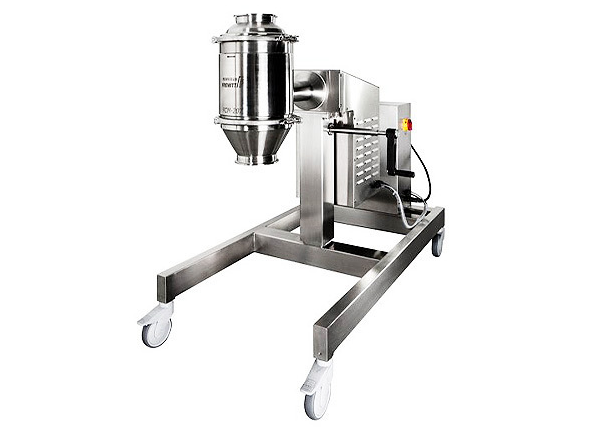
A pharmaceutical milling machine is specialized equipment used to reduce the size of drug ingredients into fine, uniform particles. In simple terms, it takes raw materials and combines them so that they can be mixed, processed, and transformed into consistent medicines, such as tablets or capsules.
But why does this machine matter? In pharmaceutical production, particle size is directly related to quality. If ingredients are too large or uneven, medicines may not dissolve properly, which leads to inconsistent results for patients.
According to research, approximately 70% of new drug formulations face solubility issues, which makes milling essential. Including this, here are the key features and benefits of using a pharmaceutical milling machine.
Key Features Of Pharmaceutical Milling Machine
1. Precise Particle Size Control
The machine breaks down materials into fine and uniform particles. This helps medicines dissolve better and work faster in the body. Consistent particle size also makes the manufacturing process smoother.
2. Versatile Milling Options
It supports different milling methods like grinding, crushing, or cutting. This allows the machine to handle a wide range of pharmaceutical materials. Whether soft or hard, the machine adapts to the need.
3. Improved Drug Absorption
Smaller particle size means every dose has the same quality. This avoids problems like uneven mixing or unstable formulas. It ensures patients always receive safe and reliable medicines.
4. Safety Features
The machine has alarms and overload protection to keep operators safe. It also uses enclosed systems to avoid exposure during operation. These features reduce risks and improve workplace safety.
How Does a Pharmaceutical Milling Machine Work?
As you already know, milling turns raw ingredients into uniform powder. Here’s how the machine works:
Step 1: Inspecting Raw Material
First, workers inspect the raw materials to verify their quality. They look at identity, moisture levels, and particle clumps. If the material fails these checks, it’s either sent back or quarantined. This step is crucial because poor-quality input can waste an entire milling batch.
Step 2: Pre-Screening and Breaking Lumps
Large clumps or foreign particles are removed using a coarse screen or pre-breaker. This helps protect the milling machine from overload or damage. It also ensures the powder is processed smoothly without unnecessary downtime or contamination risks.
Step 3: Feeding Material into the Mill
The material is transferred into a hopper and then fed into the mill. Feeding is controlled through screw or vibratory feeders. A steady feed rate keeps the mill efficient. Too much feed can overload the system, while too little reduces throughput.
Step 4: Particle Size Reduction
This is the heart of milling. Different milling machines use different methods, such as:
- Hammer, pin, or conical mills break particles with force.
- Ball mills grind material using rotating media.
- Jet mills use high-speed air or gas to collide particles.
The choice depends on the product’s sensitivity, hardness, and desired particle size.
Step 5: Classification and Separation
Once reduced, the material passes through classifiers or sieves. Fine particles move forward, while larger ones are re-milled. This ensures a uniform particle size, which is essential for consistent blending and tablet strength.
Step 6: Collecting the Powder
The fine powder is collected using cyclones, filters, or closed vacuum systems. For wet milling, the output may go directly to drying. For dry milling, powder is often sent straight to mixers or presses. A closed system keeps dust controlled and protects workers.
Different Types of Pharmaceutical Milling Machines
Not all pharmaceutical products are the same. Some are heat-sensitive, some are tough to break down, and others need an ultra-fine powder. That’s why manufacturers use different milling machines, each designed for specific needs.
Let’s look at the most common types.
1. Hammer Mill
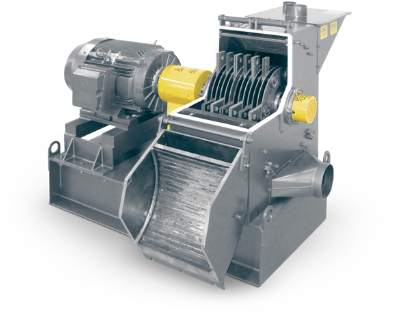
A hammer mill uses rapidly swinging hammers to crush materials against a screen. It’s fast, effective, and ideal for medium to fine grinding. Hammer mills are commonly used for dry powders and bulk materials.
However, they generate heat and dust, which makes them less suitable for heat-sensitive drugs unless cooling systems are added.
2. Ball Mill
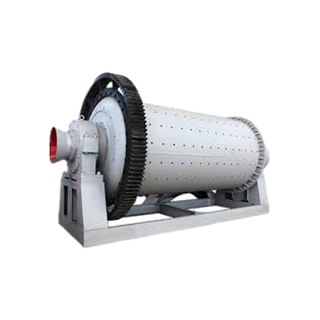
Ball mills use rotating cylinders filled with heavy balls that tumble and crush the materials into fine particles.
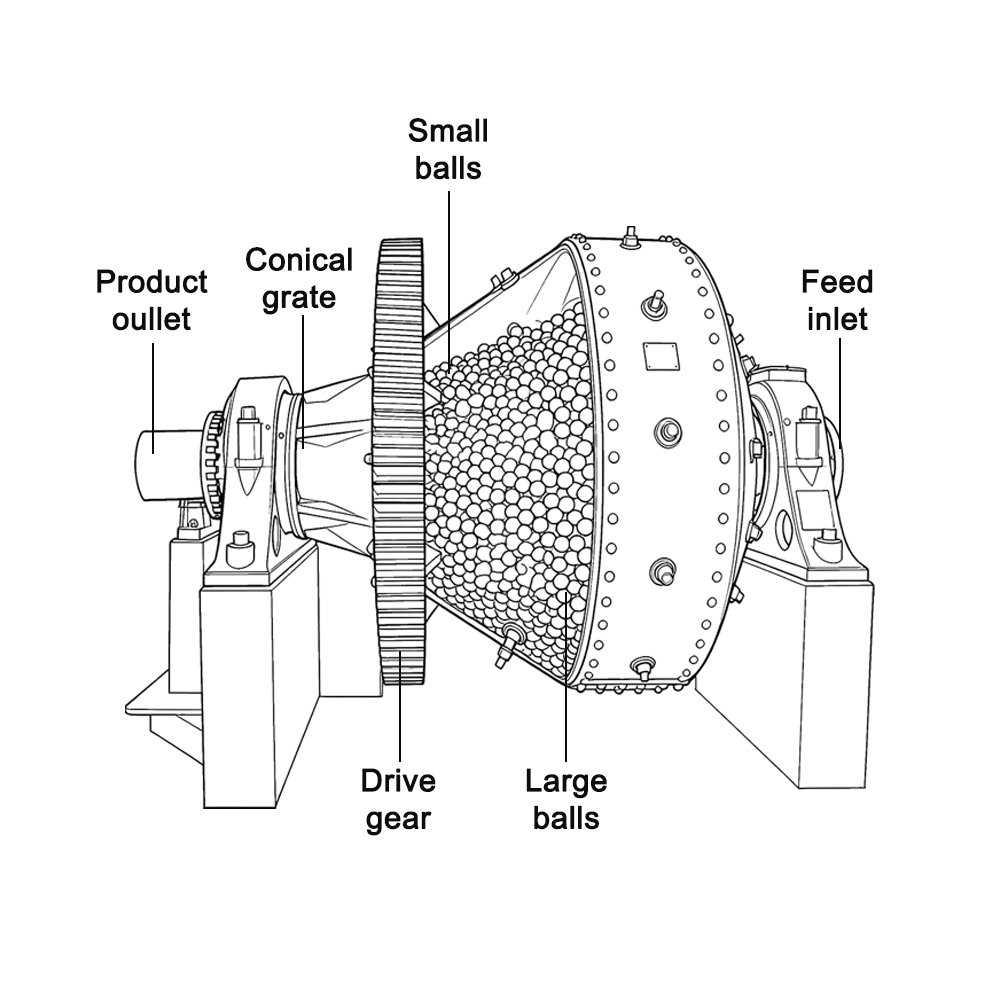
They are excellent for achieving a uniform size distribution. Because of their gentle grinding action, they are often used for fragile or crystalline drugs. But they tend to be slower and require more space than other mills.
3. Jet Mill
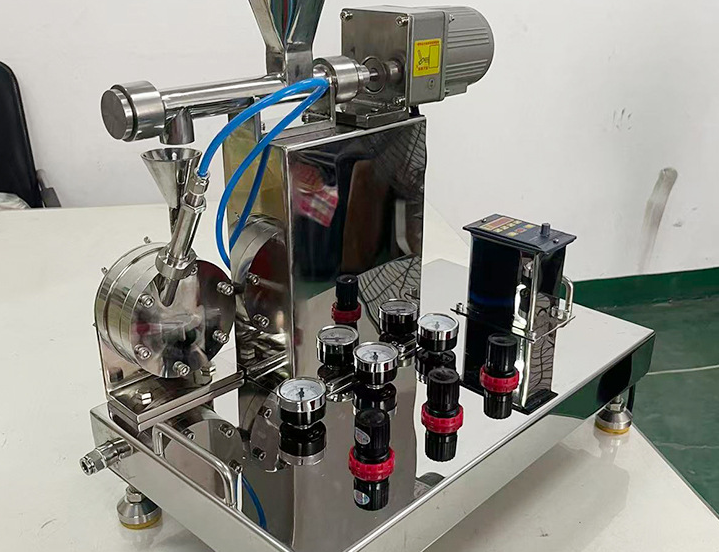
Jet mills utilize compressed air or gas to generate high-speed particle collisions, resulting in the production of ultra-fine powders. This method is ideal for heat-sensitive drugs, as it involves no friction or mechanical force.
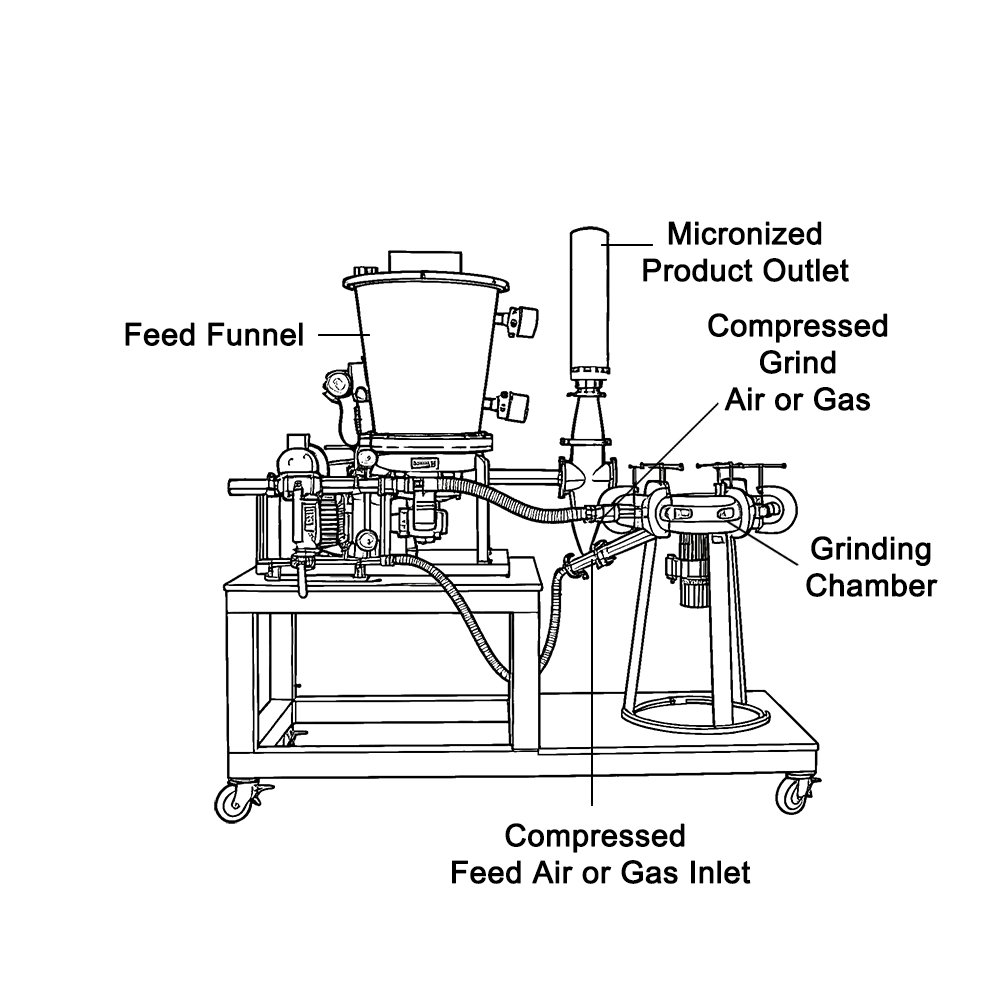
In fact, jet milling can achieve particle sizes as small as a few microns. This makes it vital for inhalable medicines or drugs that need high solubility.
4. Pin Mill
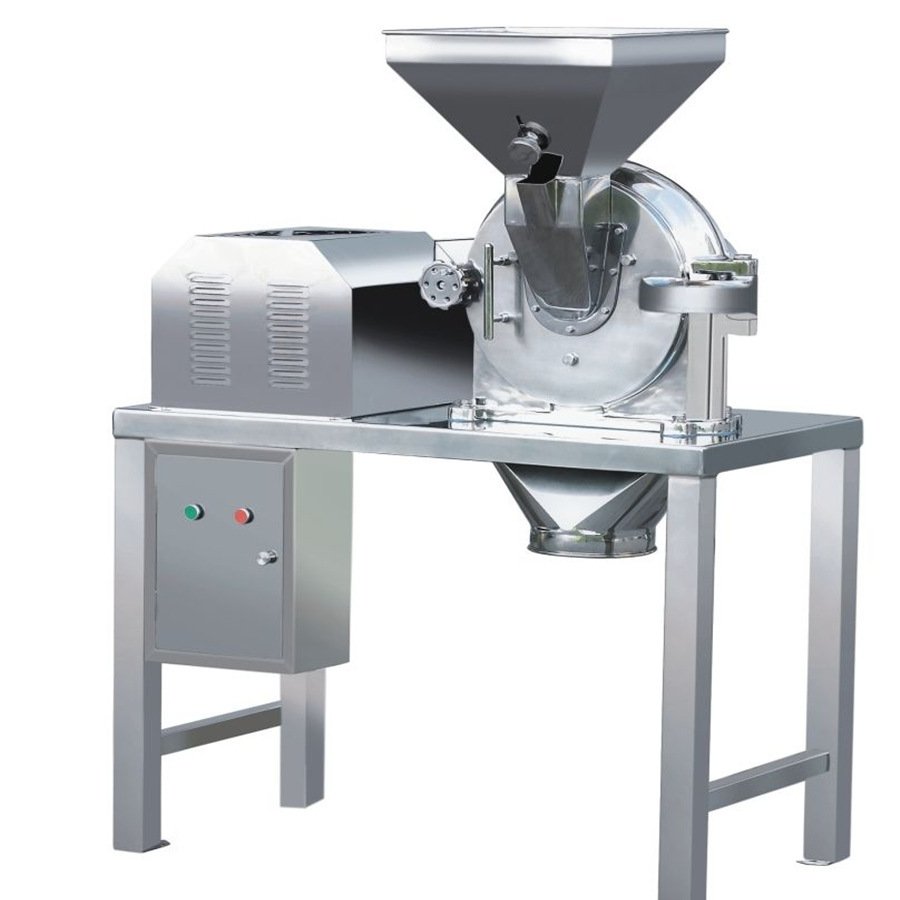
Pin mills use two discs fitted with sharp pins that rotate against each other. The material passes through the pins and gets shattered into fine particles. Pin mills are versatile, suitable for dry or semi-wet materials.
These machines are well-suited for medium to fine grinding. They are more energy-efficient than hammer mills, but not as fine as jet mills.
How to Choose the Right Milling Machine for Your Facility
Selecting the right pharmaceutical milling machine isn’t just about buying pharmaceutical equipment; it’s about making sure your production runs smoothly. Here are the key factors every manager should weigh before making a decision:
1. Capacity and Throughput
Think about how much material your pharmaceutical facility processes daily. If you’re handling bulk production, a hammer mill or pin mill with higher throughput might be ideal. For smaller batches or specialty drugs, a ball mill or jet mill is more suitable. Matching machine size with output needs prevents bottlenecks and wasted energy.
2. Type of Material
Not all ingredients behave the same. Heat-sensitive drugs often require a jet mill, as it avoids friction. Crystalline or fragile compounds may suit ball mills. For general dry powders, hammer and pin mills are reliable options. Always match the machine to the material’s properties to avoid quality issues.
3. Compliance and Safety
Pharmaceuticals demand strict GMP (Good Manufacturing Practice) compliance. The machine you choose should meet FDA or EMA standards, have smooth surfaces for easy cleaning, and support dust control. Poor compliance can delay approvals or even risk recalls, a costly mistake no facility wants.
4. Budget and Maintenance
Price isn’t just about upfront cost. Some machines (like jet mills) are more expensive but reduce long-term waste and reprocessing. Others (like hammer mills) are cheaper initially, but may need frequent filter or part replacement. Consider both initial investment and lifetime operating costs before finalizing.
Ready to Mill Smarter, Safer, Faster?
Understanding what a pharmaceutical milling machine is involves more than just knowing its definition. For managers, it’s about seeing how the right machine can improve production, ensure compliance, and boost drug quality.
If you’re wondering where you can get a milling machine, Finetech is the place to go.
We supply pharma-grade milling and companion equipment that fits your process, not the other way around. You get right-sized capacity, clean-in-mind designs, dust control, and documentation that supports GMP audits.
Talk to a Finetech specialist today!
FAQs
1. Are milling machines difficult to clean and maintain?
Not necessarily. Modern machines are designed for easy disassembly and sanitization, but some types (like pin mills) can be more complex due to their parts. Managers should prioritize equipment with smooth and tool-free access to reduce downtime during cleaning and validation.
2. Can one milling machine handle multiple types of materials?
Yes, but with limits. While many machines can process different powders, switching materials may require extensive cleaning and validation to prevent cross-contamination. Facilities often check how flexible the equipment is before expecting one unit to do everything.
3. Is automation worth it in pharmaceutical milling machines?
Absolutely, if your facility produces at scale. Automation ensures consistent particle size, reduced human error, and faster production cycles. While upfront costs are higher, automation can cut labor expenses and improve compliance. For growing facilities, automated mills often pay for themselves in efficiency gains.