Professional supplier of overall solutions for pharmaceutical manufacturing and packaging

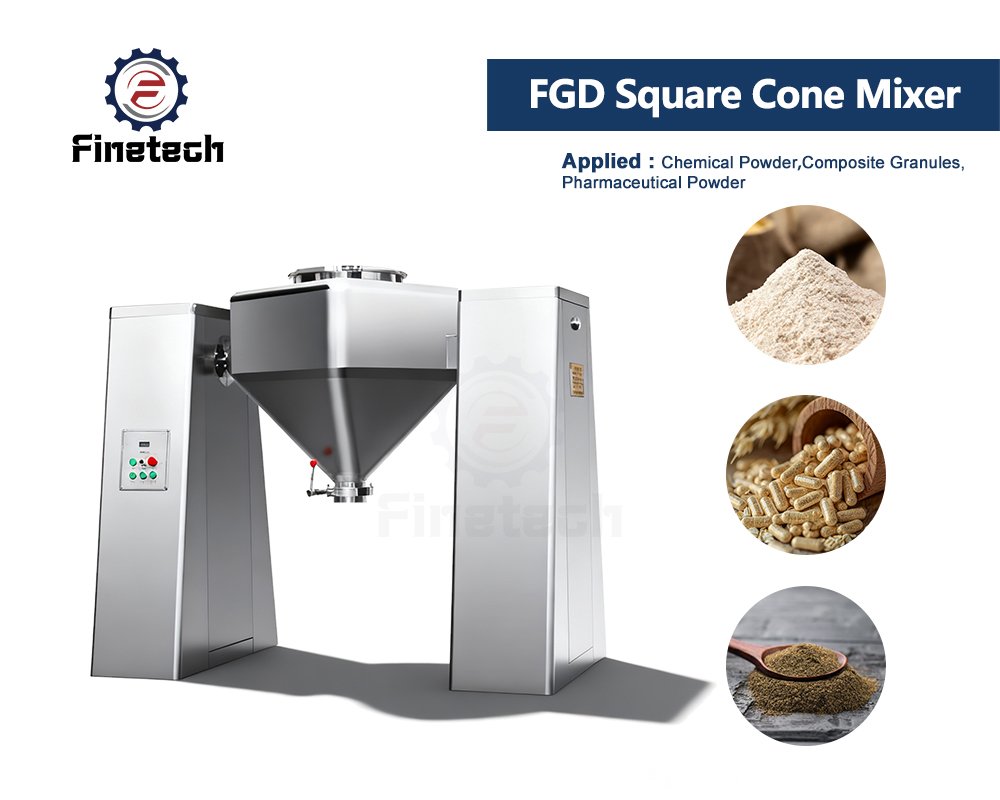
FGD Square Cone Mixer

A Square Cone Mixer is a highly efficient industrial blending machine featuring a unique vessel design that combines a square/rectangular central section with conical ends. This hybrid geometry creates complex three-dimensional material movement for thorough, homogeneous mixing of dry powders and granules.

Feeds
Feeds

Need a Custom Quote?

Or More information About this product? Contact our sales stuff today!

Key Features

Technical Data

Machine Details

FAQ

Application Powder Types

  • Superior Mixing Efficiency: The innovative square cone design promotes rigorous three-dimensional mixing, eliminating dead corners and achieving rapid, high-efficiency mixing.
    Square Cone Mixer Diagram
    Square Cone Mixer Diagram.
  • Optimized Mixing Action: Combines rotation and tumbling to produce a uniform, shear-sensitive blend, maximizing evenness of powder mixing without granulation or heat generation.
  • Containment & Safety: Engineered with a robust multi-stage mechanical seal at the rotation axis, ensuring a fully contained process with no risk of leakage or external contamination.
  • Advanced Automation: Features a fully integrated PLC control system with a tactile touch screen. Capabilities include automatic operation, manual jog mode, process parameter adjustment (speed/time), and report generation/printing.
Model Dimensions Net load Mixing speed Total power Equipment weight
W1 W2 H1 H2 H3 D1 D2 Kg rpm Kw Kg
FGD-200 1720 1240 1920 1683 700 400 150 100 3-15 1.1 450
FGD-400 2060 1500 2300 2032 850 500 200 200 3-15 2.2 600
FGD-600 2500 1690 2500 2140 850 500 200 300 3-15 2.2 700
FGD-800 2790 1900 2700 2262 850 500 200 400 3-15 3 800
FGD-1000 2860 2000 2800 2410 850 500 200 500 3-15 3 1000
FGD-1500 3260 2180 3000 2512 850 500 250 750 3-15 5.5 1200
FGD2000 3500 2330 3080 2583 850 500 250 1000 3-15 5.5 1500
FGD2500 3530 2620 3370 2841 850 500 250 1250 3-15 7.5 2000
FGD3000 3670 2700 3500 2953 850 500 250 1500 3-10 7.5 2900
FGD4000 4200 2920 3700 3110 850 500 250 2000 3-10 11 3500
FGD5000 4400 3180 3950 3318 850 500 250 2500 3-8 11 4000
FGD6000 4580 3570 4350 3494 850 500 250 3000 3-8 11 5200
FGD8000 5110 3700 4450 3637 850 500 250 4000 3-8 15 6300
FGD10000 5350 3980 4750 3925 850 500 250 5000 3-8 18.5 7500
FGD12000 5470 4250 5050 4233 850 500 250 6000 3-8 22 8000
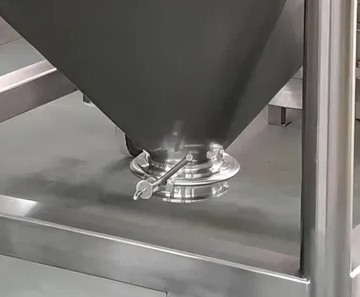
Discharge Valve
Discharge Valve
Movable Hopper
Movable Hopper
Touch Screen
Touch Screen
What is a Square Cone Mixer, and how does it work?

A Square Cone Mixer is a type of industrial blender used for dry solids and powder mixing. It consists of a conical vessel (the "cone") mounted inside a rotating square frame (the "square"). As the frame rotates, the cone tumbles in a complex 3D motion, creating gentle yet thorough folding and diffusive mixing without mechanical agitation.

What are the primary advantages of a Square Cone Mixer?
  • Gentle Mixing: Ideal for fragile, abrasive, or coated particles that must not be damaged.

  • Excellent Homogeneity: Achieves uniform blends of powders with different densities and particle sizes.

  • Easy Cleaning & Discharge: The smooth, uniflow conical shape ensures complete, residue-free discharge and allows for fast cleaning (often "CIP capable").

  • Dust-Free Operation: Can be sealed and operated under vacuum or inert atmosphere.

  • Versatility: Often available with options like heating/cooling jackets, spray nozzles for liquid addition, and explosion-proof designs.

In which industries are Square Cone Mixers commonly used?

They are critical in industries requiring high-precision, contamination-free mixing:

  • Pharmaceuticals: APIs, excipients, tablets, and capsule formulations.

  • Food & Nutraceuticals: Spices, drink mixes, protein powders, vitamins.

  • Chemicals: Pigments, dyes, catalysts, and specialty chemicals.

  • Cosmetics: Powders, talc, and makeup formulations.

How does it differ from a Ribbon Blender or a Double Cone Blender?
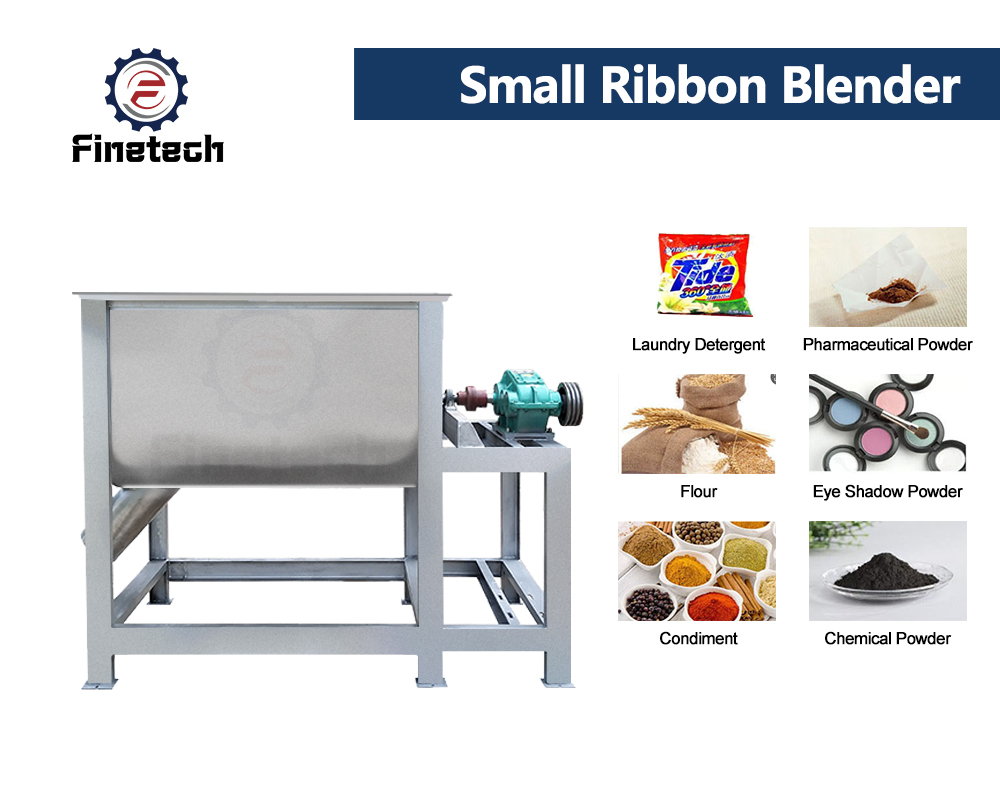
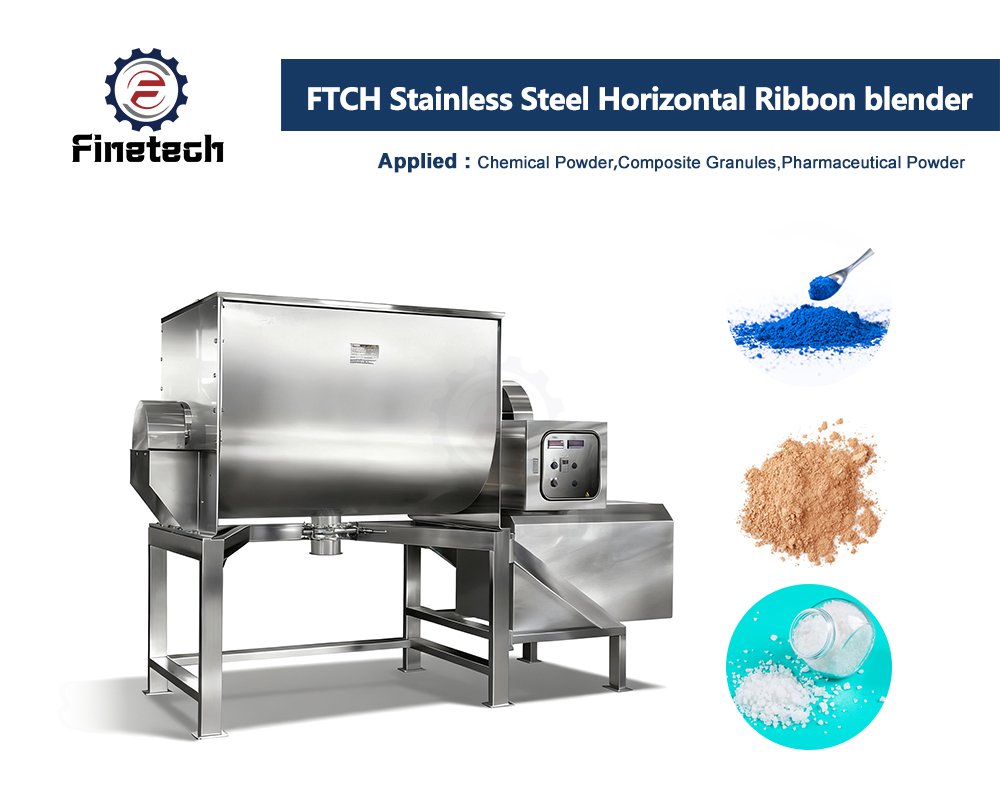
  • vs. Ribbon Blender: Ribbon blenders use an internal agitator (ribbon screw) for convective shear mixing. Square Cone Mixers have no internal moving parts, offering gentler action and easier cleaning, making them better for fragile or high-purity products.

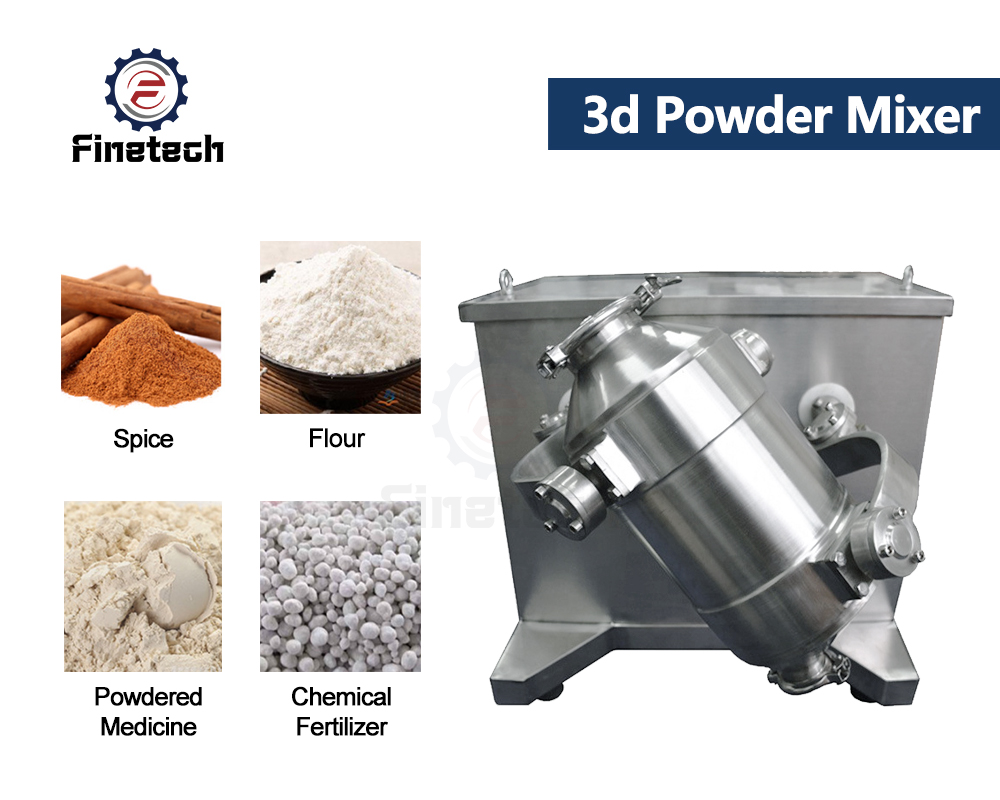
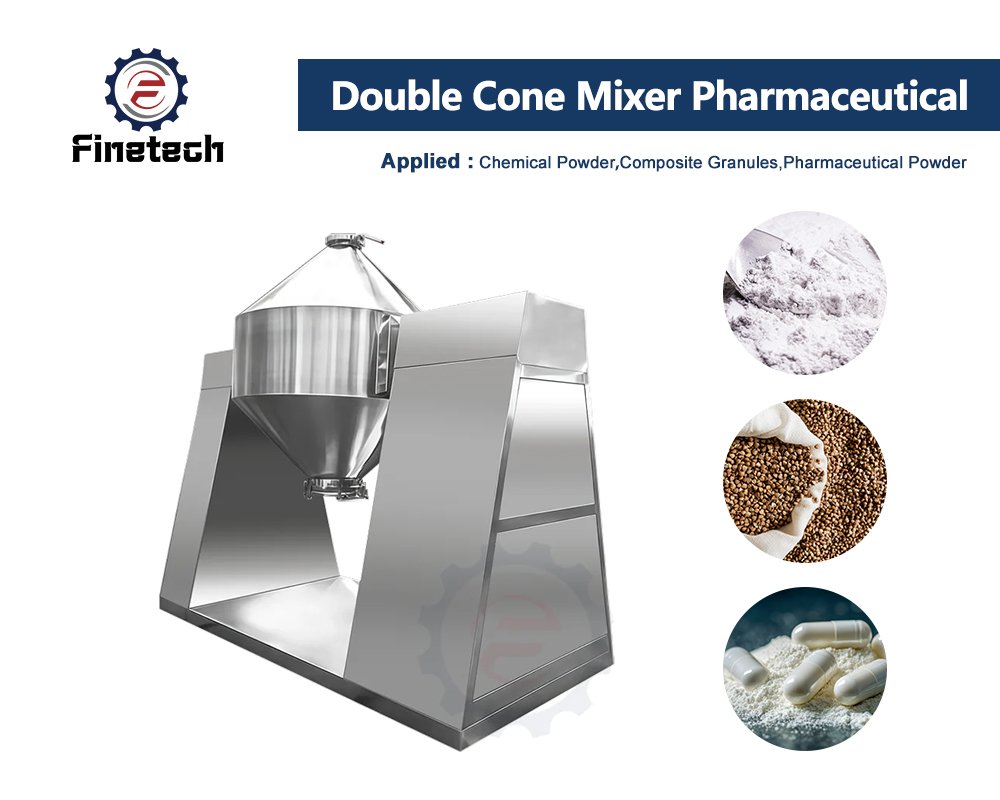
  • vs. Double Cone Blender: Both are tumbling blenders, but the Square Cone's 3D motion is more complex than the Double Cone's simple rotation, often leading to faster mixing times and better homogeneity for challenging mixes.

What is the typical capacity range?

They range from small laboratory models (1-10 liters) to large-scale production units (10,000+ liters). The "working capacity" is usually 50-70% of the total vessel volume for optimal tumbling action.

What are the key considerations when selecting a Square Cone Mixer?
  • Material of Construction: 304 or 316L Stainless Steel (SS) is standard for hygiene-critical applications.

  • Surface Finish: Electropolished or mirror-finished for easy cleaning and compliance with cGMP (pharmaceuticals).

  • Optional Features: Jacket for temperature control, spray system, load cells, vacuum/inert gas ports, CIP/SIP systems, and containment options.

  • Safety & Compliance: Ensure the design meets ATEX (explosive atmospheres), USDA, or FDA guidelines as required.

How do you clean a Square Cone Mixer?

Cleaning is straightforward. The vessel can be emptied completely, and due to its smooth, uncluttered interior, it can be cleaned manually or via automated Clean-in-Place (CIP) systems using spray balls. The lack of internal shafts or blades prevents material buildup.

Can it handle liquid addition?

Yes, many models are equipped with a spray nozzle (often a tangential spray) mounted on the lid to introduce small amounts of liquid binders or flavors uniformly into the dry powder bed during the tumbling process.

What maintenance is required?

Maintenance is minimal. Primary tasks involve regular inspection and lubrication of the drive mechanism (gearbox/motor), checking seals for integrity, and verifying the smooth operation of discharge valves.

Pharmaceutical Industry
Pharmaceutical & Healthcare Industries
Food Products
Food Products
Feeds
Feeds
Chemical Industry
Chemical Industry
Metallurgy
Metallurgy
Building Materials
Building Materials

Related Products

Scroll to Top