English
  Russian
  Turkish
  Spanish
  French
  German
  Japanese
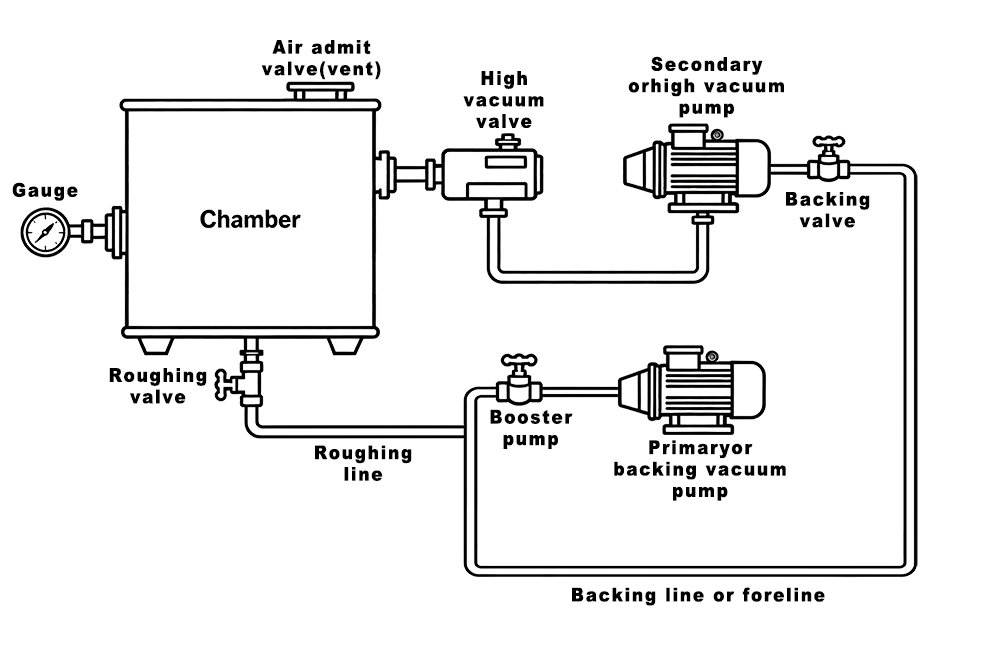
A vacuum pump in the pharmaceutical industry is quite important since it can handle everything from crystallization to degassing and even sterilization. It ensures quality, precision, and safety throughout all production stages, ensuring your products meet the highest quality standards. If you wonder which vacuum pump options to explore and what benefits they offer, keep reading!
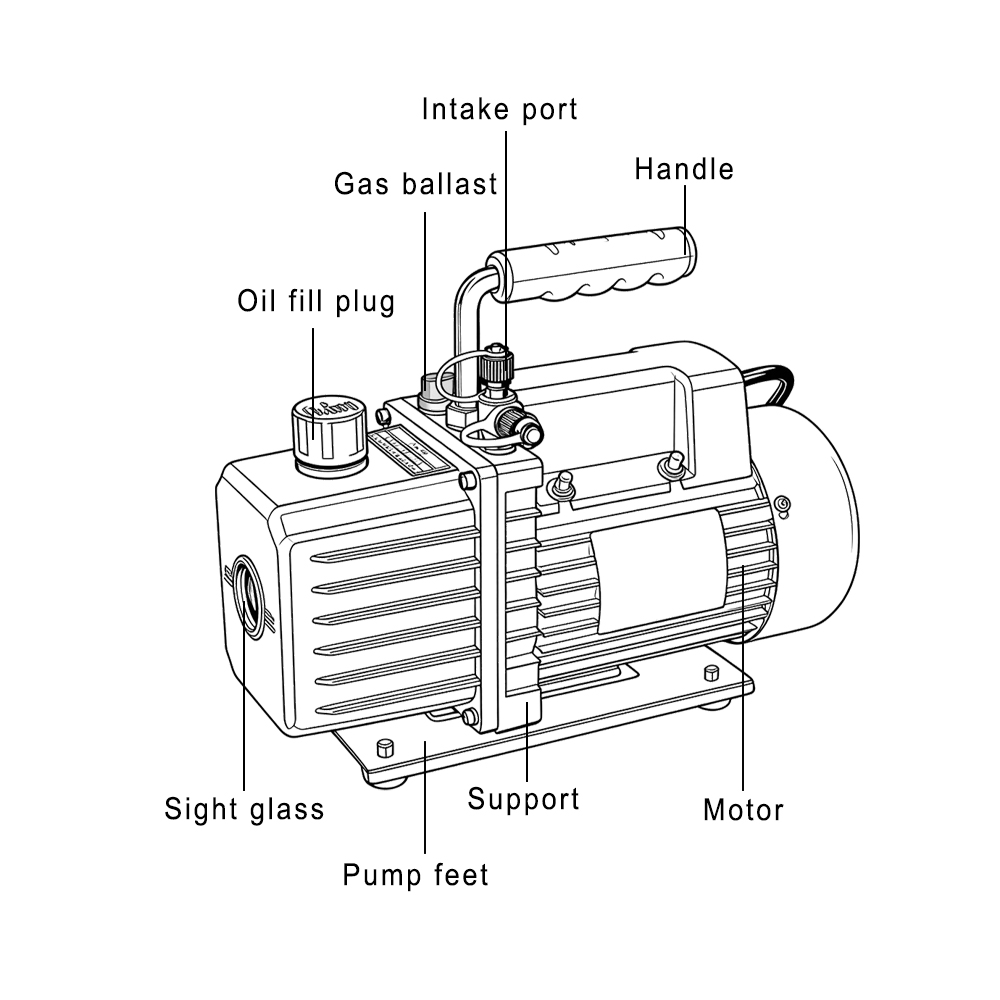
Types of Vacuum Pump in the Pharmaceutical Industry
Vacuum pumps for the pharmaceutical industry come in various designs and perform different functions depending on the task. Here’s an overview of some common options that you can explore:
Rotary Vane Vacuum Pumps
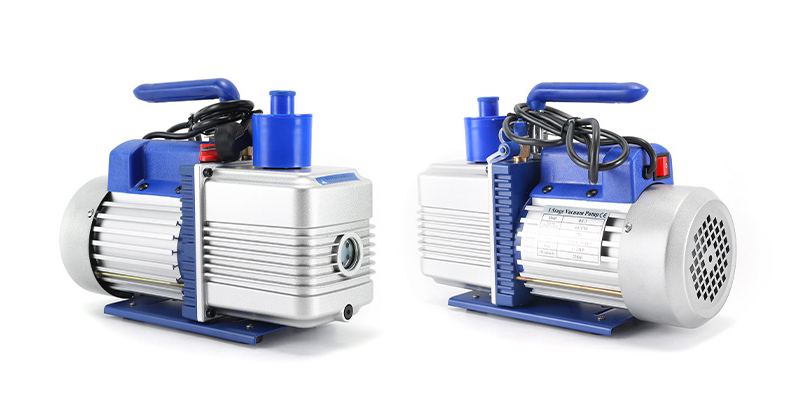
Rotary vane vacuum pumps spin their internal components against their casing to generate low-pressure zones. They are important for degassing in drug production, and to maintain them, you can simply use lubricating materials like graphite or PTFE. Here’s an overview of their work:
- There’s a rotor present off-center, covered by a cylindrical housing, and it has vanes that radially slide in and out using centrifugal force.
- The vanes, rotor, and housing, all combined, divide the working chamber into different sections.
- As the rotor spins, the chambers expand on the inlet side and carefully draw gas into the pump.
- The chamber volume then decreases at the outlet, trapping or compressing the gas inside. After some time, this gas is expelled from the outlet side, creating the desired vacuum.
The applications of the rotary vacuum pump in the pharmaceutical industry include process drying, vacuum distillation, and packaging.
Liquid Ring Vacuum Pumps
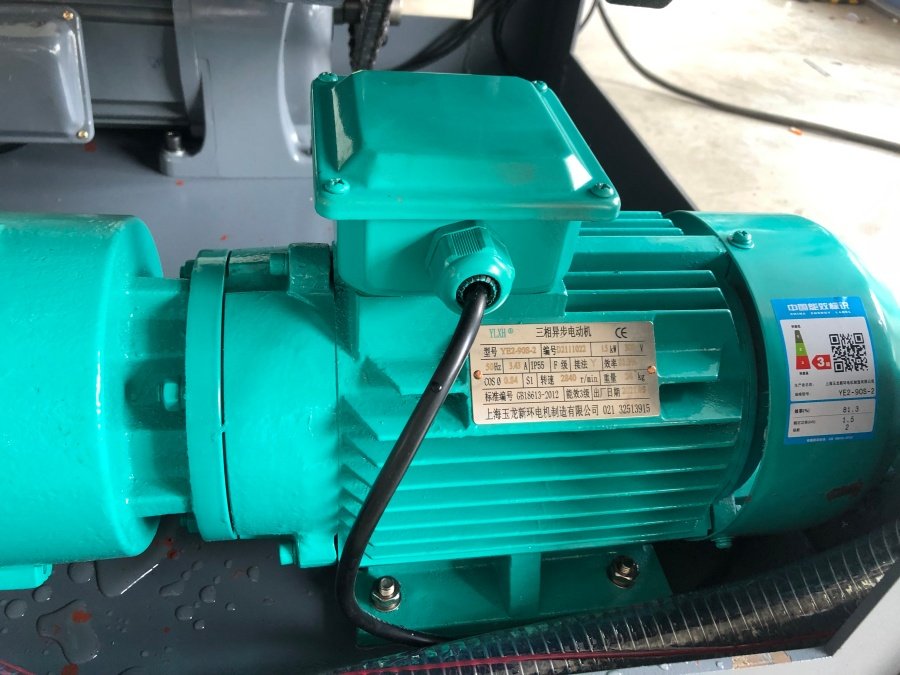
Liquid ring vacuum pumps, as the name implies, use a liquid ring, typically water, to create a vacuum and compress gases. They are also known as displacement pumps and can easily handle wet, dirty, and even potentially hazardous gases. So let’s see how they work:
- An impeller and blade move quickly within a housing that contains the liquid. The centrifugal force pushes the liquid towards the outer end of the casing, creating a ring-like shape.
- The eccentric position of the impeller creates a void in the center, which is exactly where the gas is drawn in through the suction port.
- Soon, the space between the blades and the liquid ring decreases, compressing the gas, which is then discharged through the external discharge port.
What truly makes the liquid ring vacuum pump stand out is its simple design and the absence of metal-to-metal contact. You can use it for drying, filtration, distillation, and sterilization.
Dry Vacuum Pump
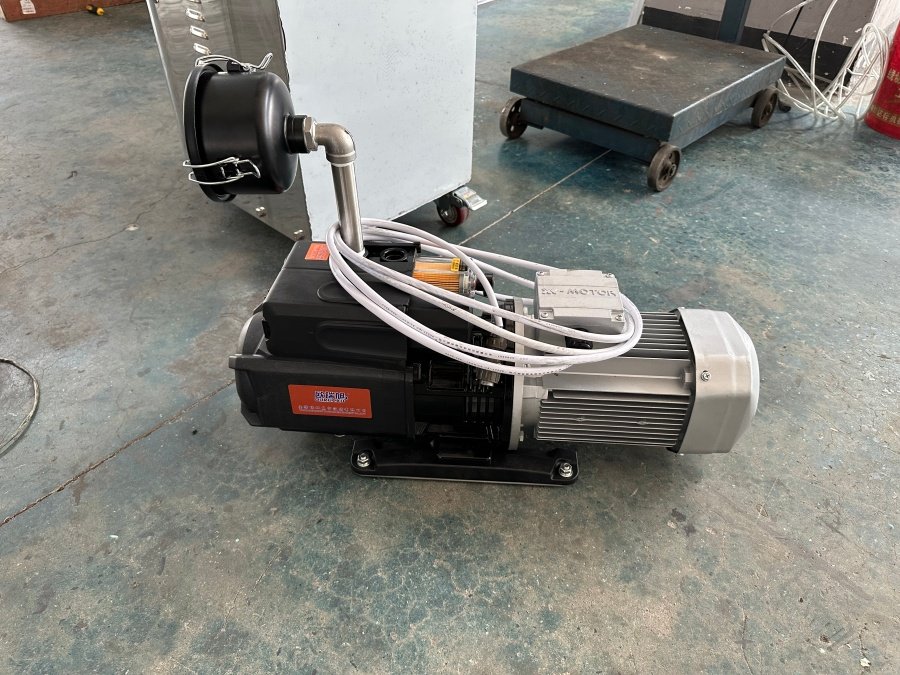
A dry vacuum pump is a critical asset in pharmaceutical manufacturing, providing oil-free vacuum to eliminate the risk of hydrocarbon contamination. It ensures the highest product purity in sensitive applications like freeze-drying (lyophilization), reactor drying, and sterile filtration, while reducing maintenance costs and environmental impact from fluid disposal.
Oil-Lubricated Vacuum Pump
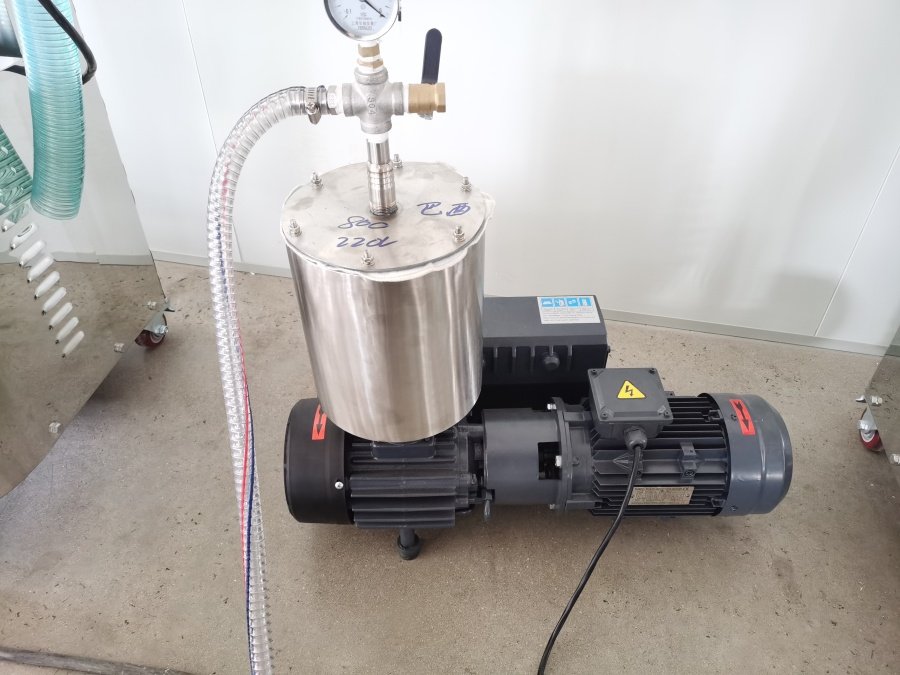
In the pharmaceutical industry, oil-lubricated vacuum pumps (e.g., rotary vane) are primarily deployed in robust, non-sterile bulk chemical and intermediate manufacturing stages. They provide reliable, deep vacuum for large-scale solvent recovery, distillation, and evaporation. Their use requires strict adherence to maintenance protocols—including high-efficiency filtration and oil management—to prevent hydrocarbon contamination and ensure process integrity in controlled applications.
What a Vacuum Pump in the Pharmaceutical Industry Can Do?
In addition to the above-mentioned options, vacuum pumps in the pharmaceutical industry are classified by their specific applications. Let’s discuss more about them:
Reactor Drying
Reactors are an important part of pharmaceutical processes as they help carry out various chemical reactions. From hydrocarbon stripping to synthesis and cracking, this equipment can do it all. T
hey feature dry vacuum pumps that can control or reduce the reaction’s temperature, recapture products, remove reacting products, and dry the end formulations. That’s the reason the dry vacuum pumps market is growing and is predicted to reach USD 5.9 billion by 2035.
Distillation
Distillation is the process of separating two or more layers or zones that have different compositions, pressure, and temperature.
Vacuum pumps have a distillation part that enables the separation of these components by changing their temperature and other parameters. In addition, it can be really helpful for improving separation efficiency, protecting product integrity, and preventing drug degradation.
Crystallization
Vacuum pumps also help in pharmaceutical crystallization by creating a low-pressure environment that lowers the boiling point of the solvent. They remove solvent vapor to achieve a supersaturated solution, which leads to the formation of crystals. This is vital for producing active pharmaceutical ingredients (APIs) and other heat-sensitive compounds that might otherwise degrade.
Benefits of Vacuum Pumps in Pharmaceutical
Using a vacuum pump in the pharmaceutical industry ensures your products are of high quality and maintain workplace safety. Let’s discuss these in detail:
Enhanced Product Purity
Controlled vacuum environments significantly reduce the risk of contamination from airborne particles, moisture, and unwanted gases. This ensures you deliver top-quality, safe, and pure drugs to end patients. There are no product recalls or health issues, which enhances your business reputation.
Increase Workplace Safety
Do you know that 1 in 10 workers report feeling unsafe at their workplace—an important indicator of safety culture gaps? However, one of the benefits of vacuum pumps in the pharmaceutical industry is that it increases workplace safety. They remove harmful gases and vapors carefully so employees stay safe from toxic effects as well as fire hazards.
Preservation of APIs
Since vacuum pumps lower pressure and temperature, they enable the safe drying of active pharmaceutical ingredients (APIs) and other biological products. You don’t have to worry about thermal degradation or oxidation that can ruin the key ingredients and maintain the highest quality standards.
FAQs
How often should a vacuum pump in the pharmaceutical industry be maintained?
The vacuum pump in the pharmaceutical industry should be maintained every 3 to 6 months. However, this can vary depending on the workload and their operating conditions.
Can vacuum pumps handle corrosive vapors?
Yes, vacuum pumps can handle corrosive vapors if they are made of stainless steel or other durable materials, such as PTFE.
What happens if a vacuum pump stops working during operation?
If a vacuum pump stops working during operation, you can face batch delays and incomplete drying.
Conclusion
Using a vacuum pump in the pharmaceutical industry is crucial to ensure that your end products meet stringent regulatory and safety standards. Wondering where to find top-notch pharmaceutical equipment? Get in touch with Finetech’s Pharmaceutical Equipment today!
References:
What is a Vacuum Pump? What Does It Do? Where to use?
Types of Industrial Vacuum Pumps | Knowledge Hub.
Types and Operating Principles of Vacuum Pumps.
Copyright Notice:
You may not reproduce, modify, publish, display, transmit, or in any way exploit any content on this website, or use such content to construct any kind of database without prior express written approval by Finetech Group. For permission to use the content, please contact: info@pharmamachinecn.com
Disclaimer:
The information contained in this article is for general information purposes only. The Company does not guarantee the accuracy, relevance timeliness or completeness of any information, and the Company assumes no responsibility for errors or omission in the content of this article.