 English
  Russian
  Turkish
  Spanish
  French
  German
  Japanese
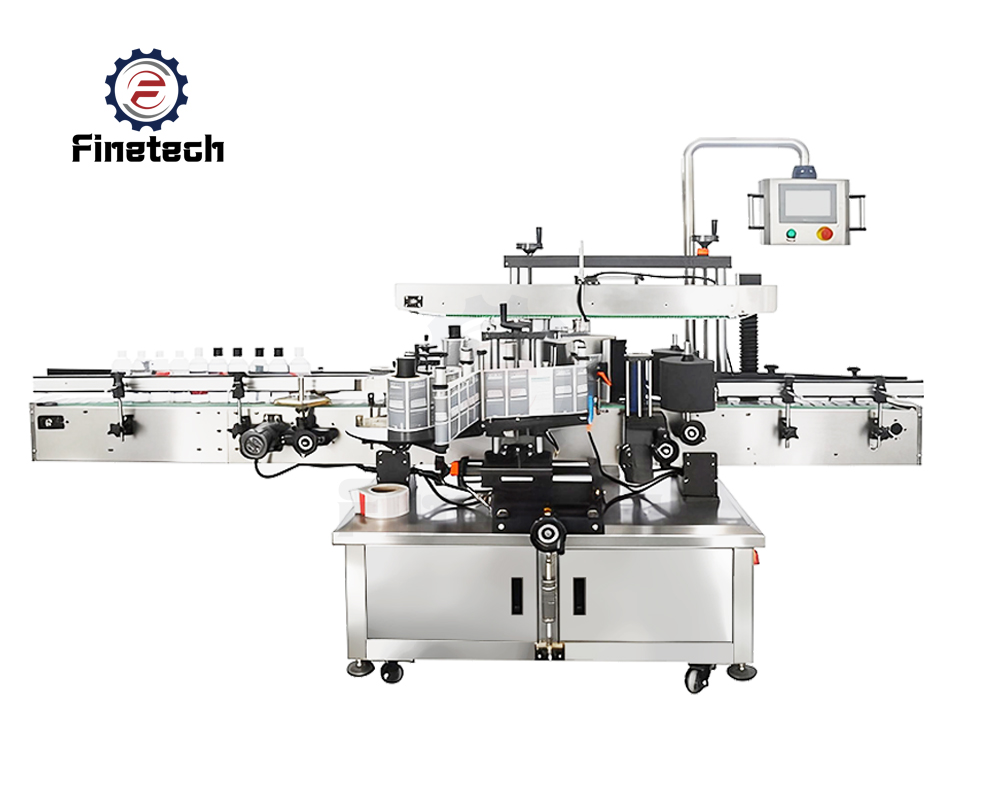
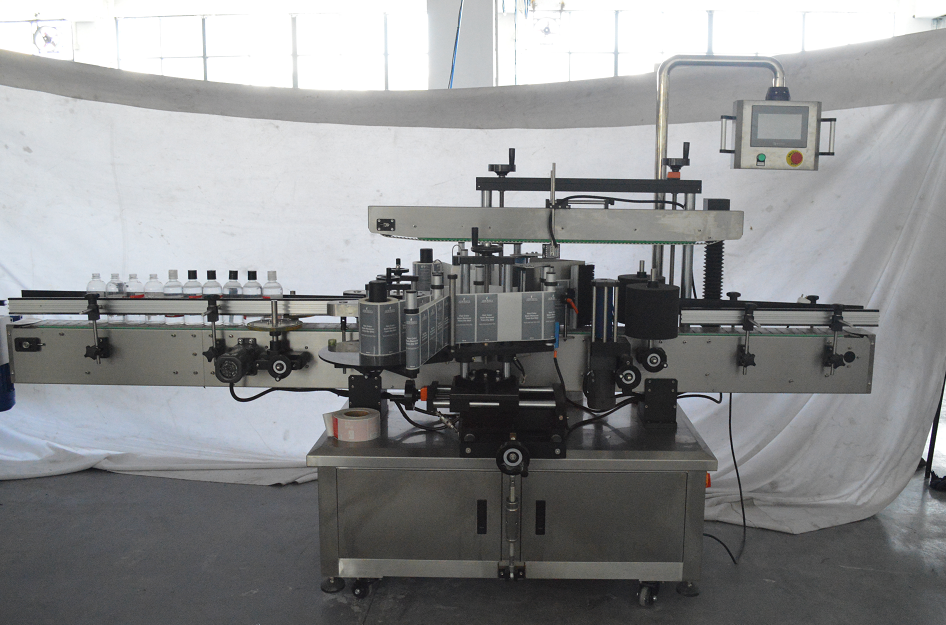
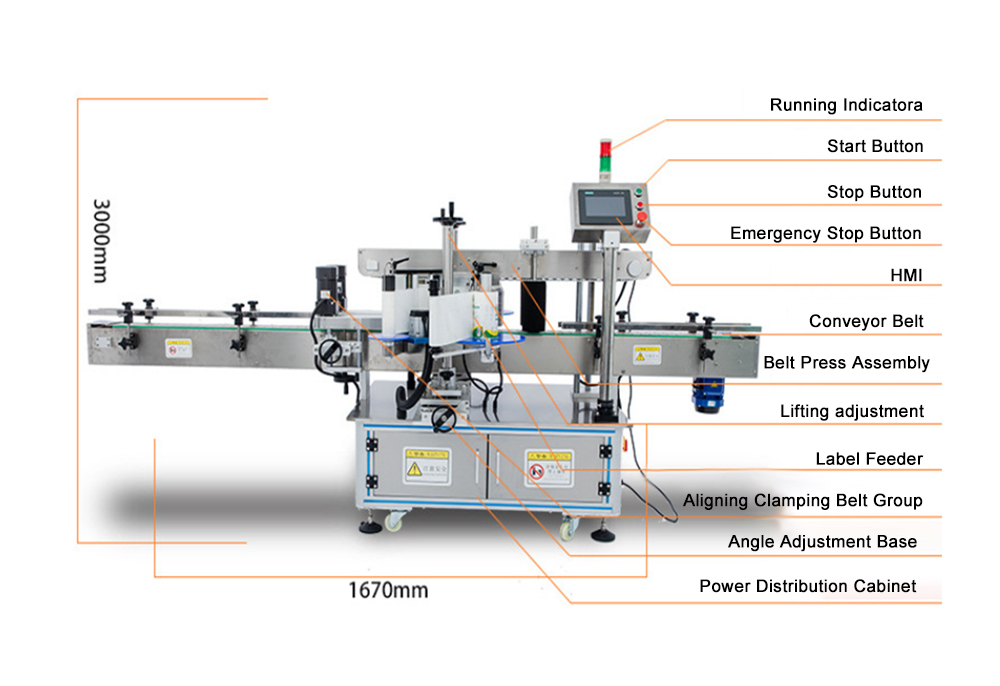
Double Side Labeling Machine
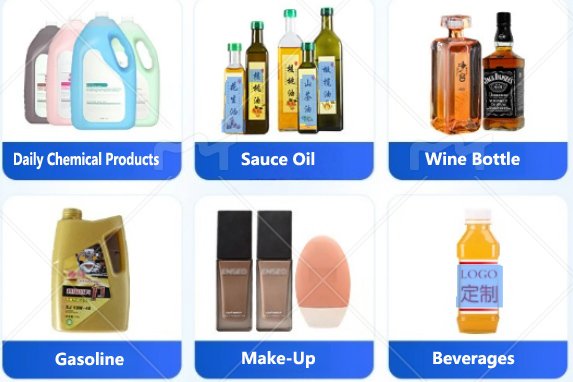
A Double-Side Labeling Machine is an automated industrial device designed to apply labels to two opposite sides (front and back) of a product simultaneously or sequentially with high precision. It is essential for products requiring information, branding, or barcodes on both sides, such as cosmetic bottles, pharmaceutical boxes, food containers, chemical products, and electronic items.
Need a Custom Quote?
Or More information About this product? Contact our sales stuff today!
Key Features
Technical Data
Machine Details
FAQ
Application Product Types
Reviews No reviews yet
- The entire machine is constructed from stainless steel and high-grade aluminum alloy.
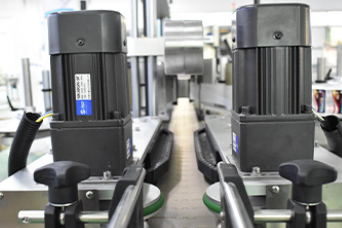
- The labeling head is equipped with a closed-loop servo motor for precise control.
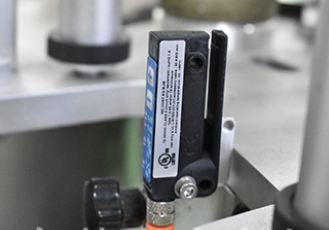
- All photoelectric sensors are high-quality German-made units for reliable detection.
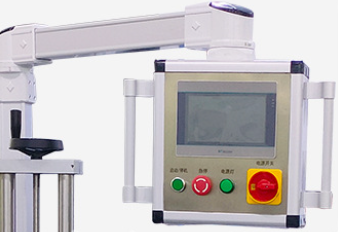
- The system is controlled by a PLC integrated with a large touchscreen human-machine interface (HMI).
- Designed for single-operator use, suitable for standalone operation.
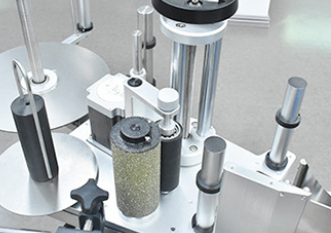
- Integrated mechanisms for bottle alignment, separation, labeling, smoothing, and counting.
- Adjustable label placement in position, height, and angle to differentbottle shapes.
- Can be seamlessly integrated into a production line for automated workflow compatibility.
| Power Supply (V/Hz): | AC 220/50 |
| Total Power (W): | 2500 |
| Labeling Accuracy (mm): | ±1.0 |
| Label Dimensions Range (mm): | Height: 15–200 mm, Length: 20–300 mm |
| Product Dimensions Range (mm): | Outer Diameter: 12–120 mm, Height: 30–300 mm |
| Production Speed (bottles/min): | 80–100 (depending on bottle and label specifications) |
| Overall Dimensions (L×W×H): | 3000×1400×1750 (mm) |
| Net Weight (kg): | 320 |
It's an automatic machine designed to apply two labels—one on the front and one on the back—to a product in a single pass. It ensures precise, opposite placement with high efficiency.
A single-side machine has one labeling head. A double-side machine has two synchronized labeling heads (or a dual-head mechanism) positioned opposite each other, applying labels simultaneously as the product passes between them.
Absolutely. This is a key advantage. The machine uses two independent label rolls, dispensers, and often two separate control systems. You can have different languages, ingredients, barcodes, or designs on the front and back.
While ideal for cylindrical round bottles, it can also label flat-sided products (rectangular jars, boxes), elliptical containers, and slightly tapered shapes with proper tooling and guides.
Substrate: The backing material (e.g., pulp, foam, PET film) for cap fit.
Sealant Polymer: The layer that melts (e.g., LDPE for PP, Surlyn for PET). It must match your container material.
Optional Features: Tamper evidence (fiber tear), oxygen/moisture barriers, peelable seals.
This is the core challenge. Precision is achieved through:
Rigid, Synchronized Mechanical Structure: The two heads are mounted on a single, stable frame.
Precision Conveying & Centering: Systems like a center-guiding conveyor belt or paired belt conveyors hold the product perfectly centered between the two heads.
Independent Micro-Adjustments: Each labeling head can be adjusted independently (X, Y, Z axes) for perfect registration.
Advanced Synchronization: Servo-driven systems ensure both labels are dispensed at the exact millisecond relative to the product's position.
Generally, no. The frame, conveyor system, and control logic are fundamentally different. It's more cost-effective to purchase a dedicated double-side machine.
Check Mechanical Zero: Ensure both labeling heads are referenced from the same centerline.
Adjust Independently: Use the micro-adjustments on the misaligned head only (first in the vertical direction, then the horizontal).
Verify Product Flow: Ensure the product is not wobbling or being pushed by one head before the other contacts it.
Check Sensor Timing: The trigger sensor for each head may need independent delay adjustment.
Check Label Presence Sensors: The sensor for the non-applying side might be dirty, misaligned, or faulty, causing it to think there's no label.
Check "Label Out" Alarm: The machine may have paused one head due to a depleted roll or mis-threaded backing paper.
Mode Setting: Verify the machine is not accidentally set to "Single Side" mode in the HMI.
Each side has its own complete dispensing system (unwind, tension control, peeler plate, rewind). They are operated and monitored independently on the control screen but are mechanically synchronized.
Yes, many double-side labelers are available as 3-in-1 models (Front + Back + Neck). This requires a third, separate labeling head, usually positioned above the product path.
It functions as a standard inline machine. Key integration points:
Conveyor Height & Width: Must match your upstream filler and downstream capper.
Control Communication: Can often receive start/stop signals from a central PLC.
Space Requirement: Ensure you have enough length for the machine itself and the centering infeed section.

Customer Reviews
No reviews yet. Be the first to review this product!
Write a Review

Related Products
No reviews yet
No reviews yet