 English
  Russian
  Turkish
  Spanish
  French
  German
  Japanese
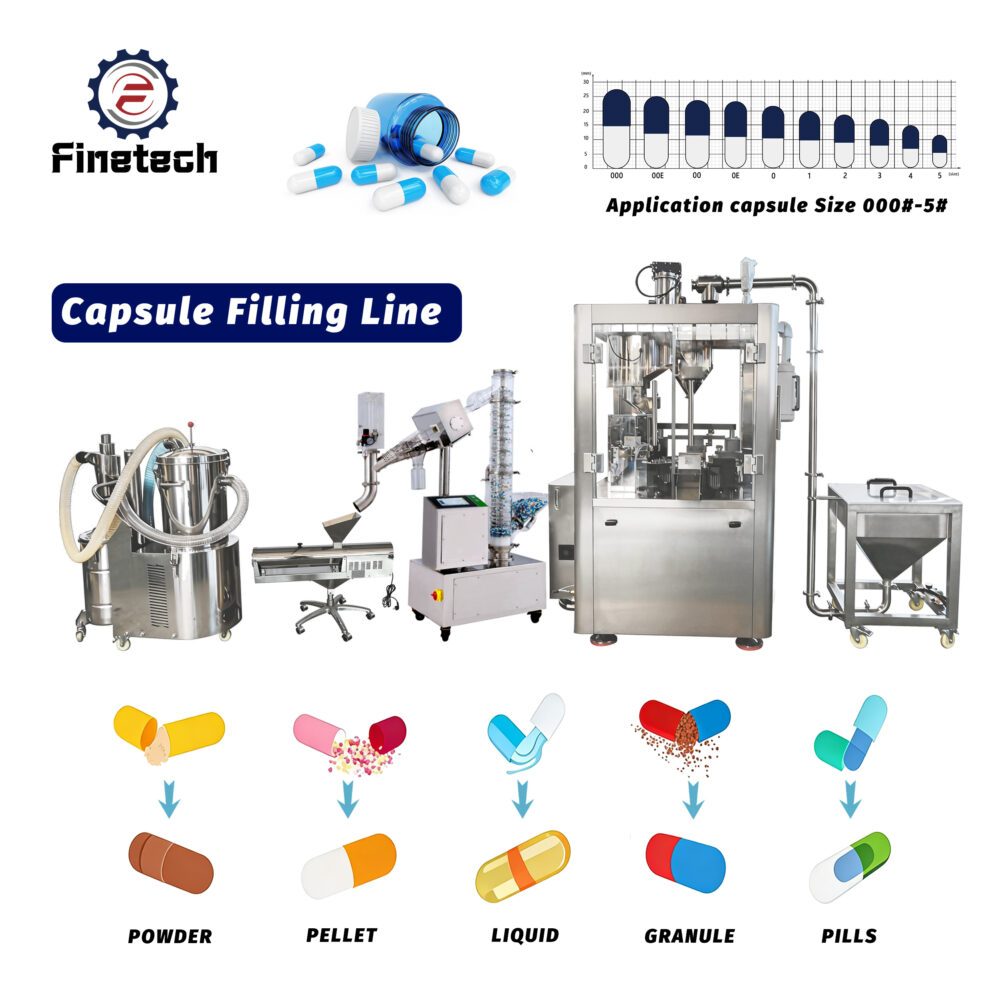
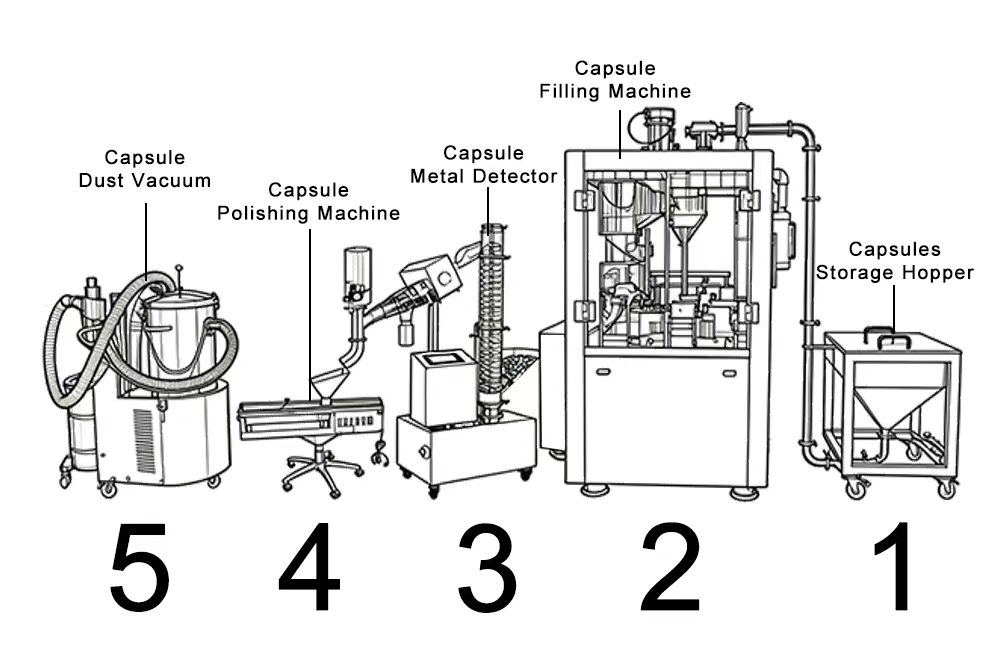
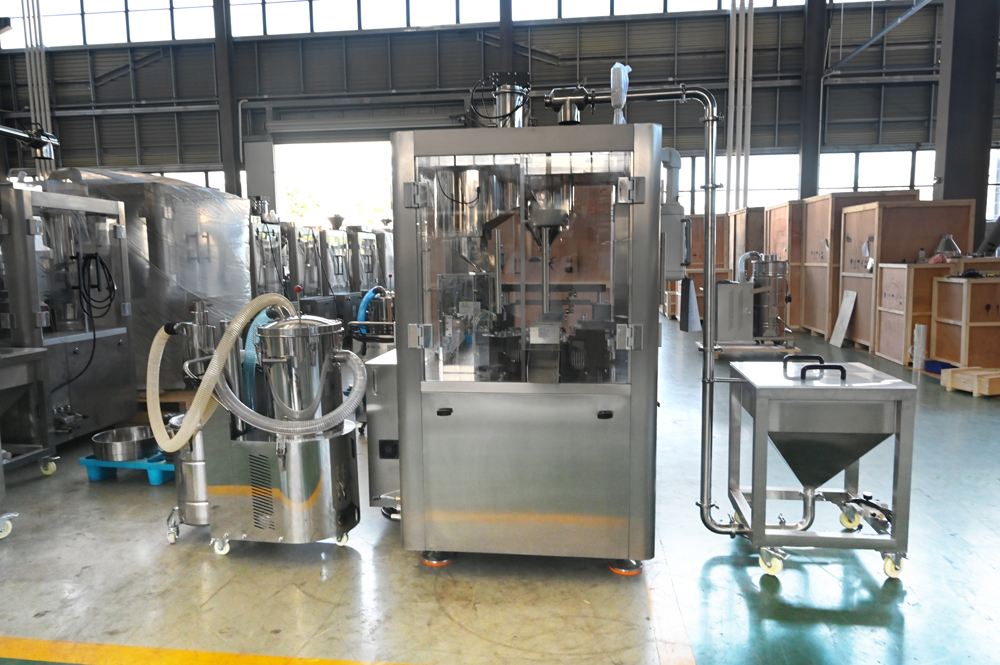
Capsule Filling Line
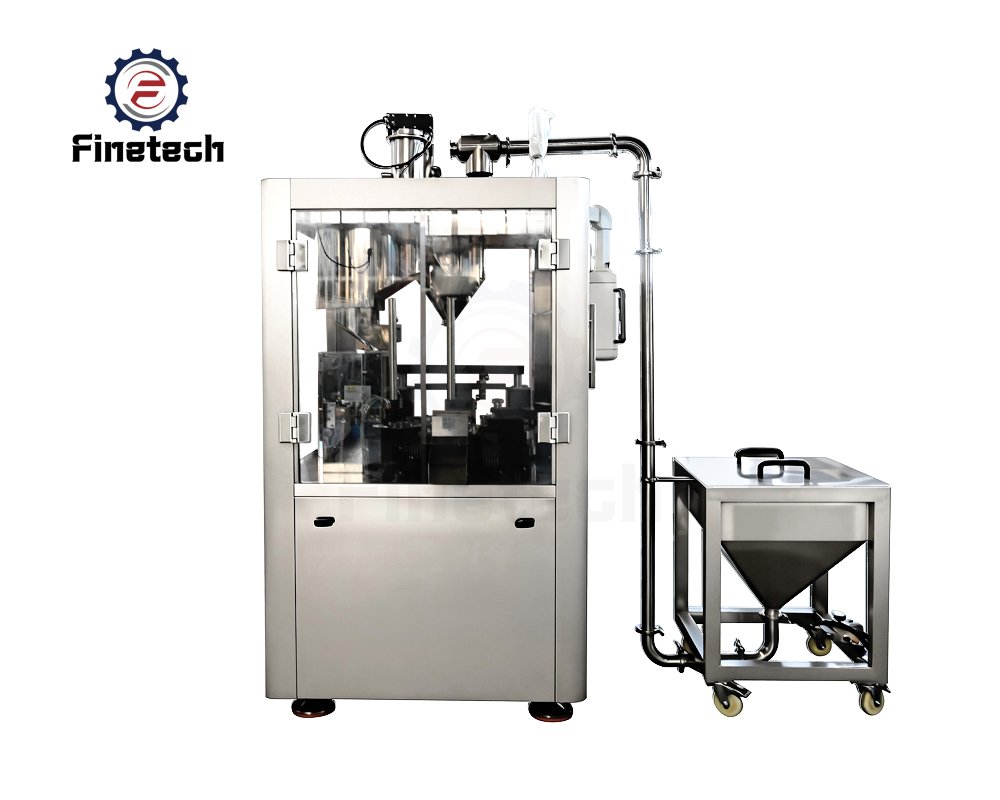
Finetech’s Capsule Filling Line is designed to automate the process of filling empty capsules with powders, granules, or pellets and preparing them for final packaging. Commonly, pharmaceutical and nutraceutical facilities are equipped with this production line.
Instead of treating filling, polishing, and inspection as separate operations, our system connects everything into one line. Capsules move through each stage without manual transfer, which reduces handling errors. This way, you are running a controlled system.
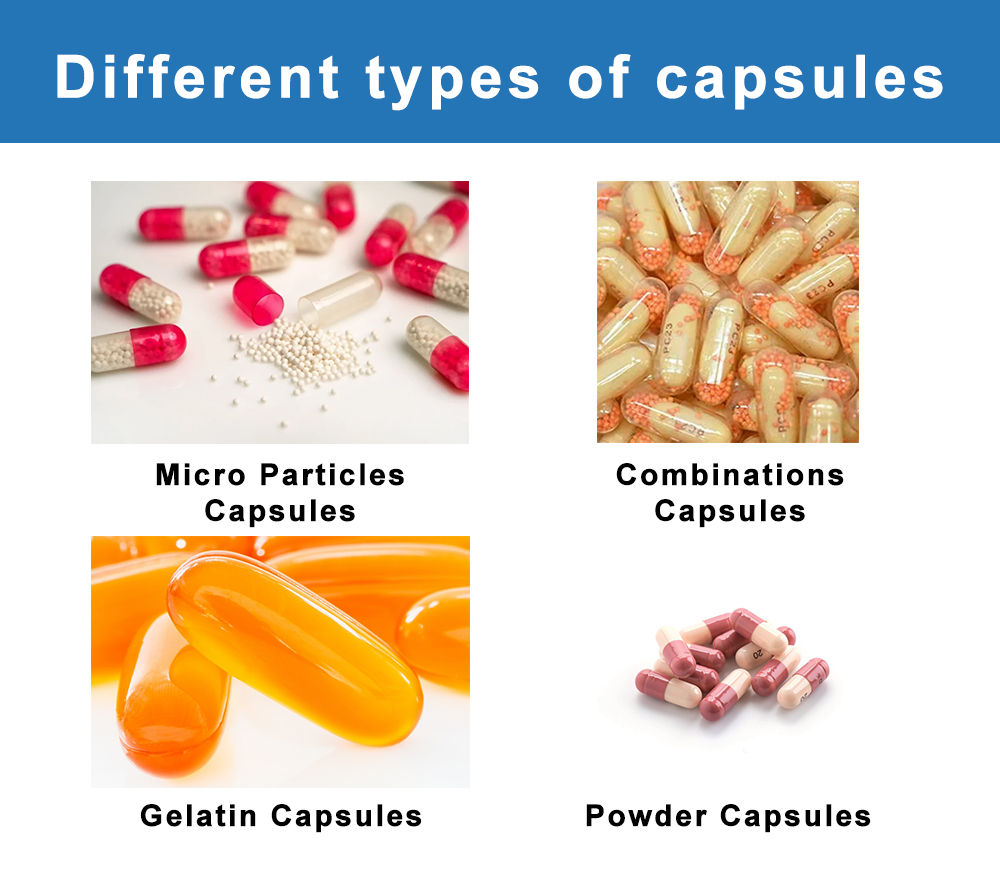
What makes this line practical is its flexibility. You can run powders, pellets, micro-tablets, and even liquid fills on the same setup.
Need a Cutsom Quote
Or More information About this product? Contact our sales stuff today!
Key Features
Technical Data
FAQ
Application
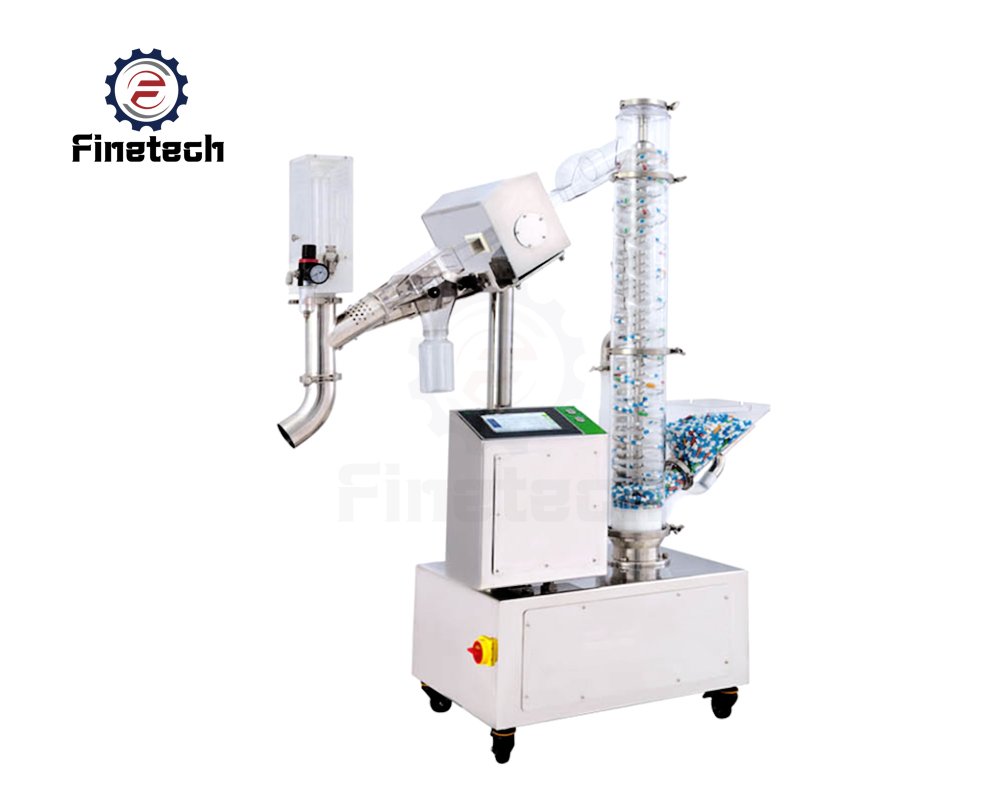
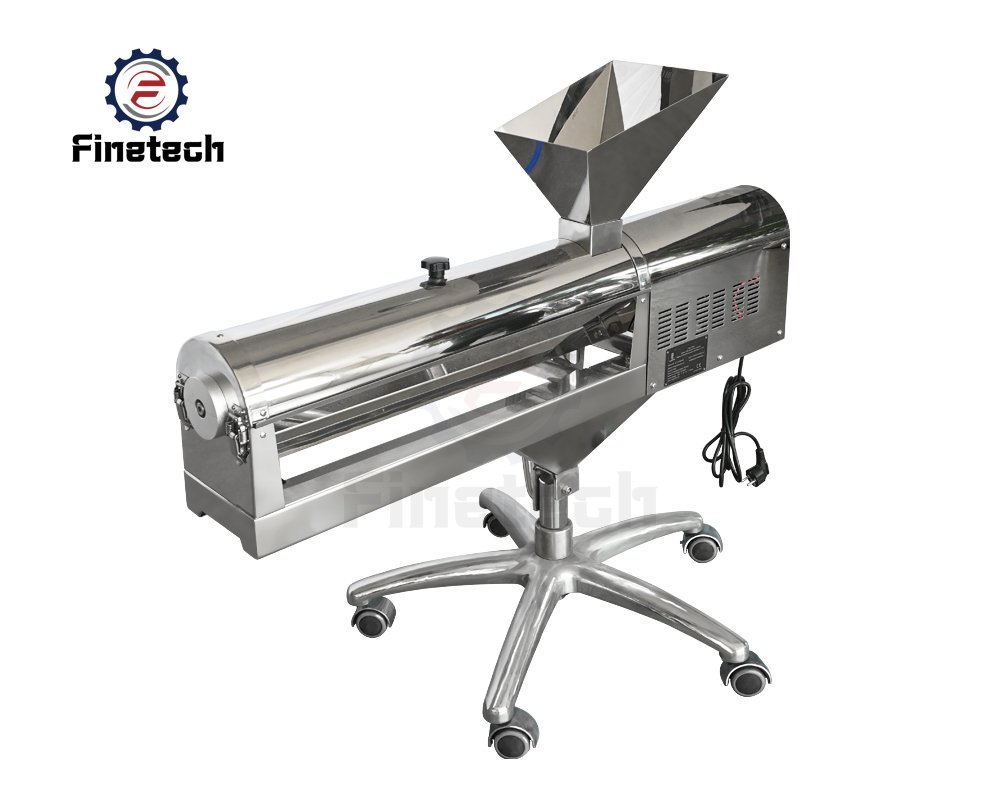
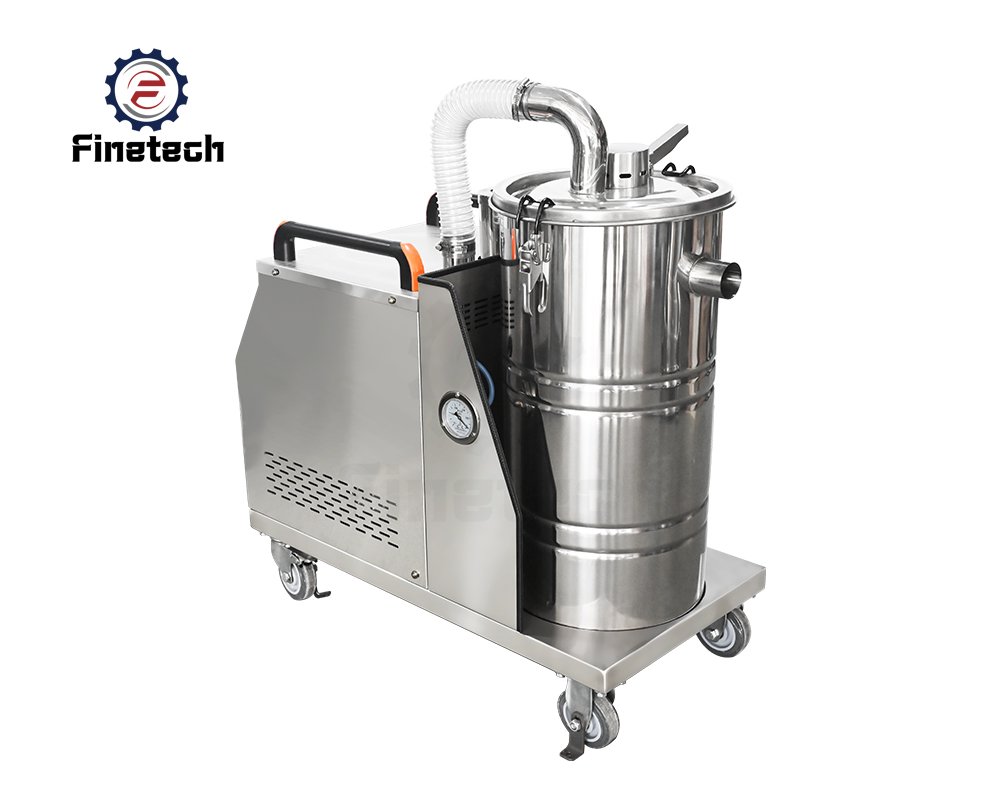
Capsule Filling Line Machines
Reviews No reviews yet
- Wide Output Range: Depending on the configuration, the machine can handle 20,000 to 200,000 capsules per hour. This gives you room to grow without replacing your system.
- Full Capsule Compatibility: Our system supports a complete range of capsule sizes (000# to 5#) and materials, including gelatin, HPMC, pullulan, and other specialty capsules.
- Installation, Training, and Support: We provide complete installation support, operator training, and technical guidance to help you get started. Our team ensures the system runs as expected from day one.
- Multi-Format Filling Capability: Designed to handle powder dosing, pellet filling, micro-tablet insertion, and liquid fills. This allows you to run different formulations.
- Centralized PLC Control with HMI: The entire line operates through a PLC system with a touchscreen interface that can store over 100 product recipes. You can switch between products without manual recalibration.
- After-Sales Service: With the purchase of this machine, you get a standard one-year warranty along with ongoing technical support.
Applications
- Pharmaceutical Manufacturing Facilities: If you are producing regulated products, this line gives you the control and traceability required for compliance. It fits into environments where validation and documentation are part of production.
- Veterinary Product Manufacturing: The system works well in setups where large batch production is required with consistent dosage control. This helps maintain uniformity across production.
- Cosmetics and Capsule Products: It is also used for producing oil-filled or specialty capsules with controlled filling and sealing. As a result, the product maintains its quality and presentation.
Workflow
- Step 1: Capsule Loading: Empty capsules and filling materials are introduced into the system. The feeding mechanism controls the flow to keep everything stable.
- Step 2: Capsule Separation: Capsules are then split into cap and body using a controlled system. This prepares them for accurate filling.
- Step 3: Filling Stage: The capsule bodies are filled with your selected material using precise dosing systems.
- Step 4: Capsule Closing: Capsules are rejoined after filling. For liquid applications, sealing is applied to prevent leakage and maintain product integrity.
- Step 5: Polishing and Cleaning: Then, the capsules pass through a polishing unit to remove excess powder and improve surface finish.
- Step 6: Inspection and Rejection: The system checks each capsule for weight and quality. Any defective units are automatically removed, so only compliant products move forward.
- Step 7: Discharge: Finished capsules are transferred to downstream systems such as blister packaging or bottling. This completes the capsule filling line.
| Applied Capsule Size: | 000#, 00#, 0#, 1#, 2#, 3#, 4#, 5#. |
| Applied Capsule Types: | Gelatin Capsules, HPMC (Hypromellose) Capsules, Pullulan Capsules, Starch Capsules, PVA (Polyvinyl Alcohol) Capsules, Fish Gelatin Capsules, Alginate Capsules |
| Applied Industries: | Pharmaceuticals, Nutraceuticals, Veterinary, Cosmetics & Personal Care, Food & Confectionery, Chemical & Industrial. |
| Service: | “Turnkey” & Integration Services, Installation and Training, Maintenance and Technical Support. |
Modern capsule filling lines accommodate both:
Hard Gelatin Capsules: Traditional two-piece capsules
HPMC Capsules: Vegetarian/vegan alternatives (Hydroxypropyl Methylcellulose)
Specialty Capsules: Delayed-release, enteric-coated, or custom formulations
Standard sizes range from 000 (largest) to 5 (smallest), with sizes 0, 1, and 2 being most common for pharmaceutical applications.
Pharmaceutical: Prescription drugs, OTC medications
Nutraceutical: Vitamins, minerals, supplements
Herbal/Alternative Medicine: Plant-based formulations
Clinical Research: Trial batches for new drug development
Cosmetics: Encapsulated skincare ingredients
Dosator Machines: Use a piston inside a tube to compress and eject powder. Better for fine powders and achieving higher weight accuracy. Easier to clean but requires precise powder flow properties.
Dosing Disc Machines: Use rotating discs with cavities that fill by volume. Better for free-flowing granules and high-speed production. Typically faster changeovers but less suitable for cohesive powders.
Manual/Semi-Automatic: 2,000 - 10,000 capsules/hour (ideal for R&D and small batches)
Mid-Range Automatic: 20,000 - 60,000 capsules/hour
High-Speed Automatic: 80,000 - 200,000+ capsules/hour
Industrial Scale: Up to 300,000 capsules/hour for multi-head systems
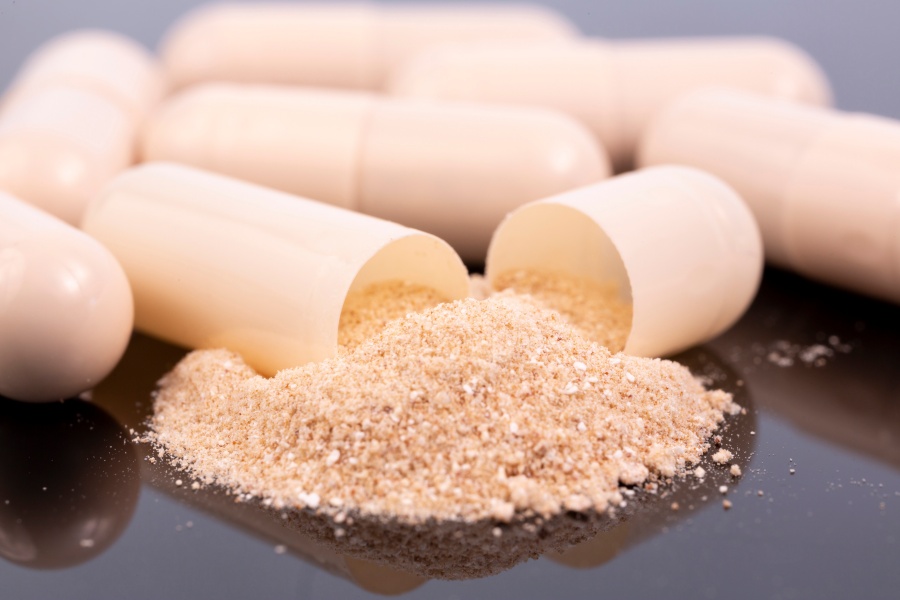
Powders: Fine pharmaceutical powders, granulated materials
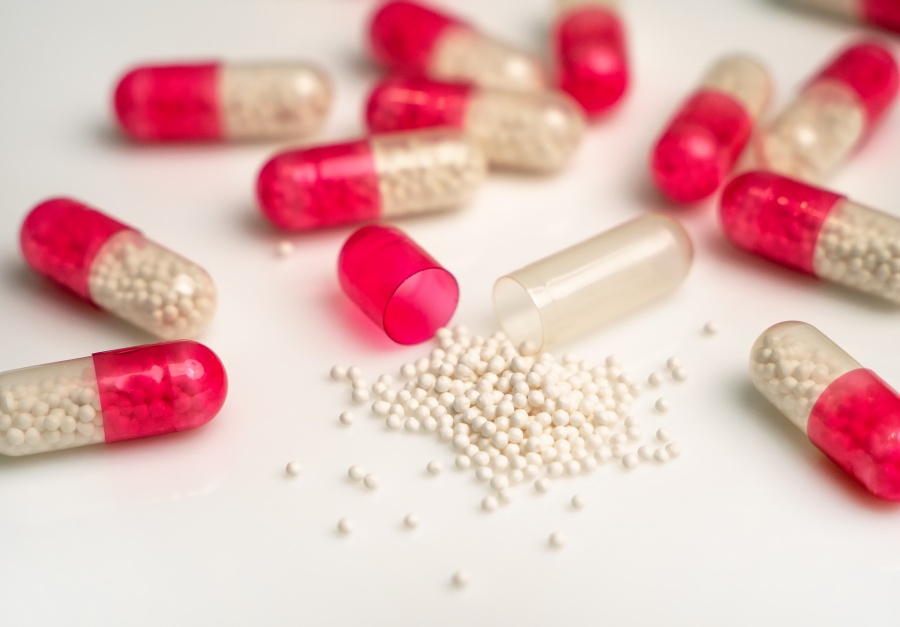
Pellets: Time-release pellets, multi-particulate systems
Micro-Tablets: Multiple small tablets within one capsule
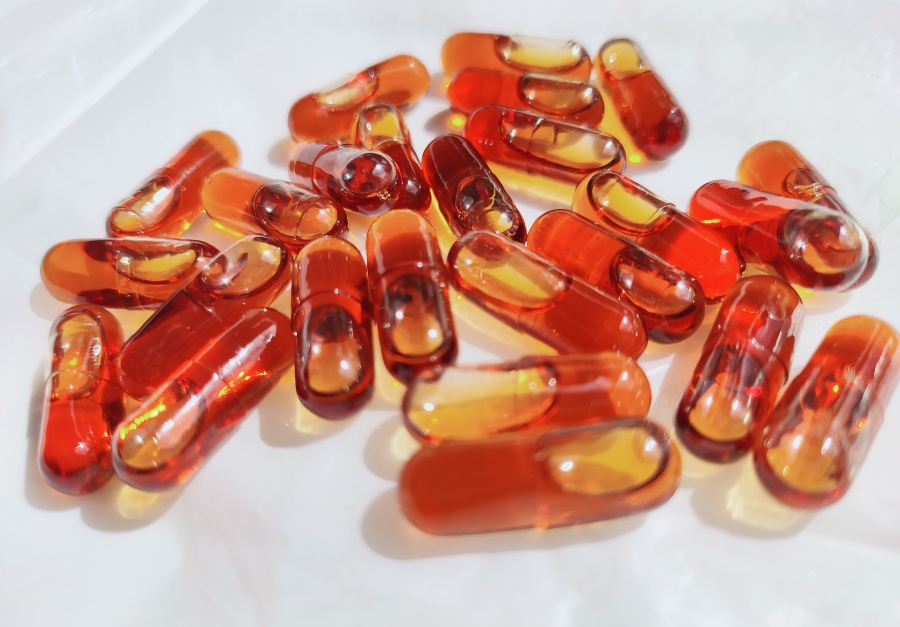
Liquids/Semi-Solids: Oils, suspensions, pastes (requires liquid filling module)
Combinations: Powder + pellets, powder + liquid, etc.
Quality capsule filling machines achieve:
Powders: ±1% to ±2% of target fill weight
Pellets/Granules: ±2% to ±3%
Liquids: ±0.5% to ±1%
Accuracy depends on material properties, machine type, and maintenance.
Capsule filling lines should comply with:
cGMP: Current Good Manufacturing Practices
FDA 21 CFR Part 11: Electronic records and signatures
EU GMP: European manufacturing standards
ISO 9001: Quality management systems
CE Marking: European safety standards
Segregated Areas: Cleanroom compatibility (Class 100,000 to Class 100)
Dust Extraction: Integrated vacuum systems for powder control
Material Selection: 316L stainless steel contact parts
Easy Cleaning: Smooth surfaces, minimal crevices, CIP options
Air Handling: HEPA filtration for critical zones
Reputable manufacturers provide:
IQ (Installation Qualification): Verified proper installation
OQ (Operational Qualification): Verified operational parameters
PQ (Performance Qualification): Verified production consistency
FAT (Factory Acceptance Testing): Testing before shipment
SAT (Site Acceptance Testing): Testing after installation
Yes, many manufacturers offer dedicated R&D and clinical trial machines featuring:
Small batch capability (as few as 100-500 capsules)
Quick changeover between formulations
Full GMP compliance for clinical materials
Scalable results to production equipment
Minimal material waste during development
Customer Reviews
No reviews yet. Be the first to review this product!
Write a Review
Related Products
No reviews yet
No reviews yet
No reviews yet