...

Professional supplier of overall solutions for pharmaceutical manufacturing and packaging

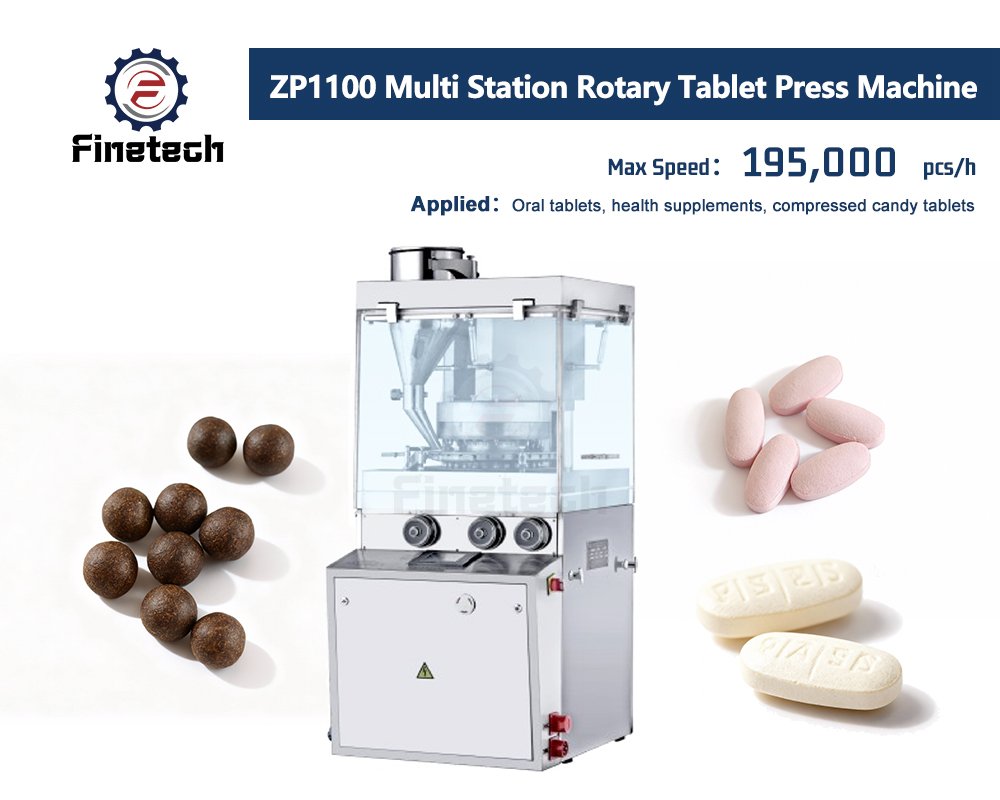
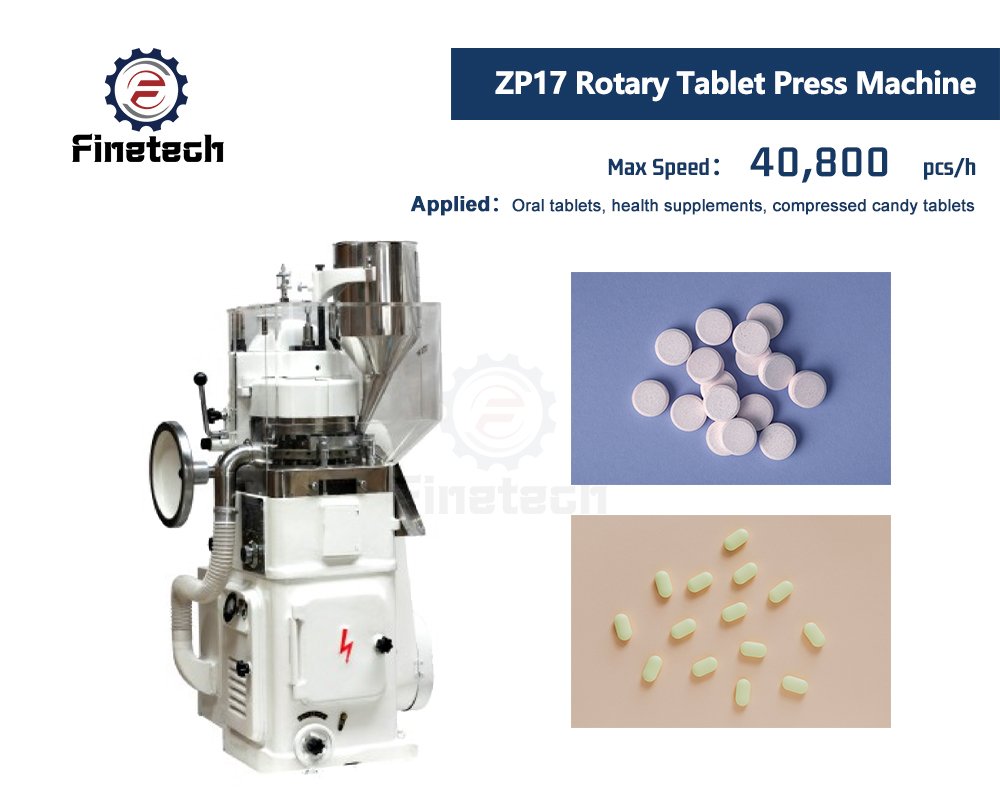
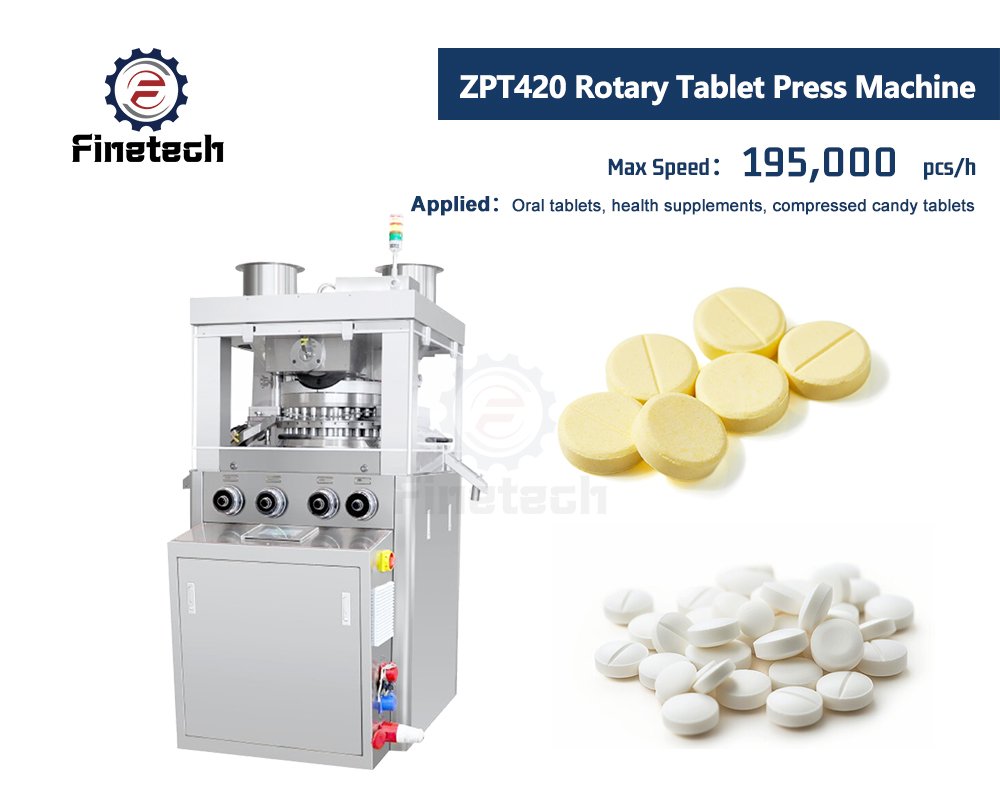
ZP1100-24/29/34/36/39/50 Multi Station Rotary Tablet Press Machine

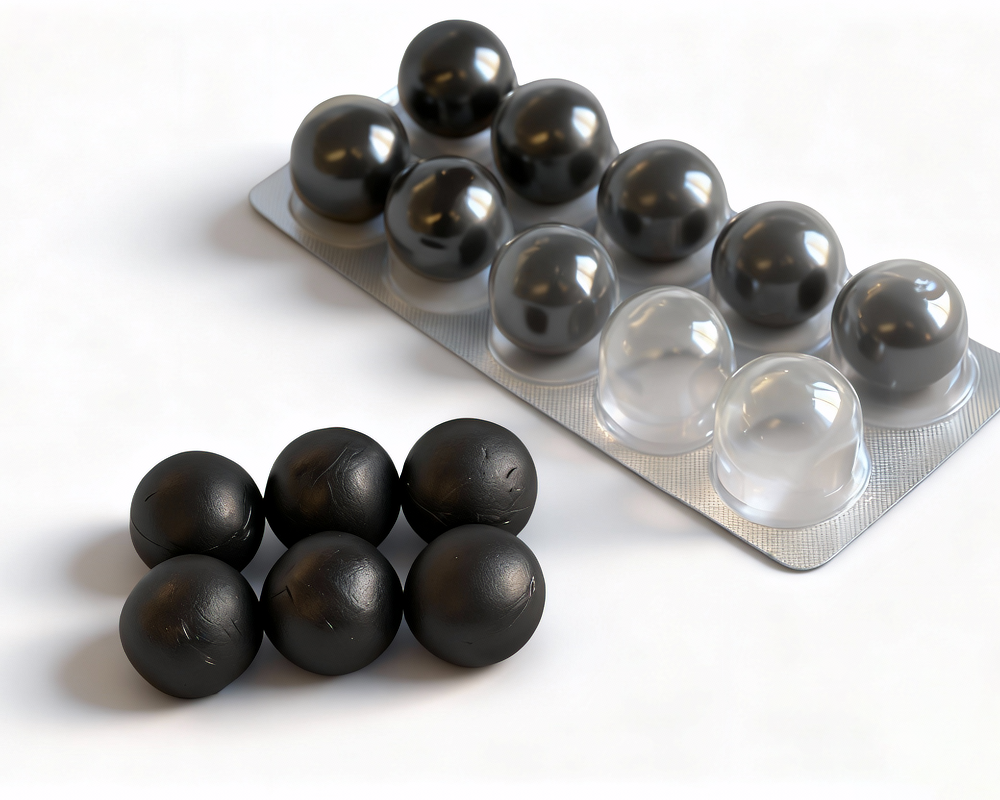
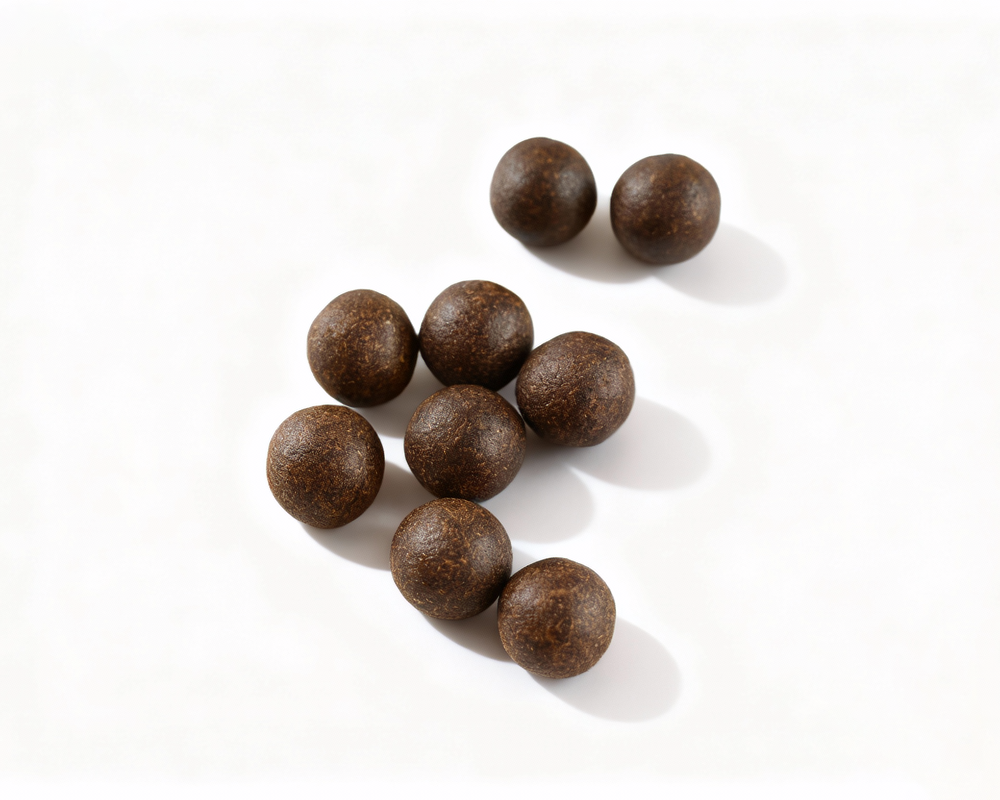
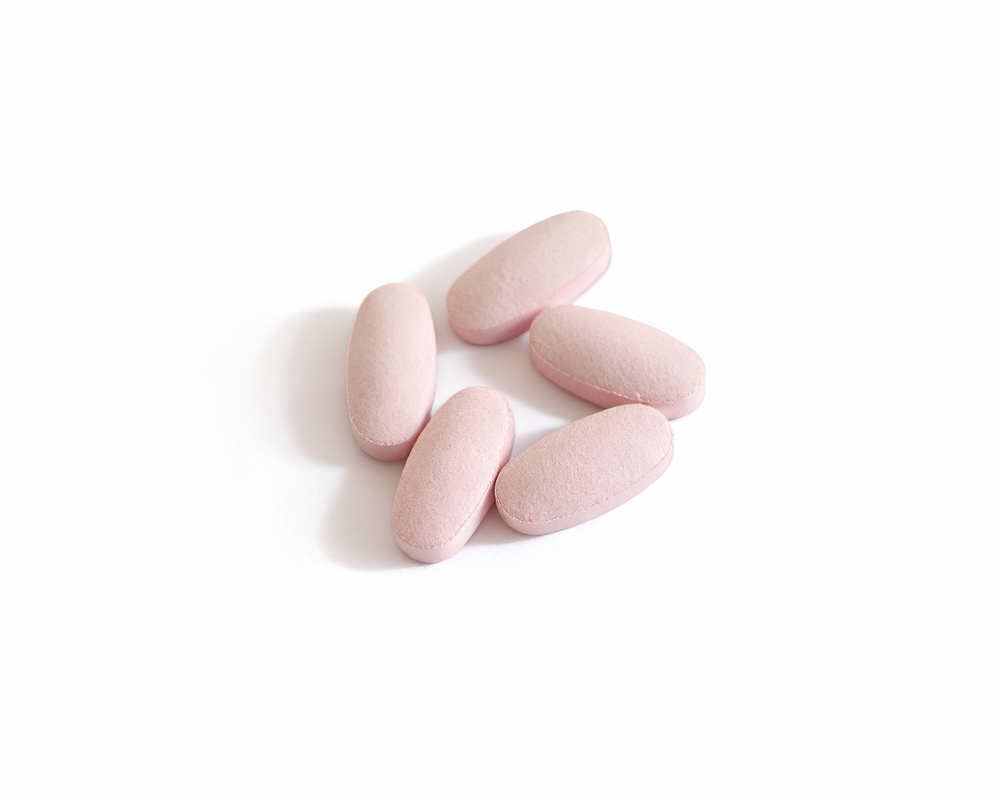
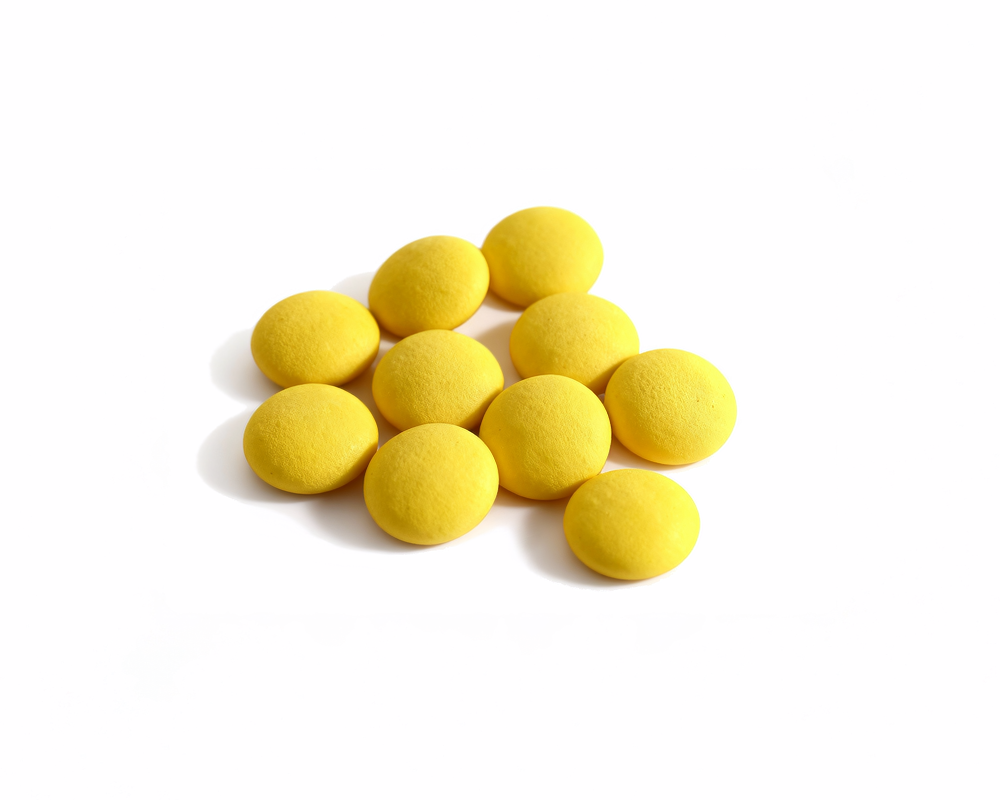
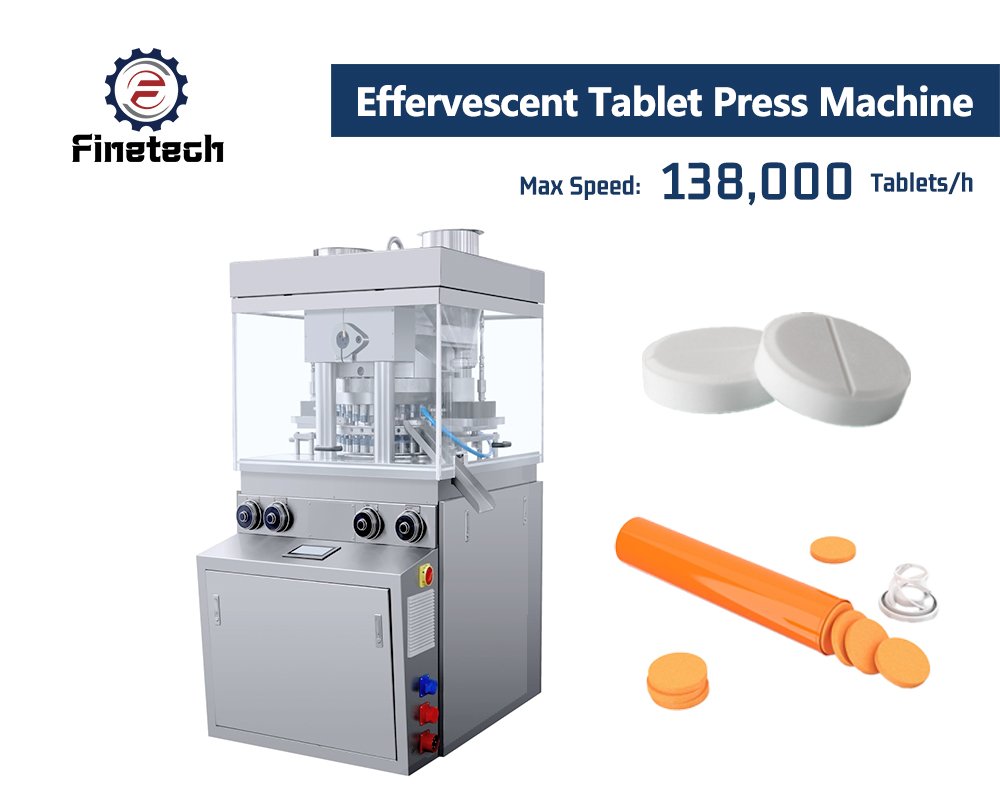
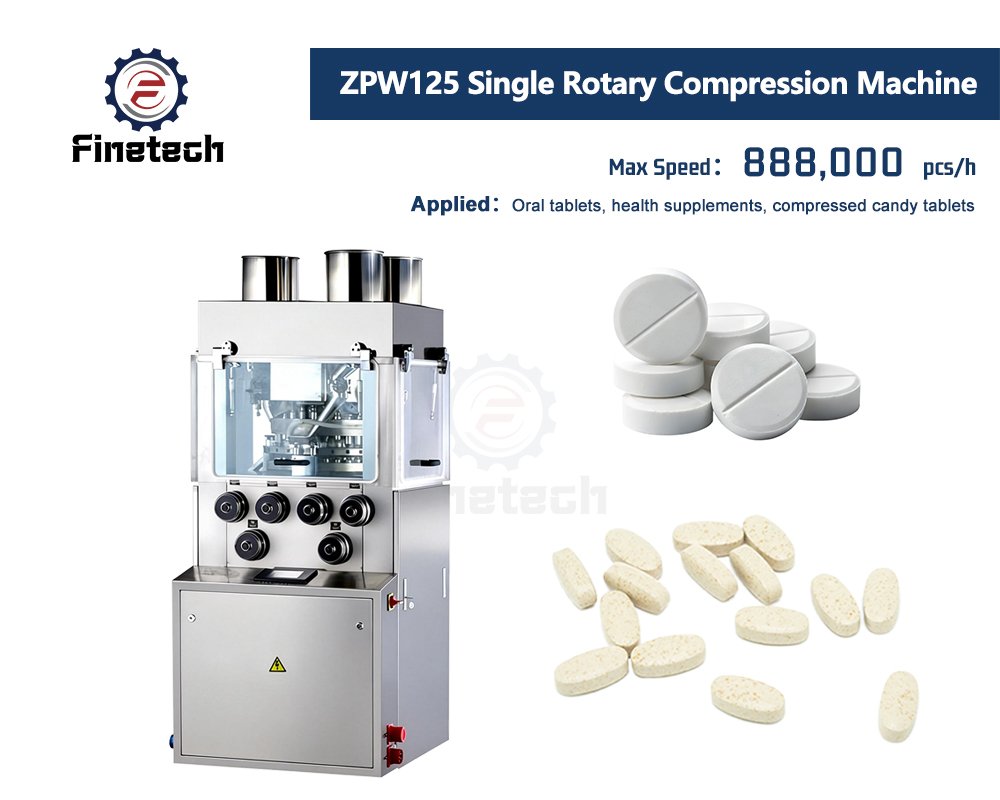
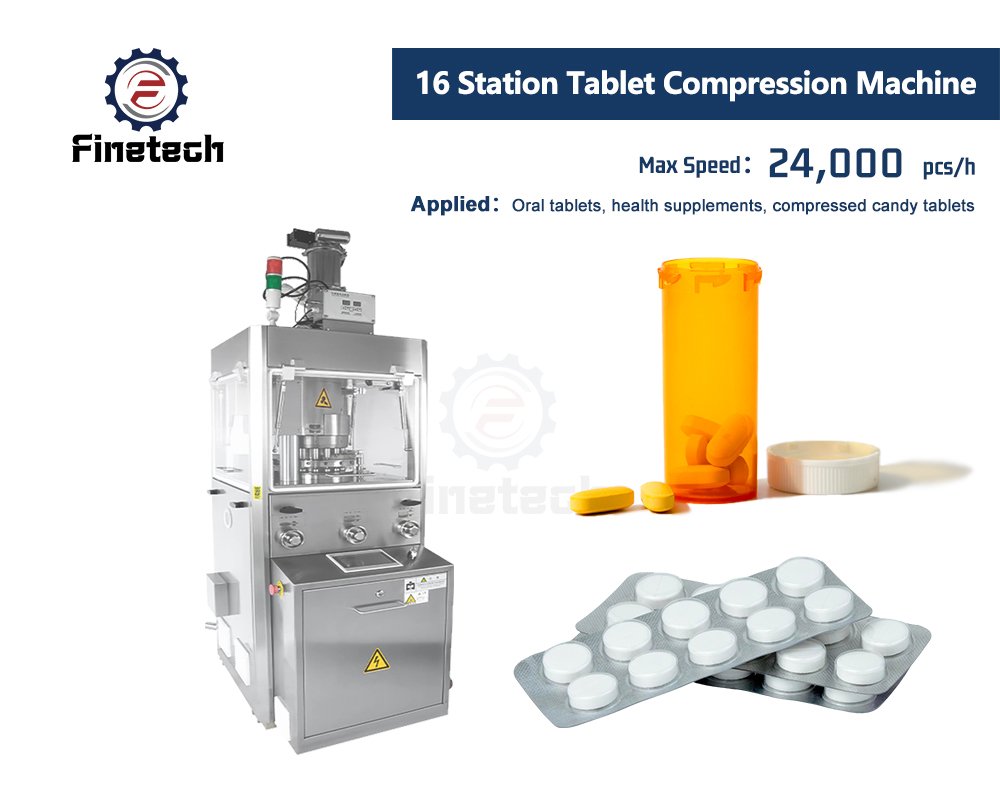
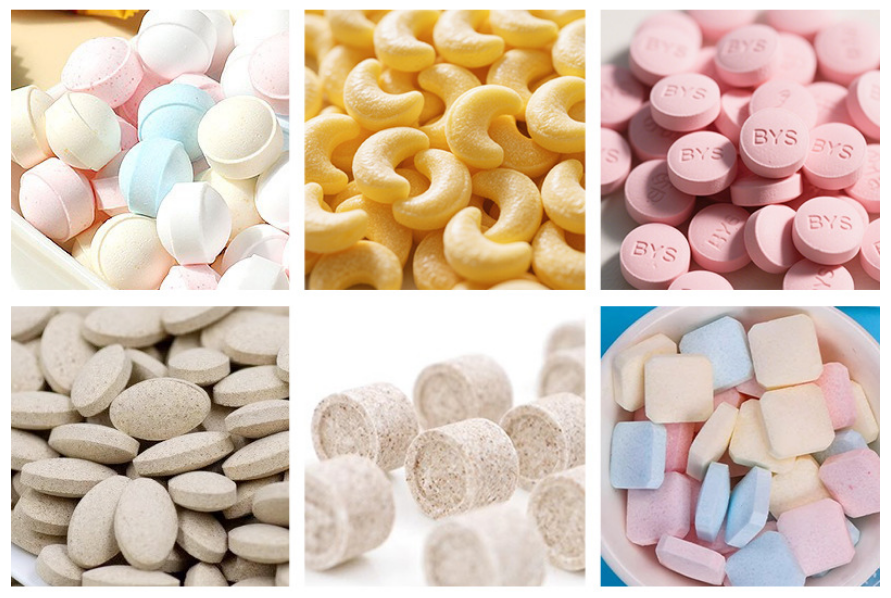
The ZP1100 Series multi-station rotary tablet press machine is an economical, high-capacity tablet press designed for large-scale, high-volume tablet production. It can press different types of tablets, including round tablets, shaped tablets, candies, and double-sided engraved tablets. Compared to traditional tablet press machine, it offers higher output, better configuration, and more functions.
Need a Custom Quote?

Or More information About this product? Contact our sales stuff today!

Key Features

Technical Data

Machine Details

FAQ

Application

1. The machine meets GMP requirements with a compact design, reliable performance, easy operation, quick cleaning, tablet change, and high production capacity.
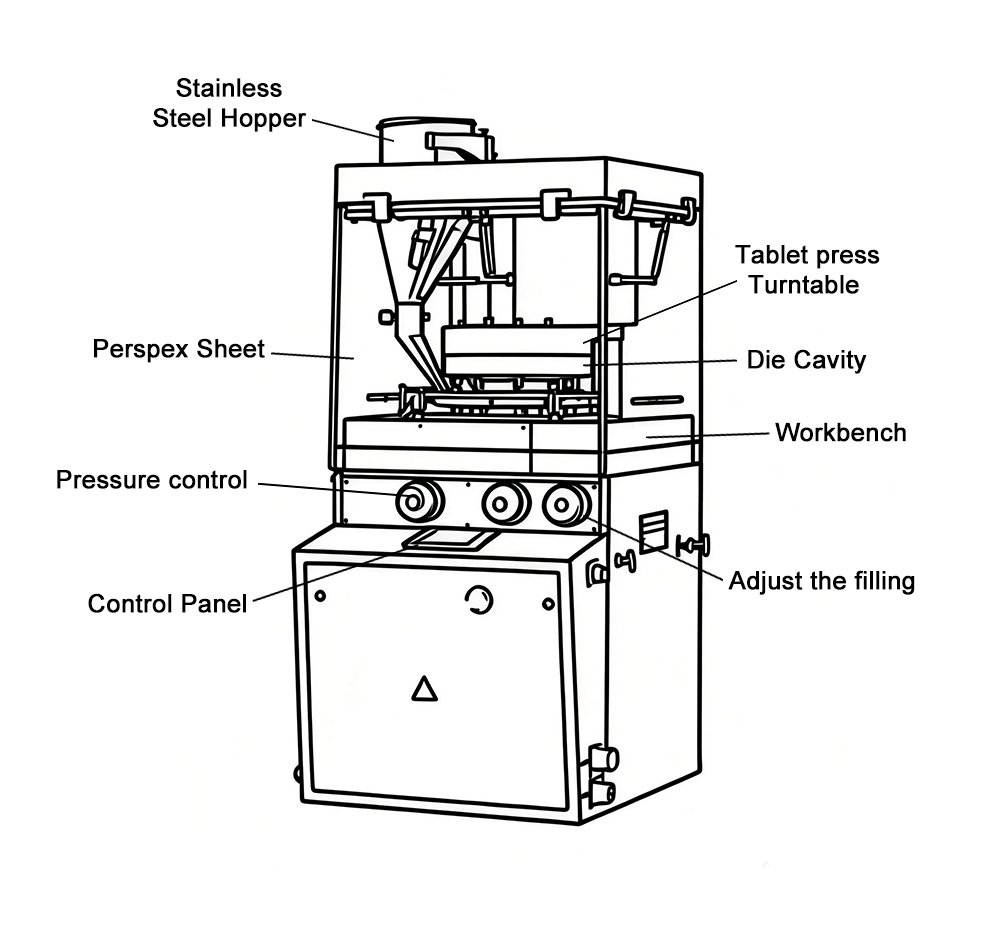
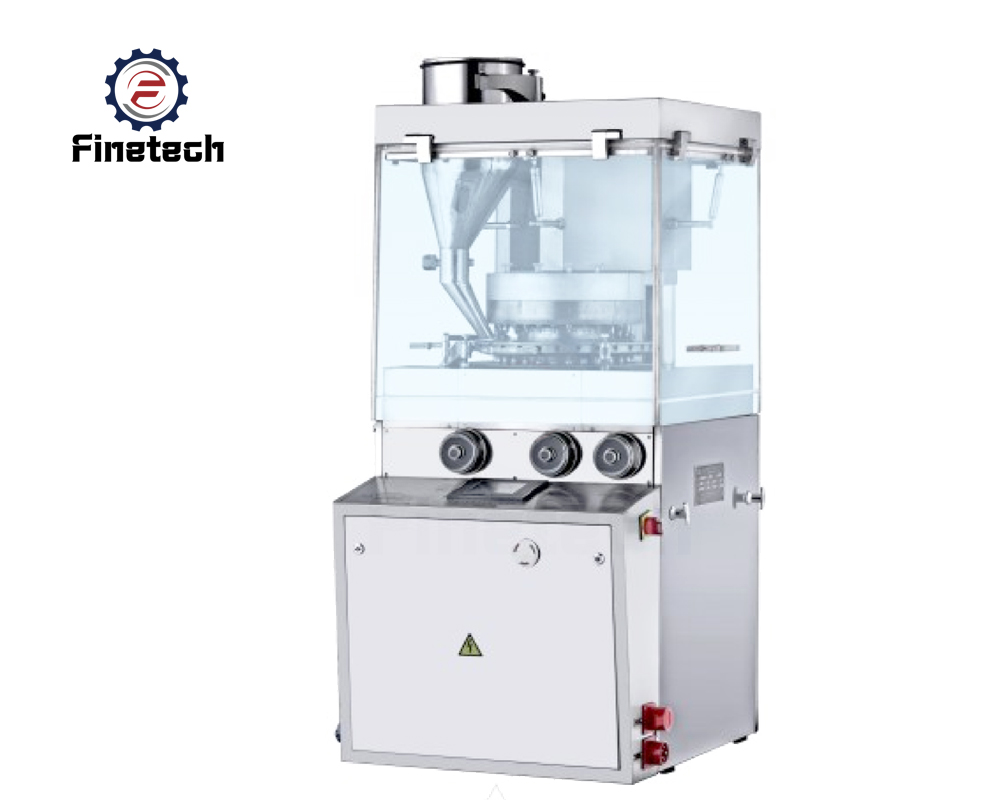
Multi Station Rotary Tablet Press Machine Diagram
Multi-Station Rotary Tablet Press Machine Diagram.

2. It has a high maximum pressure and a pre-compression device that extends compression time, improving tablet quality.

3. The turret spins at high speed, with a linear velocity that meets high-speed tablet press standards, ensuring high output for large-scale production.

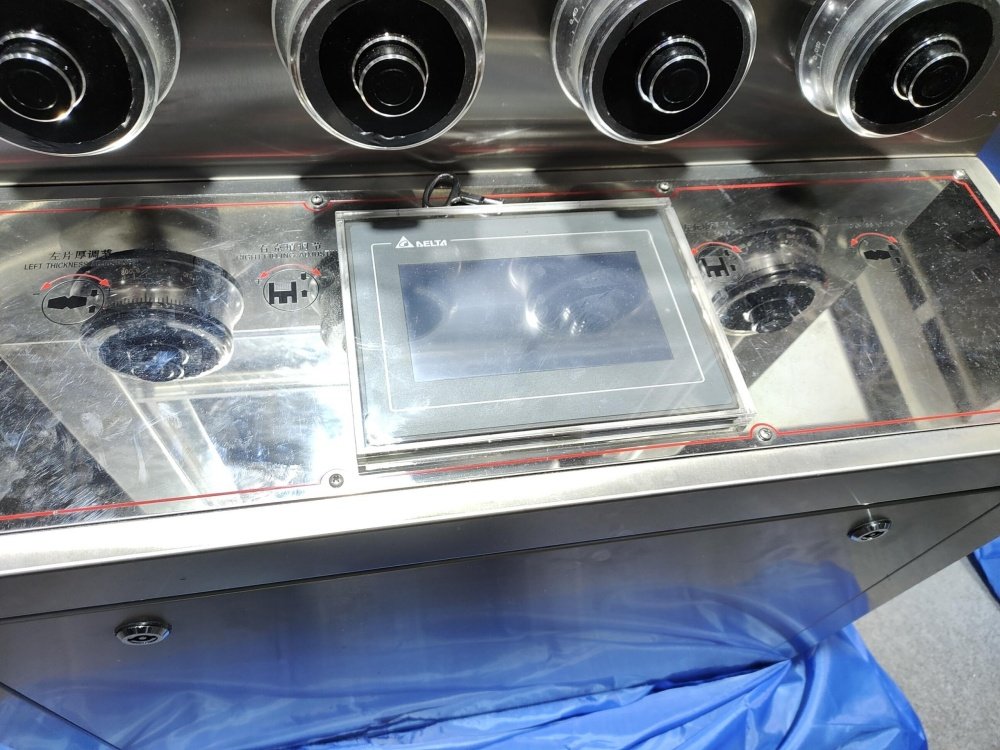
4. The control system uses a PLC controller. The touchscreen shows and lets you set control parameters, fault types, and troubleshooting steps. It also displays the average working pressure. If the pressure goes above the set limit,the machine will immediately stop working.

5. The machine also has a protection device for the upper punch. If the upper punch breaks, the machine will stop automatically.
Model ZP1100-24 ZP1100-29 ZP1100-034 ZP1100-36 ZP1100-39 ZP1100-50
Number of Stations 24 29 34 36 39 50
Tooling Standard D B ZP BB BBS TS14
Max Main Pressure (KN) 80
Max Pre-pressure(KN) 20
Max Tablet Diameter(mm) Round tablet 25 18 13 13 11 8
irregular tablet 25 19 16 16 13 8
Max Filing Depth(mm) 18
 MaxTablet Thickness (mm) 7
Max Production Capacity(pcs/h) 93600 13100 132600 140400 152100 195000
Motor Powwer(kw) 4
Overall Size(mm) 960*910*1750
 Machine Weight(kg) 1650
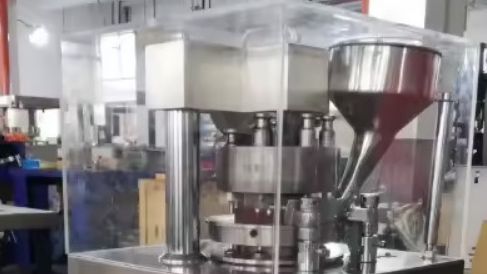
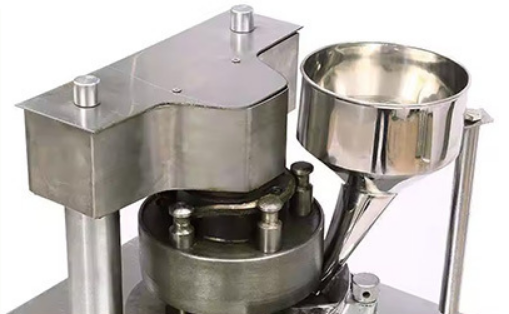
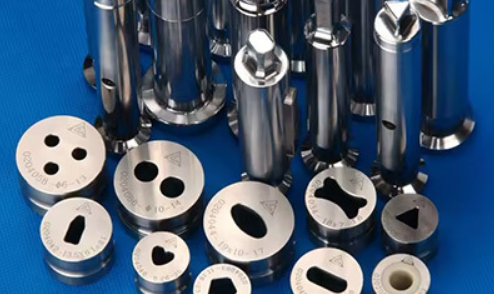
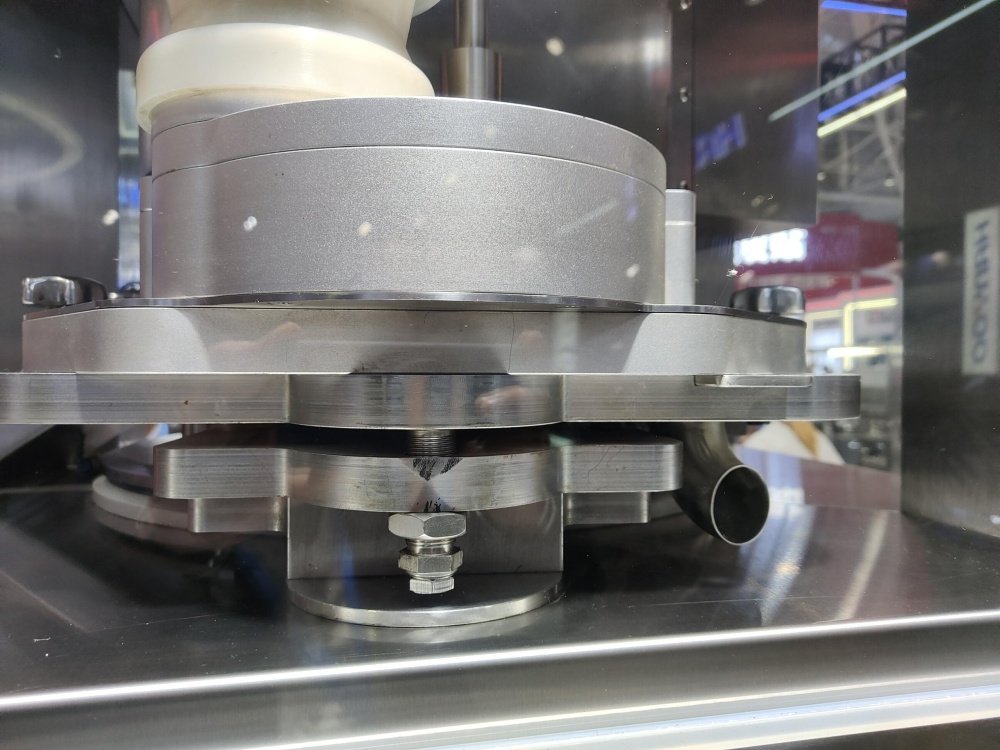
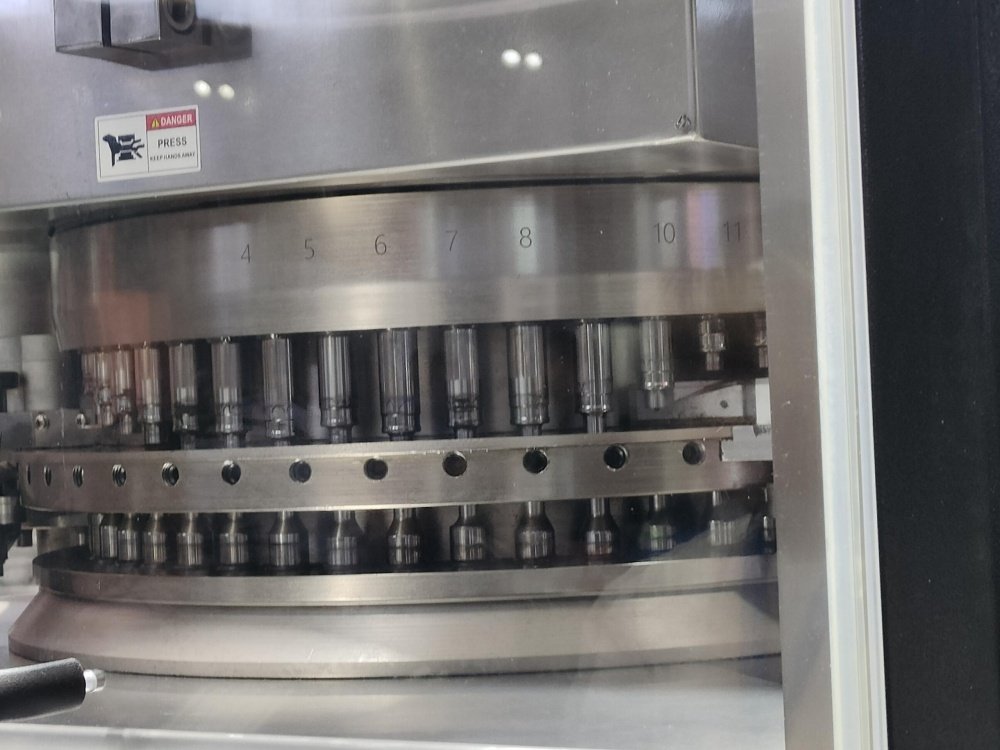
Stamping Die Station
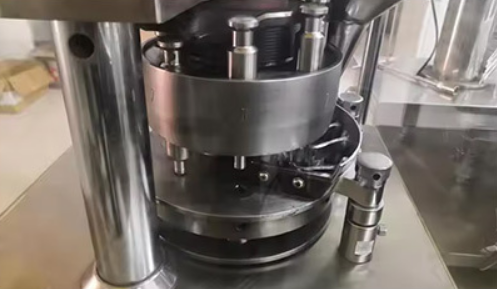
Tablet Press Turret
Tablet Press Turret
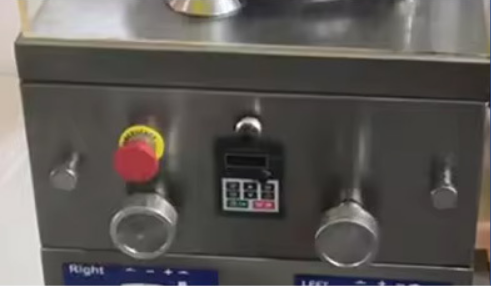
Touchscreen Control Panel
What is a Multi-Station Rotary Tablet Press?

It's a high-speed production machine used to compress powder or granular material into tablets of uniform size, shape, and weight. "Multi-station" refers to the rotating turret that holds multiple sets of upper and lower punches and dies, allowing for simultaneous compression at each station during rotation.

How does it differ from a single-punch press?

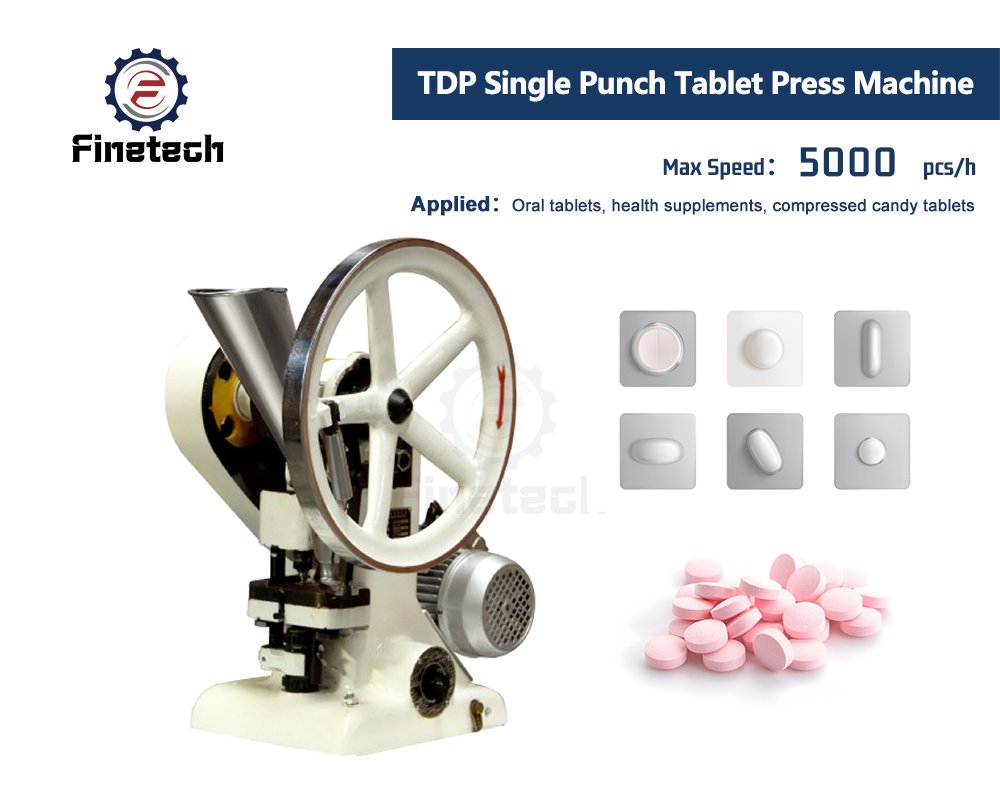
A single-punch press is a reciprocating machine that makes one tablet per cycle and is used for low-volume production or R&D. A rotary press produces multiple tablets per revolution (often 16 to 75+), making it vastly faster and suitable for large-scale manufacturing.

What are the key components of a rotary press?
  • Turret: Rotating head holding punches and dies.

  • Punches (Upper & Lower): Tooling that compresses the powder in the die cavity.

  • Dies: Cylindrical inserts that define the tablet's size and shape.

  • Feed Frame/Hopper: System that delivers powder to the die cavities.

  • Compression Rollers: Apply the main and pre-compression force.

  • Ejection Cam: Guides the lower punch to eject the finished tablet.

  • Control Panel (HMI): Interface for monitoring and adjusting parameters.

What is pre-compression and why is it important?

Pre-compression is an initial, lighter compression stage that removes entrapped air from the powder (de-aeration). This is crucial for preventing capping, lamination, and ensuring a mechanically stable tablet before the main compression.

Can I use any tooling on any press?

No. Tooling must match the press's specification (B, D, BB, etc.), the turret's geometry, and the maximum punch length the press can accommodate. Always consult the press and tooling manuals.

How should I clean the press between batches?

Follow a strict Changeover Procedure:

  1. Lock-Out/Tag-Out (LOTO) the machine.

  2. Use dedicated, non-abrasive tools and vacuums (not compressed air, which spreads dust).

  3. Disassemble and clean the feed system, hopper, and compression zone.

  4. Clean external surfaces. Document the cleaning.

What is "dwell time" and why does it matter?

Dwell time is the duration the punch heads remain under the compression rollers. Longer dwell time (achieved by larger rollers, slower speed, or special "dual dwell" tooling) allows for more plastic deformation and particle bonding, often improving tablet hardness and reducing capping, especially for slow-compacting materials.

How is compression force measured and controlled?
  • Measurement: Strain gauges or piezoelectric sensors on the compression rollers measure the force. This is displayed on the HMI as kN or tons.

  • Control: The vertical position of the compression rollers is adjusted (manually or automatically via Servo Drives) to achieve the desired force and tablet hardness/thickness.

How do I calculate the theoretical production output?

Tablets/Hour = (Press Speed in RPM) x (Number of Stations) x 60
Example: A 35-station press running at 40 RPM = 40 x 35 x 60 = 84,000 tablets/hour.
Note: Actual output is lower due to start-up, shutdown, and changeover time.

What factors should I consider when buying a rotary press?
  • Production Capacity: Required output (tablets/hr).

  • Tablet Size: Max diameter and depth of fill the press can handle.

  • Tooling Type: B, D, or BB standard.

  • Automation Needs: In-line weight control systems, automatic rejection, data monitoring.

  • Cleaning & Changeover: Speed and ease for your batch sizes.

  • Regulatory Needs: GMP features, documentation packages.

  • Brand & Support: Availability of spare parts and service technicians.

Scroll to Top