English
  Russian
  Turkish
  Spanish
  French
  German
  Japanese
Do you know that every year, over 1.3 trillion tablets are produced and packaged worldwide? Interestingly, much of that happens in strip form.
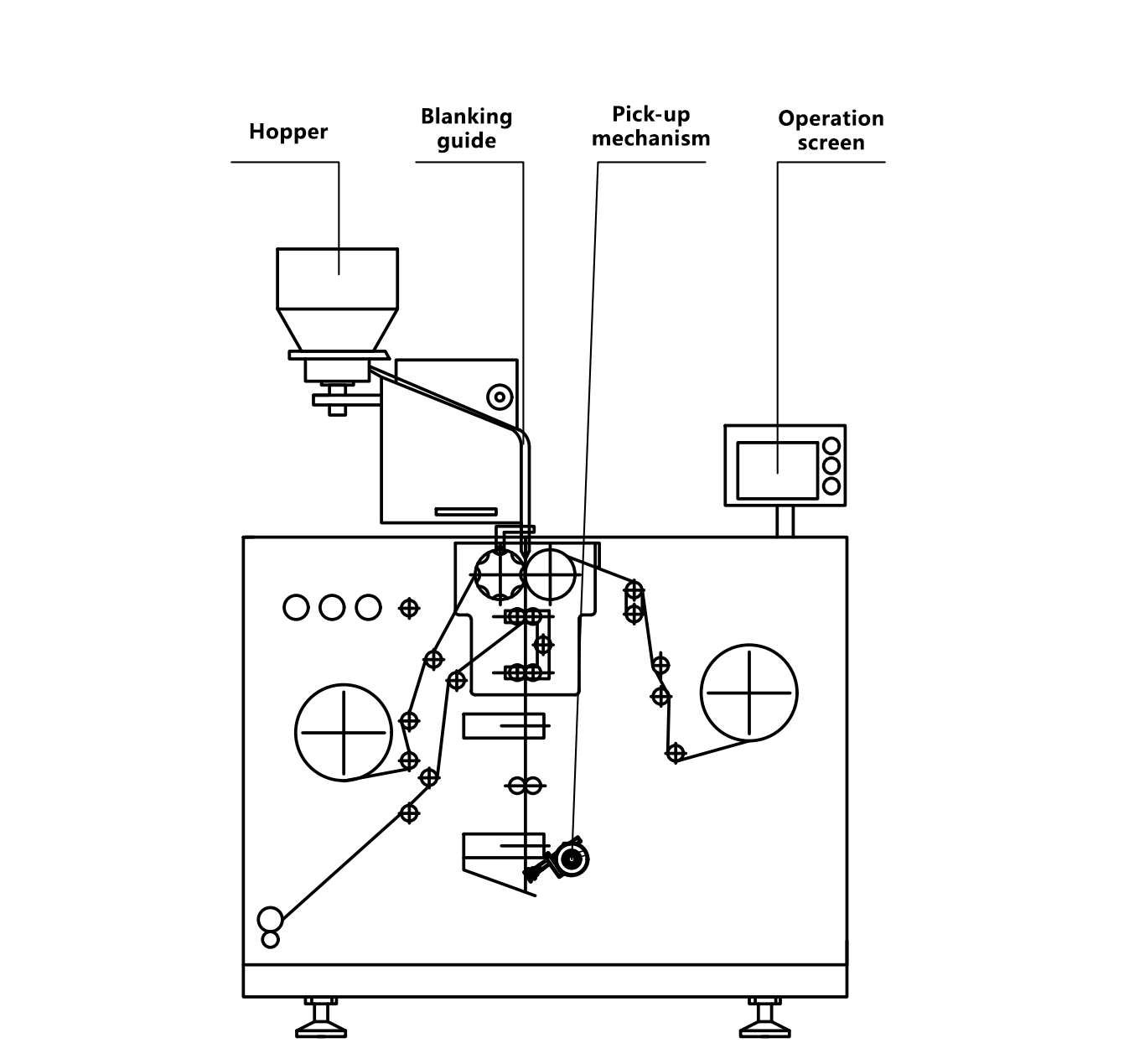
This is where the tablet strip packing machine comes in. These machines are designed to seal tablets between two layers of foil or film automatically.
But how do these machines actually work, and what happens behind the scenes?
Let’s find out.
What is a Tablet Strip Packing Machine?
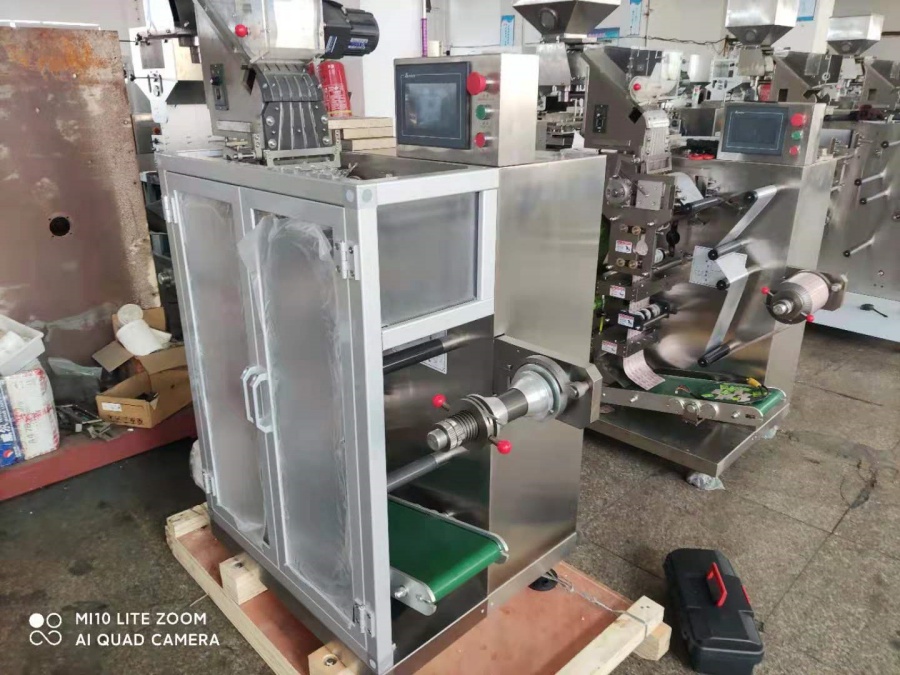
A tablet strip packing machine is a specialized piece of pharmaceutical equipment designed to seal tablets between two protective layers, such as foil or film. These are the strips that you often tear off and use one tablet at a time.
With this machine, companies can pack tablets in less time than usual. Moreover, this machine packs a set of tablets properly and seals them with heat to prevent contamination.
As they’re automated machines, they can pack hundreds of strips per minute. And that too, while complying with regulatory standards for hygiene. That’s why you’ll often see them in GMP-certified facilities.
Significance of Strip Packaging
Strip packaging protects drug integrity and simplifies distribution. This packaging protects the tablets as the main defensive system in different environments. It also preserves shelf life as the machine packs each tablet individually.
Key Components of a Strip Packing Machine
Before we understand how a strip packing machine works, we need to know about its core components. Let’s break down the machine into its essential building blocks.
1. Feeder System
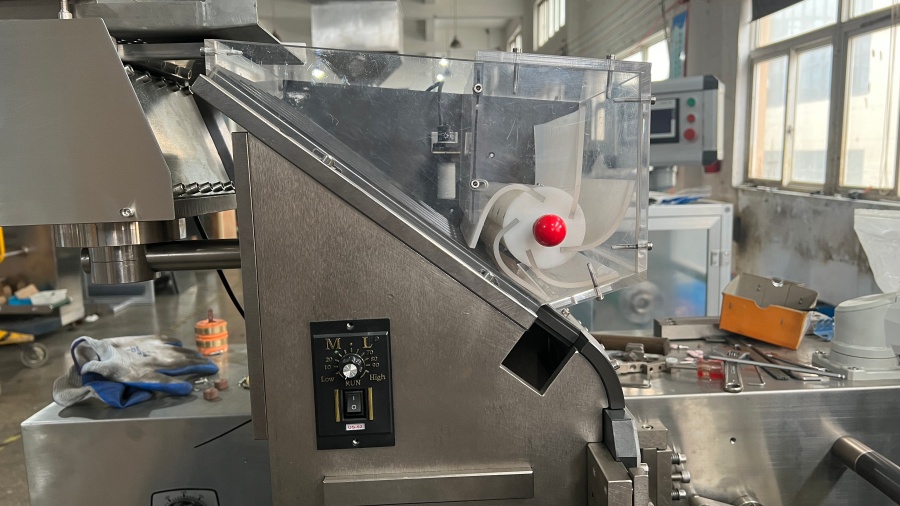
To correctly align and place the tablets in the sealing zone, the feeder system is used. It prevents overlapping or damage.
Initially, the worker places the tablets from a hopper or vibratory chute into channels that lead them toward the sealing area.
2. Sealing Station
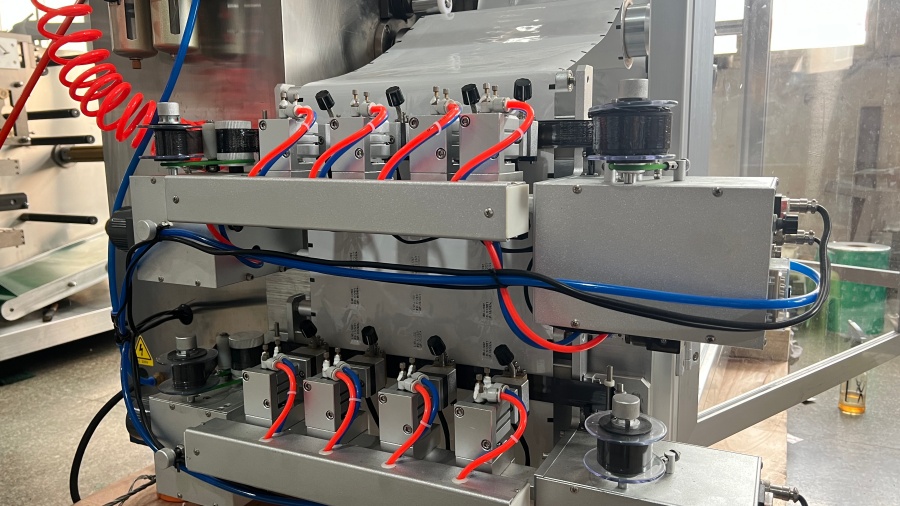
The sealing solution is also referred to as the heart of the machine. It’s where tablets are enclosed between two foil strips. These are usually made of aluminum or a combination of aluminum and plastic.
Heat and pressure are the only two entities used to bond the foil layers around the tablet. This way, the tablets get an airtight seal to protect them from moisture and contamination.
3. Cutting Unit
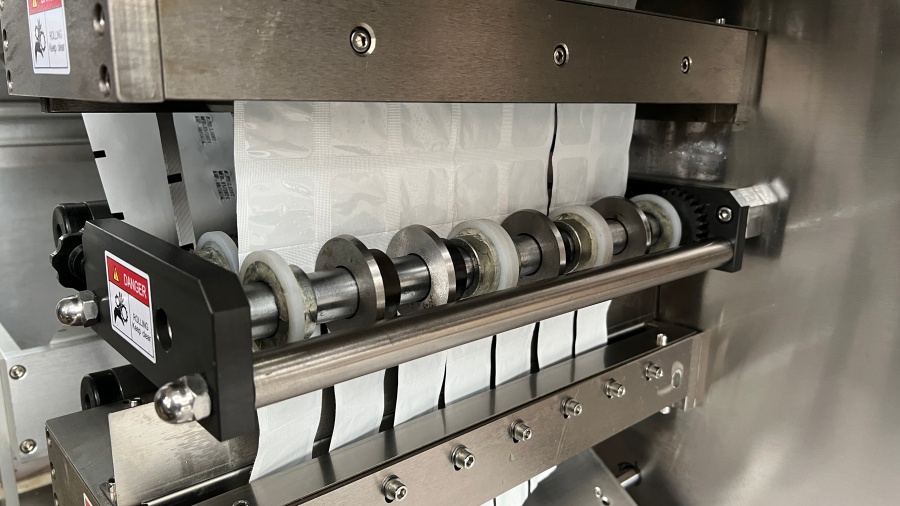
Even though the tablets are sealed, they are still part of a larger continuous foil. That’s where the cutting unit does the magic.
It trims them into individuals or multi-tablet packs, based on the settings, by using a set of cutters. Plus, as it’s a machine, the cuts are clean and consistent throughout.
4. Drive Mechanism
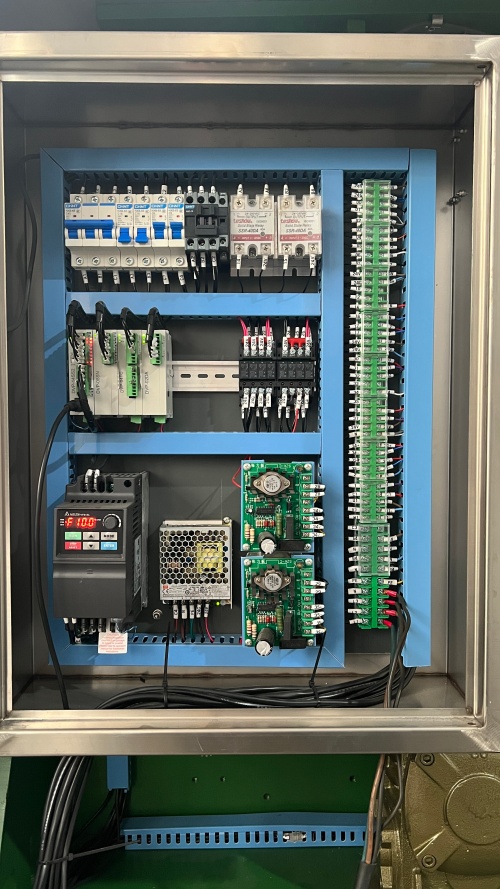
The tablet strip packing machine requires a set of equipment to function properly. Drive mechanisms have motors, belts, and timing gears to synchronize the whole operation. It also ensures a seamless transition between multiple stations.
If there’s a problem in any part of this mechanism, the packaging comes to a halt, which costs companies thousands.
5. Control Panel (PLC/HMI Interface)
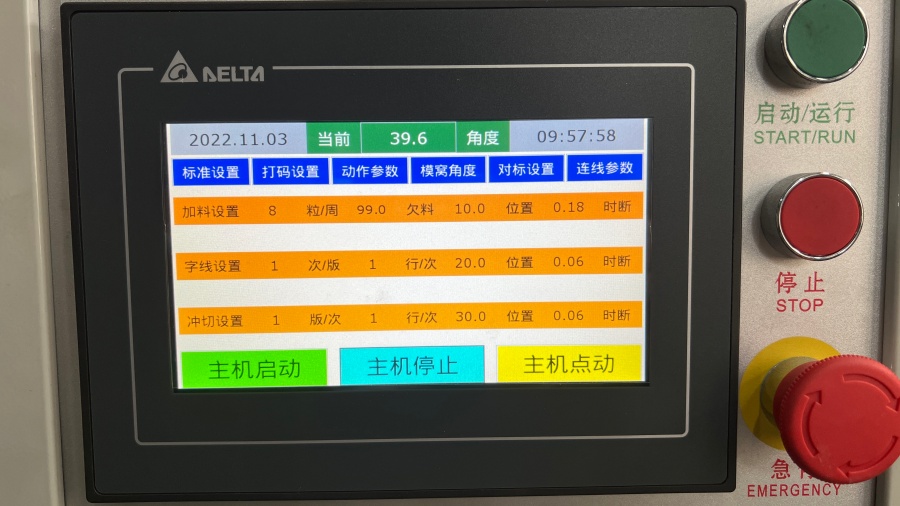
Modern machines now come equipped with a control panel that handles all functions. These machines also have one with a touchscreen display (HMI) and a programmable logic controller (PLC).
Operators can easily use these to check and manage temperature, speed, and output size with just a few taps. Additionally, it provides real-time diagnostics and alerts for easy troubleshooting.
How Does a Strip Packaging Machine Work?
Interested in knowing how strip packaging actually works? Here’s how it works:
1. Feeding and Orientation
Before the tablets are packaged, they need to be perfectly placed. This stage makes sure that it happens properly.
Tablets are fed into the machine using vibratory feeders or hoppers. These systems guide them into uniformity lanes and orient them into the correct position.
2. Sealing Process
Once tablets are in position, they go for sealing. At this stage, two foil layers (often made of aluminum or a composite material) sandwich the tablets. These are then passed through heated sealing rollers or plates.
The machine uses heat and pressure to fuse the layers together. It creates an airtight and tamper-proof strip.
3. Cutting and Output
After sealing, the continuous strip needs to be transformed into manageable pack sizes. For that, the sealed strip is guided into the cutting unit by the drive mechanism.
Here, the blades trim it into individual packs according to specifications. The end product is then uniform strips that are ready for secondary packaging.
4. Quality Assurance
Oversight and quality control are always important when machines are involved in making sensitive products like medication.
This is the step where good becomes great. Factories now use vision systems and sensors to inspect tablet placement, seal integrity, foil alignment, and print markings.
It prevents defective packaging, missing tablets, or even misprints. Some machines also have an auto-reject feature for faulty strips.
5. Real-Time Monitoring
Machines are now smarter than ever, and this stage shows why. It’s more of an oversight rather than a step.
Operators use a PLC or HMI panel to track performance in real time. It helps reduce downtime and makes sure the batch production is as smooth as possible.
Uses and Benefits of Strip Packaging for Tablets
Here are the uses and benefits of packing tablets into heat-sealed strips:
1. Protection and Shelf-Life Extension
One of the biggest concerns people have is whether the medicine is safe to use after a while. This problem is solved through strip packaging. Because the medicine is packed airtight, the tablets inside can survive for a long time.
In technical terms, the protective layer maintains the chemical integrity of the tablets and reduces the chances of spoilage.
2. Dosing Convenience
You’ve seen that medicines often come in unit packs. It means each tablet is separated in its cavity. It also increases convenience for the patients.
It’s the main reason why we are able to take the correct dose every time. According to research, user-friendly packaging significantly improves patient adherence.
3. Safety and Hygiene
Tablets are highly sensitive products. That’s why they are sealed and packed in a way that shows visible damage if compromised.
Each tablet is individually sealed, allowing it to avoid contact with air, surfaces, and hands until it’s needed.
4. Regulatory and Compliance Benefits
Pharmaceutical companies are required to follow strict guidelines for medication packaging. Strip packaging meets many of these regulatory requirements.
In pharma, nothing can go forward without compliance. That’s why strip packs have batch numbers, expiration dates, and barcodes. This helps manufacturers comply with FDA, WHO, and EU regulations.
Types of Tablet Packaging Machines
You must have seen medication in different packaging. Some are in strips, some in pouches, and some even in small bottles. It’s not one-size-fits-all.
Let’s take a look at the most common tablet packaging systems:
1. Strip Packing Machines
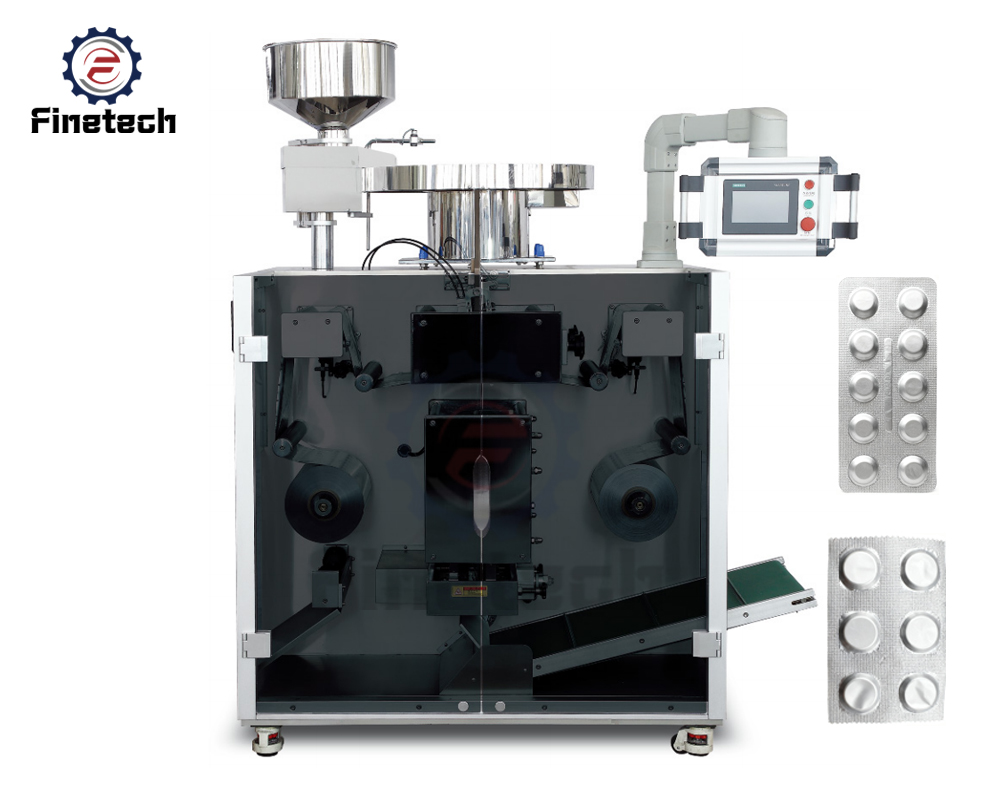
Image Source: https://pharmamachinecn.com/ftb-220-300-tablet-capsules-strip-packing-machine/
These are the ones we’ve already discussed above. Strip packing machines are ideal for packaging single-dose tablets.
It is widely used when hygiene, tamper evidence, and patient dosing convenience are top priorities. They are often chosen for clinical trials, export markets, and over-the-counter (OTC) drugs.
2. Blister Packing Machines
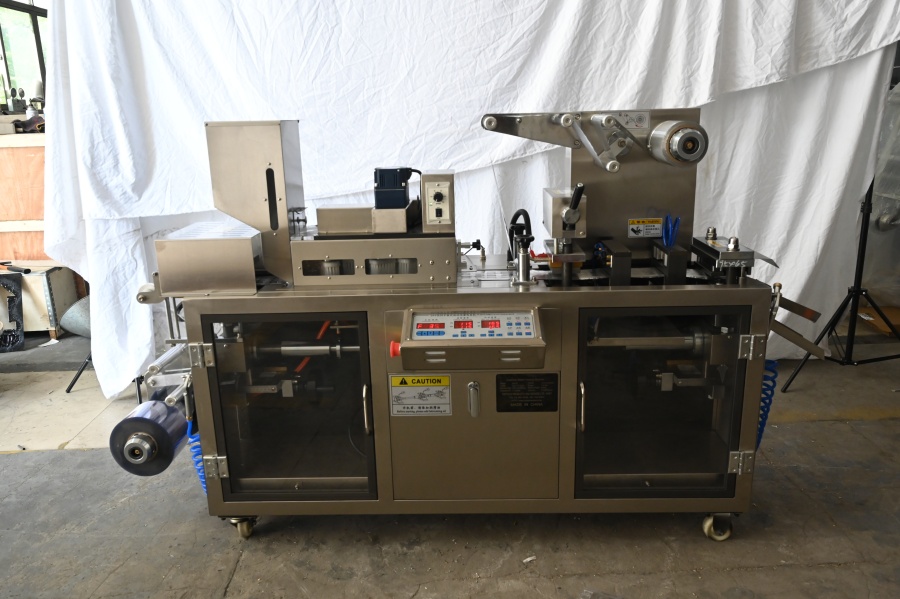
In retail pharma, these machines are used the most. They form cavities using either thermoforming (plastic) or cold forming (aluminum). And then seal them with a lidding foil.
It’s best for mass-market products where branding and patient guidance are crucial. This way, the tablets remain visible through transparent packs or encased in opaque foil.
3. Bottle/Capsule Filling Machines
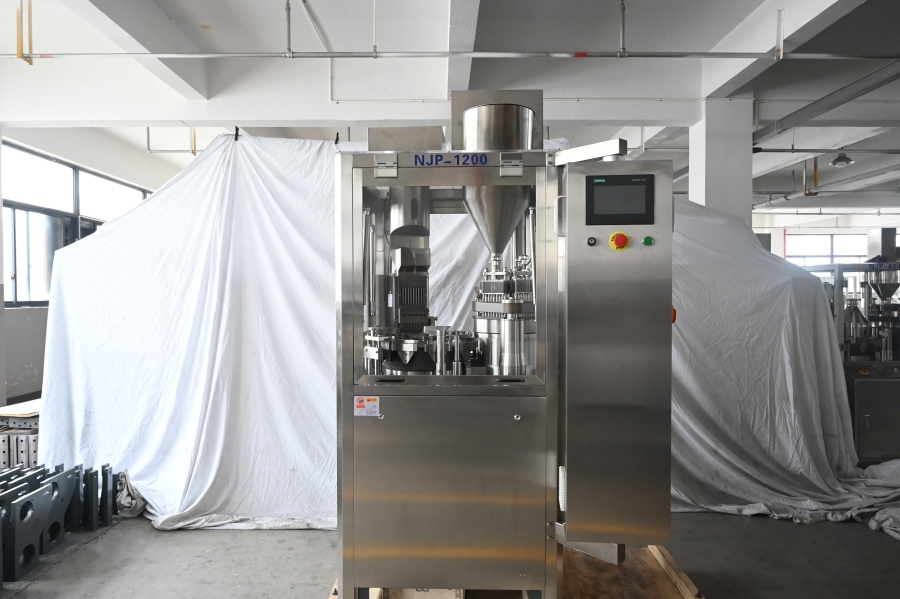
For bulk-packaging, capsule filling machines are the preferred choice. This machine is typically used for packing vitamins and over-the-counter medication in pharmacies.
It counts the tablets or capsules and then fills them into plastic or glass bottles and seals the bottles with labels. It’s pre-programmed to add a specific amount in each bottle.
4. Sachet and Pouch Packing Machines
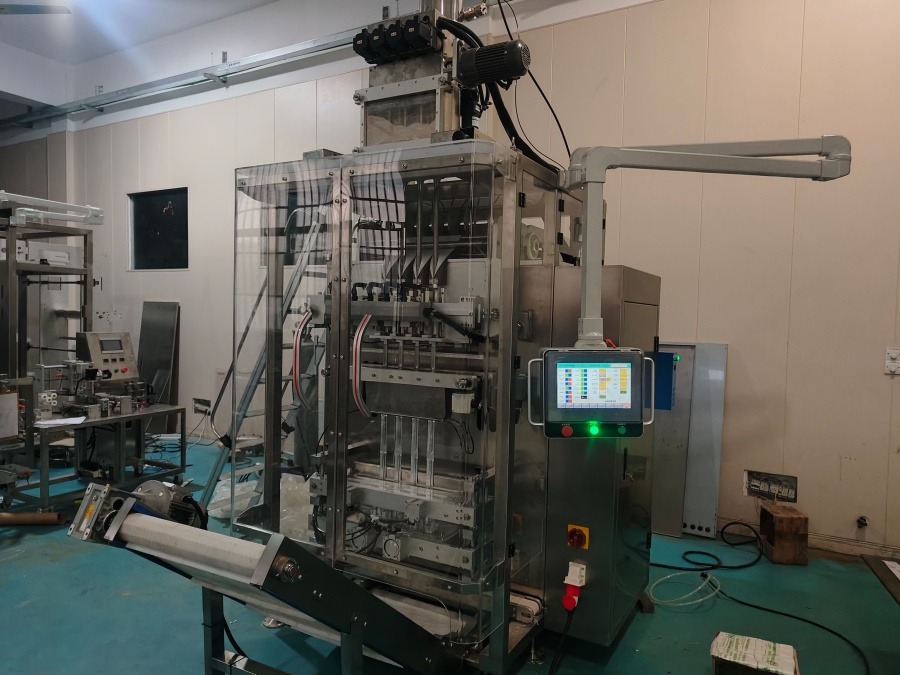
Tablets or capsules are also packaged into pouches or sachets, and a machine for this purpose is also available, referred to as the sachet and pouch packing machine. It’s commonly used in travel packs, sample kits, or multi-drug therapies.
Sachet machines are quite versatile. They can handle a wide range of shapes and materials, making packaging inexpensive.
Common Challenges
Here are two of the most frequent issues strip packaging machines have to face:
- Temperature Calibration: If the temperature is too low, the foil doesn’t seal properly. Similarly, if the temperature is too high, it can damage the tablets. This is one thing that operators need to monitor to maintain optimal temperature.
- Film Jamming and Alignment Issues: Misalignment of the foil or sudden jerks in the film feed can cause it to jam inside the machine. This stops production and damages the product.
Summing Up
Tablet strip packing machines are an important part of pharmaceutical manufacturing. They secure the tablets, protect them from damage, and make it easy to dispense.
So, if you’re in the pharma industry and need a reliable tablet packaging machine, this one is the best you can get.
It is a smart, secure, and long-lasting tablet packaging solution.
FAQs
1. What is the difference between strip packing and blister packing?
Strip packing uses two layers of foil to heat-seal the tablets inside. Meanwhile, blister packaging uses a plastic cavity and an aluminum backing to make the packaging transparent. The former is ideal for sensitive tablets, while the latter is mostly used for branding and display.
2. Are strip packing machines suitable for all types of tablets?
Not always. Strip packing machines are best for solid, stable tablets and capsules. Effervescent tablets, chewables, or those with a fragile coating may not be ideal for strip packaging. For exceptions, blister or bottle packaging is often used.
3. How fast can a tablet strip packing machine operate?
On average, a high-speed machine can pack anywhere from 200 to 800 tablets per minute. Some advanced systems go even higher than this. This depends on the model, build quality, and automation level.