English
  Russian
  Turkish
  Spanish
  French
  German
  Japanese
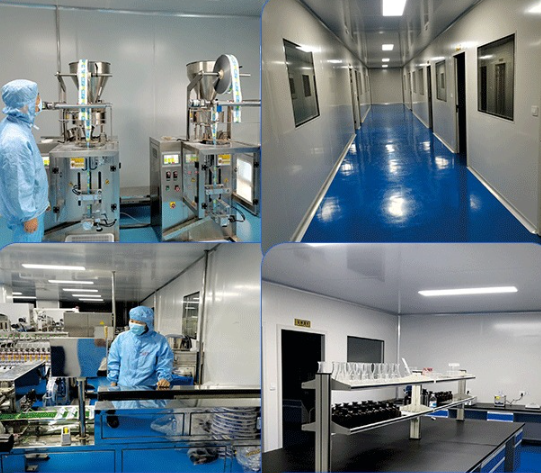
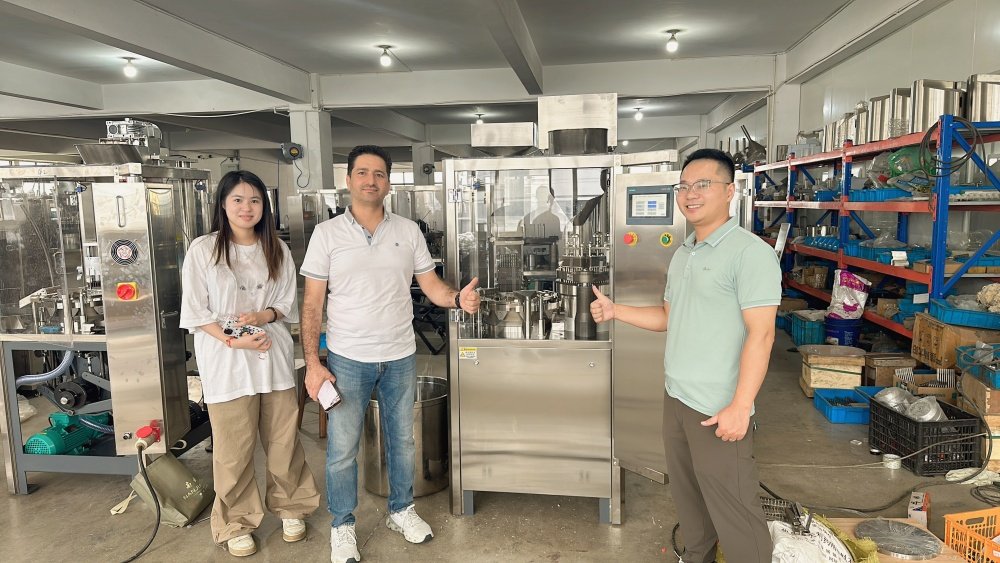
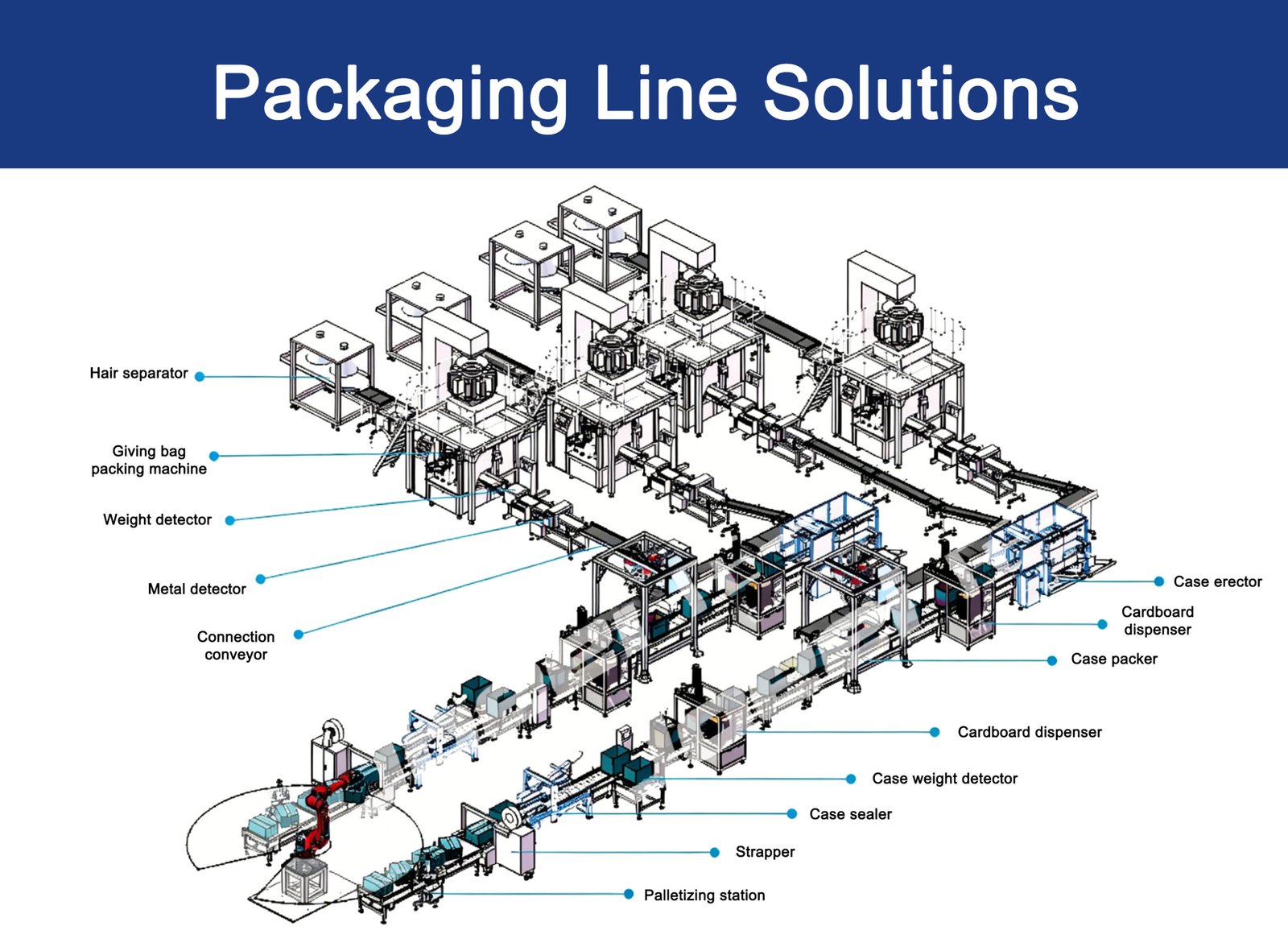
In the pharmaceutical industry, packaging isn’t just limited to aesthetics. Instead, it focuses on ensuring the safety and efficacy of various drugs. There are different types of pharmaceutical packaging equipment involved in this, from blister packing machines to sealers and bottle unscramblers. Let’s discuss them in detail, along with their definition and importance!
Types of Pharmaceutical Packaging Equipment
Do you know the pharmaceutical packaging equipment industry is quickly growing and expected to hit around USD 18.39 billion by 2034? Yes, it’s true! Here’s an overview of the different equipment that you can easily find in the market to streamline your packaging tasks:
Blister Packing Machines
Blister packing machines automate the process of creating sealed packages or blisters. It has multiple stations that handle forming, feeding, sealing, embossing, perforating, and punching. You can use it to pack capsules, tablets, and other solid dosage forms. Here’s an overview of the working of a blister-making machine:
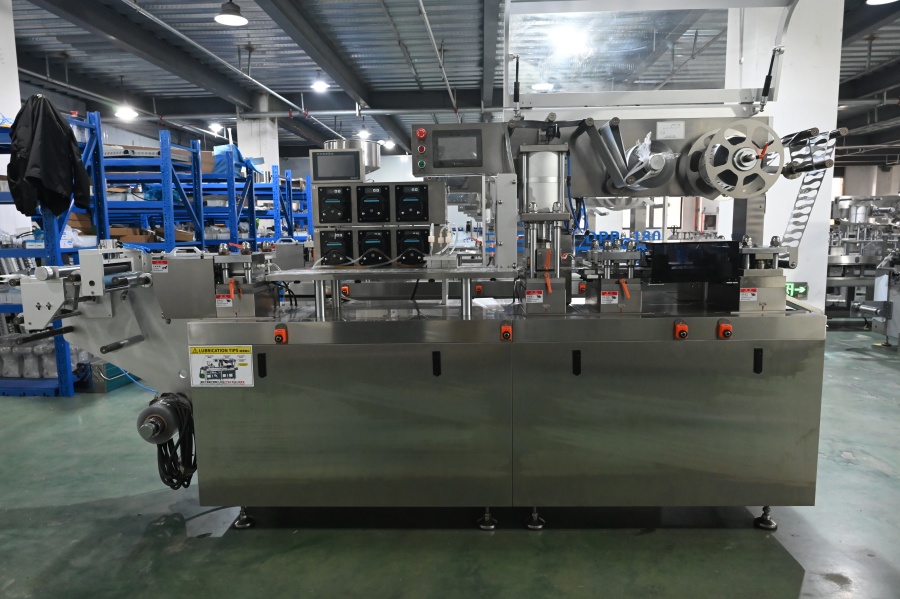
- The machine starts by heating a plastic film (PVC or PET) using a flat or roller heating device to soften it.
- It is then sucked in using a vacuum or compressed air to mold it into the desired shape.
- Next, the formed blisters are moved to the filling station, where pharmaceutical products are filled into each cavity.
- A lidding material, typically aluminum foil, is then applied over the blisters using heat to seal it, and that’s all; your blister pack is ready!
You can either opt for semi-automatic or automatic blister packing machines, depending on your business scale and budget. This equipment helps you provide assurance to end customers that the drug is tamper-proof and each blister contains a precise drug dosage.
Powder and Liquid Filling Machines
Depending on the type of materials to be filled, there are different filling machines manufactured and supplied to the pharmaceutical industry. These types of pharmaceutical packaging equipment are versatile, compact, corrosion-resistant, and easy to maintain. Let’s discuss the two major categories: powder and liquid filling machines.
Powder Filling Machines
Powder filling machines are specialized devices that fill vials, bottles, and capsules with exact quantities of powder substances. In pharmaceutical settings, these machines ensure accurate dosing of medications for targeted drug delivery in host systems. The working principle of these is quite simple:
- The first step in the process is feeding the powder medication into the machine. It’s done using a hopper that contains a bulk quantity of powder and continuously feeds it into the dosing unit.
- Once the powder has been fed, the machine then fills it into accurate dosages using volumetric or gravimetric filling techniques. The volumetric approach uses volume measurements to dispense the powder. In gravimetric analysis, it measures the powder by weight.
- Containers like vials or bottles are then introduced into the system using conveyor belts. Make sure they are correctly placed beneath the nozzle where a pre-measured dose of powder drug is injected into each container.
- Stoppering lines seal vials and other containers to prevent contamination from air or moisture.
- Attach labels carrying product name, manufacturing date, and ingredients information for easy sorting and shipping.
Liquid Filling Machines
Liquid filling machines, as the name implies, fill vials, bottles, and tubes with liquid medications. Different types of packaging equipment help in this, such as:
- Gravity/Siphon Filler: Gravity fillers have a simple working principle; they use the natural force of gravity to fill the bottle with liquid. The product flows from a storage tank using a valve, enabling it to fill the jars below. It’s suitable for low viscosity liquids, and you get consistent fills without much foaming and splashing.
- Piston Filler: For liquid and semi-liquid products, you can also rely on piston fillers. They are quite common in pharmaceutical filling and use a piston to draw product into the chamber and dispense it into the container. What truly makes them unique is that they can automatically adjust the amount of product they draw and fill the same amount each time.
- For liquid filling and transfer lines, choosing the right sanitary coupling is essential to ensure leak-free operation and hygienic fluid handling. Many modern pharmaceutical production lines rely on high-quality stainless-steel camlock couplings for secure, fast-disconnect fluid connections between tanks, hoses,
Bottle Unscramblers
Bottle unscramblers are also a critical part of the different types of pharmaceutical packaging equipment. They are used to organize and align bottles for efficient filling, capping, and labeling. Here’s an outlook on the working of an automatic bottle unscrambler in pharma:
- There’s an in-feed hopper that typically holds bulk containers, from 2,000 to 10,000 bottles, depending on its size.
- Vibratory conveyors and rotary discs then come into play, producing gentle vibrations that guide bottles to separate and move towards the orientation and alignment tracks.
- Most pharmaceutical bottles have a narrow neck, and to catch these, there are neck-gripping wheels and guide rails that dangle them into a certain position.
- Finally, aligned bottles exit onto a single-file outfeed conveyor, and disoriented bottles are sent back to the hopper either through air jets or mechanical arms.
Desiccant Inserters
Typically, desiccants are hygroscopic substances that absorb moisture from the surrounding environment. In the pharmaceutical settings, desiccant inserters are used to place desiccants in specific product packaging. The primary goal is to ensure that moisture doesn’t affect the drugs so they stay high-quality. If you need further details on their work, here’s the step-by-step process:
- Desiccants are usually supplied in bulk, and they are fed into the machine using a hopper or similar system.
- If the desiccant comes in strips or rolls, there’s a cutting mechanism that separates them into packets before insertion.
- Mechanical arms, vacuum suction, or gravity feeds can then place the desiccants inside the packaging. The exact approach used depends upon the machine’s design and the type of packaging.
Sealers
Sealing machines, also known as sealers, are types of packaging equipment that close and secure containers like bottles, vials, bags, and other packages. Here’s an overview of the different types of sealing machines that you can invest in:
- Heat Sealers:As the name implies, these machines use heat to seal plastic bags continuously. The process is simple: there’s a conveyor belt system that moves the bags through heated sealing bars. When the bag is exposed to excessive heat, the plastic film melts, creating a strong seal.
- Vacuum Sealers: Next, we have vacuum sealers that remove air from a pharmaceutical bag or tube before sealing. The container is passed through a vacuum pump, and once a desired vacuum level is reached, it is sealed using heat. This is helpful in pharmaceuticals to prevent air and moisture deterioration.
- Cap Sealing Machines:Cap sealing machines are designed to apply caps and lids to different containers. These types of equipment use heat, pressure, or a combination of both to create an airtight seal. However, as far as induction cap sealers are concerned, they use electromagnetic induction that heats the foil seal, making it bond with the container.
Label Applicators
Label applicators are the types of pharmaceutical packaging equipment that apply labels to various containers, such as bottles, foils, and syringes. These labels contain critical information, including the product name and purpose, so their contents are clearly identified. Dosage instructions as well as specific demographic instructions, such as usage for pregnant women and children, are also mentioned on them. Here’s how a label applicator works:
- The process starts as a roll of labels is loaded onto the machine.
- During operation, each label comes off the roll and passes over a peeler plate that separates the label from its backing paper.
- Once separated, the label adhesive side is ready to be applied to the pharmaceutical container.
- After you are done with labelling, the backing paper goes through a rewinder where it’s collected for disposal or recycling.
Leak Detection Equipment
Leak detection equipment is a device that detects leaks in pharmaceutical packaging, pinpoints their exact location, and verifies seal integrity. They are handy for making sure that products are high-quality, sterile, and away from contamination.
The vacuum leak method is a common method employed in many detection systems. In this, you use methylene blue dye or another chemical to test whether there’s a leak.
The process is pretty straightforward: you place the pack of blisters in a vacuum leak detector that has the necessary chemicals (methylene blue dye mixed with water). If there’s a leakage, the liquid will seep into the blister package, giving a visual proof.
FAQs
What are the three main types of pharmaceutical packaging?
The three main types of pharmaceutical packaging equipment include primary packaging (blister packs, vials, bottles), secondary packaging (boxes), and tertiary packaging (shipping containers).
What is shrink wrapping equipment?
Shrink wrappers are actually among the types of pharmaceutical packaging equipment that wrap products with a heat-shrinkable plastic film. The film conforms to a product shape, providing a protective and aesthetically pleasing packaging.
What factors should be considered when choosing different types of pharmaceutical packaging equipment?
When choosing different types of pharmaceutical packaging equipment, you need to consider the product type (powder or liquid), required packaging speed, material compatibility, and automation level.
Conclusion
It’s important to understand the different types of pharmaceutical packaging equipment available and their roles before making a final investment. However, if you need reliable machines to handle your packaging tasks with efficiency.