Skip to content
  English
  Russian
  Turkish
  Spanish
  French
  German
  Japanese
Blister packaging is designed to protect your product, and in most cases, it does. However, small defects can have the opposite effect. A weak seal, a warped blister, or a misplaced tablet can turn a perfectly good batch into waste.
This leads to equipment downtime, which can cost companies almost $260,000 per hour. That means every minute your blister line isn’t running, your bottom line gets a hit.
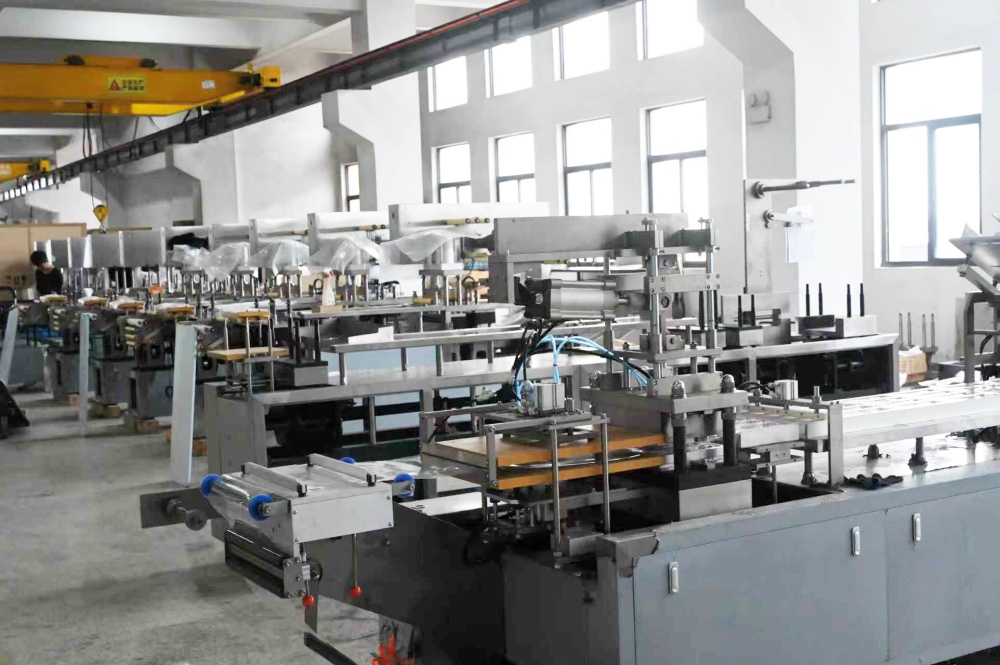
To make sure you’re well-prepared for such situations, we’ll discuss blister packaging defect troubleshooting steps you can use. By the end, you’ll know how to spot problems early, fix them faster, and keep your blister line running.
What Is Blister Packaging Machine Defect Troubleshooting?
Blister packaging defect troubleshooting is the process of finding, fixing, and preventing problems that affect the quality of blister packs. These problems can include weak seals, cracked blisters, misplaced products, foil wrinkles, or leaks that allow air and moisture to enter.
In a real manufacturing environment, defects do not usually happen all at once. They slowly appear when blister packaging machine settings drift, materials change, or parts begin to wear out.
Blister Packaging Machine Defects Troubleshooting by Problem Type
Once you know what kind of defect you are seeing, the next step is to understand what is causing it and how to fix it. Most blister problems fall into a few main groups related to sealing, forming, feeding, and material handling.
By isolating the problem type, you can make faster adjustments and avoid unnecessary downtime.
1. Sealing Problems
Weak or leaking seals usually happen when heat, pressure, or time is not applied correctly. If the sealing temperature is too low, the foil will not bond fully to the blister film.
However, if it is too high, the material can warp or burn. Uneven pressure across the sealing plate also causes parts of the blister to seal well while others remain open. Dirty or worn sealing tools worsen this problem.
How to Fix Sealing Problems
- Adjust sealing temperature and pressure in small steps
- Clean sealing plates and remove residue or dust
- Check for worn or damaged sealing surfaces
- Make sure the foil matches the blister film
- Re-align the sealing station for even pressure
2. Forming Problems
Forming problems happen when the blister cavities are not shaped correctly. This usually comes from incorrect heating of the plastic film or weak vacuum or air pressure during forming.
If you don’t heat the film enough, it will not stretch into the mold properly, and vice versa. Additionally, old or damaged molds can create uneven or shallow pockets that do not hold products correctly.
How to Fix Forming Problems
- Adjust the forming temperature to suit the film type
- Check vacuum and air pressure levels
- Inspect forming molds for wear or damage
- Use film with the correct thickness
- Replace any damaged tooling
3. Feeding and Placement Problems
Product placement problems occur when items do not drop cleanly into the blister cavities. This can be caused by poorly adjusted feeders, product size that does not match the pocket shape, or unstable movement during feeding.
Dust, powder, or static electricity can also cause products to stick, bounce, or land in the wrong position.
How to Fix Feeding Problems
- Calibrate the feeding system and guides
- Match the pocket shape to the product
- Reduce vibration in the feeding area
- Clean dust and residue from contact surfaces
- Use anti-static controls if needed
4. Film and Foil Problems
Wrinkling, tearing, or excessive waste occurs when film or foil is not feeding smoothly. In this case, too high or too low tension in the reel can cause the material to stretch, fold, or tear.
Another problem that increases the risk of damage is misaligned rollers and poor-quality materials. Furthermore, the heat generated by the sealing process can weaken films already stressed.
How to Fix Film and Foil Problems
- Adjust reel tension for smooth feeding
- Align rollers and guide tracks
- Replace damaged or low-quality material
- Check sealing heat levels
- Remove sharp edges or rough surfaces
5. Cutting and Perforation Problems
Cutting defects occur when blister cards are not cleanly separated. You may see jagged edges, torn foil, or cards that are still partly attached. This usually comes from dull cutting knives, incorrect cutting pressure, or poor alignment.
If the material is too thick or stretched unevenly, cutting becomes even harder and causes waste.
How to Fix Cutting Problems
- Sharpen or replace cutting blades
- Adjust cutting pressure
- Align the cutting station with the blister web
- Check film and foil thickness
- Remove any buildup on cutting tools
6. Tablet or Product Damage
Cracked, chipped, or crushed products inside blisters are often caused by excessive forming depth, tight pocket sizes, or rough handling during feeding. High vibration, fast machine speed, or incorrect guide rails can also cause products to collide and break before sealing.
How to Fix Product Damage
- Increase pocket size slightly
- Reduce machine speed
- Adjust feeder guides
- Reduce vibration in the feeding area
- Use softer handling parts
7. Printing and Coding Problems
Smudged, faded, or misaligned batch codes happen when the printer is not synchronized with the blister movement. Such reduced print quality can also result from incorrect ink, dirty print heads, or uneven foil surfaces. If the codes are unreadable, the product may be rejected.
How to Fix Printing Problems
- Align the printer timing with the machine
- Clean print heads
- Use the correct ink for foil
- Check foil flatness
- Adjust print pressure
Other Small Issues That Cause Big Defects
Some defects come from small, easy-to-miss problems that build up over time.
One of those problems is poor storage of films that can lead to moisture damage. Dirty machines also cause trouble by allowing dust and particles to contaminate blisters. Even small changes in machine settings can push the process out of balance.
How to Prevent These Problems
- Store films and foils in clean, dry areas
- Clean the machine regularly
- Inspect parts for wear
- Keep process settings stable
- Train operators to spot early warning signs
Blister Packaging Machine Defects Troubleshooting Checklist
When blister defects appear, reacting randomly often worsens the problem. A simple, repeatable process helps operators find the real cause faster and fix it with less downtime. This checklist gives you a clear path to follow every time something goes wrong.
Step 1: Inspect
Start by examining the defect closely. Check the blister cavities, seals, foil, and product placement. Is the seal open, is the cavity shallow, or is the product out of position? Visual inspection often reveals where the problem begins.
Step 2: Measure
Next, check the key machine settings. Look at forming temperature, sealing temperature, pressure, vacuum levels, and line speed. Compare them to the standard settings for the material and product you are running. Small changes in these values can lead to major defects.
Step 3: Adjust
Make one adjustment at a time. Change only one setting, such as heat or pressure, and avoid making multiple changes at once. This makes it easier to understand what resolved the problem and what did not.
Step 4: Test
Run a few blister packs after each adjustment. Inspect them carefully to see if the defect has been repaired or disappeared. Do not restart full production until the packs look correct.
Step 5: Confirm
Once the defect is gone, continue to monitor the line for several minutes. Make sure the problem does not return. In the end, make sure to record the final settings so the same solution can be used again.
FAQs
1. Why are some blister cavities failing to form completely?
Obstructed vacuum ports or insufficient air pressure prevent the film from reaching the bottom of the mold. Cleaning the forming tools with compressed air removes dust or debris. Verification of the pneumatic supply ensures consistent pressure during every cycle.
2. What causes the blister card to have jagged or rough edges?
Dulling of the die-cutting blades or incorrect clearance between the punch and die leads to poor shearing. Regular sharpening schedules for the cutting tools are mandatory. Proper alignment of the punching station prevents burrs on the final card.
3. What causes “smudged” or unreadable batch codes on the blister backing?
Improper ink viscosity or incorrect distance between the printer head and the foil results in poor legibility. Adjusting the drying time or increasing the corona treatment on the foil surface improves ink adhesion. High-resolution sensors must verify every code.
4. Which factors cause the lidding foil to peel off too easily?
This defect indicates either insufficient sealing temperature or a mismatch between the foil lacquer and the base web. Validation protocols must confirm that the heat-seal coating is compatible with the specific polymer used in the forming film.
Fix Blister Defects at the Source
Blister packaging defect troubleshooting is not just about fixing problems after they appear. It is about understanding what causes those defects and building a process that prevents them. That said, even the best troubleshooting cannot overcome the limits of outdated equipment.
You can actually solve many of the problems by choosing the right machine, and that’s where Finetech jumps in.
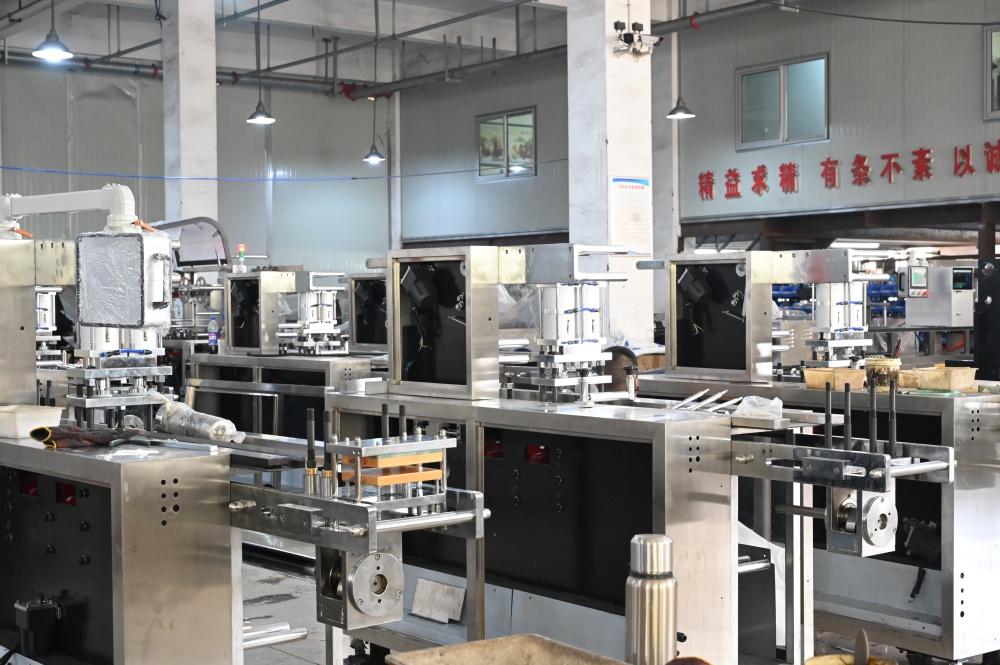
We offer a complete range of blister packaging solutions. This includes compact DPP machines for tablets and capsules, as well as Alu-Alu and roller blister lines. For consumer and retail products, we also offer blister card packers.