 Skip to content
  English
  Russian
  Turkish
  Spanish
  French
  German
  Japanese
Bottle Washing Machine in Pharmaceutical Industry
Bottle washing machines are critical equipment in pharmaceutical manufacturing, designed to clean and sterilize glass containers (vials, ampoules, bottles) before filling with parenteral, ophthalmic, or other sterile pharmaceutical products. These systems ensure removal of contaminants while meeting stringent regulatory requirements for product safety and quality.
View Our Bottle Washing Equipment
The Automatic Bottle Air-Cleaning Machine is a specialized packaging equipment designed for seamless integration into production lines. It performs a complete four-stage cycle: automatic infeed, secure clamping, thorough air-cleaning, and final outfeed. Built to meet stringent national GMP standards and precise process requirements, it delivers the most reliable and effective cleaning solution, ensuring peak operational efficiency and superior results.
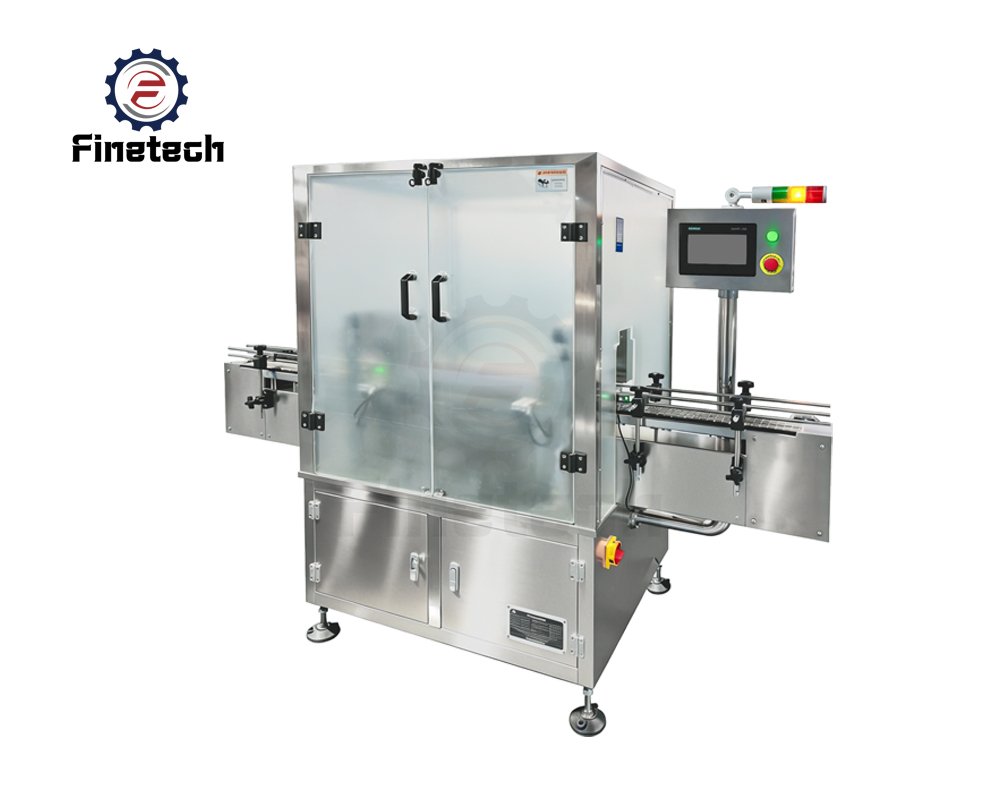
Bottle Washing Machine(Air Clean)
The bottle is sterilized and dried by a jet of filtered, sterile air. This one-step process guarantees both a sterile environment for the container and a moisture-free interior.
Bottle Washing Machine Specifications
| Bottle Washing Machine: | Parameters |
|---|---|
| Bottle specification: | 15-600ml |
| Output: | 20-160 Bottles/min. |
| Air pressure: | 0.5Mpa |
| Air Supply: | 0.8 m3/h |
| Voltage: | 220V |
| Power: | 0.3Kw |
| Overall Dimension(L*W*H): | 2000*700*1700MM |
| Net weight: | 300kg |
Bottle Washing Machine Applications
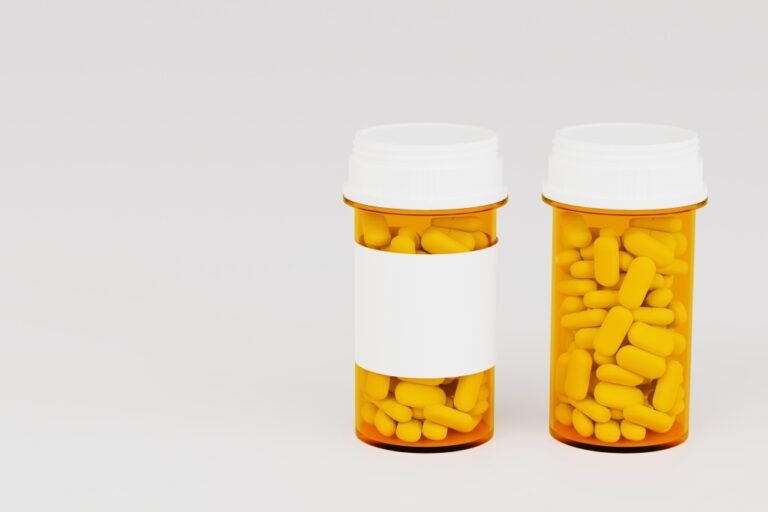
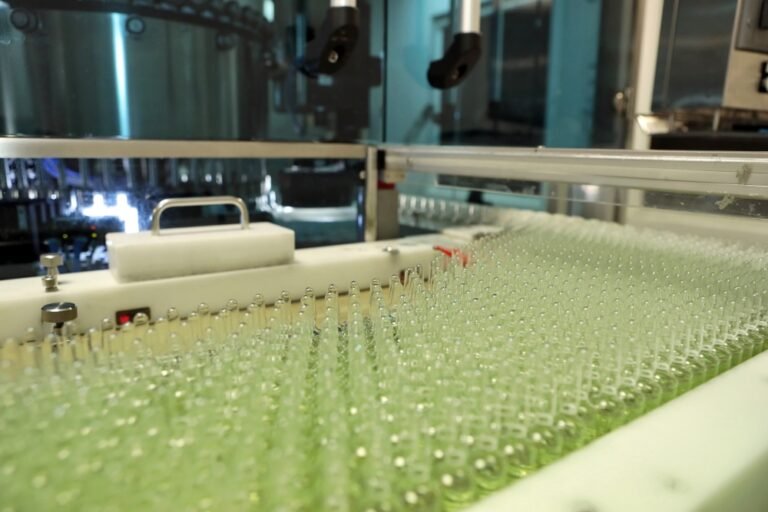
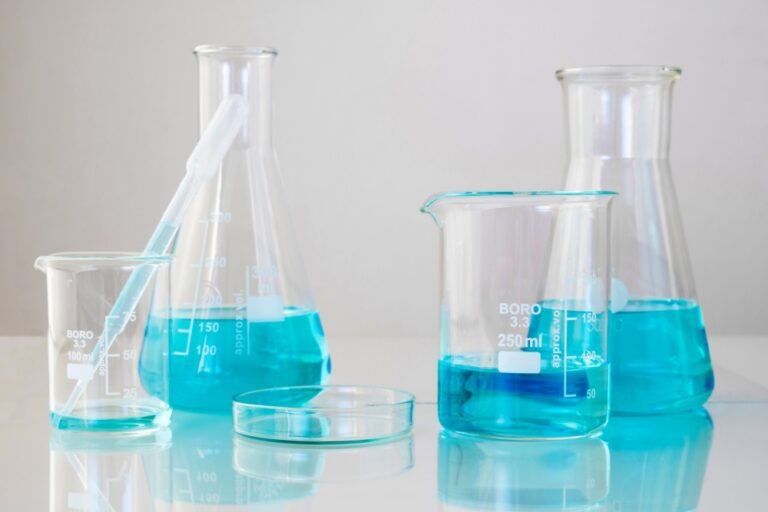
Understanding the applications of bottle washing machines in various industries
More details about Machine
Key Parts of Bottle Washing Machine
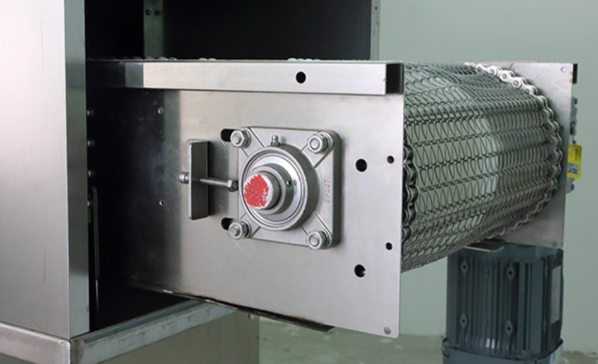
Takes the single-file line from the unscrambler and times and spaces the bottles correctly before they enter the washer's pockets.
Infeed Screw or Starwheel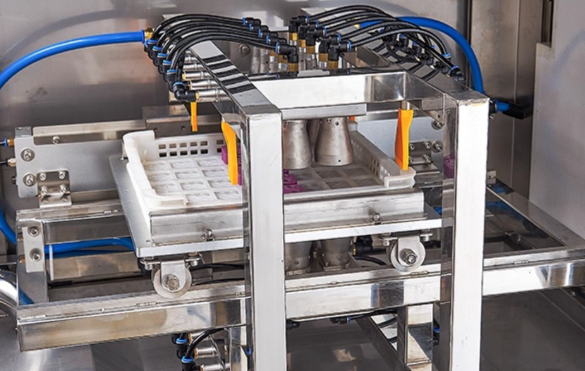
Similarly removes the clean, washed bottles from the drum and places them onto the outlet conveyor.
Discharge Star/Screw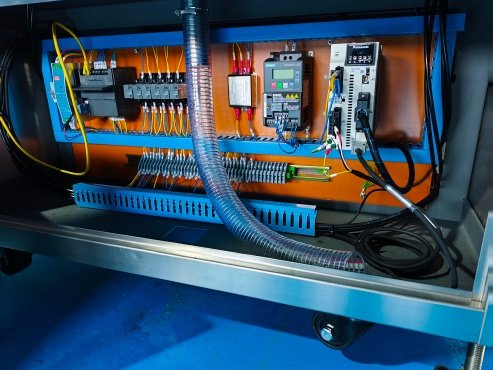
Provides the power to rotate the large drum smoothly and reliably.
Drive Motor & GearboxBottle Washing Machine Working Principle
Here is a simple introduction to the working principle of an industrial Bottle Washing Machine.
- Step 1, Loading (Feed): Bottles are placed in the machine, often by an automatic feeder that lines them up correctly.
- Step 2, Washing: The bottles pass through a detergent spray or bath. Hot water mixed with a special cleaning solution is sprayed inside and outside each bottle to remove dirt, germs, and residues.
- Step 3, Rinsing: Clean water (usually purified or sterilized water) is sprayed into the bottles several times to wash away all traces of detergent.
- Step 4, Final Rinse & Sterilization Prep: A last rinse with very pure water (called Water for Injection or WFI) ensures no particles or germs remain. For sterile products, the bottles are now ready for a sterilization tunnel.
- Step 5, Drying & Unloading: Hot, filtered air is blown into the bottles to dry them completely. They are then moved out of the machine, ready for the next step in the production line.
FAQ
It is an automated system designed to clean, rinse, and often dry glass or plastic containers (vials, ampoules, bottles) to a predefined standard. It is critical for removing particulate matter, pyrogens (endotoxins), and microbial contaminants to ensure drug product safety, stability, and compliance with Good Manufacturing Practices (GMP).
They must be designed and validated in accordance with:
GMP Guidelines (FDA, EMA, WHO).
Pharmacopeial Standards: (USP <1>, EP, JP for particulates and containers).
Quality Standards: ISO 9001, cGMP requirements for design, materials (e.g., 316L stainless steel), and documentation (21 CFR Part 11 for electronic records, where applicable).
Rotary Washers: High-speed, continuous motion machines for large-scale production.
Ultrasonic Washers: Use cavitation for deep cleaning of complex geometries; often used as a pre-wash or for labware.
Tunnel Washers: Integrated into sterile lines, connecting directly to sterilization tunnels and filling machines.
Batch/Cabinet Washers: For small batches, laboratory use, or clinical trial materials.
A validated multi-stage process usually includes:
Pre-rinse: Removes gross debris.
Washing: Detergent cycle with controlled temperature and time.
Internal & External Rinsing: Multiple rinses with Purified Water (PW).
Final Rinse: Critical rinse with Water for Injection (WFI) for sterile products.
Drying: Hot air drying to remove residual moisture, preparing containers for depyrogenation or filling.
Potable Water: For initial pre-rinse.
Purified Water (PW): For main rinsing cycles. Must meet conductivity and microbial limits.
Water for Injection (WFI): Used for the final rinse on sterile product lines. It is pyrogen-free and produced by distillation or reverse osmosis, meeting the strictest compendial standards.
Validation is a mandatory GMP requirement and follows the IQ/OQ/PQ protocol:
Installation Qualification (IQ): Verifies correct installation per specifications.
Operational Qualification (OQ): Tests machine functions (time, temperature, pressure, flow rates).
Performance Qualification (PQ): Demonstrates consistent performance using worst-case conditions, often with challenge tests (e.g., using soiled containers with known contaminants like endotoxins, particles, or mock soils).
CIP (Clean-in-Place): An automated system that cleans the machine’s internal circuits without disassembly. It is a standard GMP requirement to ensure reproducibility and prevent cross-contamination.
SIP (Sterilize-in-Place): Uses steam to sterilize the machine’s internal fluid paths. It is essential for machines used in sterile or aseptic processing lines.
Standalone Machine: Used for non-sterile products (oral liquids, topicals) or for washing containers that will later be sterilized in an autoclave.
Tunnel Washer/Sterilizer: An integrated system where washed containers move directly into a hot air sterilization tunnel for depyrogenation. This is the standard for aseptic filling of injectable products.
Water & Energy Consumption: Modern machines focus on reducing usage through recirculation loops and efficient design.
Breakage & Particulate Generation: Gentle handling systems and optimal jet alignment are key.
Validation & Change Control: Any modification (change of detergent, container type) requires revalidation.
Effluent Handling: Detergent and contaminant discharge must comply with environmental regulations.
Single-Use Systems: Growing for high-potency or small-batch products, eliminating cleaning validation.
Industry 4.0 Integration: IoT sensors, data analytics for predictive maintenance, and integration with MES (Manufacturing Execution Systems).
Sustainability: Designs focused on significant reduction in WFI, PW, and energy consumption.
Flexibility: Quick changeovers to handle multiple container sizes and types for multi-product facilities.
Networks of pipes with precisely angled spray nozzles that jet cleaning solutions and water inside and outside the bottles.
Spray Pipes & Nozzles