Skip to content
  English
  Russian
  Turkish
  Spanish
  French
  German
  Japanese
When demand for coffee capsules increases, packaging is usually the first bottleneck on the production line. Output slows, sealing quality becomes inconsistent, and rejects start to rise. That’s why you need a reliable Coffee Capsule Filling Machine.
The right machine determines how efficiently you can produce, how consistent your capsules remain, and how much rework your operation requires. Despite this, many manufacturers still choose equipment based on price or brochure specifications alone.
To make sure you find the right one for your business, we’ll be discussing everything you need to know about Coffee Capsule Filling Machines.
What Is a Coffee Capsule Filling Machine?
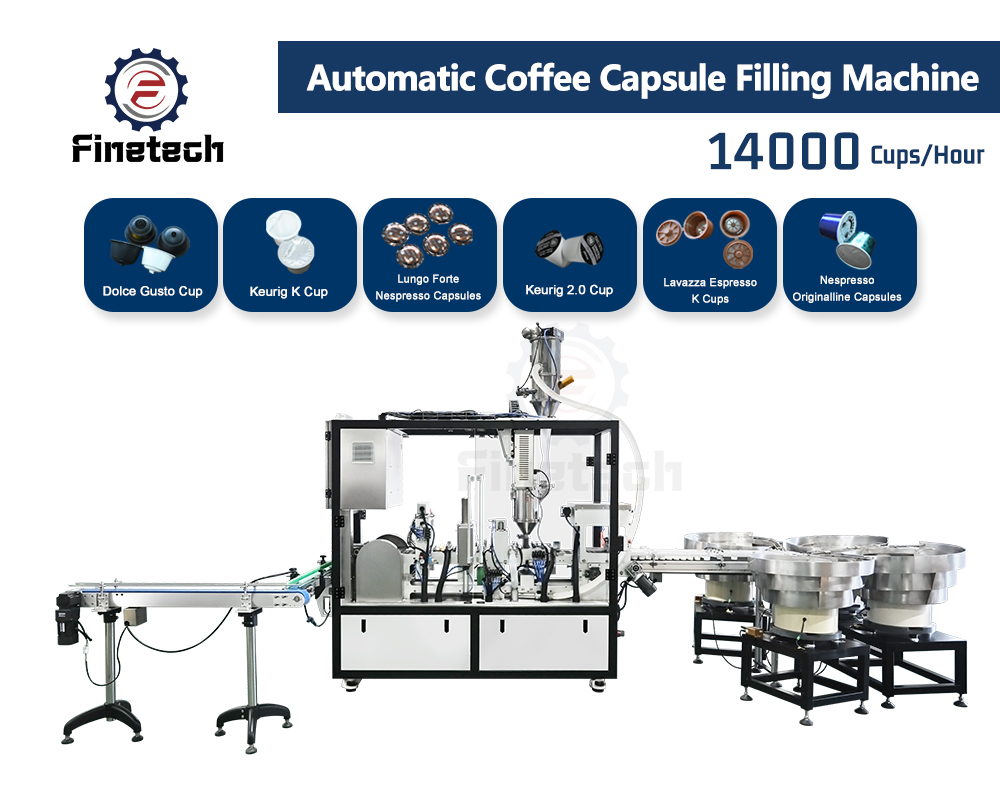
A Coffee Capsule Filling Machine is a production machine used to fill, seal, and package coffee capsules. It is designed for manufacturers who need consistent output, stable quality, and reliable sealing at scale.
In a typical production line, this machine handles the most critical steps after coffee grinding. It doses the coffee into capsules, applies the lip, and seals it to protect freshness. Some machines also include nitrogen flushing to remove oxygen before sealing.
In simple terms, a Coffee Capsule Filling Machine turns ground coffee into sealed, ready-to-sell capsules.
Coffee Capsule Filling Machine Working Principle
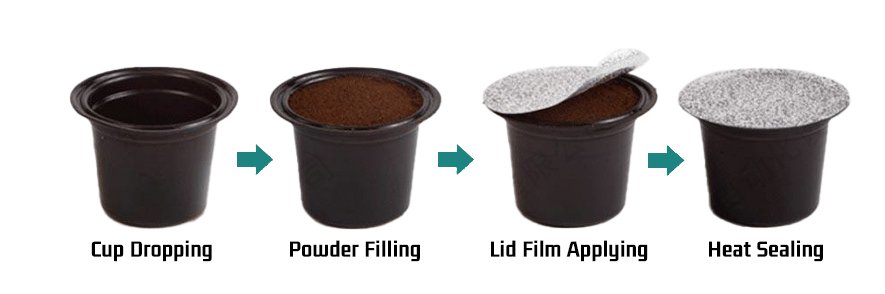
Below is a step-by-step explanation of how the process works on most industrial Coffee Capsule Filling Machines:
Step 1: Capsule Feeding and Sorting
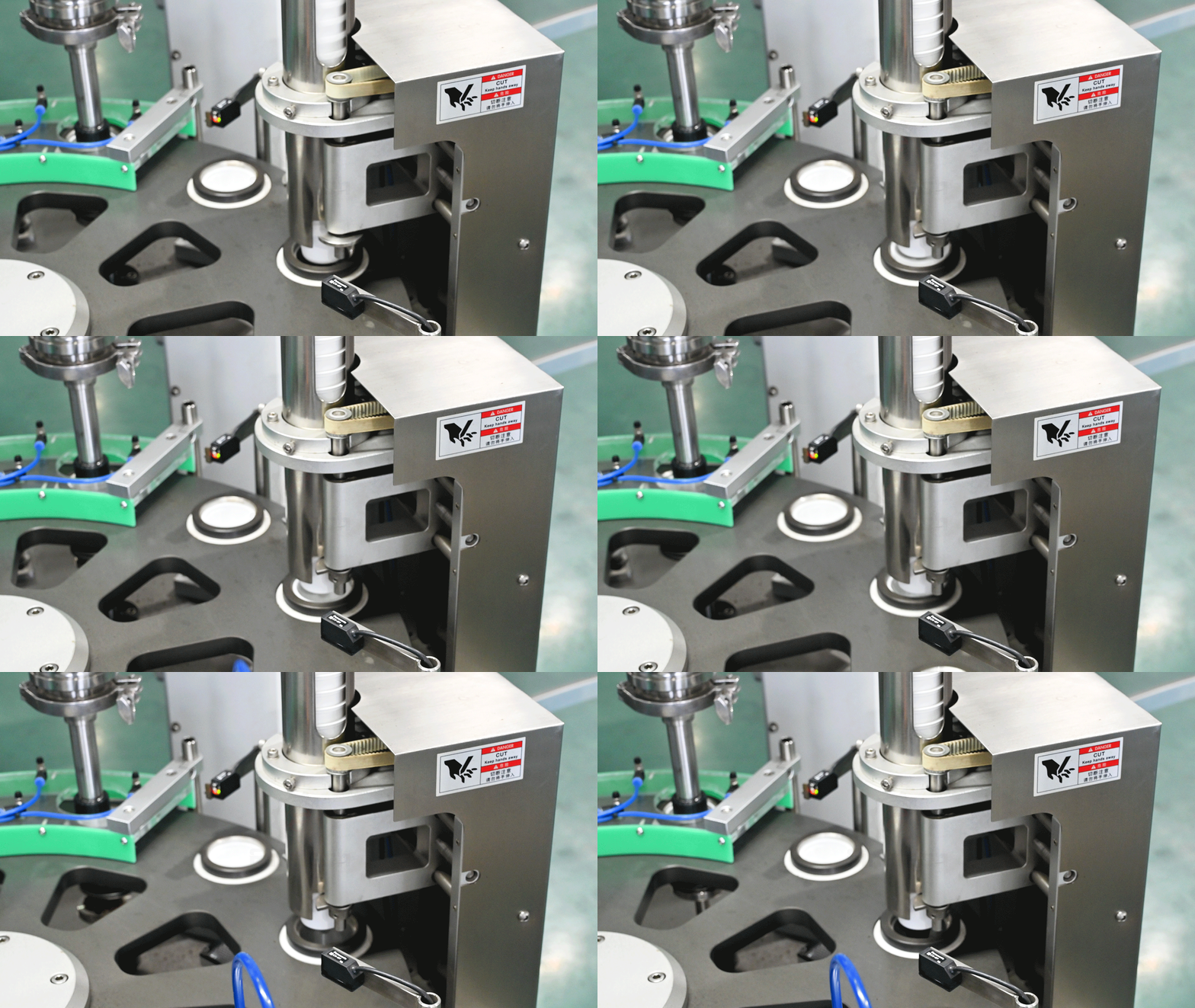
The first step is to load empty capsules/pods into the machine. A sorting and feeding system makes sure that capsules enter the line in the correct orientation and spacing.
The sensors detect whether the capsule is present before moving to the next station, so the machine avoids errors or jams.
Step 2: Coffee Powder Dosing and Filling
Next, the machine accurately fills each capsule with coffee powder. This is typically done using an auger filler or servo-controlled dosing system that measures the exact amount of coffee for consistent weight and quality.
The dosing system may also include mixing mechanisms to prevent clumps.
Step 3: Gas Flushing (Optional)
Many machines inject inert gas (often nitrogen) into the capsule before sealing to displace oxygen and preserve freshness.
This is common in higher-end production lines and helps extend shelf life by protecting aroma and flavor.
Step 4: Sealing the Capsule
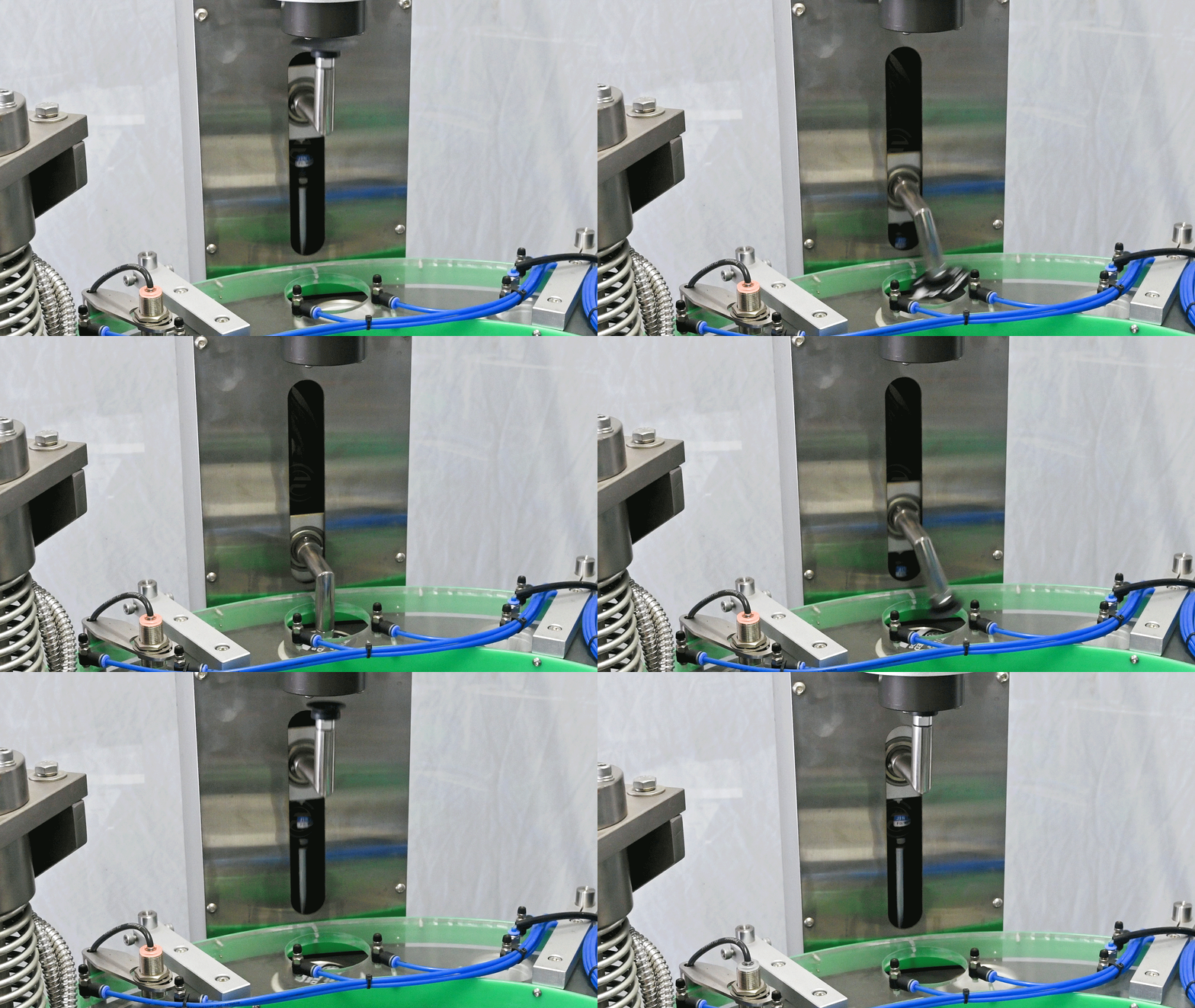
After filling, the capsules move to the coffee sealing machine, where the lid is sealed onto the capsule body.
Sealing can be done via heat sealing or ultrasonic sealing, depending on the materials being used. Without this step, the coffee capsules would not be airtight.
Step 5: Output and Collection
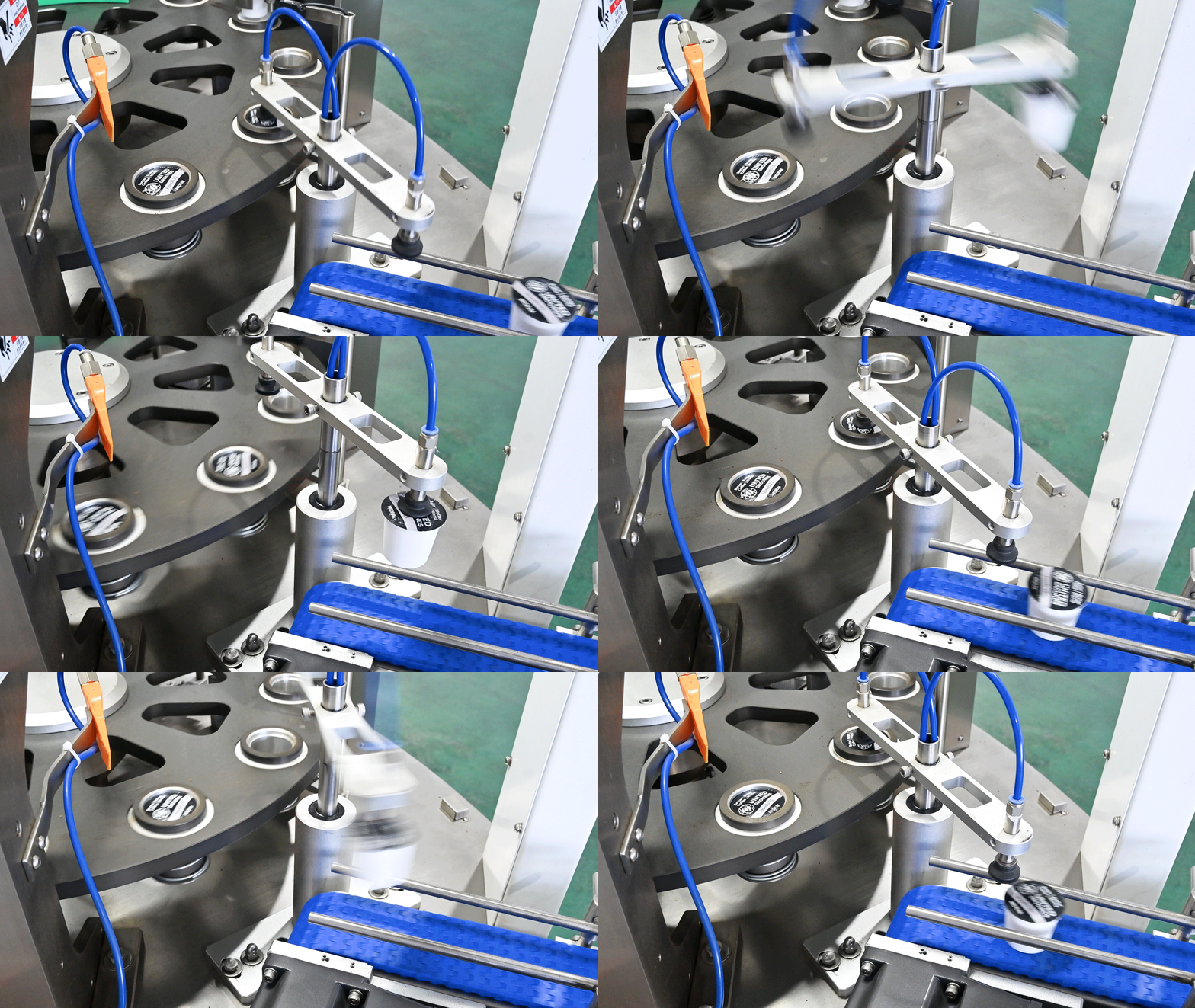
In the end, the coffee capsules are collected or conveyed to the next part of the line. It includes cartoning, boxing, and bagging machines for final packaging.
This makes the process ready for storage, distribution, or retail.
Types of Coffee Capsule Filling Machine
Coffee Capsule Filling Machines are not one-size-fits-all. That’s why it is important to understand the types of machines. Here are the most common types used in the coffee capsule packaging process.
1. K-Cup Filling and Sealing Machine
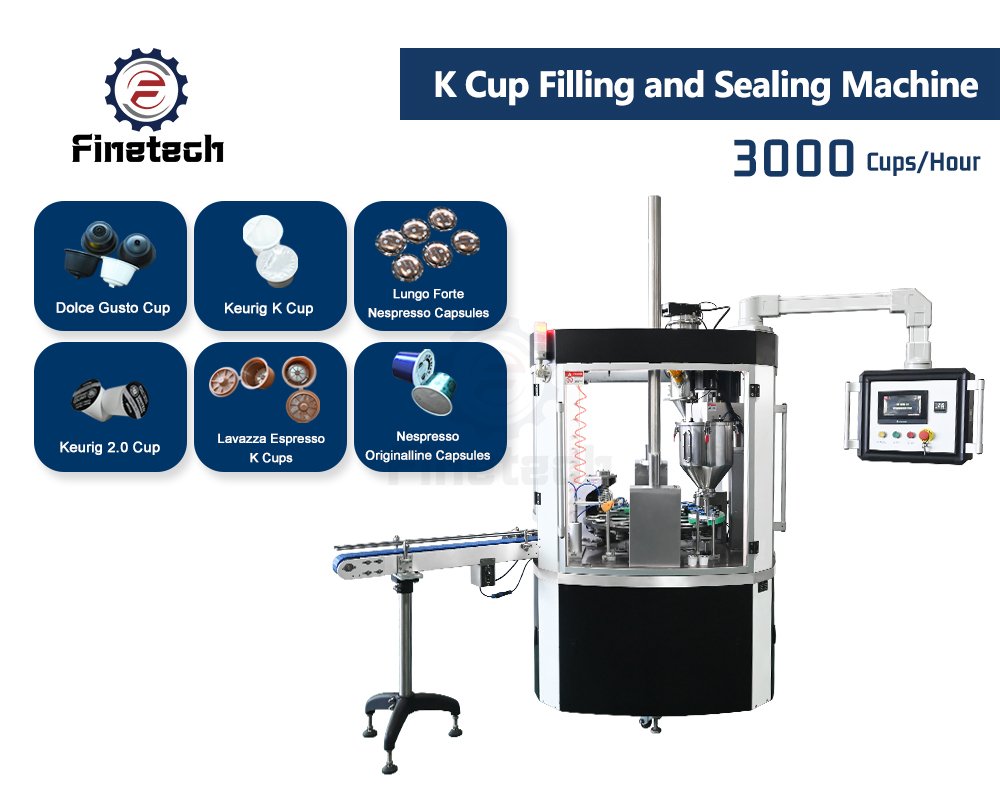
The K-Cup filling and sealing machine is a specialized automatic packaging equipment designed for producing standard K‑Cup coffee pods. It integrates automatic capsule feeding, precision powder filling, nitrogen flushing, lid film sealing, date coding, and finished product discharge in one continuous process. Suitable for ground coffee, tea, cocoa, and other fine powders, the machine ensures high filling accuracy, stable sealing, and reliable nitrogen preservation to maintain product freshness. Widely used in small to medium coffee factories and beverage production lines, it supports customizable molds and output capacities for efficient mass production.
2. Coffee Capsule Sealing Machine
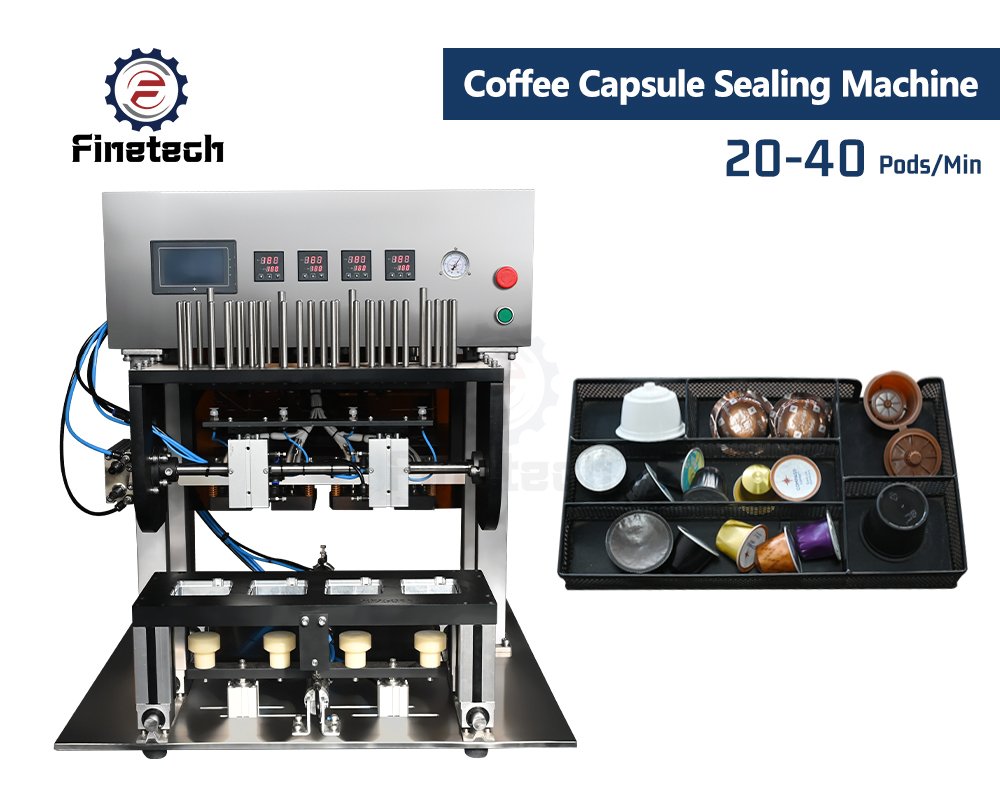
Coffee capsule sealing machine automates the crucial steps, such as coffee filling and capsule sealing. But they still require manual handling for tasks like capsule loading, tray movement, and unloading the sealed capsules.
This machine offers better consistency than manual setups while keeping costs and complexity lower than fully automatic lines.
3. Automatic Coffee Capsule Filling Machine
Fully automatic coffee capsule filling machine manages the entire packaging process, from capsule feeding and filling to sealing and discharge. In such a machine, the operator’s involvement is minimal.
However, these fully automated machines are only suitable for high-volume manufacturing where you need consistent output. They can also be integrated easily with downstream packaging equipment.
4. Nespresso Capsule Filling Machine
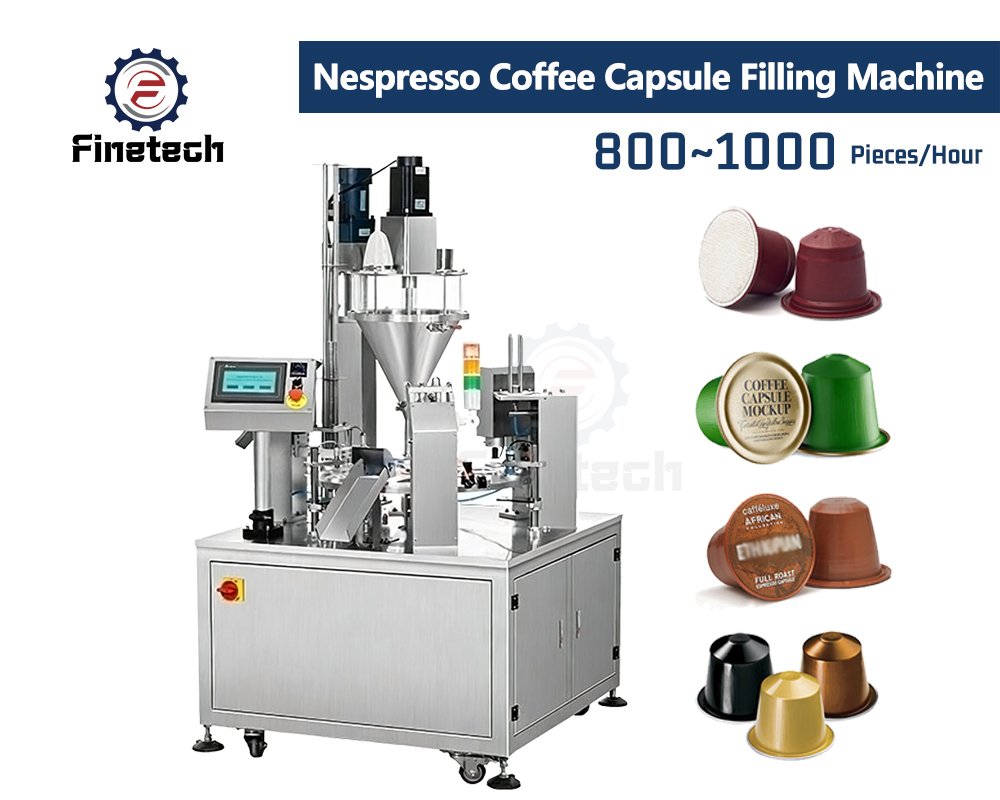
Nespresso capsule filling machine designed specifically for Nespresso-compatible capsules, which are usually made from aluminum or plastic. Because these capsules operate under high brewing pressure, sealing accuracy is critical.
Machines in this category focus on precise dosing, tight sealing control, and often include nitrogen flushing. It’s the machine for premium coffee brands.
5. K-Cup Coffee Capsule Filling Machine
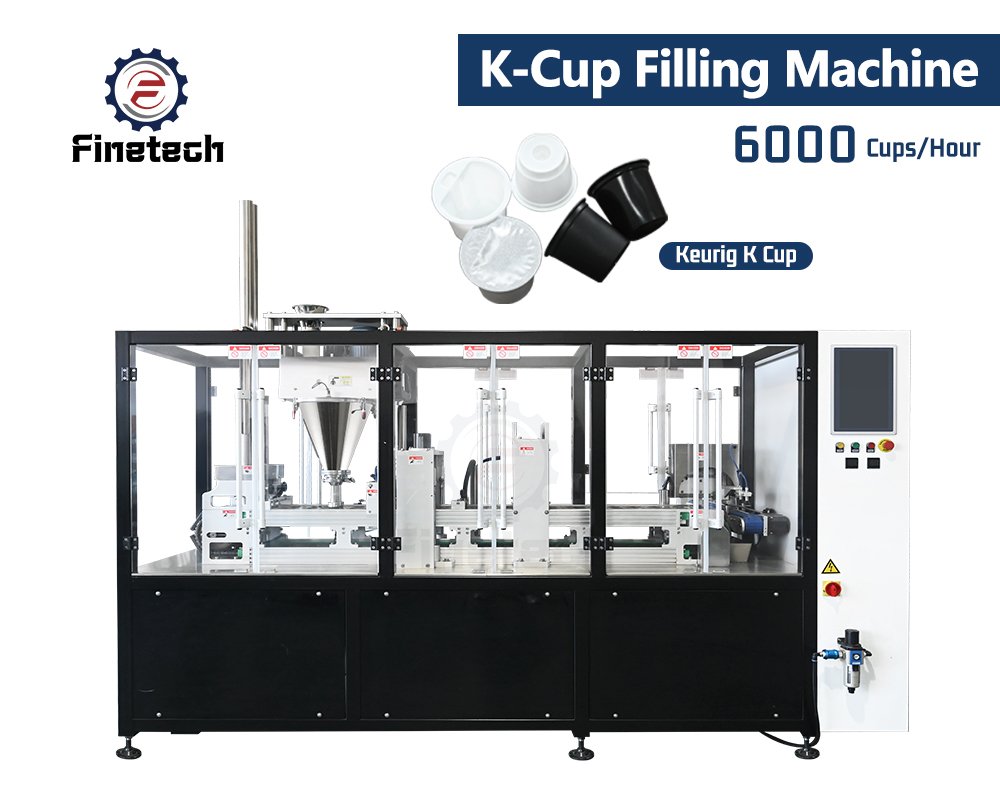
K-Cup filling machine is designed specifically for K-Cup–style single-serve capsules, which are larger than many other capsule formats. Because of their size, these capsules require accurate filling and strong, consistent sealing.
Many models also support nitrogen flushing before sealing. This removes oxygen from the capsule and helps protect aroma and freshness during storage.
If you are targeting high-volume single-serve coffee markets, this machine would be ideal for your manufacturing needs.
6. Dolce Gusto Filling Machine
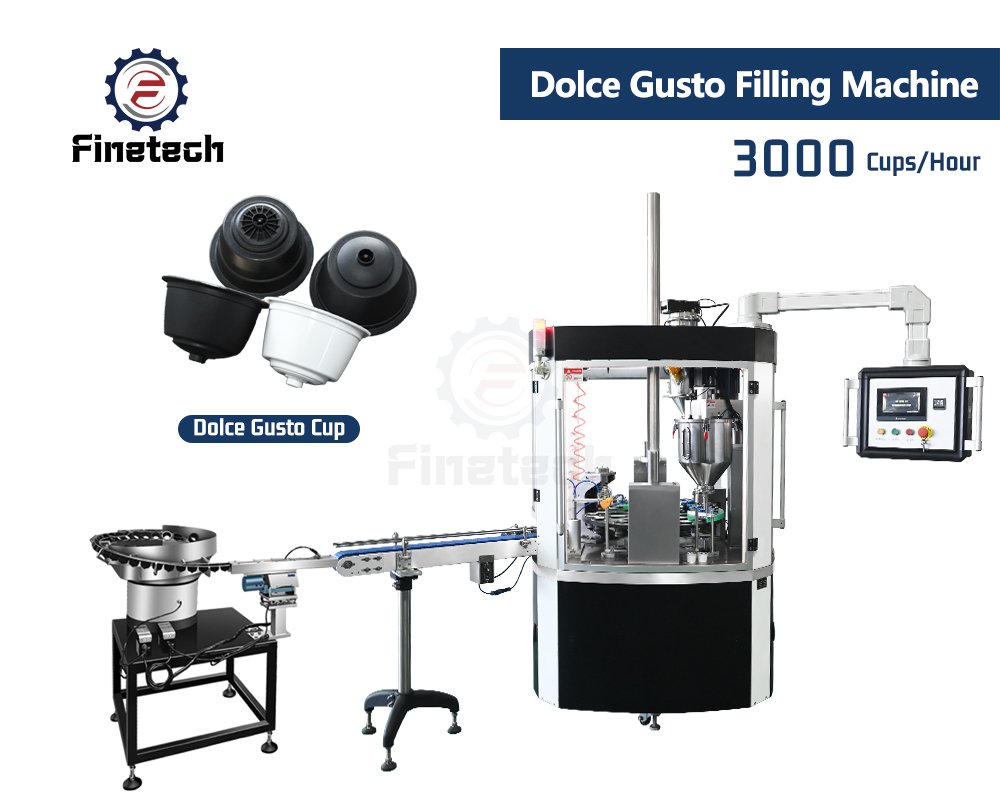
The Dolce Gusto filling machine is built for larger and more complex capsule formats. Unlike machines designed only for coffee, these systems often need to handle different types of powders.
These machines use flexible filling systems that can adjust to different product densities.
Comparison Table of Coffee Capsule Filling Machine
| Model | Capacity (pcs/h) | Suitable Capsule | Filling Accuracy | Sealing Type | Nitrogen Flush | Power | Dimension (mm) | Weight (kg) | Price Range (USD) | Application |
| Manual Desktop Type | 300–600 | Nespresso / K?Cup | ±1g | Heat Sealing | No | 0.5kW | 500×400×600 | 50 | 1,000–2,500 | Lab, sample, small shop |
| Pneumatic Semi-auto | 1,200–1,800 | Nespresso / K?Cup | ±0.5g | Heat Sealing | Optional | 1.5kW | 800×600×1200 | 180 | 3,500–6,000 | Small startup, test line |
| Small Automatic | 2,400–3,000 | Nespresso | ±0.3g | Heat Sealing | Yes | 3kW | 1200×800×1600 | 400 | 8,000–12,000 | Small factory, private label |
| Rotary Automatic | 4,800–6,000 | Nespresso / K?Cup | ±0.2g | Heat Sealing | Yes | 5.5kW | 1300×1100×1800 | 800 | 18,000–25,000 | Medium production |
| High Speed Rotary | 7,200–9,000 | Nespresso / K?Cup | ±0.2g | Heat Sealing | Yes | 7.5kW | 1500×1300×1900 | 1,200 | 30,000–42,000 | Medium?large factory |
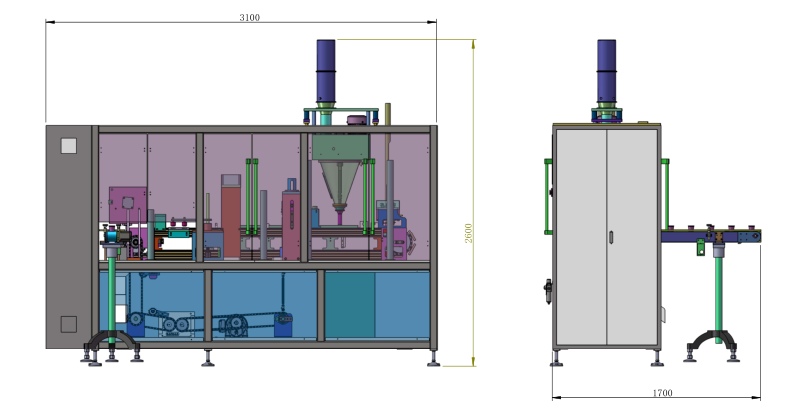
| Multi-lane Linear | 12,000–18,000 | K?Cup / Nespresso | ±0.1g | Heat Sealing | Yes | 15kW | 3000×1800×2200 | 2,500 | 70,000–100,000 | Industrial mass production |
Applied Coffee Capsule Types

1. Keurig K-Cup
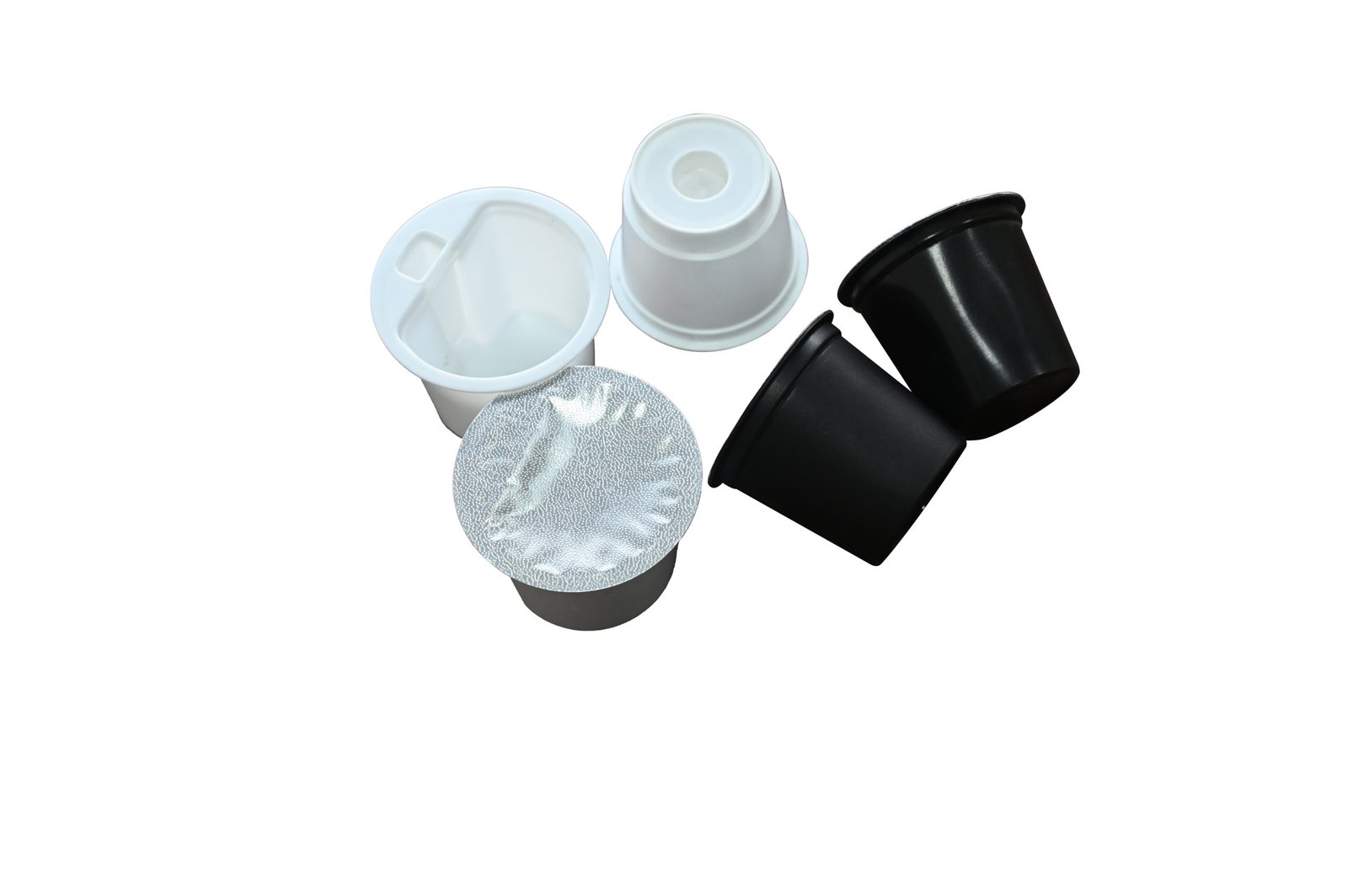
A K-Cup is a small, sealed plastic cup containing a pre-measured serving of ground coffee (or tea, hot chocolate, etc.) and a built-in paper filter. Its purpose is to eliminate the need for grinding, measuring, and cleaning, allowing you to brew a fresh cup in under a minute.
2. Keurig 2.0 Cup
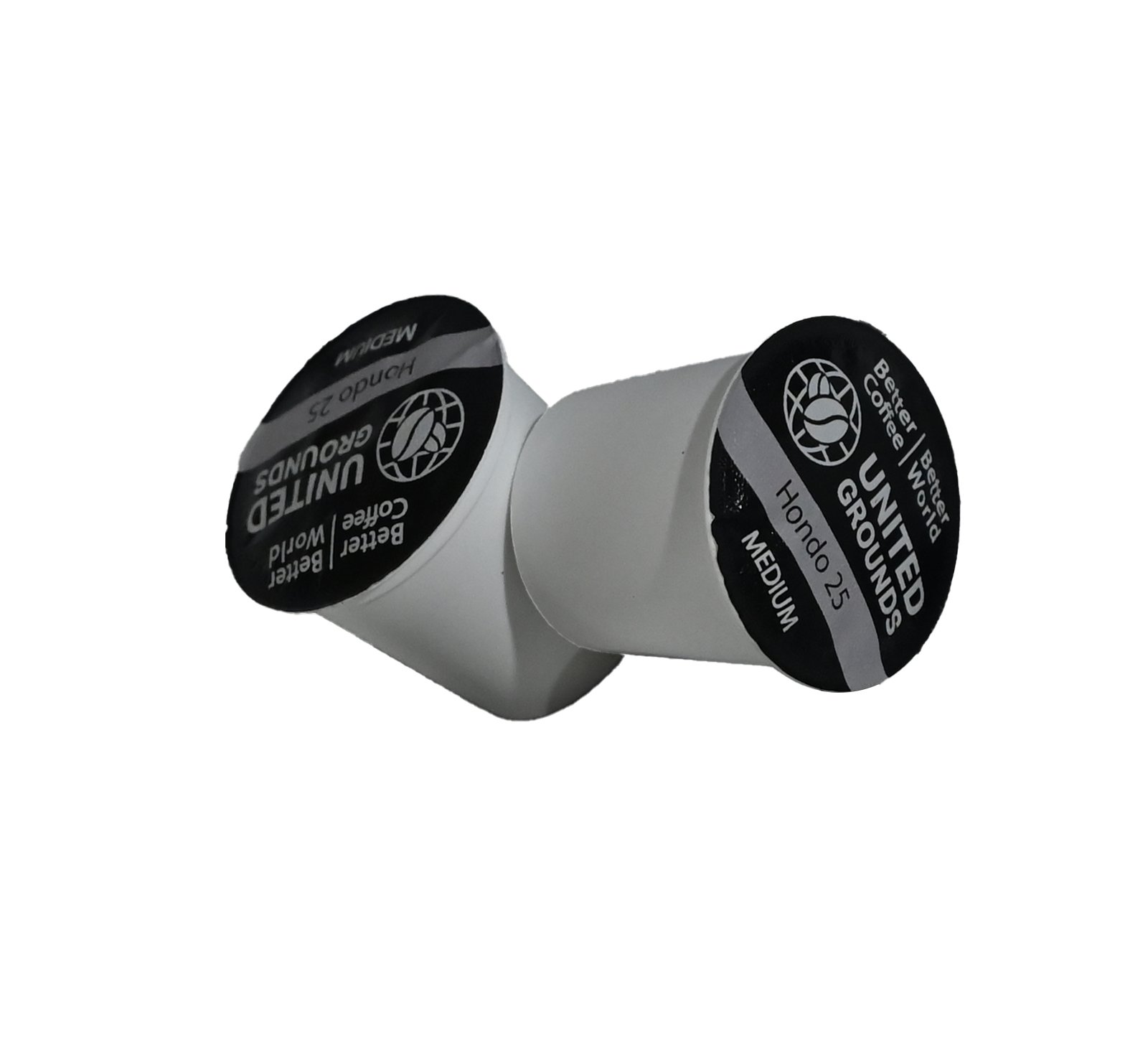
It was a new line of brewers launched in 2014 that introduced two major changes: the ability to brew a full 4-cup carafe using new K-Carafe pods, and a pod-scanning feature to ensure only official, licensed pods could be used
3. Lavazza Espresso K Cups
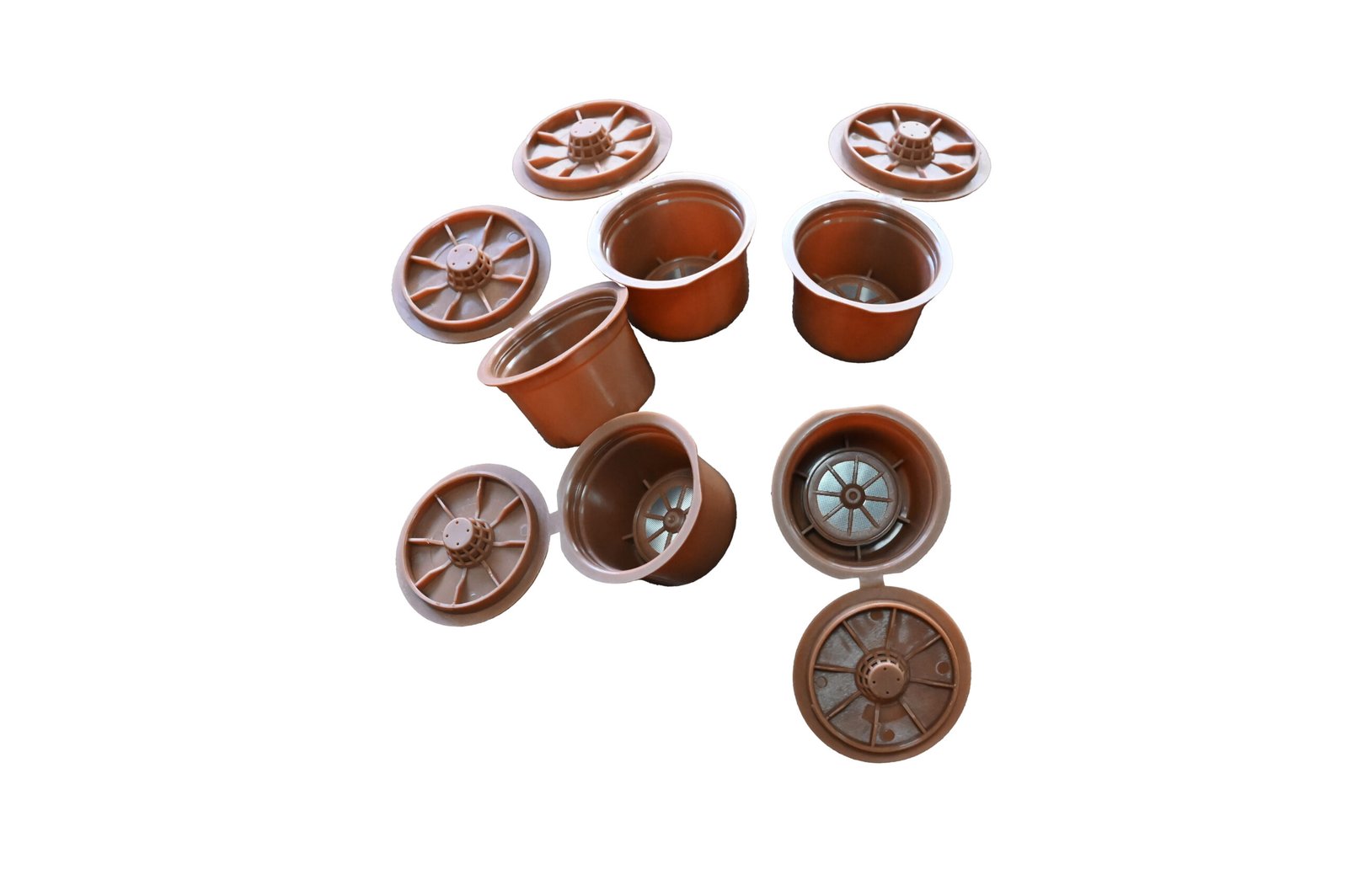
They are single-serve coffee pods designed for Keurig brewers, containing Lavazza’s premium espresso coffee. The most prominent variety is Lavazza Espresso Italiano, a blend created to capture the true, aromatic flavor of a traditional Italian espresso
4. Mini Coffee Powder Container
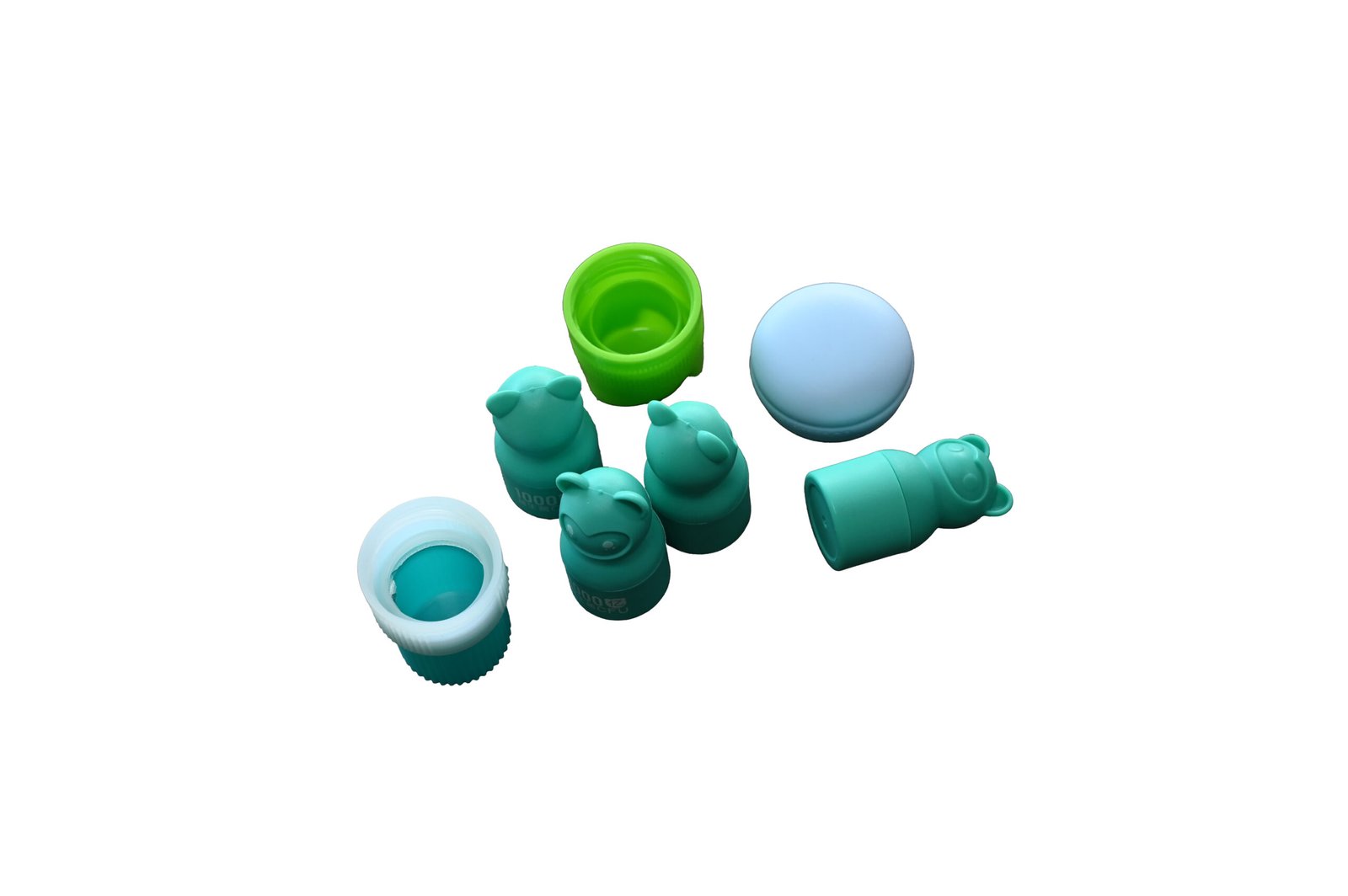
This is a universal K-Cup coffee capsule that can be customized in size according to your coffee capsule brand.
5. Lungo Forte Nespresso Capsules
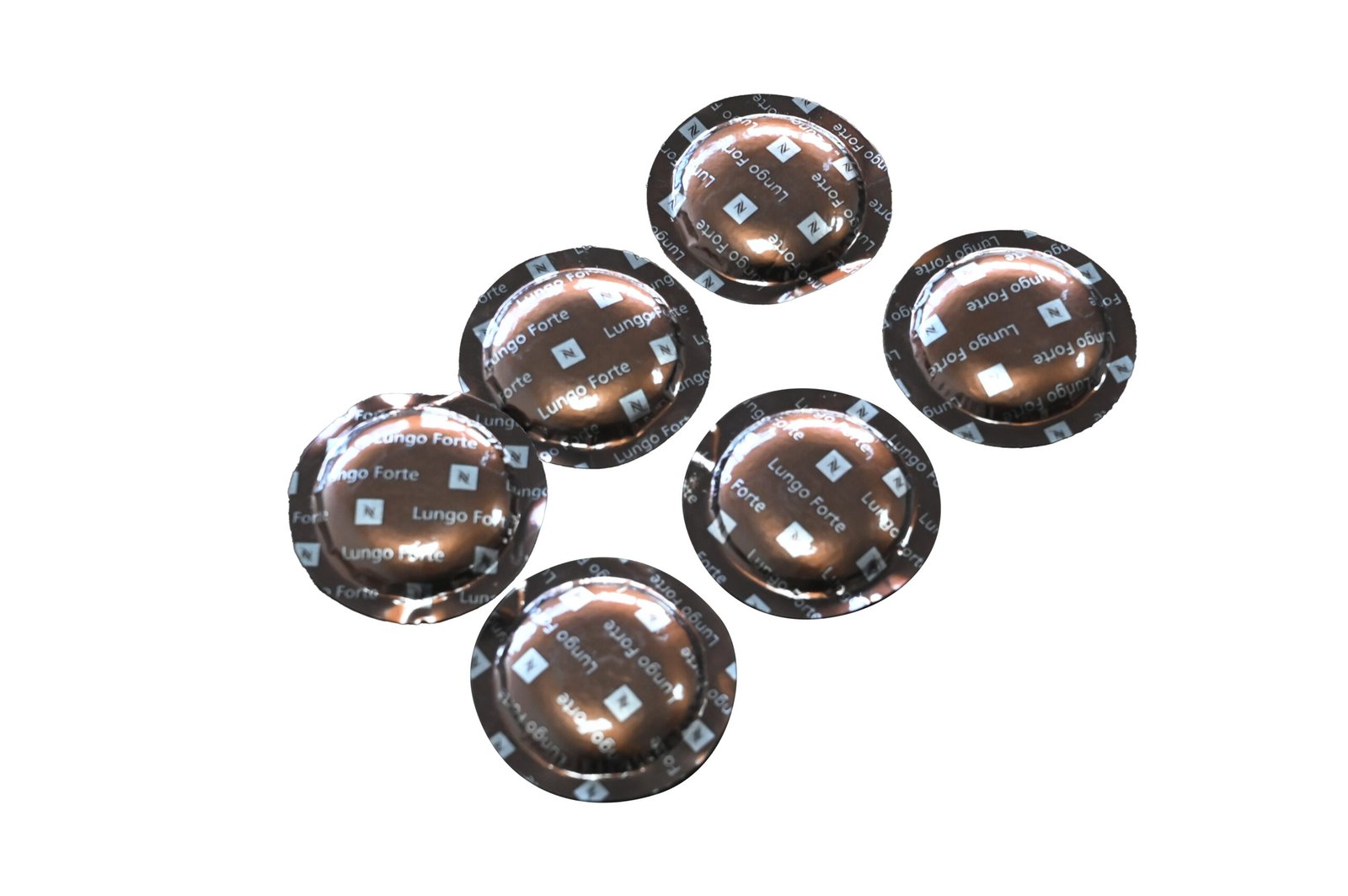
Nespresso Lungo Forte is a popular coffee capsule designed for those who enjoy a longer, stronger cup of coffee with a rich and intense flavor profile. It is part of the OriginalLine, meaning it is compatible with OriginalLine machines and brews a standard Lungo size of 3.7 oz (110 ml).
6. Nespresso Originalline Capsules
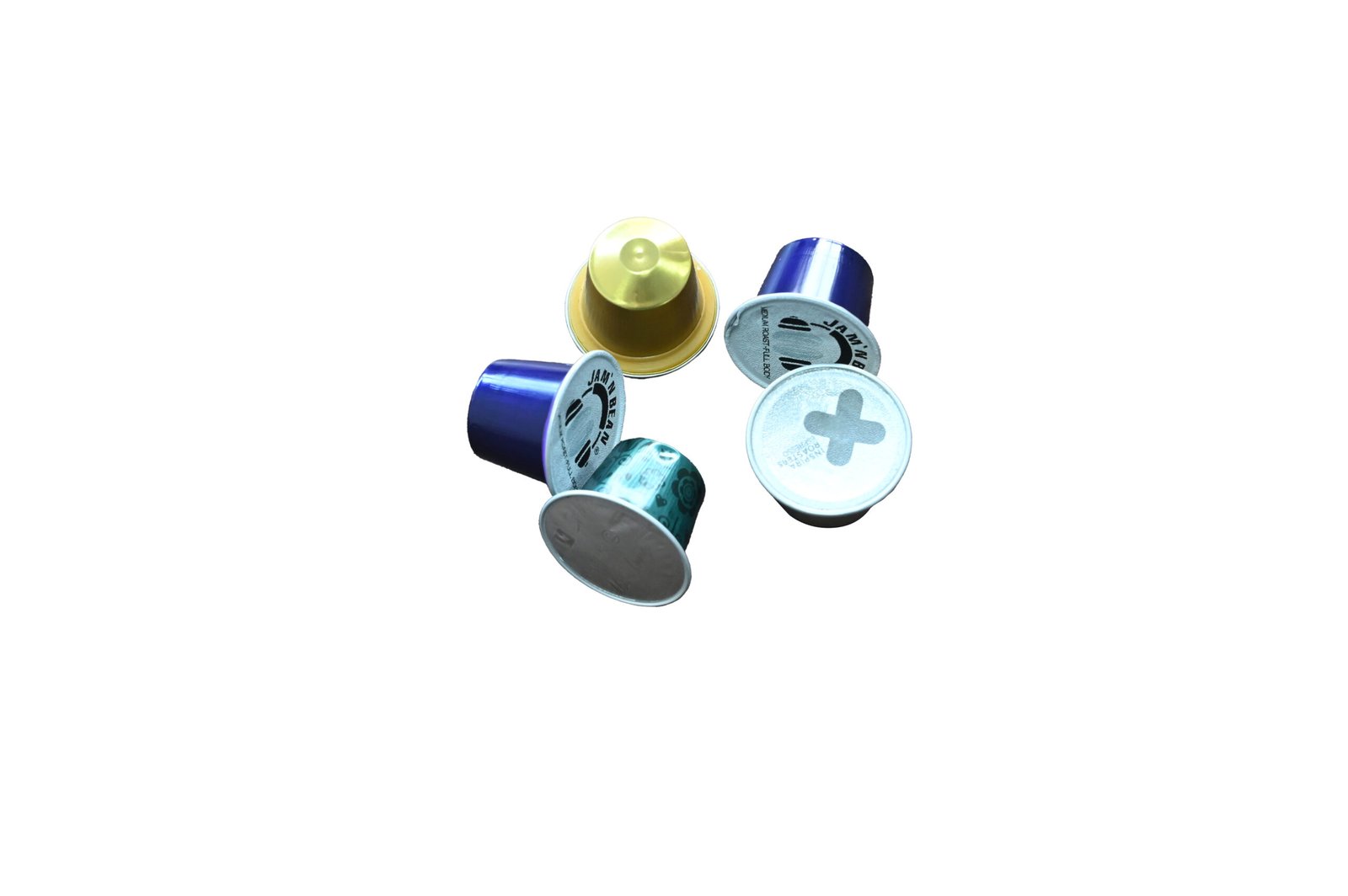
Nespresso OriginalLine capsules are the iconic, aluminum coffee pods designed for the brand’s OriginalLine machine series. They are renowned for their ability to deliver a high-quality espresso with a rich, creamy crema through a high-pressure extraction system, offering a wide range of blends and intensities for the perfect coffee moment.
7. Dolce Gusto Cup
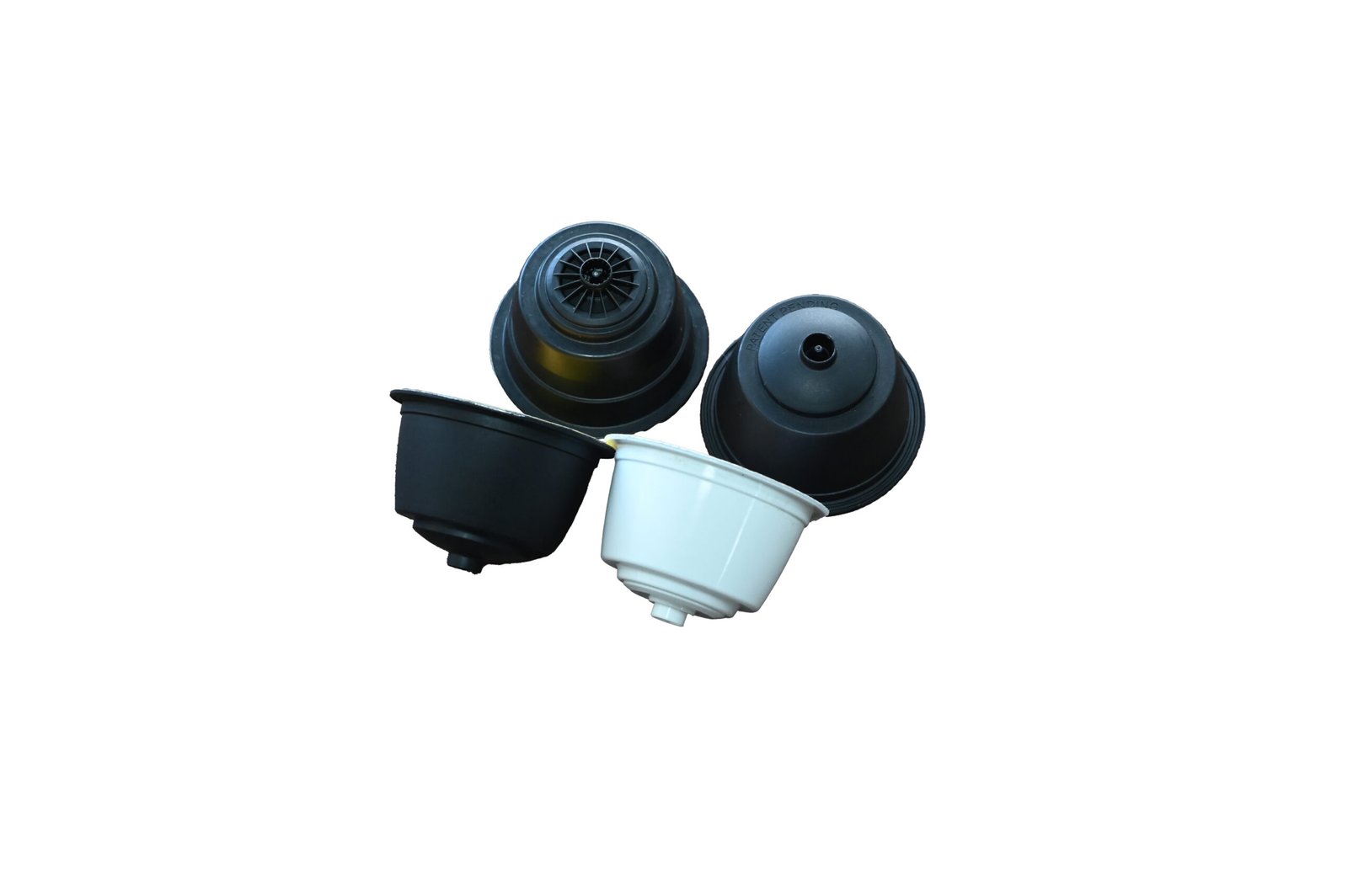
A proprietary single-serve capsule system launched by Nestlé’s Nescafé in 2006, designed for Dolce Gusto 15-bar high-pressure machines, delivering a wide range of hot/cold drinks (espresso, latte, cappuccino, chococino, teas, iced beverages).
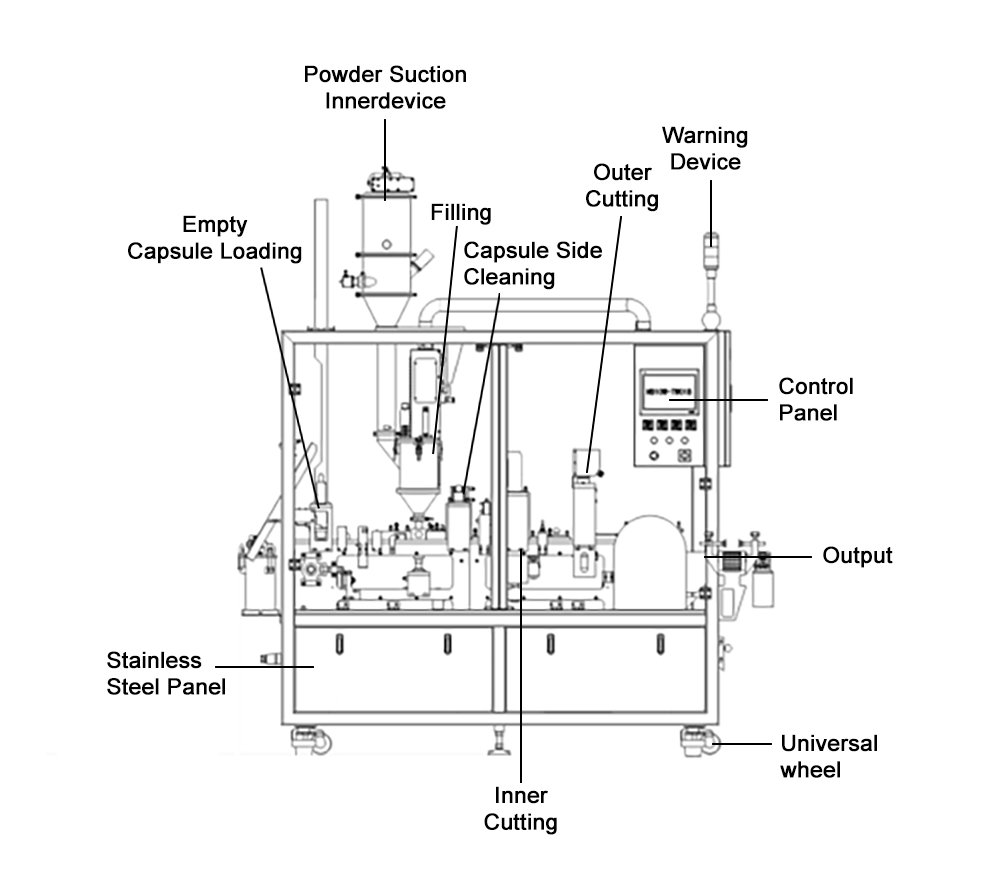
Coffee Capsule Filling Machine Key Parts Name
Cup dropping: mechanical drop cup.
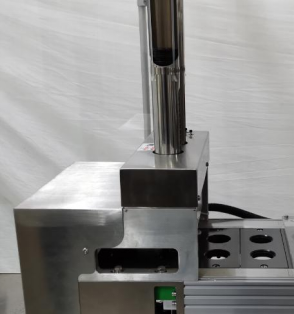
Material Feeding:
High precision screw for
feeding and filling accuracy
is <0.2g.
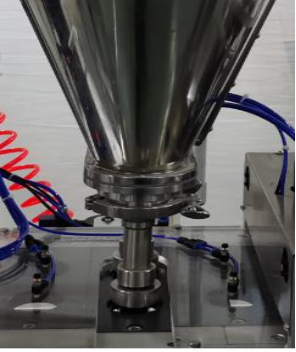
Dust removal: vacuum suction is used to keep the rim of the cup clean and to achieve high sealing density.
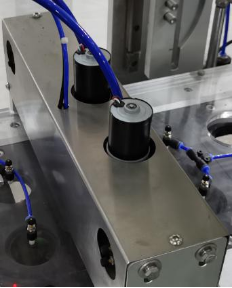
Membrane suction: automatic film suction and releasing, high speed, good stability, with a no-film shutdown function.
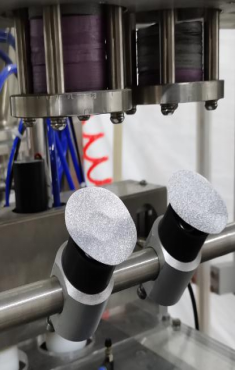
Film Sealing: flat seal and line seal avaliable according to the rim of the cup.
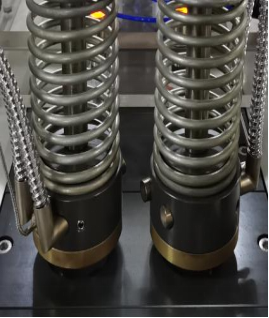
Finished Product: automatically delivers the records of finished capsules.
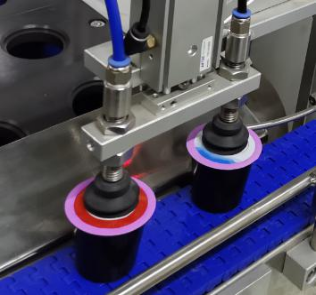
Fragrance Filling Pump: Flavorings are added to the inside of coffee capsules to enrich the taste.
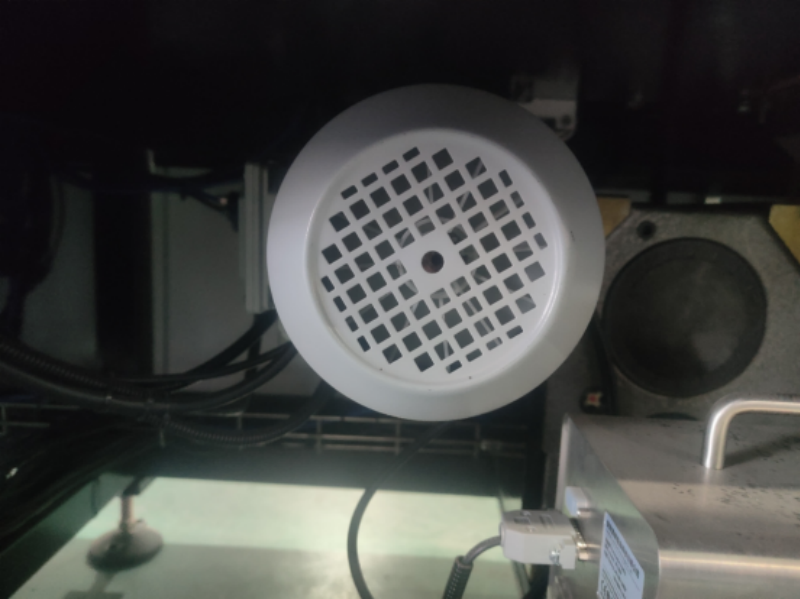
Nitrogen Refueling Station: Nitrogen is added to coffee capsules (a process known as nitrogen flushing) primarily to remove oxygen, which prevents the coffee from becoming stale or rancid.
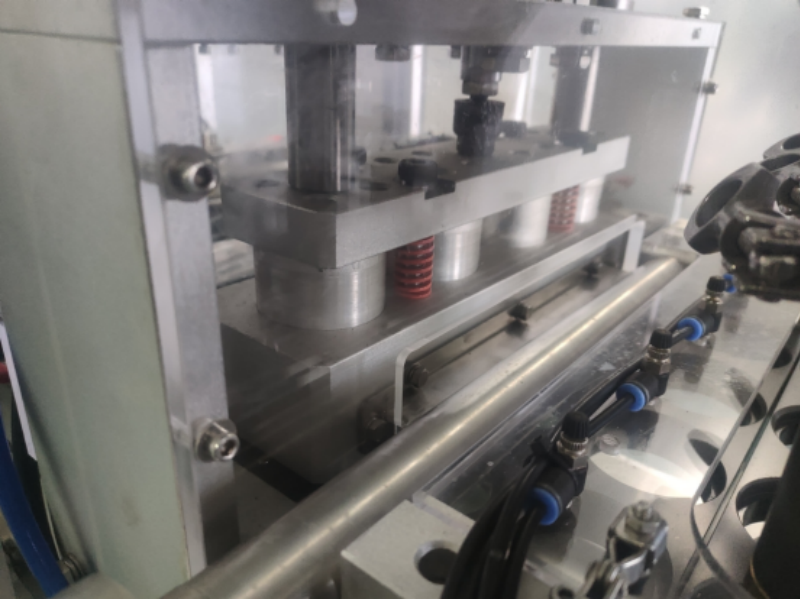
Features to Look For in a Coffee Capsule Filling Machine
When selecting a Coffee Capsule Filling Machine, features matter more than brand names or brochures. The right features help you maintain consistent quality, reduce downtime, and scale production.
With that said, below are the most important features you should check before investing.
1. Accurate and Consistent Filling System
A reliable filling system guarantees each capsule contains the correct amount of coffee. Even small weight variations can affect taste, quality perception, and GMP compliance.
Always look for machines with servo-controlled or auger-based dosing systems that deliver repeatable accuracy.
2. Reliable Sealing Station
Sealing is one of the most critical features. Poor sealing leads to aroma loss, leaks, and customer complaints.
To avoid that, make sure your chosen machine includes a dedicated coffee sealing machine or station that uses heat or ultrasonic sealing. It should also have adjustable sealing pressure and temperature to maintain airtight seals.
3. Nitrogen Flushing Capacity
Nitrogen flushing removes oxygen from the capsule before sealing. This helps preserve aroma and extend shelf life.
For manufacturers focused on quality and long-term storage, nitrogen flushing is a valuable feature. Machines with integrated gas flushing systems provide better freshness control without slowing down production.
4. Capsule Format Compatibility
Not all machines support all capsule formats. Confirm whether the machine is designed for K-Cup formats, Nespresso-compatible capsules, or multiple formats.
Just keep one thing in mind that multi-format machines with interchangeable tooling offer flexibility. However, they may also increase complexity. So, if you are focusing on one format only, it’s better to go with format-specific machines.
5. Automation Level
Automation reduces manual labor and improves consistency. Fully automatic machines minimize operator involvement, while semi-automatic machines offer cost savings for smaller operations.
It’s also recommended that the machine has user-friendly controls, touchscreen HMIs, and simple parameter settings. These reduce training time and operator errors.
FAQs
1. Why is “no capsule, no fill” technology important?
This sensor-driven safety feature prevents the dosing system from discharging coffee if a capsule is missing from the slot. It minimizes raw material waste and keeps the machine’s internal components clean from loose grounds that could interfere with the sealing process.
2. What maintenance is required for a Coffee Capsule Filling Machine?
Routine maintenance involves cleaning the filling nozzles, checking the heating elements for consistent temperature, and lubricating moving parts. Manufacturers typically recommend a deep technical audit every 6 to 12 months to replace wear-and-tear components like suction cups and seals.
3. What materials are used for modern compostable coffee capsules?
Manufacturers are shifting toward PLA (polylactic acid) and paper-based composites that degrade in industrial composting facilities. Machines processing these materials require specialized low-temperature sealing bars to prevent the compostable polymers from melting or deforming.
Get Expert Help With Your Packaging Line
Knowing about a Coffee Capsule Filling Machine and how to choose one is only one step of the process. The real challenges, like installation issues, unstable output, and operator errors, come later.
In such a situation, you need experience, which Finetech has.
While we specialize in pharmaceutical manufacturing equipment, our expertise goes beyond individual machines. We support the full production setup. That includes machine installation, operator training, production line design, and online technical support.
Contact our team today to benefit from our 30 years of experience.