...

Professional supplier of overall solutions for pharmaceutical manufacturing and packaging

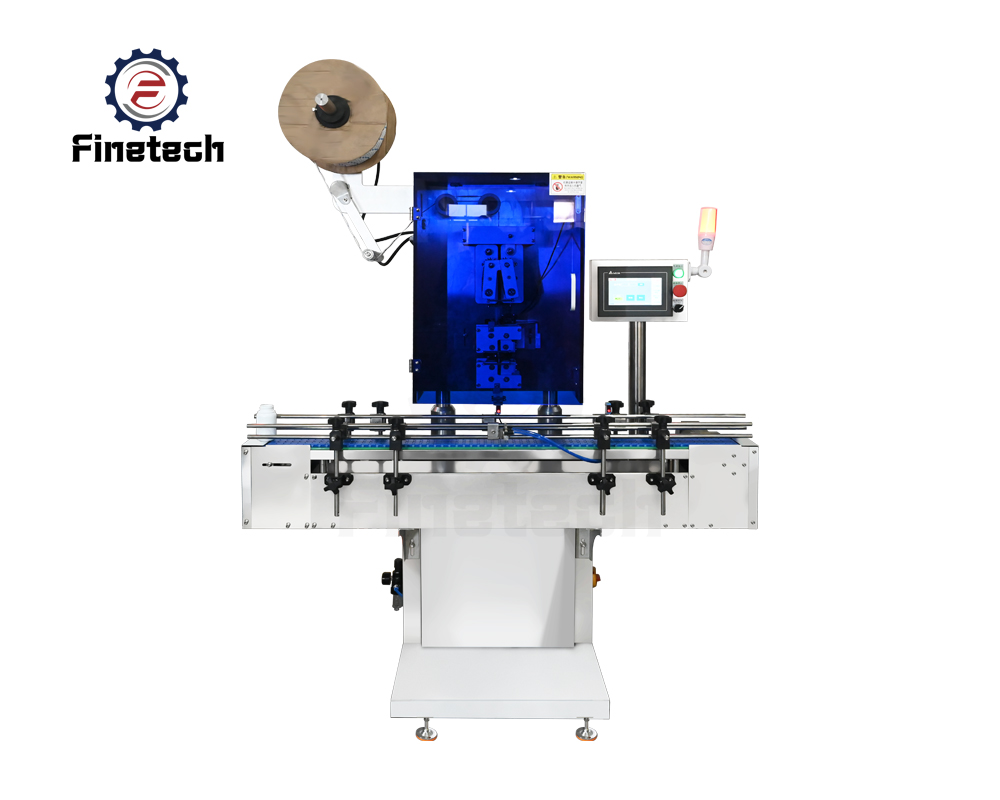
Desiccant Inserter Machine

A Desiccant Inserter Machine is a specialized piece of industrial packaging automation equipment designed to automatically place desiccant bags (or other forms like canisters, cards, or clay packets) into product containers before sealing. Its primary function is to protect products from moisture damage, ensuring quality, extending shelf life, and preventing spoilage, mold, or corrosion.

Finetech's Desiccant Inserter Machine

With over 90% of food packaging utilizing desiccants, their role in preserving product quality is undeniable. Our desiccant insertion machine ensures precise and reliable placement, integrating seamlessly into your existing packaging line.

Desiccant Inserter Machine

Desiccant Inserter Machine

A Desiccant Inserter Machine is a type of automated packaging machinery designed to precisely place desiccant bags, canisters, or cards into product packaging before it is sealed. Its primary function is to protect moisture-sensitive products by automatically and reliably inserting a humidity-control agent.

Interested?

Please tell us your desiccant type.

Desiccant Inserter Machine Specifications

Equipment Name:Desiccant Insertion Machine
Applicable Objects:Round, obround, square, and rectangular bottles; diameter: 20–100mm, height: 40–180mm
Production Speed:1–100 bottles/minute
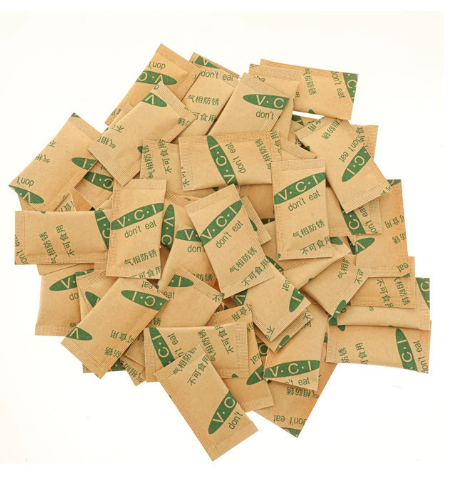
Desiccant Bag Type:Disc-shaped desiccant bags; compatible with 0.5g (17 × 32mm) and 1g (30 × 43mm) sizes
Power Supply:110V / 220V, 50/60Hz (customizable voltage), 0.5kW
Equipment Dimensions:1360 × 750 × 1950mm
Weight:310kg

Application of Desiccant Packaging Types

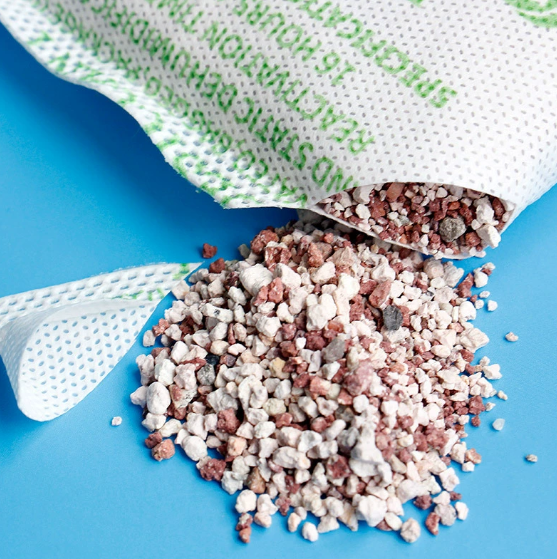
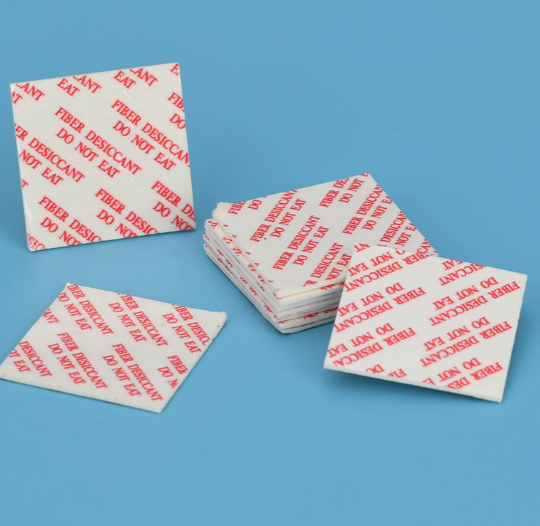
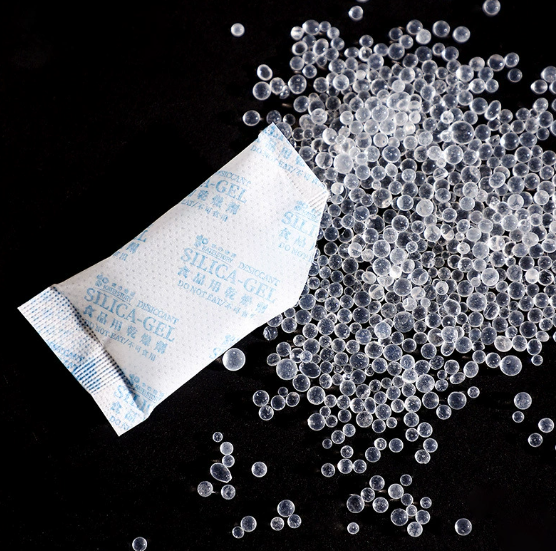
Our Desiccant Inserter Machine is widely used in the packaging of commonly used desiccants, meeting 99% of market demand.

More details about Machine

Desiccant Inserter Machine key parts

Bulk storage for desiccant packets (silica gel, clay, etc.). Often made of stainless steel for cleanliness and corrosion resistance.

Desiccant Supply & Hopper System

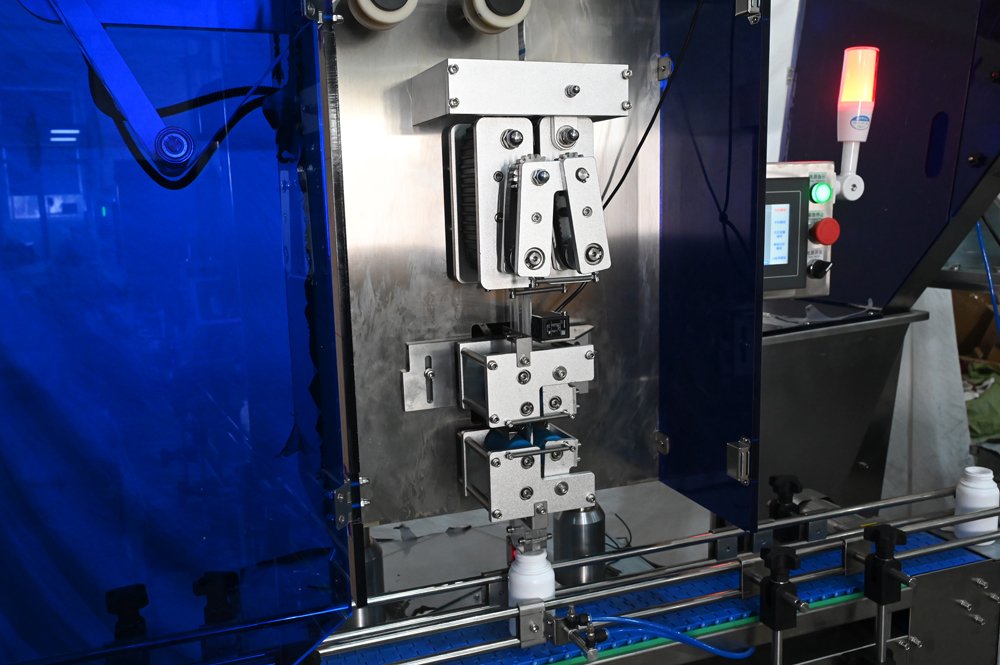
Orients and feeds loose desiccant packets in a single file line. Key parts include the bowl, helical track, and vibration mechanism.
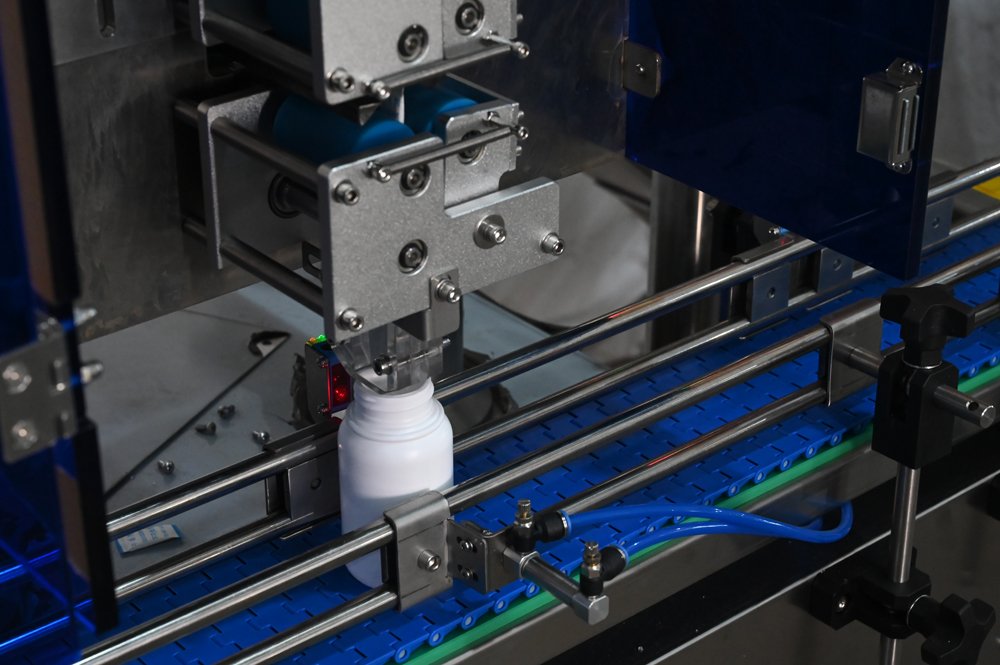
Packet Feeding & Singulation System

Brings empty containers (bottles, vials, pouches) into the machine. Can be belt, chain, or servo-driven.
Infeed Conveyor

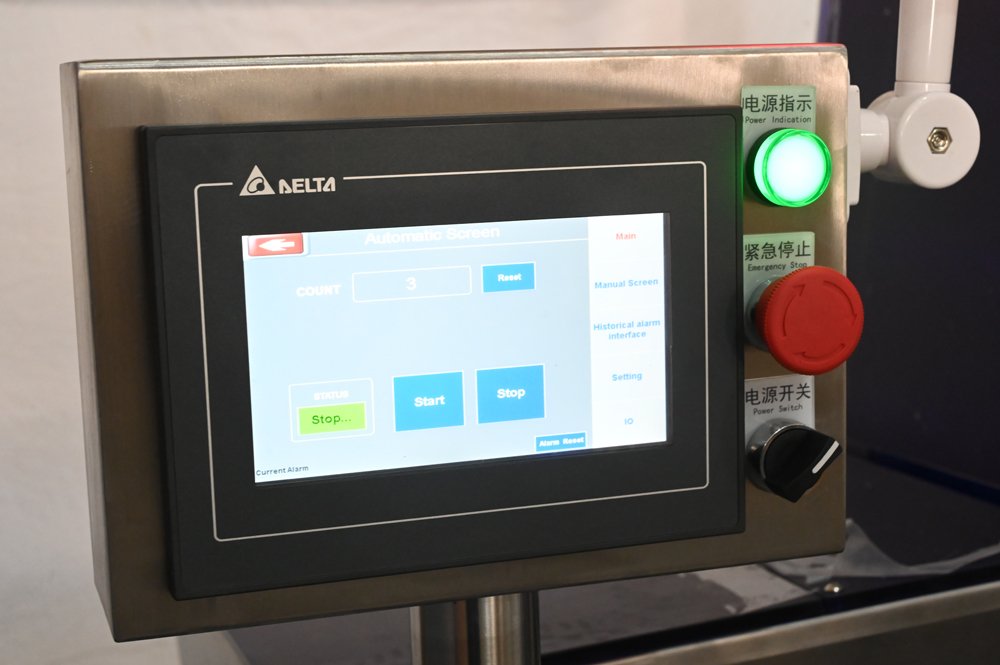
The machine's brain. Coordinates all timing and sequences.

Programmable Logic Controller (PLC)

Desiccant Inserter Machine Working Principle

desiccant inserter machine automates the precise placement of moisture-absorbing packets or units into product packaging. Its fundamental operating principle is “Singulate → Pick → Verify → Place → Verify” in perfect synchronization with the packaging line.

Desiccant Inserter Machine FAQS

A desiccant inserter is an automated machine that accurately places desiccant packets (like silica gel, clay, or molecular sieve) into containers such as bottles, vials, jars, pouches, or cans to protect products from moisture damage.

Pharmaceuticals: Pill bottles, vaccine vials, medical device packaging.

Food & Beverage: Spice jars, powdered drinks, snack packaging.

Electronics: Component packaging, sensitive device containers.

Chemicals & Diagnostics: Reagent bottles, test kits.

Nutraceuticals & Supplements: Vitamin and supplement bottles.

Yes, most machines are designed for quick changeover. This is typically done by swapping out change parts like bottle nests, guide rails, and sometimes suction cups. High-end servo-driven machines may have auto-adjust features for faster size changes.

The most common are unit packets (sachets) of silica gel, clay, or molecular sieve. Machines can typically handle various shapes (square, rectangle, pillow) and sizes, from very small (1/8 gram) to larger packets. Some specialized inserters can handle canisters, cards, or loose desiccant.

This is a key feature. Machines have verification systems:

Vacuum sensors confirm pick-up.

Presence sensors or vision systems confirm the packet is in the container.

If a miss is detected, the container is automatically rejected (diverted to a reject bin) and/or the machine alarms the operator.

Yes, but it requires special sensors. Standard photoelectric sensors struggle with clear materials. Machines use specialized contrast sensors or vision systems to reliably detect clear packets.

Primary noise comes from the vibratory bowl feeder. Modern machines use sound-dampening enclosures around the feeder. Servo-driven machines are generally quieter than purely pneumatic ones.

U wanna buy it?

Get your Desiccant Inserter Machine Today

Scroll to Top