Skip to content
  English
  Russian
  Turkish
  Spanish
  French
  German
  Japanese
When it comes to packaging, offering a durable, recognizable barrier leads the way. Among various options, blister card packaging stands out as a reliable solution. It offers excellent protection while showcasing the product clearly.
This visibility wrapping enhances shelf appeal and offers attractive branding opportunities. In fact, studies show that 72% of American consumers admit that the packaging design influences their purchase decision.
So, if you want to upgrade your packaging strategy, you need to learn about this smart solution. Here’s everything you need to know.
What is Blister Card Packaging?
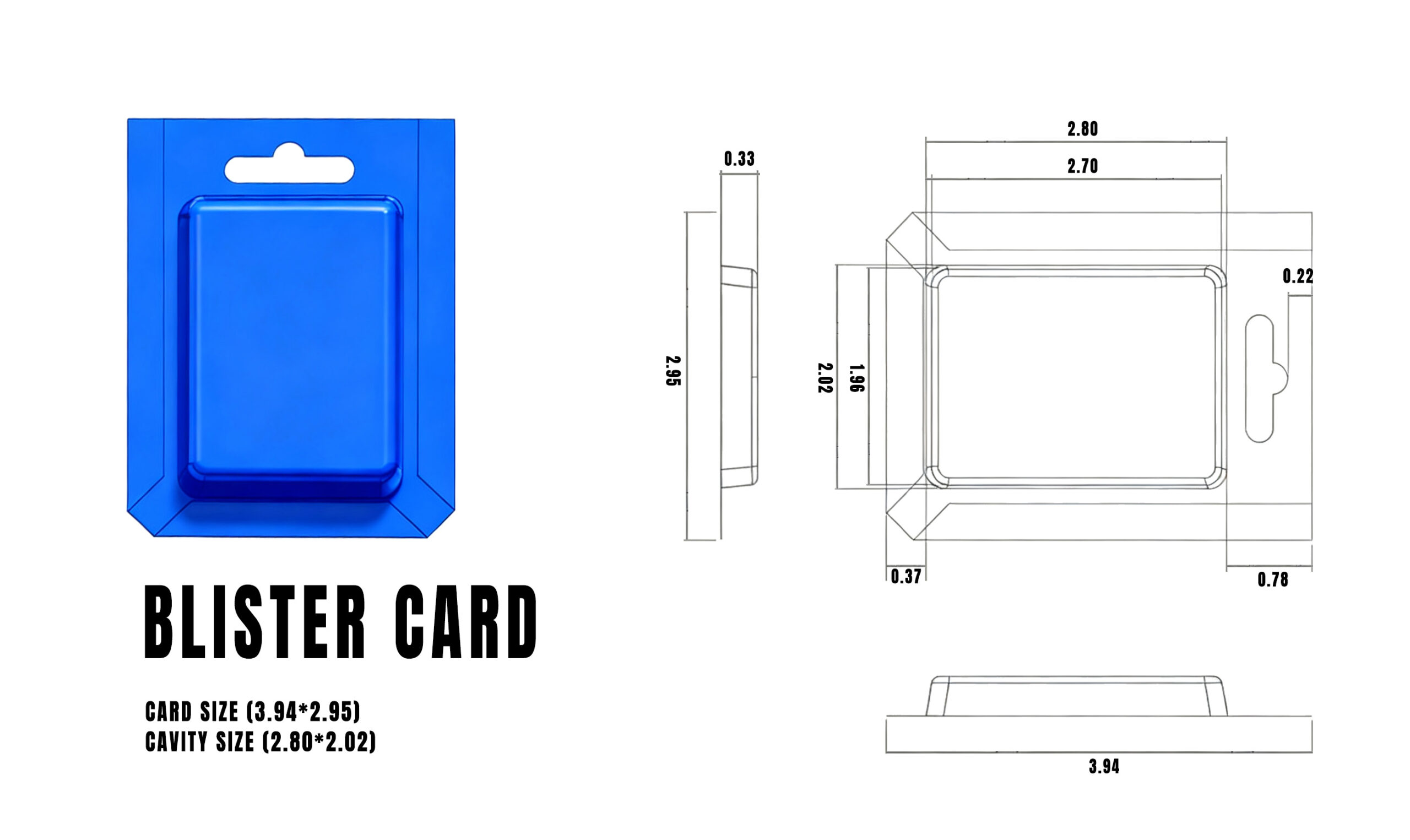
Blister card packaging basically includes two main components. One is the plastic pocket or bubble, which is moulded to hold the content. This cavity is usually thermoformed or cold-formed to the product shape that offers a safe enclosure.
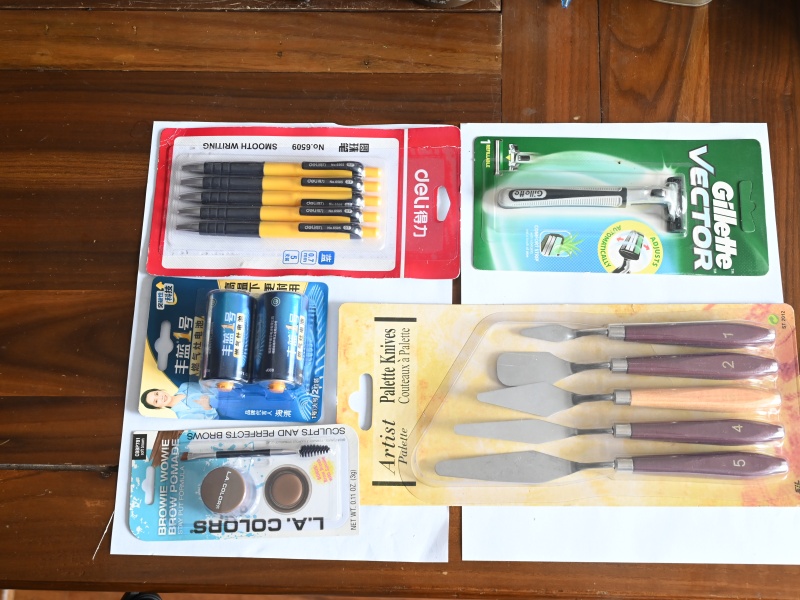
Another component is the card that provides a protective backing to seal the blister. It’s usually a printed paperboard or cardboard that offers space for branding. You can write product descriptions, instructions, and legal details.
Many bubble packages also contain a hanging element to display on merchandising walls. This versatile packaging is popular across various industries like medicines, electronics, and cosmetics.
Benefits of Blister Card Packaging
When choosing packaging solutions, blister cards are an indispensable option. This versatile casing offers product safety, tamper resistance, and cost efficiency. Moreover, the transparent design offers an unobstructed product view to the customers. It reinforces their trust in your brand’s quality. Here’s a snapshot of the multiple benefits this smart packing style has to offer.
Superior Product Protection
The rigid plastic safeguards the delicate items from environmental harm. For example, they offer protection against damage, dust, moisture, and contamination. It’s significant in pharmaceutical packaging to keep pills or capsules safe and uncontaminated.
Moreover, the blister card packaging can showcase the tampering signs. So, any unauthorized access is immediately noticeable and thereby safeguards consumer safety.
Enhanced Visibility
Transparent blisters allow customers to see the actual product before purchase. Unlike boxes, this packaging allows the visitors to personally analyze the details.
Also, the manufacturers can illustrate the product features to enhance the visual impact. ResearchGate study shows that product packaging and its characteristics influence how customers shop. So, this wrapping style enhances brand credibility and purchase likelihood.
Recyclability
Studies from Fortune Business Insights confirm that manufacturers are opting for eco-friendly materials for blister card packaging. It includes choosing biodegradable plastic films to maintain sustainability.
This trend is particularly dominant in the pharmaceutical industry. For alleviating the carbon impact, mono-material packs are utilized. As they use one type of material, they are easier to recycle.
Cost-Effectiveness and User-Friendly Design
Blister card packaging machines deliver both speed and cost efficiency. You don’t require extra wraps or cartons for packing. Thereby, it can mitigate overall packaging costs.
Also, their uniform and space-efficient design further improves product accessibility. For instance, in the pharmaceutical sector, each individual pocket contains a tablet or pill. Since it is numbered or labeled by days, patients can keep track of their usage, unlike with bottles.
Types of Blister Cards
Depending on your product demands, you can choose from a variety of designs. Here is an overview:
- Face-Seal Blister Cards: In this type, the plastic cavity is heat-sealed to a printed cardboard. This design offers maximum product visibility. You find sufficient space at the back for branding, labelling, or writing details. This style can be used to wrap and hang small retail items like toys or electronics.
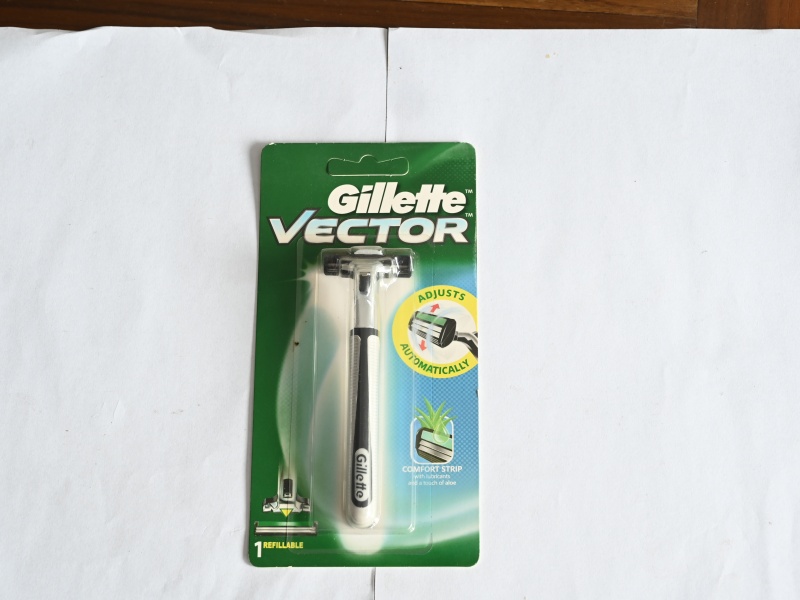
Face-Seal Blister Card Sample - Full-Face Blister Cards: The card covers the entire front, with a clear window to display the product. This full-face package provides extra protection and tamper resistance. This casing is highly durable and used for holding items that require secure sealing.
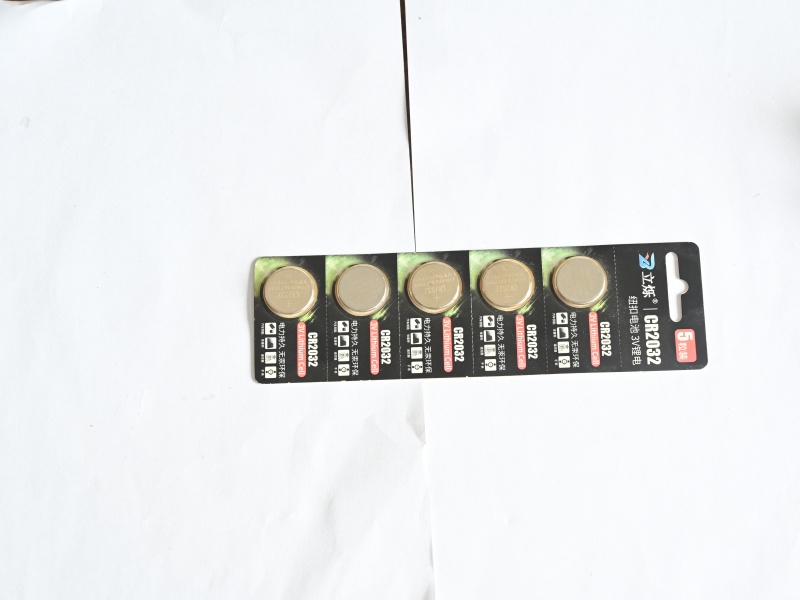
Full-Face Blister Cards Sample - Trapped Blister Cards: As the name indicates, the plastic pocket is enclosed between two cards. It offers a premium professional look. Mainly, such blister card packaging trends are used for high-value items and specialty goods.
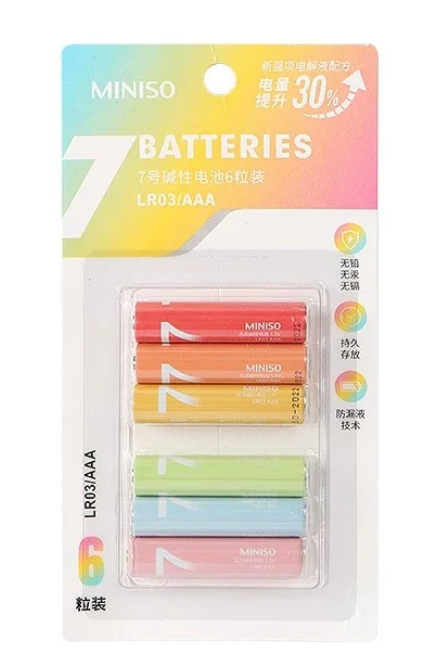
Trapped Blister Card Sample - Wallet-Style Blister Cards: Here, blister packs are integrated into a foldable backboard resembling a wallet. They often come with printed instructions and branding. Pharmaceutical companies prefer such wallet packaging styles for prescription medications. This design offers organized dosing schedules and better patient compliance.
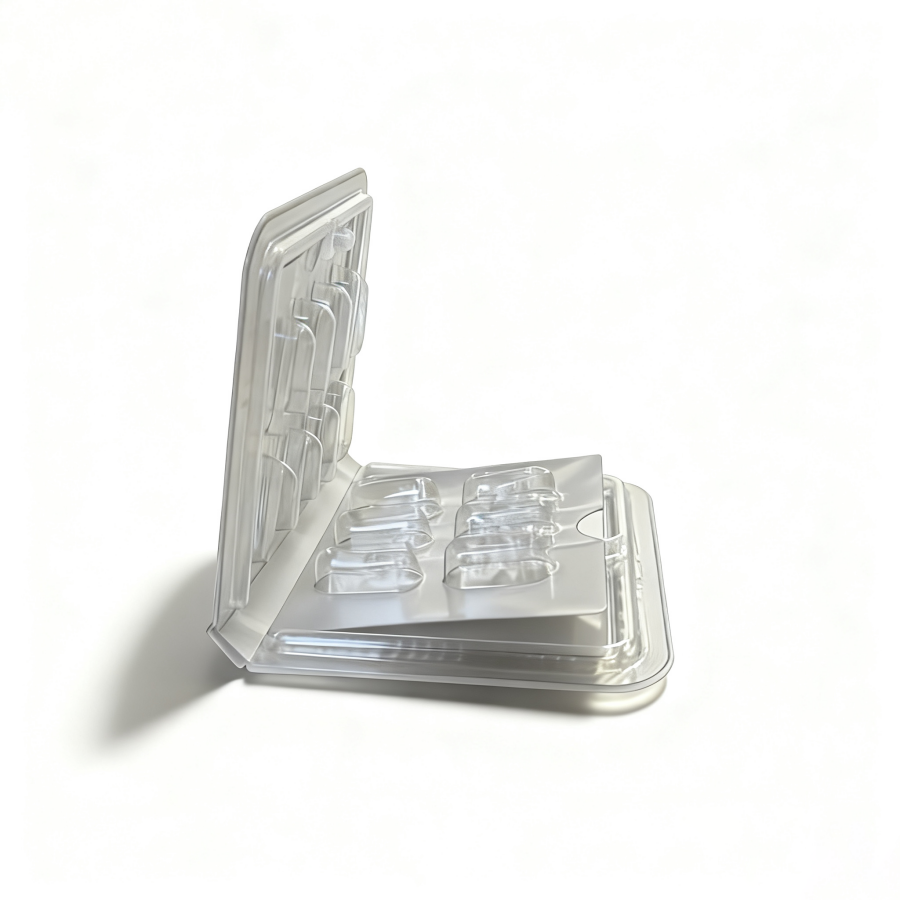
Wallet Blister Card.
Applications Across Industries
- The most extensive use of push-through packing is in pharmaceuticals. It ensures hygiene, precise dosage, and tamper evidence for tablets, capsules, and medical devices. For example, companies like Johnson & Johnson dominantly use this smart packaging to maintain drug efficacy and comply with the FDA regulatory standards.
- Plastic packs are efficiently utilized to prevent electronic products from damage. This user-friendly package also allows easy retail display. For example, you can showcase batteries, earbuds, and memory cards on merchandising walls.
- Products like toys, stationery, and cosmetics use blister card packaging to combine protection with visibility.
How to Choose the Right Blister Machine?
For selecting the suitable blister machinery, you need to consider some factors. For that, take your product requirements and operational needs into account. Also, different industries require distinct packaging styles, so they use machines accordingly. Let’s discuss some examples below:
For products such as tablets or capsules, a packing machine must have specific features. It should deliver accurate filling, secure sealing, and compliance with hygiene standards. For that, a high-precision automated machine is recommended.
Likewise, cosmetics or automotive items require a more tailored packing approach. For that, you require a multi-purpose machine to accommodate versatility.
FAQS
What Materials are Used in Blister Card Packaging?
Blisters are usually made of PVC, PET plastic, or aluminum foil. When it comes to the backside of the packs, printed cardboard or paperboard is commonly employed. However, the material choice depends on factors like product weight, display needs, and sustainability goals.
2. Is blister packing recyclable?
Yes, many blister packs are recyclable when plastic and cardboard are separated. Some manufacturers now use biodegradable plastic films too.
3. Can blister packages be customized?
Yes, both the bubble shape and the card design can be customized. You can tailor the package style to align with specific products and branding needs.
Conclusion
Blister card packaging offers a practical solution in today’s competitive market. This versatile wrapping style ensures product integrity while enhancing the user experience. Also, the potential for recyclability makes it an eco-friendly choice. So, if you want to boost your packing game, contact today. We offer specialized machinery and Custom Blister Card Packaging
service to improve your brand visibility.
Recommend Readings:
Types of Packaging of Tablets and Capsules| A Complete Guide.
Blister Pack vs. Strip Pack: What’s the Difference and Which Is Better?
Blister Pack: Everything You Need to Know About This Essential Packaging Solution.
What is Alu-Alu Packaging, Its Uses, Key Features and Working.
Alu Alu Pack vs Blister Pack: Which Packaging is Right for Your Needs?
6 Common Blister Packaging Types in the Pharmaceutical Industry