Skip to content
  English
  Russian
  Turkish
  Spanish
  French
  German
  Japanese
The debate between GMP vs cGMP has been long-standing because quality standards in pharmaceuticals are strict. Understanding the difference between the two is what separates merely compliant manufacturers from true industry leaders.

Today, many teams follow basic GMP guidelines but still encounter deviations, documentation gaps, and inspection delays. It’s simply because they don’t fully understand how cGMP can help raise the bar.
This simple breakdown will help you understand how the two standards differ and what manufacturers must do to stay competitive. Let’s get into it.
Key Takeaways: GMP vs cGMP
Here’s a quick difference overview for GMP vs cGMP:
| Category | GMP | cGMP |
| Technology Requirements | Allows older, basic equipment if functional | Expects use of updated, modern, and validated systems |
| Documentation | Paper-based records are acceptable | Real-time, digital, accurate, and traceable documentation |
| Quality Control | Basic quality checks at key steps | Frequent, data-driven, and preventive quality monitoring |
| Process Approach | Meets minimum regulatory standards | Focuses on continuous improvement and updated procedures |
| Training | Initial training required | Ongoing training and skills updates are mandatory |
| Audit Expectations | Standard inspections for compliance | More detailed audits reviewing systems, equipment, and modernization |
What is GMP (Good Manufacturing Practice)?
GMP standards are a set of rules that guarantee products are made safely, consistently, and with the quality that regulators expect. These rules cover facility hygiene, equipment handling, documentation, material control, and proper training.
The core purpose of GMP is to prevent mistakes. GMP does this by setting clear guidelines for cleanliness, equipment handling, documentation, materials, and employee training.
Moreover, GMP requirements are outlined in FDA 21 CFR Part 210 and 21 CFR Part 211. This sets the minimum standards manufacturers must follow for any purpose that impacts product quality.
What is cGMP (current Good Manufacturing Practice)?
The word to focus on here is “current.” It means manufacturers must follow the most up-to-date standards, technologies, and quality systems. This focus on “current” ensures that companies continue improving and never rely on outdated methods that could put product quality at risk.
cGMP standards evolve because the industry changes. New risks appear, better equipment becomes available, and regulations adapt to protect patients. That’s why, under cGMP, the FDA expects facilities to maintain stronger oversight and controlled operations.
These expectations are reinforced through regulations such as 21 CFR Part 314 (new drug applications) and 21 CFR Part 11 (electronic records and signature. Both of these emphasize modernization, consistency, and traceability.
GMP vs cGMP: Key Differences in Standards
The main difference between cGMP and GMP comes down to one idea: GMP is the baseline, while cGMP is the modern, updated version.
Here’s how the two differ in practice:
1. Technology Requirements
GMP allows manufacturers to use older equipment as long as it’s clean, safe, and functional. cGMP, however, expects companies to adopt current technologies that reduce risk and improve consistency.
This means manufacturers are pushed toward automated systems, validated machinery, and modern monitoring tools. cGMP doesn’t force you to buy every new machine, but it does require you to avoid outdated setups.
2. Real-Time Recordkeeping
Traditional GMP documentation can be paper-based and still meet minimum standards. On the other hand, cGMP focuses on real-time, accurate, and traceable records that reduce human error.
Digital logs, electronic batch records, and automated audit trails better align with cGMP expectations.
3. Quality Control Expectations
Under Good Manufacturing Practices, basic quality checks are required at key points in the process. Alternatively, under cGMP, the FDA expects more rigorous testing, validated methods, stricter control over raw material, and in-process monitoring.
This distinction is crucial. Recent FDA data revealed that 35% of pharmaceutical samples tested were non-compliant, a significant increase from 16% the previous year.
4. Continuous Improvement vs Basic Compliance
GMP focuses on meeting the minimum regulatory requirements. If you follow the rules, you are compliant. Nonetheless, cGMP goes a step further by requiring manufacturers to review, update, and continually improve their processes.
Companies can’t rely on old SOPs or outdated workflows. They must regularly revisit risks, quality systems, equipment, and procedures to stay “current.”
5. Training and Personnel Standards
The GMP standards require employees to be trained for their tasks. Meanwhile, cGMP requires ongoing training, skills refreshers, and documentation to demonstrate that each employee is qualified in accordance with current standards.
This ensures teams stay aligned with new procedures, updated equipment, and evolving regulatory expectations.
6. Audit Frequency
When it comes to inspection, the GMP assessments only confirm that the minimum standards are being met. cGMP inspections, on the other hand, are more detailed and focus heavily on whether manufacturers use validated practices.
The interesting fact is that in 2020, 36% of manufacturing sites were not inspected at all due to global disruptions. But when inspections finally resumed, gaps from outdated GMP practices were exposed.
Why You Should Shift from GMP to cGMP
Moving from GMP to cGMP is now becoming a necessity for modern pharmaceutical manufacturing. Yet, just saying that isn’t enough; here are some reasons why you should shift from GMP to cGMP.
1. Prevents Costly Errors
Outdated equipment, manual paperwork, and old SOPs increase the chance of mistakes, contamination, and batch failures. Many FDA warning letters today are linked to poor documentation or unvalidated processes.
These are the issues that cGMP can directly address. By updating systems and workflows, manufacturers lower the risk of deviations and recalls.
2. Meets Higher Regulatory Expectations
Regulators expect manufacturers to use current best practices, not methods that were acceptable years ago.
cGMP shows that your facility maintains modern equipment, clean environments, and reliable documentation. This helps you pass inspections with confidence and avoid any compliance delays.
3. Builds Trust with Clients and Partners
Customers and international agencies seek suppliers that meet the latest quality standards. Operating systems that follow cGMP standards demonstrate professionalism, reliability, and strong product quality.
It strengthens your reputation and increases your chances of securing long-term partnerships and expanding into new markets.
Where Manufacturers Often Go Wrong
Even seasoned manufacturers can fall behind on compliance when relying on outdated practices or legacy systems. These common pitfalls often lead to unnecessary risks, production delays, and audit challenges. These mistakes include:
- Mixing Up GMP and cGMP: Many teams assume the two standards are identical, leading companies to follow basic requirements. This creates gaps that inspectors quickly notice.
- Using Outdated Equipment: Old machinery and paper-based systems increase the chance of human error and inconsistent production. They also make it harder to meet modern cGMP expectations.
- Poor Documentation Practices: Missing signatures, incomplete logs, or handwritten records can cause significant compliance findings. Accurate documentation is one of the first things regulators check.
- Skipping Preventive Controls: Some manufacturers wait for issues to arise rather than implementing preventive measures. This approach leads to more deviations, higher costs, and longer recovery times.
- Lack of Regular Training: When employees aren’t trained frequently, they tend to rely on old methods that no longer meet cGMP standards. Regular refreshers help teams stay current and avoid mistakes.
FAQs
1. Why did the FDA adopt the term cGMP instead of simply GMP?
The “c” in cGMP stands for “current,” signalling that manufacturers must use modern, scientifically sound systems and technologies rather than relying on outdated practices.
2. Why is data integrity more strongly emphasised under cGMP?
Because modern regulatory expectations demand reliable, complete and traceable data that supports product quality decisions. Older GMP frameworks may not have formally covered modern electronic records and audit trails.
3. What are common regulatory consequences of failing to meet cGMP standards?
Consequences include warning letters, product recalls, seizures, import bans, manufacturing shutdowns and reputational damage.
Stay cGMP-Compliant with the Right Machines
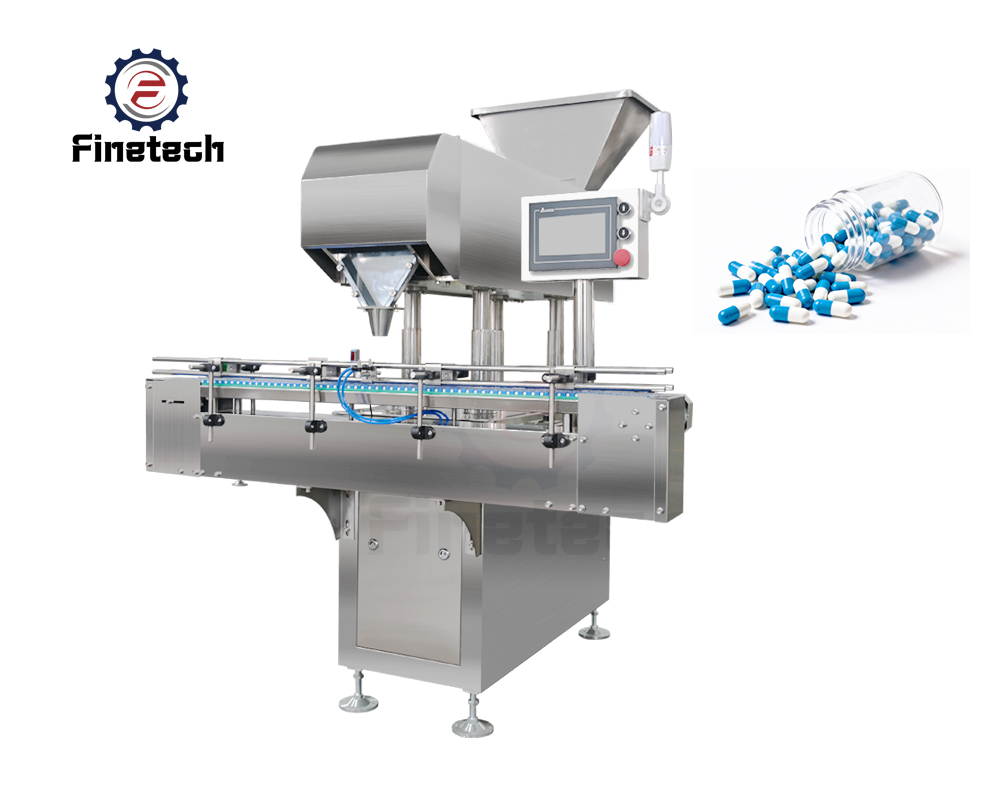
Understanding the difference between GMP and cGMP gives you clarity. However, applying these standards in real production requires more than theory. You need machines that deliver stable batches and repeatable results.
So, if you’re looking for a production line that helps you stay compliant, Finetech can help you achieve that.
Instead of offering generic equipment, we design machines that support modern pharmaceutical workflows. In fact, our systems are used in facilities across more than 100 countries, helping manufacturers move from “good enough” to truly cGMP-ready operations.
Request a quick quote for the machines your production line needs!