Skip to content
  English
  Russian
  Turkish
  Spanish
  French
  German
  Japanese
Medicines are made to help us, but only when we use them correctly. Many people open a blister pack and forget how important that packaging is. Once a tablet is removed, it can start to lose its power without us even noticing.
Changes in the environment, like heat or air, can affect how long the tablet stays useful. In this article, we discuss what happens after tablets are taken out of their blister packs and how long they can actually last.
How Long Do Tablets Last Out of Blister Pack?
Tablets are designed to stay stable and effective for a set time, usually printed as the expiry date on the packaging. However, this date assumes the tablet stays sealed in its original blister pack. Once removed, the tablet is exposed to air, moisture, and light. This can then slowly break down its ingredients. This means that the tablet will not last as long or work as well.
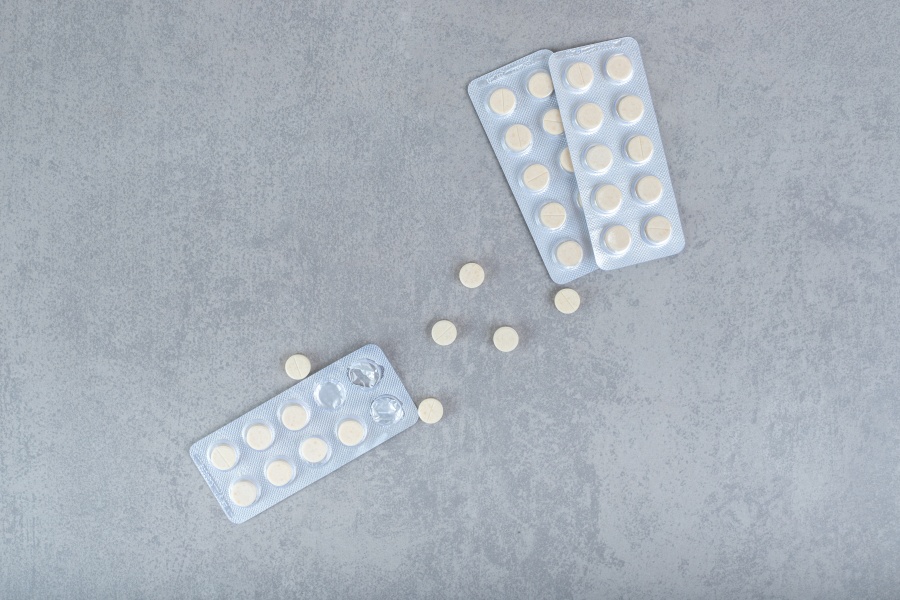
Some tablets may remain safe for a few days to a few weeks, but others might degrade faster depending on their chemical makeup. For example, medicines that absorb moisture easily (like aspirin) can lose strength quickly. Without proper storage after removal, even a safe tablet can become unsafe.
That’s why blister packs are used, to protect tablets from outside factors. So, how long a tablet lasts out of the pack depends on what it’s made of and how long it stays exposed. It can be weeks or, in some cases, even months, depending on different factors.
Understanding Tablet Shelf Life
Tablets have a specific shelf life, which is the amount of time they remain safe and effective when stored properly. This time frame is tested and approved by manufacturers under strict conditions.
What Shelf Life Really Means
Shelf life refers to the period during which a tablet keeps its strength, safety, and quality. It does not always mean the medicine is harmful after this date, but its effectiveness may decrease.
Packaging and Expiry Dates
Expiry dates are based on tablets staying sealed. Once the blister is opened, shelf life can shorten quickly, especially in poor storage conditions.
Importance of Blister Pack
Blister packs are very important for keeping tablets safe and effective. They protect each tablet from things like air, water, heat, and light. These things can slowly damage the medicine and make it stop working properly. Blister packs help the tablet stay strong and last longer until you need to take it. They:
- Stop moisture and air from touching the tablet.
- Protect from sunlight and heat.
- Keep each tablet clean and safe.
- Help you remember if you took your dose.
Blister packs also help people avoid mistakes. Since each tablet is packed separately, you can see how many you’ve used. This lowers the chance of missing any doze or taking it twice.
Medicine companies make blister packs to protect the tablet’s full shelf life. Without them, the tablet may get soft, change color, or lose strength in just a short time.
The global blister packaging market was worth about USD 29.66 billion in 2023, and it’s growing fast. Experts say it will grow around 6.72% every year from 2024 to 2031. So, blister packs are trusted worldwide and the safest option for medicines.
What Changes After Tablets Are Unpacked
When a tablet is removed from its blister pack, it becomes exposed to the environment. This exposure can slowly reduce its quality, making it less safe over time.
Exposure to Air and Moisture
Air and humidity are two of the biggest threats. Moisture can cause the tablet to become soft, sticky, or break apart. Some tablets absorb water easily, which changes their structure and may lower their strength.
Light Effects
Strong light and heat can also damage tablets. Light may cause color changes, while heat can break down the chemical formula. This can make the medicine weaker or unsafe.
Risk of Contamination
Once unpacked, tablets can also collect dust, dirt, or germs if not stored properly. Touching them with unclean hands can add more risk.
External Conditions That Influence Tablet Life
Tablets are sensitive to the environment once taken out of their blister packs. Several outside factors can affect how long they stay safe and effective.
Heat and Temperature Changes
High temperatures can break down the chemical ingredients in tablets, making them weaker or even harmful. Even storing tablets in a warm room or near a window can speed up this damage. Sudden temperature changes can also cause cracks or changes in the tablet’s form.
Air and Oxygen
Exposure to air can lead to the process of oxidation, which changes the tablet’s chemical structure. The process can lower the tablet’s power and make it less safe to take.
Dust and Pollution
Once exposed, tablets can collect dust and small particles from the air. It then causes mild to severe contamination.
Improper Handling
Touching tablets with dirty or wet hands can also transfer bacteria or moisture, further damaging the medicine.
Key Factors That Determine How Long a Tablet Lasts
| Factor | Impact on Shelf Life |
| Drug Formulation | This is the most important factor. Some chemicals are inherently stable, while others are highly sensitive to moisture, light, or oxygen. |
| Storage Environment | A hot, humid bathroom is the worst place. A cool, dark, dry drawer is much better. Ideal storage is in a tightly sealed container with a desiccant (silica gel packet). |
| The Original Expiry Date | A drug that was already near its expiration date in the blister will degrade much faster once removed. |
| Physical Changes | If the tablet shows signs of degradation (see below), it should be discarded immediately, regardless of time. |
How to Recognize a Compromised Tablet
You must know when a tablet is no longer safe to use. Once it’s taken out of its blister pack, changes can happen that may not always be easy to notice, but some signs are clear.
Changes to look for are:
- Color fading or dark spots.
- A strong or unusual smell.
- Cracks, chips, or broken pieces.
- The tablet feels soft, sticky, or powdery.
- Strange taste (if taken).
These changes often mean the tablet has reacted to air, light, or moisture. Even if it still looks fine, a tablet left outside too long may lose its strength and not work as it should.
If you’re ever unsure, it’s better to avoid taking the tablet. Using damaged or expired medicine can lead to poor treatment results or even side effects. Always check for signs before use, and store tablets carefully to avoid these problems.
Conclusion
Tablets can lose their strength and safety quickly after being taken out of blister packs. Heat, air, and moisture are some of the major risks. It is recommended by healthcare experts to always check for changes in color, shape, or smell. To stay safe, store tablets properly and use them within a short time after opening the pack.