Skip to content
  English
  Russian
  Turkish
  Spanish
  French
  German
  Japanese
Maintaining sterility is one of the biggest challenges in pharmaceutical manufacturing. Even a small amount of contamination can harm product quality and patient safety.
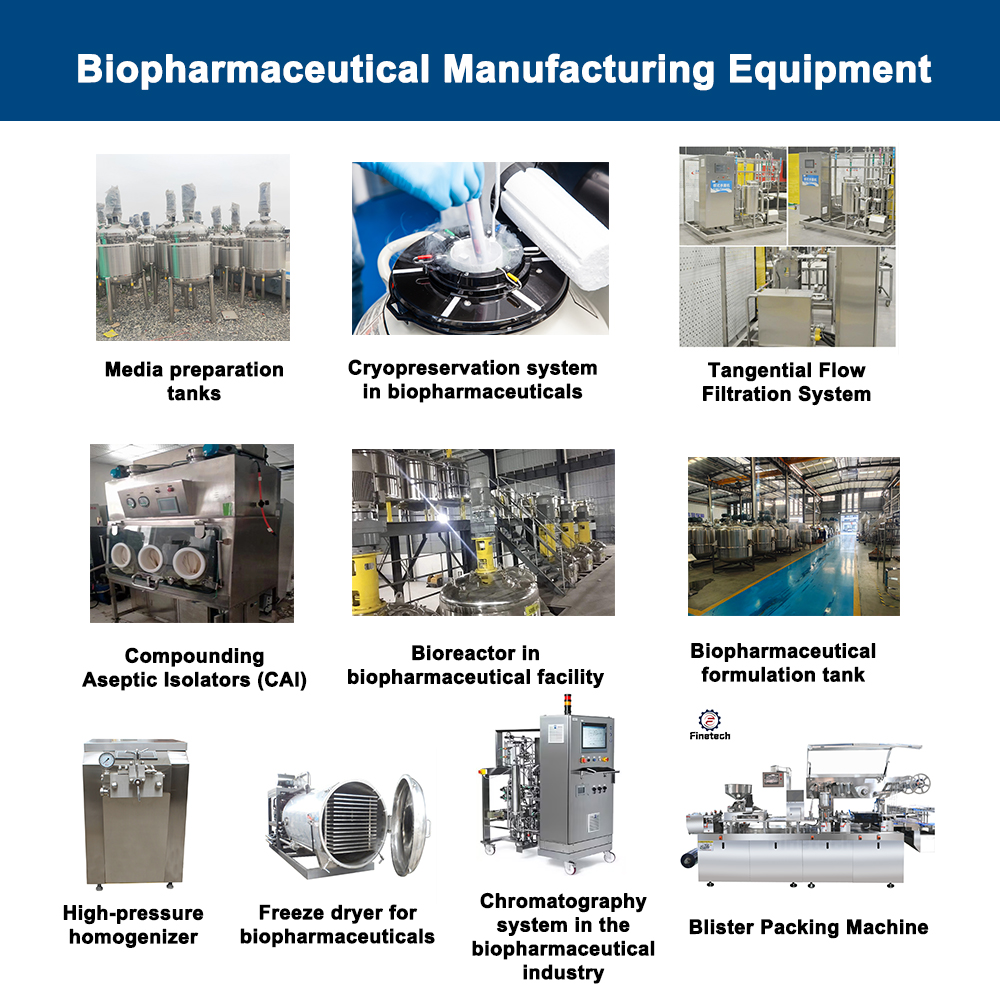
To address this, companies now use advanced systems, like an isolator in the pharmaceutical industry, that create a clean and controlled environment for safe drug production. In this article, we discuss what isolators are and how they work in the pharmaceutical industry.
What is an Isolator in the Pharmaceutical Industry
An isolator in the pharmaceutical industry is a type of pharmaceutical machinery that is designed as a closed system to separate the product from the external environment during manufacturing. It provides a sealed space where air is continuously filtered through HEPA filters to remove dust, microorganisms, and other contaminants.
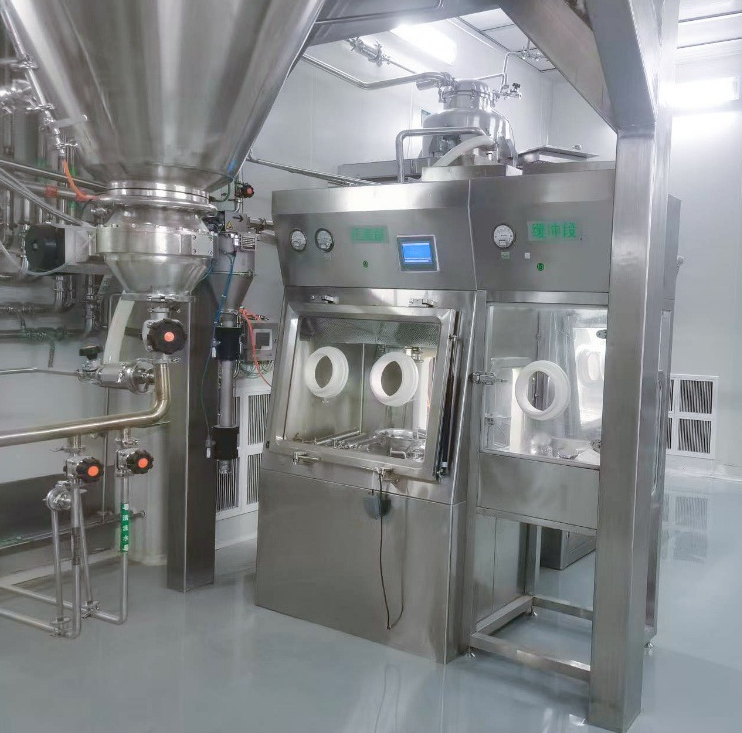
This isolator technology is mostly used in aseptic filling and vaccine preparation. For example, during vial filling, it stops microorganisms from entering the product area, keeping the entire process clean and controlled.
Types of Isolators
There are different types of isolators used in drug manufacturing, and each serves a special purpose. Some are made for sterile products, while others handle toxic or sensitive materials safely.
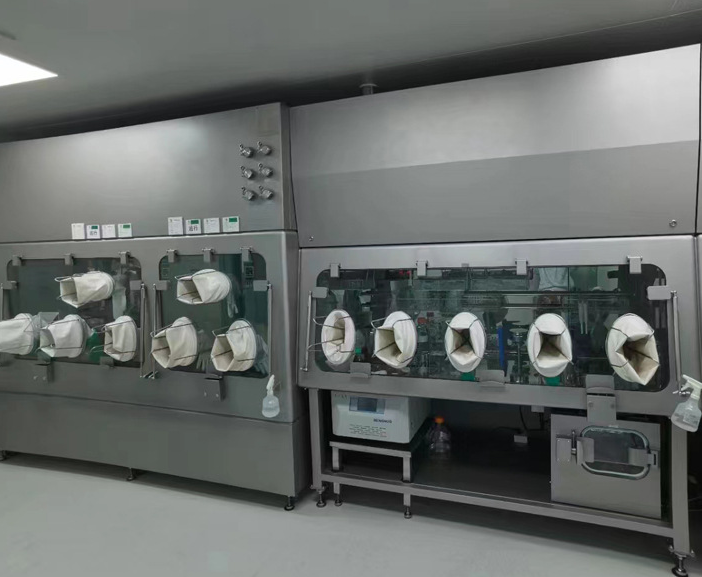
Aseptic Isolators
These isolators are used in sterile drug pharmaceutical production lines to keep medicines free from germs. Their role is to protect the product during processes like vial filling and vaccine preparation.
Containment Isolators
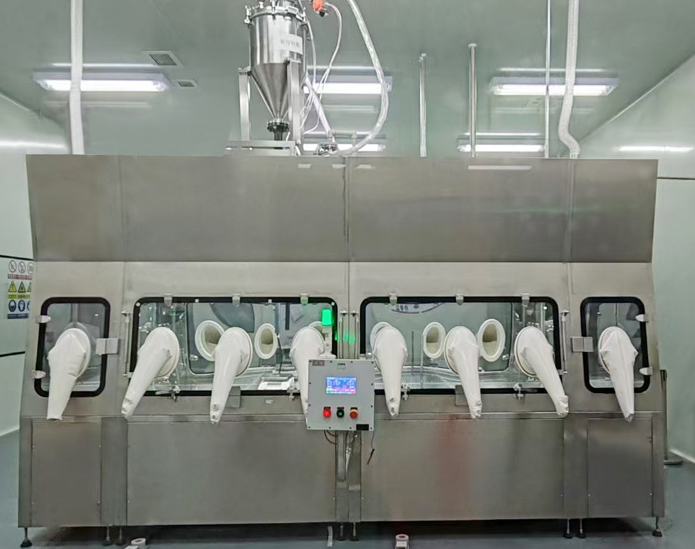
These are used for handling harmful or toxic materials such as cytotoxic drugs. They protect the worker from exposure through containment technology while keeping the product safe.
Closed Isolators
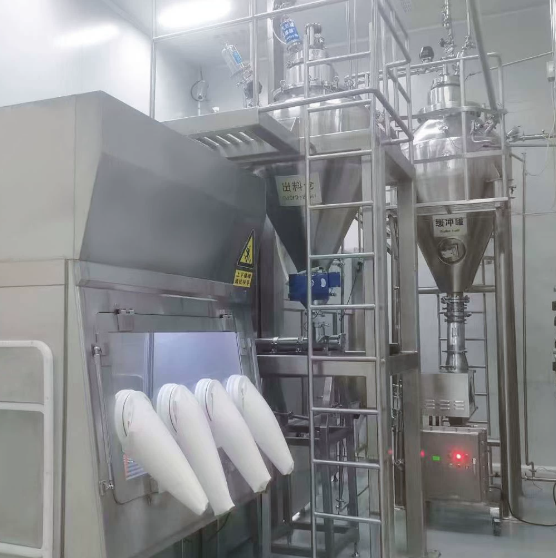
A closed isolator in the pharmaceutical industry is completely sealed from the outside air. They provide maximum protection against contamination during sterile operation manufacturing.
Open Isolators
Open isolators allow filtered air to move in and out but still maintain clean conditions. They are used when some interaction with the external environment is needed.
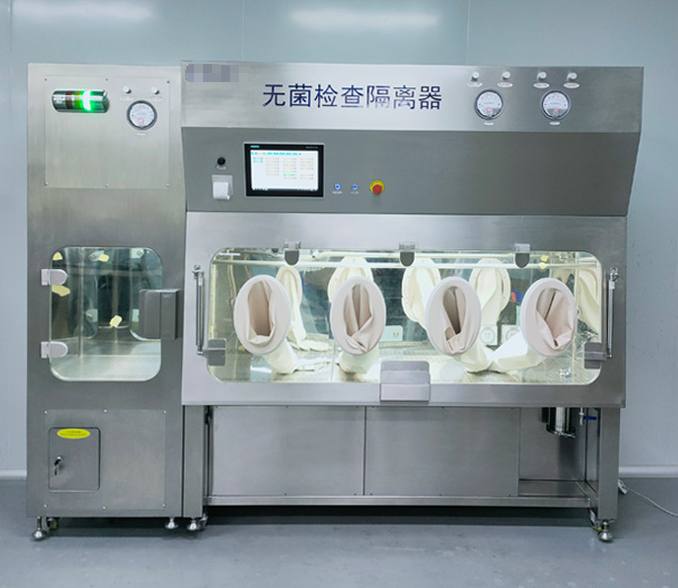
Positive Pressure Isolators
A positive pressure isolator in the pharmaceutical industry keeps the air pressure inside higher than outside to stop any contaminated air from entering. It is mainly used in sterile drug manufacturing, such as injectable or vaccine production.
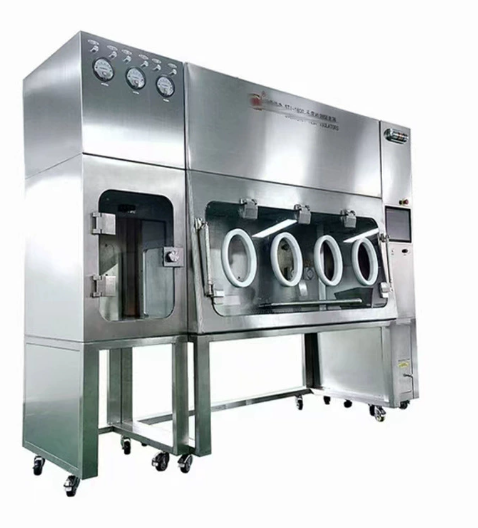
Negative Pressure Isolators
A negative pressure isolator keeps the air pressure inside lower than outside so that harmful particles cannot escape. It is mainly used for handling toxic or infectious drugs. Its role is to protect workers and the environment while keeping the manufacturing process controlled and safe.
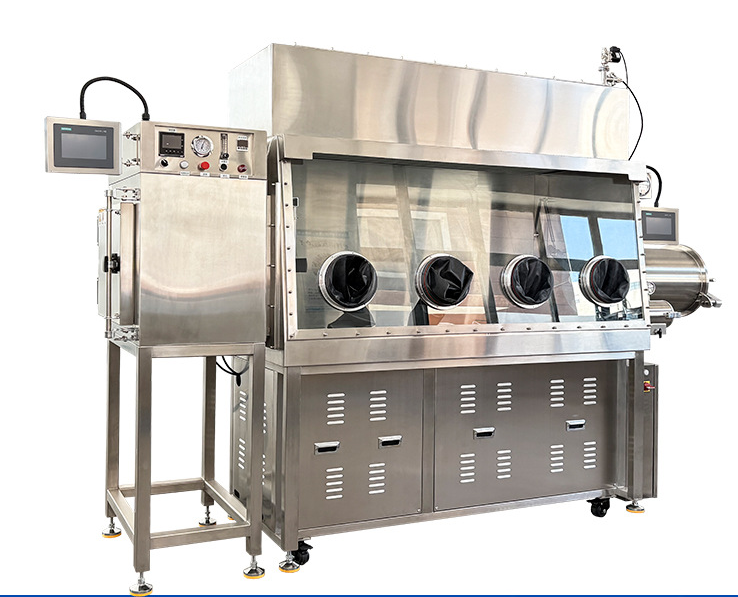
Important Components and Working Mechanisms
An isolator in the pharmaceutical industry works through a sealed and controlled system that separates the product from the outside environment. It uses advanced air filtration and pressure control to maintain sterility during production. The main parts of an isolator include glove ports, transfer hatches, and HEPA filters that clean the air.
Working Mechanism
- Air enters through HEPA filters to remove dust and microorganisms.
- Positive or negative pressure is maintained depending on the process type.
- Vaporized hydrogen peroxide (VHP) is used to sterilize the chamber.
- Operators handle materials safely through glove ports without direct contact.
- Decontamination cycles are performed before and after production.
Together, these mechanisms allow safe, contamination-free drug manufacturing and protect both the product and the operators during pharmaceutical processes.
Advantages of Using an Isolator
Using an isolator brings many benefits to modern drug manufacturing. It helps make medicines in a clean and controlled space while protecting both workers and products.
High Safety
Isolators protect workers from exposure to toxic or infectious materials by keeping all processes enclosed. At the same time, they protect the drug from contamination caused by human contact. This dual safety design helps maintain secure production conditions.
Better Sterility Control
They maintain constant airflow and filtered air to remove dust and germs. The controlled pressure system keeps the working area sterile throughout production. This prevents any contamination that could affect the quality.
Easy Compliance
An isolator in the pharmaceutical industry helps companies follow strict GMP and regulatory standards. It allows better documentation and process validation during inspections. This reduces the risk of non-compliance in sterile manufacturing.
Lower Costs
Because isolators need smaller controlled areas than full cleanrooms, they save energy and reduce cleaning needs. Maintenance is also easier, which lowers long-term operating costs.
Sustainability
Sustainability in the pharmaceutical industry improves with isolators as they consume less air and power. They also reduce the use of disinfectants and waste materials.
FAQs
What is a pharmaceutical isolator qualification?
Pharmaceutical isolator qualification is the process of testing and proving that an isolator works correctly and safely for sterile drug production. It checks that the isolator controls contamination, maintains air pressure, and meets cleanroom standards.
What is the velocity of air in an isolator?
The air velocity in a pharmaceutical isolator is usually between 0.36 and 0.54 meters per second (or 70 and 100 feet per minute). This airflow speed helps keep a constant clean air barrier around the product and removes any particles.
What is the IEC standard for isolators?
The IEC standard related to isolators is IEC 61010, which covers safety requirements for electrical equipment used in laboratories and industrial processes. Manufacturers follow this standard to meet international safety regulations.
Conclusion
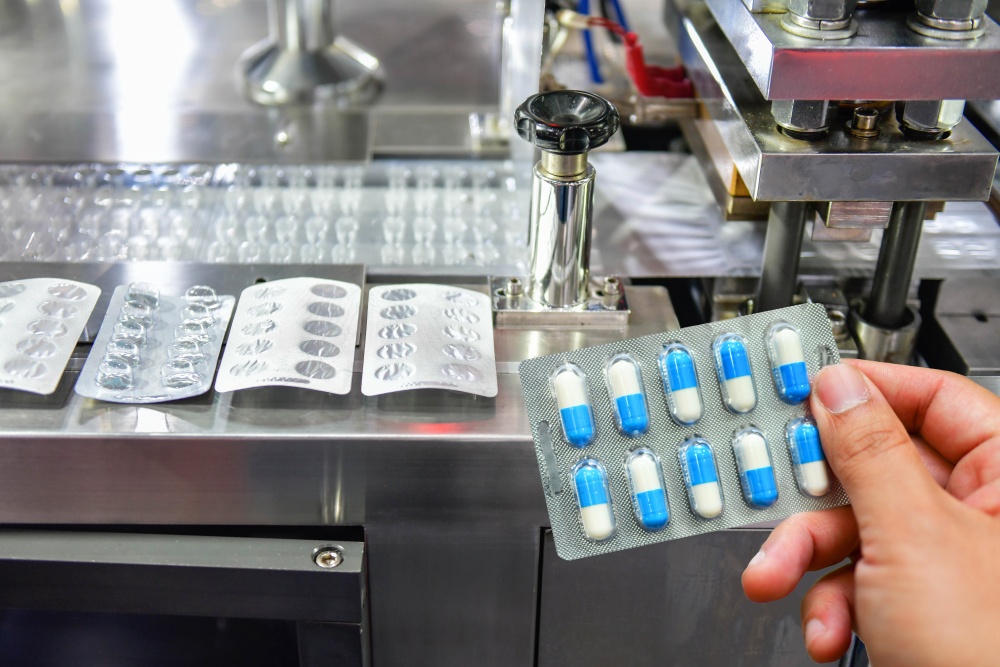
Isolators play an important role in keeping pharmaceutical production safe and clean. They help produce high-quality medicines while protecting workers and reducing waste. High-quality tools and excellent packing of these products are still important things to do for the safety of patients.
Contact us today to purchase pharmacy machinery, packaging equipment, and other pharmaceutical solutions.