Skip to content
  English
  Russian
  Turkish
  Spanish
  French
  German
  Japanese
In pharmaceutical manufacturing, a single tiny metal fragment can shut down an entire batch, trigger a recall, or result in a failed GMP audit. Even with strict cleaning and maintenance routines, metal contamination can occur.
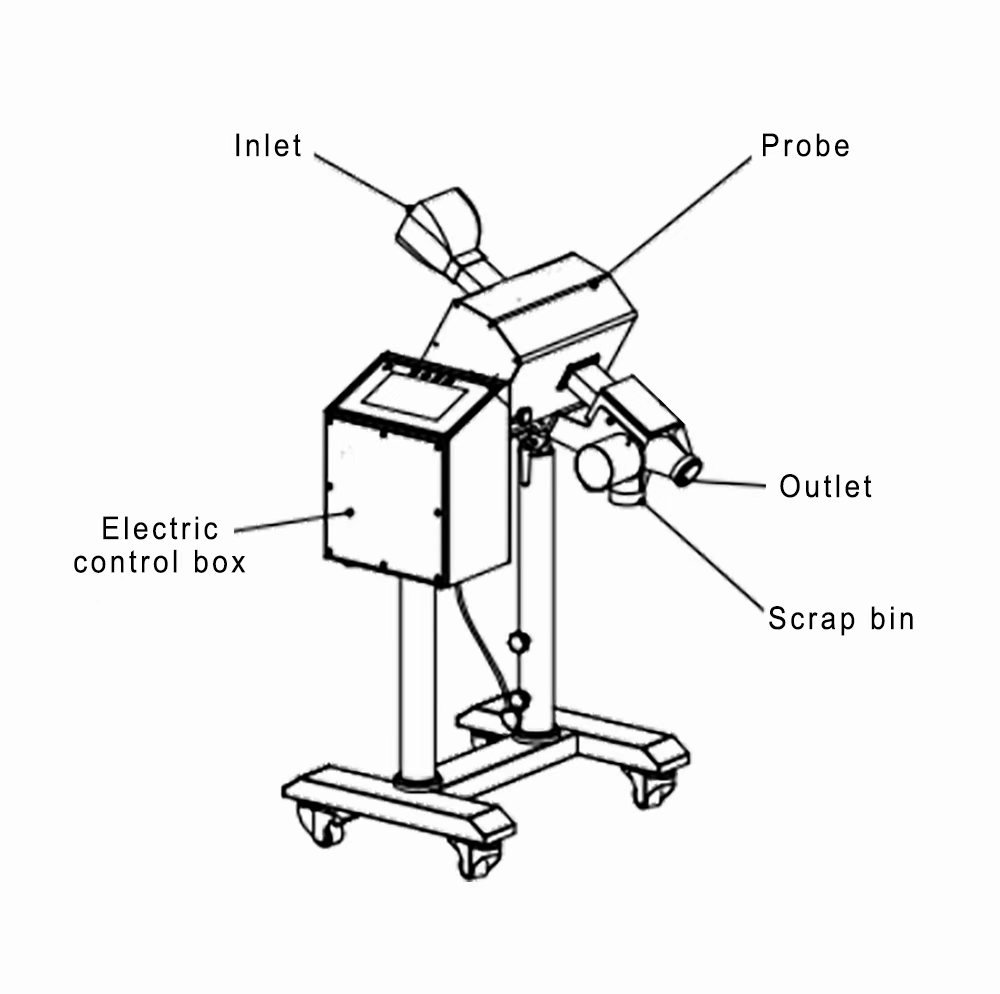
This is why a metal detector for the pharmaceutical industry is now a compliance requirement.
A pharma-grade metal detector scans every tablet or capsule as it passes through the line. During this process, the detector automatically rejects any contaminated product before it reaches the packaging stage. This protects your production integrity and prevents costly recalls.
In this blog, we’ll discover what a metal detector is and how it works in the pharma industry. You’ll also learn about the key features, along with common issues and troubleshooting problems.
What Is a Metal Detector for the Pharmaceutical Industry?
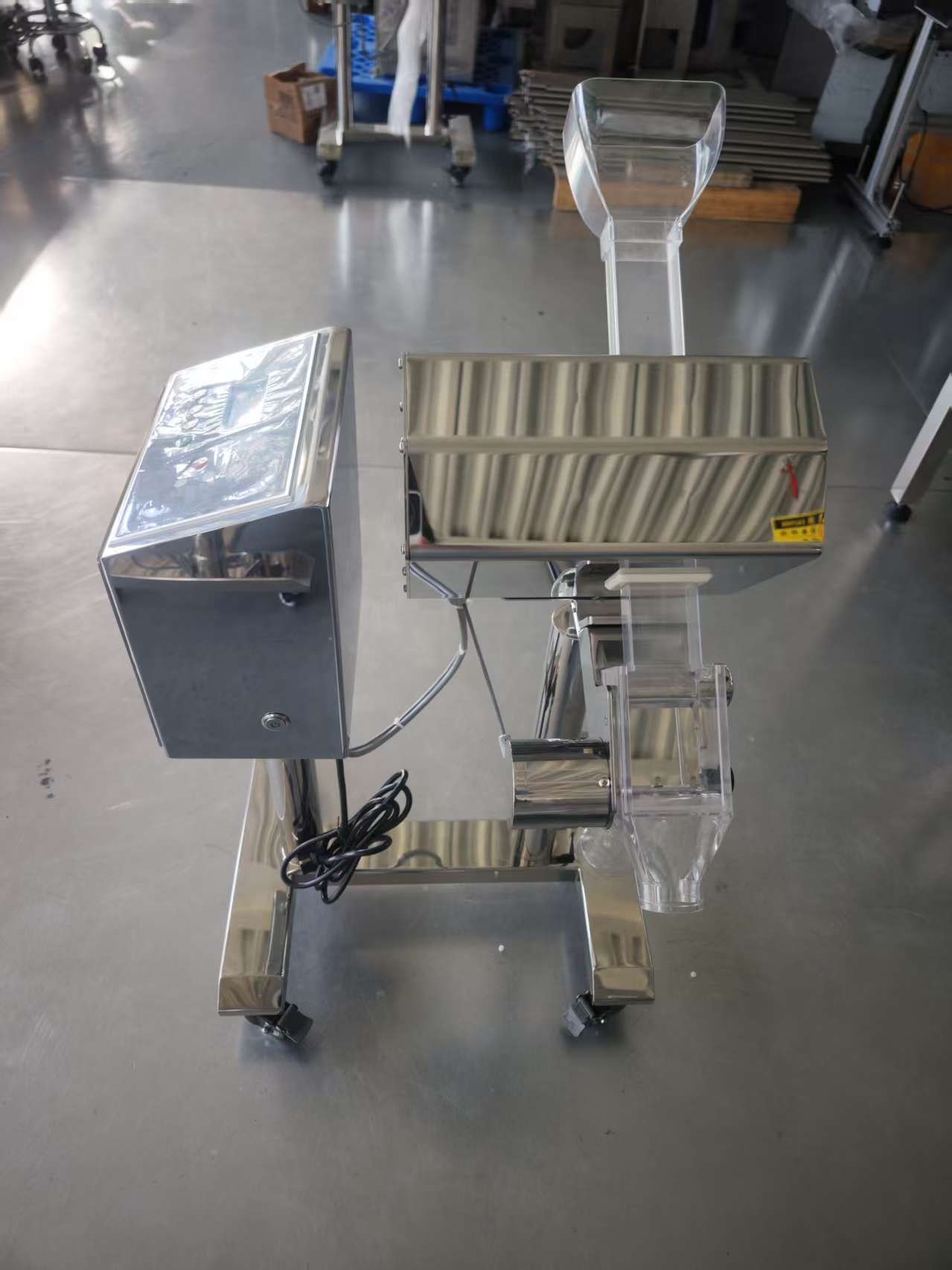
A metal detector is a machine used on tablet, capsule, or packaged product lines to detect and automatically reject any product containing metal contamination. It scans every unit as it passes through the detector using an electromagnetic field.
If any metal is detected, the detector triggers a reject mechanism that removes the contaminated product without stopping the production line. This metal contamination could be ferrous (iron-based), non-ferrous (aluminum, copper), or stainless steel.
In simple terms, it acts as the final checkpoint to ensure that no metal ends up in the medicine a patient consumes.
Why Metal Detection Is Critical in Manufacturing
In pharmaceutical production, a particle as small as a grain of sugar can lead to product recalls, regulatory penalties, or patient harm. Metal detectors eliminate this risk by serving as a final safeguard before the product reaches the packaging stage.
Here are a few reasons why they’re essential:
- Product Safety: A metal fragment in medication can injure the patient, damage internal tissue, or create a choking hazard.
- Equipment Protection: Metal particles can scratch, dent, or jam downstream machinery, especially tablet counters and blister packers.
- Regulatory Compliance: Contamination is one of the top reasons for FDA recalls, and metal detection makes sure that equipment is monitored and validated.
A study of FDA recalls shows that foreign particle contamination, including metal contamination, accounts for 20% of total product recalls. That’s why metal detectors are installed where they catch problems early.
How a Pharmaceutical Metal Detector Works (Step-by-Step)
A metal detector for the pharmaceutical industry scans every tablet and capsule as they pass through an electromagnetic field.
Below is a simple sequence that most metal detectors follow:
Step 1: Products Enter the Detection Coil
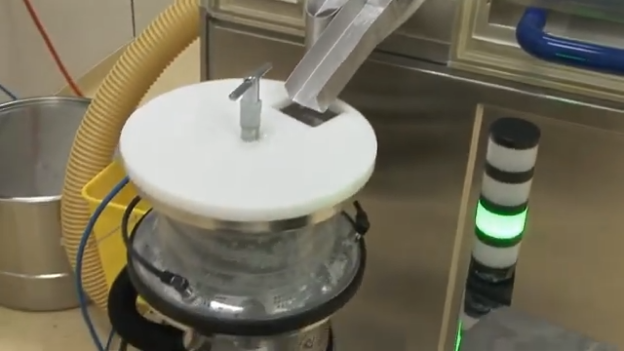
After tablets or capsules pass through the deduster or conveyors, they enter the metal detector’s sensing tunnel or coil.
This is usually placed just before packaging or bottling. The device creates an electromagnetic field around the product stream.
Step 2: Detection of Metal Contaminants
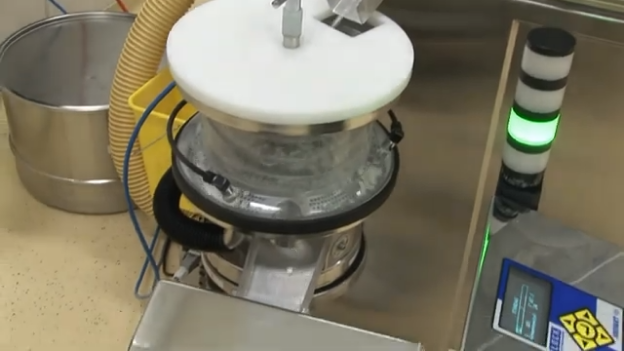
When a metal fragment passes through the field, it disturbs the magnetic field and generates a signal that is clearly distinguishable from the signal of the acceptable product.
The detector analyzes the signal and compares it to preset thresholds. It can detect all possible contaminants that could compromise patient safety or equipment.
Step 3: Reject Mechanism Activates
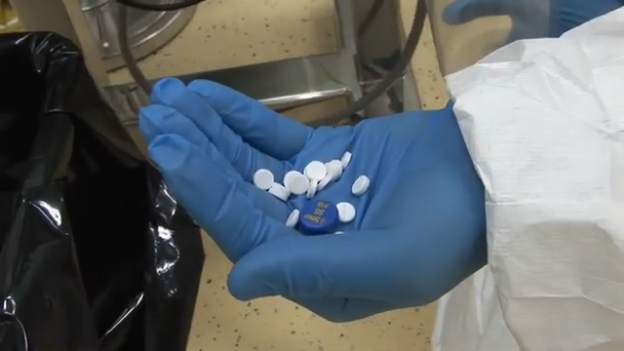
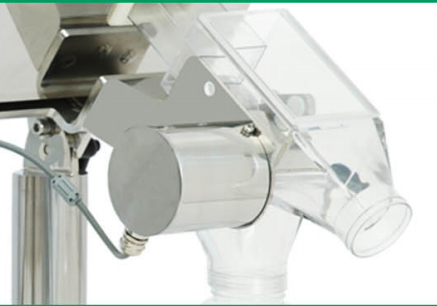
If the detector identifies a metal signal above the threshold, it triggers the reject mechanism immediately. Depending on the configuration, this might be a diverter arm, an air blast, a flap gate, or a braking belt that diverts the contaminated tablet or capsule.
This happens in milliseconds: the main production flow continues, but the contaminated products are dismissed.
Step 4: Logging and Audit Trail
Modern pharmaceutical metal detectors capture data for each rejected unit or batch. They log timestamps, product counts, sensitivity settings, reject events, and operator identification.
These logs form part of the IQ/OQ/PQ documentation required by GMP auditors. If a recall or traceability issue arises, these records serve as proof of compliance and control.
Step 5: Cleaning, Calibration, and Maintenance
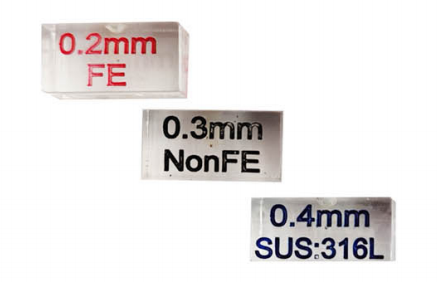
To guarantee consistent detection, the machine must be cleaned and calibrated regularly. Cleaning guarantees no residual metallic particles remain on or near the coil. Calibration uses standard “challenge pieces” (calibrated metal fragments) to verify detection sensitivity.
The process involves placing test pieces through the line, confirming detection, and logging results. Without this routine maintenance, sensitivity drifts and the machine may miss contaminants or falsely reject products.
Key Features of a Pharmaceutical Metal Detector
A metal detector used in the pharmaceutical industry is not the same as those used in food or industrial packaging. Pharma-specific detectors are designed for precision, detecting tiny particles, and ensuring regulatory compliance.
Here are the key features that matter most:
1. High Sensitivity of Tiny Metal Particles
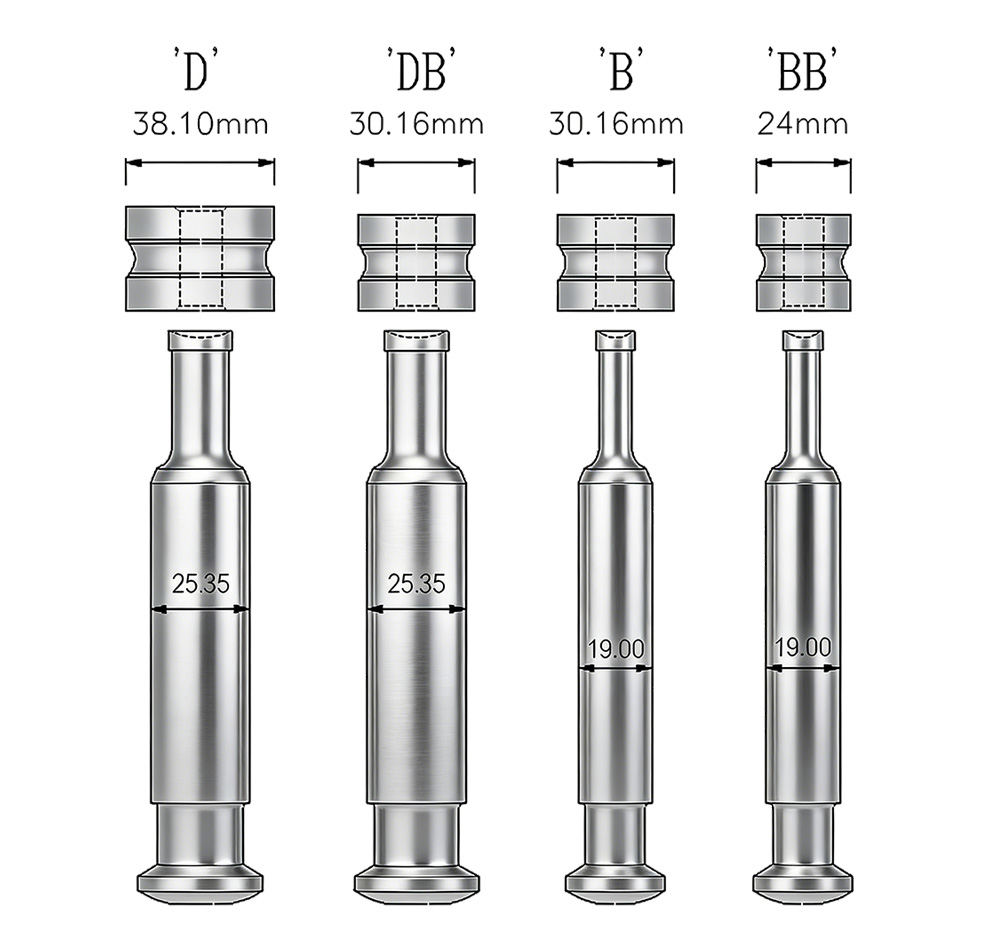
Pharma detectors can identify metal fragments as small as 0.3mm, including hard-to-detect stainless steel (SS316L). It is commonly used in tablet tooling. This level of sensitivity ensures that even microscopic fragments from punches or capsules are removed.
2. Auto Reject System (No Line Shutdown)
When contamination is detected, the system automatically isolates only the defective tablet or capsule into a locked reject bin. When a good product runs continuously, there are no stoppages and no wasted batches.
3. 21 CFR Part 11 Data Logging & Audit Trail
Every detection event is recorded with:
- Date/time.
- Product name.
- Sensitivity level.
- Operator ID.
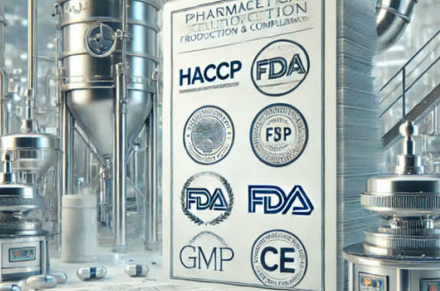
This makes sure traceability and satisfies FDA, MHRA, WHO, GMP, and EU Annex 11 requirements.
4. Product “Teach Mode”
The machine learns the product’s characteristics, weight, density, and coating, allowing it to distinguish between normal variations and actual contamination. There’s no need for constant recalibration during production.
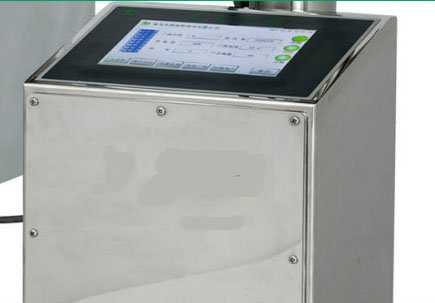
5. Tool-Free Disassembly For Cleaning
Pharma metal detectors are designed for quick cleaning:
- Contact parts removed without tools.
- No hidden corners.
- Polished stainless steel for GMP compliance.
That means easier maintenance and zero contamination risk, even with frequent product changeovers.
Common Issues and Troubleshooting
Even with a high-grade metal detector, issues can occur during production. Let’s discuss what these issues are and how you can fix them easily:
- False Rejects: This happens when surrounding machines create electromagnetic noise that triggers unnecessary rejections. Increase the distance from the motor/equipment with proper grounding to stop interference.
- Low Sensitivity: If the metal detector isn’t configured to the correct product, it may miss tiny metal particles. Re-run the product “teach mode” so the system learns the exact tablet or capsule profile.
- Detection Failure: Unstable placement or poor grounding disrupts the electromagnetic field and prevents detection. To solve this, secure the machine on a stable surface and verify grounding to restore accurate performance.
FAQs
1. What is a gravity-fall metal detector?
A gravity-fall detector is used for powders or granules. Material flows through a detection head via gravity, and any contaminated batch is automatically diverted to a reject bin.
2. How often should metal detector performance be checked?
Performance verification is conducted at the start, middle, and end of each production run, and results are documented in batch records as per SOP.
3. What environmental factors affect metal detector performance?
Strong electromagnetic interference, vibration, and temperature fluctuations can impact detection sensitivity and must be minimized through proper installation and grounding.
4. What is the FDA guidance on metal detection?
One of the ways the FDA ensures the safety of food products is through metal detection. They’ve established critical limits for acceptable and unacceptable types of metal in food products, prohibiting metal fragments between 0.3 and 1 inch in size . And it’s not just large fragments that can be harmful. Souce here
What is the limit of heavy metals in pharmaceuticals?
The general limit for heavy metals in the United States Pharmacopeia (USP) and European Pharmacopeia (Ph. Eur) is 10 ppm or 20 ppm . EMEA guideline on the “specification limits for residues of metal catalysts or metal reagents” specifies maximum acceptable limits of metal residues in drug substances and excipients.
Combine Precision Control with Reliable Machinery
A metal detector for the pharmaceutical industry protects your product and your equipment. It is the last checkpoint before your tablets or capsules reach a patient. But even the best detector can only do so much if the equipment feeding it is inconsistent or unreliable.
The only way to fully benefit from it is to combine control with reliable machinery.
Finetech delivers high-precision pharmaceutical equipment designed to minimize dust and reduce vibration. Over time, this means fewer false rejects, fewer line stoppages, and more consistent output.
Get an instant quote today and start protecting your production.
Copyright Notice:
You may not reproduce, modify, publish, display, transmit, or in any way exploit any content on this website, or use such content to construct any kind of database without prior express written approval by Finetech Group. For permission to use the content, please contact: info@pharmamachinecn.com
Disclaimer:
The information contained in this article is for general information purposes only. The Company does not guarantee the accuracy, relevance timeliness or completeness of any information, and the Company assumes no responsibility for errors or omission in the content of this article.