Skip to content
  English
  Russian
  Turkish
  Spanish
  French
  German
  Japanese
From the global manufacturing units to pharmacy shelves and patient medicine cabinets, billions of pharmaceutical bottles are manufactured every year. Each medication, whether a sensitive injectable or a capsule, requires a specific packaging solution to ensure its safety, stability, and therapeutic effect.
It’s not just about packaging but a complete discipline that preserves the drug’s integrity against moisture, light, and contamination.
If you are a packaging specialist or pharmaceutical manufacturer, this comprehensive guide will walk you through the types, processes, and benefits of modern pharmaceutical bottling. Let’s get started!
Key Takeaways: Pharmaceutical Bottles
- Role in Drug Integrity: Pharmaceutical bottles are specialized primary packaging (glass or plastic) that protect drug potency and preserve their shelf life by blocking moisture, light, and contamination.
- Material Decides Usage:The primary categorization is based on material: Type I Borosilicate Glass offers the highest chemical resistance for sensitive injectables. HDPE and PET plastics are favored for capsules and oral liquids due to their lightweight barrier properties and cost-effectiveness.
- Accuracy and Control in Filling: The filling process is highly automated and sterile. It involves preparation, accurate dispensing using various mechanisms, secure sealing, and quality control checks.
- Benefits Beyond Containment: These bottles ensure accurate filling (via measuring tools) and meet strict regulatory compliance. The focus on sustainability is growing through recycling and reprocessing initiatives for both glass and plastic materials.
Understanding Pharmaceutical Bottles
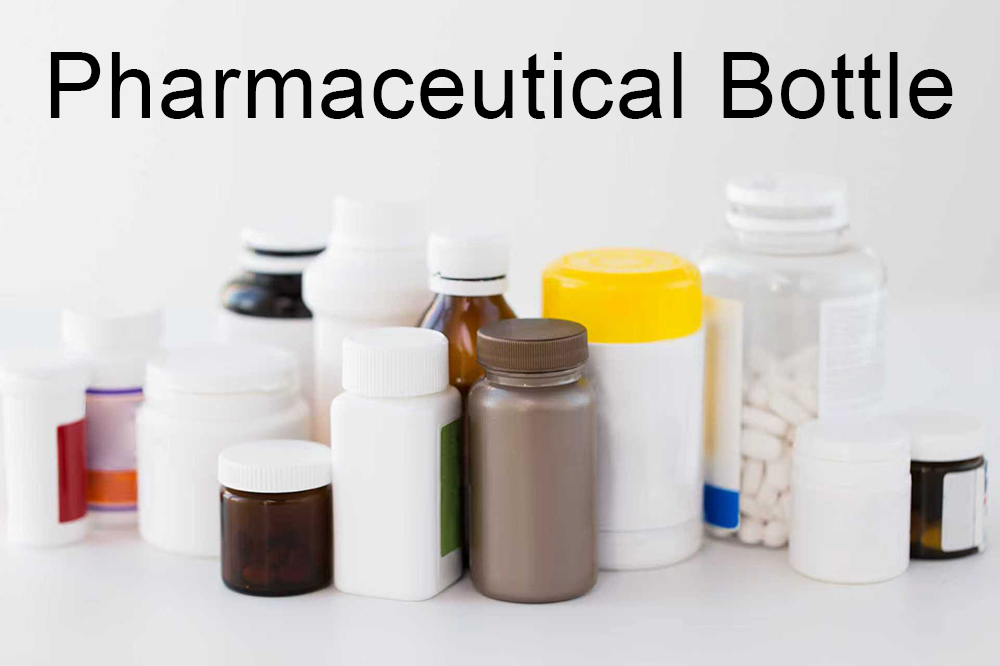
Pharmaceutical bottles are specialized containers that hold, protect, and preserve medicinal products, including pills, capsules, liquids, and powders. They are essential for maintaining the potency of the medicines and making them user-friendly.
These bottles come in various shapes, sizes, and colors to cater to different medicines and patient needs. For enhanced safety and integrity, they are often fitted with features such as child-resistant caps and tamper-evident seals. The most commonly used materials are inert glass and durable plastics like HDPE and PET.
Different Types of Pharmaceutical Bottles
Pharmaceutical bottles are primarily identified by their material, i.e., glass or plastic. These materials determine the necessary chemical resistance and barrier properties for different drug formulations.
There is also a category of specialized bottles for particular patient needs or advanced protection. Let’s take a look at them:
Glass Bottles
Glass is a highly valued primary material for pharmaceutical bottles due to its excellent barrier properties and chemical inertness. There are three main types of pharmaceutical glass bottles:
Type I (Borosilicate Glass Bottles)
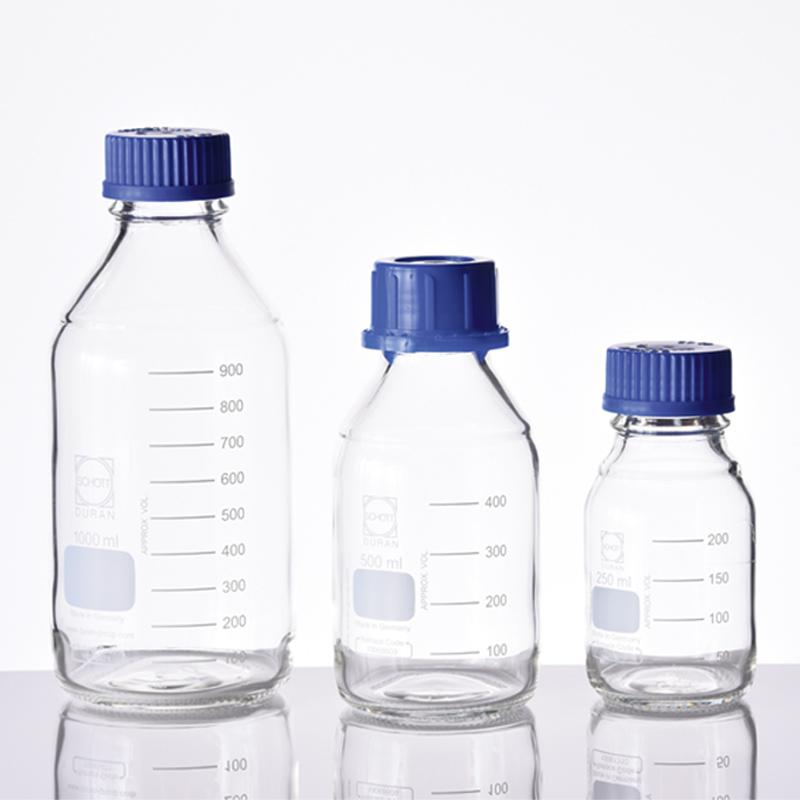
Borosilicate glass is the most ideal material available for pharmaceutical use, composed of approximately 80% silica and 13% boron oxide. This composition provides the highest chemical resistance among all glass types.
The low coefficient of thermal expansion enables it to withstand high temperatures and thermal shocks during sterilization. It is used for most sensitive drugs, injectable products (vials, ampoules), and biologics.
Type II (Treated Soda-Lime Glass)
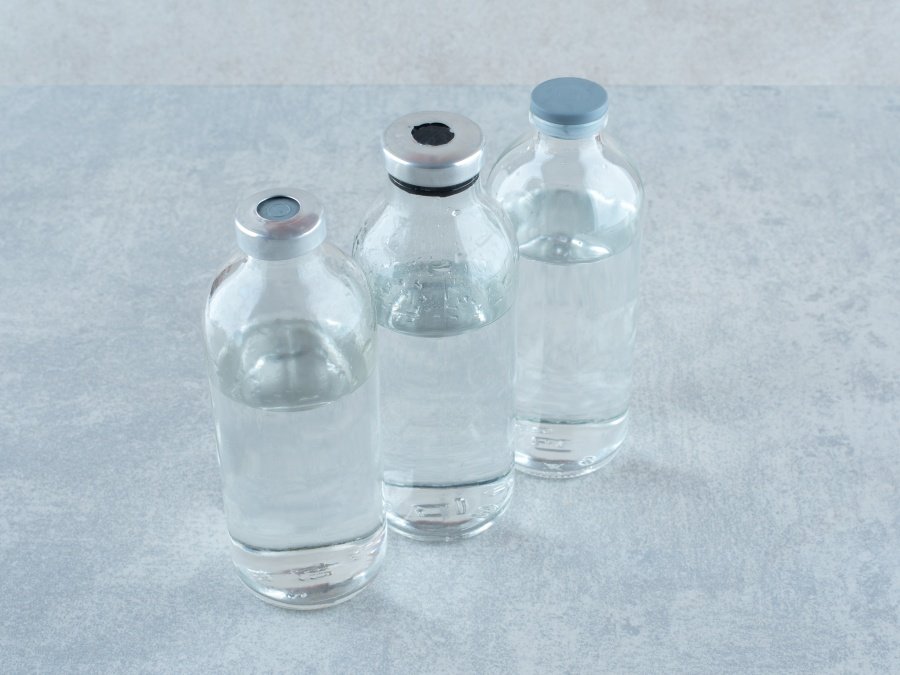
Type II (soda-lime) glass is the most common base material used for many pharmaceutical applications. Its inner surface is treated with sulfur dioxide to improve its water-resistance, structure, and chemical resistance. It is primarily used for acidic and neutral aqueous solutions, such as intravenous (IV) solutions and large-volume parenteral.
Type III (Regular Soda-Lime Glass)
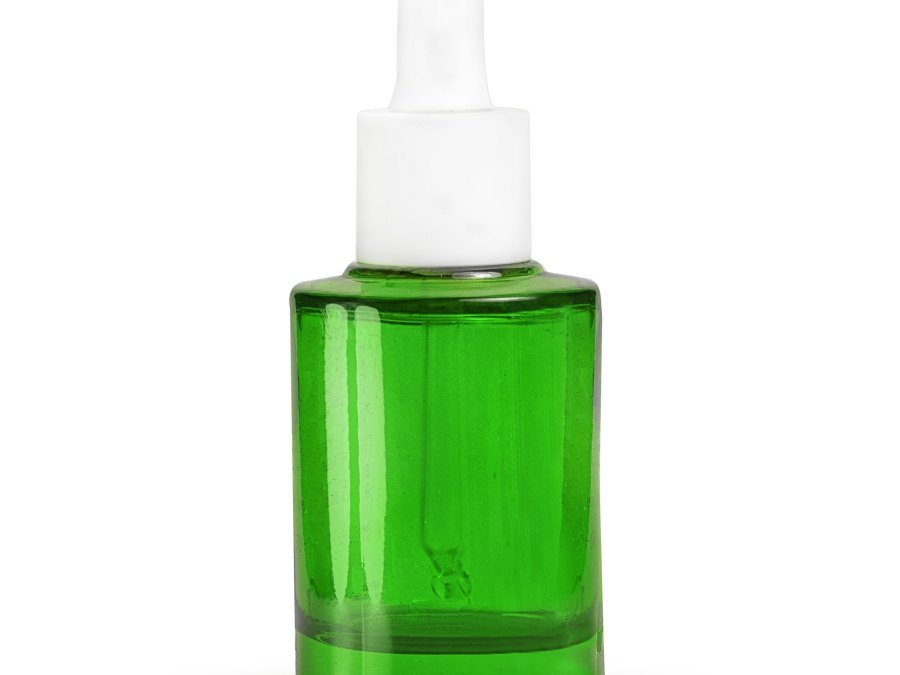
This is the most standard and economical glass used in pharmaceutical bottles. It is made from lime, silica, and sodium oxide. Its lower chemical resistance makes it unfit for highly reactive or sensitive medications. Soda-lime glass is suitable only for non-aqueous preparations, powders, tablets, capsules, and oral solutions that are not highly sensitive to pH changes.
Plastic Bottles
Plastics are now widely used as pharmaceutical bottle materials as an attractive alternative to glass. Their popularity stems from their versatility, cost-effectiveness, and barrier properties against moisture and gases. Plastic bottles come in three different materials:
High-Density Polyethylene
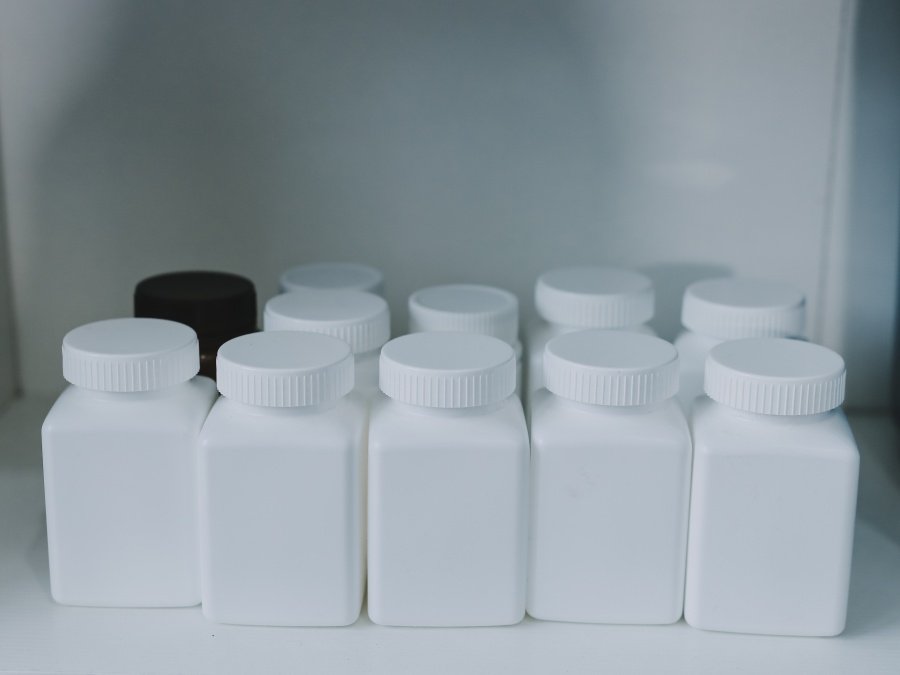
High-density polyethylene (HDPE) is the most commonly used plastic in the manufacturing of pharmaceutical bottles. It is a highly versatile material that comes in different densities, strengths, and transparencies. HDPE provides an excellent barrier against moisture and is significantly resistant to chemicals and UV radiation. These properties make it ideal for storing solid-form medications, such as different types of pills and capsules.
Polyethylene Terephthalate
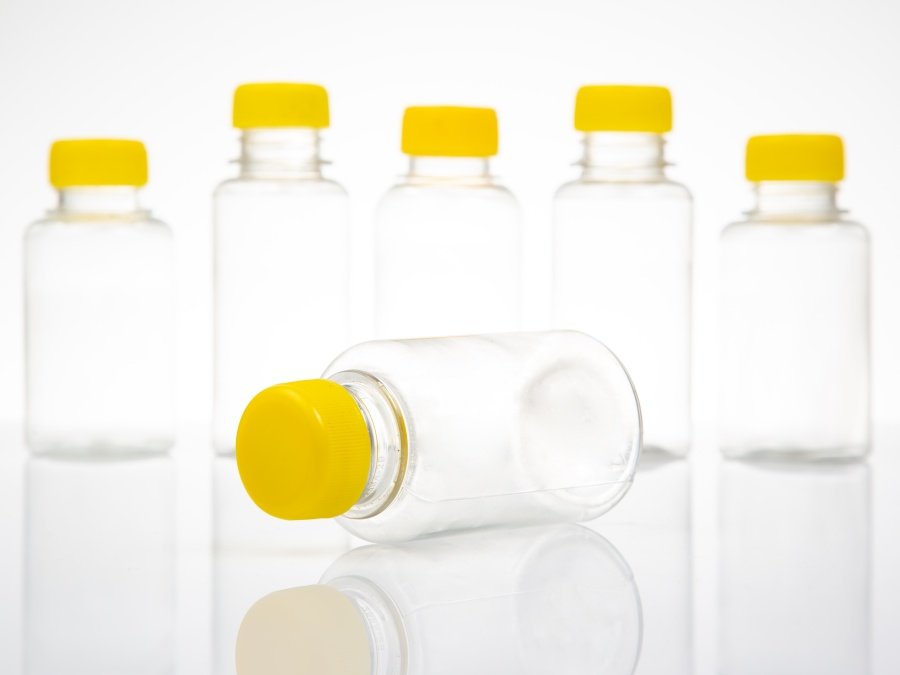
PET offers high clarity and better transparency, along with good barrier properties against oxygen and carbon dioxide. This combination is especially ideal for oral liquid medications, where visual clarity is important. PET bottles are widely used for packaging syrups, suspensions, and vitamins.
Polypropylene
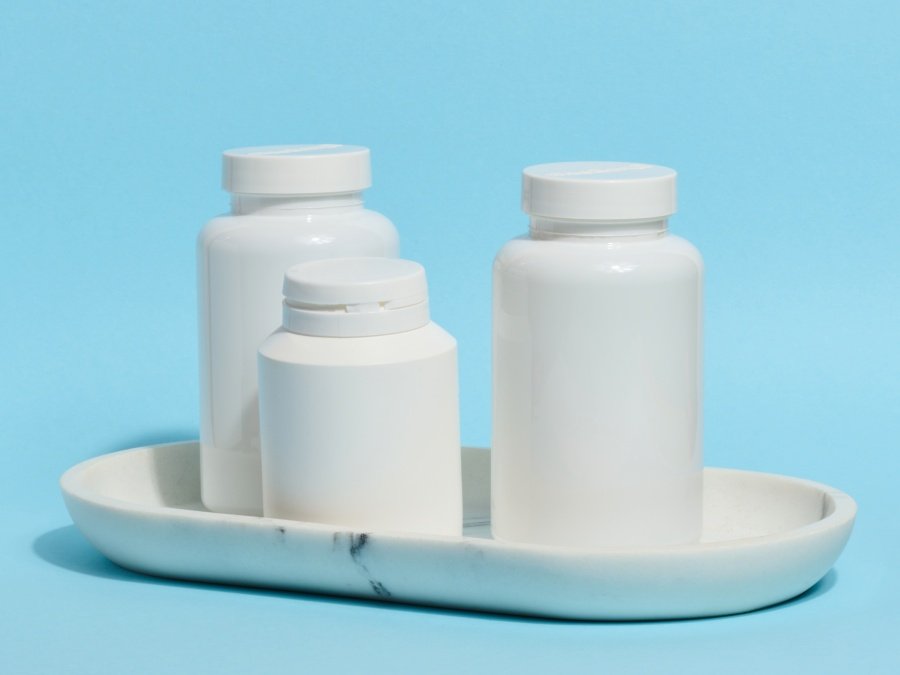
Polypropylene (PP) is highly valued in the industry for its high melting point (160°C to 170°C). This characteristic makes it exceptionally suitable for products that require sterilization processes (like autoclaving). PP is frequently used for manufacturing closures (caps) and certain bottles for liquid and semi-solid formulations.
Specialized Bottles
Specialized bottles are more about the design, color, or closure mechanism. They are used to address drug stability or dispensing requirements. Here’s the list of the common types of specialized pharma bottles.
Amber Bottles
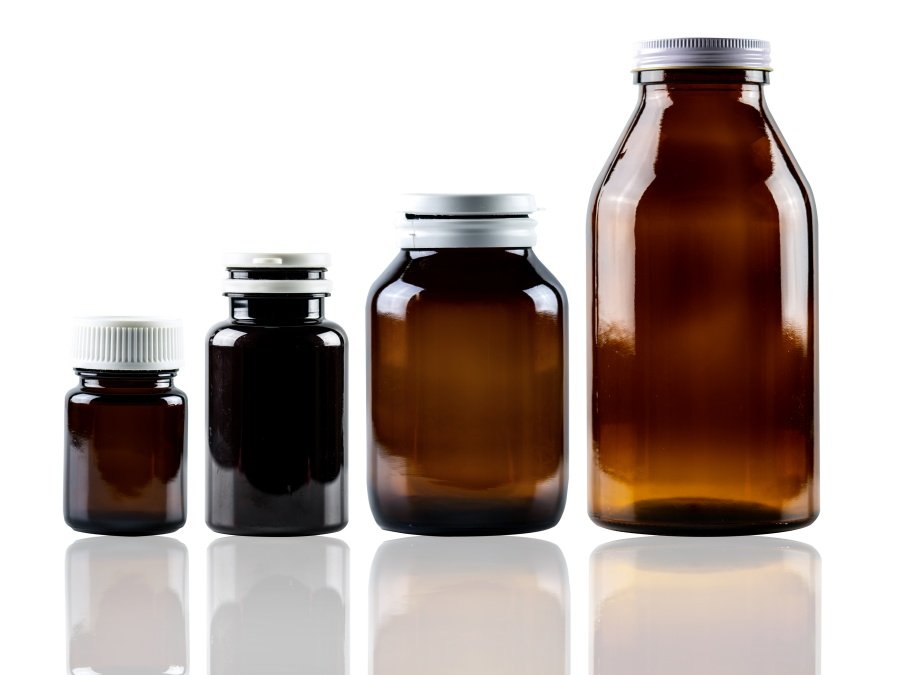
As the name suggests, amber bottles are deep brown or orange-yellow. The amber color acts as a natural filter and blocks harmful UV and blue light wavelengths. This helps preserve the product’s performance, quality, and shelf life. They are used to protect light-sensitive pharmaceuticals, essential oils, and certain foods from degradation.
Dropper Bottles
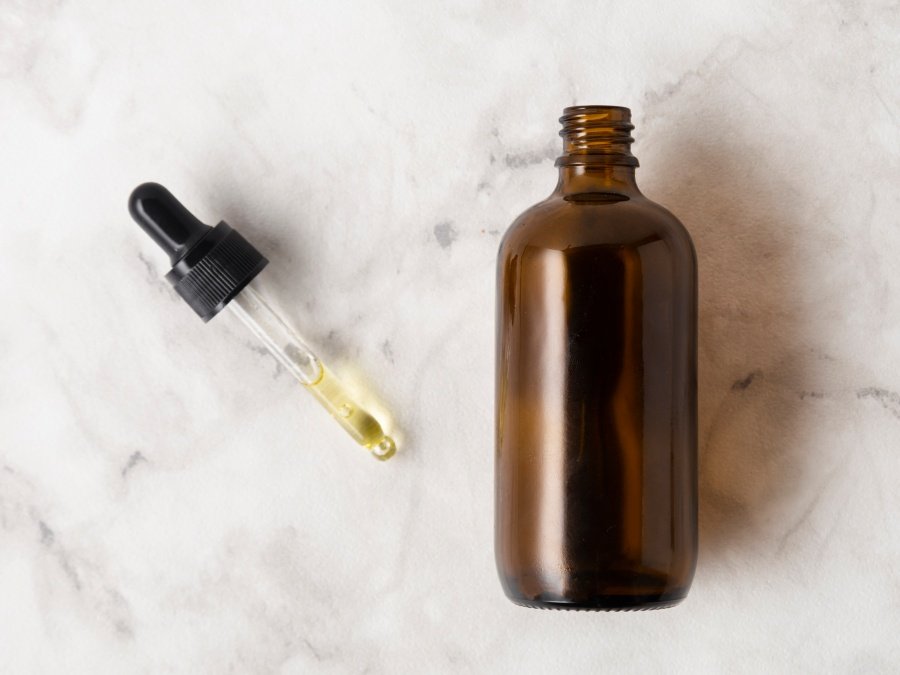
Dropper bottles have a specific neck cap fitted with an integrated pipette or dropper tip. This design allows for the accurate and controlled dispensing of liquid in small volumes. They are ideal for medications like eye drops, ear drops, or concentrated oral solutions.
Vials
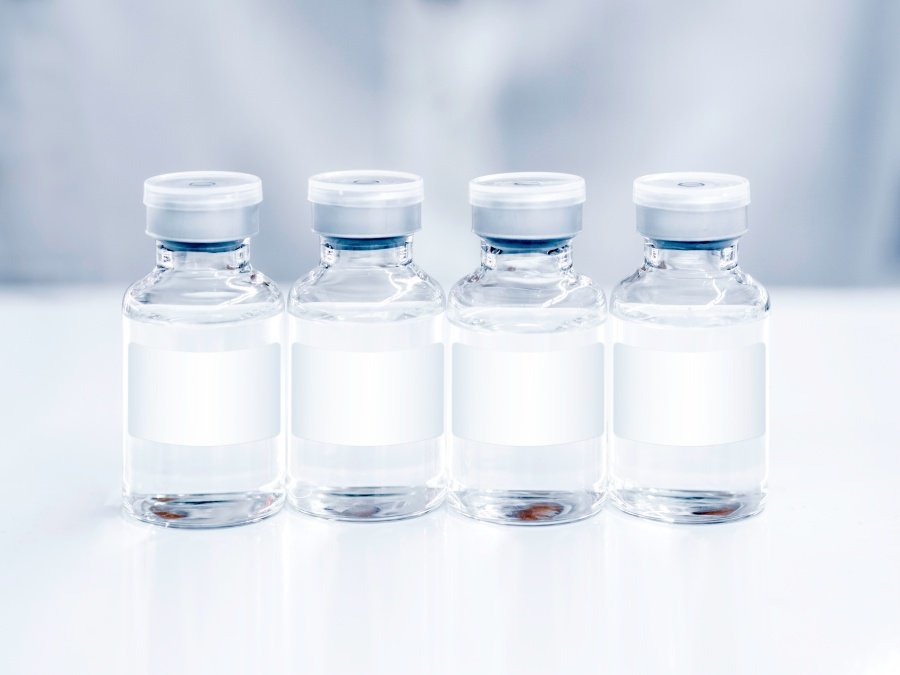
Vials are small glass or plastic containers, often sealed with a rubber stopper and a metal crimp. They are primarily designed to hold injectable liquids or powders that require mixing before use. Vials maintain a highly sterile environment for injectable drugs and enable multiple-dose access.
Pharmaceutical Bottle Filling Process
The pharmaceutical bottle-filling process is highly automated and includes bottle preparation, filling, secure sealing, and inspection. Here is the step-by-step procedure:
Step #1: Preparation and Sterilization
In the first step, the bottles are washed using high-pressure water jets and hot air. After washing, they are transferred to a sterilizing tunnel. Here, they undergo a final cleaning with compressed air to remove any remaining particles for a completely sterile environment.
Step #2: Filling
Next, the unscrambled and sterilized bottles move along a conveyor belt to the filling station. The highly accurate filling nozzles dispense the medication. The choice of mechanism depends on the drug’s nature. For liquids, this is often volumetric filling as it dispenses a fixed volume, or gravimetric filling, which ensures a consistent weight.
Step #3: Capping and Sealing
After filling, stoppers are carefully placed on the bottles to provide a preliminary seal. At a separate station, bottles are capped and sealed securely, often with a tamper-evident seal applied. This is done to maintain the product’s integrity and shelf life for an extended period.
Step #4: Quality Control Checks
The final step involves extensive quality control checks. Automated sensors verify the final volume and seal integrity to meet patient safety requirements and regulatory standards. The bottles are then labeled with important information, including lot number and expiration date, before they are prepared for final packaging.
Uses and Benefits of Pharmaceutical Bottles
Pharmaceutical bottles provide immense benefits, protection from light, moisture, and contamination, which translates directly to enhanced patient safety. Here are some key benefits:
1. Safe Storage
The main purpose of pharmaceutical bottles is to provide a safe and stable environment for various dosage forms, such as pills, capsules, and syrups. They serve as a crucial barrier to protect medications from environmental factors like light, moisture, and oxygen.
2. Accurate Dispensing
Taking the correct dosage is extremely important, especially with liquid medications like syrups. Many pharmaceutical bottles come with integrated or accompanying measurement features. For example, dosage cups fitted over the cap, calibrated dropper inserts for concentrated liquids, or printed measurement scales on the bottle body. These tools ensure that patients take the exact prescribed dose.
3. Enhanced Safety
Many medicine bottles come with safety features like child-resistant caps and tamper-evident seals. These features not only improve patient safety but also assure product integrity from the manufacturing line to the patient’s hand.
CRCs are engineered to prevent accidental access by children, as they need a two-step action like pushing down and turning. This makes it difficult for toddlers but easy for adults to manage. Tamper-evident seals provide clear visual evidence if the container has been opened before. They build customer trust and confidence in the medicine’s purity.
4. Sustainability
The pharmaceutical industry is increasingly focusing on reducing its environmental footprint. Many bottle recycling programs and initiatives promote sustainability by encouraging the reuse or reprocessing of plastic and glass packaging materials.
Reuse of these materials reduces waste, conserves resources, and reduces energy consumption associated with new packaging.
FAQs
1. Why do some medicines come in child-resistant bottles?
Child resistant caps prevent accidental opening by kids. They are required for many oral medications to reduce the risk of unintended ingestion.
2. What is the role of desiccants in pharmaceutical bottles?
Desiccant canisters or liners absorb moisture inside the bottle. They protect tablets and capsules that degrade when exposed to humidity.
3. Can pharmaceutical bottles be customized for branding?
Yes. Companies can customize shape, color, labeling and closure style as long as the design meets regulatory and functional requirements.
Choose the Best Packaging Systems for Pharma Bottles
The ultimate choice of material and design depends on the specific stability requirements of your drug formulation, its intended shelf life, and regulatory compliance. carefully weigh inertness (glass) against durability and cost (plastic) to select the optimal pharmaceutical bottles.
Beyond selecting the right bottles, the entire pharmaceutical packaging process should be thoroughly validated and controlled. Finetech makes sure that you achieve unparalleled quality and efficiency with the best pharmaceutical equipment.
Whether you need a packaging machine or a bottle filling line, we have you covered. Get in touch with our team today and see how we can assist in the consultation, selection, and training for your best equipment solution.
References:
Primary, Secondary, and Tertiary Packaging in Pharmaceuticals with Examples.
What is Biodegradable Pharmaceutical Packaging?
Different Types of Packaging in Pharmaceutical Industry.
Sustainable Pharmaceutical Packaging
All Types of Vials: The Complete Guide.
Copyright Notice:
You may not reproduce, modify, publish, display, transmit, or in any way exploit any content on this website, or use such content to construct any kind of database without prior express written approval by Finetech Group. For permission to use the content, please contact: info@pharmamachinecn.com
Disclaimer:
The information contained in this article is for general information purposes only. The Company does not guarantee the accuracy, relevance timeliness or completeness of any information, and the Company assumes no responsibility for errors or omission in the content of this article.