Skip to content
  English
  Russian
  Turkish
  Spanish
  French
  German
  Japanese
In 2026, the pace of change is real; that’s why you’re feeling stuck while the industry around you is moving quickly. New machines are transforming the way medicines are manufactured, packaged, and delivered to consumers.
To stay ahead, you need to understand the pharmaceutical machinery trends. From automation to green technology, the latest trends are designed to make your work easier, safer, and more profitable.
Today, we’ll break down the top 9 trends you should be aware of. So, let’s get right into it.
9 Pharmaceutical Machinery Trends You Cannot Ignore in 2026
The pharma industry has never stood still, but in 2026, the speed of change is on another level. Manufacturers are under pressure to produce faster, safer, more cost-effective medicines without compromising quality.
To help you stay ahead, here are nine pharmaceutical machinery trends you need to know:
Trend 1: Continuous & Smart Manufacturing
Batch production has been the norm for decades. This involved mixing, drying, and compressing the ingredients separately. For this, workers had to stop after each step. But not anymore, as it’s increasingly being replaced by continuous manufacturing.
Instead of stopping and starting, automated machines run almost non-stop, improving both yield and consistency. In fact, it has shown excellent results with decreasing operating costs by up to 30% for various manufacturers.
The system also allows real-time checks with tools like Process Analytical Technology (PAT). This helps maintain consistent quality from start to finish. For manufacturers, it means faster production, fewer mistakes, and products that reach the market quickly.
Trend 2: Automation, AI & IoT Integration
Automation used to be a luxury, but in 2026, it has become a baseline expectation. The integration of AI, robotics, and IoT is helping facilities cut costs dramatically. In biomanufacturing, AI has the potential to reduce manufacturing costs by up to 50%.
Machines with sensors and robots now do tasks that humans used to handle. This reduces errors and speeds up the production process. AI can also predict when a machine needs service before it breaks down.
Moreover, machines now come equipped with smart sensors that adjust settings in real-time. For example, a rotary tablet press can change pressure automatically to keep tablets uniform. For businesses, that means less waste, fewer delays, and more reliable results on every run.
Trend 3: Modular, Adaptive Machines
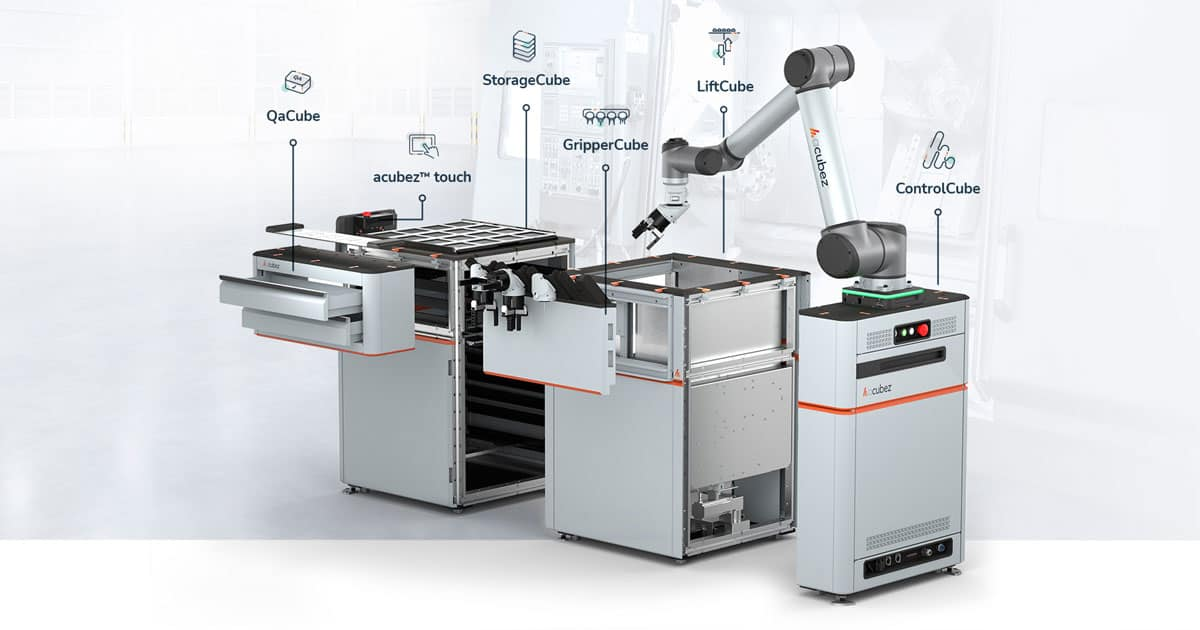
Modular machines are revolutionizing the pharmaceutical manufacturing landscape. These systems can be broken down into pieces and rearranged quickly.
Additionally, you can now shift production layouts in just a few days, rather than months of downtime. That means less waiting and faster setup when your product changes. This flexibility is beneficial if you’re a CDM or CMO.
You can take one line and switch from making biologics to small-molecule drugs quickly, without building new facilities. In short, modular lines save space, time, and cost and let you respond fast to new orders or product launches.
Trend 4: Single-Use & Flexible Bioprocessing
Single-use systems are one of the fastest-growing pharmaceutical machinery trends in 2026. In fact, the market for single-use bioreactors is expected to grow at a 15.4% compound annual growth rate through 2029 to $9.1 billion.
These systems use disposable plastic bags instead of steel tanks. That means almost no cleaning, sterilizing, or validation. You change products in hours, not weeks.
One of the most significant advantages of this system is the decrease in downtime from weeks to just 48 hours in some facilities.
So, if you’re developing vaccines, personalized therapies, or frequently switching products, single-use systems offer flexibility and safety at a significantly lower cost.
Trend 5: Ultra-Low Temperature & Cryogenic Systems
Some of the most advanced treatments available today, such as mRNA vaccines and cell-based treatments, are highly sensitive.
They lose effectiveness if not stored at extremely low temperatures. This has created a new demand for ultra-low-temperature freezers and cryogenic systems designed to handle temperatures as low as -80°C or even colder.
These systems utilize specialized pumps and transfer lines to safely transport sensitive formulations without exposing them to contamination. That ensures every dose maintains its full potency from pharmaceutical production to delivery.
For manufacturers, this technology is now a necessity, rather than a luxury. As the pipeline of biologics and gene therapies grows, having reliable cryogenic systems in place is key to protecting product quality.
Trend 6: Advanced Drying & Micronization Equipment
If you work with active pharmaceutical ingredients (APIs), you know how critical drying and particle size are.
Heat-sensitive compounds can degrade quickly, which is why vacuum tray dryers and roto-cone vacuum dryers (RCVD) are becoming standard. They remove moisture while protecting delicate molecules.
But drying is only one part of the puzzle. Particle size also impacts how the body absorbs medicines. That’s where micronization comes in. Modern air jet mills can now create particles as fine as 5–10 micrometers, which is important for inhalable drugs and injectable formulations.
Trend 7: Digital Twins & Predictive Maintenance
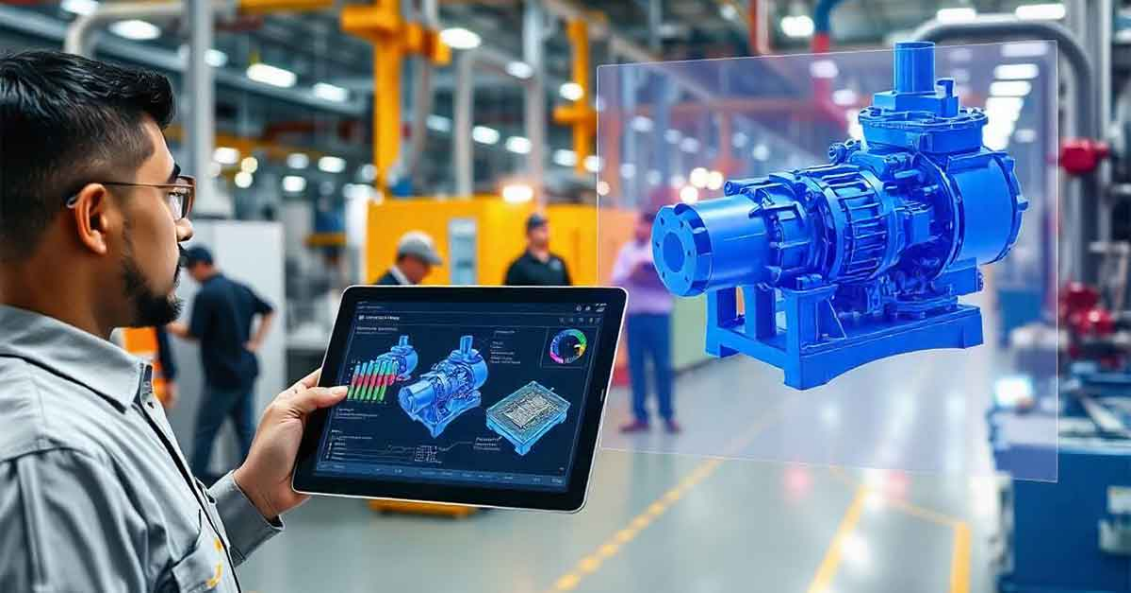
What if you could have a virtual copy of your production line that shows you exactly what’s happening in real-time?
That’s precisely what digital twins do. They mirror your operations, so you can test changes, predict problems, and optimize performance before anything happens on the actual floor. However, the real power lies in pairing digital twins with predictive maintenance.
Instead of waiting for a machine to break down, sensors and analytics can warn you ahead of time. This means you fix issues before they stop production. It’s been incredibly successful, helping companies reduce downtime by up to 50%.
Trend 8: Sustainability, Energy Efficiency & Green Design
Sustainability has moved from a buzzword to a business requirement. Pharma plants are now expected to reduce their carbon footprint while still scaling up production.
This is the reason why energy-efficient HVAC systems, solvent recovery units, and low-power drives are being adopted across the industry. These upgrades reduce waste, lower energy bills, and streamline compliance with increasingly stringent green regulations.
A recent report found that pharma companies focusing on sustainability reduced operational costs by up to 20%. Another benefit is that such companies improve their reputation with regulators and partners, and so can you by adopting green practices.
Trend 9: Anti-Counterfeiting
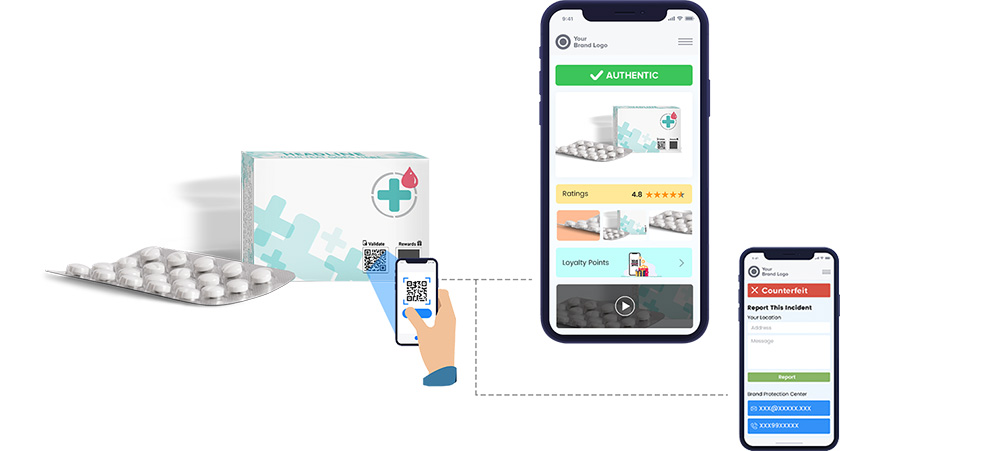
Counterfeit medicines are a billion-dollar problem that puts patients at risk and damages brand trust. To combat this, manufacturers are implementing advanced traceability tools that are built directly into their machinery.
Protected QR codes, encrypted tracking, and zero-trust architecture are becoming common. These systems allow every capsule, tablet, or vial to be traced from production to the patient’s hand. That means fewer recalls, stronger compliance with GMP standards, and higher patient safety.
Stay Ahead of Your Competition in 2026
Pharmaceutical machinery trends mean nothing if you don’t act on them. Many manufacturers recognize the direction the industry is heading, but they wait too long and end up with outdated machinery. If you’re one of them, it’s time to step up.
And one company that can help make this easier is Finetech. We help you find the best fit for your production needs, whether that’s continuous manufacturing lines, single-use bioprocessing systems, or fully automated capsule fillers.
Take the leap today and contact Finetech for a FREE quote!
FAQs
1. What role will real-world evidence (RWE) play in manufacturing?
Real-world evidence, or RWE, refers to the use of actual patient and treatment data to inform decisions. In 2026, regulators like the FDA are encouraging manufacturers to use RWE with digital tools. This helps pharma companies improve product quality and meet compliance faster.
2. Why are smart packaging machines gaining popularity in pharma?
Smart packaging machines track and monitor products in real time. They use barcodes, QR codes, or sensors to reduce mistakes and improve safety. For manufacturers, this ensures each batch meets strict regulations. It also builds trust by proving every product can be traced back through the supply chain.
References:
PHARMACEUTICAL EQUIPMENT MARKET SIZE & SHARE ANALYSIS – GROWTH TRENDS AND FORECAST (2026 – 2031).
Trends in Manufacturing and Equipment.
Pharmaceuticals Machinery Market Size & Share 2025 – 2034.
Copyright Notice:
You may not reproduce, modify, publish, display, transmit, or in any way exploit any content on this website, or use such content to construct any kind of database without prior express written approval by Finetech Group. For permission to use the content, please contact: info@pharmamachinecn.com
Disclaimer:
The information contained in this article is for general information purposes only. The Company does not guarantee the accuracy, relevance timeliness or completeness of any information, and the Company assumes no responsibility for errors or omission in the content of this article.