 Skip to content
  English
  Russian
  Turkish
  Spanish
  French
  German
  Japanese
Proper storage is significant to preserve the drug’s effectiveness. A study from MDPI reports that packaging shields dosage forms from external factors like physical shocks and environmental contamination. This protective function underscores the importance of primary packaging in pharmaceuticals. It serves as a first-line defence to ensure product integrity.

From manufacturing to patient use, this encasement maintains the intended quality. To meet the growing demands of safety, professionals rely on modern solutions. Here is a complete guide about various types of drug pack designs for various formulations.
What is Primary Packaging in Pharmaceuticals?
Primary packaging in pharmaceuticals refers to the immediate layer of enclosure that directly surrounds the medicine. Its main role extends beyond merely containing or transporting the active ingredients. ResearchGate study reveals that the primary container maintains the drug’s quality throughout its entire shelf life.
Without this protective layer, medicinal products could lose potency before reaching patients. It also serves as the medium for essential labeling. Thus, it can communicate usage instructions and toxicity warnings.
Examples of Primary Packaging in Pharmaceuticals
Across the healthcare industry, various types of immediate containers are used. The choice depends on dosage form and route of administration. Below are some examples of primary packaging in pharmaceuticals.
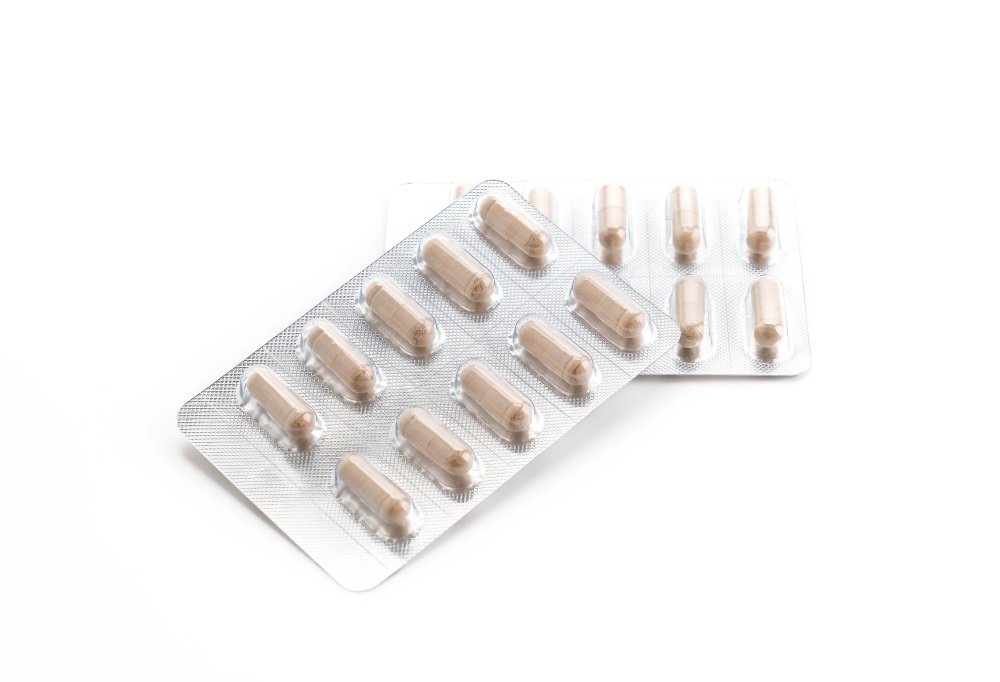
- Blister Packs: It’s one of the most common solutions for tablets and capsules. This design offers moisture protection and convenient unit dosing. The National Library of Medicine reports that this primary packaging in pharmaceuticals improves patient adherence. It makes it easy to track daily intake more effectively.
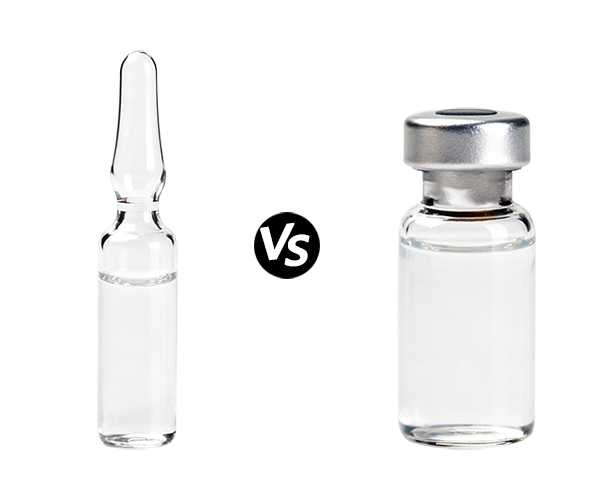
Blister Packaging - Ampoules and Vials: Made from glass or plastic, ampoules and vials are reliable for liquid formulations. For instance, such containers work well for vaccines and biologics. Also, they integrate a hermetic sealing that ensures sterility. It prevents contamination during storage and administration.
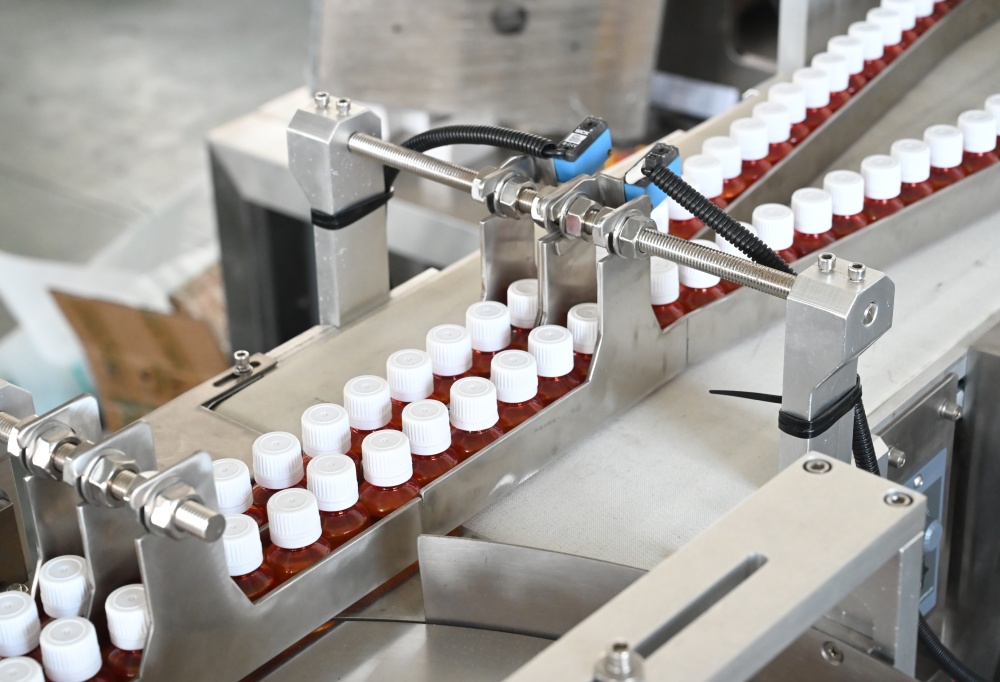
Ampoules vs Vials. Image Source: https://pharmamachinecn.com/ampoules-vs-vials/ - Bottles: For solid and liquid dosage forms, bottles act as versatile options. Drug developers prefer this primary packaging in pharmaceuticals for oral suspensions. It includes syrups and some tablets. They are often paired with child-resistant closures to prevent accidental ingestion.
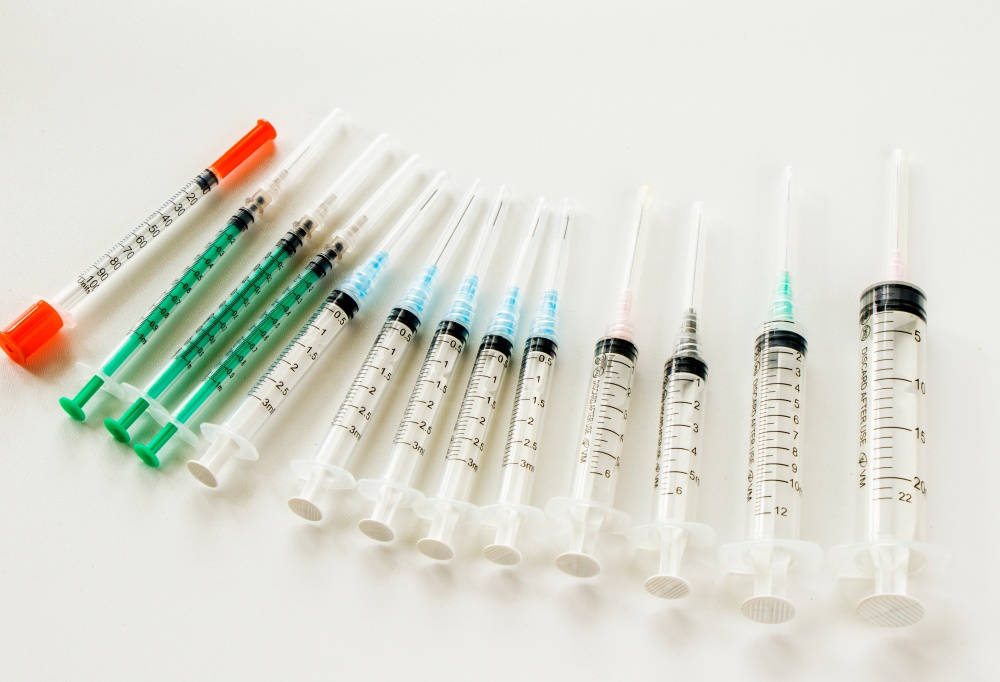
Pharmaceutical Bottle - Pre-filled Syringes: To enhance dosing accuracy, formulators opt for pre-filled syringes. They limit contamination risks and improve patient convenience. This primary packaging in pharmaceuticals is best for self-administered treatments like insulin or vaccines.
Pre-filled Syringes - Sachets and Pouches: These lightweight packs are designed for single-dose use. With their portability and hygienic sealing, sachets are highly practical for powders.
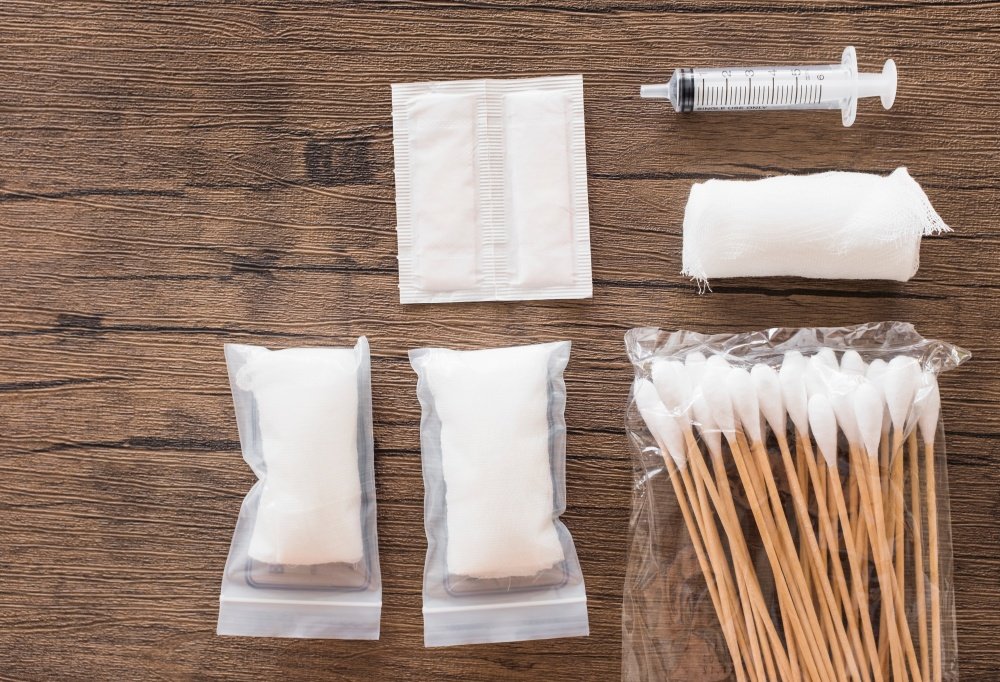
Sachets and Pouches
What is Secondary Packaging in Pharmaceuticals?
In addition to primary packaging in pharmaceuticals, other storage solutions are employed for added protection. One of them includes secondary layers that play a vital role in logistics and security. Such containers group together one or more primary packages to improve handling.
Secondary packaging in pharmaceuticals is also central to branding. It carries important details such as barcodes or batch numbers for easy medicine traceability. Furthermore, tamper-evident features are often incorporated at this stage to safeguard authenticity and patient safety.
Common Examples
When it comes to the secondary layer, it’s based on the principle of consumer-centered design. This approach prioritizes the needs and safety of patients and healthcare providers. Some of the most common forms of secondary packaging include:
- Cartons and Folding Boxes: They offer organized protection to enclose blister packs, bottles, or vials. Cartons or Folding boxes offer physical protection and plenty of space for branding.
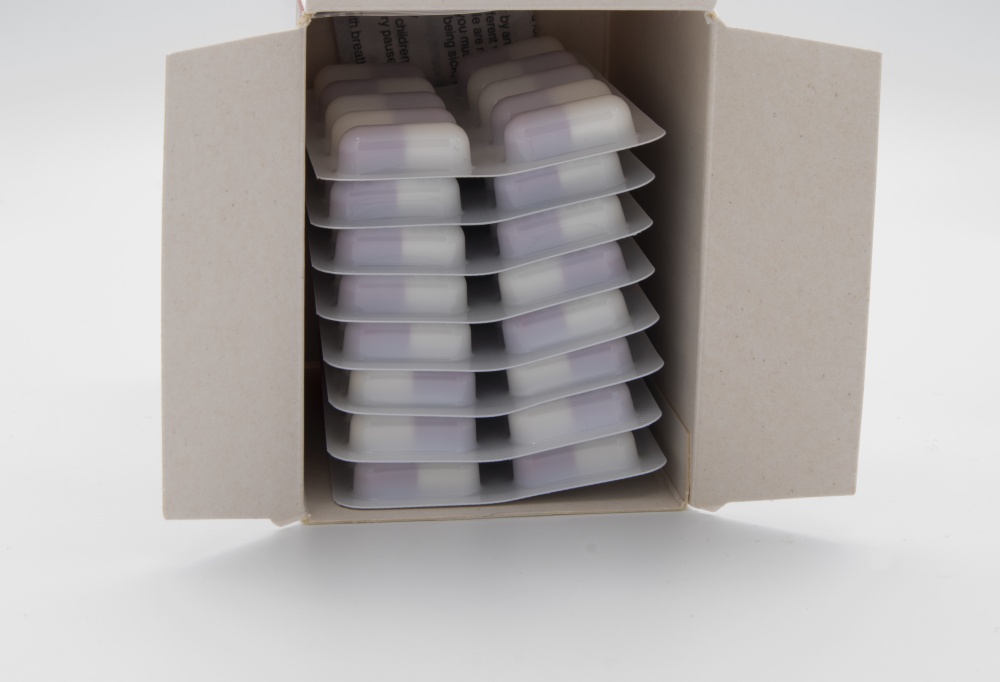
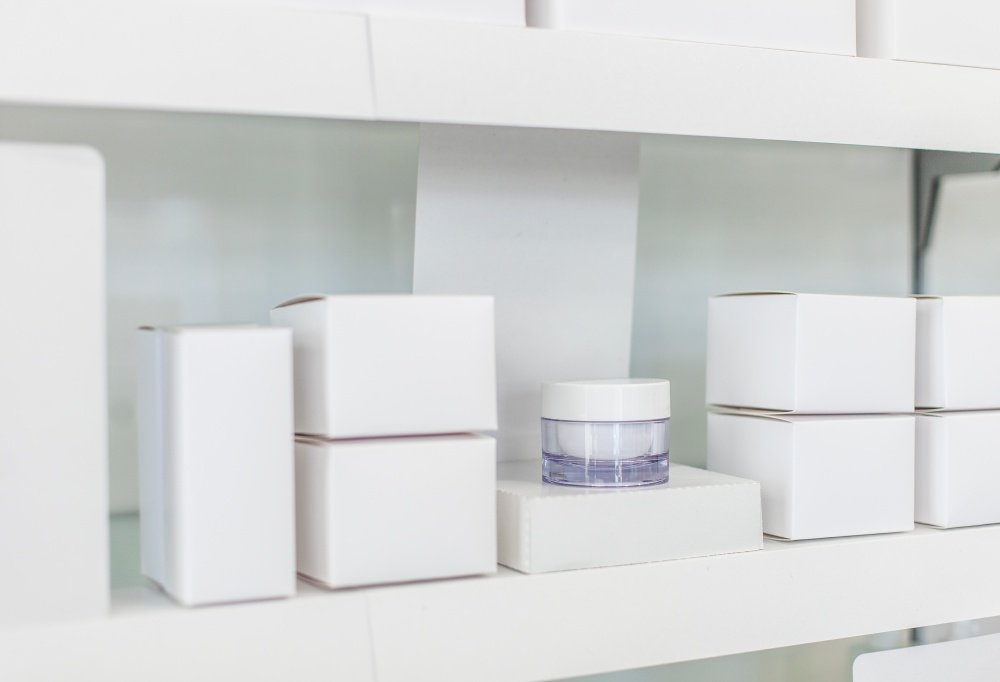
Blister Cartons and Folding Boxes. - Paperboard Boxes: The paper-based units are suitable for assembling several unit packs together. They offer strength and stability during storage and transportation.
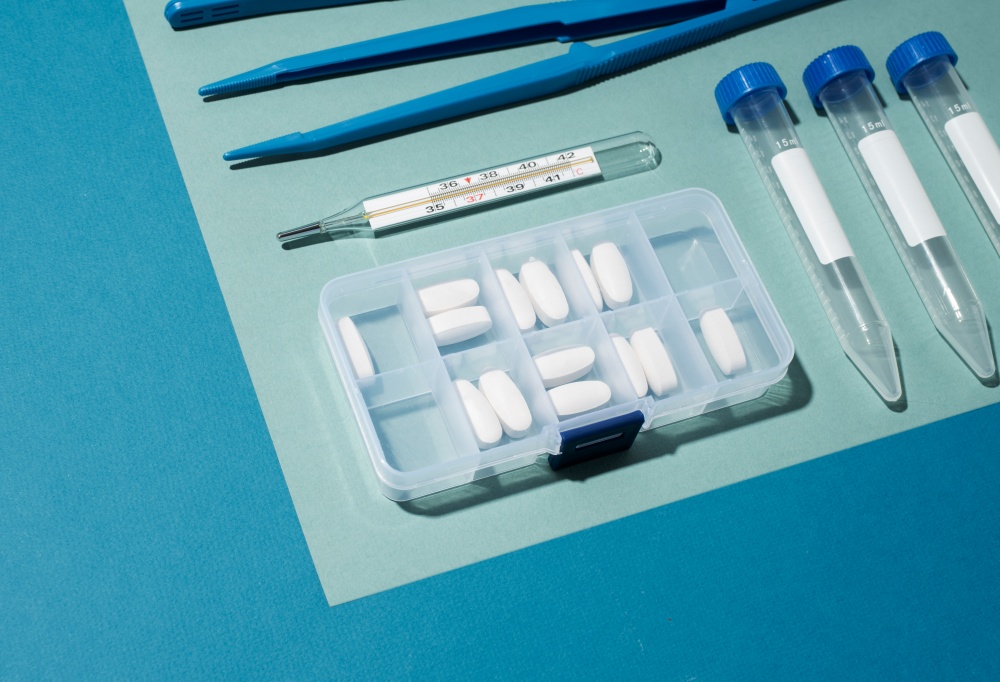
Paperboard Boxes - Trays and Inserts: By reducing movement, these structures offer support for fragile products. It includes ampoules or vials and prevents them from breaking.
Trays and Inserts - Shrink Wraps: With transparent plastic films, they offer bundle efficiency. They combine multiple cartons or bottles into convenient bundles. It helps in streamlining logistics.
Shrink Wraps
What is Tertiary Packaging in Pharmaceuticals?
To transport large quantities of medications, a tertiary level of packaging is deployed. Unlike other forms, it’s the outermost layer for the bulk handling of drug packages. It ensures that multiple units can be distributed efficiently when shipped to wholesalers or hospitals.
Studies show that the tertiary layer protects the secondary packaging material from transportation damage. In this way, its role also includes logistical convenience and streamlining supply chains.
Examples
Let’s discuss various examples of tertiary enclosure systems for healthcare.
- Corrugated Boxes and Cartons: These packages provide strength and durability during shipment. With this structural support, they transport several boxes safely.
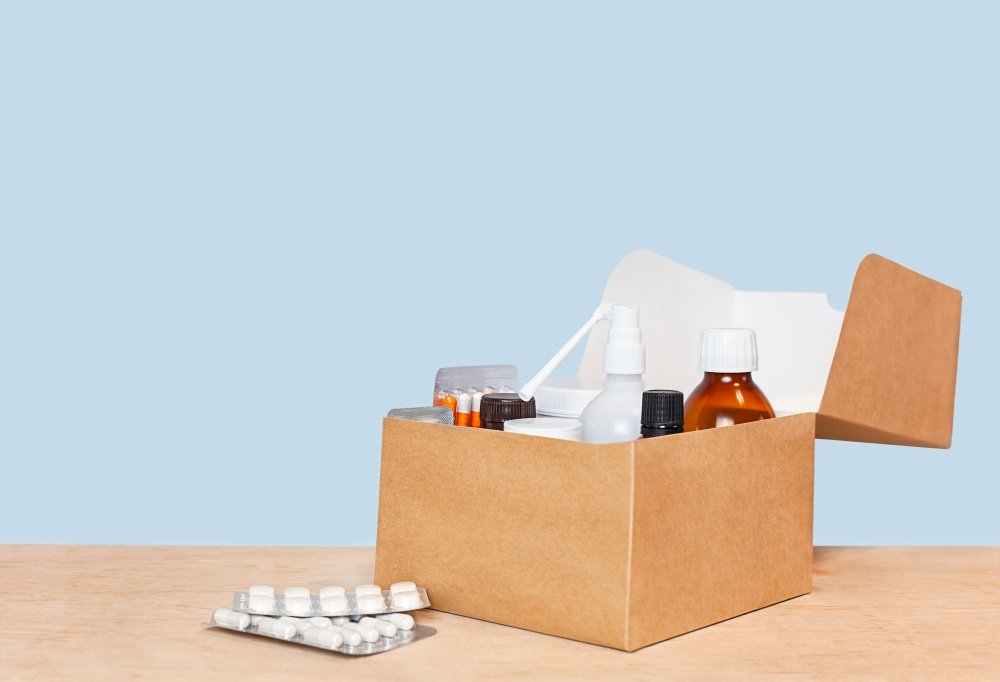
Corrugated Boxes and Cartons - Shrink Wraps and Stretch Films: With minimal tampering risks, these structures securely bind cartons on pallets. In this way, they protect formulations from external exposure.
Shrink Wraps - Pallets: They are wooden, plastic, or metal platforms that allow bulk stacking of cartons.
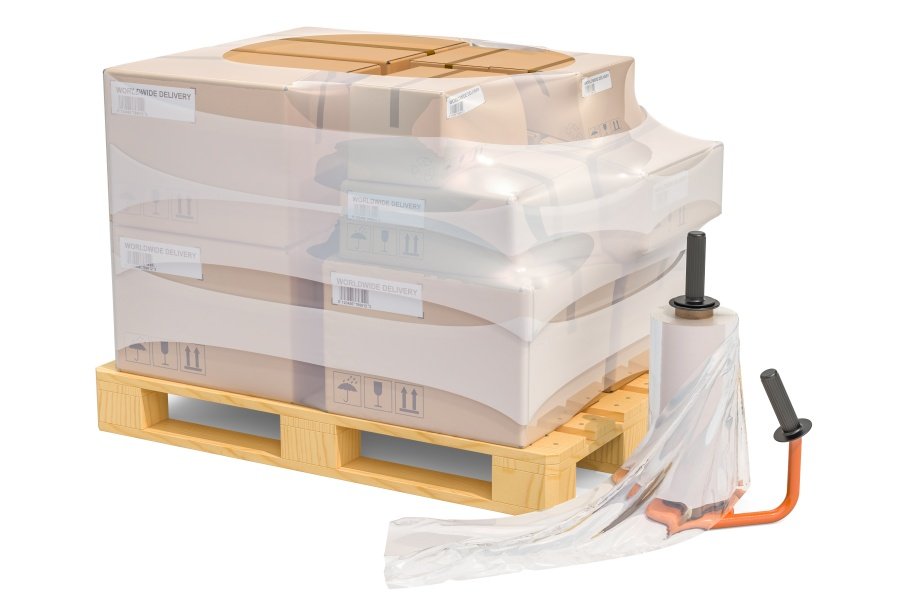
Pallets - Crates and Drums: Being heavy-duty options, they transport large quantities of liquid formulations. Handlers also deploy crates or drums for dealing with bulk raw materials.
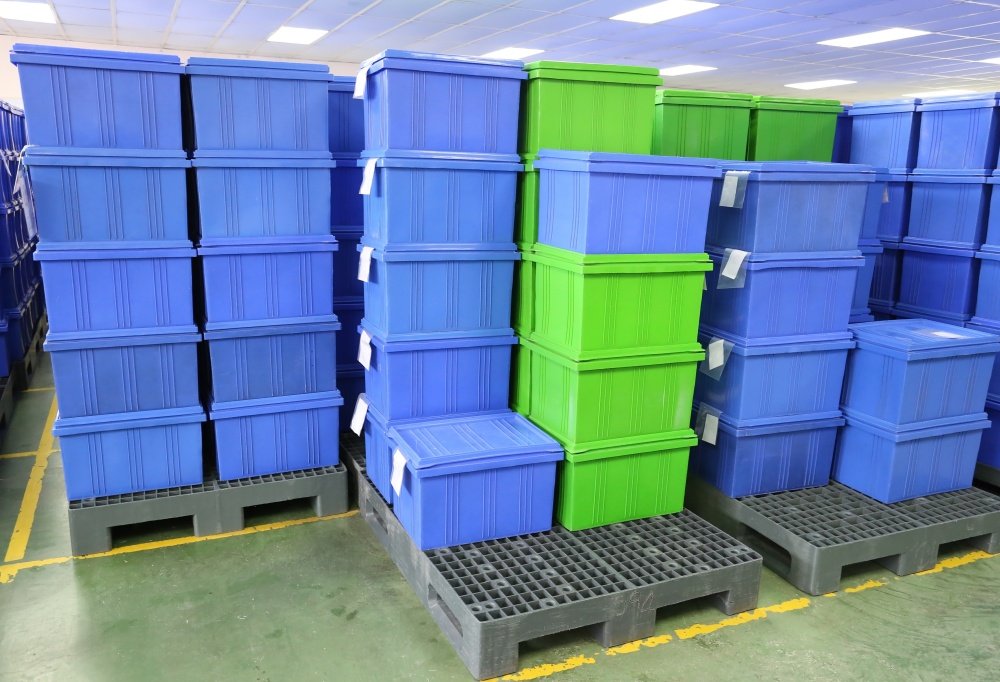
Crates and Drums in Pharmaceutical Industry
| Aspect | Primary Packaging | Secondary Packaging | Tertiary Packaging |
| Main Purpose | Protects drug from environmental, or physical hazards | Facilitates safe drug handling, storage, and retail display | Ensures safe bulk transport, and supply chain efficiency |
| Patient Interaction | Direct contact with the medicine | Patients may see or read it, but mainly used for grouping | No direct interaction |
| Information Displayed | Essential details like drug name, dosage, warnings etc | Batch number, branding,barcodes | Shipping labels, storage conditions, handling instructions |
| Examples | Blister packs, ampoules, vials, bottles, pre-filled syringes, sachets, pouches | Cartons, folding boxes, paperboard boxes, trays, inserts, shrink wraps | Corrugated boxes, stretch/shrink films, pallets, crates or drums |
| Cost | Usually higher due to specialized materials | Moderate; depends on materials, size, and printing | Lower per unit but cost-effective for bulk logistics |
FAQS
What Materials are used for Primary Packaging in Pharmaceuticals?
Common materials include glass, plastic resin, aluminum foil, and laminates. The final choice depends on the drug’s chemical properties or sensitivity to external factors.
Are there Regulatory Requirements for Pharmaceutical Packaging?
Yes, regulatory agencies like the FDA, EMA, and WHO have strict guidelines for each packaging level. It ensures drug safety and compliance with GMP standards.
How is Packaging Selected for a Drug Product?
The packaging style for each medication depends on various elements. Main considerations include chemical stability, formulation type, and route of administration.
Conclusion
When it comes to drug stability, adequate storage is non-negotiable. From primary packaging in pharmaceuticals to tertiary systems, each level serves a specific purpose. The selection of materials and design must comply with relevant standards to ensure compliance. For safe drug delivery, contact X now. We offer modern solutions to meet your packing requirements. So, upgrade your encasement strategy with our reliable products!
Recommend Readings:
All Types of Vials: The Complete Guide.
Sustainable Pharmaceutical Packaging | Top Materials and Benefits.
What Is a Glass Ampoule? A Guide From Production To Proper Use.
Types of Packaging of Tablets and Capsules| A Complete Guide.
6 Common Blister Packaging Types in the Pharmaceutical Industry.

1 thought on “Primary, Secondary, and Tertiary Packaging in Pharmaceuticals with Examples”
Great article explaining the different packaging layers! It’s very clear how primary packaging is crucial for direct product protection. This makes me think about a specific travel scenario for patients. I was recently reading a guide for travelers on Pillintrip about the safety of cutting pills in half to save space, which seems relevant to the discussion on unit-dose primary packaging like blisters.
Considering your expertise in pharmaceutical packaging, I’m curious: How do the design and material choices for primary packaging (like blisters for tablets) factor in patient adherence and safety for scenarios like travel, where a patient might consider splitting a dose? Are there specific features you incorporate to prevent unsafe practices like splitting modified-release tablets that should never be divided?