Semi Automatic Flat Bottle Labeling Machine
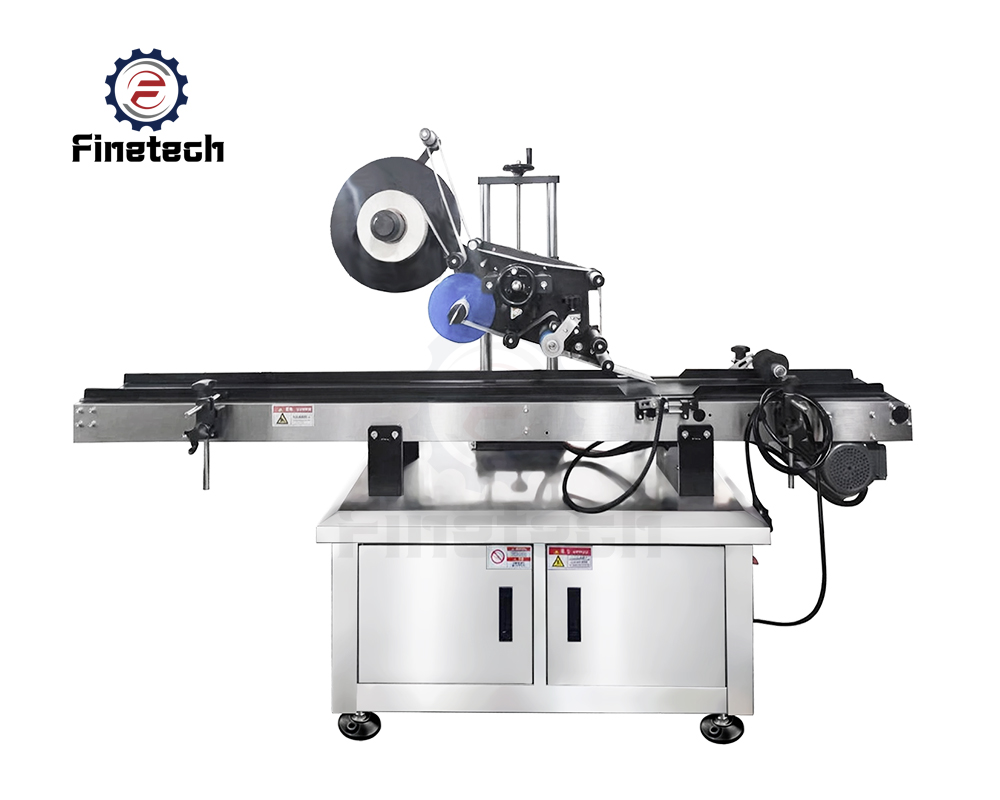
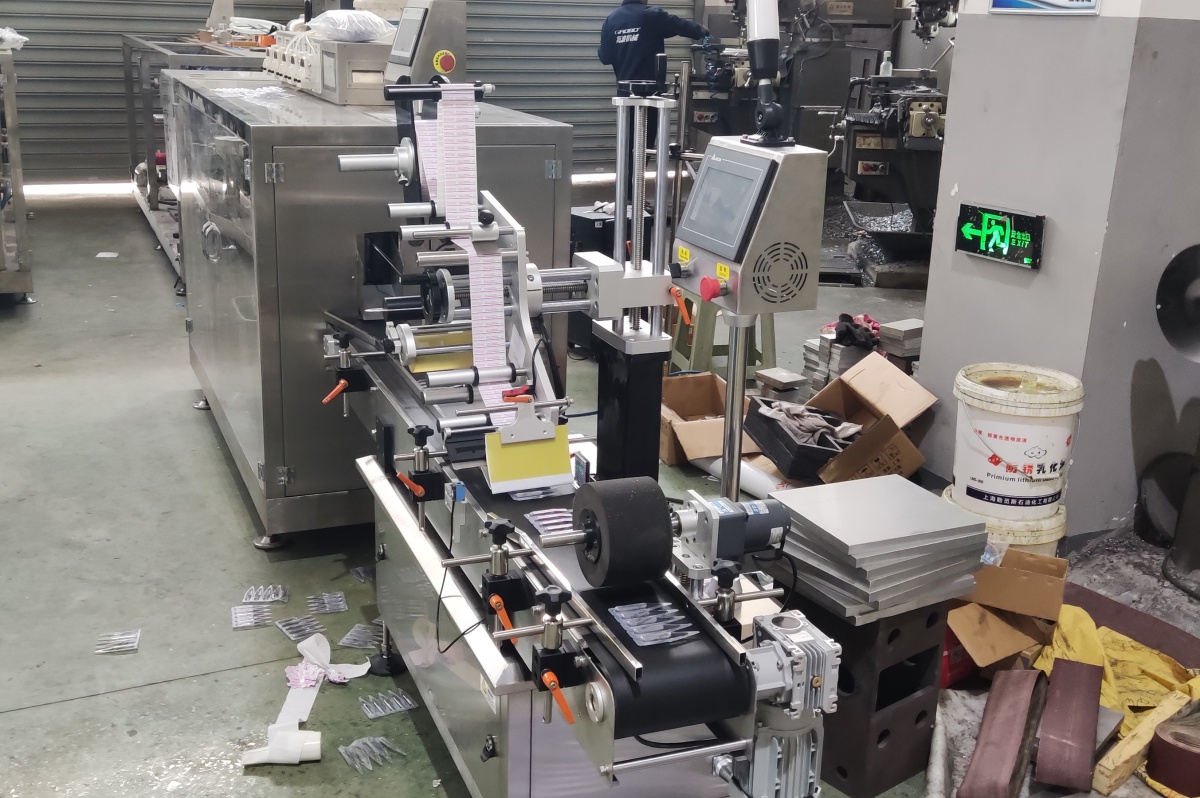
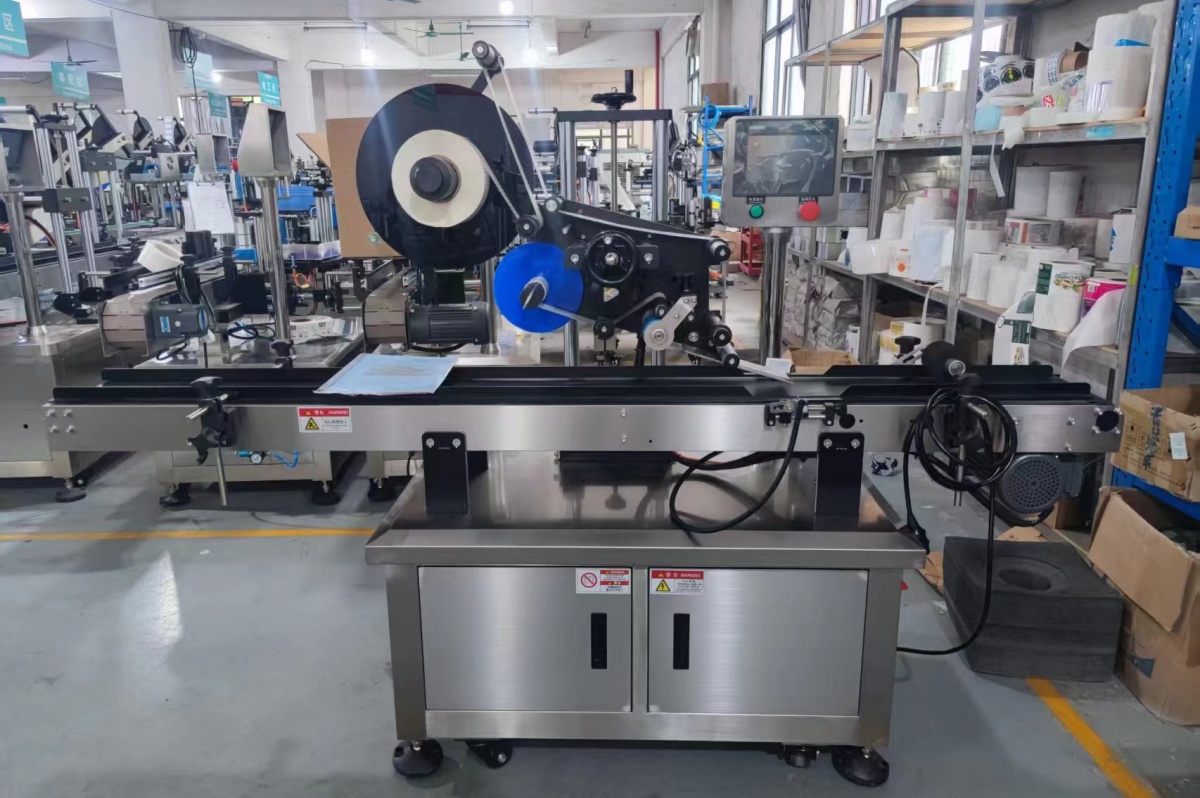
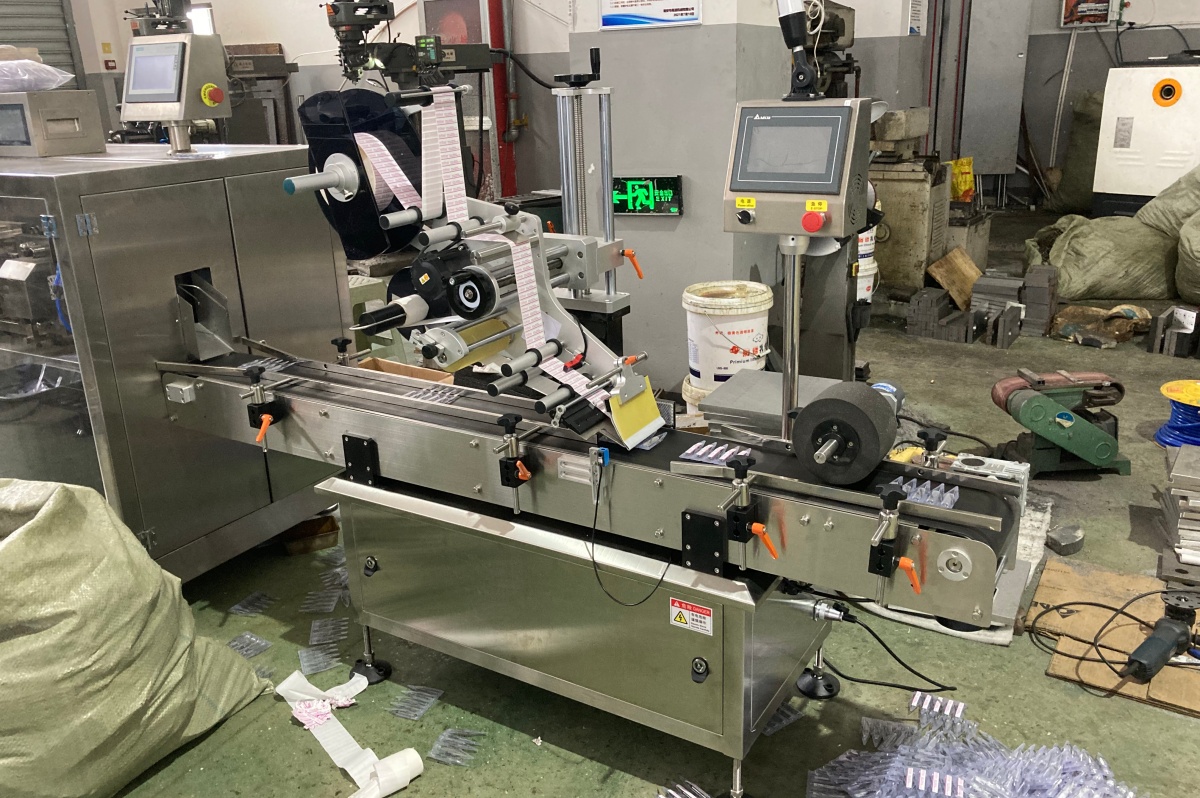
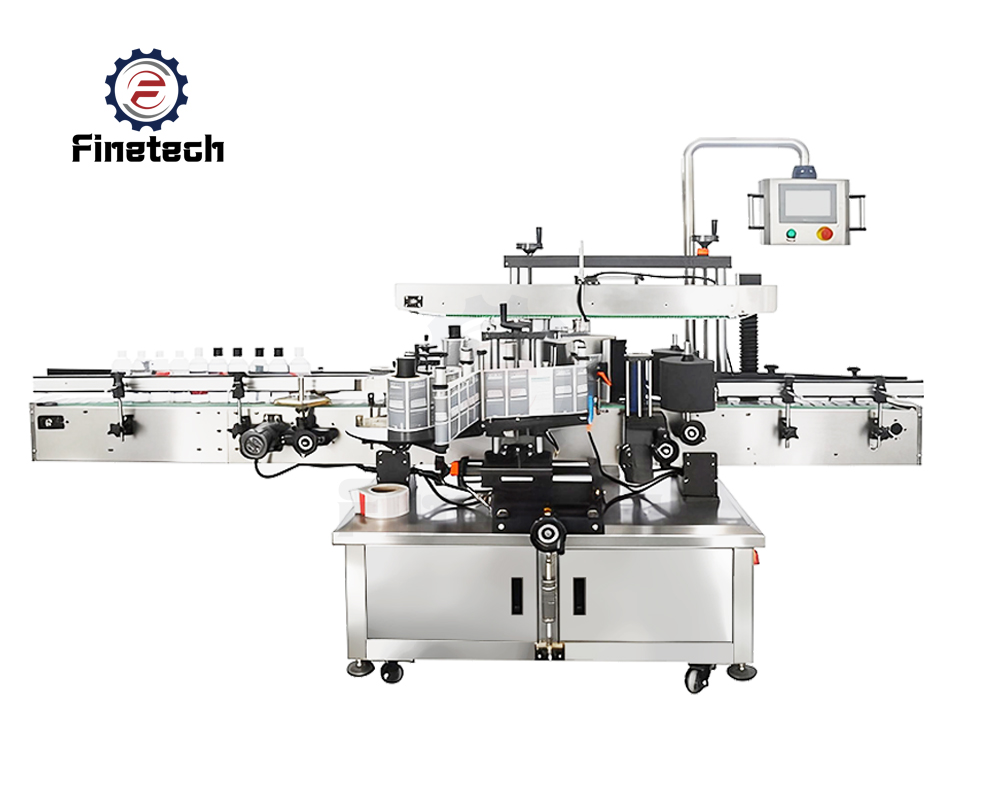
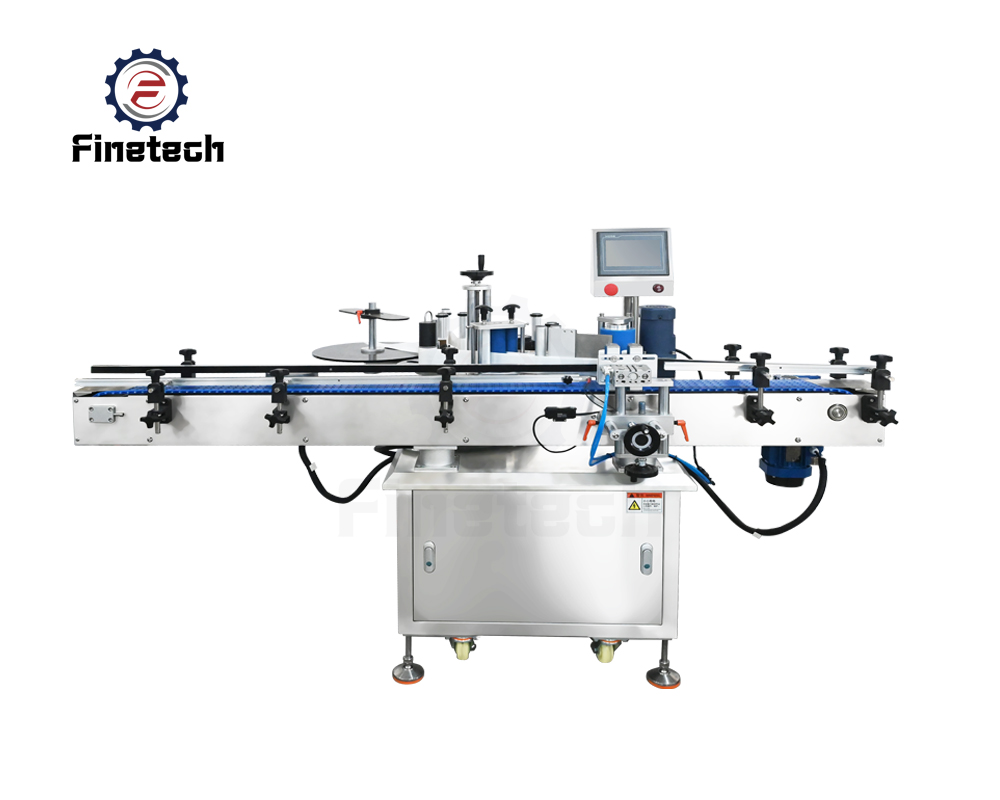
Semi-Automatic Flat Bottle Labeling Machine is a compact, user-operated device designed to accurately apply labels to the flat surface of a container (like the front of a rectangular bottle or a jar). It automates the precise tasks of dispensing and applying the label, but requires a human operator to handle the bottles—placing them in position and removing them after labeling.
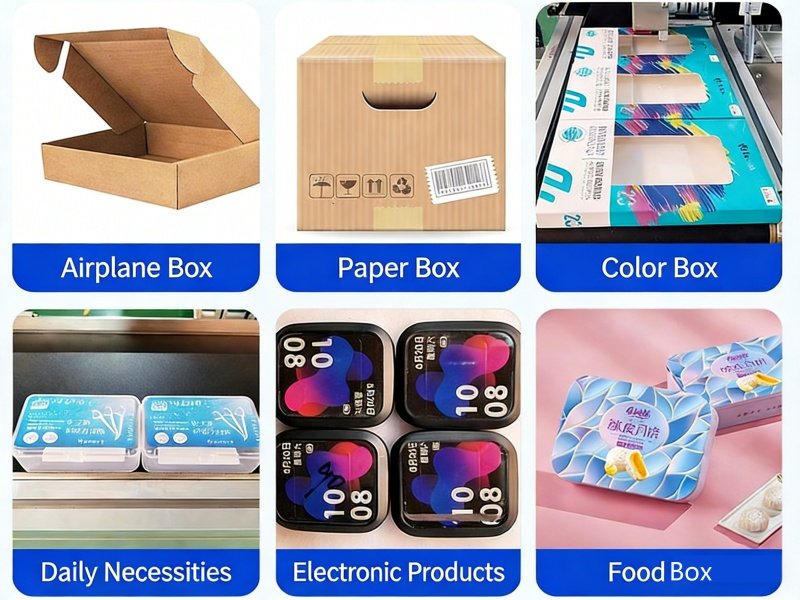
It’s the perfect middle ground between slow, error-prone manual labeling and expensive, high-speed full automation.
Need a Custom Quote?
Or More information About this product? Contact our sales stuff today!
Key Features
Technical Data
Machine Details
FAQ
Application Product Types
Suitable Labels: Self-adhesive labels, self-adhesive films, electronic supervision codes, barcodes, etc.
Suitable Products: Products requiring labeling on flat, curved, cylindrical, concave, convex, or other surfaces.
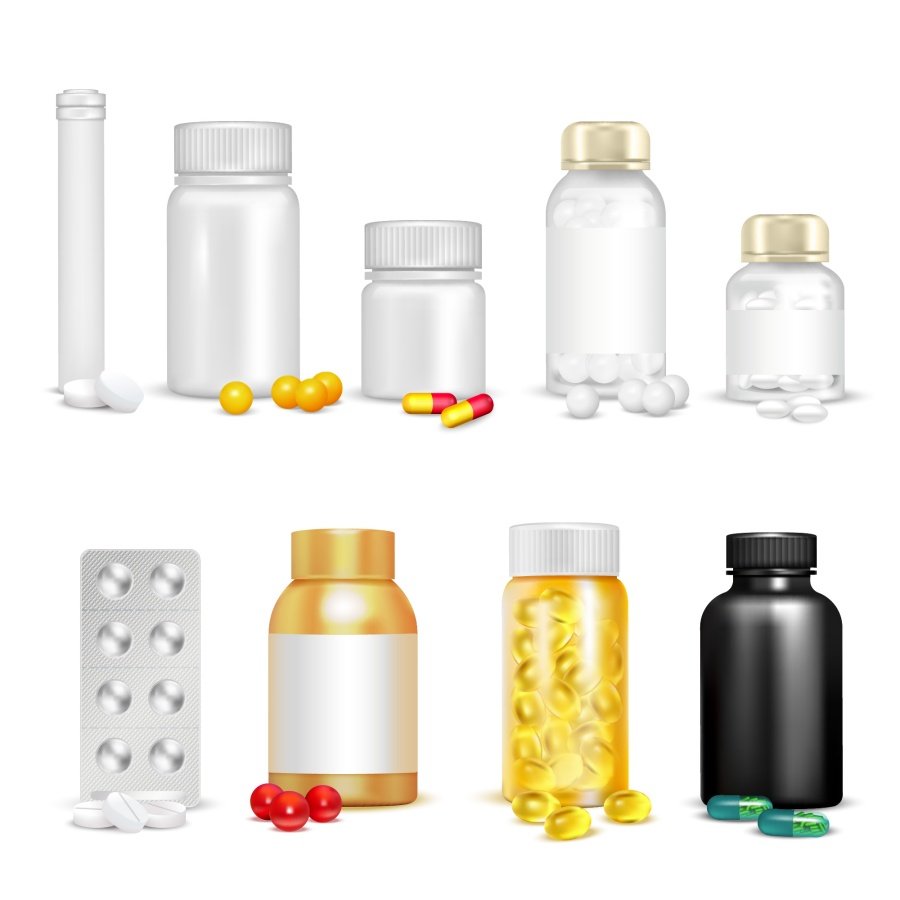
Target Industries: Widely used in cosmetics, food, toys, daily chemicals, electronics, pharmaceuticals, and related sectors.
Application Examples: Labeling on shampoo flat bottles, packaging boxes, bottle caps, plastic casings, etc.
| Label Width Range (mm): | ≤130 |
| Production Speed (bottles/minute): | 50–200 |
| Overall Dimensions (L × W × H) (mm): | 2000 × 700 × 1400 |
| Net Weight (kg): | 190 |
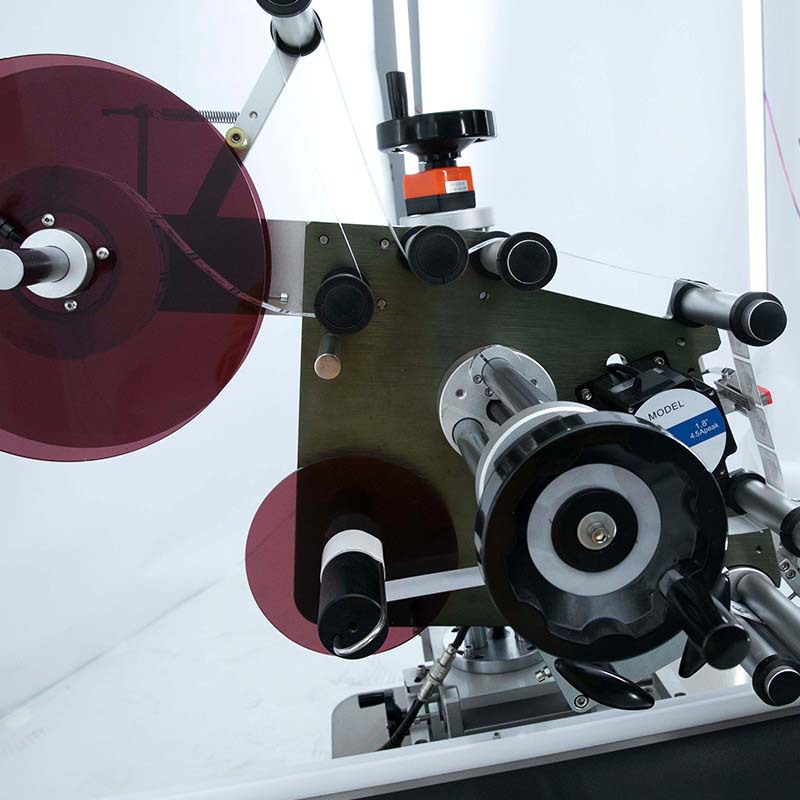
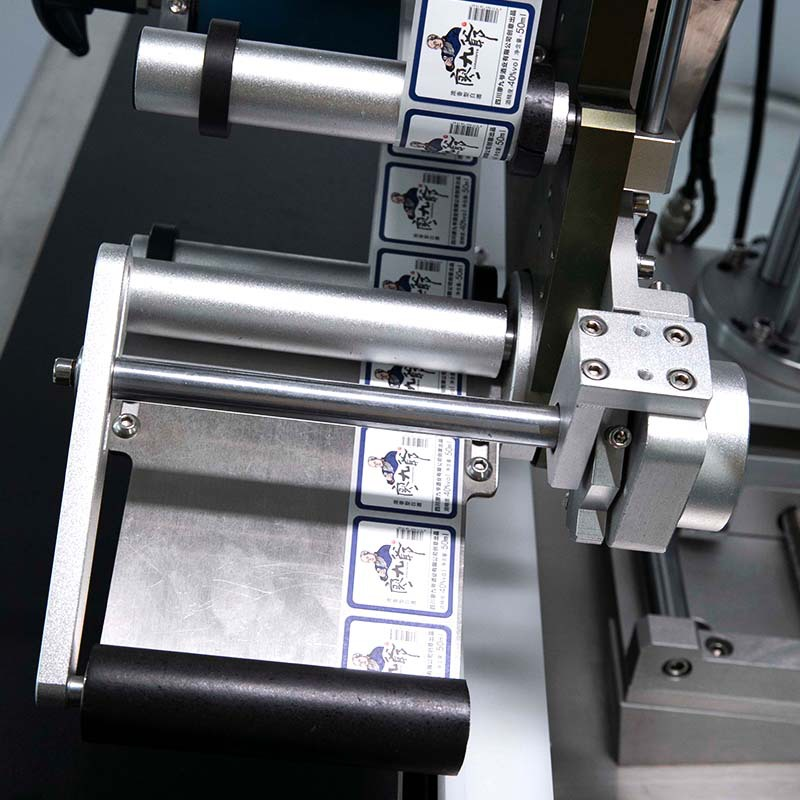
It's a machine where the operator manually places and removes each bottle (or flat item) from a labeling station. The machine automatically performs the core labeling function: it peels a label from the roll, presents it on a peel plate, and the operator either presses the bottle onto the label or activates a mechanism (via foot pedal or sensor) that applies the label. It's perfect for low to medium production volumes.
Lower Cost: Significantly cheaper to purchase and install.
Flexibility: Quick changeover between different bottle shapes and label sizes.
Simple Operation: Minimal training required.
Small Footprint: Takes up very little floor space.
Lower Maintenance: Fewer moving parts mean less complexity.
Lower Output: Reliant on operator speed (typically 15-40 bottles/minute).
Consistency: Label placement accuracy can vary slightly with operator technique.
Labor-Intensive: Requires a dedicated operator.
Ideal for flat-sided containers like:
Glass & plastic bottles (liquor, wine, sauces, oils)
Rectangular food containers
Vials, syringes, and cosmetic jars
PVC profiles, electrical enclosures
Books, boxes, and other flat surfaces.
Substrate: The backing material (e.g., pulp, foam, PET film) for cap fit.
Sealant Polymer: The layer that melts (e.g., LDPE for PP, Surlyn for PET). It must match your container material.
Optional Features: Tamper evidence (fiber tear), oxygen/moisture barriers, peelable seals.
It handles pressure-sensitive (self-adhesive) labels from rolls. This includes paper, PP, PE, PVC, PET, and transparent film labels.
Proper Setup: Correctly align the peel plate edge with the bottle's starting point.
Use Guides/Fences: Ensure the bottle guides firmly position the container in the same spot.
Consistent Operator Technique: Train operators to apply bottles with the same pressure and motion.
Use Registration Marks: For wrap-around labels, use the machine's photo-sensor to register to a mark on your container.