 Skip to content
  English
  Russian
  Turkish
  Spanish
  French
  German
  Japanese
Tablet/Capsule Checkweigher
Tablet/Capsule Checkweigher is an automated precision instrument designed to weigh individual capsules in pharmaceutical production lines to ensure each capsule contains the correct dosage. It’s a critical quality control device that guarantees product safety, regulatory compliance, and manufacturing efficiency.
View Our Best Tablet/Capsule Checkweigher
Capsule checkweighers ensure accurate dosage in every capsule and tablet and can reject non-compliant products. It is essential to have weighing equipment for a pharmaceutical manufacturer.
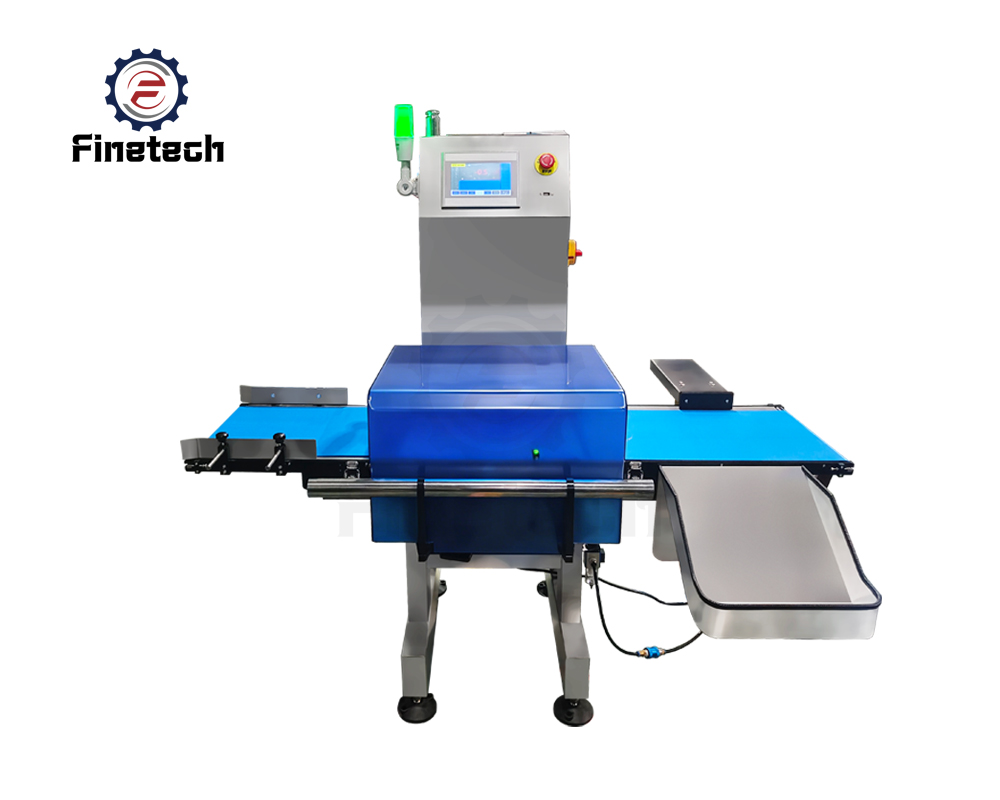
Automatic Tablet/Capsule Checkweigher
Customization options: avaliable
Optimal Accuracy: ±0.01g
Weighing Range: 0.1–300G.
Tablet/Capsules Length: 20–170mm.
Tablet/Capsule Checkweigher Specification
| Equipment Type | Small Range | Medium Range | Large Range |
|---|---|---|---|
| Optimal Accuracy: | ±0.01–0.1g | ±0.2–2g | ±3–5g |
| Inspection Speed: | 20–180 pcs/min | 1–180 pcs/min | 1–45 pcs/min |
| Weighing Range: | 0.1–300G | 2–5000G | 1KG–300KG |
| Tablet/Capsules Length: | 20–170mm | 20–480mm | 50–1200mm |
| Conveyor Belt Dimensions: | L 200–240 mm × W 50–130 mm | L 310–580 mm × W 192–430 mm | L 650–1500 mm × W 280–1500 mm |
Applications of Tablet/Capsule Checkweigher
Our pill checkweighers are widely used in the pharmaceutical, food, and health product industries, and are suitable for various solid dosage forms.



More details about Machine
Key Parts of Tablet/Capsule Checkweigher
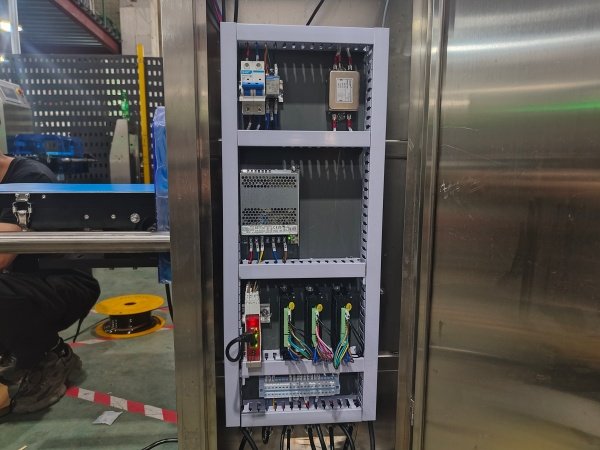
Provides precise, variable speed control for accurate timing.
Drive Motor & Speed Controller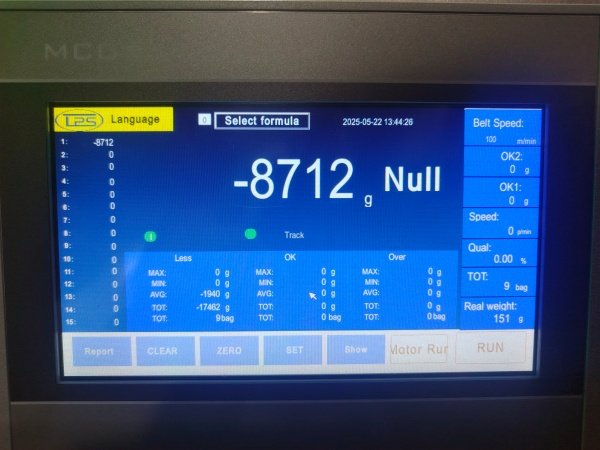
Allows operators to set parameters, view real-time data, and control the machine.
Touchscreen HMI PanelTablet/Capsule Checkweigher Working Principle
A tablet/capsule checkweigher is a high-speed precision instrument that performs 100% weight verification of individual solid dosage forms to ensure each tablet or capsule falls within predetermined acceptable weight limits. The fundamental principle involves rapid, non-contact weight measurement of each unit as it moves through the system, with immediate accept/reject decisions based on pre-set tolerances.
- Step 1 Feed & Align: Products enter the machine and are lined up in a single row.
- Step 2 Weigh in Motion: Each item passes over a built-in precision scale while moving on the conveyor belt.
- Step 3 Check & Decide: The measured weight is instantly compared to a pre-set target range (e.g., 500 mg ± 10 mg).
- Step 4 Sort Automatically: Good items (within range) continue forward. Bad items (too light or too heavy) are pushed or blown off the line into a reject bin.
- Step 5 Record Data: Every weight is recorded for tracking, statistics, and quality reports.
Tablet/Capsule Checkweigher FAQS
Its primary purpose is to ensure every single tablet or capsule meets the specified weight tolerance. It automatically removes any underweight or overweight units to guarantee dosage accuracy, comply with regulations, and minimize product giveaway.
Accuracy depends on the model and application. Typical high-precision pharmaceutical checkweighers offer accuracies of ±1mg to ±10mg. Micro-checkweighers for potent drugs can achieve even finer resolutions (e.g., ±0.1mg). Always match the machine’s specification to your product’s weight and tolerance.
Speed varies by product size and machine design. Standard ranges are:
Small tablets/capsules: 300 – 1,200 items per minute.
Large tablets/capsules: 100 – 400 items per minute.
Higher speeds may require specialized high-speed models.
Yes. Most modern checkweighers allow quick changeovers. This is done by:
Saving different “recipes” in the control software.
Mechanically adjusting guide rails and conveyor width.
Recalibrating for the new weight range.
Changeover time can range from a few minutes to 30 minutes.
The system compares the real-time measured weight of each item against a pre-set acceptable range (e.g., Target Weight: 500mg, Tolerance: ±5mg). Items weighing 495-505mg are accepted; others are rejected.
Pneumatic (Air Blast): Most common. A quick air jet blows the faulty item off the line. Best for light, fragile products.
Mechanical Push Arm: A arm physically pushes the item aside. Used for heavier or larger products.
Drop Flap/Diverter: A section of the conveyor opens or diverts to drop the reject.
Yes. The weighing principle is based on mass, not appearance. However, very sticky coatings may require special belt materials, and extremely irregular shapes might need custom singulation guides. For checking engraving or color, a combined checkweigher + vision inspection system is used.
Real-Time Monitoring: Operators see pass/fail rates and trends on the touchscreen.
SPC & Reporting: The software calculates batch statistics (average, standard deviation, Cp/Cpk) and generates compliant reports (FDA 21 CFR Part 11).
Data Export: Data can be exported via USB, Ethernet, or integrated into a factory Network/MES.
Daily: Cleaning to prevent cross-contamination and dust buildup.
Weekly/Monthly: Verification with test weights to ensure calibration.
As Needed: Belt tracking adjustment, inspection of sensors and rejector nozzles.
Key selection criteria include:
Product Weight Range and required Accuracy.
Production Line Speed (items/minute).
Product Dimensions (length, width).
Industry Regulations (e.g., GMP, food-grade, IP ratings for washdown).
Integration Needs (networking, data management, upstream/downstream equipment).
Yes. It is commonly integrated with:
Upstream: Tablet press, capsule filler, coater.
Downstream: Metal detector, X-ray inspector, blister machine, cartoner.
Factory Network: To send data to a central SCADA or MES for Overall Equipment Effectiveness (OEE) tracking.
A checkweigher inspects weight/mass.
A vision system inspects appearance (color, size, shape, cracks, engraving).
They are complementary technologies often combined into one “multifunctional inspection system.”
Typically made of low-friction, FDA-approved material (e.g., polyurethane, silicone).
Weighing Conveyor Belt