Skip to content
  English
  Russian
  Turkish
  Spanish
  French
  German
  Japanese
The World Robotics report recorded 4,281,585 robots operating in factories worldwide, and the pharmaceutical packaging industry is no exception.

Automation and robotics are revolutionizing medicine packaging. From filling and labeling to inspection and palletizing, robots have become integral to every stage of the process. The seamless integration of human and robotic expertise can deliver significant gains in both productivity and quality.
But how far can these technological innovations truly take your facility, and do they justify the investment? Keep reading to discover how robotics is reshaping the standards of the pharmaceutical packaging industry.
What are Packaging Robots?
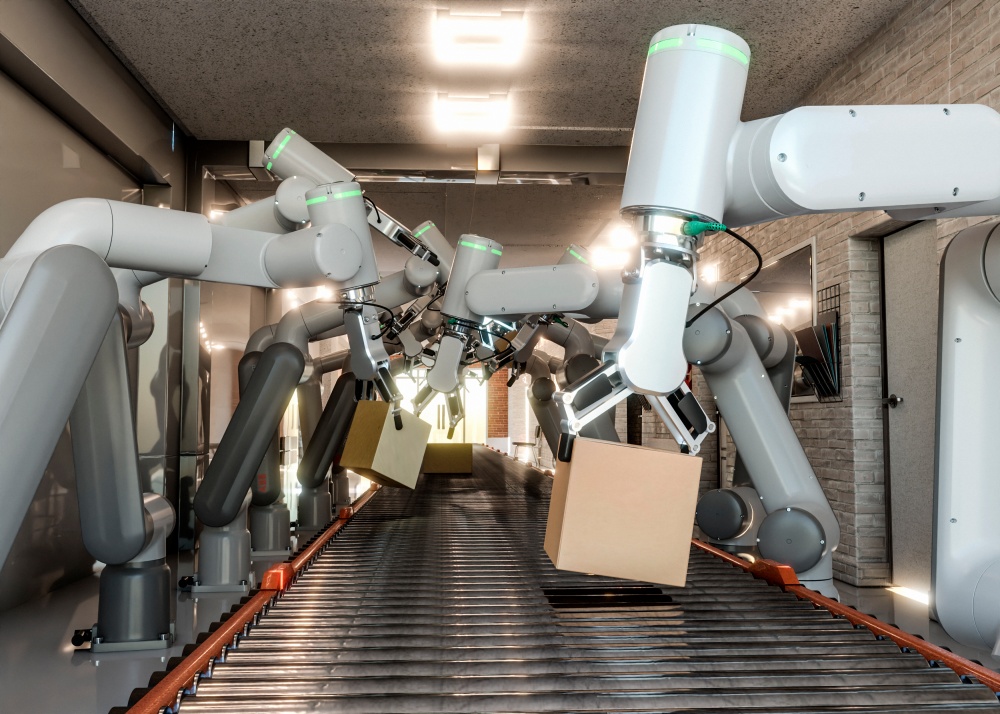
Packaging robots are specialized automated systems that handle product packaging across different industrial sectors. In the pharmaceutical industry, these machines integrate robotics, high-definition vision systems, and sensitive sensors to handle, package, label, and palletize medications with the highest speed and accuracy.
The idea behind this technology is to replace traditional manual labor and speed up repetitive physical tasks. It helps you achieve a level of consistency and sterility that human-led processes simply cannot replicate at industrial scales.
4 Types of Robotics Used in the Packaging Industry
The pharmaceutical industry uses numerous robotic systems to support primary, secondary, and tertiary packaging. While there are numerous mechanical configurations, we will explore the four main robots in pharmaceutical packaging industry:
1. Articulated Robots
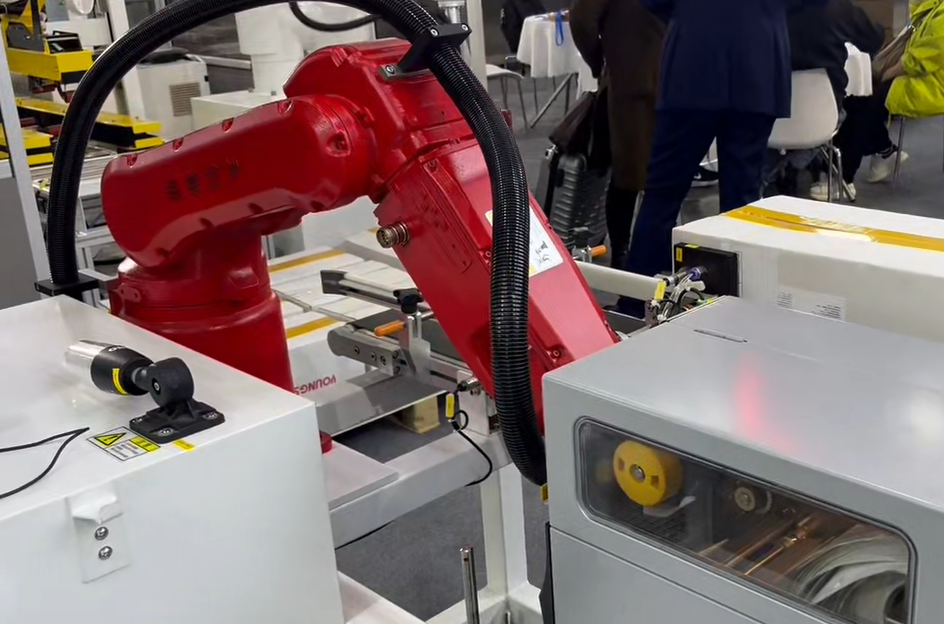
Check the articulated robots application in the packaging industry
Articulated robots are one of the most commonly used robots in pharmaceutical manufacturing and packaging. They function as a flexible mechanical arm and utilize a 6-axis configuration to move in six directions, including twisting and pivoting.
Since they mimic the movement of the human arm, it is much easier for articulated robots to work through the complex layouts of pharmaceutical production. Heavy payloads and hazardous environments are the ideal settings for these systems. You can deploy them for complex maneuvers, such as turning boxes for labeling or stacking heavy cases onto pallets.
2. Delta Robots
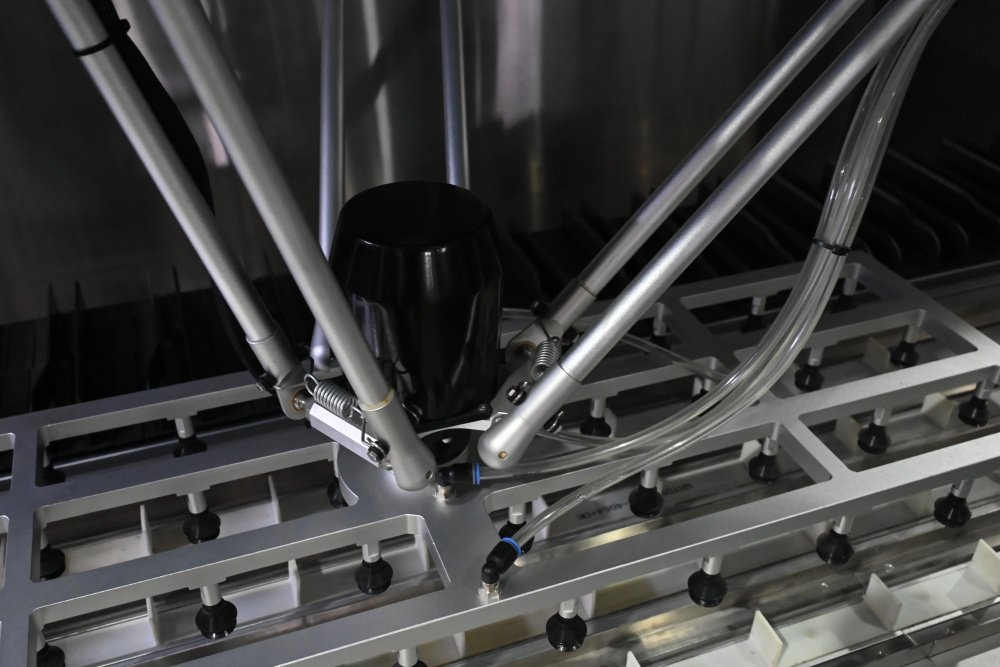
Check the delta robot application in the packaging industry
Known for their “spider-like” appearance, delta robots are lightweight, ceiling-mounted systems. These parallel-arm robots feature three high-speed linkages connected to a single central gripper. High-torque motors are located in a stationary base that drives the mechanical linkages and enables extreme acceleration.
Delta robots achieve remarkable speeds of 120-130 items per minute with a maximum cycle rate of 240 cycles per minute.
Integrating delta robots with inline packaging systems allows for rapid pick-and-place operations. As the heavy motors remain fixed in the overhead base, the moving parts stay incredibly light and provide the agility required for high-volume pharmaceutical lines.
3. Scara Robots
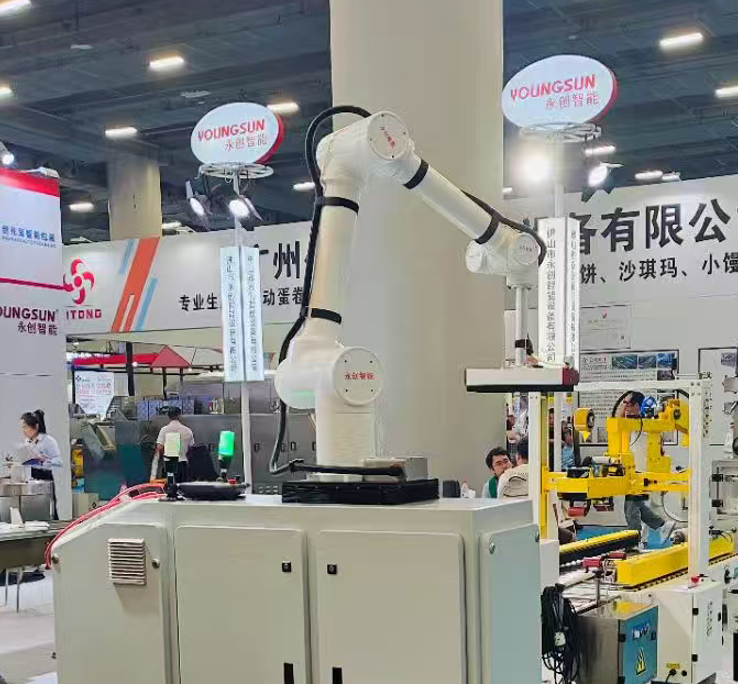
Check the Scara Robots application in the packaging industry
Selective compliance articulated robot arms (SCARA) move primarily on a horizontal plane through a specialized four-axis configuration. This system features two rotational joints for planar motion, a vertical prismatic joint for linear displacement, and a final rotational axis for tool orientation.
Such high vertical rigidity makes them the best choice for assembly-intensive tasks, including inserting syringe plungers or sealing bottles. Their compact design and vertical stroke ensure exceptional repeatability during the handling of delicate medicines. This accuracy is critical for operating in confined production spaces.
4. Collaborative Robots
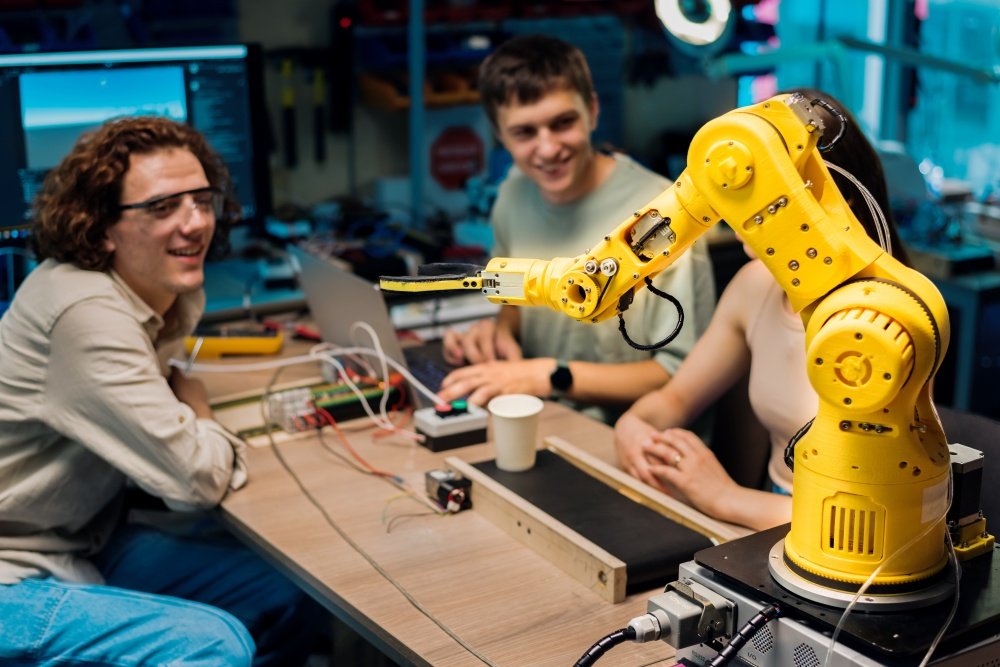
Check the collaborative robots introduction video
Collaborative robots, or “cobots,” function as versatile helping hands and operate safely alongside human workers. These machines manage repetitive tasks such as picking, sorting, and palletizing. They allow workers to focus on more complex operational duties, which improves overall operational efficiency.
These robots work with built-in sensors and force-limiting technology to detect human presence and stop instantly upon contact to prevent injury. In pharmaceutical packaging, collaborative robots excel at secondary tasks like kit assembly and final quality inspections.
What is the working principle of a robot?
Pharmaceutical packaging robots operate by integrating several advanced technologies, such as robotic arms, vision systems, and specialized software. This synergy supports a smooth transition from raw product handling to final, serialized cartons. Here is how the sequential workflow takes place:
Step #1: Visual Detection and Orientation
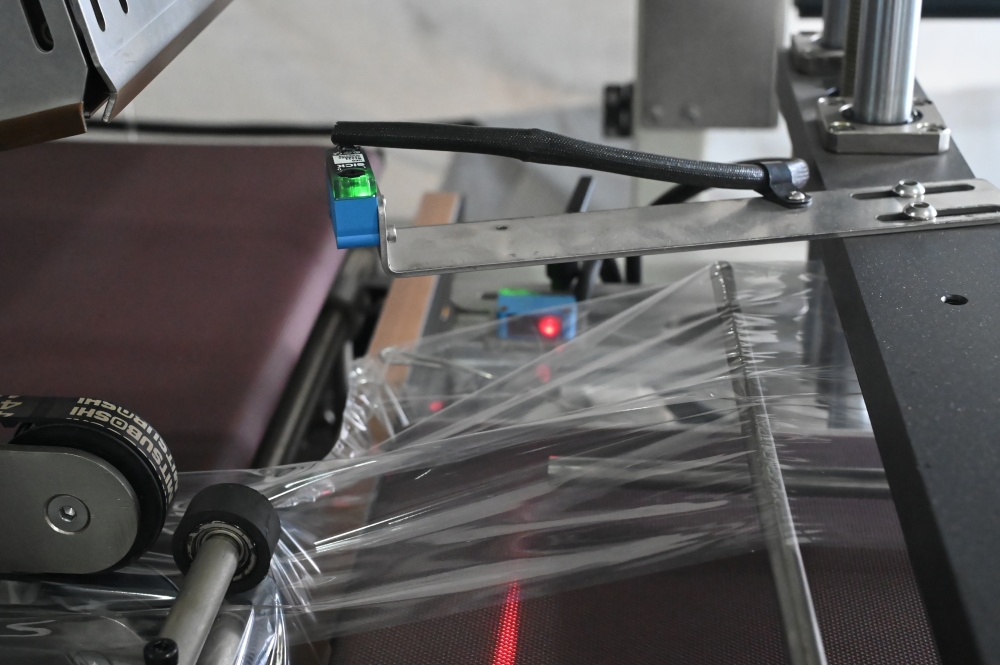
The process begins as high-resolution 3D cameras scan products on a moving conveyor. These digital “eyes” detect the exact coordinates, orientation, and quality of items such as glass vials or blister strips. It is to make sure the robot knows exactly where and how to grasp each unit.
Step #2: Intelligent Path Planning
Once the data is captured, a central controller (PLC) calculates the most efficient motion path in milliseconds. This intelligent planning allows the robot to “track” moving items and intercept them with perfect timing.
Step #3: Product Interaction
Using specialized end-of-arm tooling (EOAT), the robot interacts with the product based on its physical properties. It may utilize soft vacuum suction to handle delicate surfaces like blister packs without causing structural damage.
On the other hand, mechanical grippers provide the firm hold necessary for rigid bottles, while magnetic pickers assist with specialized metallic medical components.
Step #4: Verification and Reject Sorting
After placing an item into its secondary packaging, scanners verify the 2D data matrix or barcode. This process is necessary for strict serialization compliance and end-to-end traceability within the pharmaceutical supply chain.
If the system detects a mismatch or an unreadable label, the robot automatically diverts that specific unit into a reject bin for manual inspection.
Key Applications of Robots in Pharmaceutical Packaging Industry
Robots in pharmaceutical packaging excel at high-speed, repetitive tasks like pick-and-place, labeling, secondary packaging (cartoning and case packing), and vision inspection. These automated systems significantly reduce human error while maximizing production throughput.
Below are some of the key applications of robots in pharmaceutical packaging industry:
1. Pick and Place
Robots can quickly move individual drug containers, such as vials or bottles, and arrange them into blister packs, cartons, or cases. These systems utilize advanced motion control to handle syringes and other delicate items with surgical accuracy.
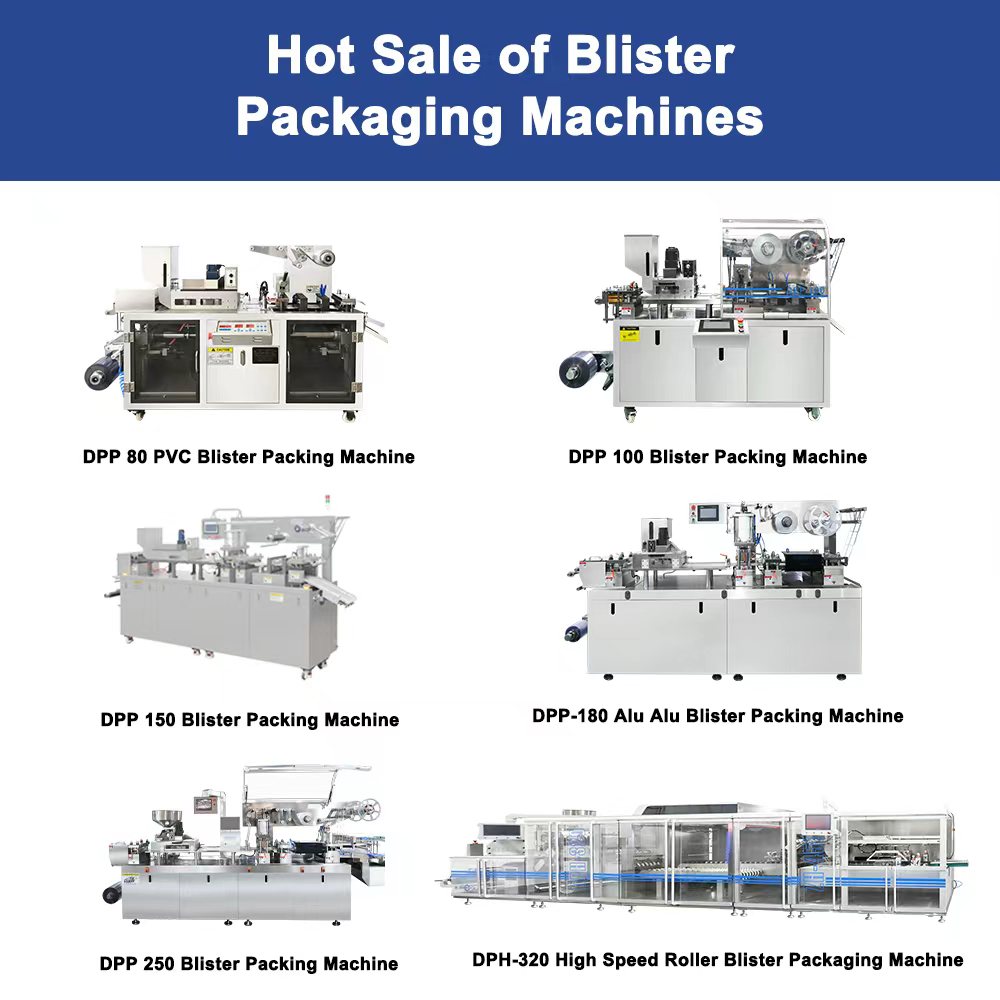
2. Blister Packaging
Pharmaceutical robots specialize in placing tablets or capsules into individual blister cavities. They can handle high production speeds while adapting to varying product shapes and sizes without damaging the medication. This level of automation keeps every single dose perfectly aligned and protected during the sealing process.
3. Capping and Sealing
You can employ robotic systems for capping and sealing by applying the exact amount of torque required to secure bottle lids and vial stoppers. It prevents leaks or contamination while ensuring that tamper-evident seals are applied correctly every time.
4. Automated Cartoning
Carton filling and assembly involve robots picking flat-packed boxes and erecting them into their final shape. Once the structure is ready, the system inserts finished products alongside the necessary patient leaflets for final distribution. It is an automated approach that enables quick changeovers between different box sizes.
Benefits of Robots in Pharmaceutical Packaging Industry
Robotic automation is often associated with the replacement of manual labor. However, this is just the beginning. Implementing robots into your pharmaceutical packaging process brings various strategic benefits and operational advantages.
1. Speeds Up Packaging Operations
Speed serves as a competitive advantage in the pharmaceutical sector. Robotic integration accelerates your packaging timeline by exceeding manual velocity.
Automated systems run 24/7 with minimal downtime, which doubles your production capacity, and medications reach the market faster.
2. Contamination Control
Maintaining a highly sterile environment is essential for pharmaceutical integrity. Human skin cells and hair are the primary sources of microbial contamination in cleanrooms.
Robots are capable of operating within sterile, isolated environments where human presence is restricted. This isolated functionality significantly reduces the risk of product exposure to human-borne contaminants.
3. Reduces Product Loss and Damage
Automated systems minimize product loss through highly controlled and repeatable handling. Manual handling often involves inconsistent pressure or accidental drops that can compromise product integrity.
In contrast, robots utilize sensors to apply the exact force needed for delicate glass vials or brittle tablets. This means very few or no units are damaged during the high-speed transition from primary to secondary packaging.
4. Improves Workplace Safety
Packaging processes often involve repetitive strain and the frequent handling of heavy cases. These physical demands can lead to long-term workplace injuries if managed manually for extended periods.
Using robotic technology improves workplace safety by delegating these labor-intensive tasks to machines. Removing humans from hazardous areas can maintain a much safer and more productive environment.
FAQs
1. What is the typical ROI timeline for pharmaceutical packaging robot implementation?
Pharmaceutical packaging robots typically achieve payback within 12 to 24 months. Systems replacing manual operations demonstrate ROI through reduced labor costs, improved throughput, elimination of human contamination risk, and decreased product defect rates below 2 percent.
2. How do vision systems enhance pharmaceutical packaging robot accuracy?
Vision systems enable pharmaceutical robots to verify serialization numbers, detect missing components, and inspect package integrity at rates exceeding 100 units per minute. Cameras provide real-time feedback for adaptive positioning with repeatability accuracy within ±0.017 mm.
3. How do pharmaceutical robots maintain sterile processing conditions?
Cleanroom robots utilize stainless steel construction, sealed motor housings, and non-shedding materials to prevent particulate generation. Systems operate within ISO Class 5 environments delivering less than 3,520 particles per cubic meter at 0.5 microns, eliminating human contamination sources.
4. What end-effector designs are optimized for pharmaceutical packaging applications?
Vacuum grippers with compliant suction cups handle delicate glass vials and prefilled syringes without surface damage. Parallel jaw grippers provide controlled force for secondary packaging. Custom tooling accommodates insertion of patient information leaflets and combination product assembly with sub-millimeter precision.
Secure Excellence Through a Strategic Partnership
The integration of robots in the pharmaceutical packaging industry is no longer a vision of the distant future but a critical need of the hour. As of 2026, the shift toward personalized medicine and small-batch biologics has intensified the demand for modular robotic cells. To truly capitalize on this automation, robotic packaging must be paired with high-quality pharmaceutical equipment.
Look no further than Finetech for your automation needs. Our state-of-the-art pharmaceutical machinery handles everything from initial production to final packaging with unmatched reliability. We ensure your facility stays ahead of global compliance standards while maximizing output.
Contact our expert team today to schedule a consultation on high-performance machinery and customized solutions.