Skip to content
  English
  Russian
  Turkish
  Spanish
  French
  German
  Japanese
As a pharmaceutical manufacturer, you must know how vital a fluid bed processor is for drying, granulating, or coating powders and pellets.
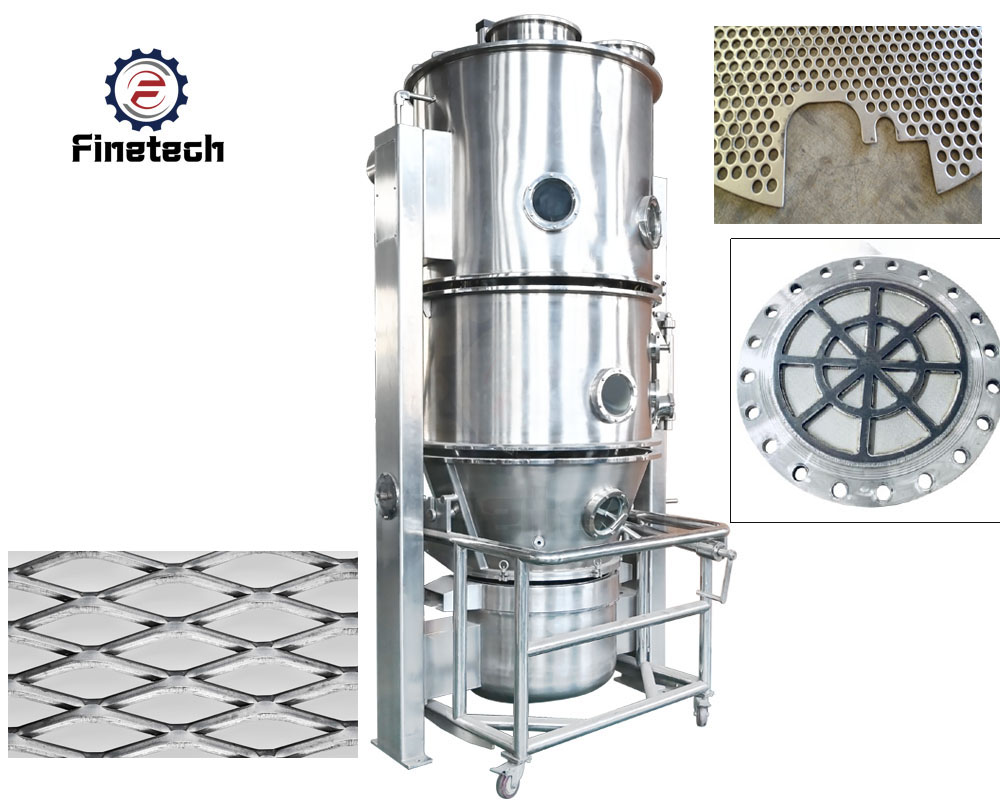
However, what many overlook is the air distribution plate, which plays a crucial role in ensuring consistent product quality. It’s the component that controls how air flows through the product bed.
With various types of air distribution plates in a fluid bed processor, you need to choose the one that keeps your operation running smoothly. Let’s explore these different types and determine which one is best for you.
Key Takeaways: Types of Air Distribution Plates in Fluid Bed Processors
- Punch Plate:The most widely used design, offering consistent airflow and stable fluidization. Ideal for medium-sized granules or pellets where uniform drying and coating are priorities.
- Wire Mesh Plate: Best for handling fine or lightweight powders that need smooth and gentle airflow. Prevents clogging and ensures steady air distribution across the entire product bed.
- Side Flow Plate: Designed to create swirling airflow from the sides, this type ensures thorough mixing and uniform coating while preventing particle buildup or breakage.
- Sintered Plate: Made from fused metal particles, it provides ultra-smooth airflow for delicate or light materials. Extremely durable, easy to clean, and perfect for achieving stable fluidization.
What Is an Air Distribution Plate?
An air distribution plate is a key component inside a fluid bed processor. It’s a perforated metal plate placed at the bottom of the product container, where hot or conditioned air enters the chamber.
The plate’s main job is to distribute air through the material being processed evenly. This airflow lifts and suspends the particles, which creates what’s known as a “fluidized bed.” In this state, the materials behave like a fluid to allow for drying, coating, and granulation.
Types of Air Distribution Plates in Fluid Bed Processors
Choosing the right air distribution plate can completely change how your fluid bed processor runs. Each design affects airflow patterns, drying uniformity, and the quality of your final product.
Whether you’re processing powders, granules, or pellets, knowing these types helps you select the plate that best fits your formulation and equipment setup. Here are the main types of air distribution plates used in fluid bed processors:
1. Perforated (Punched) Distributor Plate
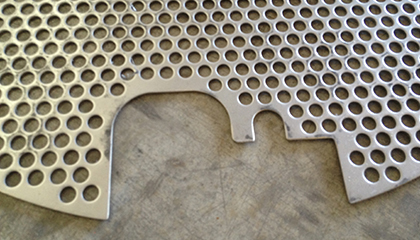
Alt Text: Perforated (Punched) Distributor Plate
A perforated or punched plate is the most common type of air distribution plate in fluid bed processors. It’s made from stainless steel with multiple evenly spaced holes that let air pass upward through the product bed.
Studies show that hole quality in perforated plates significantly influences flow losses. That’s why this design ensures consistent airflow and stable fluidization for uniform drying or coating.
Because the holes are mechanically punched, the plate has excellent durability and can handle high air pressure.
It works best for medium-sized granules or pellets that don’t easily block openings. Maintenance is also simple since the holes can be cleaned quickly between batches.
2. Wire Mesh Distributor Plate
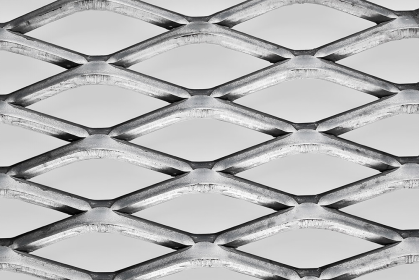
Wire mesh plates are made using fine stainless-steel mesh or woven wire. Unlike punched plates, they allow smoother and more distributed airflow, which is especially useful for handling fine powders or light materials.
The mesh prevents product clogging while maintaining continuous air distribution across the bed. It also reduces the velocity of the incoming air, protecting delicate granules from being blown out of the chamber.
Their open structure makes them easier to clean but slightly more prone to wear over time. Despite that, the wire mesh plate offers precise control of airflow and uniform temperature.
3. Side Flow (Tangential) Distributor Plate
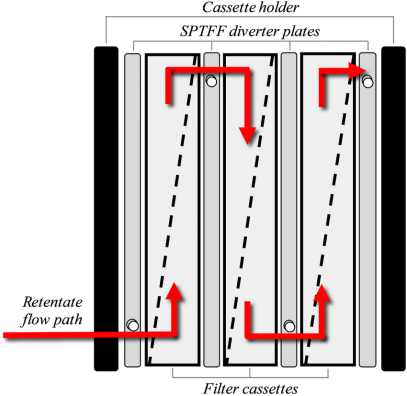
Side flow or tangential air distribution plates direct air from the sides or at an angle rather than from directly below. This setup creates a swirling or vortex motion inside the processor, ensuring even mixing and preventing product buildup in corners or dead zones.
It’s particularly useful for larger or heavier granules that need a stronger yet controlled lifting force. The tangential flow also reduces product attrition, since it prevents excessive collision between particles.
Many modern processors use this type of plate for coating operations, where achieving a smooth, uniform layer on every particle is essential. If you’re looking for the perfect balance between power and precision, this is the ideal choice in pharmaceutical manufacturing.
4. Cyclonic (Cyklon) Distributor Plate
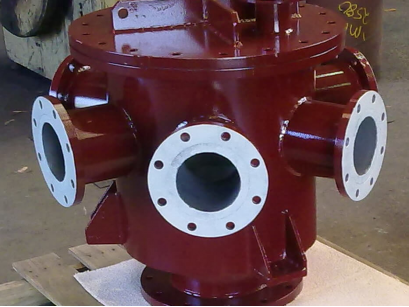
Cyclonic or Cyklon plates are designed to create a spiral or rotational airflow pattern within the fluid bed processor. Air enters through curved slots or vanes that force it into a circular motion. This swirling effect keeps all particles suspended inside the machine.
Because of the enhanced mixing, temperature gradients across the product bed are minimized. It results in consistent drying and improved product quality. Cyclonic plates also prevent heavier particles from settling, thus reducing the risk of uneven processing.
These are especially preferred for processes that demand efficient heat exchange and high throughput. Although slightly more complex to clean than flat plates, their ability to maintain homogeneous mixing makes them invaluable.
5. Drilled Solid Distributor Plate
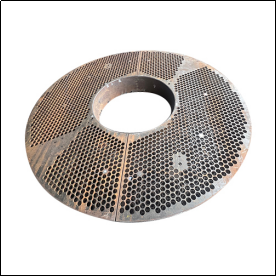
Drilled solid plates are made from thick stainless steel with precision-drilled holes that are uniform in diameter and spacing. They resemble perforated plates, but offer higher structural strength and exact airflow control.
The drilled holes allow air to pass through at controlled velocities, which ensures uniform distribution without turbulence. For high-pressure applications or processes involving dense materials, these plates are ideal.
They’re also resistant to deformation, maintaining performance over long production cycles. Manufacturers often select drilled plates when consistency, mechanical strength, and durability are more important than flexibility.
6. Slotted Distributor Plate

The slotted distributor plate uses narrow rectangular openings instead of round holes. This unique design shapes the airflow pattern and allows it to spread in specific directions depending on process needs.
It’s often used in customized systems that require non-uniform air distribution to achieve specialized drying or coating effects. The slots can be adjusted in width and spacing to control both air velocity and turbulence.
Slotted plates are particularly beneficial when handling irregular or sticky materials that need extra airflow manipulation to prevent clumping. In fact, in CFD studies, slotted distributor designs showed about 7% lower pressure drop compared to standard perforated plates.
7. Sintered Distributor Plate
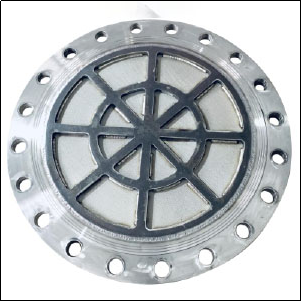
Last but not least, a sintered distributor plate is made by heating and pressing fine metal particles, usually stainless steel or bronze. These particles fuse together to form a solid sheet with thousands of tiny pores. The pores let air pass through evenly and create a smooth and steady airflow.
This even airflow keeps powders or granules suspended without applying too much pressure. It’s ideal for light or delicate materials that can easily break apart. The plate also helps prevent clogging and backflow to keep the process stable.
Because it’s made of metal, it lasts longer and resists corrosion. Cleaning is easier, too, as materials don’t stick to the surface.
How to Choose the Right Air Distributor Plate
As a manufacturer, it’s essential for you to choose a plate that matches your production needs. Here’s how to select the best one:
1. Consider Particle Size and Density
Start by checking the type of material you handle. If it’s fine or light powders, you only need gentle airflow to prevent product loss. In this scenario, a sintered distributor plate works best as it provides smooth air distribution.
Similarly, if you process heavier materials like granules or pellets, go for a punched or conical plate.
2. Match the Plate with the Process Type
Every process has unique airflow needs. For instance, an operation involving drying, granulation, and coating requires a side flow plate. It improves particle movement and provides better coating results.
3. Evaluate Cleaning and Maintenance Needs
Think about how often you clean or change products. If you switch batches frequently, you need a plate that is easy to clean and resistant to blockages. Stainless steel sintered and punched plates are ideal for this purpose.
They can handle high temperatures, support thorough cleaning, and reduce the risk of contamination.
FAQs
1. What materials are commonly used to manufacture air distribution plates?
Most plates are made from stainless steel (SS316L or SS304) for corrosion resistance and durability. In some cases, Teflon-coated or sintered metal plates are used to reduce product sticking or improve cleanability.
2. Can the same fluid bed processor support multiple types of air distribution plates?
Yes. Many modern FBP systems are designed for interchangeable plates, allowing operators to switch between flat, conical, or Wurster plates based on the process type and batch requirements.
3. How do you select the right type of air distribution plate for your process?
Selection depends on powder properties, particle size, moisture content, air velocity, and the intended process (drying, coating, or granulation). Consulting the equipment manufacturer helps ensure compatibility and optimal airflow performance.
It’s Time to Optimize Your Fluid Bed Processing System
When it comes to drying and granulation, you should be aware of the different types of air distributor plates in the fluid bed processor to keep the systems running. However, you also need a partner who can provide you with the exact fluid bed processor tailored to your production needs.
This is where Finetech shines. As China’s leading supplier of pharmaceutical manufacturing equipment, we provide end-to-end solutions that improve your performance and compliance with regulatory rules.
So if you’re ready to take your production to the next level, contact Finetech today!
Refrence
How Many Sensors in Fluid Bed Dryer(FBD): Everything You Need to Know.
Understanding Fluidized Bed Dryer in Pharmaceutical Engineering.