Skip to content
  English
  Russian
  Turkish
  Spanish
  French
  German
  Japanese
In pharmaceutical distribution, maintaining patient adherence to complex dosing schedules remains a primary challenge. Modern healthcare encourages packaging solutions that not only educate patients but are also highly convenient to carry. The wallet blister packaging design stands out as a much-needed innovation.
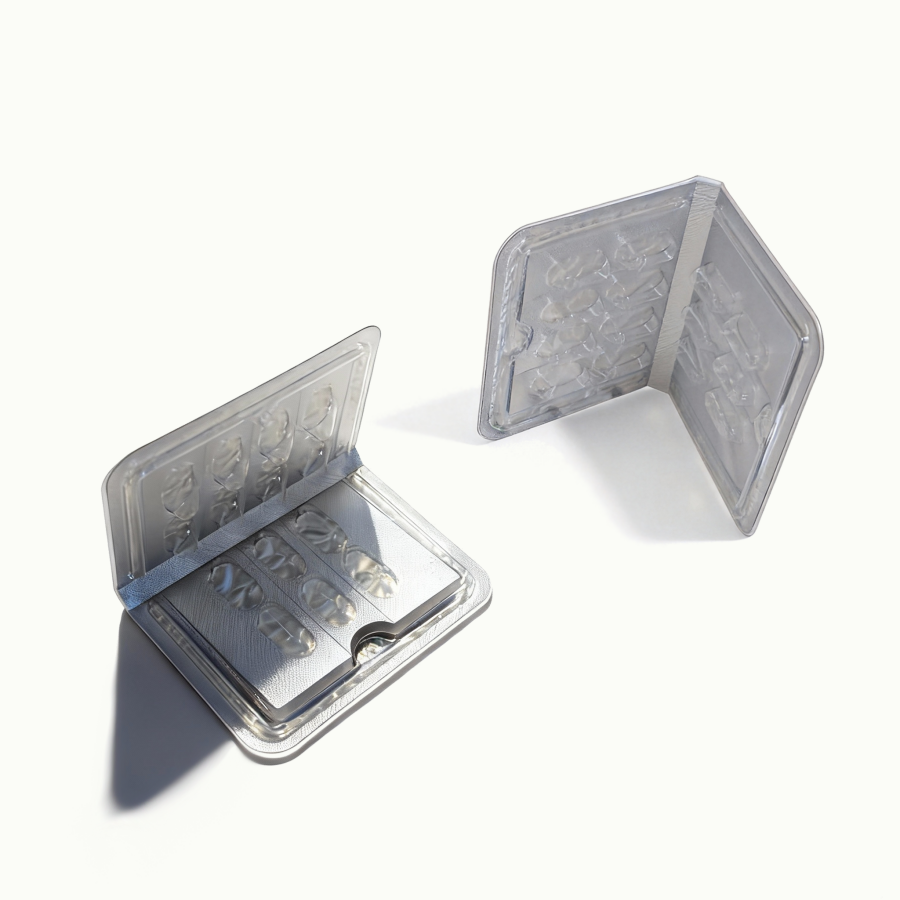
Its attentive and user-centric design blends the standard blister strip into a protective, instructional card. This advancement transforms the packaging into a critical tool for patient safety and regulatory adherence.
Here is the complete guide to its composition, function, key benefits, and applications.
What is Wallet Blister Packaging?

Wallet blister packaging, or “blister wallet,” is a specialized type of packaging used in pharmaceutical manufacturing. It integrates the standard blister strip (the unit-dose plastic and foil container) into a protective fold card made of paperboard or plastic. This design results in a package resembling a small booklet.
The wallet-style packaging creates a combination of superior product protection, user-friendliness, and enhanced informational space. Each booklet can include detailed dosage instructions, product information, and related details.
Wallet blister packaging is widely used for pharmaceuticals and medical devices to improve product safety and patient compliance.
Different Types of Wallet Blister Packaging
There are two main types of wallet blister packaging structures based on material and design complexity. Both styles incorporate the primary blister strip into a protective folding exterior. However, they are significantly different in their construction and sealing methods. Let’s take a look at them one by one.
1. Plastic Folding Wallets ( Clamshell Style)
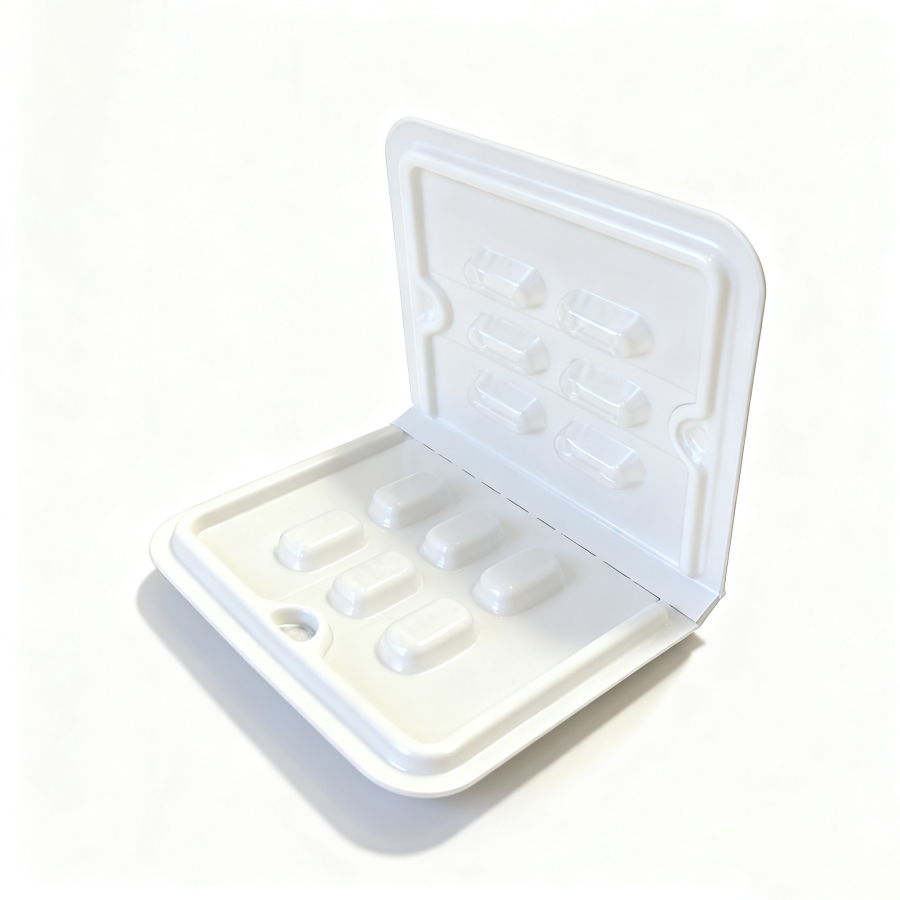
The primary structure of clamshell folding wallets is formed by two rigid plastic halves. They are connected by a flexible hinge which folds over to enclose the product entirely. The sealing method often uses friction-fit snaps or ultrasonic welding along the plastic edges. This provides superior physical protection for drugs and small medical devices that require high visibility and security.
2. Card-Backed Blisters

These are pre-formed plastic blister cavities that are secured to a flat paperboard card.The sealing method involves applying heat or cold-seal adhesive to bond the plastic flanges directly onto the card. While less rigid than a full clamshell, they provide moderate to high protection. This helps you achieve an excellent moisture/oxygen barrier (especially with foil lidding)
Material Composition of Wallet Blister Packaging?
Wallet blister packaging is a composite structure typically composed of multiple layers of materials. The complete package consists of two main parts: the blister strip and the outer wallet card. Here is a detailed composition of these two components:
1. Blister Strip
It is the primary packaging that holds the medicine and provides the essential barrier protection. Blister strip is composed of:
| Component | Common Materials | Purpose and Properties |
| Forming Film (Cavity) | PVC (Polyvinyl Chloride), PET (Polyethylene Terephthalate), PVDC-coated PVC (for better barrier) | Forms the pockets (blisters) for the drug. PVC is standard for its low cost and clarity. High-barrier films (PVDC, PCTFE) are used for moisture- or light-sensitive medications. |
| Lidding Foil | Aluminum foil (typically soft- or hard-temper), often laminated with a heat-seal coating. | Seals the back of the cavity. Aluminum provides an excellent barrier against moisture, oxygen, and light. |
2. Outer Wallet Card
The outer wallet card is the foldable, paperboard component that gives the package its “wallet” structure and functionality. It is composed of:
| Component | Common Materials | Purpose and Properties |
| Substrate/Card | Paperboard (e.g., SBS), with a polymer coating. | Provides structure, durability, and a surface for printing detailed patient instructions and branding. |
| Sealant | Heat-seal coating or cold-seal adhesive | It bonds the paperboard layers together and permanently locks the blister strip in place. |
| Child Resistant Features | Laminated, tear-resistant paperboard with specific die-cuts and nicks | Used to build in the two-step action required for child-resistant opening mechanisms. |
How Does Wallet Blister Packaging Work?
The process of creating wallet blister packaging is highly integrated and automated. It combines the formation and sealing of a standard blister strip with the assembly and sealing of the outer paperboard wallet. Here is how the process unfolds in a blister packaging machine:
Step #1: Forming Blister Cavities
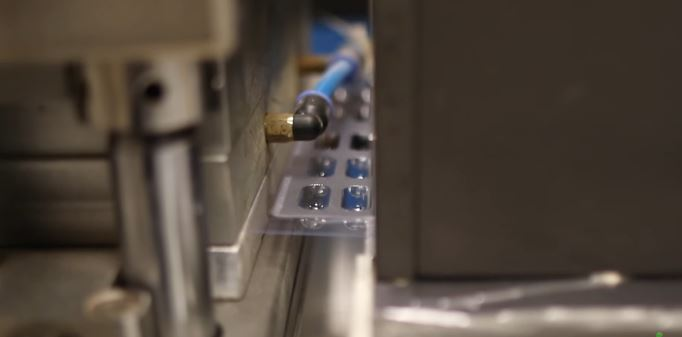
The process begins by feeding the flexible film (PVC) or a high-barrier laminate, such as PCTFE, into the forming station. Heat and vacuum pressure are applied in a process called thermoforming to shape the material into uniform pockets or cavities. For highly moisture-sensitive drugs, cold forming techniques are used to press the material without heat.
Step #2: Filling Cavities
Once the cavities are formed, the strip moves to the filling station. The automated feeders accurately fill each cavity with different types of pills or capsules. This step is followed by a strict tablet inspection process that scans the strip to ensure every pocket is properly filled.
Step #3: Sealing the Lidding Foil
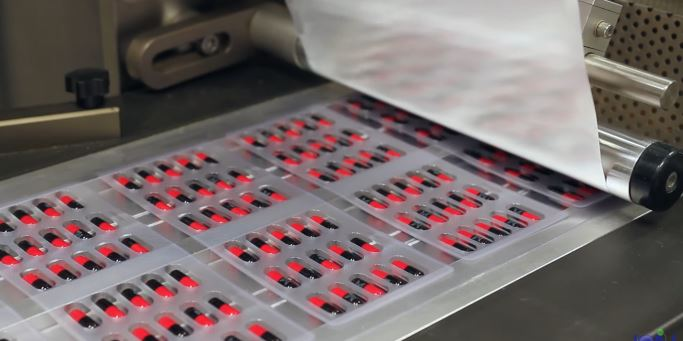
After filling, a layer of aluminum lidding foil (pre-coated with a specialized heat-activated lacquer) is drawn over the filled cavities. The sealing rollers or plates then apply heat and pressure to bond the foil to the pre-formed plastic pockets. This action creates a hermetic seal that protects the drug from light, oxygen, and moisture.
Step #4: Preparing the Wallet Card
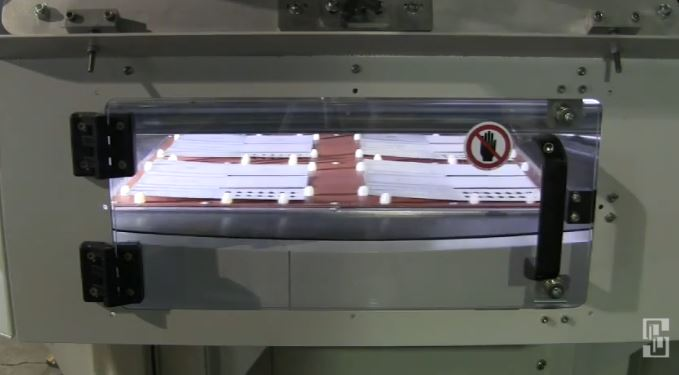
The continuous strip is cut into individual blister units required to fit the secondary packaging. At the same time, pre-printed, scored paperboard wallet cards are fed into the assembly line. These cards are pre-treated with a sealant to secure blisters.
Step #5: Final Sealing of the Wallet
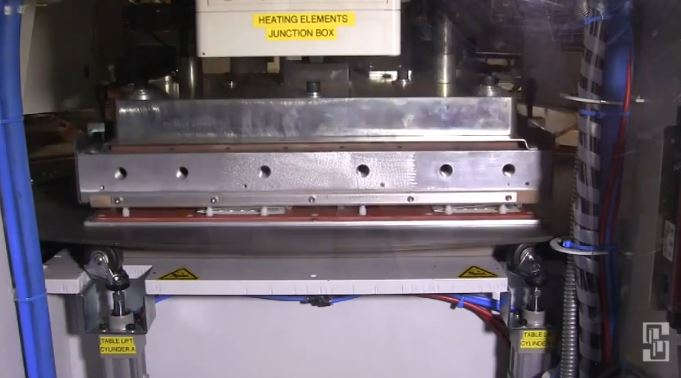
Lastly, punched blister strips are accurately placed onto the prepared wallet card blanks. The card is then folded over, and high pressure is applied to activate the sealant. It permanently locks the blister strip between the card layers. This folding and sealing step ensures that the locking mechanism is correctly integrated for child-resistant packaging.
All steps image Source: YouTube
Key Features and Benefits of Wallet Blister Packaging

Wallet blister packaging offers a strong combination of product protection and user convenience. Here are some key features and benefits that make them a preferred choice for compliance-driven medications:
1. Protection for Medications
The wallet format provides superior physical and environmental protection compared to a simple blister card. The outer paperboard structure shields the blister strip and protects it against crushing or accidental damage during transportation and handling.
The multi-layered construction maintains the integrity of the primary seal. It ensures the medication remains protected from moisture, light, and oxygen, extending its shelf life.
2. Improved Patient Compliance
Patient compliance is one of the most significant health benefits of using wallet blister packaging for the healthcare sector. Wallet packaging offers an expansive surface area, which allows you to present calendarized instructions next to each dosage.
For example, the wallet clearly labels doses by the day of the week (Monday, Tuesday, etc.) or specific time of day (Morning, Evening).
The visual aid makes it effortless for patients to track their daily intake. It also minimizes the risk of double or missed doses, which is especially critical for complex or long-term treatments.
3. Increased Safety and Security
Every year, thousands of children end up in emergency rooms due to mistakenly swallowing adult medicines. This number is a persistent concern for public health. Wallet blister packaging directly addresses this risk by incorporating robust Child-Resistant (CR) features.
It is achieved through a patent construction integrated into the paperboard structure. Accessing the medication requires a specific, two-step action (such as pushing and tearing a designated spot) that is intentionally difficult for a young child. This specialized design protects children and ensures the package remains accessible and senior-friendly for adults.
4. Portability and Information Retention
The compact design of wallet blisters makes it easy for people to carry them in a pocket, purse, or travel bag. Unlike medication bottles, the sturdy paperboard wallet retains all important information until the very last dose is consumed.
The instructions, warnings, and drug details are immediately available for safe and informed use throughout the duration of the therapy.
Applications of Wallet Blister Packaging in Different Industries
Wallet blister packaging is commonly used in the pharmaceutical and healthcare industries. Its unique design and child-resistant features make it the preferred solution for many regulatory and patient-focused applications. We have detailed some of its major applications below:
1. Solid Dose Medications
This is the most common application that focuses on prescription and over-the-counter (OTC) drugs like tablets and capsules. Wallet packaging supports patient compliance and allows manufacturers to print clear and detailed instructions on each package.
It improves patient adherence for complex doses such as oral contraceptives, anti-retrovirals, and daily maintenance drugs.
2. Clinical Trial Samples
The accurate measurement of study medication is critical in clinical research. Wallet packaging is highly effective for organizing and dispensing clinical trial samples. It can handle complex, multi-drug, or titration regimens by presenting the schedule in a clear and serialized manner.
3. Physician Samples
Pharmaceutical companies frequently provide doctors with drug samples for patient initiation. The wallet blister pack is the preferred format for these samples. It provides the sample with all necessary warnings and dosage information printed clearly on the card.
Also, the high-quality packaging reinforces brand identity and presents the product professionally to both the physician and the patient.
Choosing the Right Solution for Manufacturing
The modern pharmaceutical industry demands continuous innovation, especially solutions that strengthen compliance and reliably protect public health. Wallet blister packaging meets these demands by offering superior product protection while also providing essential patient guidance.
To implement this, you need the right solution tailored to your manufacturing environment, and a trusted partner like Finetech to ensure flawless execution.
Our extensive blister card packaging range offers compliance solutions that can be customized to your product and branding requirements.
Visit our website today and explore your packaging possibilities!
Recommend Readings:
Everything About Blister Card Packaging.
6 Common Blister Packaging Types in the Pharmaceutical Industry