Skip to content
  English
  Russian
  Turkish
  Spanish
  French
  German
  Japanese
Capsule sorting machines are the backbone of the pharmaceutical industry. Every day, millions of capsules roll off production lines. Not all of them are perfect; some are chipped, some are misshapen, and others don’t meet strict weight requirements.

A capsule sorting machine sorts, automatically detects, and removes these defective capsules. This ensures that only top-quality products make it to the next stage of production. If not for these machines, companies would have to hire a large workforce to manually inspect each capsule, a slow, costly, and error-prone process.
Please keep reading to discover how these machines work, their key components, benefits, and a lot more.
What is a Capsule Sorting Machine?

Europe’s capsule sorting machine market is expected to reach USD 2.3 billion by 2033. This growth reflects the increasing demand for equipment that ensures all products meet industry standards. A capsule sorting machine is a useful device designed to detect and remove defective capsules from the production line. It makes sure that only capsules meeting strict size, shape, and weight standards move forward for packaging and distribution.
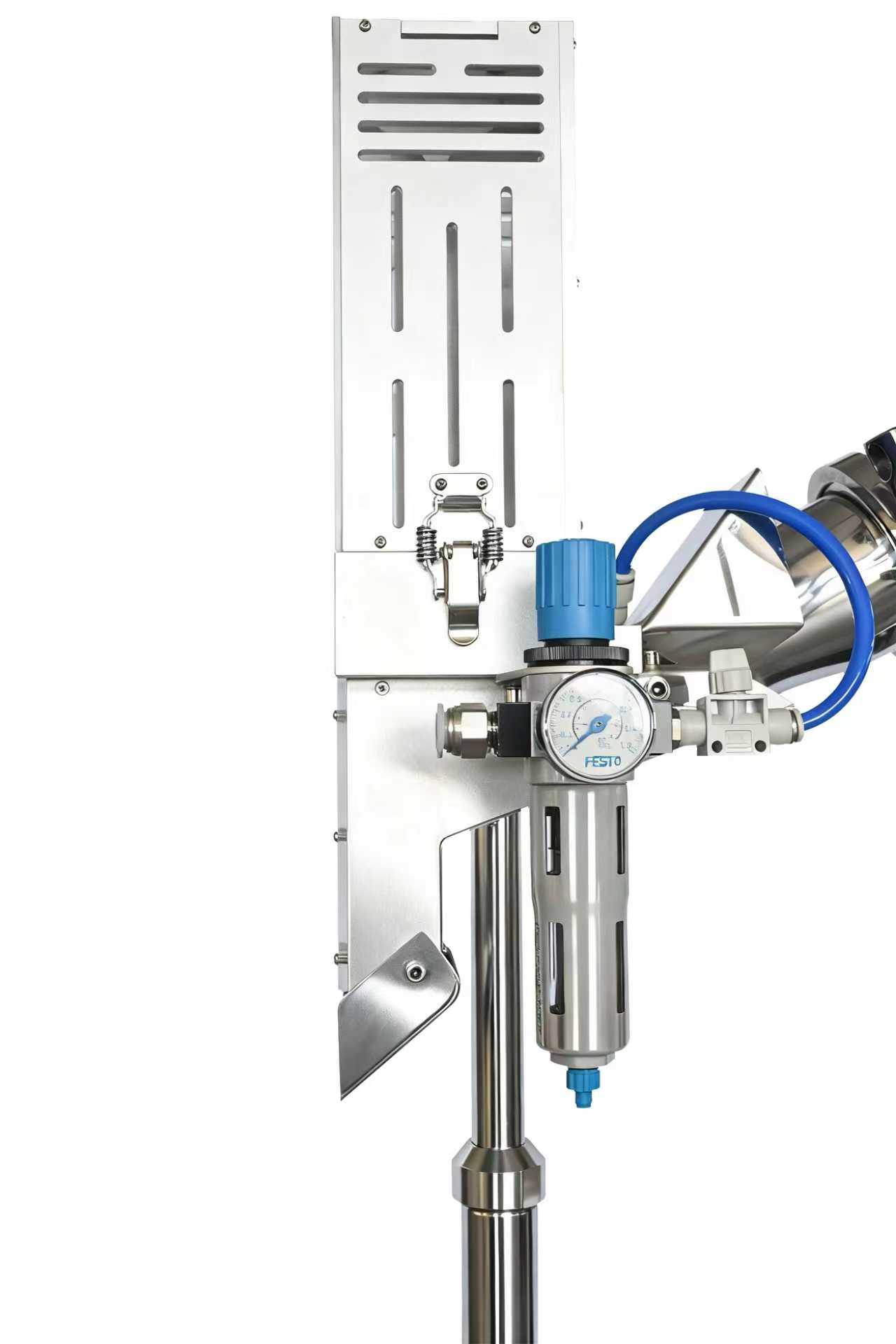
With the adoption of automatic capsule sorting machines, the sorting process has become even more accurate and efficient. Using regulated airflow, these machines sort the good capsules from the defective ones. As capsules pass through the system, compressed air is regulated within the machine. The controlled air flow separates all defective capsules with dents, cracks, low weight, or irregular shapes into a separate chamber.
Key Components of a Capsule Sorting Machine
Capsule sorting machines are built with precision and consistency in mind. Each part of the machine works in harmony to identify, separate, and remove capsules that fail to meet the criteria.
Understanding these components helps operators maximize their productivity and extend the machine’s service life. It also validates the company’s investment by showing what exactly they’re investing in.
1. Inlet Chute
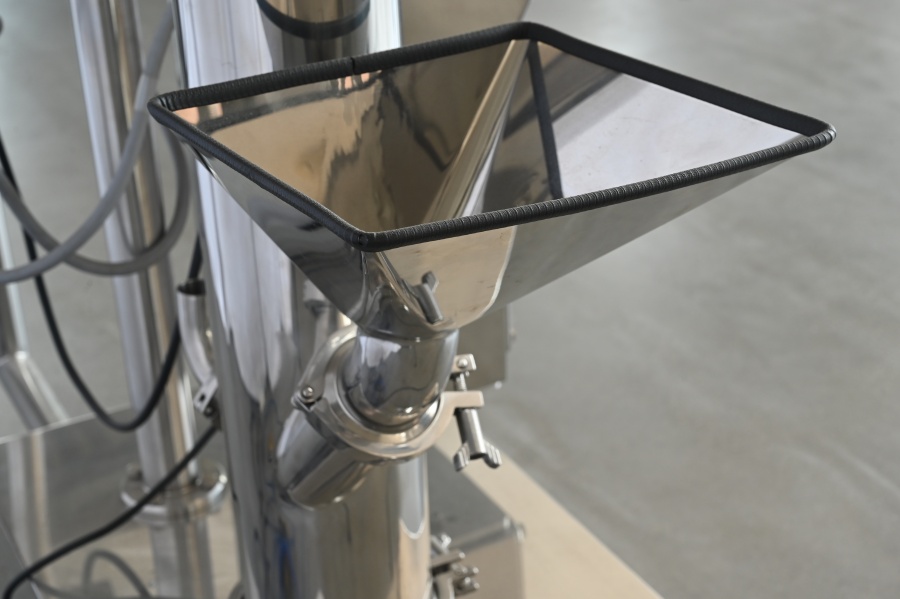
This is the machine’s entry point, where capsules drop onto the selection disc. Its design warrants a steady, controlled flow, which prevents congestion during sorting.
2. Selection Disc
The selection disc guides capsules towards the calibrated holes with smooth, consistent motion. It is usually tilted at 20° to reduce the risk of jamming for more accurate sorting rates.
3. Calibrated Holes
These precisely measured holes act as the primary filter. Only capsules that match the designated diameter can pass through these holes. This ensures that every capsule reaching the consumer meets strict sizing standards.
4. Scraper
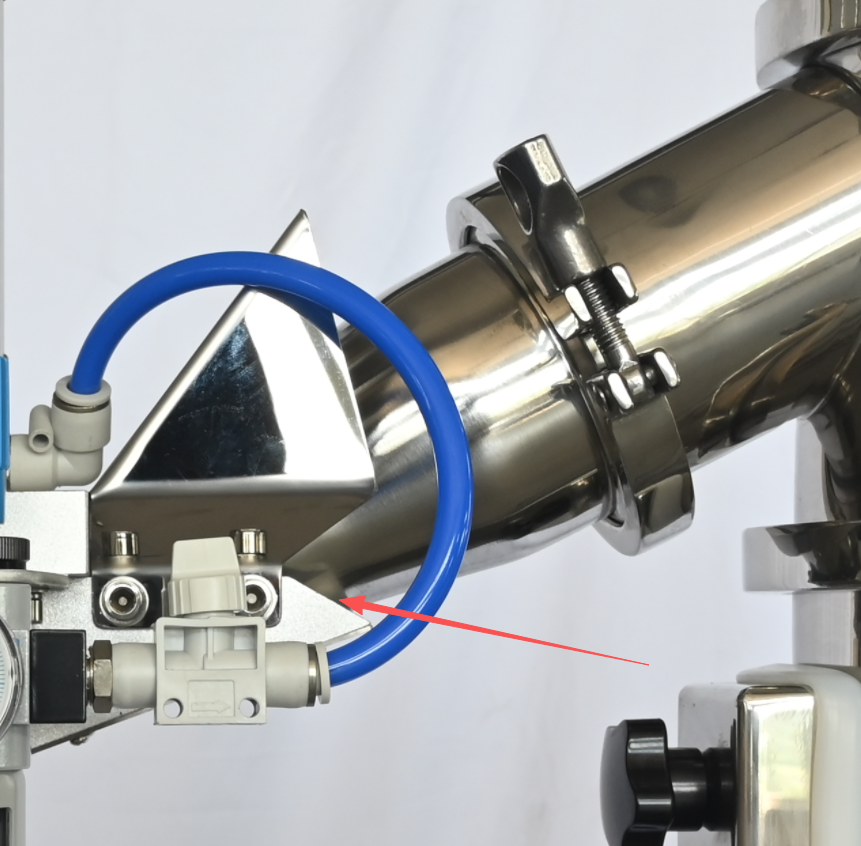
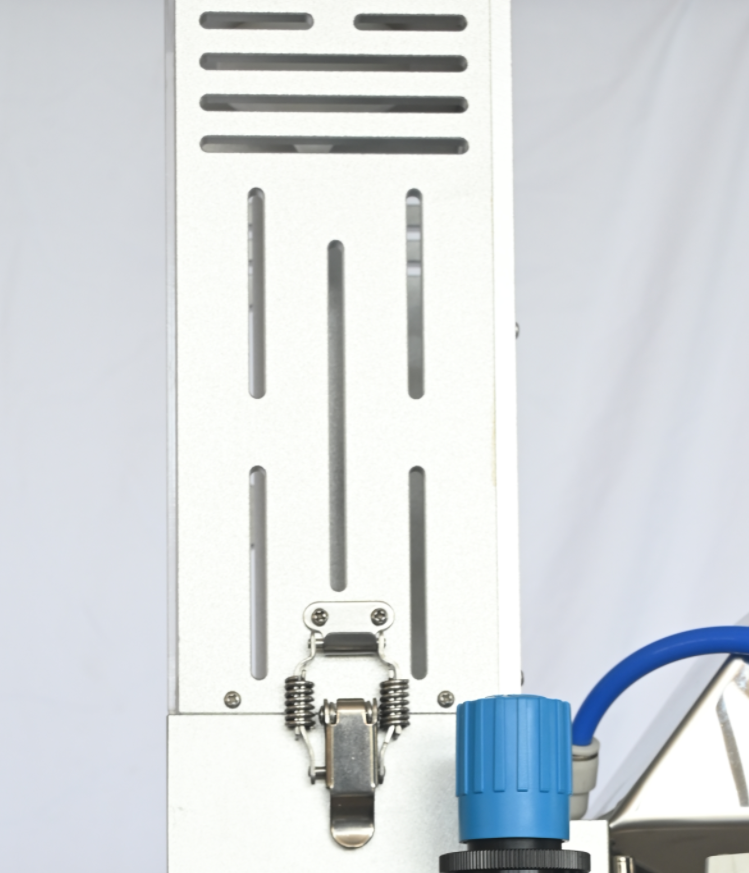
The scraper is a small but essential part that prevents double feeding. By removing excess capsules from the selection disc, it maintains accuracy and prevents major sorting errors.
5. Overflow Container
Excess capsules that fail to enter the calibrated holes are diverted here. This design feature keeps the workflow smooth and eliminates the risk of capsule pile-ups.
6. Drive Shaft
The drive shaft keeps all mechanical parts in sync by rotating the selection disc. Without proper functioning of the drive shaft, the precision timing needed for accurate sorting would not be possible.
7. Retaining Plate
Positioned above the selection disc, the retaining plate keeps the capsules fixed in their place. Proper alignment is necessary for accurate hole entry and minimal rejection of good capsules.
8. Dropping Section
Once capsules pass the calibrated holes, they fall through the dropping section into designated bins or conveyor belts. They are then transported to the next phase in the production.
9. Dosing Defects Chamber
Besides the size issue, capsules may also be rejected due to incorrect filling. Capsules with incorrect weight, shape, color, or ingredients are separated in the dosing defects chamber for quality checks or disposal.
10. Outlet Chute
This final channel directs approved capsules towards the next production stage, which may be polishing or packaging.
Features of a Capsule Sorting Machine
Beyond their basic functions, capsule sorting machines offer a range of features that make them faster and more accurate. Additionally, they are easier to integrate into existing production lines without requiring significant adjustments.
Here are some common features of a capsule sorting machine:
1. Automatic Sorting
Advanced sensors and mechanical systems can inspect and sort thousands of capsules per hour without manual intervention. This not only speeds up production but also reduces the risk of human error. This helps keep the quality consistent across all batches.
By eliminating the need for manual sorting, operators can be reassigned to other areas where their skills are needed most.
2. Defect Removal
A capsule sorting machine’s primary function is to detect and remove defective capsules. These may include capsules that are cracked, misshapen, empty, or incorrectly filled.
In addition to defective capsules, free powders and unfastened caps from defective capsules are also removed. The machine prevents subpar products from reaching distribution and protects both the manufacturer’s reputation and the consumer’s safety.
3. Compact Design
Capsule sorting machines are manufactured with a compact footprint, which allows them to fit into existing workflows without major layout changes. This makes them ideal for both large-scale production plants and smaller operations aiming to maximize available space.
Types of Capsule Sorting Machines
From small-scale machines to high-speed automated systems, each type of capsule sorting machine is designed to meet specific operational needs. Let’s take a look at the three most common types of capsule sorting machines on the market.
1. Manual Capsule Sorting Machine
Manual capsule sorting machines are operated with human assistance. Operators visually examine each capsule and remove any defective ones before they move forward in the production phase. On average, workers can examine up to 50 kg of capsules per hour.
They are mostly suitable in small-scale production or laboratory environments where the focus is on detailed quality checks. Although these machines are cost-effective, they’re also labor-intensive and time-consuming, which makes them less ideal for large-scale manufacturing.
2. Automatic Capsule Sorting Machine
Equipped with advanced technology, automatic capsule sorting machines are mainly used in high-volume pharmaceutical and supplement industries. They are capable of processing thousands of capsules per hour with high accuracy and minimal human involvement.
These machines are excellent for large-scale production plants that want to maximize productivity while maintaining strict quality standards. Their efficiency also lowers the operational cost in the long run, which positively impacts the return on investment.
3. Semi-Automatic Capsule Sorting Machine
Semi-automatic capsule sorting machines lie between manual and automatic machines. They require manual feeding of capsules into the machine, but the sorting process is automatic. This hybrid approach improves speed and accuracy compared to fully manual sorting, while keeping costs lower than automatic systems.
For manufacturers looking to scale their operations, semi-automatic capsule machines are a great fit. These machines bridge the gap between small-batch accuracy and large-scale output. This makes them a great option for manufacturers seeking both precision and productivity.
Benefits of a Capsule Sorting Machine
Whether for pharmaceuticals or nutraceuticals, these machines play a vital role in ensuring only the best products reach consumers. They allow manufacturers to maintain consistent quality while meeting growing market demands.
1. Low Production Cost
Automating the capsule sorting process significantly reduces the labor cost and minimizes product wastage. Instead of relying on large teams for manual inspection, a single operator can manage machines, leading to lower staffing requirements.
2. Enhanced Accuracy
Capsule sorting machines can detect even microscopic defects that the human eye might overlook. Advanced sensors and sometimes high-quality cameras ensure that every capsule meets quality standards before packaging.
3. Increased Flexibility
These machines are designed to adapt to various production needs. Be it gelatin or vegetable capsules, capsule sorting machines can easily accommodate different materials and sizes. This versatility allows manufacturers to run multiple product lines without investing in additional equipment.
4. Easy Operation
Most capsule sorting machines come with a user-friendly interface. Some even have a touch-screen panel that allows operators to adjust settings and check fault status in the machine. As a result, company performance is enhanced and the downtime is reduced.
5. Time Saving
High-speed capsule sorting machines can process tens of thousands of capsules per hour. This speed guarantees the production stays on schedule without compromising on quality. Thanks to greater accuracy, no time is lost in correcting human errors or double-checking.
Choose the Right Capsule Sorting Machine for Your Needs
A single defective capsule can harm both the consumer and the brand’s credibility. Thus, companies must invest in a capsule sorting machine to prevent costly recalls, preserve brand trust, and maintain compliance with industry regulations. The precision and speed they bring to production can also help companies scale operations without compromising quality.
When choosing a capsule sorting machine, look for features that match your production needs. Although a high-speed model seems ideal, it’s important to ensure your workers can match its output.
Additionally, the machine’s build quality also matters a lot, since your investment needs to deliver long-term value. Capsule sorting machines made of 316 or 304 stainless steel offer exceptional durability which guarantees reliable performance for years to come.
FAQs
What is the purpose of a capsule sorting machine?
The main purpose of a capsule sorting machine is to remove defective capsules with incorrect weight, size, color, or shape. By ensuring only high-quality capsules move to the packaging phase, it maintains product safety, consistency, and industry compliance.
What is the working principle of the capsule machine?
The capsule sorting machine works by passing the capsule through calibrated holes on a rotating selection disc. The compressed air separates the defective capsules with incorrect weight or size and diverts them into the collection chamber. Meanwhile, the correctly sized and dosed capsules drop into the outlet chute and move to the next production phase.
Why is the sorting of capsules needed?
Capsule sorting is essential to maintain quality control, comply with regulatory standards, and ensure consumer safety. By removing defective or improperly filled capsules, manufacturers prevent quality issues that could harm consumers and damage the brand’s credibility. It also minimizes waste, improves production productivity, and helps brands maintain consistency in a highly competitive market.