Skip to content
  English
  Russian
  Turkish
  Spanish
  French
  German
  Japanese
Microorganisms may be invisible to the naked eye, but their impact on the pharmaceutical industry is huge. From antibiotics to vaccines, many of medicine’s greatest achievements exist because of microorganisms.
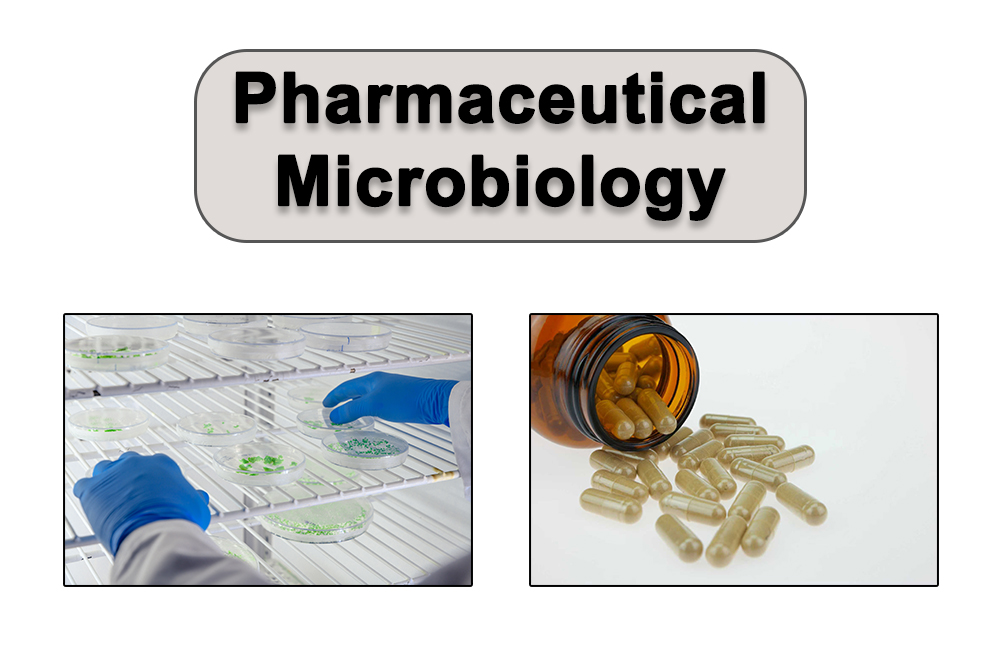
All equipment and laboratory procedures rely on microbiological principles to ensure safe and reliable drug production. Pharmaceutical microbiology helps identify beneficial microbes, eliminate harmful ones, and maintain sterile environments.
In this blog, we’ll discuss the transformation, the role of microbiology in the pharmaceutical industry, and how it continues to shape modern medicine.
Understanding Pharmaceutical Microbiology
Pharmaceutical microbiology studies microorganisms and their impact on medicine. It forms the foundation of pharmaceutical manufacturing and makes sure every product is safe for human use.
It helps scientists use beneficial microbes for drug production. Additionally, it prevents the harmful ones from contaminating essential medicines. Within the pharmaceutical industry, microbiology plays a role in every stage of production. It helps identify, classify, and monitor microorganisms that can affect drug performance.
Through techniques like sterility testing, endotoxin detection, and microbial limit analysis, microbiology ensures that every batch meets global safety and regulatory standards. Neglecting microbiology comes with high risks. Even a small error in microbial control can lead to contamination, costly recalls, and risks to patient safety.
What is the Role of Microbiology in Pharmaceuticals?
The pharmaceutical microbiology market is expected to cross $20.32 billion by 2037. This surge is mainly driven by increased demand and regulatory strictness. But what exactly is the role of microbiology in the pharmaceutical industry? Let’s find out.
1. Drug Production
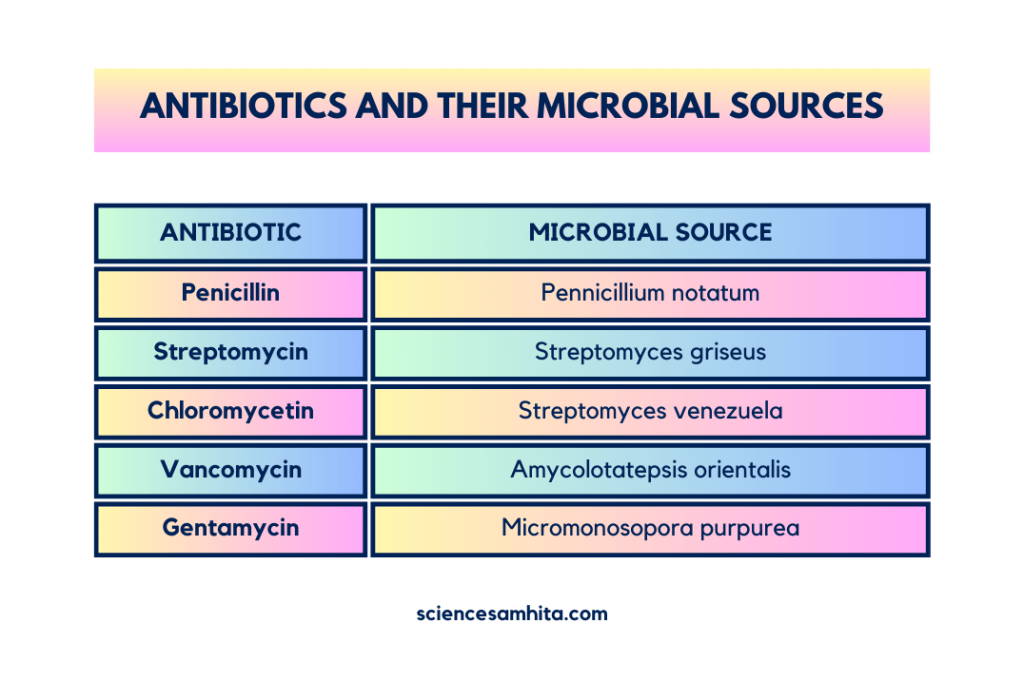
Many of today’s life-saving drugs, such as penicillin, streptomycin, and erythromycin, were first discovered through microbial fermentation. Pharmaceutical facilities then refine these natural processes.
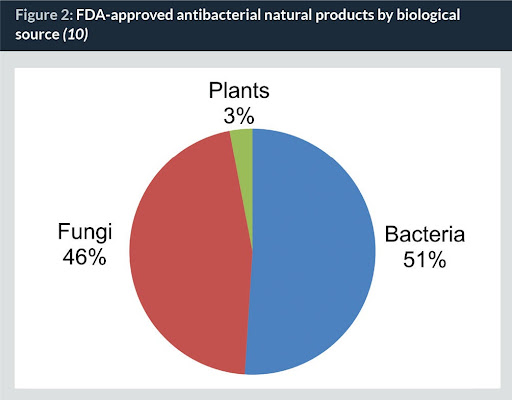
Even today, 97% of natural products that produce antibacterials are derived from microbial sources. Microbiologists carefully cultivate these microorganisms to produce essential immunoglobulins (Ig), antibiotics, probiotics, vitamins, and medical devices.
2. Drug Safety
Pharmaceutical products cannot reach the market without passing thorough microbiological testing. Therefore, microbiologists conduct extensive tests to detect bacteria, fungi, and other harmful microorganisms. These tests prevent risks to patient safety and product stability.
Some of the most common microbiological tests in the pharmaceutical industry include:
- Sterility Testing: Confirms through membrane filtration and direct inoculation that no viable microorganisms are present in sterile pharmaceuticals.
- Microbial Limits Testing: Quantifies the viable microorganisms present on a product before its release.
- Bioburden Testing: Detects microorganisms on raw materials and finished products to ensure compliance with the US Pharmacopeia requirements.
- Water Testing: Checks for the presence of common microbes in the water, such as Coliforms, E. Coli, Pseudomonas sp., and Clostridia.
- Bacterial Endotoxin Testing: Utilizes Limulus Amoebocyte Lysate (LAL) to detect bacterial endotoxins, which are pyrogenic and induce fever in humans.
3. Microbe Identification
Microbe identification allows scientists to tell the difference between beneficial microorganisms used in production and harmful contaminants that pose risks.
From culture-based identification to advanced PCR testing and MALDI-TOF mass spectrometry, each step ensures no harmful microbe is present.
According to the ISO 11137-2 standard, manufacturers are required not only to quantify microorganisms but also to characterize the bioburden. Accurate identification helps manufacturers track contaminated raw material, surfaces. This allows them to meet industry standards.
4. Vaccines Production
All vaccines, whether killed or attenuated, rely on the study and manipulation of microorganisms. Microbiologists cultivate and modify bacterial or viral strains before formulation. The vaccines may contain inactivated, killed, surface-protein, or microbial toxin.
Pharmaceutical microbiology also assists in the production of conjugate and polyvalent vaccines. Conjugation is a multistep process that involves the production of the polysaccharide, followed by purification and chemical modification.
5. Environmental Monitoring
Pharmaceutical manufacturing takes place in highly controlled environments known as cleanrooms. It needs active, passive, personnel, and walls and floor monitoring. This ensures the environment is compliant with EU Annex 1, FDA, and ISO requirements.
Microbiologists are responsible for monitoring viable and non-viable particles. They measure microorganisms and air-borne particles. It also involves climate control monitoring and advanced product sterility (APS) checks for the highest level of sterility.
6. Regulatory Compliance
Pharmaceutical practices need to follow strict international microbiological standards. This allows them to meet regulatory expectations, ensure patient safety, and maintain brand integrity. Without this compliance, low-quality drugs could reach the market, which causes serious public health risks.
By meeting the microbiological criteria for regulatory approval, pharmaceutical companies ensure their products maintain the highest standards of safety and efficacy. To ensure compliance, microbiologists keep a check on quality control and assurance during the production process.
Key Equipment for Pharmaceutical Microbiology
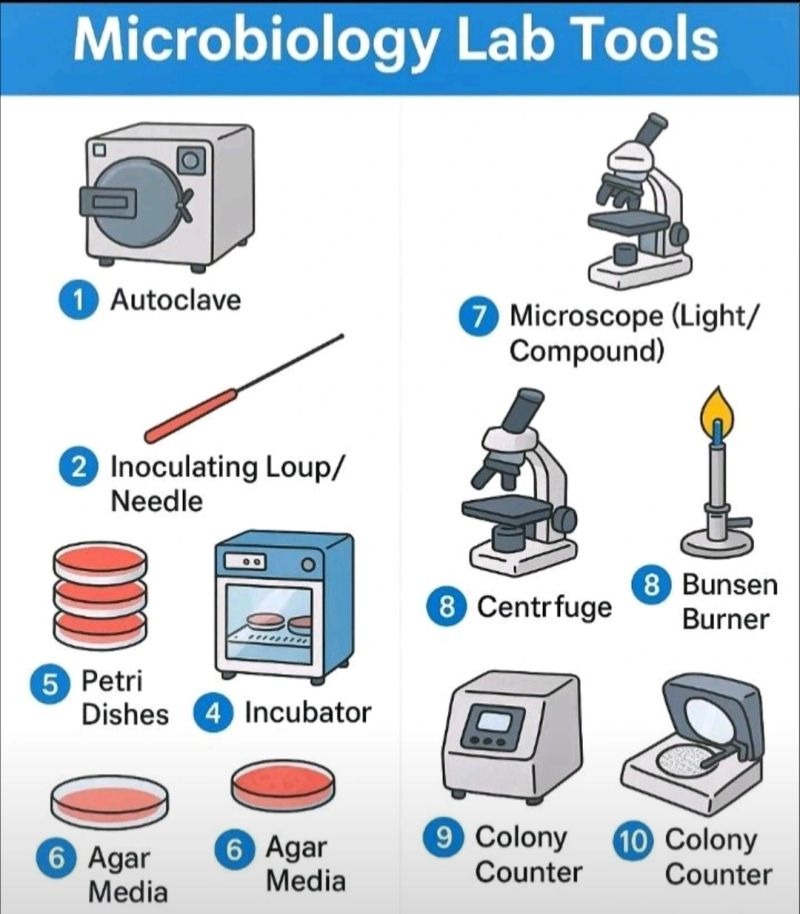
Pharmaceutical microbiology needs specialized pharmaceutical equipment for precision, sterility, and safety. Here are some of the most important machines required for the role of microbiology in the pharmaceutical industry:
1. Autoclave
The autoclave serves as the center of sterilization. It uses pressurized steam at 121–134 °C (250–273 °F) to destroy all microorganisms and spores present on the media and tools. Without its function, contamination would compromise the production quality and pharmaceutical products.
2. Incubator
Pharmaceutical processes, such as microbial identification and quality testing, require strict environmental conditions. The incubator provides controlled temperature and humidity. This creates ideal conditions for bacterial or fungal growth.
3. Microscope
Microbiology cannot be practiced without a microscope. It allows scientists to observe microbial morphology, motility, and staining characteristics. Modern digital microscopes even capture high-resolution images for automated identification and reporting.
4. Laminar Flow Cabinet
The laminar flow cabinet maintains a sterile workspace by blowing HEPA-filtered air across the surface. It protects the samples during aseptic handling. This makes it essential for tasks like sample preparation and culture.
5. Refrigerator
Pharmaceutical labs use refrigerators to preserve samples and prevent spoilage. Clear labeling and segregation keeps track of samples and prevents cross-contamination.
FAQs
1. How does microbiology support environmental monitoring in pharmaceutical facilities?
Environmental monitoring involves sampling air, surfaces, and personnel in cleanrooms to track microbial contamination. Regular monitoring helps maintain a controlled environment suitable for sterile manufacturing.
2. How does microbiology help in validating pharmaceutical water systems?
Microbiologists analyze purified and water-for-injection (WFI) systems for microbial contamination and endotoxin presence. Regular testing helps maintain the microbiological quality of process water.
3. What are Good Microbiological Practices (GMPs)?
Good Microbiological Practices involve maintaining aseptic conditions, proper gowning, validated cleaning procedures, and accurate documentation. These practices support regulatory compliance and consistent product quality.
Why You Can’t Ignore Microbiology in the Pharmaceutical Industry
As medicine advances, the role of microbiology in the pharmaceutical industry also continues to grow. While it used to involve sterility testing and drug safety, the recent advancements have led their way to individualized therapy. Pharmaceutical microbiology now uses rapid microbial methods and AI. This helps with custom treatments for specific microbial pathways.
At Finetech, we help pharmaceutical companies utilize the full potential of microbiological science with advanced equipment. Our machines are designed for quality, compliance, and performance, which helps you stay ahead of your competitors.
Contact our specialists to discuss your requirements and customize equipment according to your needs.
References:
How Microbiology contributes to the Pharmaceutical Industry?
Recent Advances in Pharmaceutical Microbiology and Ongoing Challenges.
Pharmaceutical Microbiology Manual.
Copyright Notice:
You may not reproduce, modify, publish, display, transmit, or in any way exploit any content on this website, or use such content to construct any kind of database without prior express written approval by Finetech Group. For permission to use the content, please contact: info@pharmamachinecn.com
Disclaimer:
The information contained in this article is for general information purposes only. The Company does not guarantee the accuracy, relevance timeliness or completeness of any information, and the Company assumes no responsibility for errors or omission in the content of this article.