Skip to content
  English
  Russian
  Turkish
  Spanish
  French
  German
  Japanese
Filling capsules by hand can feel intimidating at first, especially if you have never used a capsule filler before. Powders spill, capsules misalign, and mistakes happen easily without the right process in place.
That is exactly why learning how to use a manual capsule filler matters. When done correctly, it saves time, improves accuracy, and reduces waste.
If you’re not aware of how it works, this guide will help you do just that and avoid common errors.
What Is a Manual Capsule Filler?
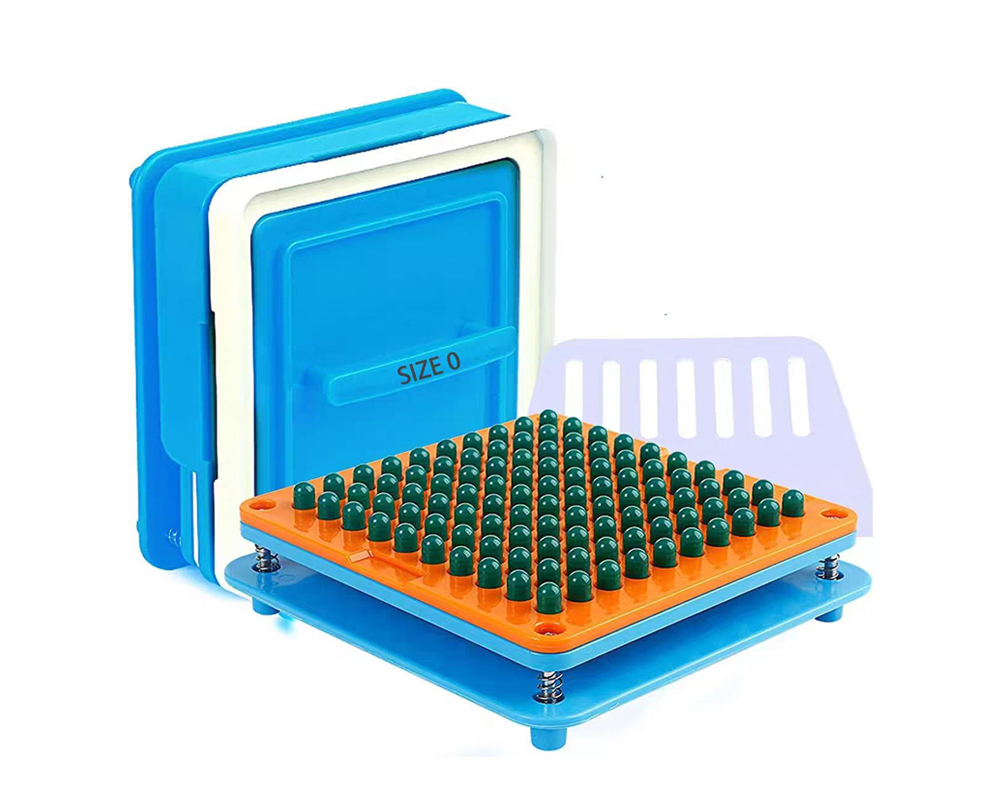
A manual capsule filler is a simple, non-electric device used to fill empty capsules with powder, herbs, or supplements by hand. It helps align capsule shells, hold them in place, and distribute powder.
These devices are commonly used by individuals, small businesses, and labs that need accuracy without investing in expensive automated machines.
Ideal Use Cases
Manual capsule fillers are ideal for people who want supplements at home, such as vitamins, herbal blends, or custom formulas. They are also widely used by small pharmacies, wellness brands, and research labs for small-batch production.
Because they are affordable and require no electricity, manual capsule fillers are a practical choice for low to medium-volume capsule filling.
Parts of a Manual Capsule Filler
A manual capsule filler is made up of several parts that work together to keep capsules aligned, filled, and sealed correctly. Understanding what each part does makes the filling process easier and helps you avoid common mistakes. These parts include:
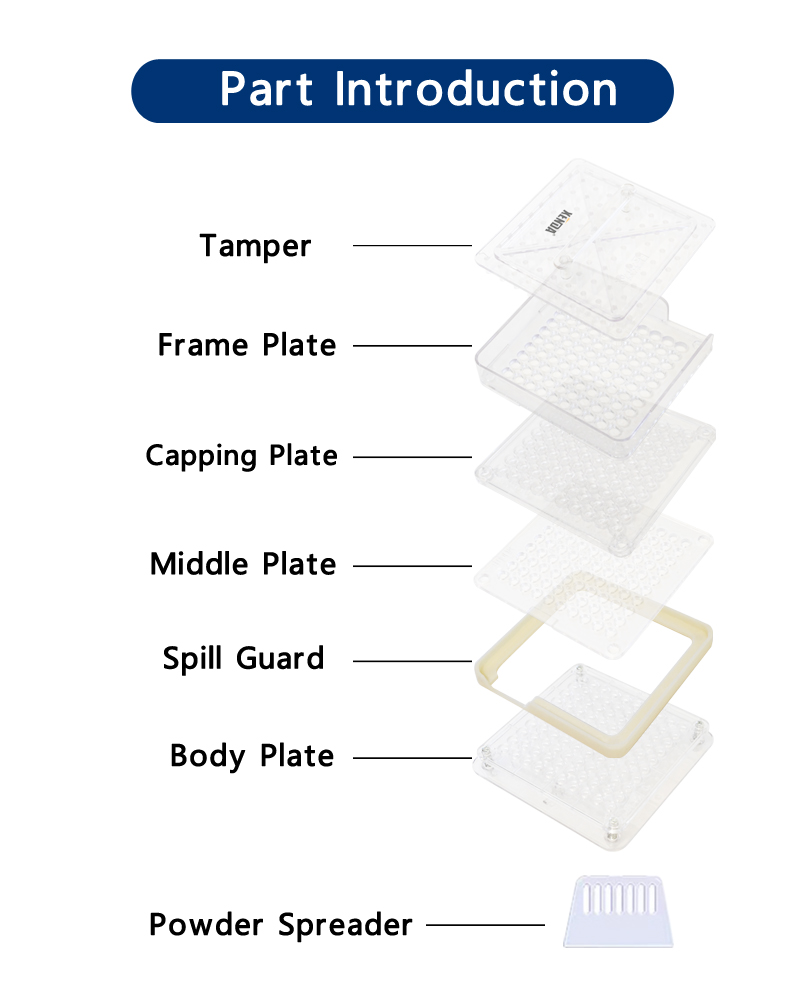
| Parts | Description |
| Base Plate | The base plate holds the bottom halves of the capsules firmly in place. This stable foundation prevents capsules from tipping or shifting while powder is added. |
| Capsule Cap Plate | This plate is used to secure the top halves of the capsules before sealing. Proper alignment here makes sure the caps fit properly when the capsules are joined. |
| Alignment Tray | The alignment tray helps separate empty capsules and guide them into the correct position. By keeping each capsule aligned, it speeds up setup and avoids misplacement. |
| Powder Spreader Card | The powder spreader card is used to sweep powder across the capsule openings. A smooth spreading motion helps fill each capsule consistently and minimizes waste. |
| Tamping Tool | With the tamping tool, powder inside the capsules is gently compressed. This step allows for more powder to be added and helps achieve uniform fill levels. |
| Joining Plate | The joining plate brings the capsule bodies and caps together in one motion. Applying even pressure at this stage ensures the capsules close securely and do not come apart later. |
Step-by-Step Guide to Using a Manual Capsule Filler
Using a manual capsule filler becomes very easy once you follow the steps in the correct order. The key is to work slowly, keep everything aligned, and avoid rushing. Below is a beginner-friendly process that shows exactly what to do at each stage:
Step 1: Load the Capsule Bodies
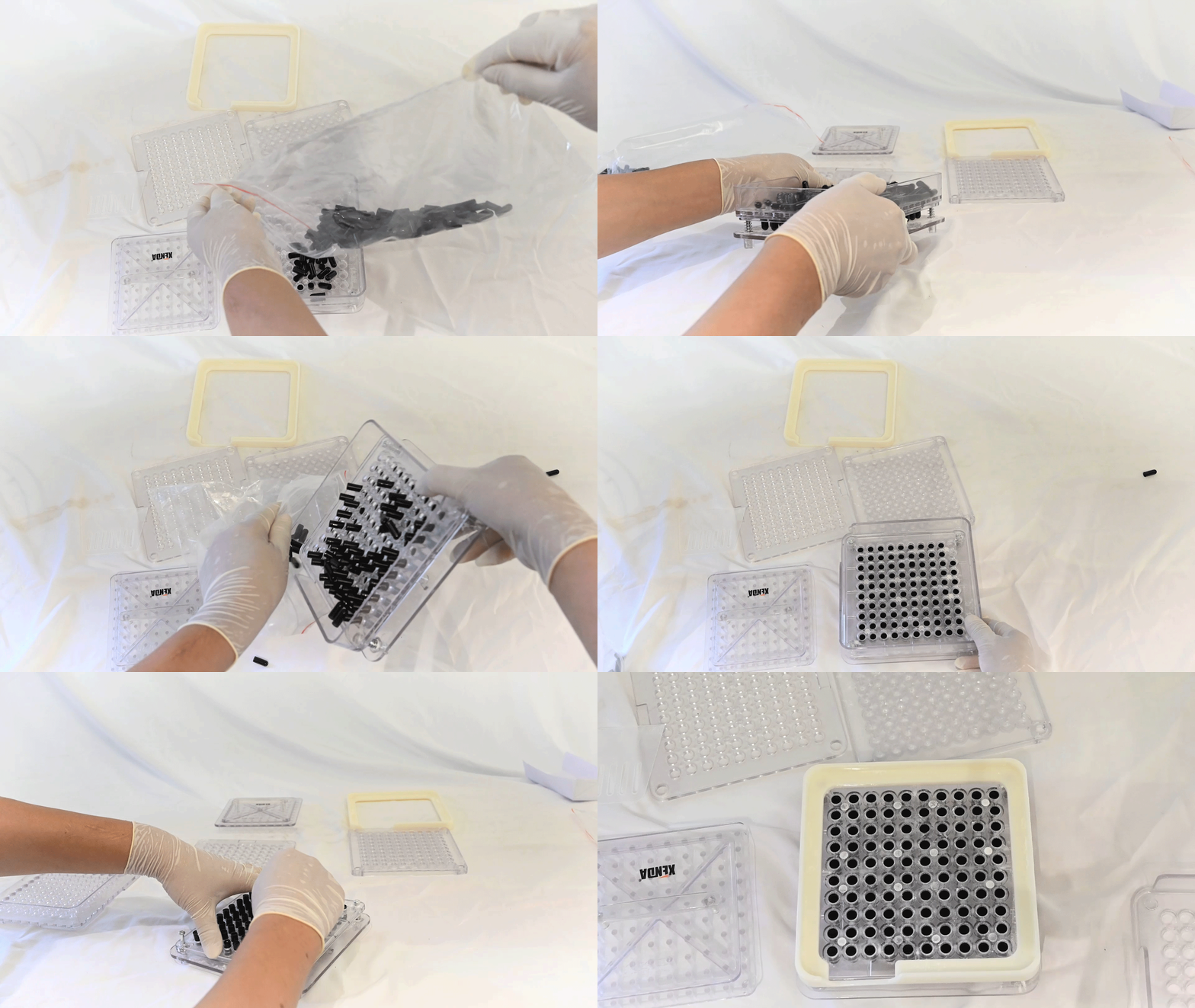
Start by separating the empty capsules into two parts: the longer body and the shorter cap. Place the capsule bodies into the holes on the base plate. Make sure each body sits fully upright and drops all the way into its slot.
If any capsules sit higher than the rest, press them gently until they align. Proper loading at this stage prevents uneven filling later and keeps powder from spilling around.
Step 2: Fill In the Powder
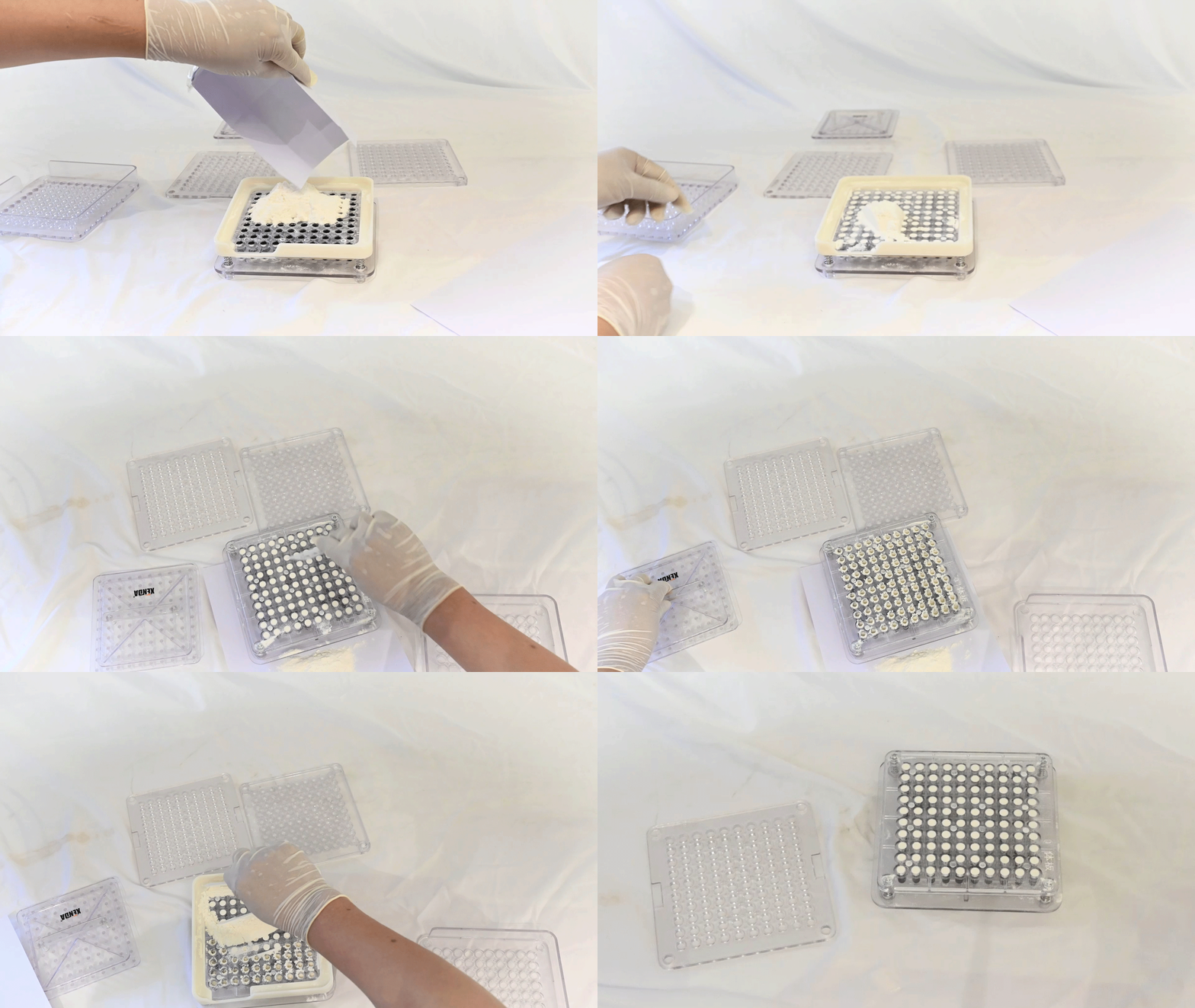
Once the capsule shells are in place, pour your powder slowly over the base plate. After that, use the powder spreader card to move the powder back and forth across the holes so it settles down evenly.
However, let the powder fall naturally into the capsules instead of forcing it in. After the first pass, use the tamping tool to press the powder down gently. Add more powder if needed, and repeat until the capsules are filled proportionately.
Don’t press too hard, as it can damage the capsules.
Step 3: Load the Capsule Caps
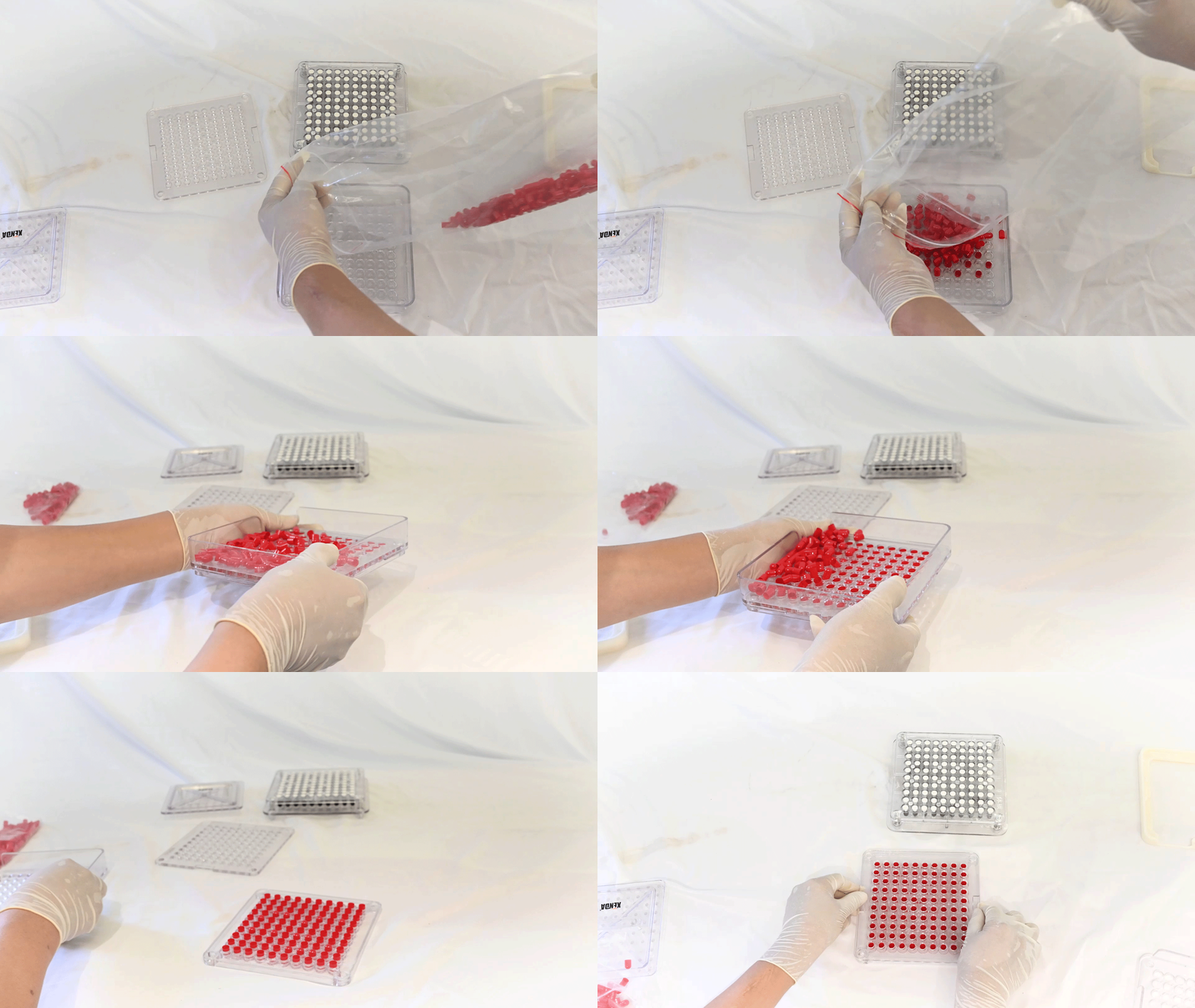
Next, place the capsule caps into the capsule cap plate. Each cap should face downward and sit equally in its slot. Also, check that all the capsule caps are correctly aligned and none are tilted.
This step is important because misaligned caps can cause capsules to bend or fail to close during assembly.
Step 4: Assembling the Capsules
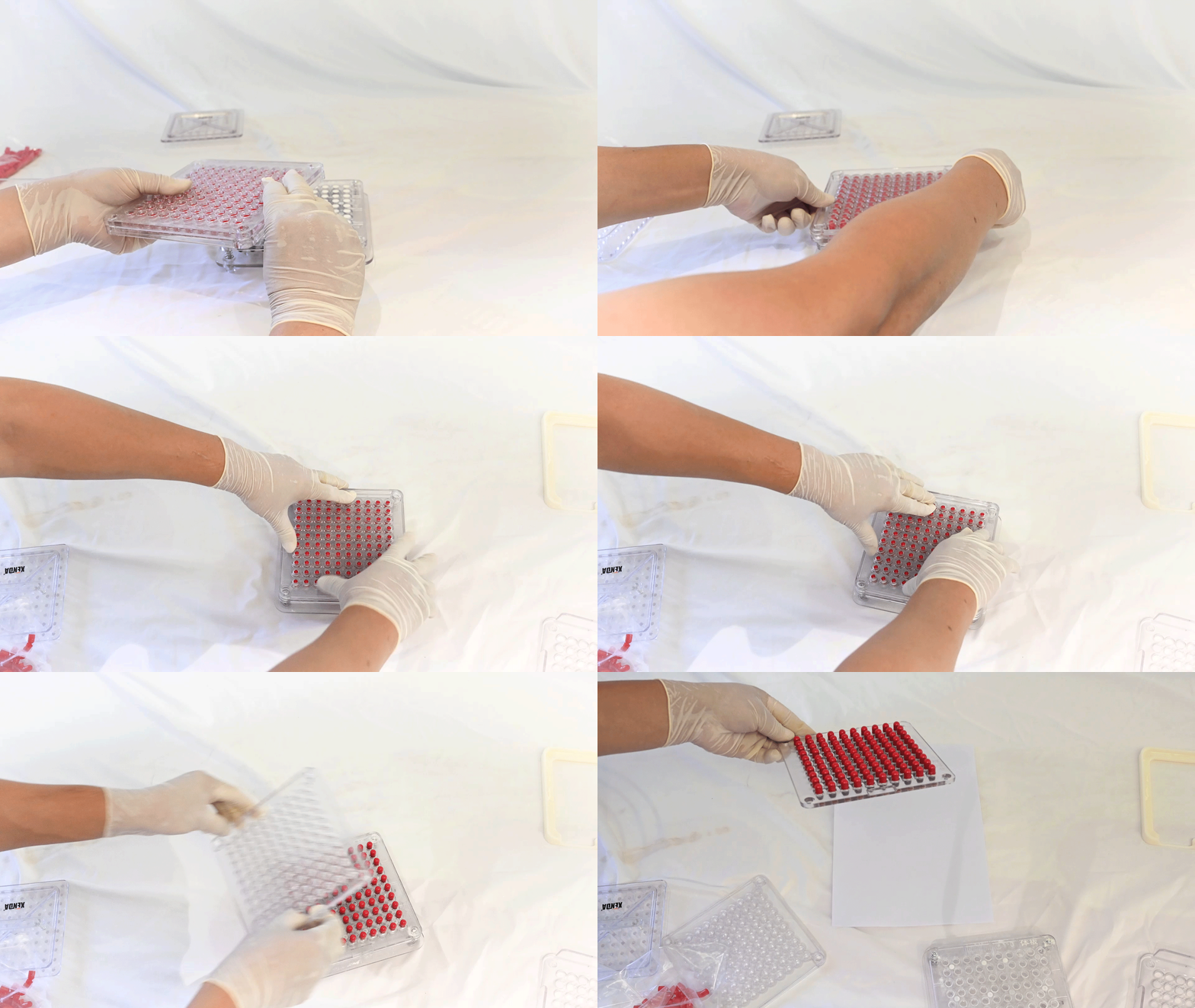
Carefully bring the capsule cap plate over the base plate. Align both plates so the caps line up directly above the filled capsule bodies. Then, press down slowly and evenly by using the joining plate or gentle hand pressure.
You should feel the capsules lock together. Avoid sudden force, as steady pressure ensures a clean and secure seal.
Step 5: Releasing the Finished Capsules
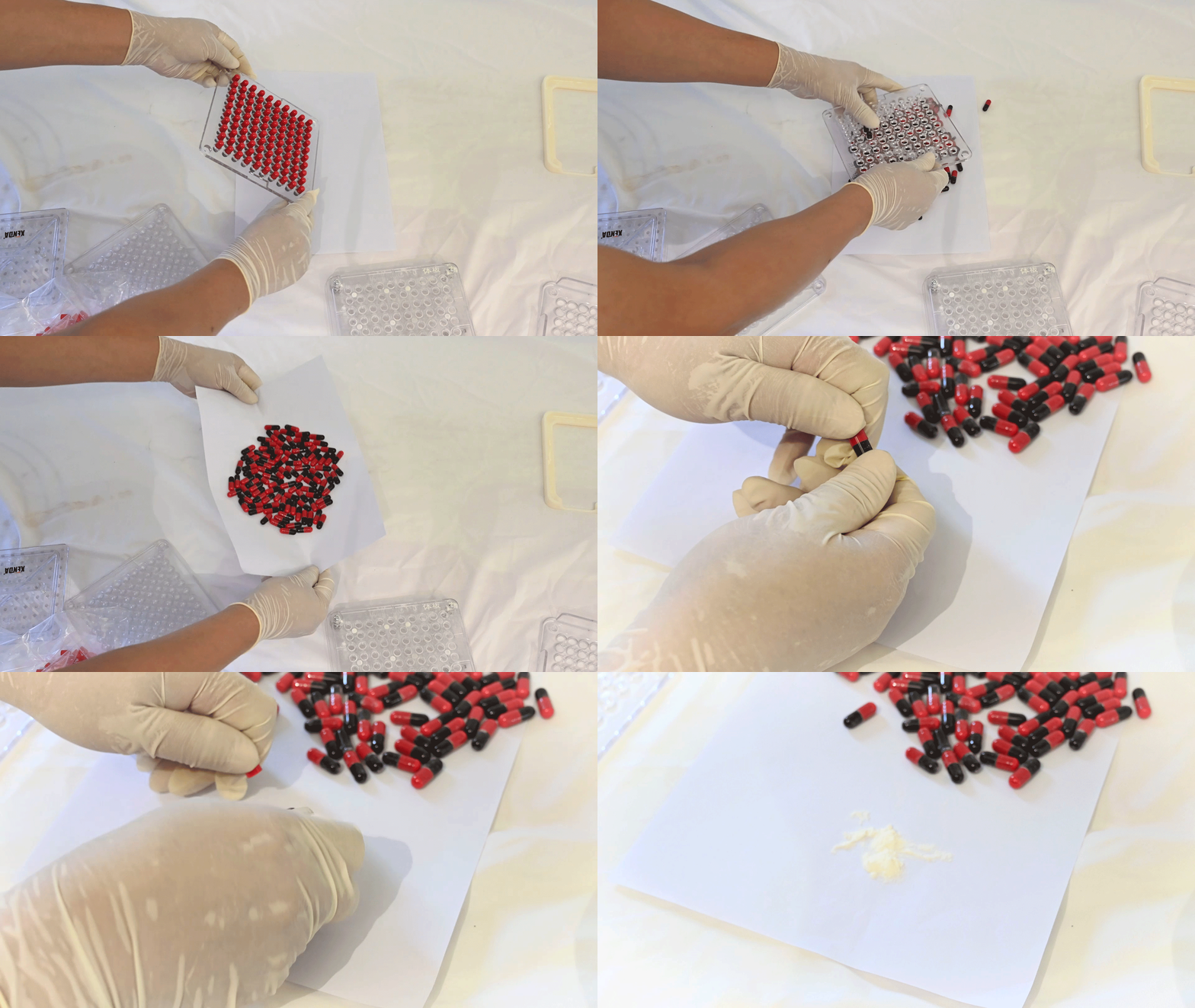
After the capsules are fully joined, remove the plates according to your filler’s design. Turn the base plate over or press the release mechanism to drop the finished capsules out of the manual capsule filler.
Moreover, inspect a few capsules to make sure they are properly sealed and not cracked. Once confirmed, your capsules are ready for storage or use.
Preparing Your Workspace and Materials
Now that you know how to use a manual capsule filler, ensure setting up your workspace correctly first, as it can make a huge difference. Remember, an organized area helps prevent contamination, reduces spills, and makes the entire process safer.
Here’s how you should do it:
1. Choose a Clean Work Surface
Select a flat, stable surface with enough space to hold your capsule filler, powder, and tools. Then, wipe the surface with a clean cloth or disinfectant to remove dust and residue. Avoid working near open windows or fans, as airflow can blow powder around.
Good lighting is also important so you can clearly see capsule alignment and fill levels throughout the process.
2. Materials You Will Need
Gather all materials before you start to avoid interruptions. These include:
- Manual capsule filler.
- Empty capsules of the correct size.
- Your powder or supplement.
- A powder spreader card.
- A tamping tool.
It is also helpful to have gloves, a small brush for cleanup, and a container to store finished capsules. Having everything ready keeps the process efficient and reduces mistakes. Check here to know all the tools.
3. Safety Considerations
Wear disposable gloves to prevent contamination and protect your skin from powders. If the powder is fine or dusty, consider wearing a mask to avoid inhalation.
Additionally, keep food and drinks away from the workspace, and wash your hands before and after filling capsules. Always label your finished capsules clearly to prevent confusion or accidental misuse later.
Common Mistakes When Using a Manual Capsule Filler
Small mistakes can happen anywhere. But it helps to be aware of such issues to avoid wasted materials and poorly sealed capsules.
1. Overfilling or Underfilling Capsules
One of the most common mistakes is adding too much or too little powder. Overfilled capsules may not close properly and can split during sealing. Meanwhile, underfilled capsules lead to inconsistent dosing.
The best approach to solving this is to fill the capsules in stages, tap gently, and check that all capsules reach a similar fill level before moving on.
2. Uneven Tamping Pressure
Applying uneven pressure while tamping can cause some capsules to be packed tighter than others. This leads to inconsistent weights and uneven results.
Always press straight down with a steady, gentle force. Avoid rushing this step, as consistent tamping is key to uniform capsules.
3. Misaligned Caps and Bodies
If capsule caps and bodies are misaligned, capsules may bend, crack, or fail to lock. This usually happens when caps are not seated properly in the cap plate.
To solve this, take a moment to confirm that all caps and bodies are sitting equally before joining them.
4. Rushing the Locking Process
Lastly, pressing too quickly or using excessive force during assembly can damage capsules. A slow, controlled motion allows the caps and bodies to lock together smoothly.
You can take a few extra steps at this stage to make sure every capsule is sealed securely and ready for use.
How to Clean and Maintain a Manual Capsule Filler
If you want to clean and maintain your manual capsule filler, it’s best to clean the filler after every use, especially when changing powders. Leftover residue can affect capsule quality and lead to mixing between batches.
Next, disassemble the filler and remove loose powder using a soft brush or dry cloth. Avoid water unless the manufacturer allows it. If washing is permitted, use mild soap and let all parts dry completely before reassembly.
For storage, keep it in a clean, dry place, away from moisture and dust, to extend its lifespan.
Tips to Improve Manual Capsule Filling
Here are a few tips you should consider before using a manual capsule filler:
- Use a Consistent Routine: Follow the same sequence every time, loading capsules, filling, tamping, and sealing in a consistent order to reduce mistakes.
- Pre-Measure Your Powder: Pre-measuring your powder before filling helps maintain consistent capsule weights and prevents overfilling or underfilling.
- Tamp evenly: Apply steady, straight pressure when tamping, so each capsule is packed proportionately.
Ready to Choose the Right Manual Capsule Filler?
By now, you should have a clear understanding of how to use a manual capsule filler and avoid common mistakes. With the right tools, manual capsule filling can be accurate and reliable for small-scale production use.
If you’re looking for a dependable solution, Finetech offers a range of hand-operated capsule filling machines. These fillers are highly customizable, made from durable acrylic, and designed for pharmaceutical, herbal, and food applications.
Contact Finetech today for expert guidance and to find the capsule filler that best fits your needs!