English
  Russian
  Turkish
  Spanish
  French
  German
  Japanese
If you’re wondering what the definition of a suppository is, you’ve come to the right place. In simple terms, a suppository is a unique dosage form designed for patients who can’t take medicines orally.
Suppositories have been around since ancient times. Even today, they are used to treat pain, fever, nausea, and constipation. This makes them an important dosage form in the pharmaceutical industry.
Here’s everything you need to know about it.
What Is the Definition of a Suppository?
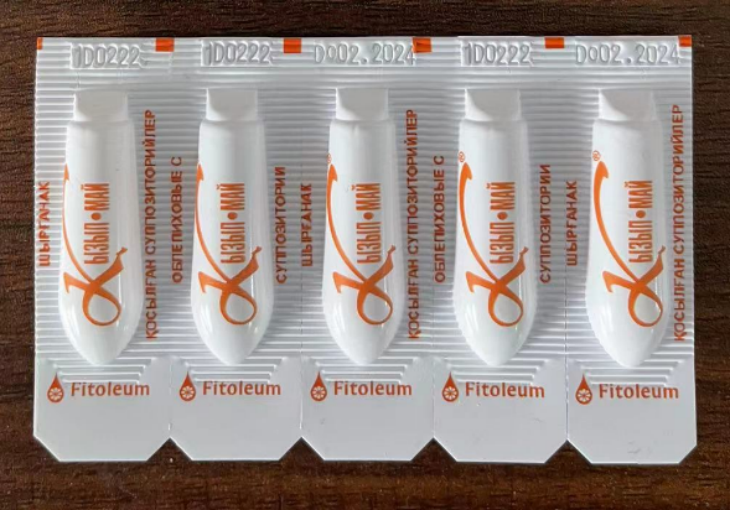
In pharmaceutical manufacturing, a suppository is a solid dosage form designed to be inserted into the rectum, vagina, or urethra. There, it melts or dissolves at body temperature, releasing the medication into the body.
Unlike tablets or capsules, suppositories do not need to be swallowed, which makes them ideal for patients who cannot take oral medicines.
How Suppositories Work in the Body
Suppositories may seem simple, but their mechanism of action is highly effective. Once inserted, they use the body’s natural heat and moisture to release medicine.
Let’s break it down in simple terms.
1. Melting or Dissolving
A suppository is solid at room temperature. Once inserted, it melts or dissolves inside the body. This process occurs relatively quickly due to the body’s heat and moisture.
2. Releasing the Medicine
When it melts, the drug inside gets released. Some medicines work right where the suppository is placed. Others get absorbed into the bloodstream and act throughout the body.
3. Local vs. Systemic Effect
These work in three different ways. The rectal suppositories help with constipation or pain relief. Secondly, the vaginal ones are used to treat yeast or bacterial infections. Urethral types, which are less common, may deliver drugs for urinary issues.
When Suppositories Are the Best Choice
This route is practical when swallowing is hard. It’s also helpful when nausea or vomiting makes oral drugs impossible. Studies show that over 40% of elderly patients face swallowing difficulties, which is why suppositories are prescribed.
Four Types of Suppositories in Pharmacy
Suppositories are made for different purposes and body parts. Each type is designed to deliver medicine where it works best. Here’s a detailed look at each of them:
1. Rectal Suppositories
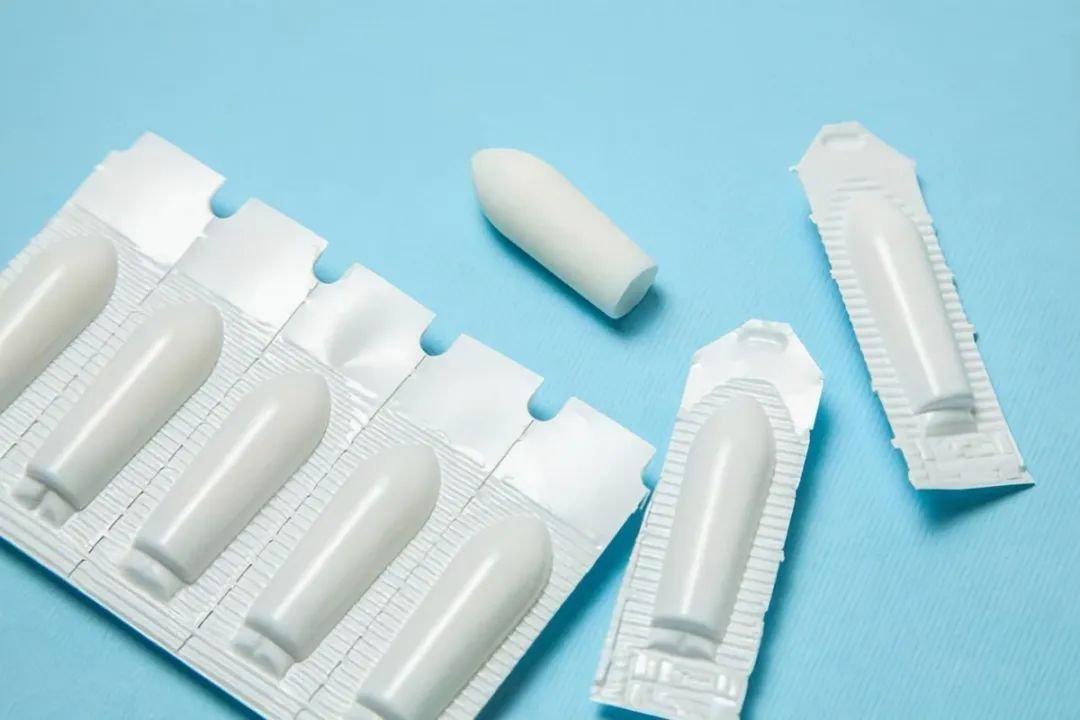
Rectal suppositories are the most common. They are inserted into the rectum, where they either act locally or get absorbed into the bloodstream. For example, glycerin suppositories help with constipation by drawing water into the bowel and softening stools.
Other rectal forms reduce pain, fever, or nausea. Because the rectal wall has a rich blood supply, some medications work faster when administered rectally than when taken orally.
2. Vaginal Suppositories
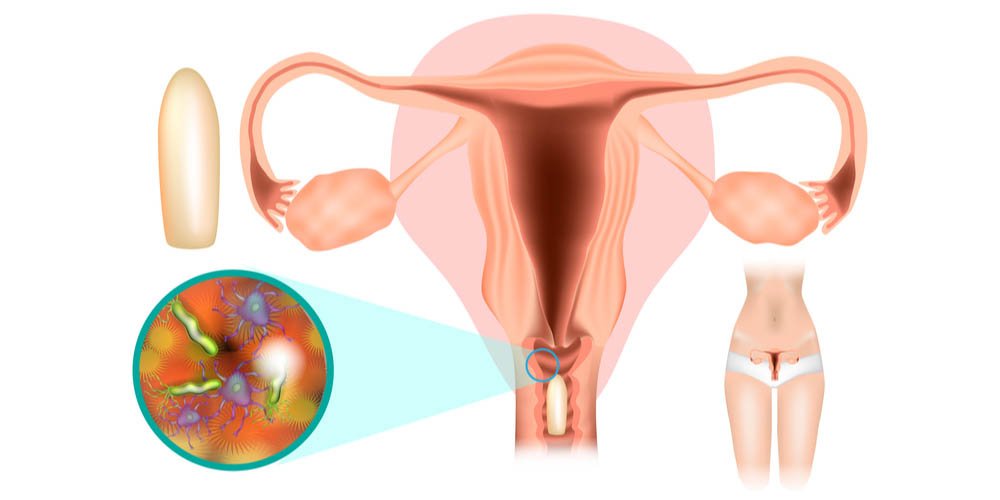
Vaginal suppositories, also known as pessaries, are designed for women’s health. They are used to treat yeast infections, bacterial vaginosis, or dryness. Some also deliver hormones like estrogen or progesterone for medical treatment.
They dissolve inside the vagina and release medicine directly at the site of action, making them very effective.
3. Urethral Suppositories
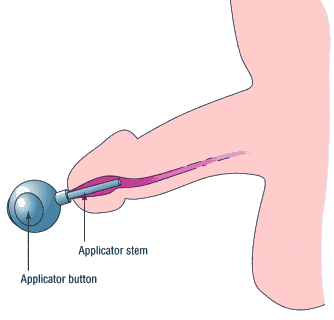
Urethral suppositories are the least common type. They are small and inserted into the urethra. One well-known example is alprostadil, which is used to improve blood flow and treat erectile dysfunction.
Because they act locally, they can provide targeted treatment without affecting the whole body. However, they are used only in specific medical cases.
4. Pediatric Suppositories

These are made especially for children. Kids often resist swallowing tablets or liquid medicines, so suppositories are a practical solution. They are commonly used to reduce fever or relieve constipation.
The doses are carefully adjusted according to children’s age and weight, ensuring they are both safe and beneficial for young patients.
Why Are Suppositories Used?
Suppositories may seem uncommon, but they serve an important medical purpose. They are chosen when other forms of medicine are not practical or effective. Here’s why they are used widely:
1. For Patients Who Can’t Swallow Pills
Not everyone can swallow tablets or capsules. This is common in children, the elderly, or people who are ill. Suppositories provide an easy alternative because they don’t need to go through the mouth or stomach. This makes treatment more comfortable and reliable.
2. For Local Treatment
Sometimes medicine needs to act directly at the site of the problem. Vaginal suppositories treat infections like yeast or bacterial vaginosis. Rectal ones can ease constipation or hemorrhoids. Because the drug is placed right at the site of the issue, it works faster and more effectively.
3. Faster or More Targeted Delivery
Certain medicines act more quickly when absorbed through the rectal or vaginal walls. These areas have a good blood supply, which allows the drug to enter the system without direct passage through the stomach and liver.
This avoids delays and improves results. In fact, rectal absorption can deliver up to 50% of the drug directly into the bloodstream compared to oral intake.
Common Examples of Suppository Medicines
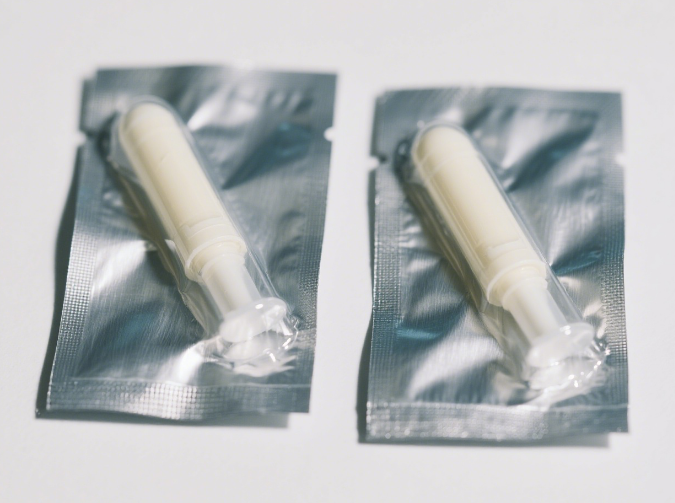
These medicines might not replace tablets, but in certain situations, they’re the best choice.
- Painkillers (Paracetamol): Often given to children with high fever, especially if they are vomiting or refusing oral medicine. Parents find them helpful during emergencies when tablets won’t stay down.
- Anti-Nausea Medicines: After surgery or during chemotherapy, nausea can make swallowing impossible. Suppositories, such as ondansetron, work well in such cases, ensuring the body still absorbs the medicine.
- Antifungal and Anti-Infective Treatments: Vaginal suppositories are common for yeast infections and bacterial issues. They release the drug directly at the site of infection. This makes them faster and more useful than oral alternatives.
Limitations of Suppositories
Suppositories are helpful in many cases, but they are not a perfect solution. Like any dosage form, they come with some drawbacks that patients and healthcare providers must take into consideration.
1. Some Patients Find Them Uncomfortable
For many people, the idea of inserting medicine into the rectum or vagina feels awkward. This discomfort is not just physical; it can also be psychological. Some patients may delay or even skip doses because they don’t like the method of administration.
2. Storage and Melting Issues
Unlike tablets, suppositories are highly temperature-sensitive. They are designed to melt at body temperature, so warm storage conditions can make them soft or unusable before use.
In tropical or hot climates, they often require refrigeration. This makes them less convenient for patients compared to pills that can be carried easily.
3. Limited Use Compared to Tablets or Capsules
Suppositories are not suitable for every drug. They are usually chosen only when patients can’t take medicine by mouth or when local treatment is needed. On the other hand, tablets, capsules, and injections cover a much wider range of conditions.
Need Clarity Beyond the Definition? We Can Help
Understanding the definition of a suppository is just one part of drug formulation. However, the real challenge for manufacturers is choosing the right machinery to produce and package them successfully.
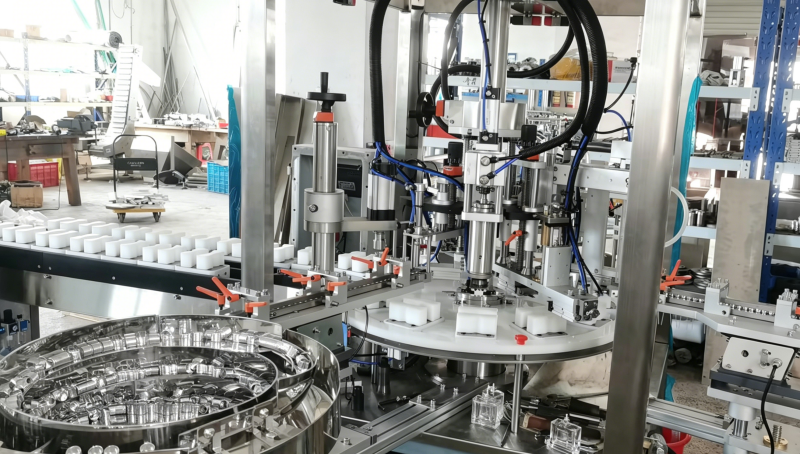
Finetech provides suppository manufacturing machines. Our equipment is designed to meet GMP standards and support you in scaling production with confidence.
Get an instant quote today and see how Finetech can help you out!
FAQs
1. How fast do suppositories work?
Most suppositories begin to work within 15 to 60 minutes. The speed depends on the drug type and where it is inserted. For example, rectal painkillers act faster than oral tablets because they avoid some digestion steps. Vaginal treatments may take longer as they act locally on infections.
2. Are suppositories safe for children?
Yes, suppositories are often prescribed for children, especially for fever or pain relief when swallowing is difficult. Pediatric paracetamol suppositories are common. However, the dose must always match the child’s weight and age. Parents should consult a doctor before use to avoid overdosing or unnecessary side effects.
3. Can suppositories be used during pregnancy?
Some suppositories are safe during pregnancy and are even recommended. However, not all medicines are suitable. Pregnant women should never self-medicate. A doctor’s guidance is crucial, as certain drugs could affect the developing baby.
References:
Suppositories: What Are They, How Do They work, Types.
Suppositories: What They Treat and How to Use Them.
Copyright Notice:
You may not reproduce, modify, publish, display, transmit, or in any way exploit any content on this website, or use such content to construct any kind of database without prior express written approval by Finetech Group. For permission to use the content, please contact: info@pharmamachinecn.com
Disclaimer:
The information contained in this article is for general information purposes only. The Company does not guarantee the accuracy, relevance timeliness or completeness of any information, and the Company assumes no responsibility for errors or omission in the content of this article.