English
  Russian
  Turkish
  Spanish
  French
  German
  Japanese
shrink wrap has become a packaging essential, used to wrap everything from fresh produce to heavy industrial goods. It keeps products safe, extends shelf life, and helps them look their best on store shelves. Demand is growing for films that work well, reduce waste, and support sustainable practices.
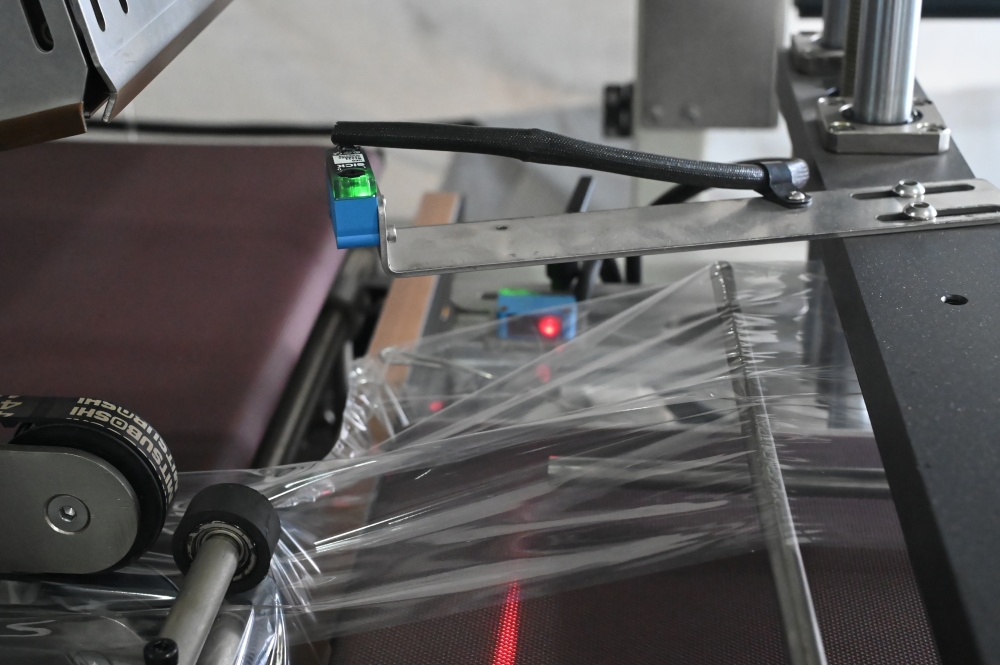
Company Name | Year Founded | Country |
Sealed Air Corporation | 1960 | United States |
Berry Global Group, Inc. | 1967 | United States |
Amcor plc | 1860 | Switzerland |
Intertape Polymer Group Inc. | 1981 | Canada |
Clysar LLC | 1963 | United States |
Bolloré Group | 1822 | France |
Syfan Logistics | 2011 | United States |
Coveris | 2013 | Austria |
Klöckner Pentaplast | 1965 | Luxembourg |
Bonset America Corporation | 1989 | United States |
Sealed Air Corporation
Year Founded: 1960
Main Products:
- Cryovac® polyolefin shrink wraps.
- Opti NXG® microlayered shrink wraps.
- Bubble Wrap® cushioning packaging.
- Instapak® foam-in-place systems.
- Automated bagging and sealing equipment.
Sealed Air Corporation is run out of Charlotte, North Carolina. The whole thing got started back in 1960 in a New Jersey garage, founded by Alfred W. Fielding and Marc Chavannes. They were messing around with a new kind of air-laminated plastic.
What they figured out was that their invention was perfect for protecting things during shipment. That invention was, of course, Bubble Wrap®. This one product launched the entire company, turning it from a garage project into a global name in protective packaging.
The shrink wraps they are known for today are sold under the Cryovac® and Opti NXG® brand names. These films are made using a special microlayering process. Basically, it lets them make the film incredibly thin but still very strong and clear, which saves on plastic.
You’ll find these films used everywhere, but they are a huge deal in the food industry. They help extend the shelf life of products you see in the grocery store. Sealed Air also sells the machinery, like high-speed baggers and shrink tunnels, that businesses need to use the film.
The company even has special Packaging Design Application Centers. Businesses can go there for help figuring out how to package items with weird shapes or fragile parts. Their research teams are always trying to find the perfect balance of shrink force and strength to wrap tricky items without damaging them.
Berry Global Group, Inc.
Year Founded: 1967
Main Products:
- RPC® stretch and shrink wraps.
- Flexible polyolefin and barrier films.
- Rigid plastic containers, bottles, and closures.
- Nonwoven engineered materials.
- Specialty tapes and corrosion protection products.
Berry Global Group, Inc., has its main office in Evansville, Indiana. It was founded in 1967 by Robert Morris, but back then it was called Imperial Plastics. The business started out very small, just making plastic caps for aerosol cans.
It didn’t stay a small cap-maker for long, though. The company grew by aggressively buying other packaging businesses. This strategy transformed it into a major global player in the industry.
Today, its Flexible Packaging segment produces a huge range of shrink and stretch films. The lineup includes high-performance polyolefin films that are used to bundle products together for stores. You’ll also find their films wrapping fresh produce and securing heavy industrial goods.
They’ve engineered some films for very specific jobs. A good example is their anti-fog film, which keeps the view clear on fresh food packages. All their films are designed for good clarity and strength, creating a solid, reliable seal when wrapped.
Berry Global’s manufacturing footprint is massive, with more than 265 facilities spread across the world. This scale means they can make film in just about any width or thickness a customer could want.
The company, led by CEO Kevin J. Kwilinski, is always pushing for new innovations, like finding ways to print sharp, high-quality graphics right onto their shrink wraps. Its main focus remains on developing better packaging to protect the things that matter to businesses and consumers.
Amcor plc
Year Founded: 1860
Main Products:
- DairySeal™ barrier shrink wraps.
- Flow-Tite™ shrink wraps for meats and cheese.
- High-clarity thermoforming shrink wraps.
- Primary lidding films and pouch materials.
- Sustainable recycle-ready PE shrink wraps.
Amcor plc’s headquarters are in Zurich, Switzerland, but its story began a long, long time ago in Australia. Think about this—the company’s roots go all the way back to the 1860s when Samuel Ramsden opened a paper mill in Melbourne.
For many years, it operated as Australian Paper Manufacturers. It was a paper company, through and through. It wasn’t until much later in the 20th century that the business shifted its focus toward flexible packaging and changed its name to Amcor to reflect that wider scope.
The shrink wraps Amcor makes today are heavily used by food and beverage companies. They have specific products engineered for certain foods, like the DairySeal™ and Flow-Tite™ films. These are made to give products like cheese, meat, and dairy a much longer life on the shelf.
The secret to these films is their barrier properties. They are excellent at blocking out oxygen and moisture, which are the main culprits behind food spoilage. They are also known for being very clear, which makes the food inside look good to shoppers.
Amcor operates more than 200 sites in over 40 countries. It works closely with the companies that build packaging machinery to make sure the films run smoothly and efficiently.
A huge part of their story now is sustainability. The AmPrima® line of films, for instance, is designed from the ground up to be easier to recycle. These films can even contain up to 24% post-consumer recycled plastic, which is a big step in reducing waste.
The company is dual-listed on both the Australian and New York stock exchanges. Under CEO Peter Konieczny, Amcor keeps investing in recycling technologies and new production lines to meet the growing customer demand for greener packaging.
Intertape Polymer Group Inc.
Year Founded: 1981
Main Products:
- ExlfilmPlus® crosslinked polyolefin shrink wraps.
- ExlfilmPlus® PCR recycled content shrink wraps.
- EXLFilm® high-speed and global performance shrink wraps.
- EXLFilmPlus® confidentiality (opaque) shrink wraps.
- EXLFilmPlus® Global Performance Lite shrink wraps.
Intertape Polymer Group Inc., or IPG, is a bit unusual in that it has headquarters in two countries: Montreal, Canada, and Sarasota, Florida. The company was started in 1981 by Melbourne F. Yull, beginning its life as a regional tape seller before expanding into film-based packaging.
Its shrink wrap business is all about the Exlfilm® and ExlfilmPlus® brands. The thing that makes these films special is a crosslinking process. This technology makes the films remarkably strong, clear, and easy to seal, which is why they are so popular for bundling products for warehouse clubs.
Because the films are so strong, you can get away with using much thinner gauges. This is a big deal for businesses because it means they can wrap more products with each roll, saving money on materials without losing any protective strength. IPG was also a pioneer in making shrink wraps with post-consumer recycled (PCR) content.
The company also makes some very specialized products. One of them is the ExlfilmPlus® SHIELD film, which is opaque. You can’t see what’s inside, which provides security for high-value or private items during shipping. The company continues to focus on improving its sustainable offerings.
Clysar LLC
Year Founded: 1963
Main Products:
- HP Gold all-purpose shrink wraps.
- Anti-Fog AFG produce films.
- ShrinkBox® corrugate-replacement films.
- LTC thin films for lowest total cost.
- Recyclable EV-HPG® and ULTRA LEG™ films.
Clysar LLC is based out of Clinton, Iowa. Since it was founded in 1963, the company has had one single focus. It makes polyolefin shrink wraps. That’s it.
They don’t do anything else. Just shrink wrap. This intense focus has made them experts in the field. From their two U.S. plants, Clysar produces over 300 different grades of film designed for all sorts of display and industrial packaging jobs.
Their flagship product is a film called HP Gold. It’s a fantastic all-purpose film you’ll see used to wrap everything from multipacks of soda and baked goods to board games and software boxes. They also have highly specialized films for particular uses.
For example, their Anti-Fog AFG films are designed to keep moisture from building up on fresh food packages. Then there’s their ShrinkBox® film, which is a heavy-duty material so tough it can actually replace cardboard boxes for shipping some items.
Clysar is serious about quality, and all their films are approved for food contact by the FDA and USDA. This “Only shrink wrap” strategy allows them to pour all their energy into innovation, like developing new polyethylene films that are prequalified for in-store recycling drop-off bins.
Bolloré Group
Year Founded: 1822
Main Products:
- Bolphane® ultra-thin polyolefin shrink wraps.
- Bolfresh® food-grade barrier and anti-fog films.
- Bolphlex™ stabilized PP films for industrial packaging.
- Custom printed shrink wraps.
- Perforated and breathable shrink solutions.
The Packaging Films division of Bolloré Group has its main office in Brittany, France. This company’s history is incredibly long, stretching back to a paper mill founded in 1822. It began producing its now-famous Bolphane® shrink wrap in 1983.
The company is renowned for one thing in particular: making shrink wraps that are exceptionally thin but also surprisingly tough and recyclable. Their Bolphane® films can be less than 25 micrometers thick—that’s thinner than a human hair. This allows businesses to save on material costs while still getting a tight, protective wrap.
For food products, the Bolfresh® series offers films with special barrier properties and anti-fog coatings. These features are critical for keeping fresh and frozen foods safe and looking good, making them a popular choice for meat, cheese, and produce processors.
These advanced films are made to run on all kinds of machinery, from simple manual wrappers to fully automated high-speed systems. As part of a large, family-controlled conglomerate, Bolloré draws on its deep expertise to create custom solutions, like the Bolphane® R3 film that contains recycled content.
Syfan Logistics
Year Founded: 2011
Main Products:
- Third-party logistics for shrink wraptransport.
- Full truckload and LTL services.
- Temperature-controlled freight shipping.
- Power-only drop-and-hook transport.
- 24/7 in-house dispatch and cargo insurance.
Syfan Logistics, based in Gainesville, Georgia, is the odd one out on this list. Founded in 2011 by Jim Syfan and his family, this company doesn’t make shrink wrap at all. Instead, it’s a logistics specialist that has become an expert in transporting it.
It’s a critical link in the supply chain. Syfan uses its own fleet of trucks, including refrigerated ones, to get the massive rolls of film from the manufacturing plants to the businesses that will use them. They also have a huge network of partner carriers they can call on to handle hundreds of shipments a week.
They handle all the headaches of shipping. This includes arranging temperature-controlled freight for sensitive materials and providing full cargo insurance so customers don’t have to worry. They can also handle urgent, expedited shipments that need to get somewhere fast.
The company prides itself on its 24/7 in-house communications team. This team gives customers real-time updates on where their shipments are and proactively manages any problems to avoid delays. Syfan has carved out a niche as a reliable, “drama-free” partner for moving delicate and valuable packaging materials.
Coveris
Year Founded: 2013
Main Products:
- MonoFlex® mono-material recyclable shrink wraps.
- PolyFlex® recyclable block cheese shrink wraps.
- MonoFlex Fibre® paper-based flexible shrink solutions.
- DuraLite™ PCR-based PE shrink wraps.
- Custom printed and lidding films.
Coveris has its headquarters in Vienna, Austria. The company was formed in 2013 when a handful of different packaging businesses in Europe and North America decided to merge into a single entity. It is now a major supplier of shrink wraps across both continents.
The company works under a clear vision: “No Waste.” Everything they do is aimed at creating more sustainable packaging. Their MonoFlex® films are a perfect example. They are made from a single material, which makes the recycling process much simpler and more effective.
They have other products that fit this vision, too. Their PolyFlex® shrink wraps provide a recyclable alternative to the old multi-material laminates that were commonly used for block cheese. Coveris has even created a paper-based option called MonoFlex Fibre® for businesses looking to use fiber-based packaging.
Coveris operates a number of advanced manufacturing plants and has a dedicated Packaging Innovation Centre in Germany. This is where their teams work on developing new film formulations and printing methods.
The overall goal is always to create packaging that is better for the environment. They do this by integrating recycled content, making films lighter, and simplifying waste streams for consumers. All this helps their customers hit their own green targets without giving up performance.
Klöckner Pentaplast
Year Founded: 1965
Main Products:
- PETG and PET shrink wraps for shrink sleeves.
- PVC shrink wraps for tamper-evident bands.
- High-barrier multilayer packaging films.
- Blister and carton lidding films.
- Recycled-content and PCR film solutions.
Klöckner Pentaplast, which everyone just calls kp, has its main headquarters in Luxembourg. The company also has major offices in London, Germany, and Gordonsville, Virginia. It was originally founded in Germany way back in 1965.
It started out as a part of a larger corporation but grew on its own into a global force in both rigid and flexible films. A key moment in its history was the opening of its first American plant in Virginia in 1979, which cemented its presence in North America.
A lot of what kp produces is probably something you’ve seen before, even if you didn’t know it. They are a big maker of PETG films for shrink sleeves—the colorful, full-body labels that conform to the shape of drink bottles and other containers.
They also make the PVC shrink wraps that are used for tamper-evident bands. These are the small plastic seals you break when you first open a jar of pickles or a bottle of aspirin. They’re a simple way to show that a product is safe and unopened.
With 35 plants in 18 countries, kp’s global reach is huge. Their advanced technology allows them to produce very thin films that still have reliable strength and consistent shrink performance.
The company is guided by its sustainability strategy, which it calls “Investing in Better.” This pledge pushes them to use more recycled materials in their products. It also drives them to design new films with recyclability in mind from the very beginning.
Bonset America Corporation
Year Founded: 1989
Main Products:
- BONPET® PETG heat-shrinkable films.
- BONSET® PVC heat-shrinkable films.
- BONFLEX® OPS and SBS opaque shrink wraps.
- BONPET RENEW™ recyclable PETG films.
- BONPET 1U UV-detectable tamper films.
Bonset America Corporation is located in Browns Summit, North Carolina. The company was set up in 1989 as the first U.S. operation of a Japanese company, CI Kasei Co., Ltd. The North Carolina facility is the hub for all their North American business.
The company’s core business is making monoaxially oriented, heat-shrinkable films. These films are primarily used to create full-body sleeve labels and tamper-evident bands. Their BONPET® PETG films are well-regarded for their high gloss and clarity, making them a top choice for premium product labels.
They offer a lot of variety. Some versions of their film have UV inhibitors to protect the product inside from sunlight. They also make opaque white films that block light completely and can provide a matte or glossy finish for specialty packaging.
At their plant, the focus is on quality control and helping customers succeed. Bonset’s technical team works closely with the businesses that use their films. They help them dial in their machine settings to get the perfect shrink every time, avoiding common problems like wrinkles or “flowering” at the edges of the label.
Conclusion
shrink wrap protects and preserves products in many industries from food to industrial goods. New materials and processes make films lighter and stronger while also improving sustainability. Leading suppliers focus on better clarity, strength and recyclability to meet business and environmental needs.