English
  Russian
  Turkish
  Spanish
  French
  German
  Japanese
A
Acetaminophen Tylenol. It’s probably in your medicine cabinet right now. It kills pain and drops fevers by working in your brain, which makes it different from ibuprofen since it doesn’t touch inflammation at all. Keep it under 3,000mg daily or your liver will suffer. Check your cold medicine and sleep aid labels because this stuff sneaks into everything.
Albuterol The rescue inhaler you grab when you can’t catch your breath during an asthma attack. Opens your airways up within minutes. Your hands might get shaky and your heart speeds up a bit afterward, but that’s normal. Most people with asthma keeps one nearby.
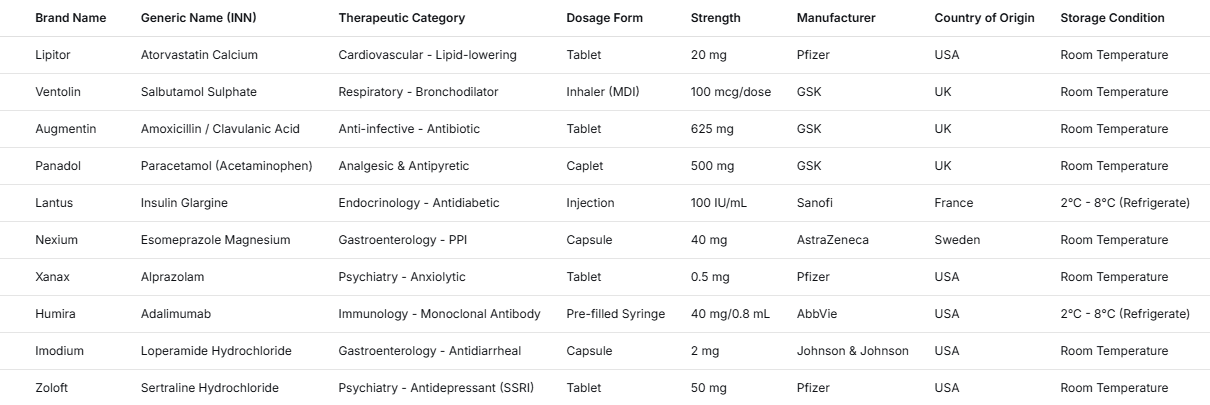
Alprazolam Xanax. Calms you down fast when anxiety or panic hits hard. The problem is it works almost too well and people get hooked quickly. Doctors know this, which is why they don’t like keeping anyone on it long term. Getting off takes months of gradual tapering.
Amoxicillin The pink liquid practically every kid has taken at some point. Doctors reach for it first because it handles tons of common infections without being too harsh on the body. Ears, throat, bladder, you name it. Some people break out in rashes from it though.
Aspirin Been around forever and still pulls its weight for pain, fever, and swelling. Here’s the other trick though: tiny daily doses keep your blood from clotting too easily, which is why heart patients take baby aspirin. Just watch it if your stomach’s sensitive because it’s rough on the gut lining.
Atenolol Beta blocker. Tells your heart to calm down and brings blood pressure lower by blocking adrenaline. Two important things to remember: don’t stop it suddenly, and people with asthma should probably pick something else.
Atorvastatin Lipitor. The cholesterol drug everybody’s heard of. It tells your liver to ease up on making cholesterol. Nighttime dosing works best. The main complaint you hear? Sore muscles. Common actually.
Azithromycin The Z-pack. Five days of pills and you’re done because it hangs around in your system way longer than other antibiotics. Works well for respiratory stuff and certain STDs. Rarely messes with heart rhythm.
B
Baclofen Loosens up tight muscles for people dealing with MS or spinal cord injuries. It works on your spine rather than the muscles directly, so you’ll feel drowsy at first. Whatever you do, don’t quit cold turkey if you’ve been on it awhile because seizures can happen.
Benzonatate Weird cough medicine that works by numbing the stretch sensors in your lungs instead of suppressing coughs in your brain. You have to swallow these capsules whole though. Bite into one and your entire throat goes numb for hours.
Bupropion Wellbutrin. Works differently than most antidepressants, which is why it skips the weight gain and bedroom problems that others cause. Bonus: it also helps people quit smoking. Just stay away if you’ve ever had seizures.
C
Carvedilol Heart failure drug. Basically a beta blocker plus a blood vessel relaxer in one pill. Doctors start you real low and work up slowly. You might get dizzy standing up at first but give your body time to adjust.
Cephalexin Keflex. Been around forever but still does the job for skin and bladder infections. It’s related to penicillin though, so if penicillin messes you up, this one might too. Most people tolerate it fine.
Cetirizine Zyrtec. Handles allergies without turning you into a zombie like the old stuff did. One tablet covers you for a full day. Maybe you’ll feel slightly drowsy but nothing dramatic.
Ciprofloxacin Cipro. Heavy artillery that doctors save for when nothing else works. It can damage tendons and nerves, which is why it’s not a first choice. Don’t take it with milk or antacids because they mess with absorption.
Citalopram Celexa. Boosts serotonin for depression and anxiety but takes about a month to really kick in. At higher doses it can do weird things to heart rhythm, so older folks need monitoring.
Clindamycin Gets into bones really well, which makes it perfect for dental infections that spread. Also handles skin stuff nicely. The worry is C. diff, a nasty gut infection that sometimes shows up during treatment. Probiotics might help prevent it.
Clonazepam Klonopin. Lasts longer than Xanax, which is both good and bad. You get a steadier effect but it’s also easier to become dependent on over time. Usually not the first thing doctors reach for.
Clopidogrel Plavix. Prevents blood clots after heart attacks or when you’ve got stents. It works differently than aspirin, which is why some people take both together. Here’s the thing: your genetics actually determine how well this drug works for you.
D
Dexamethasone Powerful steroid. Knocks inflammation down hard. COVID complications, cancer treatment, severe allergies, it handles all of it. Expect sleep problems and blood sugar spikes while you’re on it. Short courses are fine but long term gets complicated.
Diazepam Valium. The classic. Works for anxiety, muscle spasms, seizures, and alcohol withdrawal. Versatile honestly. It acts fast and sticks around in your system, but dependence can sneak up on you.
Diclofenac Anti-inflammatory that comes as pills, patches, or gel. The topical versions are nice because you mostly skip the stomach and heart worries. Still need to watch your kidneys and blood pressure with regular use though.
Diltiazem Slows your heart and relaxes blood vessels for blood pressure and chest pain. If you’ve got extended release pills, swallow them whole. Oh and stay away from grapefruit juice because it cranks up the drug levels significantly.
Diphenhydramine Benadryl. Old school allergy med that makes you incredibly sleepy, which is why it shows up in PM medicines and sleep aids. Older folks should be careful since it can cause confusion and make falls more likely.
Doxycycline Antibiotic for acne, Lyme disease, and respiratory infections. Fair warning: the sun will absolutely fry you while you’re taking this. Drink plenty of water and stay upright after swallowing it or your throat gets irritated badly.
Duloxetine Cymbalta. Does double duty as an antidepressant that also tackles nerve pain and fibromyalgia. It boosts two brain chemicals at once. Nausea is common early but passes. Don’t stop suddenly though because the withdrawal is rough.
E
Enalapril ACE inhibitor for blood pressure. Relaxes your vessels and protects your heart and kidneys over time. That dry cough it causes bugs some people enough to switch medications. Keep an eye on potassium levels too.
Escitalopram Lexapro. Basically a cleaner version of Celexa and super popular for anxiety and depression. Works within a few weeks usually. Some people deal with sex drive issues or feeling emotionally flat.
Esomeprazole Nexium. The purple pill. Shuts down acid production in your stomach for reflux and ulcers. Take it before breakfast for best results. Short term use is totally safe, though long term has raised some concerns.
F
Famotidine Pepcid. Works differently than Nexium by blocking a different pathway for acid. Kicks in within an hour and lasts about twelve. Fewer interactions with other drugs too, making it a good option when stronger stuff isn’t needed.
Fentanyl Incredibly potent painkiller. Way stronger than morphine. Patches release it slowly over days. This is strictly for people who already tolerate other opioids because the gap between an effective dose and a dangerous one is scary small.
Fluconazole Diflucan. Handles fungal infections and one pill often clears up a yeast infection completely. It interacts with a bunch of other medications though, so check on that. Pregnant women need to avoid it.
Fluoxetine Prozac. The original. Still going strong for depression, anxiety, and OCD. It sticks around in your body longer than similar drugs. Takes weeks to fully work, and weight changes plus sexual side effects bother some folks.
Furosemide Lasix. Powerful water pill. Makes you pee out excess fluid within hours. Heart failure and kidney patients use it a lot. Problem is it flushes potassium too, so you need regular blood work.
G
Gabapentin Neurontin. Started as a seizure drug but now it’s mostly prescribed for nerve pain. It calms down those overactive pain signals. Build your dose up gradually to avoid feeling too out of it. Some folks misuse it for the mellow feeling, which has caused prescribing problems.
Glipizide Diabetes med. Squeezes more insulin out of your pancreas. Take it before you eat. If you skip a meal afterward, your blood sugar can tank. Weight gain tends to happen over time.
H
Hydrochlorothiazide HCTZ. Water pill that’s been around forever. Cheap, effective, and well tolerated for blood pressure. Get your potassium checked periodically and watch your sun exposure. Often paired up with other BP meds.
Hydrocodone Mixed with Tylenol as Vicodin usually. It’s a common opioid for moderate to severe pain. Highly addictive, which everyone knows by now. Constipates you for sure. Prescriptions have dropped a ton but it’s still used plenty.
Hydroxyzine Vistaril. Old antihistamine that sedates you pretty well. Doctors sometimes pick it over addictive anxiety meds for short term situations. Dry mouth and next day grogginess are the tradeoffs.
I
Ibuprofen Advil. Motrin. You know this one. Tackles pain, fever, and swelling all at once. Eat something with it to spare your stomach. Long term though, the risks add up for your stomach, heart, and kidneys.
L
Lamotrigine Lamictal. Handles seizures and stabilizes mood in bipolar disorder. Here’s the critical part: you have to start extremely low and increase super slowly because there’s a rare but serious rash that happens if you rush it. Unlike other mood stabilizers, it doesn’t cause weight gain.
Levofloxacin Levaquin. Another heavy duty antibiotic like Cipro with the same scary warnings about tendons and nerves. Reserved for bad pneumonia and serious UTIs when gentler options won’t cut it. Sun avoidance required.
Levothyroxine Synthroid. Replaces thyroid hormone when yours can’t keep up. Finding the right dose takes time with lots of blood tests and adjustments. So many things mess with absorption that consistency becomes really important.
Lisinopril Most prescribed blood pressure med probably out there. It’s an ACE inhibitor that works well and protects your heart and kidneys. That annoying dry cough affects maybe one in ten people. Avoid potassium supplements and salt substitutes.
Lorazepam Ativan. Acts fast, especially by injection in emergencies for seizures. The oral form helps with anxiety and insomnia. Like all benzos, dependence develops with regular use, so it’s best kept for short term or occasional situations.
Losartan Cozaar. Lowers blood pressure by blocking a hormone that tightens vessels. Big advantage over ACE inhibitors: no cough. It protects diabetic kidneys too. Feeling dizzy when you first stand up is normal early on.
M
Meloxicam Mobic. Once daily arthritis relief. Some doctors think it’s easier on the stomach than ibuprofen, though you still have the usual anti-inflammatory risks to watch for. Takes a few days of regular use to feel the full benefit.
Metformin First choice for type 2 diabetes that helps your body use insulin better without crashing blood sugar on its own. Stomach troubles are common at first but settle down. There’s a rare but serious complication with kidneys to be aware of.
Methadone Long acting opioid for chronic pain and getting people off heroin. It stays in your system a long time, which helps stabilize people but also means doses can stack up dangerously if you’re not careful.
Methylprednisolone Medrol dose pack. Doctors hand it out for allergic reactions and inflammation flares. It’s a steroid that works fast but might mess with your sleep and mood temporarily. Longer courses need tapering.
Metoprolol Lopressor. Beta blocker. Slows your heart rate and lowers blood pressure. Also used for heart failure. The extended release version keeps things smoother with once daily dosing. Feeling tired with cold hands and feet? Totally normal on this medication.
Metronidazole Flagyl. Kills gut infections, vaginal infections, and parasites. Here’s the major rule: absolutely no alcohol or you’ll vomit violently. The metallic taste it leaves is annoying but temporary and harmless.
Montelukast Singulair. Prevents asthma and allergy symptoms when taken daily. It won’t help during an actual attack though. The FDA put out warnings about mood changes and dark thoughts, so that’s worth knowing about.
Morphine Gold standard for severe pain still after all these years. Hospice and end of life care rely on it heavily. It constipates absolutely everyone, so you’ll need something to counteract that.
N
Naproxen Aleve. Lasts longer than ibuprofen, which makes it popular for menstrual cramps and arthritis. Same general risks as other anti-inflammatories. Some research suggests it might be slightly easier on hearts, but the evidence goes back and forth.
Nortriptyline Old antidepressant that found new life treating chronic pain and preventing migraines. It affects lots of brain chemicals, which means lots of side effects too: dry mouth, constipation, drowsiness. Overdose can be dangerous, so prescriptions are handled carefully.
O
Omeprazole Prilosec. The original proton pump inhibitor and now you can grab it over the counter. It shuts down stomach acid production for reflux. Take it before breakfast for best results. Short term use is very safe, though some questions about long term use have come up.
Ondansetron Zofran. Started in cancer treatment for chemo nausea but now doctors use it for all kinds of nausea. The dissolving tablets are great when you can’t keep regular pills down. Some people get headaches or constipation from it.
Oxycodone Powerful opioid. OxyContin is the extended release version. It basically became the poster child for the addiction crisis, so prescribing rules are much tighter now. Still still needed for severe pain that nothing else touches.
P
Pantoprazole Protonix. Another acid blocker like Nexium for reflux and ulcers. You get the best results by taking it before meals. There’s an IV version for hospital patients who can’t swallow pills.
Paroxetine Paxil. More sedating than other antidepressants, which can actually help if anxiety is wrecking your sleep. The downsides? Withdrawal hits hard if you stop too quickly, and weight gain bothers a lot of people over time.
Potassium Chloride Replaces the potassium that water pills flush out of your body. Low potassium messes with your heart rhythm and muscle function, so it matters. Extended release tablets are gentler on the stomach. Take with plenty of water.
Pravastatin Statin that plays nicer with other medications than most, so it works well when drug interactions are a concern. It might cause less muscle pain too. The tradeoff is you usually need higher doses to move cholesterol numbers.
Prednisone Most common oral steroid. Doctors hand out for inflammation and immune problems. Short bursts are routine and manageable. Long term though, it affects sleep, mood, weight, and bone density. It’s a lot to deal with.
Pregabalin Lyrica. Nerve pain and fibromyalgia. It’s similar to gabapentin but packs more punch at lower doses. Expect dizziness and drowsiness when you first start. Weight gain and puffy ankles affect some people. It’s now classified as controlled because of misuse concerns.
Promethazine Phenergan. Nausea and motion sickness but sedates you heavily. One serious warning: if injected wrong, it can cause severe tissue damage, which is why doctors prefer oral or rectal forms.
Propranolol Inderal. Beta blocker that covers a lot of ground: blood pressure, tremors, migraine prevention, and stage fright. Public speakers and musicians love it because it blocks the physical symptoms of nervousness. Just don’t use it if you have asthma.
Q
Quetiapine Seroquel. Schizophrenia and bipolar disorder, but low doses have become popular off label for sleep. Long term concerns include weight gain and blood sugar problems. The heavy sedation at first usually lightens up as your body adjusts.
R
Risperidone Risperdal. Helps with schizophrenia, bipolar disorder, and irritability in autism. It can cause weight gain and mess with hormones. Movement side effects happen less often than with older antipsychotic drugs at least.
Rosuvastatin Crestor. One of the strongest statins out there and gets the job done at lower doses. Asian patients often do fine with even smaller amounts. Muscle pain remains possible like with any statin.
S
Sertraline Zoloft. Might be the most prescribed antidepressant in the world, handling depression, anxiety, PTSD, and OCD with a solid safety track record. Stomach upset is common when you first start. Sexual side effects are the main complaint from long term users.
Simvastatin Zocor. Went generic years ago so it’s super affordable. High doses got linked to more muscle problems though, so max recommendations have dropped. Take it at bedtime and watch your grapefruit juice intake.
Spironolactone Aldactone. Diuretic that also blocks certain hormones. Doctors use it for heart failure, blood pressure, and hormonal acne in women. It raises potassium levels, so you’ll need monitoring. Some men develop breast tenderness.
Sumatriptan Imitrex. Stops migraines by shrinking blood vessels and blocking pain signals. Works best when taken early in an attack. You can get it as pills, nasal spray, or shots depending on how fast you need relief. People with heart risk factors get screened first.
T
Tamsulosin Flomax. Helps men with enlarged prostates pee easier by relaxing the muscles that squeeze things shut. Works within days but full effect takes weeks. Dizziness and ejaculation changes are common. If you need cataract surgery, make sure to tell your eye doctor.
Tizanidine Zanaflex. Muscle relaxer that causes less weakness than some alternatives, though it’s more sedating. Food dramatically affects how much you absorb, so try to stay consistent. Liver function needs periodic checking.
Topiramate Topamax. Handles seizures and prevents migraines. Some people lose weight on it, which can be a bonus. The brain fog and trouble finding words really annoy a lot of users though. Kidney stones and tingling sensations round out the side effects.
Tramadol Ultram. Milder opioid with some antidepressant like properties mixed in. It’s generally less addictive than the heavy hitters but the risk is still real. High doses or mixing it with certain other meds can trigger seizures.
Trazodone Mostly prescribed at low doses for sleep rather than depression. It helps you drift off without the dependence risk that comes with traditional sleeping pills. Morning grogginess is the main complaint. Higher doses can treat depression but other meds usually work better for that.
V
Valacyclovir Valtrex. Antiviral for cold sores, genital herpes, and shingles. Your body converts it more efficiently than the older version, so you don’t have to take as many pills. Starting treatment early gives you the best results. Daily use can prevent recurrent outbreaks.
Venlafaxine Effexor. Antidepressant that boosts both serotonin and norepinephrine. It treats depression, anxiety, and sometimes chronic pain. Here’s the catch: stopping it causes nasty withdrawal symptoms, so you have to taper very slowly.
Verapamil Calan. Calcium channel blocker for blood pressure, heart rhythm problems, and migraine prevention. It slows your heart more than similar drugs, which helps certain conditions. Constipation is extremely common. Grapefruit juice will spike your drug levels.
W
Warfarin Coumadin. Old school blood thinner that’s been around for decades. It prevents clots but requires constant blood test monitoring and careful dose adjustments. The list of food and drug interactions is endless, so keeping your diet consistent really matters. Newer blood thinners have replaced it for many people, but some conditions still call for this one.
Z
Zolpidem Ambien. Sleep pill that knocks you out fast. It’s meant for short term use because tolerance and dependence build up. Strange behaviors like sleep eating and even sleep driving have been reported. Women need lower doses than men because they process the drug more slowly.