English
  Russian
  Turkish
  Spanish
  French
  German
  Japanese
Pharma foil printing machines are a must-have for pharmaceutical manufacturers. In the U.S., FDA regulations (21 CFR Part 211) require that drug packaging be accurate, legible, and tamper-evident.
To meet these standards, pharma foil printing machines print key information on blister packs and sachets. They ensure that product details, such as batch numbers, expiry dates, and dosage is clearly displayed on the packaging.
Keep reading if you’re interested in learning how pharma foil printing machines work. We’ll also discuss the main types of foil printing machines and their importance in the pharmaceutical industry.
What is a Pharma Foil Printing Machine?
It is precision equipment used to print critical information on pharmaceutical packaging foils. The machine prints details such as drug names, expiry dates, barcodes, dosage, and branding logos.
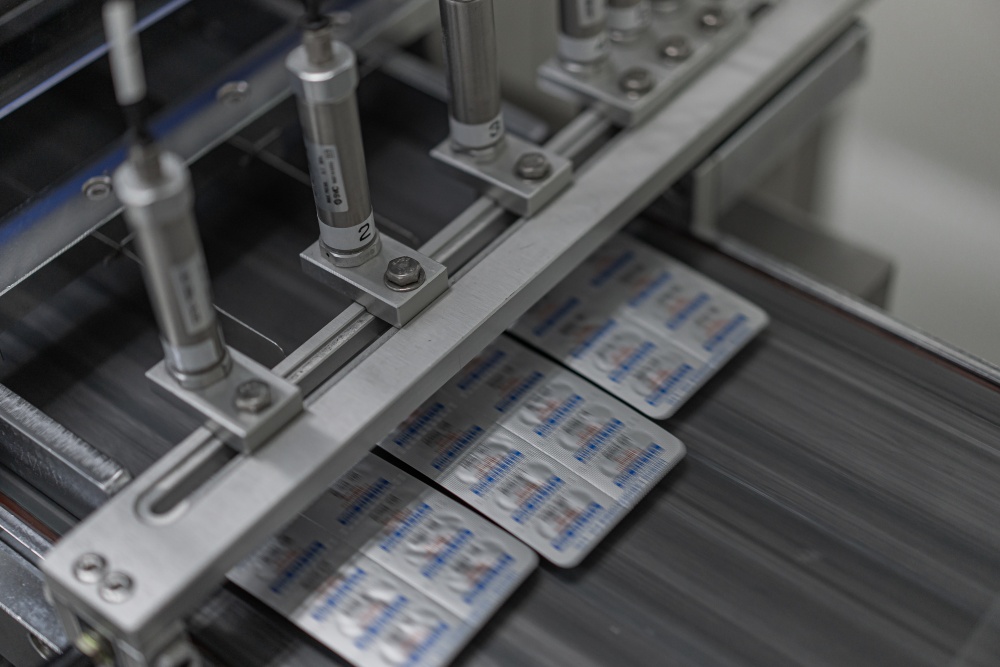
Pharmaceutical companies rely on these machines for fast and accurate printing. The advanced print-head and consistent ink-transfer ensures the print adheres firmly to the foil. As a result, the packaging withstands handling, transportation, and storage without fading.
Recent FDA data analysis reveals that 19% of drug recalls are due to labelling or packaging issues. Pharma foil machines prevent these costly recalls by minimizing printing errors, protecting the brand’s reputation and patients’ health.
Types of Pharma Foil Printing Machines
Pharma foil printing machines are a critical part of the $174.85 billion pharma packaging industry. Without these machines, printing on blister packs, sachets, and other pharma packaging would be slow, inconsistent, and prone to errors.
Let’s understand the common types of pharma foil printing machines and how they differ:
1. Flexographic Printing Machines
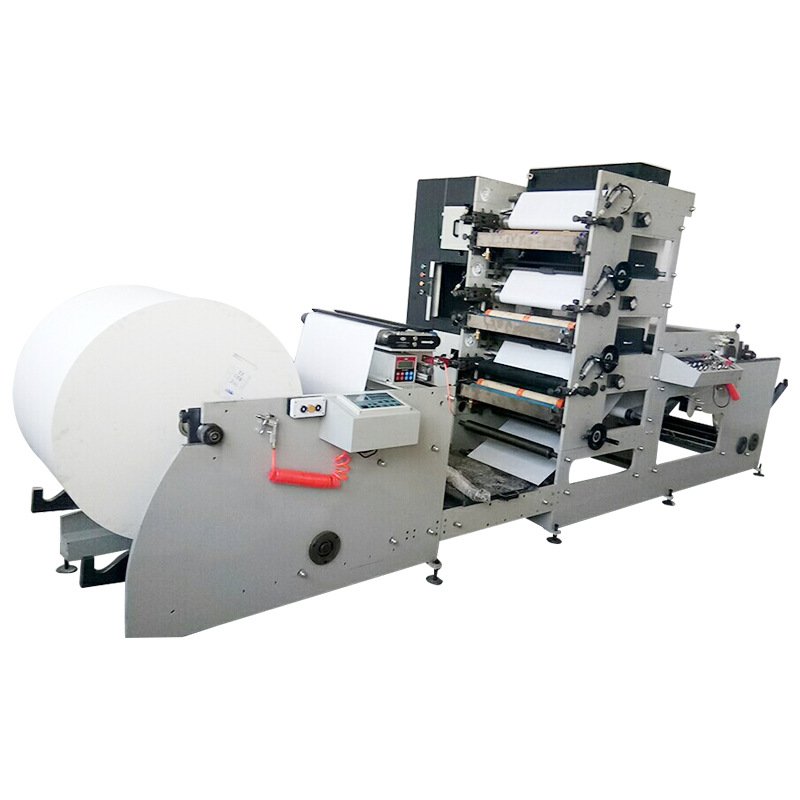
A flexographic printing machine consists of a photopolymer plate and an anilox roller. The plates are mounted on rotating cylinders, which transfer fast-drying ink onto the foil. These machines are often chosen for large-scale production, where thousands of blister pack foils are printed per hour.
2. Rotogravure Printing Machines
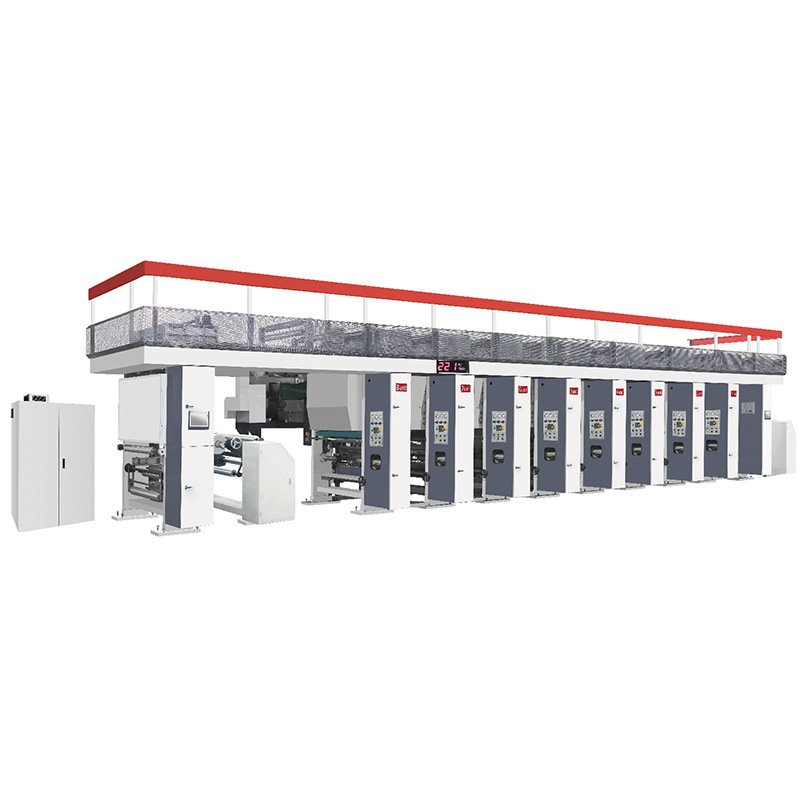
Rotogravure printing machines are known for their high-resolution prints. They transfer the ink from engraved cylinders directly onto the foil. The smooth gradients, rich colors, and consistent results are especially important for complex designs.
Materials used for rotogravure printing include aluminum foil, PET films, and laminated structures.
3. Digital Printing Machines
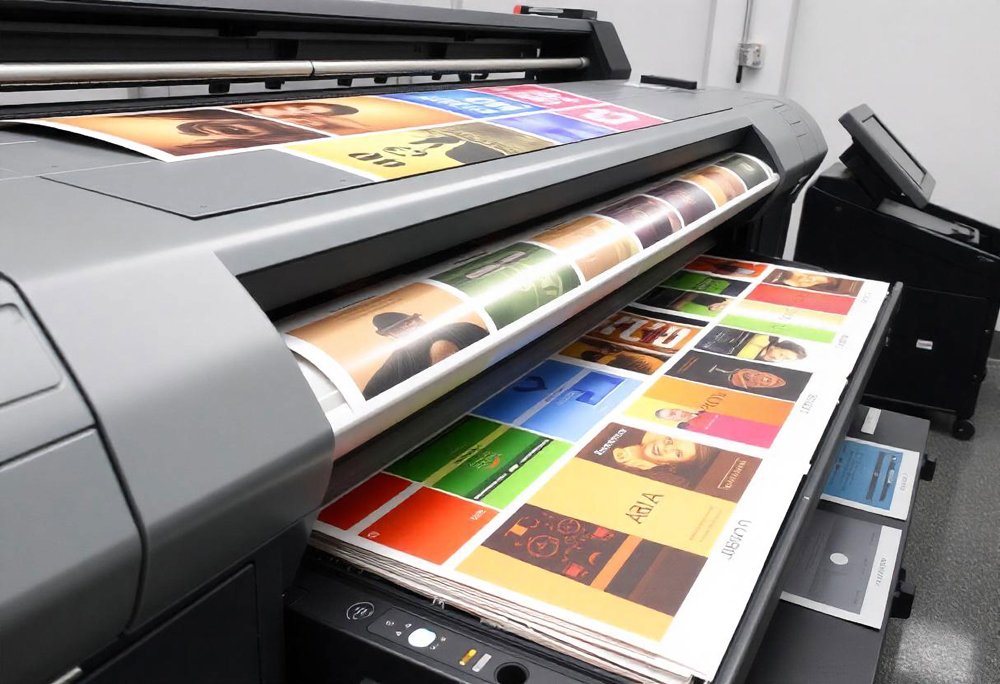
Unlike flexographic and rotogravure printing machines, digital printing machines don’t use plates or cylinders. They directly print from digital files through laser or inkjet technologies and offer up to 600 dpi resolution.
Digital printing is the best option for short batches and trial runs. Pharmaceutical companies use it when they need variable data, such as QR codes, serial numbers, and expiration dates.
4. Screen Printing Machines
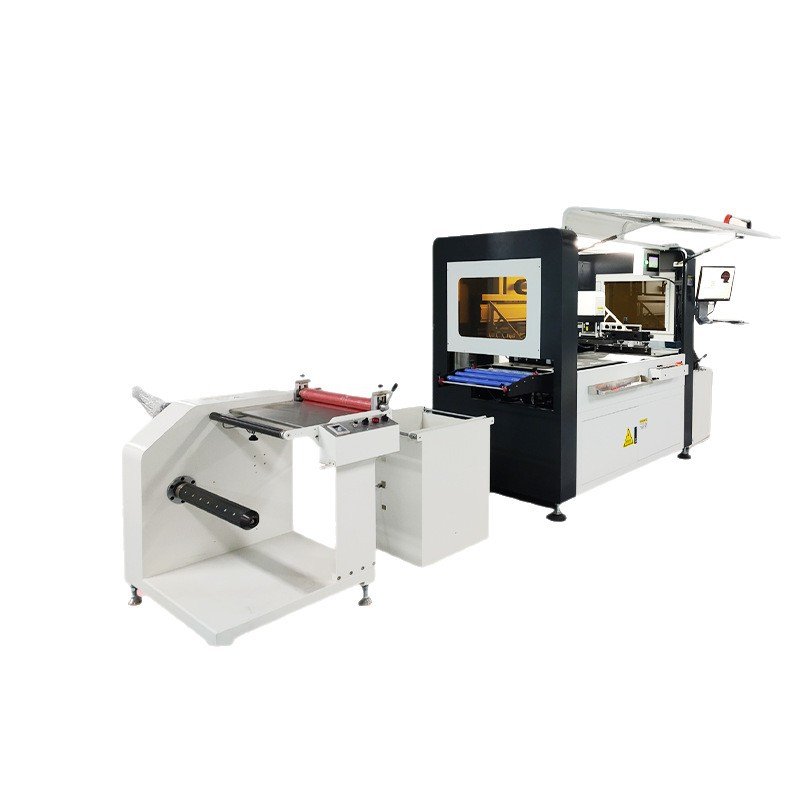
When printing bold designs, screen-printing machines push ink through a mesh onto the foil, depositing a thicker layer than other methods. This makes the text pop and works well even on slightly uneven surfaces. The only drawback is that it prints more slowly than flexographic and digital machines.
5. Hot-Foil Stamping Machines
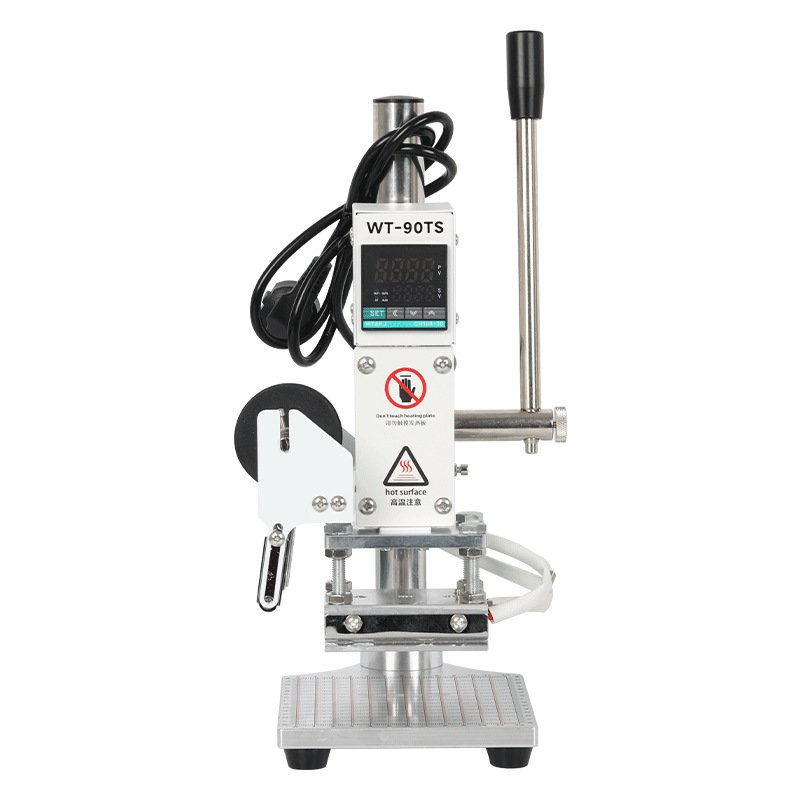
Hot-foil stamping is all about giving packaging a premium finish. These machines use heat and pressure to transfer metallic foil onto the surface. Beyond aesthetics, they also help prevent counterfeit medicines by adding security layers that are tough to replicate.
There are three main types of hot-foil machines: vertical hot-foil stamping machines, roll-on presses, and cylinder presses.
Features That Make Pharma Foil Printers Reliable
The features of a pharma foil printing machine depend on the machine’s type and model. However, there are some essential features that every foil printing machine should have.
1. Printing Speed
The printing speed is one of the most crucial performance indicators. Medium-scale machines can print approximately 5,000 to 10,000 impressions per hour, while large-scale machines can print more than 15,000 impressions per hour. Faster printing reduces production cycles and improves resource use. This helps cater to the growing size of the packaging market.
2. Print Quality
A high-quality pharma foil printing machine delivers accurate text with a tolerance of only ±0.1 mm. It also offers strong adhesion for non-toxic and pharma-grade inks to prevent bleeding and fading.
Ink adhesion is tested with 3M tape to confirm there are no detachment issues. Additionally, real-time monitoring and closed-loop feedback systems detect defective units and remove them from the production line.
3. Material Compatibility
Pharmaceutical packaging uses aluminum alloys like 8011 and 8021 for PTP and cold-formed foil, respectively. Majority of the foils are also laminated with PVC and PVDC.
Foil printing machines are flexible, which means they can print across different materials. The machines can adjust to standard foil thickness of 20–40 microns and have tension control systems to prevent foil wrinkling.
4. Machine Build
Research shows that unplanned downtime can cost manufacturers up to $260,000 per hour. To prevent costly downtime, high-quality pharma foil printing machines use stainless-steel structures and precision rollers.
They also include safety guards and easy-access panels for simplified maintenance. This makes daily operations smoother and prevents frequent breakdowns.
4 Key Advantages of Pharma Foil Printing Machines
In addition to the printing efficiency, pharma foil printing machines offer broader advantages that support the manufacturing process. They make it easier for manufacturers to meet strict industry standards, and allow teams to customize packaging for different products.
1. Regulatory Compliance
Regulatory authorities, such as the FDA, WHO, and EMA, require the printed details to be accurate. The text must be readable and include anti-counterfeiting features and permanent batch coding.
According to FDA 21 CFR Part 211, pharmaceutical labels must be accurate, legible, and clearly identify the drug, its strength, dosage form, and any special handling instructions. |
2. Efficient Production
Pharma foil printing machines reduce manual tasks and print large volumes in a few hours. This keeps production cycles steady, which helps prevent delays and missed deadlines.
Uniform ink application reduces wastage, saving both time and money. Advanced in-line quality control systems, with inspection cameras, color sensors, and defect-detection algorithms, catch faulty units early and ensure only high-quality products move down the line.
3. Product Safety
Unclear or faded printing on pharmaceutical products can lead to misuse, putting patients’ health at risk. Reliable foil printing machines solve this problem by producing sharp, legible text that stays readable under heat, moisture, and handling.
Besides that, these machines can also be used for tamper-evident packaging, which adds an extra layer of security to prevent counterfeiting and uphold product integrity.
Tamper-evident packaging is a mandatory requirement for over-the-counter (OTC) drugs under U.S. FDA regulations (21 CFR § 211.132).
4. Customization
Companies need unique branding, security features, and traceability data. Pharma foil printing machines make this process easier by supporting logos, color elements, and QR codes. This helps brands create attractive packaging that stands out on the shelves.
FAQs
1. What information is usually printed on pharmaceutical foil?
Printed data includes batch numbers, manufacturing dates, expiry dates, barcodes, logos, product codes and regulatory symbols.
2. Do foil printing machines support serialization?
Most modern models integrate serialization software to generate and verify unique codes that help prevent counterfeiting.
3. Can a foil printer be integrated with existing blister machines?
Yes. Most printers can be mounted inline with blister sealers, sachet machines and flow wrappers with minimal modification.
Take Your Packaging Line to the Next Level
The pharmaceutical manufacturing process cannot be completed without a robust packaging line. As the global pharma market grows, packaging lines need machines that can keep pace; this includes pharma foil printing machines.
These machines come with features like inline quality inspection, serialization, and QR code printing. This helps pharmaceutical companies track products through the supply chain. However, for high production output, choosing a trusted supplier is key.
Finetech offers a wide range of pharmaceutical equipment, including filling machines and packaging equipment. Contact our team today to find the right machines for your production needs and ensure a smooth, economic, and compliant packaging process.