English
  Russian
  Turkish
  Spanish
  French
  German
  Japanese
Starting or scaling a food business often comes with one major challenge: packaging. While product quality attracts customers, packaging is what protects the food, preserves freshness, and prepares it for sale.
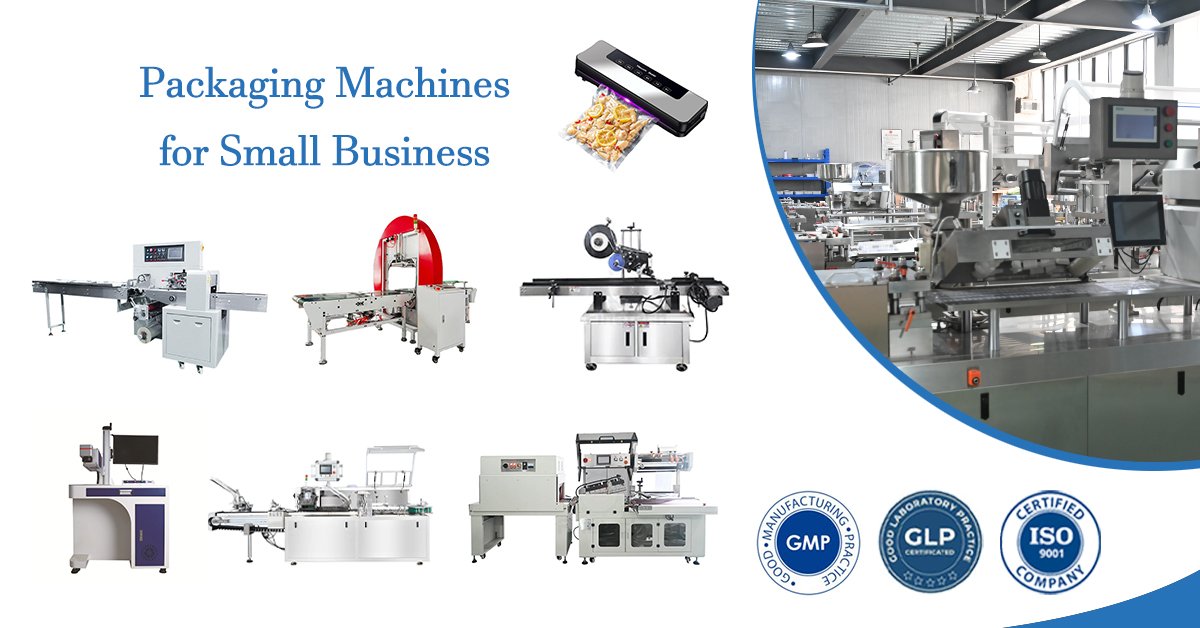
Food packaging machines for small business operations are designed to handle this challenge. They enable producers to package products faster, maintain hygiene standards, and improve product presentation without requiring large industrial investments.
However, not every packaging machine fits the needs of a small operation. To find the ones that do, let’s discuss the different types and how you can find the right one.
What Is a Food Packaging Machine For a Small Business?
A food packaging machine is a piece of equipment that helps businesses quickly and safely fill, seal, and pack food products. Instead of packaging items by hand, the machine handles tasks starting from measuring the product to sealing the package.
For small businesses, these machines are usually compact, easy to operate, and designed for lower production volumes. They allow bakeries, snack brands, spice sellers, and other food producers to package products more efficiently.
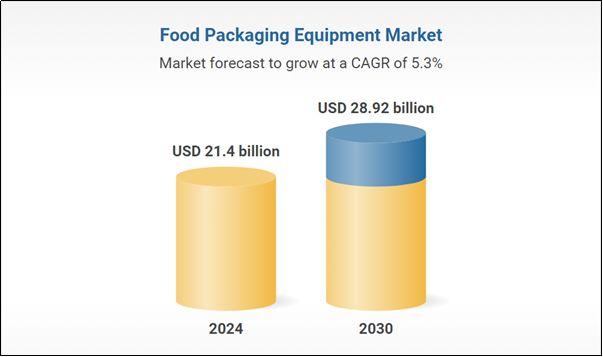
Moreover, the demand for automated packaging is increasing. As per Yahoo Finance, the global food packaging equipment market is projected to reach $28.92 billion by 2030. This shows how even small producers are adopting packaging machines.
Types of Food Packaging Machines for Small Businesses
Small food businesses use different packaging machines depending on their requirements. Some machines are designed for sealing bags, while others fill containers, vacuum-pack products, or seal trays.
Below are some of the most common food packaging machines used by small businesses today.
1. Vacuum Packaging Machines
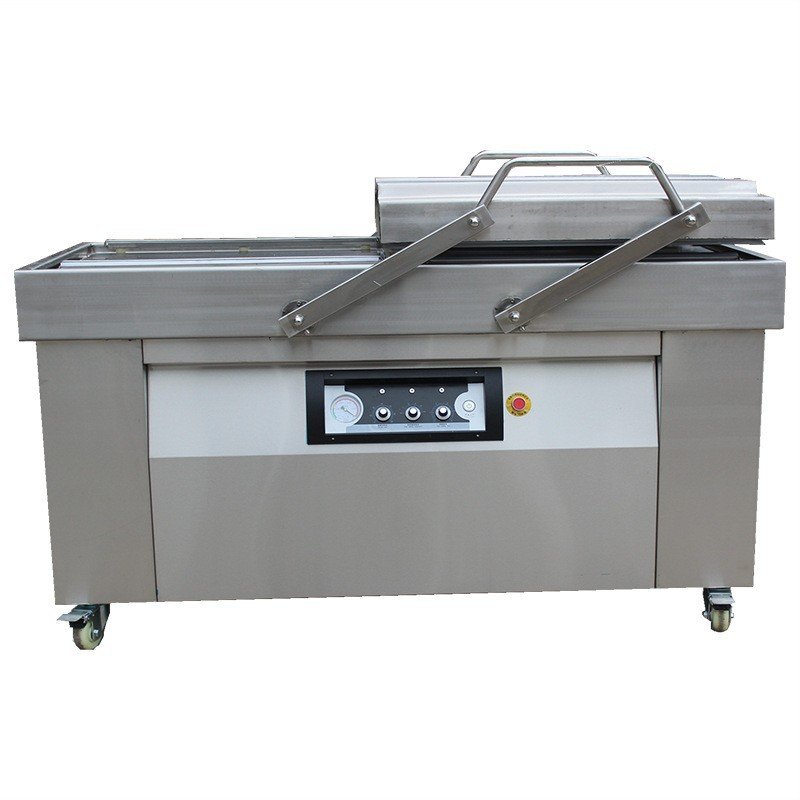
Vacuum packaging machines remove air from a package before sealing it. The machine places the food product inside a plastic pouch, removes oxygen using a vacuum pump, and then heat-seals the bag tightly.
Removing air helps slow down bacterial growth and oxidation, which allows food to stay fresh for a longer period. This type of packaging is widely used for meat, seafood, coffee beans, cheese, nuts, and snack products.
For small businesses, vacuum packaging machines are available in tabletop or chamber models. Tabletop models are compact and suitable for low-volume production, while chamber machines handle higher output.
2. Vertical Form Fill Seal (VFFS) Machines
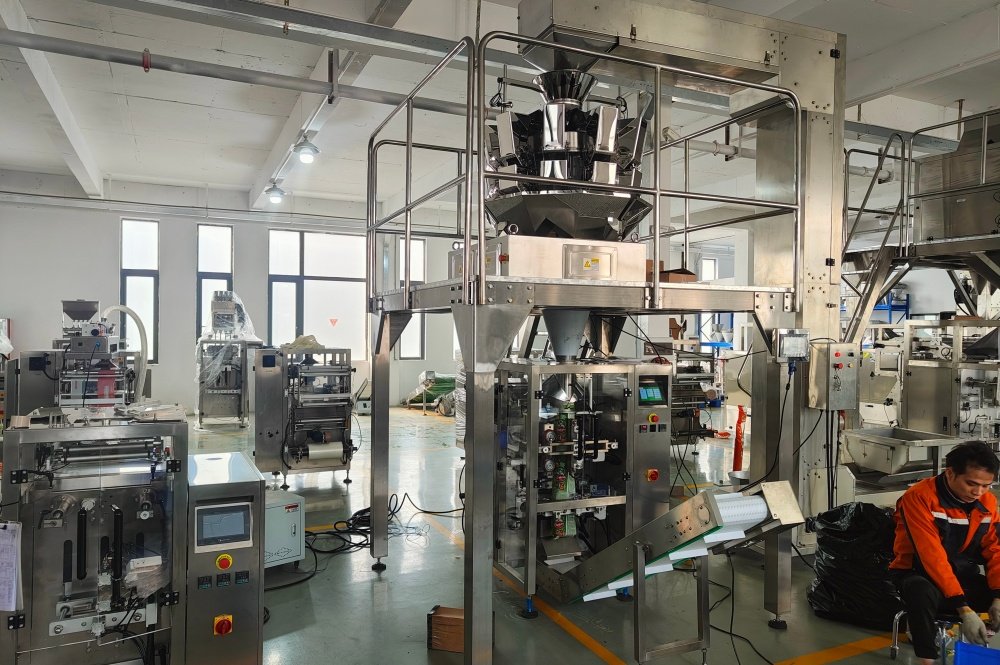
Vertical Form-Fill-Seal (VFFS) machines automate three packaging steps in one system. These include forming the bag, filling the product, and sealing the package.
The process starts with a roll of packaging film. Here, the machine shapes the film into a tube, seals the vertical edge, fills the product into the formed bag, and then seals the top and bottom to create a finished package.
VFFS machines are commonly used for chips, rice, grains, powders, coffee, spices, sugar, and snack foods. Many small snack brands and dry food producers use these machines because they can handle a variety of packaging sizes and materials.
3. Pouch Filling and Sealing Machines
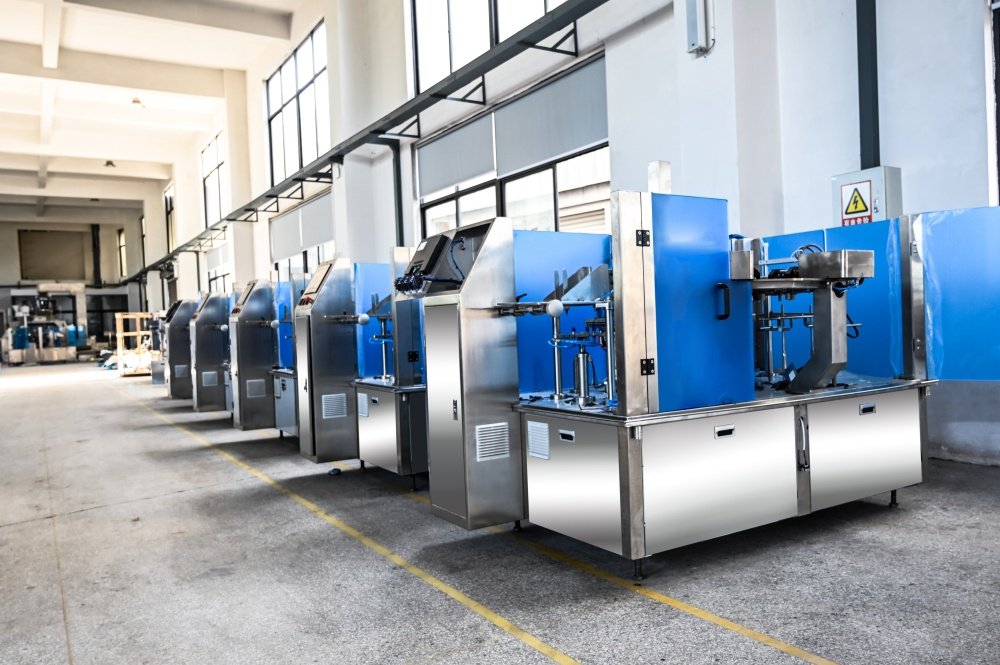
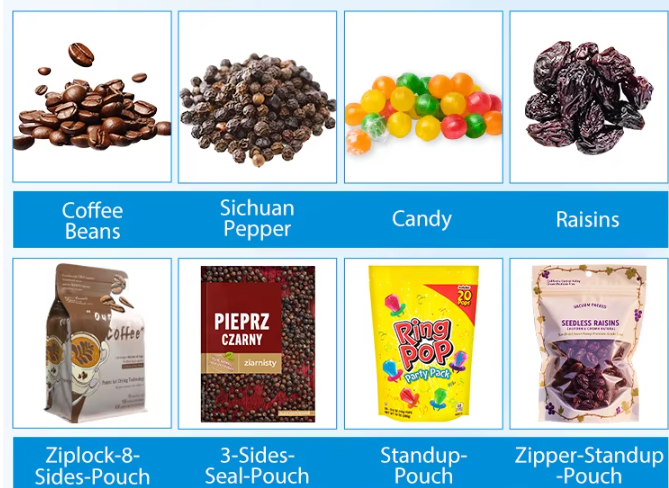
Pouch filling and sealing machines are designed for pre-made pouches, which are already shaped and printed before they reach the packaging machine. The machine opens the pouch, fills it with product, and seals the top.
This packaging style is extremely popular because it allows businesses to use stand-up pouches, zipper pouches, and spouted pouches, which are attractive on retail shelves and convenient for consumers.
They are available in manual, semi-automatic, and fully automatic models. Small businesses often start with semi-automatic systems that enable them to maintain production flexibility.
4. Tray Sealing Machines
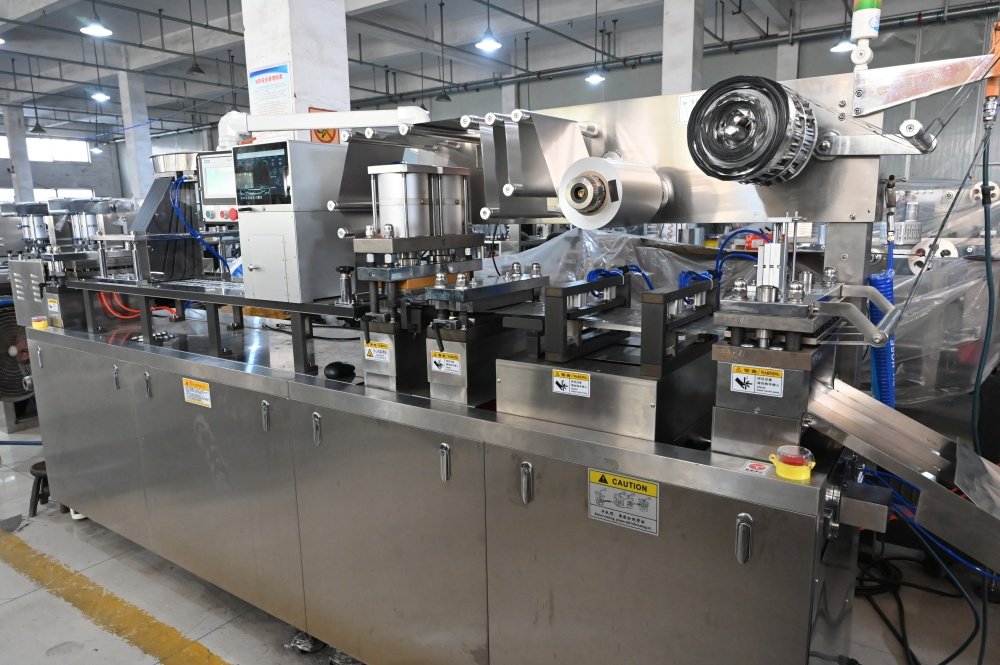
Tray sealing machines package food products in trays and then seal them with a plastic film lid. The machine places a sealing film over the tray and applies heat and pressure to create a secure seal.
This type of packaging is widely used for fresh meals, bakery items, salads, ready-to-eat dishes, and deli products. Restaurants, meal-prep companies, and small food producers often use tray sealers to package meals that will be sold in supermarkets.
Additionally, tray sealing machines help protect food from contamination and extend product freshness. Some machines also support modified atmosphere packaging (MAP), where the air inside the tray is replaced with protective gases that help preserve food quality.
5. Flow Wrapping Machines
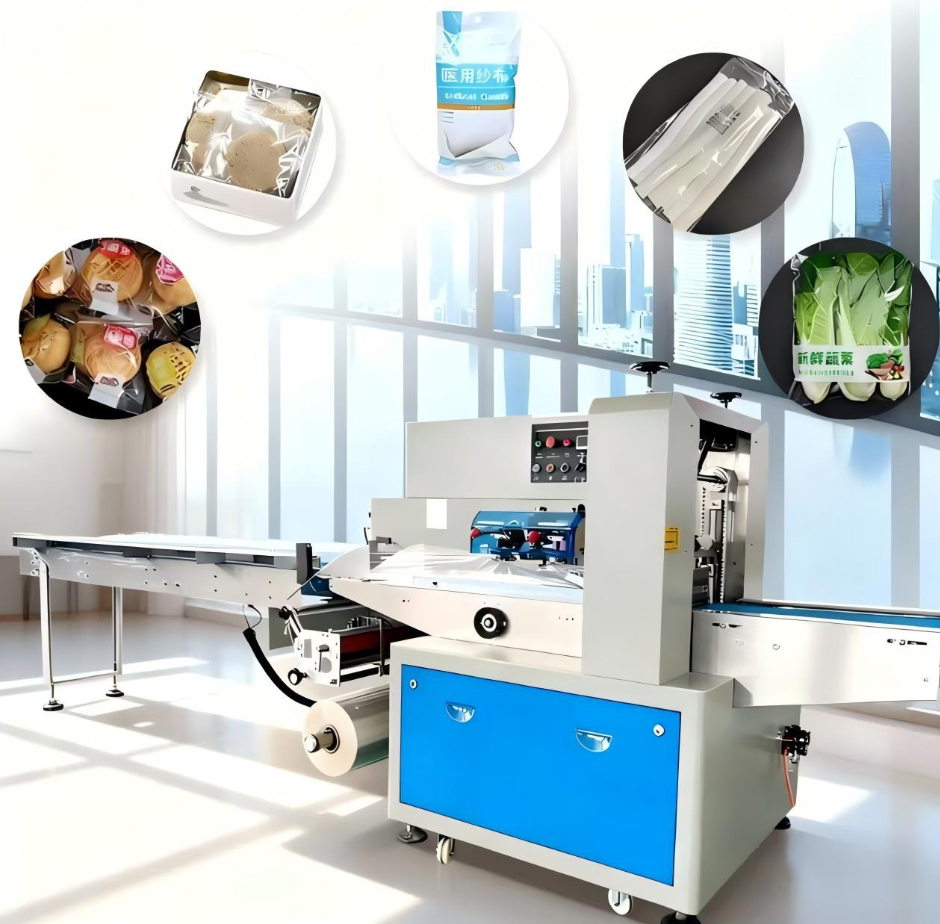
Flow wrapping machines package food products by wrapping them in a continuous plastic film that is sealed on three sides. The product moves through the machine on a conveyor belt while the film wraps around it and seals the edges.
Such machines are commonly used for bakery items, chocolate bars, protein bars, biscuits, and snack packs. Many small bakeries and snack producers use flow wrappers because they provide fast packaging while keeping products protected from air and moisture.
6. Auger Filling Machines
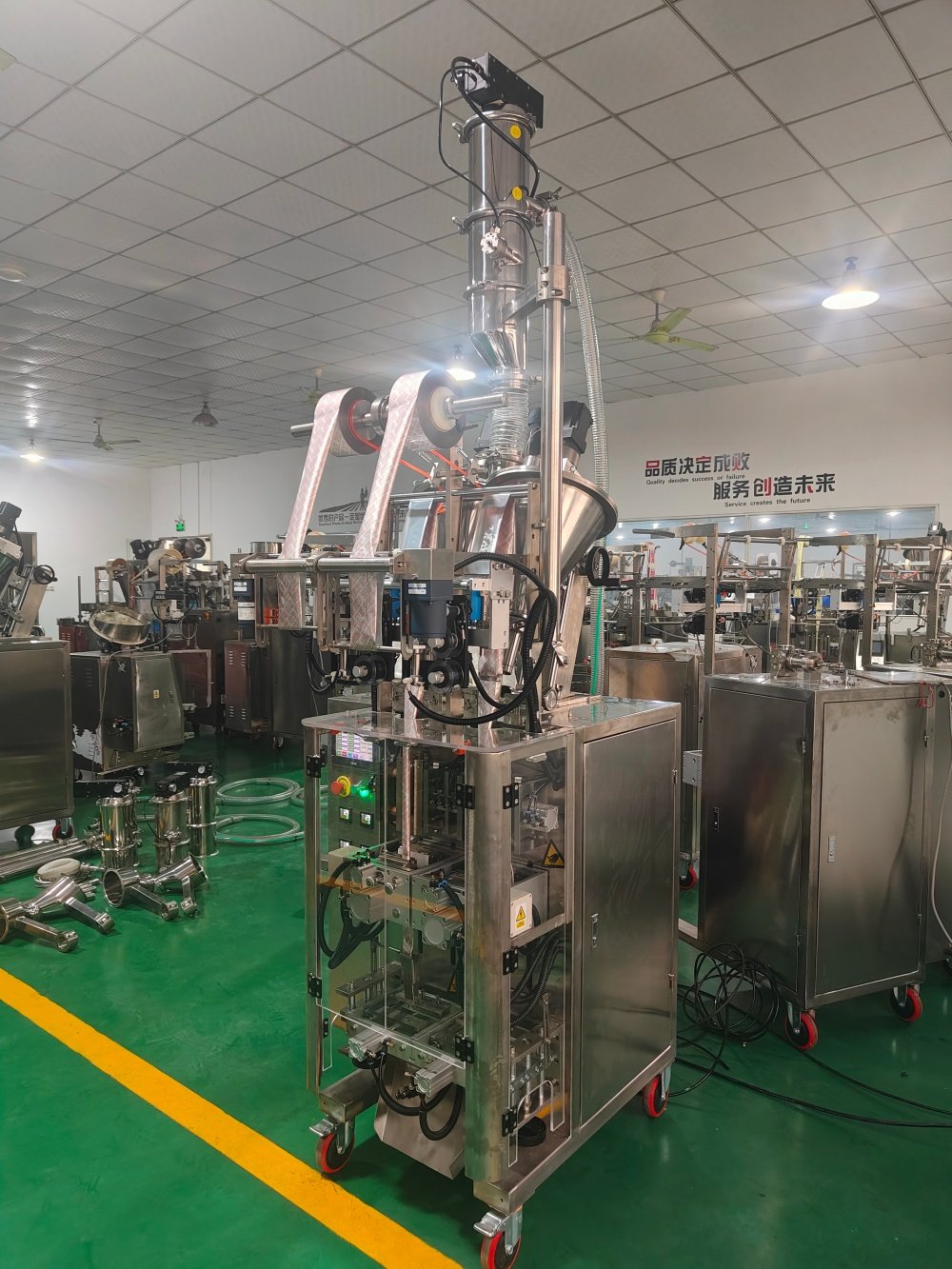
Auger filling machines are specifically designed for powdered or fine products. The machine uses a rotating auger screw to measure and dispense precise amounts of product into containers or pouches.
Many small spice companies and specialty food brands rely on auger fillers because they are compact, accurate, and relatively affordable. They are mostly used for spices, flour, protein powder, cocoa powder, powdered beverages, and seasoning mixes.
Applied Food Industries That Use These Machines
Packaging machines for small businesses are not a one-size-fits-all solution. Different food sectors have distant packaging requirements in terms of hygiene standards, container types, fill volumes, and production speeds.
Here are the applied food industries that use such machines:
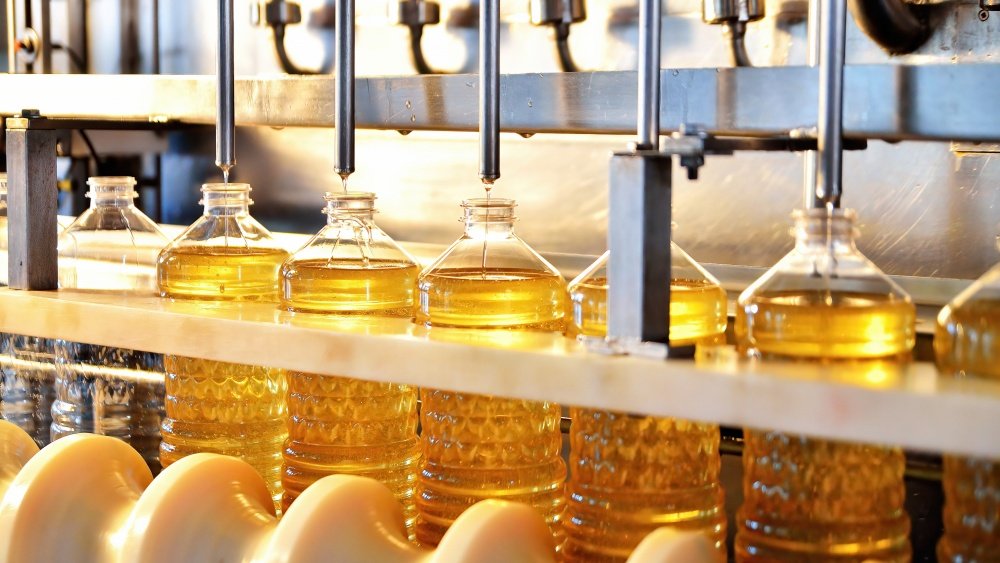
- Edible Oils: Edible oil packaging demands precision filling and airtight sealing to prevent leakage, oxidation, and contamination. For small businesses in this space, accuracy and spillage prevention are non-negotiable.

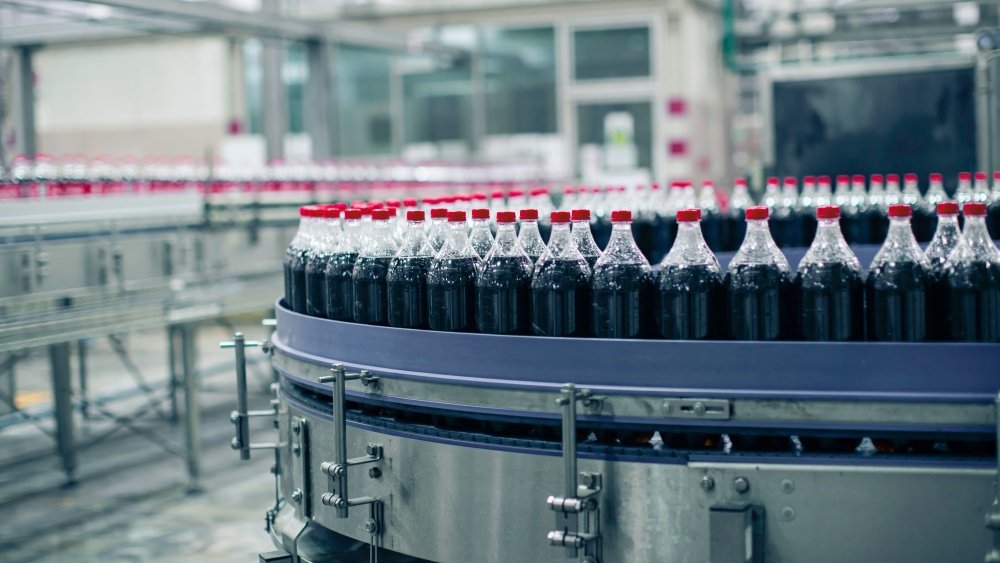
Edible Oils Filling Line - Drinks: From juices and flavoured waters to sauces and liquid condiments, the drinks sector covers a wide range of viscosities and container formats. Small beverage businesses benefit significantly from automated filling and capping systems that deliver consistent output.
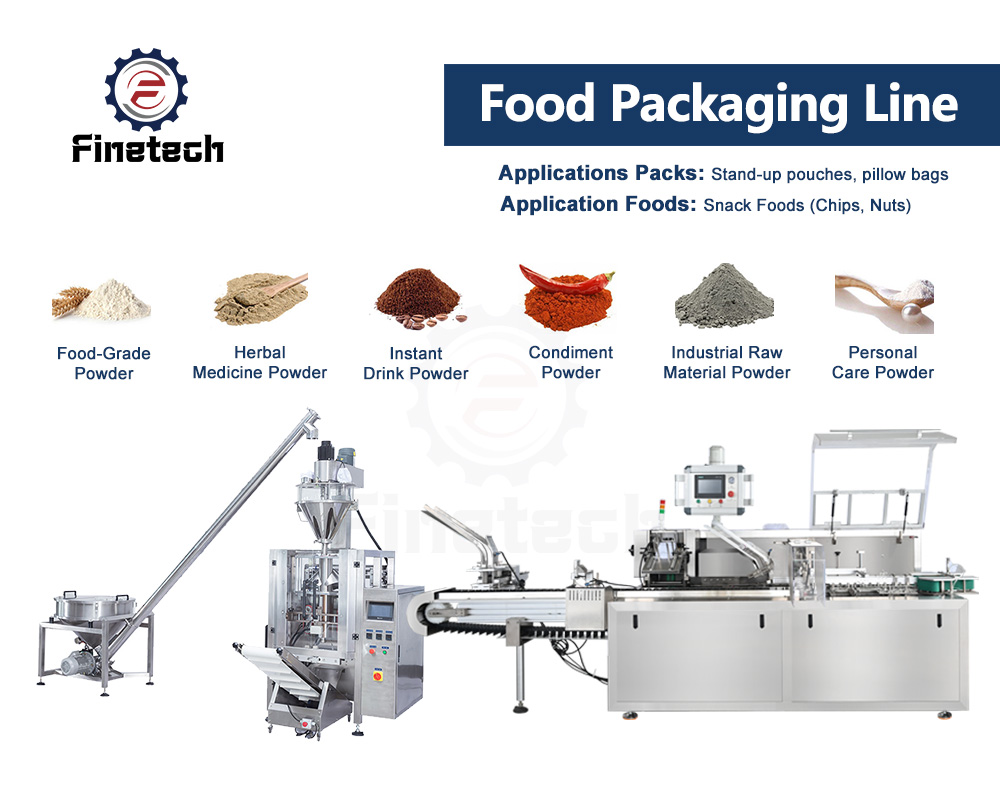
Carbonated Soft Drinks Filling Line. - Food: The broader food sector includes everything from sauces, pastes, and dressings to dry goods, snacks, and ready-meal components. Packaging requirements vary widely across product types, but the core needs remain consistent.

Food Packaging Production Line.
Things to Consider Before Buying a Packaging Machine
Choosing the right packaging machine is an important decision for any small food business. Here are the factors that you should consider before buying one:
1. Production Capacity
Production capacity refers to how much product the machine can package within a specific period, usually measured in packages per minute or per hour. Small businesses often start with machines designed for lower volumes, but it is important to think about future growth as well.
If a machine is too small, it may struggle to keep up as demand increases. On the other hand, a machine that is too large may lead to unnecessary costs.
2. Product Type
The type of food product being packaged plays a major role in determining which machine is suitable. Different foods require different packaging methods.
For example, powders and spices are typically packaged using auger filling machines, while snacks and grains work well with vertical form fill seal machines. Liquids such as sauces or oils require specialized filling equipment designed to handle fluid products.
3. Available Space
Many small food businesses operate in limited production spaces. That’s why the packaging equipment must fit comfortably within the available area.
Large industrial machines may require conveyor systems, additional storage space, and dedicated production lines. In contrast, smaller tabletop or compact machines are designed for businesses with limited floor space.
4. Automation Level
Packaging machines are available in manual, semi-automatic, and fully automatic versions. The level of automation affects both production speed and labor requirements.
Manual machines require operators to perform most of the work, which can slow production. Meanwhile, semi-automatic or fully automated systems perform most packaging tasks with minimal human involvement.
5. Food Safety and Compliance
Food packaging equipment must meet hygiene and safety standards. Machines used in food production should be made from materials that are safe for food contact, such as stainless steel and food-grade components.
Businesses also need to ensure that the equipment complies with local and international food safety regulations, such as GMP.
FAQs
1. What types of food packaging machines are commonly used by small businesses?
Common machines include vacuum sealers, pouch packing machines, vertical form-fill-seal (VFFS) systems, tray sealers, and labeling machines. Each type is engineered for specific product formats such as powders, liquids, snacks, sauces, or ready-to-eat meals.
2. How much do food packaging machines for small businesses cost?
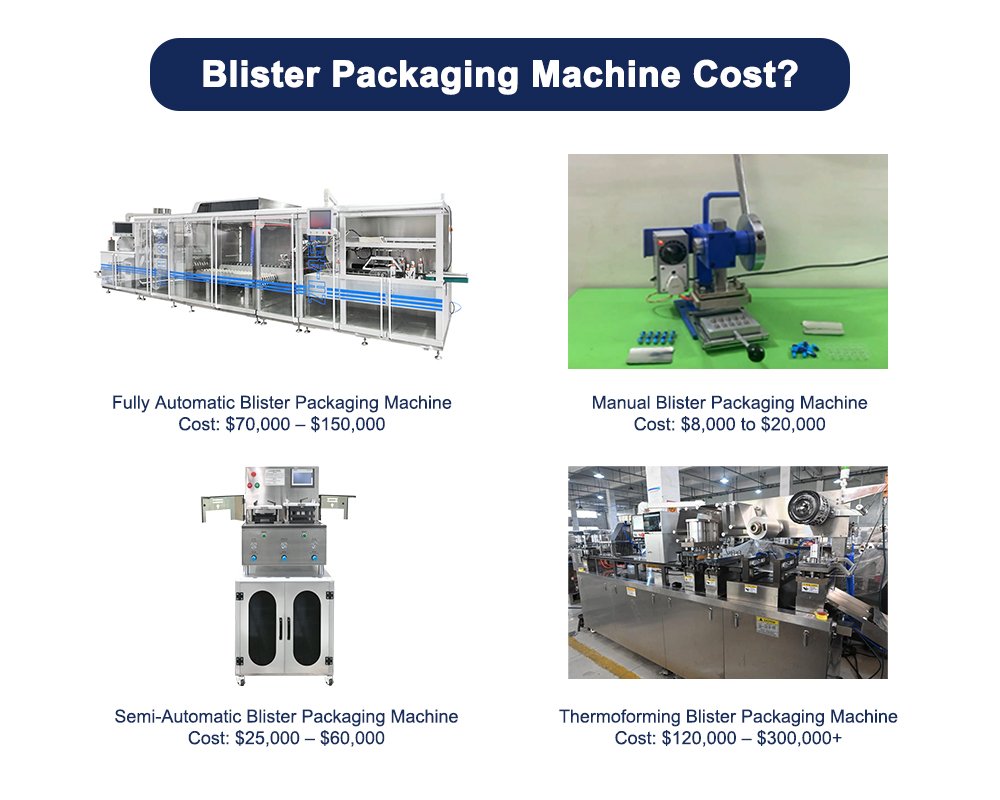
Prices vary widely depending on automation level and capacity. Entry-level sealers may cost $100–$1,000, while semi-automatic pouch or filling machines typically range from $2,000–$10,000. Advanced automated packaging lines can exceed $20,000.
3. Can small businesses use automated food packaging machines?
Yes. Many manufacturers offer compact automated or semi-automatic machines with small footprints. These models allow startups to automate pouch filling, sealing, and labeling without investing in large industrial packaging lines.
4. What factors should small businesses consider before buying a packaging machine?
Key considerations include product type, required output, packaging format, dosing accuracy, machine footprint, and maintenance requirements. Long-term operating cost and material compatibility are equally important.
5. Is it possible to scale production with small packaging machines?
Yes. Many small businesses begin with semi-automatic machines and later upgrade to fully automated packaging lines. Modular packaging systems allow additional equipment such as weighers, conveyors, and inspection systems to be integrated as demand grows.
Find the Packaging Solution Your Business Needs
Choosing the right food packaging machines for small business operations can make a major difference. But the most important step here is selecting the equipment that fits your product type, production volume, and available workspace.
While our company does not specifically manufacture food packaging machines, we do provide a wide range of packaging solutions. With over 30 years of manufacturing experience, our systems are designed to support efficient packaging.
If you are exploring packaging solutions for your business, talk to our specialists to find the right fit.