English
  Russian
  Turkish
  Spanish
  French
  German
  Japanese
Finding the ‘best’ blister packaging machine for a small business isn’t easy. Options range from small manual machines to semi-automatic tabletop systems and semi-automatic lines.
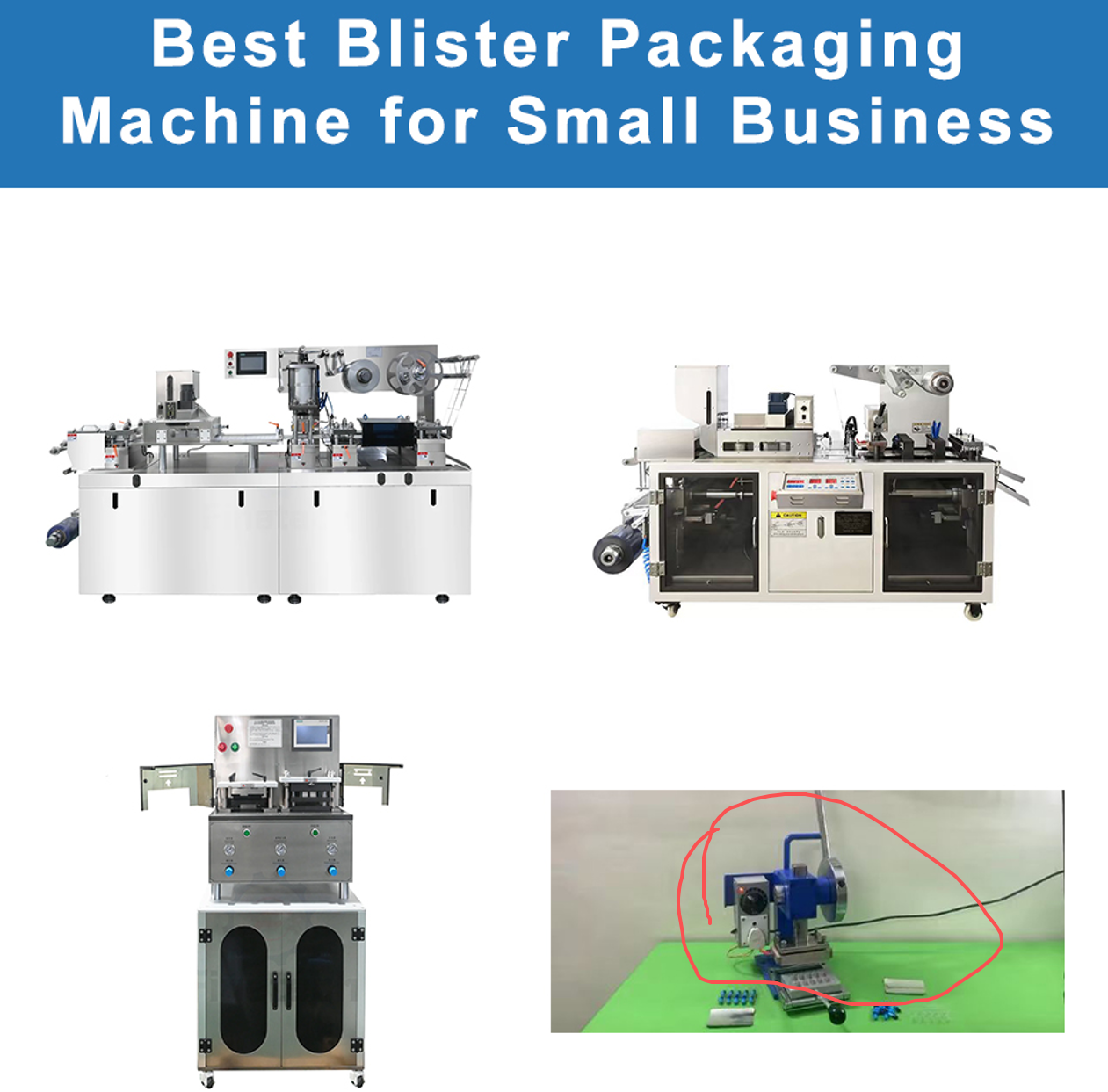
The catch is that each type differs in automation, output, features, and cost. Pick the wrong machine, and you risk higher expenses, low efficiency, and limited growth.
A smart choice matches the machine to your current needs and future growth plans. To help you find the right machine, we will break down the types of blister machines, key buying factors, and pricing. By the end, you’ll know exactly which blister machine is the right fit for your small business.
Here’s everything you need to know.
What Makes a Blister Machine “Best” for Small Businesses?
Simply put, the ‘best’ blister packaging machine for a small business delivers the output you need efficiently and reliably without a hefty upfront cost. To find this type of machine, start by asking these key questions:
- How much output do I need per day?
- How much space is available?
- What level of automation suits my team?
The answers will help you select a machine that matches your production volume, fits your facility, and minimizes labor dependency. Once you choose a machine, make sure it’s worth the cost in the long term.
Affordable small models and expensive automated machines are both available. However, selecting either without considering future growth and production plans can lead to unnecessary costs or capacity issues down the line.
Types of Blister Pack Machines Commonly Used by Small Businesses
Small businesses use different types of blister packaging machines depending on production volume, budget, space availability, and compliance requirements. Below are the most commonly adopted machine types, along with where each one fits best.
1. Manual Blister Machines
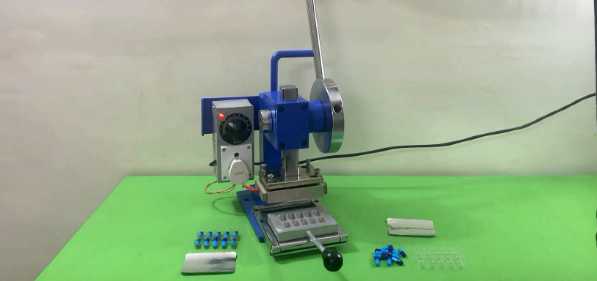
Manual blister packaging machines are the simplest and most cost-effective option for small businesses needing basic blister packaging capabilities. In these machines, the operator manually places pre-formed plastic blister sheets and products in position, then uses a hand-operated lever or handle to apply heat and pressure to seal the blister to its backing material.
This hands-on process makes them ideal for low-volume runs (200 to 1200 blister packs per hour), prototyping, sample preparation, and businesses just starting packaging operations.
Compared to automated systems, manual machines have a smaller footprint, lower upfront cost, and are easy to learn and maintain. However, since output rates are limited, and sealing consistency depends on operator skill, these are less suitable for high-volume or highly regulated environments.
Best for: Startups, lab testing, seasonal or niche products
2. Semi-Automatic Blister Machines
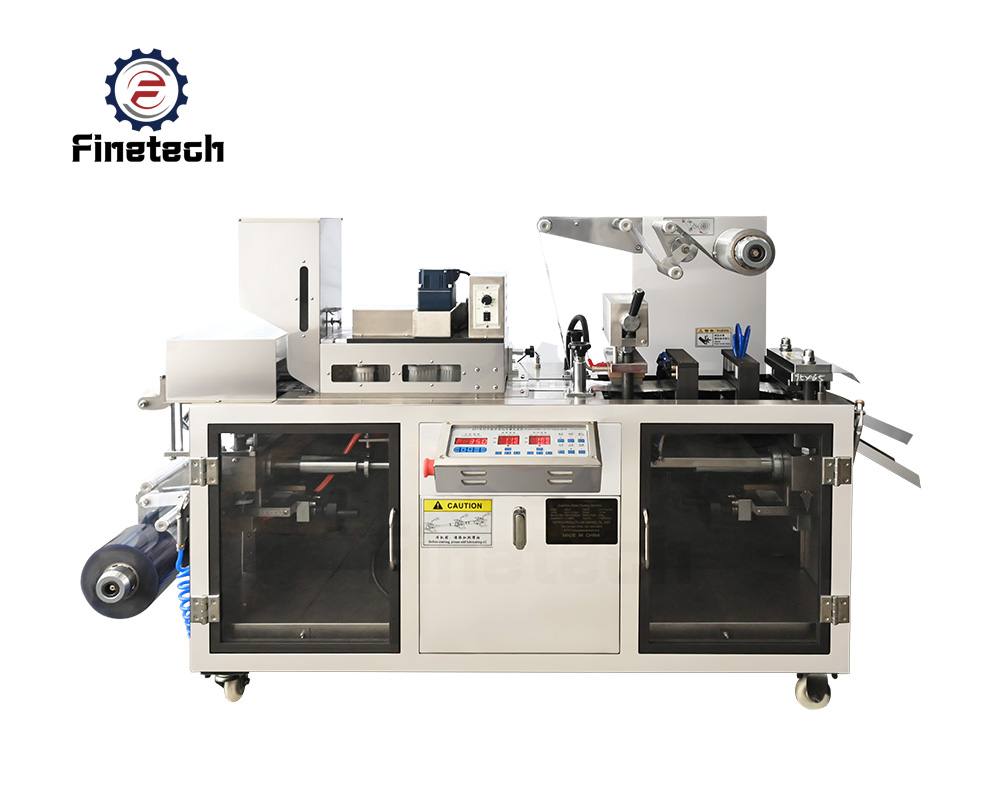
Semi-automatic blister packaging machines combine manual handling with mechanical assistance to make packaging faster and more consistent for small businesses. An operator typically loads blister sheets or trays and places products into the cavities by hand, but the machine takes over key steps such as heating, sealing, and cutting the packs.
In the end, the operator gets blister packs with uniform sealing, consistent quality, and a significantly higher output than manual methods. On average, semi-automatic machines produce 500 to 3,000 blister packs per hour, depending on blister size and machine setup.
Semi-automatic systems also save labor costs and reduce employee hours. Studies suggest that businesses automating manual tasks can save up to 2,000 hours per year, which makes semi-automatic blister machines a smart investment for efficiency and scalability.
Best for: Growing small businesses and moderate batch production
3. Flat-Plate Blister Machines

Flat-plate blister machines use a platen-style sealing system that applies uniform pressure across the blister cavity. This design delivers strong, consistent seals and supports a wide range of blister formats.
These machines come in different capacities to suit varying production needs. Fully automatic flat-plate models can produce over 4,000 blister packs per hour, ideal for high-volume operations. Smaller machines, such as the DPP-80, offer a production rate of 900 to 1,200 blister packs per hour, suitable for small to medium batch runs or businesses that are scaling up.
The best option depends on your production volume, space, and budget. Businesses with large-scale output typically invest in fully automatic systems, while smaller operations can achieve performance and quality with lower-capacity flat-plate machines.
Best for: Pharma and healthcare products, precise sealing, frequent format changes
4. Single Station Blister Tabletop Machines
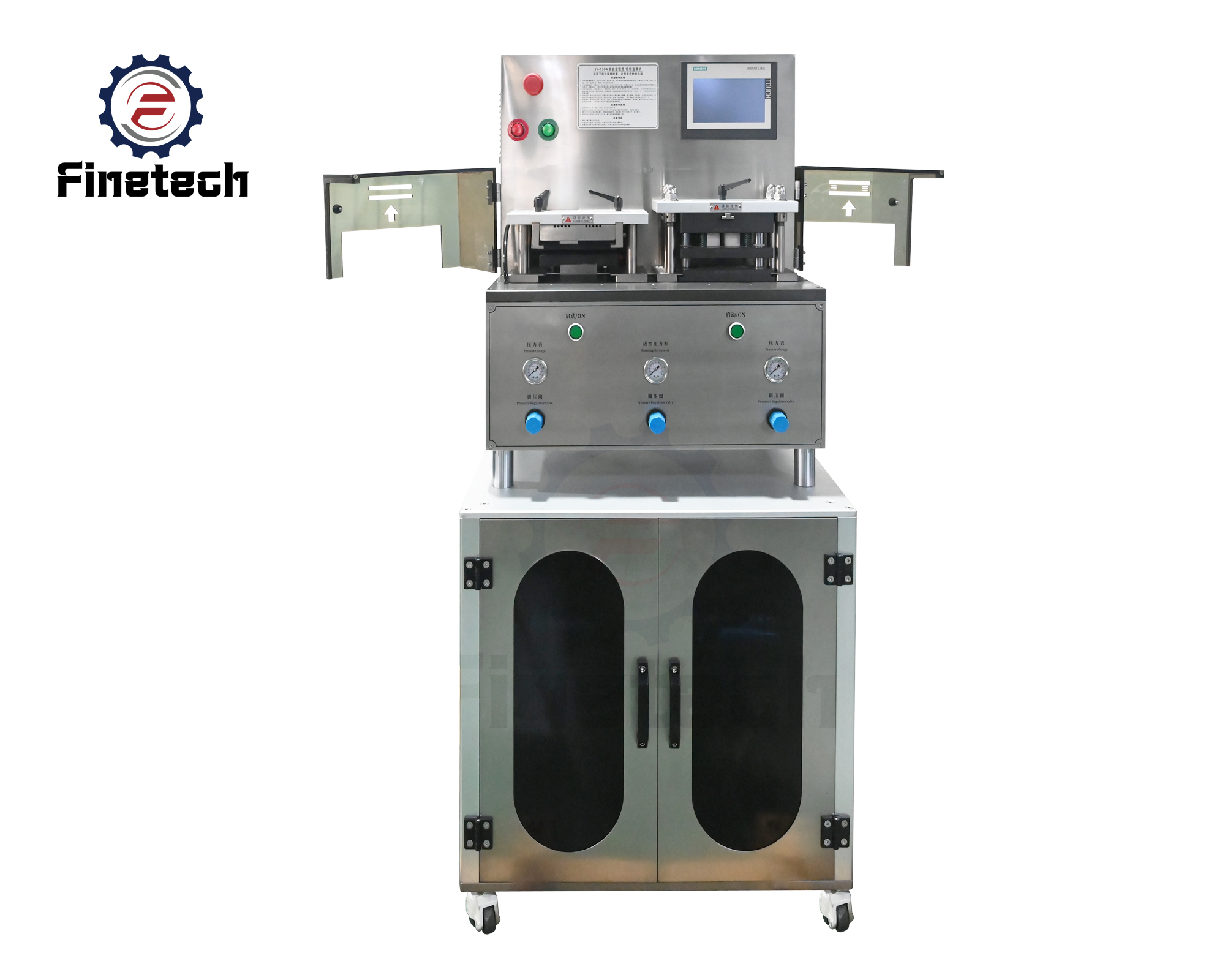
Single-station blister tabletop machines perform forming, product loading, and sealing all at one work station. The compact footprint suits small businesses, labs, and pilot production runs where space is limited.
Operators get a simple, straightforward workflow that reduces errors and makes the machine easy to use and maintain, even without specialized skills.
These tabletop systems are more affordable than large automated lines and offer high flexibility for format changes, which is ideal for prototyping, testing new products, or producing niche batches. Output is lower than that of multi-station or fully automatic machines, but they provide consistent quality and reliable performance for small batch runs.
Best for: Space-limited facilities, consistent medium-volume production
Top 5 Factors That Decide the Best Blister Pack Packaging Machine
The best blister packaging machine for a small business balances output, size, automation, flexibility, and compliance. Each factor affects performance, cost, and product quality, which ensures the machine meets production needs, supports growth, and maintains consistent performance without unnecessary expenses.
1. Production Output
Choose a machine that matches your daily volume. Manual machines produce 100–500 packs/hour, semi-automatic machines 500–3,000 packs/hour, and fully automatic machines can exceed 4,000 packs/hour. Overestimating output leads to unnecessary costs, and underestimating slows growth.
2. Machine Size, Footprint, and Facility Fit
Consider machine dimensions, weight, and overall footprint. Small tabletop and single-station machines fit easily in limited spaces, while rotary or flat-plate systems need larger areas for operation, maintenance, and material handling.
3. Automation Level
To choose the right automation level, focus on production volume, labor, and budget. Small-batch businesses perform best with manual or semi-automatic machines for lower costs and flexibility. However, if you plan to scale within 1–2 years, fully automatic machines are better for high-volume operations. They reduce human errors, which account for around 80% of manufacturing mistakes.
4. Tooling Flexibility and SKU Scalability
Machines should handle multiple blister sizes, from single tablets to multi-cavity strips, different cavity shapes, and packaging formats. Interchangeable tooling reduces changeover time from 2 hours to under 30 minutes, and allows small businesses to run multiple SKUs and adapt quickly to new product lines.
5. Compliance & Quality
Check regulatory compliance (GMP, ISO 15378) and sealing integrity. Machines with adjustable heat/pressure ensure consistent seals, crucial for pharmaceuticals and moisture-sensitive products.
How Much Does a Blister Packaging Machine Cost?
As discussed above, there are different types of blister packaging machines for small businesses. They vary widely in features and output capacity, which directly affects pricing. Below is a general overview of costs to help you plan your budget and choose the right machine:
| Machine Type | Production Capacity (packs/hour) | Approximate Cost (USD) | Best For |
| Manual | 100–500 | $500 – $1,500 | Startups, prototypes, very low-volume runs |
| Semi-Automatic | 500–3,000 | $1,000 – $15,000 | Small to medium businesses, growing volume |
| Tabletop / Single Station | 500–1,200 | $1,000 – $5,000+ | Small facilities, pilot production |
| Flat-Plate (Platen) | 900–4,000+ | $5,000 – $40,000+ | Medium to high volume, pharma packaging |
FAQs
1. Which blister packaging machine type is better for limited cleanroom space?
Flat-plate blister machines are generally more compact and modular compared to rotary-drum systems. Their linear design makes them easier to fit into narrow cleanroom layouts while maintaining the required 360° access for maintenance.
2. Do I need a chiller for a small blister machine?
Small machines often use integrated water cooling to keep the sealing rollers or plates from overheating. For consistent 8-hour shifts, a small industrial chiller is recommended to maintain the forming temperature at a steady level.
3. Which blister material is most cost-effective for standard tablets?
PVC-based structures are often used for standard products because they are economical and suitable for many stable oral solid dose products. The final choice still depends on barrier needs, shelf life, and the product’s sensitivity.
4. Do blister packs need special labeling?
Yes, unit-dose blister packaging has labeling expectations, especially when individual cells are used for identification and traceability. FDA guidance notes that key information may need to appear over each blister cell in unit-dose presentations.
BONUS TIP: Start With Sample Proofing
Before committing to the best blister packaging machine for a small business, request sample proofing. It lets you test how the machine handles your product, check sealing quality, and verify output. This reduces risk, avoids costly mistakes, and ensures the machine meets your small business’s specific needs.
At Finetech, we also offer sample proofing to guarantee the satisfaction of pharmaceutical manufacturers. With 30 years of experience providing pharma packaging machines, including blister pack systems, we help businesses validate their production process before making a full investment.
Talk to our specialists to guide you toward the best packaging systems!