English
  Russian
  Turkish
  Spanish
  French
  German
  Japanese
For many businesses, packaging is one of the final steps before a product reaches customers. However, the equipment used to package products can vary widely in price, capability, and automation level.
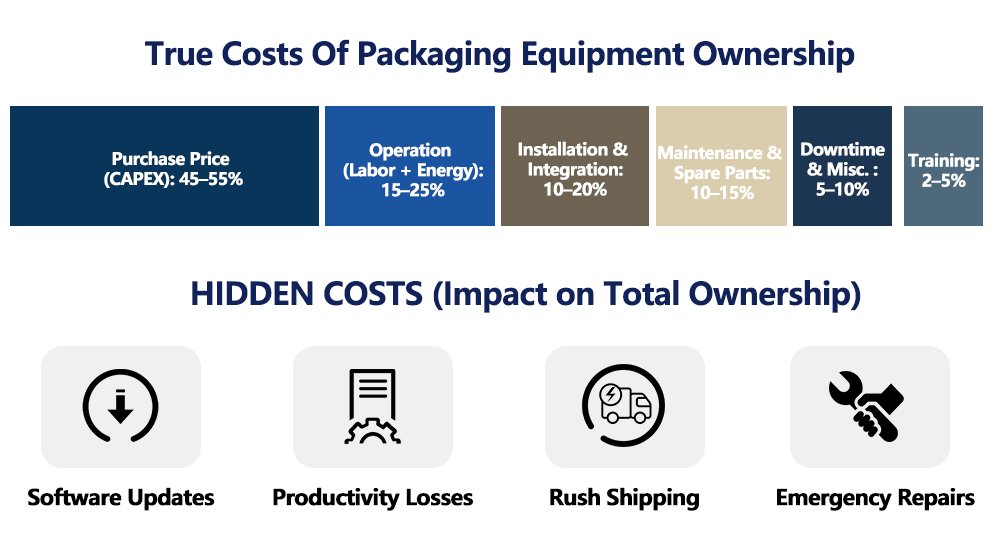
A small tabletop sealing machine may cost a few hundred dollars, while advanced automated packaging systems can cost tens of thousands. This cost usually depends on machine type, automation level, and other factors.
Keeping this in mind, we’ll explain the typical packaging machine cost ranges, the key factors that influence cost, and how you can choose the right one in this guide.
What Is a Packaging Machine?
A packaging machine is equipment designed to automate the process of preparing products for storage, transport, or retail sale. Rather than packaging products manually, these machines handle tasks such as filling, sealing, labeling, wrapping, and even boxing.
Such machines are used across many industries, including food and beverage, pharmaceuticals, cosmetics, and consumer goods. For instance, a filling machine measures and dispenses a specific amount of product into a container or pouch.
Moreover, according to industry research, the global packaging machinery market is projected to reach $80.96 billion by 2030. This growth reflects how businesses are increasingly investing in packaging machines.
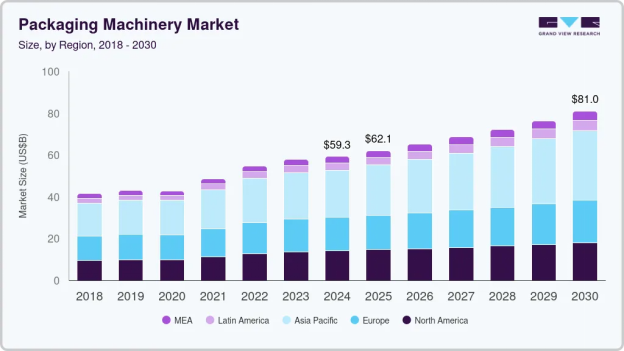
Source: Grand View Research
Types of Packaging Machines and Their Costs
Different products require different packaging methods, which is why there are many types of packaging machines. Each machine performs a specific task in the packaging process, such as filling containers, sealing bags, or wrapping products.
1. Filling Machines
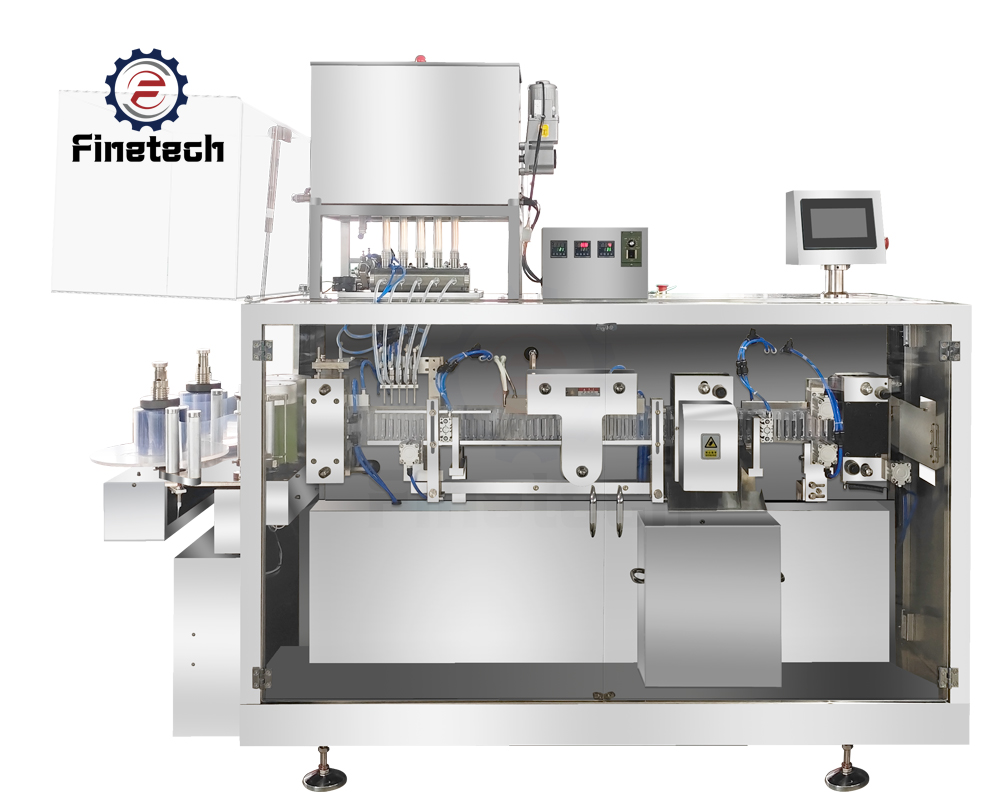
Price Range: $900 to $5,000 (semi-automatic), $10,000 to over $100,000 (fully-automatic).
Filling machines are designed to measure and dispense a specific amount of product into containers, bottles, bags, or pouches. They are widely used in industries that package liquids, powders, or granular products.
For example, beverage companies use filling machines to fill bottles with water, juices, and soft drinks. Food manufacturers rely on them to package products such as sauces, spices, and grains with consistent accuracy.
2. Sealing Machines

Price Range: $100 to $500 (tabletop), $1,000 to $5,000 (continuous band sealers).
Sealing machines are used to close and secure packaging materials such as plastic bags, pouches, or containers. They help protect products from contamination, moisture, and air exposure.
The most common types include heat sealers, impulse sealers, band sealers, and vacuum sealers. Heat sealing machines apply heat and pressure to fuse packaging materials together, while vacuum sealers remove air before sealing the package to extend shelf life.
3. Labeling Machines
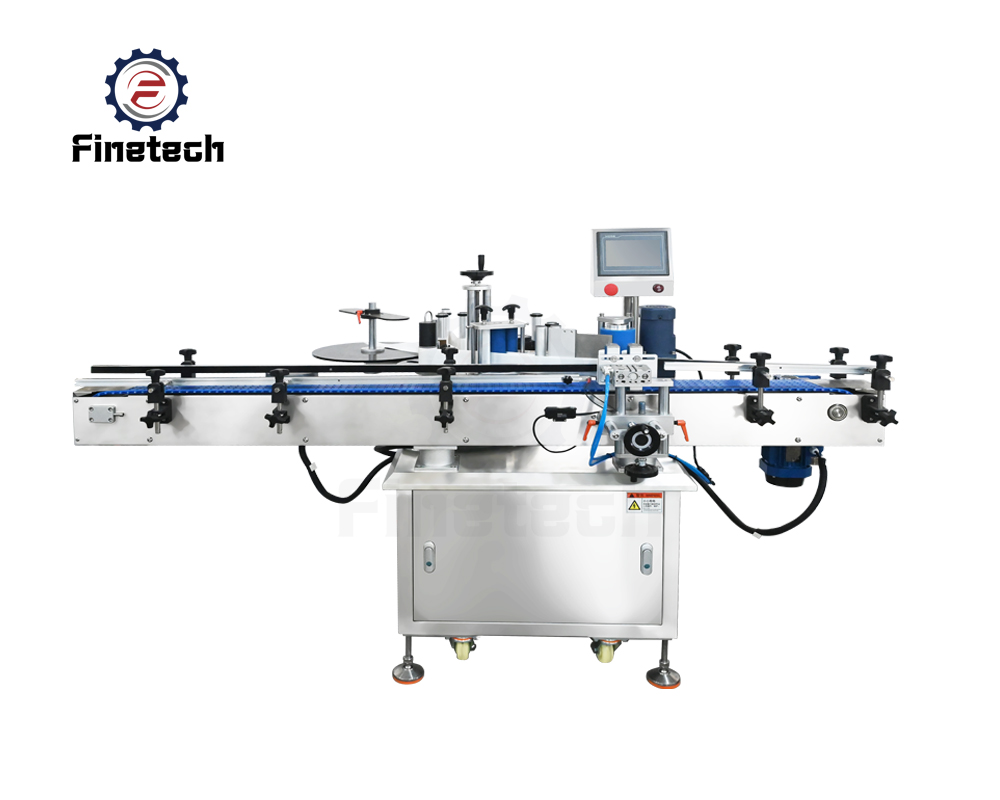
Price Range: $1,000 to $5,000 (semi-automatic), $10,000 to $50,000 (automatic systems).
Labeling machines automatically apply labels to bottles, jars, containers, boxes, or packaging surfaces. Labels typically contain important information such as product name, ingredients, expiration dates, and barcodes.
There are several types of labeling machines, including bottle labeling machines, wrap-around labelers, top labeling machines, and front-and-back labeling systems.
4. Blister Packaging Machines
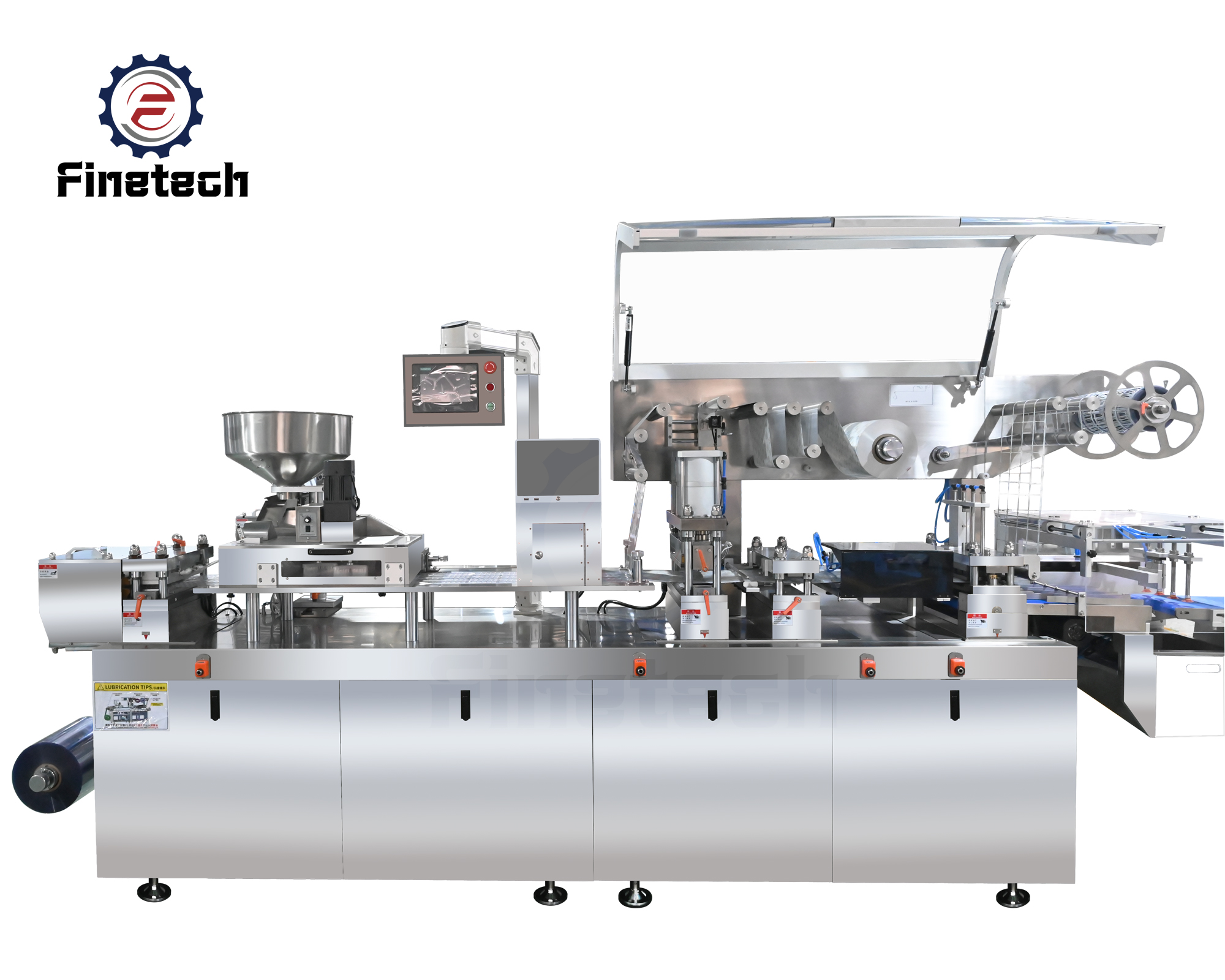
Price Range: $8,000 to $30,000 (smaller), over $100,000 (large automated).
Blister packaging machines create blister packs, which are commonly used for pharmaceuticals, small electronics, and consumer goods. In this type, the product is placed in a clear plastic cavity (blister) and sealed with a backing material such as aluminum foil.
This packaging format protects products from moisture, contamination, and physical damage while allowing customers to see the product inside.
5. Cartoning Machines

Price Range: $10,000 to $40,000 (semi-automatic), $80,000 or more (automated systems).
Cartoning machines are used to place products into cartons or boxes automatically. These machines are commonly used in industries such as food, cosmetics, pharmaceuticals, and consumer goods.
The process usually includes forming the carton, inserting the product, and sealing the box using glue or tuck-in flaps. Cartoning machines are often integrated with other packaging equipment, such as blister packs or filling machines.
6. Cellophane Wrapping Machines
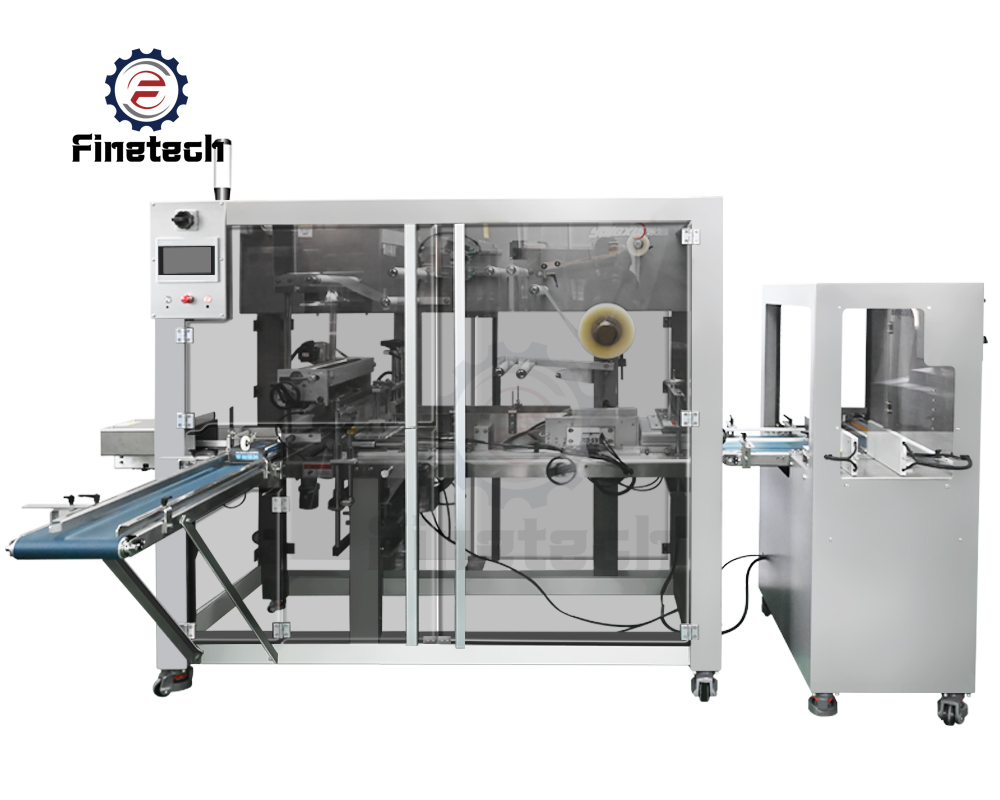
Price Range: $5,000 to $25,000 (depending on automation level).
Cellophane wrapping machines wrap products in transparent film (cellophane or similar materials) to create a protective outer layer. This type of packaging is commonly used for cosmetics, perfumes, cigarettes, pharmaceuticals, and boxed consumer goods.
The machine wraps the product in film and seals it tightly around the package. It improves product appearance and provides tamper-evident protection.
7. Case Packing Machines
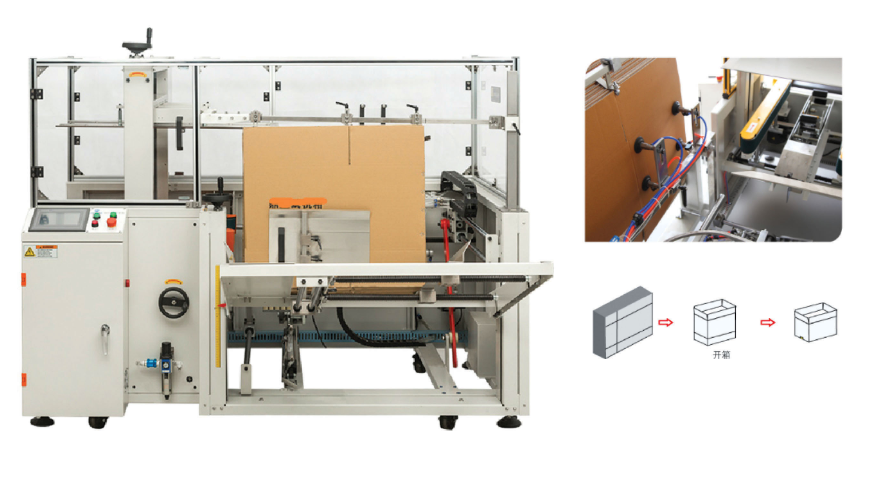
Price Range: ~$15,000 (semi-automatic), over $100,000 (advanced robotic systems).
Case packing machines are used to place finished products into shipping cartons or cases for transport and distribution. They are typically used at the end of packaging production lines.
Because of that, they are widely used in industries such as food and beverage, pharmaceuticals, and consumer goods manufacturing. In many automated factories, case packers work alongside palletizing machines to prepare products for shipment.
8. Tablets/Capsules Strip Packaging Machines
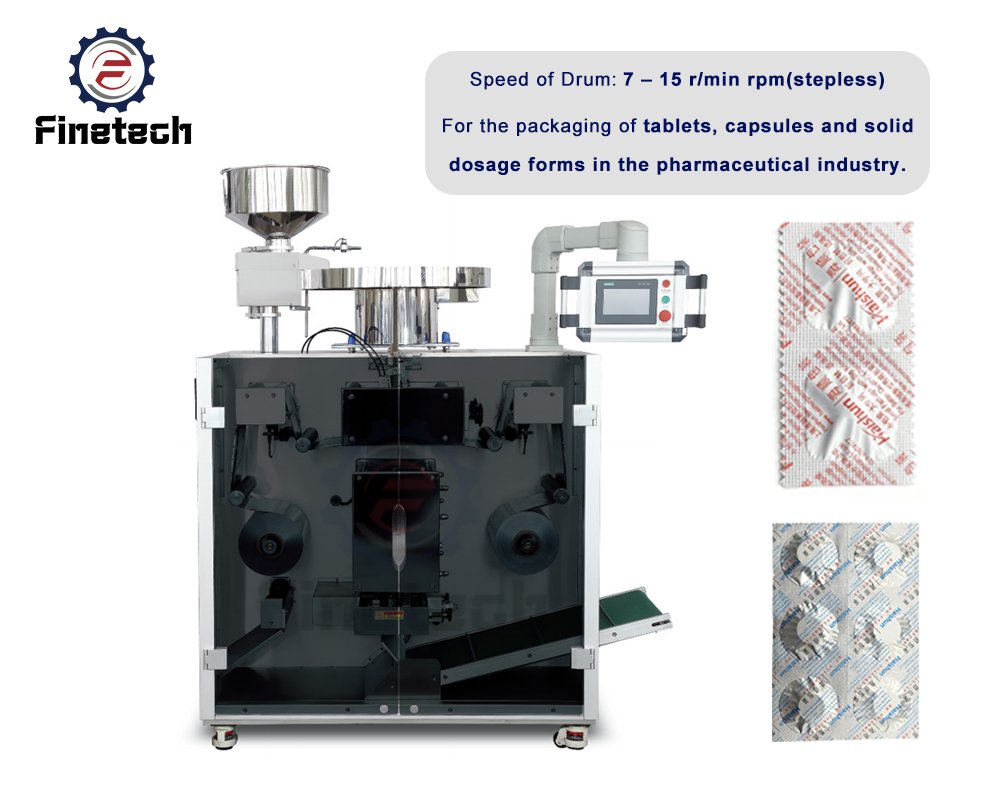
Price Range: $10,000 to $30,000 (semi-automatic), $80,000 to $150,000 (fully automated).
Tablet and capsule strip packaging machines are widely used in the pharmaceutical industry to package tablets or capsules in sealed strips. They are commonly used for tablets, capsules, and sometimes small medical products.
This packaging format protects the medicine from moisture, air, and contamination while letting patients remove individual doses easily.
How to Choose the Right Packaging Machine
Remember, the right machine should match your production needs, product type, and long-term business goals. For this, you’ll need the structured evaluation process so you can avoid unnecessary costs.
1. Evaluate Your Production Needs
First, understand how much product you need to package daily or monthly. Small businesses with limited output may only need a manual or semi-automatic machine, while companies with higher production volumes may benefit from automated systems.
If a machine is too slow, it can become a bottleneck as demand increases. On the other hand, purchasing a machine designed for much larger production can lead to unnecessary upfront costs.
2. Match the Machine to Your Product Type
Different products require different packaging methods. Liquids, powders, solid items, and fragile goods all need specialized machines to ensure proper handling and packaging quality.
For instance, liquid products may require liquid filling machines, meanwhile powders such as spices or protein powders may require auger filling machines.
3. Consider Machine Capability and Features
A packaging machine’s features determine how efficiently it performs. Important aspects to consider include filling accuracy, packaging speed, sealing technology, and compatibility with packaging materials.
Machines that offer adjustable settings and flexible packaging formats can be especially valuable for businesses that plan to introduce new products.
4. Plan for Long-Term Scalability
Businesses should also consider how their packaging needs may evolve over time. A machine that works well for current production might struggle to keep up as demand increases.
Many companies start with semi-automatic packaging machines and upgrade to fully automated systems once production grows. Choosing equipment that can integrate with additional machines later can make scaling easier.
FAQs
1. What factors influence the cost of a packaging machine?
Price is determined by automation level, production speed, material compatibility, and quality control systems. Additional modules such as vision inspection, serialization, and data logging also raise the cost.
2. What is the average cost of a packaging machine in the pharmaceutical industry?
The cost typically ranges from $5,000 to over $200,000, depending on automation level and production capacity. Laboratory-scale machines are cheaper, while high-speed integrated lines used by large pharma manufacturers command significantly higher prices.
3. Is it cheaper to buy a manual packaging machine?
Manual machines are the most affordable option, often costing $800 to $3,000, but they are unsuitable for large-scale pharmaceutical production due to lower throughput and limited precision.
4. How much does maintenance add to the packaging machine cost?
Maintenance expenses typically include spare parts, lubrication, calibration, and technician support. Over the machine’s lifetime, maintenance can represent a substantial portion of the total ownership cost.
5. What is the cost difference between Chinese and European packaging machines?
Chinese machines are generally more affordable, while European or North American equipment carries premium pricing due to engineering standards, certifications, and after-sales support.
Upgrade Your Production with Our Packaging Equipment
Understanding the packaging machine cost is only one part of the decision. The real value comes from selecting equipment that fits your production workflow and long-term business plans.
Fortunately, at Finetech, we provide a wide range of professional packaging and pharmaceutical machinery solutions. Our equipment is built to meet GMP standards, and we have clients in over 100 countries.
If you are planning to upgrade your packaging process, our team can help identify the right machines!