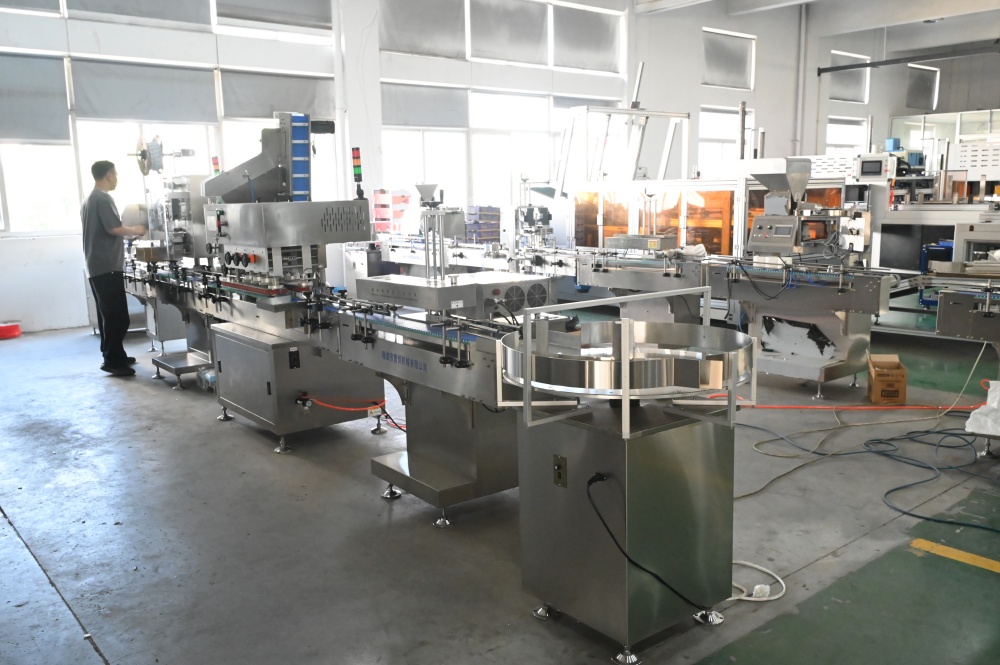
Professional supplier of overall solutions for pharmaceutical manufacturing and packaging

GMP Standard Bottle Air Rinser for Vial & Bottle Pre-Filling Cleaning

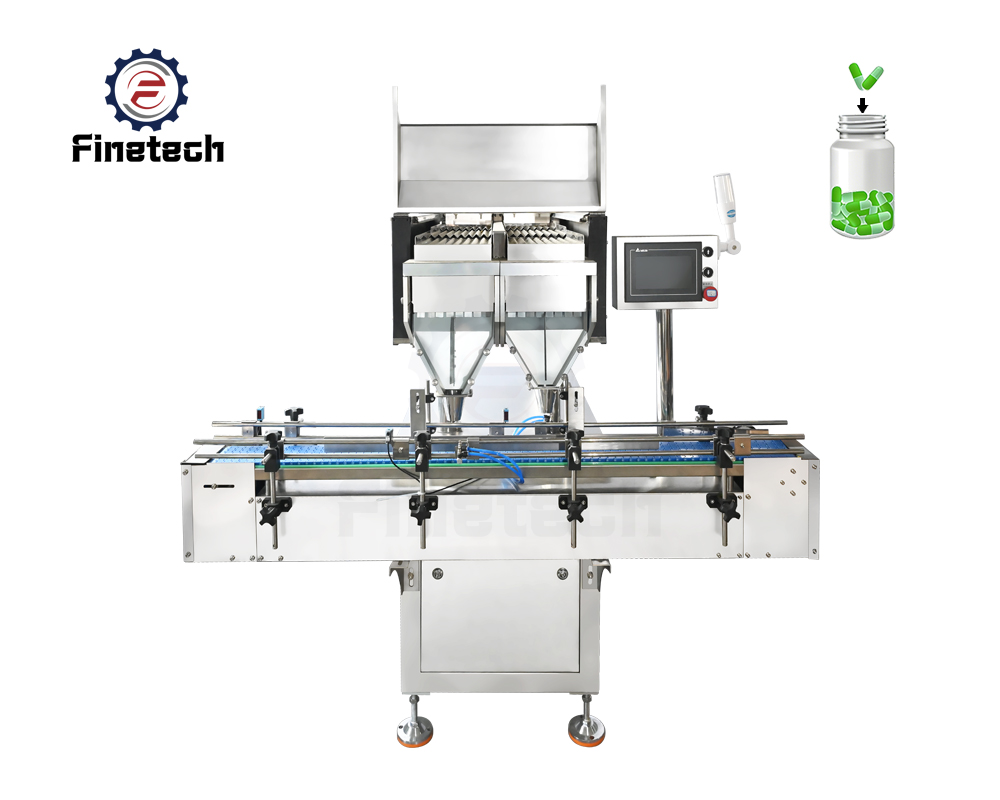
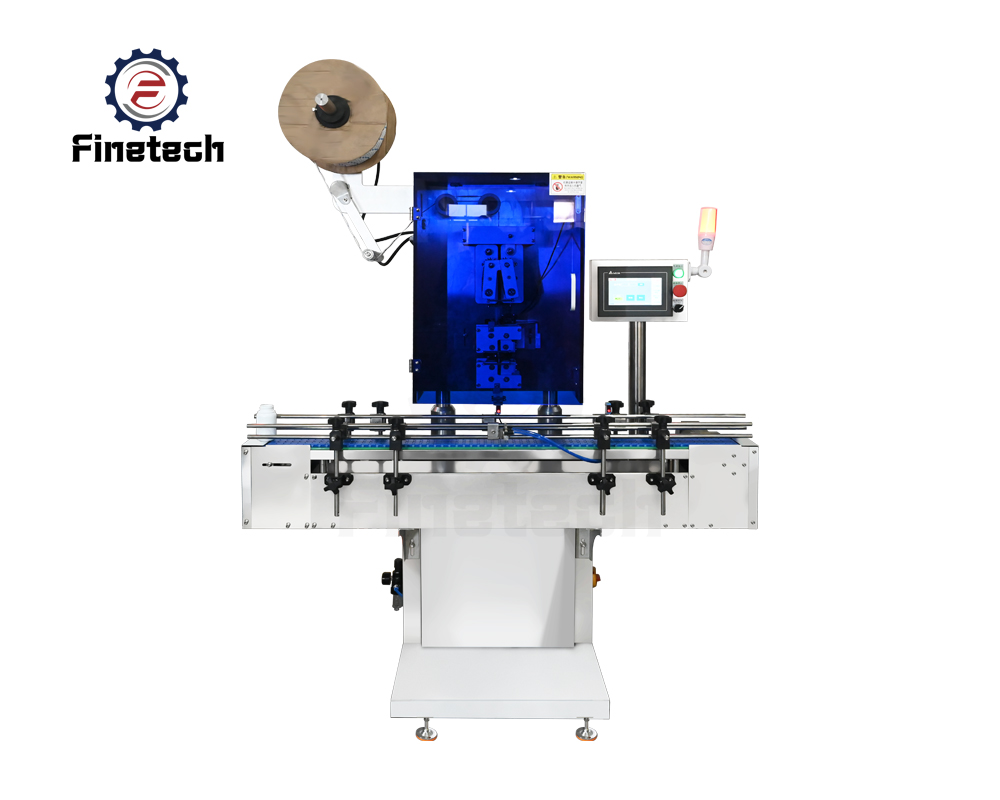
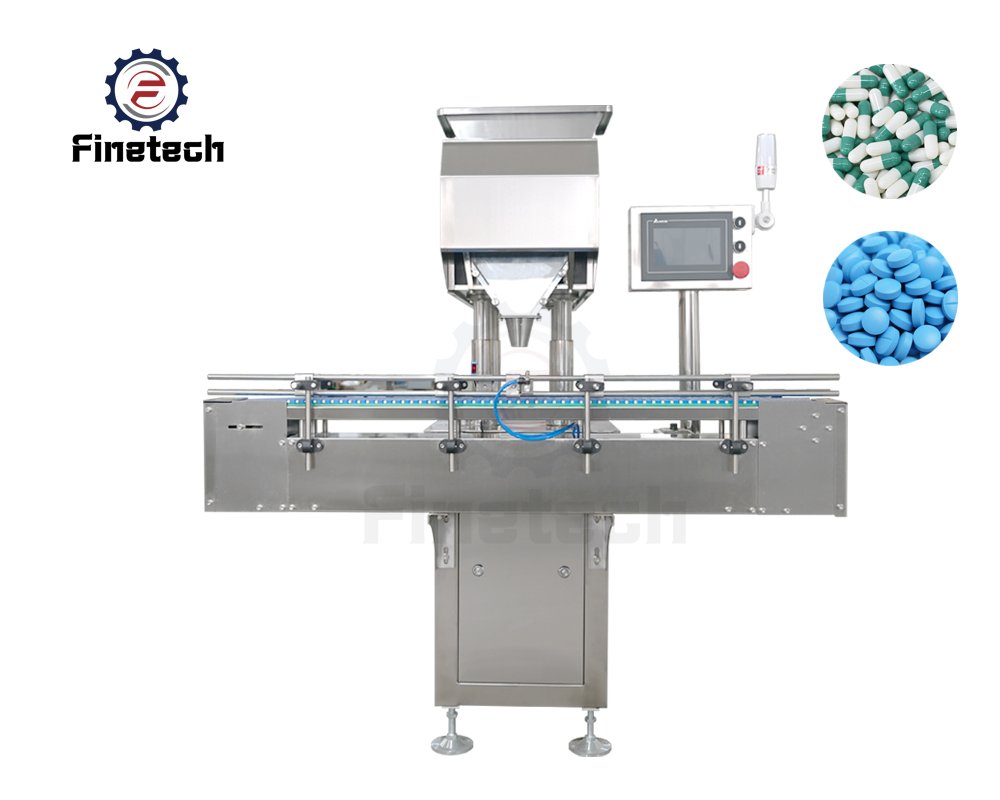
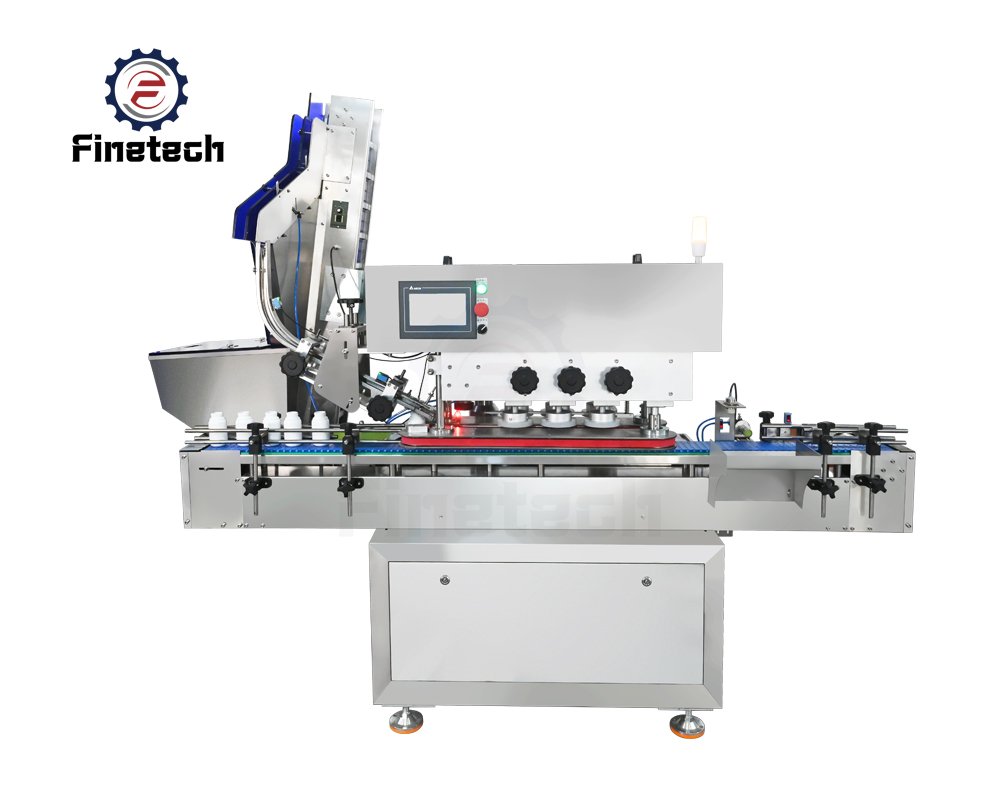
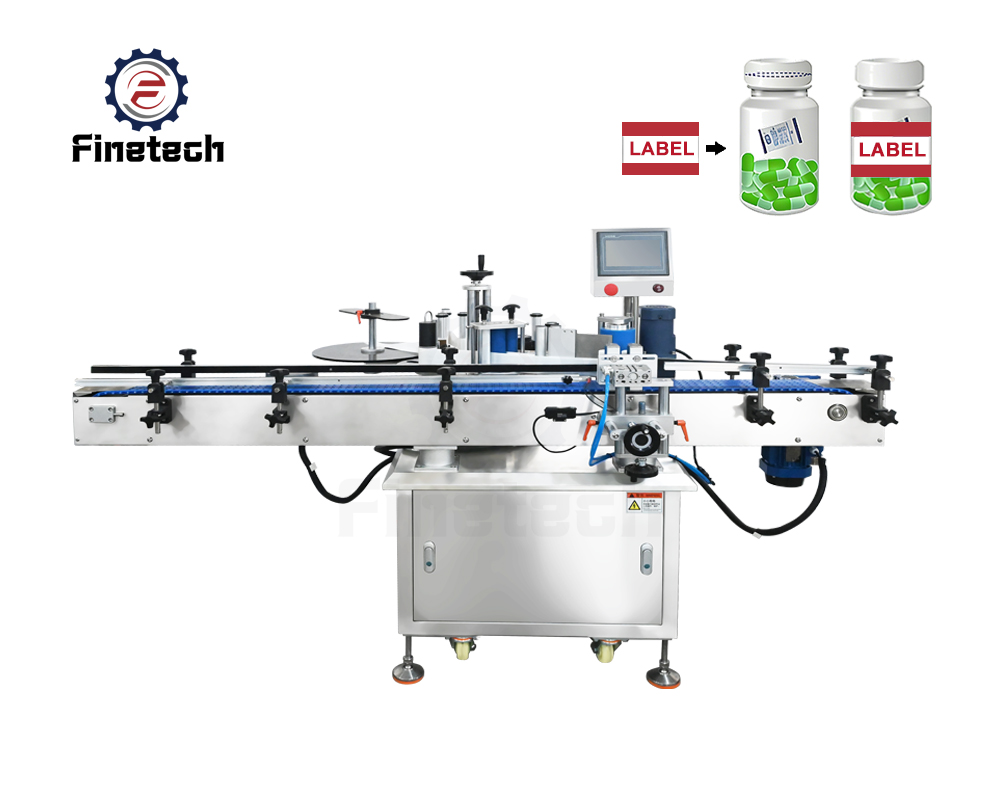
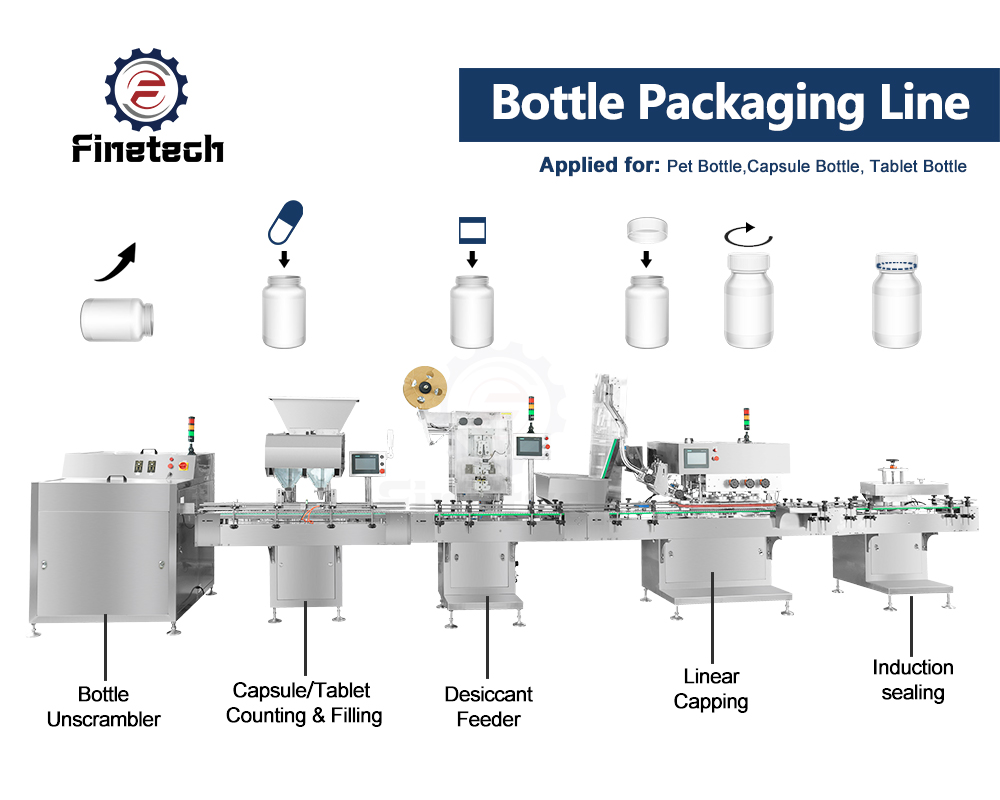
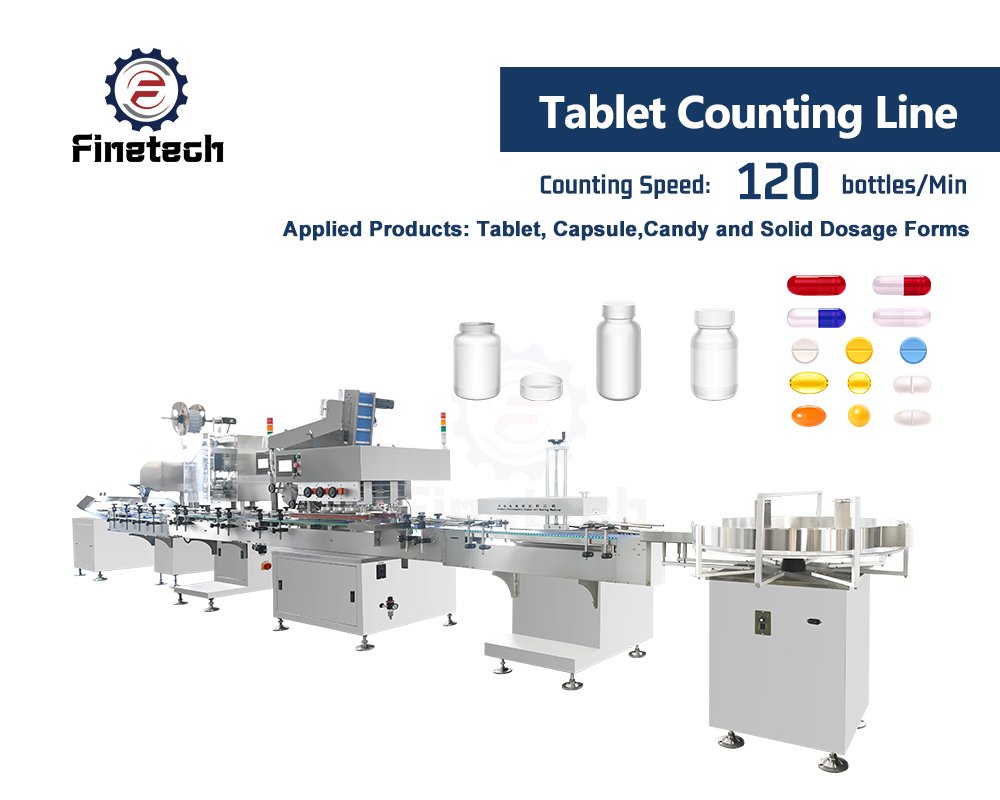
Finetech supplies bottle air rinser configurations for pharmaceutical, food, beverage, cosmetic, and household-product lines. We match the rinsing method to bottle material, neck opening, dimensions, contamination risk, line speed, and clean-air supply. Options include inverting, ionized-air, and air-vacuum designs. Support covers sample review, integration, commissioning, and operator setup.

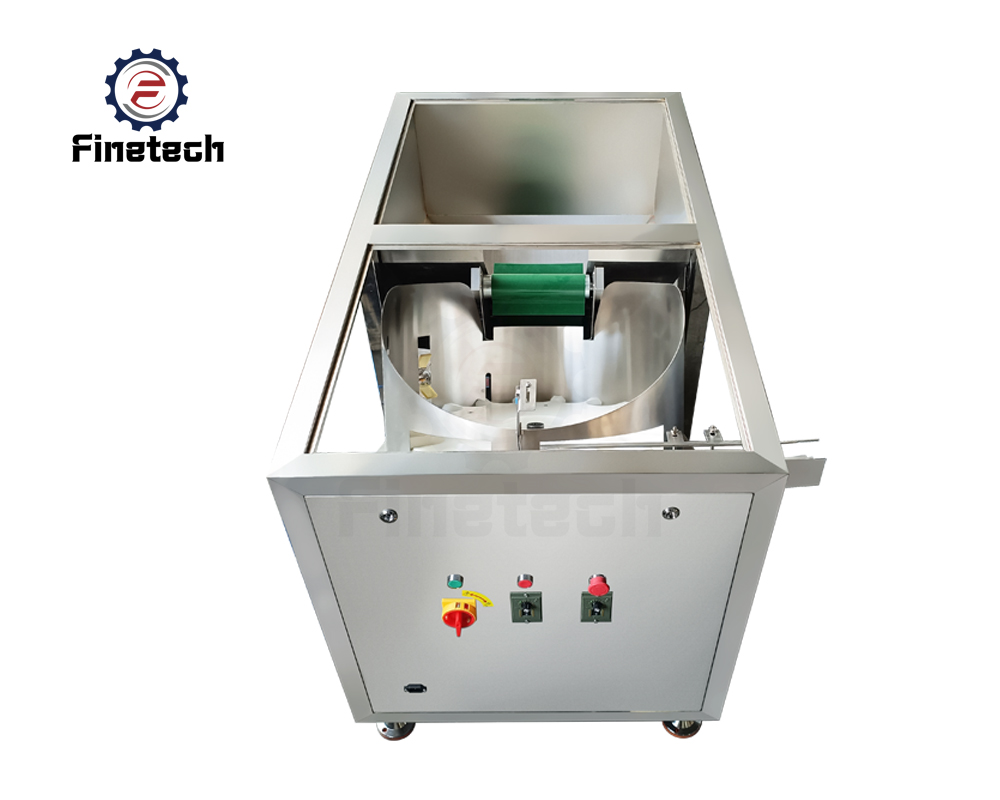
Bottle Air Rinser

What Is a Bottle Air Rinser?

A bottle air rinser removes loose dust and particles from empty containers before filling. The machine may invert bottles and direct filtered air into each opening, or clean upright bottles with air and vacuum extraction. Ionized air can reduce static that holds particles to plastic surfaces. Clean containers then transfer directly to the filling line.

Bottle Air Rinser1

Key Benifits

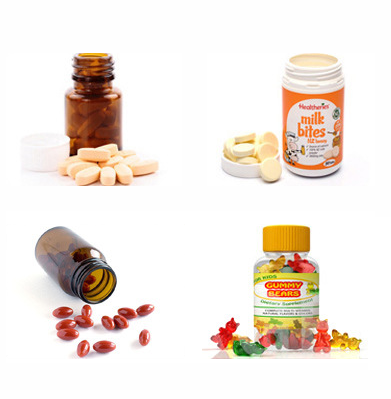
Dry Container Cleaning

Air rinsing removes loose debris without adding water to the bottle. This avoids a separate drying stage before filling.

Improved Product Protection

Cleaning bottles immediately before filling reduces the chance that transport dust or loose particles enter the packaged product.

Continuous Line Operation

Automatic indexing, rinsing, and discharge maintain bottle flow. The rinser can synchronize with upstream feeding and downstream filling.

Why Partner With Finetech

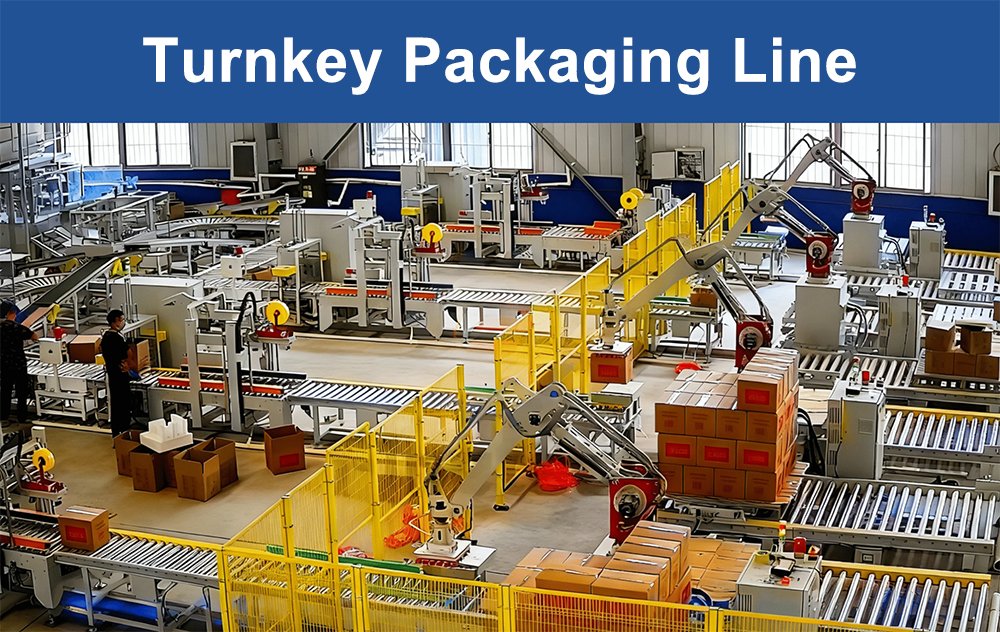
Bottle Cleaning Designed for the Complete Line

A stable rinse depends on the container and the surrounding equipment. Finetech reviews bottle material, shape, neck size, height, stability, line speed, air quality, and floor space. We then select inversion, ionization, vacuum extraction, guides, rinse heads, and control signals for the intended filling process.

Reasons to Choose Finetech:

View Our Bottle Air Rinser

Bottle Air Rinser2

Automatic Bottle Air Rinser

Common options include inverting air rinsers, inline ionized-air systems, and air-rinse units with vacuum extraction. Inverting machines turn bottles over so loosened debris can fall away. Ionized air helps neutralize static on plastic containers. Air-vacuum designs clean bottles while they remain upright. Selection depends on bottle stability, neck access, contamination risk, speed, and available compressed air.

Interested?

Source a bottle air rinser for your bottling line.

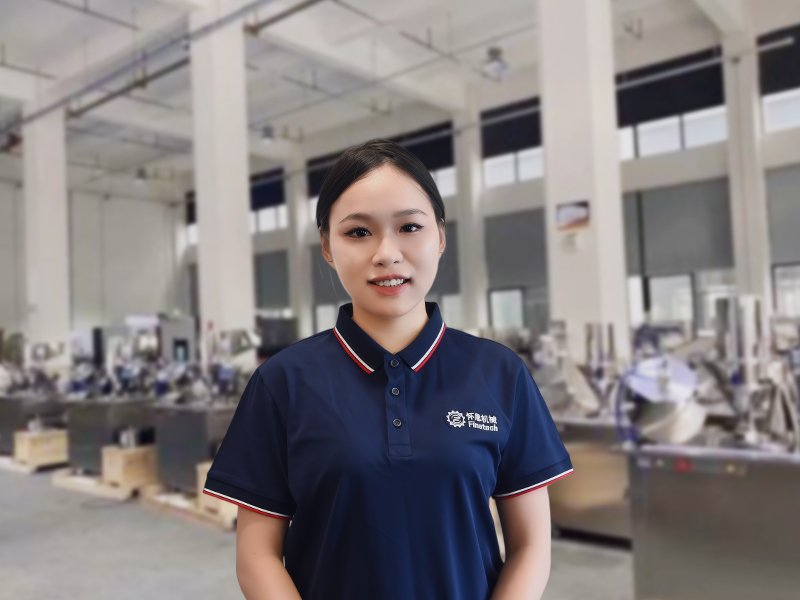
Finetech Sales Manager Amy

Applications for Bottle Air Rinsing

Click below to explore the application areas of Bottle Air Rinsing.

Key Features

An in-depth look at the features of the Bottle Air Rinser.

Controlled Bottle Infeed

Controlled Bottle Infeed

Guides and sensors space containers before the rinse zone. Stable indexing prevents collisions and presents each bottle correctly.

Soft-Grip Inversion

Soft-Grip Inversion

Inverting models grip bottles with cushioned pads before turning them over a collection area. Proper handling limits scuffs and deformation.

Ionized-Air Option

Ionized-Air Option

Ionized air neutralizes static that can hold dust to plastic walls. Loosened particles become easier to remove from the container.

Targeted Clean-Air Nozzles​

Targeted Clean-Air Nozzles

Rinse nozzles direct filtered compressed air into the bottle interior. Their position and timing can be adjusted around the neck opening

Vacuum Extraction Option

Vacuum Extraction Option

Dual-action systems loosen debris with air and draw it into a collection reservoir. Bottles can remain upright during this process.

Adjustablet Rinse Cycle

Adjustable Rinse Cycle

Operators set rinse duration, air pressure, and indexing speed within the approved range. Settings can be stored for repeat formats.

Scan empty bottle

No-Bottle, No-Rinse Control

Bottle sensors prevent unnecessary air discharge when a position is empty. This reduces compressed-air waste and unwanted disturbance.

HMI Control System

PLC and HMI Monitoring

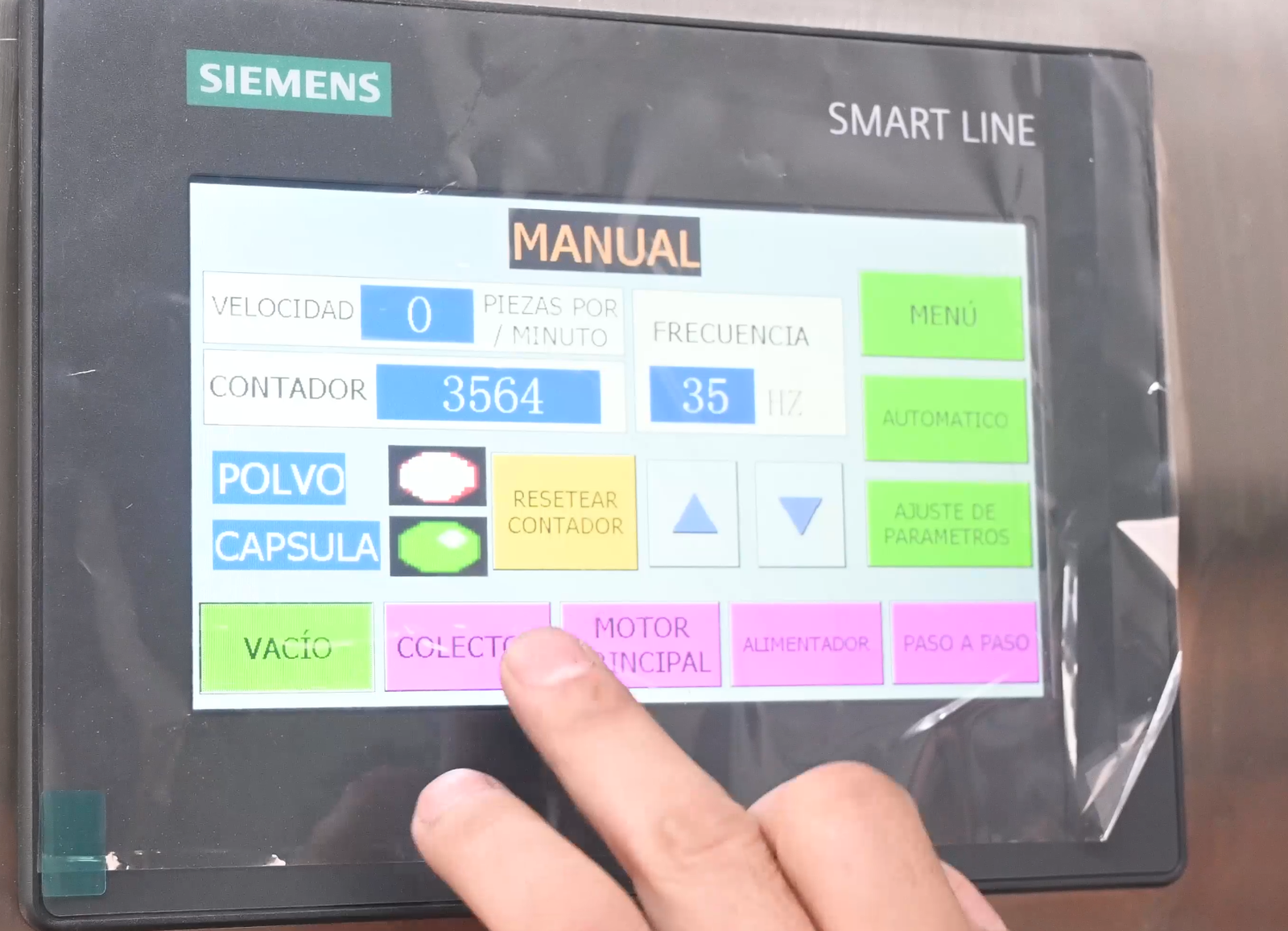
The interface displays machine status, speed, alarms, and routine settings. Clear diagnostics help operators locate a bottle-flow interruption.

Accessible Hygienic Layout

Accessible Hygienic Layout

Open access to nozzles, guides, and debris collection areas supports inspection and cleaning. Guarding protects moving handling components.

Certification

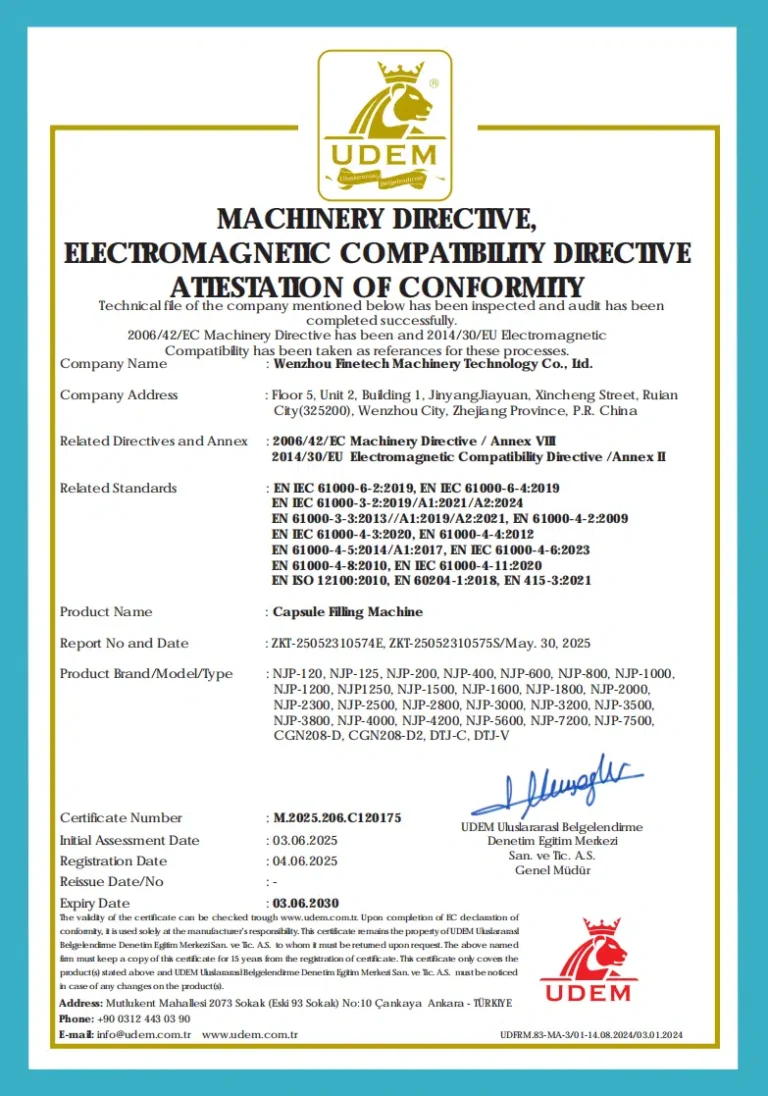
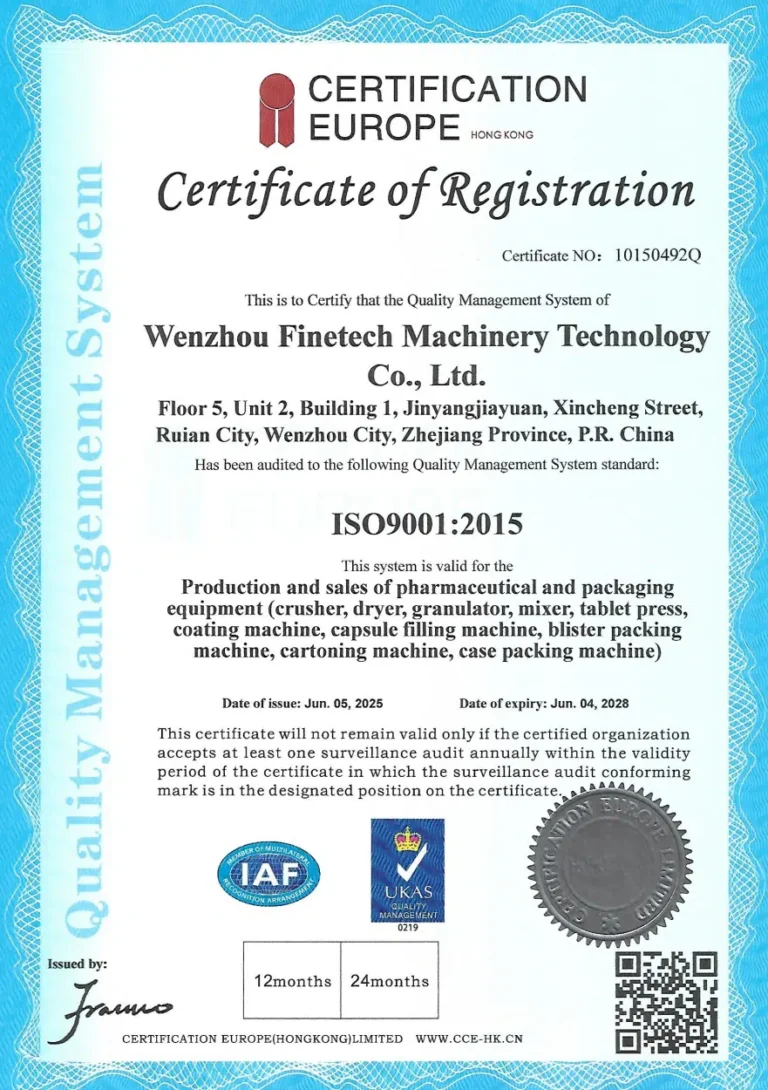
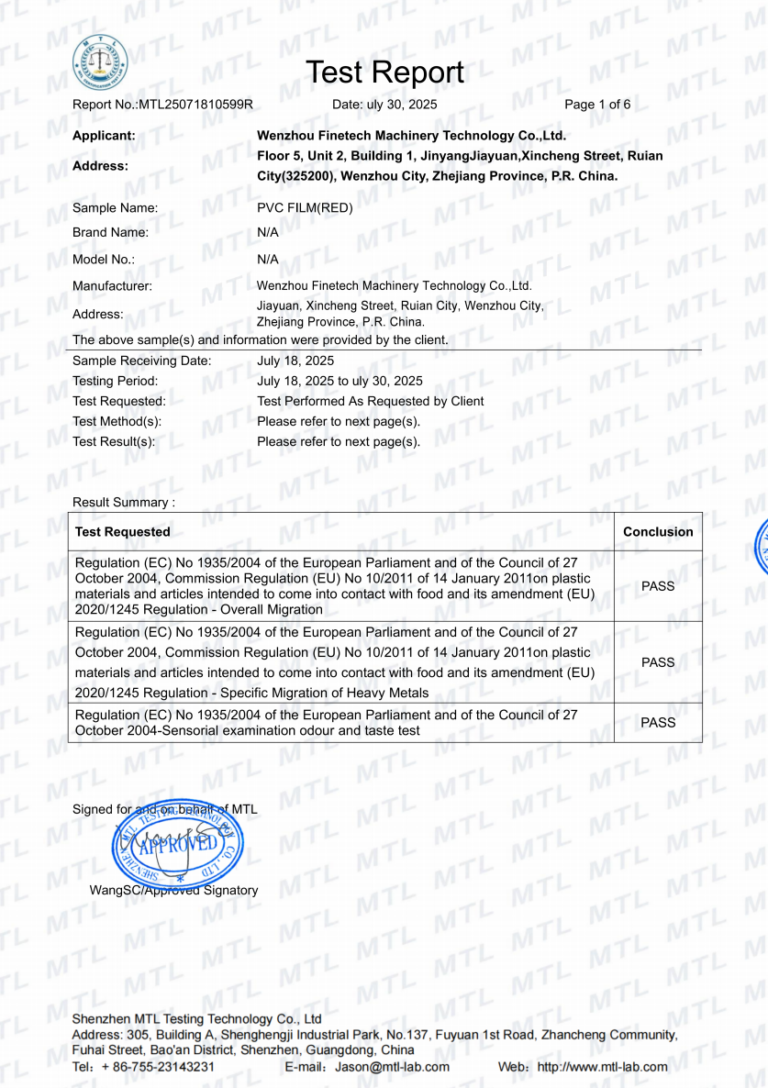
Finetech has obtained CE certification for the European market and passed ISO 9001 quality system certification. Our machinery is eligible for export to international markets, including Europe, the United States, Southeast Asia, the Middle East, South America, and Africa.


Our Services

We will customize the bottle air rinser based on the specifications of your bottling line.

Technical data

Maximum production capacity

25,000

capsules/hour

Capsule size range

000#–5#

capsule sizes

Power range

2.2–4.0

kW

Machine weight

400–450

kilogram

Specification

ItemTechnical Parameter
Machine NameIonized Air Bottle Rinser / Dry Bottle Cleaning Machine
Applicable ContainersPET bottles, glass bottles, plastic jars, vials, cosmetic & pharmaceutical containers
Cleaning MethodIonized compressed air cleaning, static elimination, dry dust removal (waterless cleaning)
Working PrincipleIonized air neutralizes static electricity, high-pressure clean air blows away internal dust, particles and foreign matter
Production SpeedSemi-auto: 200–800 BPHFully automatic rotary type: 1000–6000 BPH (customizable)
Bottle Diameter Range20mm – 120mm (customizable)
Bottle Height Range50mm – 320mm (customizable)
Air Pressure Requirement0.4–0.6 MPa (clean dry compressed air)
Power Supply220V/380V 50/60Hz (customized)
Power Consumption0.5KW – 2.2KW (based on machine model)
Machine MaterialFull SUS304 stainless steel body, food-grade & GMP compliant
Control SystemPLC automatic control + touch screen operation, easy parameter adjustment
FeatureWaterless cleaning, no secondary pollution, static removal, low noise, high efficiency, easy maintenance
Application IndustryPharmaceutical, cosmetic, food & beverage, daily chemical packaging industry
Optional FunctionBottle inverting system, air filtration system, automatic bottle feeding & discharging

Interested in a bottle air rinser?

Talk to our experts to discover the right solution for your needs.

Finetech Sales Manager Amy01

Related Technologies

FAQs

It is intended for loose dust, fibers, and small particles. It does not replace validated washing for bonded or oily contamination.

Air cleaning keeps containers dry and avoids a drying stage. It can reduce water use for suitable applications.

Ionized air neutralizes static charge on the bottle surface so dust is less likely to remain attached.

No. Inverting designs are common, but air-vacuum systems can clean selected containers while they remain upright.

Yes, with suitable guides and handling parts. Bottle strength, shape, and surface sensitivity should be reviewed.

The process should use clean, dry, filtered compressed air appropriate for the product and production environment.

A machine may support the stated capsule size but still perform differently with capsules from different suppliers. Shell dimensions, moisture content, brittleness, static charge, and cap-to-body fit can affect feeding, separation, filling, and locking. Ask the manufacturer to test the exact gelatin or HPMC capsules you plan to use. The trial should record unopened capsules, cracked shells, loose caps, locking failures, and the overall rejection rate.

Inverting systems direct debris into a basin. Vacuum systems capture it in a removable collection reservoir or filter.

Yes. Conveyor height, bottle spacing, speed, and control signals can be matched to the filling line.

Provide bottle samples or drawings, neck and body dimensions, material, speed, contamination risk, air supply, and line layout.

Inspect them on a routine schedule based on operating hours, air quality, debris load, and the machine manual.

They are typical configuration values. Final specifications should be confirmed against bottle samples, line speed, and utility conditions.