English
  Russian
  Turkish
  Spanish
  French
  German
  Japanese
Have you ever considered investing in a turnkey filling line to eliminate bottlenecks in your production process? It could come in handy big time.
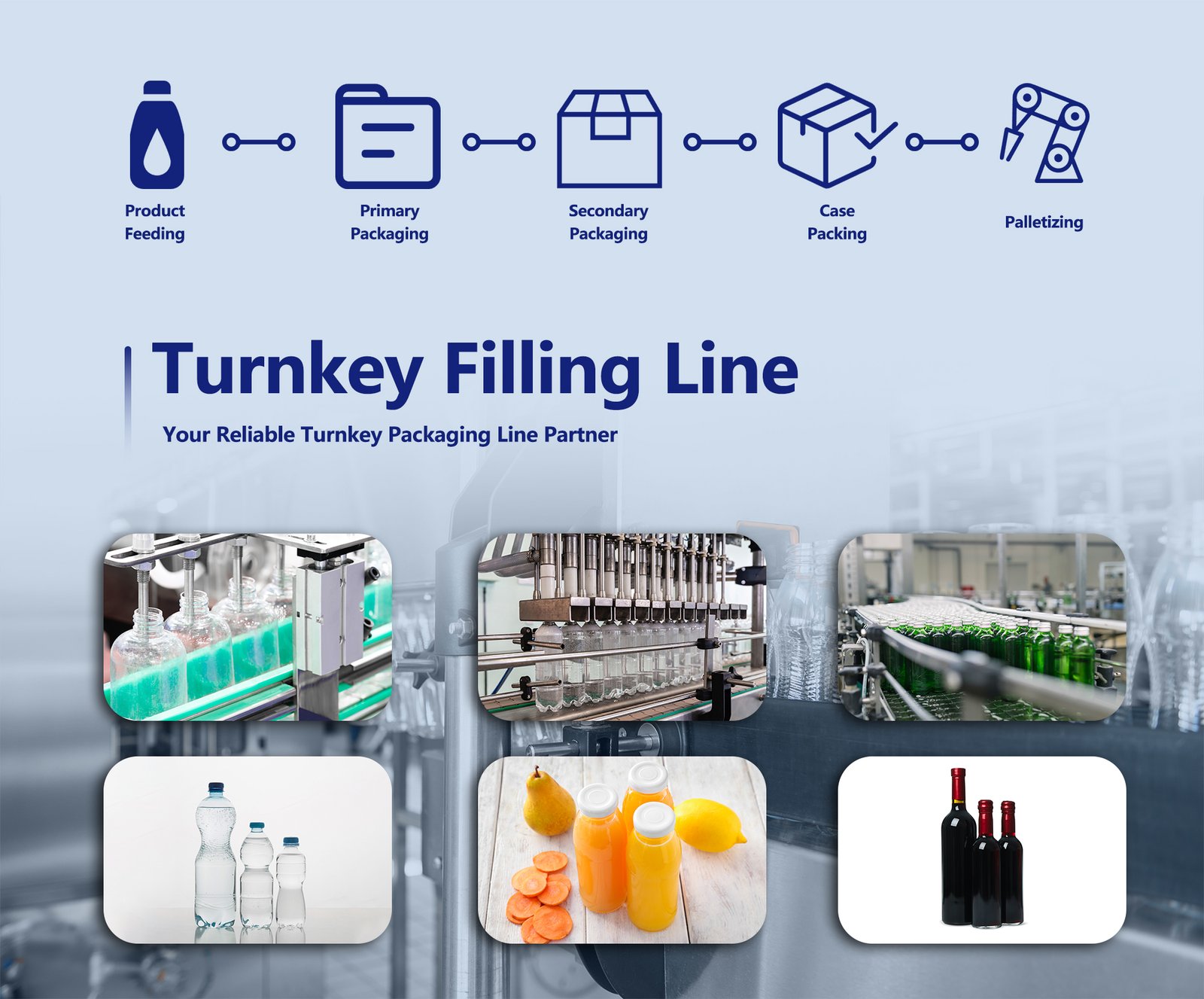
For many manufacturers, setting up a filling line means coordinating multiple suppliers and navigating endless delays. If there’s even one weak link, the entire operation is set back by weeks.
A turnkey filling line solves this problem by delivering a complete, ready-to-run production system. In this guide, we’ll cover how industries benefit most from it and how to choose the right provider for your needs.
What Is a Turnkey Filling Line?
A turnkey filling line is a complete, ready-to-run production system supplied by a single provider. It covers everything needed to fill, cap, label, and package a product, including installation, testing, and operator training.
One of the reasons for using a line is the unplanned downtime that manufacturers face. According to Siemens, the average large plant loses 27 hours per month to unplanned downtime, and recovery time has increased to 81 minutes.
When you get a turnkey filling line, it reduces all this risk by placing full accountability on a single provider, from design and integration to commissioning and after-sales support.
Key Components of a Turnkey Filling Line
A turnkey filling line is only as good as the components that make it up. Each element plays a specific role in keeping the line running accurately and in compliance with industry standards. Here is what a complete system includes:
1. Filling Machine
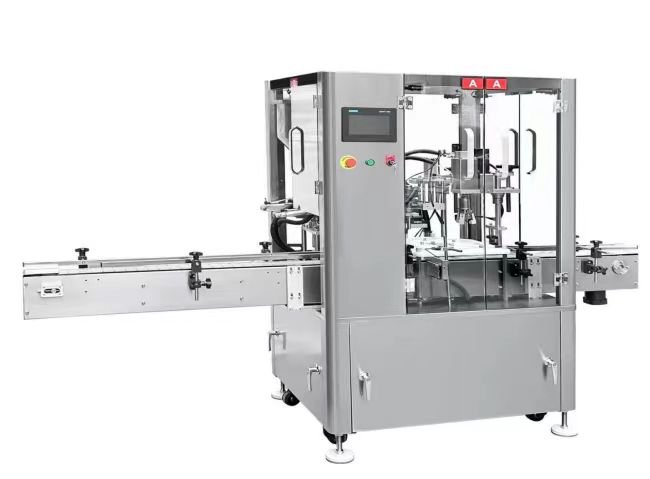
The filling machine is the core of the entire line. It is selected based on the product being handled, whether that is a thin liquid, a thick paste, a free-flowing powder, or a viscous gel. Common filling technologies include piston fillers, overflow fillers, and peristaltic pump fillers.
The right choice depends on product viscosity, fill accuracy requirements, and container type. A well-specified filling machine ensures consistent fill volumes, reduces product waste, and maintains hygiene standards across production runs.
2. Capping and Sealing Systems
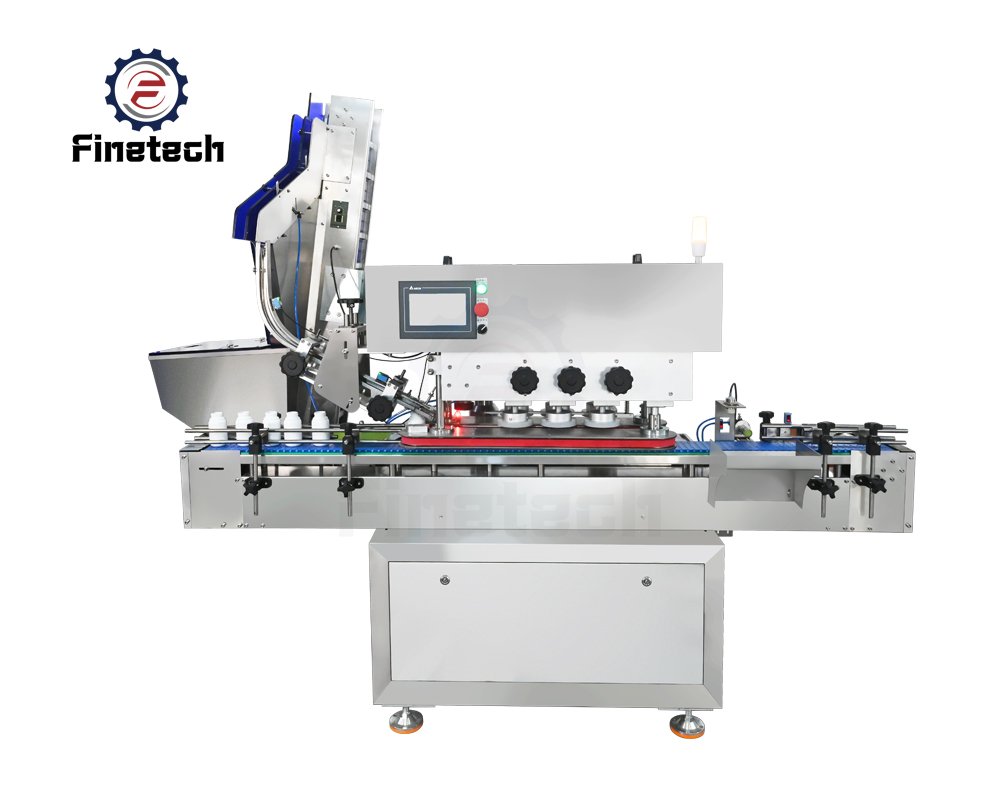
Once a container is filled, it needs to be sealed immediately and securely. Capping systems handle a wide range of closure types, including screw caps, snap-on lids, press-on caps, and pump dispensers.
Sealing systems cover induction sealing, foil sealing, and heat sealing, depending on the application. Proper capping and sealing protect product integrity and extend shelf life, which is non-negotiable in food, pharma, and personal care applications.
3. Labeling and Coding Equipment
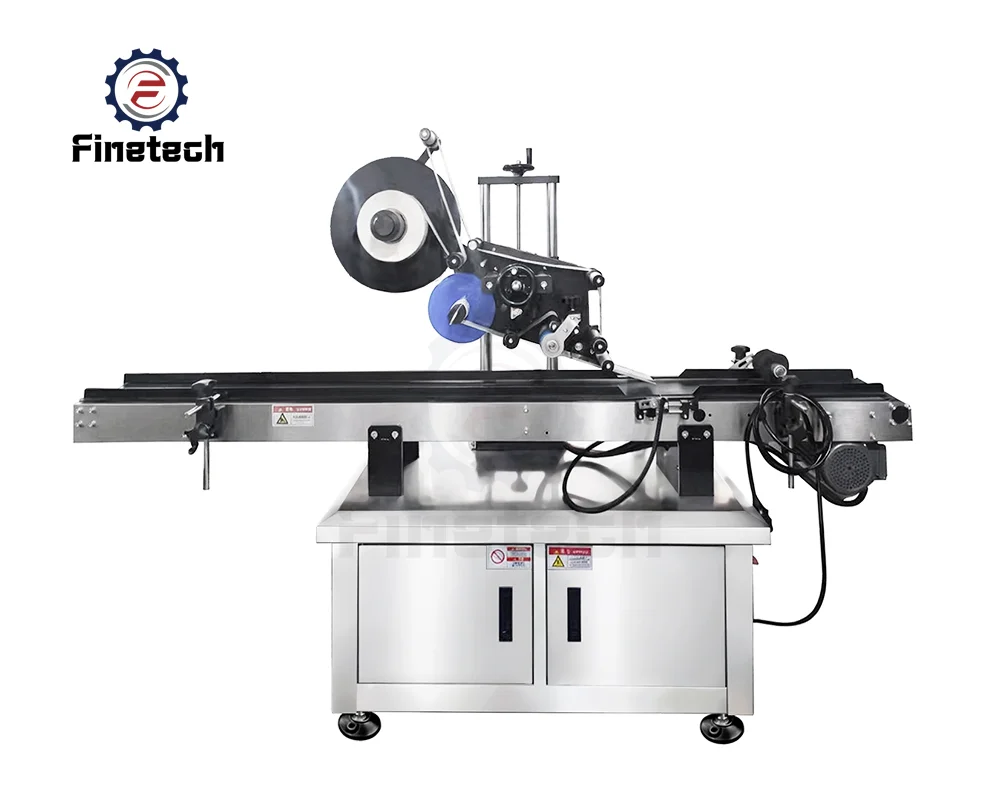
Labeling machines apply pressure-sensitive, sleeve, or wrap-around labels to containers at high speed and with precise placement.
Coding equipment, including inkjet printers, laser coders, and thermal transfer printers, applies batch numbers, expiry dates, and barcodes. Accurate labeling and coding are now regulatory requirements in most industries.
4. Inspection and Quality Control Systems
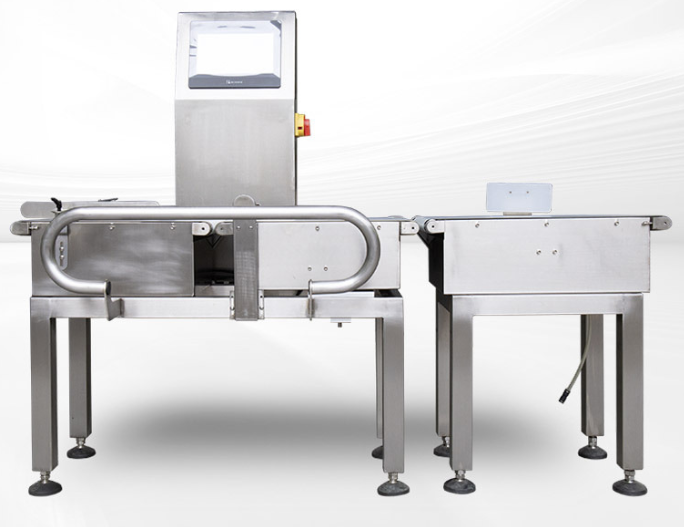
Quality control systems are integrated throughout the line to detect and reject non-conforming products before they reach the end of the line. This includes fill level inspection, cap presence detection, label verification, and checkweighing.
Vision systems and sensors catch issues in real time, reducing waste, preventing recalls, and ensuring every unit leaving the line meets specifications.
5. Conveyors and Material Handling
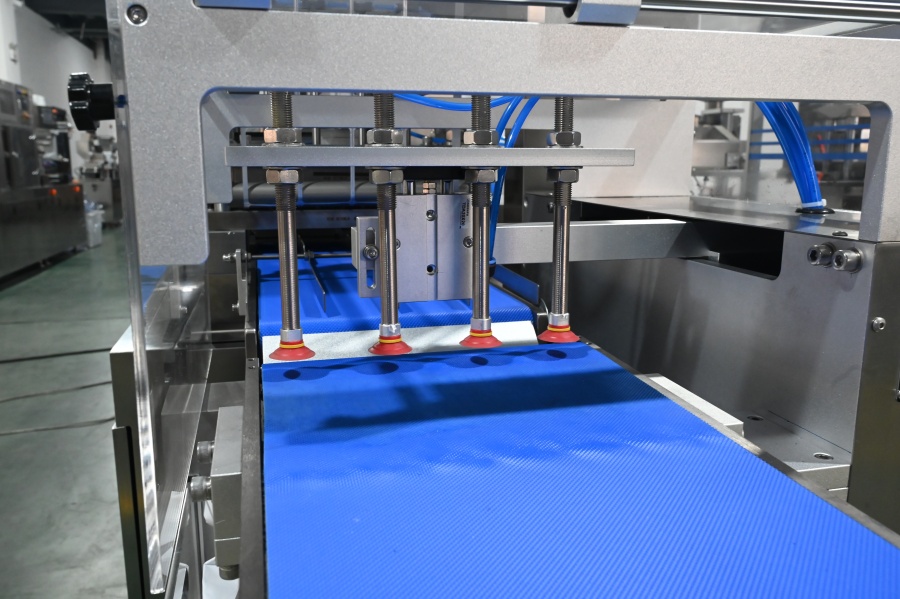
Conveyors are the connective tissue of the entire filling line. They move containers smoothly and consistently from one station to the next, controlling speed, spacing, and orientation throughout the process.
A well-designed conveyor system keeps the line balanced, prevents bottlenecks, and guarantees each component operates at its intended throughput.
What Are the Benefits of a Turnkey Filling Line?
If you’re wondering why you should opt for a turnkey filling line, the benefits below will help you make up your mind.
1. Reduced Lead Time
With a turnkey provider, everything moves under one project timeline. Equipment selection, design, manufacturing, and delivery are coordinated by a single team, eliminating the back-and-forth delays that come with managing multiple suppliers.
For manufacturers working toward a launch date or scaling production quickly, this alone makes a significant difference.
2. Single Point of Accountability
When something goes wrong on a multi-vendor line, the first challenge is figuring out whose problem it is. With a turnkey filling line, that question never comes up.
One provider is responsible for the entire system, from the first machine to the last. If there is an issue, there is one call to make and one team responsible for resolving it.
3. Easier Installation and Commissioning
A turnkey provider delivers a system that has already been designed to work together. Components are pre-tested, integration is pre-planned, and the installation process follows a structured commissioning protocol.
This means your workers have to spend less time on on-site troubleshooting and achieve faster sign-off before production begins.
4. Lower Integration Risk
Mixing equipment from different manufacturers introduces compatibility risks, whether in software, mechanical interfaces, or operating speeds. This is not a minor concern.
A 2022 Plant Engineering survey found that 41% of manufacturers ranked integrating mismatched systems as a top operational challenge. A turnkey filling line removes that risk, since every component is built to work together from day one.
5. Ongoing Support from One Vendor
After commissioning, having a single vendor for spare parts, maintenance, software updates, and technical support simplifies operations.
This way, there is no confusion over warranties and no need to maintain separate relationships with multiple service teams. In the long term, this translates into faster response times and lower maintenance overhead.
Turnkey Filling Line Working Principle
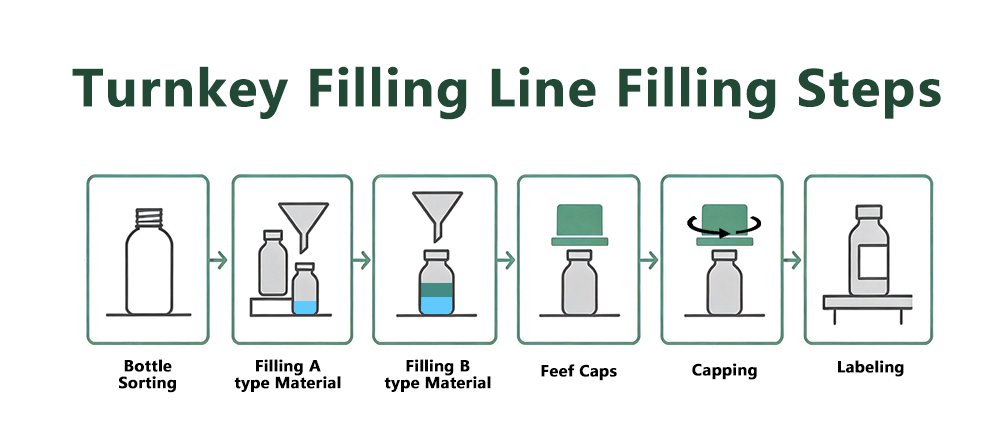
A complete turnkey filling line runs on coordinated mechanical + pneumatic + servo automation: empty bottle sorting → infeed conveyor → quantitative filling → cap feeding & screwing → labeling → finished product discharge, with inline detection to reject defective products automatically.
How to Choose the Right Turnkey Filling Line Provider
Always keep in mind that the right partner can significantly impact how quickly your line is up and running and how well it performs over time. Here is what you need to evaluate before making a decision:
1. Experience and Track Record
A provider’s history tells you a great deal about what you can expect. Look for suppliers that have delivered turnkey filling lines in your industry. Remember, general manufacturing experience is not enough.
You want a provider who understands the product types, regulatory environment, and the production challenges specific to your sector. Ask how long they have been operating and whether they have handled projects of a similar scale.
2. After-Sales Support and Spare Parts
The relationship with your provider does not end at commissioning. Ongoing access to technical support, preventive maintenance services, and spare parts is critical to keeping your line running at full capacity.
Before committing, clarify response times for technical issues, if remote diagnostics are available, and how quickly spare parts can be sourced and delivered. A provider with poor after-sales infrastructure can cost you far more in downtime.
3. Compliance with Industry Standards
Depending on your industry, your filling line may need to meet specific regulatory requirements such as FDA regulations, Good Manufacturing Practice guidelines, CE marking, or other regional and international standards.
Your provider should have a documented track record of delivering compliant systems. Ask for evidence of past compliance, relevant certificates, and how they handle validation documentation such as IQ, OQ, and PQ protocols.
4. Reference and Case Studies
A reputable provider should have no hesitation in sharing references from past clients or case studies that demonstrate their work. Look for examples that are relevant to your industry and production scale.
Speaking directly with existing clients gives you an unfiltered view of how the provider performs during installation, how they handle issues post-commissioning, and whether their promises hold up in practice. If the provider is reluctant, that is worth noting.
FAQs
1. How much facility modification is usually required before installing a turnkey filling line?
Requirements vary based on line size and product type. Common modifications include electrical upgrades, compressed air systems, floor space adjustments, drainage systems, cleanroom compliance measures, and utility connections.
2. How can manufacturers verify that all equipment in a turnkey filling line will work together properly?
Many suppliers conduct Factory Acceptance Tests (FAT) before shipment and Site Acceptance Tests (SAT) after installation to validate compatibility and performance.
3. What should companies look for in a turnkey filling line supplier?
Experience in the target industry, engineering expertise, support capabilities, references, customization options, and after-sales service are often more important than price alone.
Ready to Build Your Turnkey Filling Line? Talk to Finetech
As you know, setting up a filling line is one of the most consequential investments a manufacturer can make. A turnkey filling line removes this issue as everything is designed, integrated, and commissioned by a single provider.
If you are struggling to find a reliable filling line provider or simply looking for a complete system, Finetech is the right place to start.
With over 30 years of experience and a presence in more than 100 countries, Finetech delivers GMP-compliant, fully customized turnkey filling-line solutions tailored to your production capacity and budget.
Get in touch with a Finetech specialist today and let us take it from there!
If you are interested in turnkey packaging line solution, please click this solution page.